Royal Saxon Cellar (Hofkeller)
For some 300 years the Saxon court in Dresden has been one of the epicenters of admiration of Tokaji wine, especially during the time Saxon Electors were kings of Polan (from 1697 to 1706 and 1709 to 1763). In fact, it is quite plausible that the appearance of Tokaji at the Saxon court was directly linked to the Polish influence on Saxon Electors August II. and August III. because Hungarian wine, and Tokaji in particular had been traditionally very popular in Poland. Tokaji wine is first mentioned in Royal Saxon cellar records in ???
The history of Tokaji at the Saxon Court is well documented in the archives and I highly recommend reading the papers of Dr. Martin Kornek and Johannes Wolf on the subject. Another excellent source is a from 1880 book titled "Die Hof-Silberkammer und die Hof-Kellerei zu Dresden".
The following facts highlight the prestige of Tokaji at the Saxon Court.
The Tokajer Cabinet
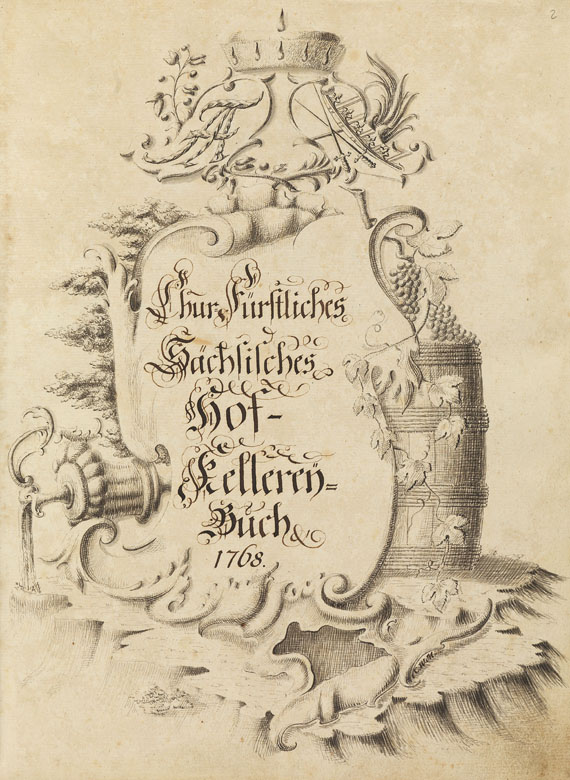
- The Saxon Electors and Kings had built a special Tokaji cellar (Tokajer Cabinet) in their Residence Palace in Dresden (Residenzschloss). It was a representative room below the famous jewellry collection "Grünes Gewölbe" and served not only as a place to collect and exhibit the best Tokaji vintages in barrels and bottles but as a place to present the precious wine to highly ranked state guests who were invited to visit the cellar and taste the best Tokaji. The guest book 1768-82 and 1869-1913 lists, among others:
- Frederick Augustus III, Elector of Saxony, his mother, Maria Antonia of Bavaria and former Electress of Saxony
- Heinrich Christoph von Baudissin (Governor of Dresden and Königstein Fortress; 1709–86)
- Michael K. von Oginski (Grand Hetman of Lithuania; 1731–99)
- Members of the Boos von Waldeck, von Wilberg, von Berlepsch, von Oettingen, de l'Estocq, von Lindemann and other families
- Albert, Crown Prince and later King of Saxony, and his wife Carola
- Frederick Francis II, Grand Duke of Mecklenburg-Schwerin
- Philippe of Flanders (Prince of Belgium), his father-in-law Karl Anton of Hohenzollern-Sigmaringen
- Antoinette, Duchess of Austria
- Antoinette Maria, Hereditary Princess of Hohenzollern and Infanta of Portugal
- Leopold, Hereditary Prince of Hohenzollern
- Georg, Duke of Saxony
- Carl of Prussia
- Victoria of Prussia (known as ‘Empress Friedrich’)
- Ferdinand II of Portugal
- Wilhelm of Hohenzollern, later Emperor Wilhelm II
- Frederick III, King of Saxony, and his brothers John George and Maximilian
- Franz von Thurn und Taxis
- Albrecht von Braunschweig
- Gustav, Crown Prince and later King of Sweden and Norway
- Johann Heinrich Burchardt (Mayor of Hamburg)
- Johann Albrecht, Duke of Mecklenburg

Floor plan of the Tokajer Cabinet (17??)
Title page of the guest book of the Royal Saxon Cellar (1768-82 and 1869-1913). A quote from the guest book: "???"
Photograph of the former Tokajer Cabinet (20??)
Title page of the guest book of the Royal Saxon Cellar (1768-82 and 1869-1913)
Tokaji was not restricted to the cellar in Dresden but was shipped and kept in all cellars the monarchs lived such as Hubertusburg, Moritzburg, Pillnitz etc.
- Tokaji was actively used as present of the first order for kings and czars.
- Louis XIV
- Peter I
- Daughter of August III.
- …
- Tokaji was not only present in royal menus but important signs of wealth and status at the frequent festivities <evidence>
- Anecdotes and legends link Tokaji to the Saxon court. <Evidence>
- August der Starke (kein Tax für Tokajer)
- Gräfin Cosel
- Tokajer Operette uraufgeführt?
- Tokajer muss …
The Tokaji wine assets were closely managed, well-documented and regularly tasted. It is very interesting that expensive Tokaji wines of “excellent quality” were described as “completely dry”. This is something really new, and underlines the great potential of
- Tokaji that is produced as dry wine (dry Tokaji had never been considered a great wine category, but leading winemakers like István Szepsy have started to explore that uncharted territory with very promising results).
- Sweet Tokaji that has gone through multiple fermentations and has become dry over time. This concept of a "dry Aszú" is a completely new perspective on high quality dry wines not found today in the Tokaji wine region. I would expect this wine to have tasted more like a Sherry or Vin Jaune.
It is also interesting to note the Tokaji categories listed the Saxon Cellar. The categories were determined by tasting and included the following categories:
- Essencia
- Tokay sweet
- Tokay ordinary
- Sacre (a Tokaji of exceptionally high quality)
The cellar inventories do not mention
- Aszú or puttony numbers
- Szamorodni, Máslás, Forditás
- Imperial Tokaji
The court had set the standard for Saxon nobility and it is therefore not surprising that leading figures in Saxon history (e.g. Brühl) started their own Tokaji collections.
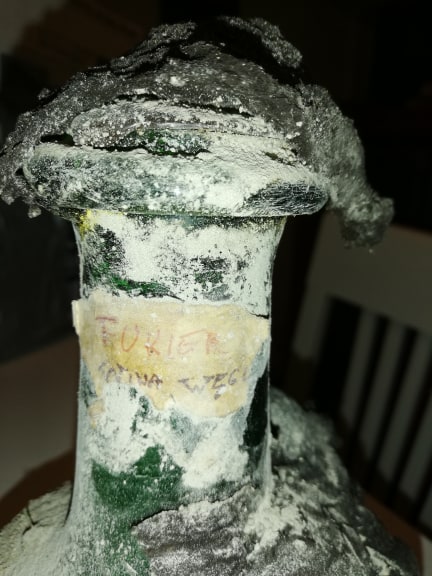
After the collapse of the Saxon monarchy, 62 bottles of the royal cellar were auctioned in Dresden in 1927. Some of the wines were purchased by the Polish Fukier house and became part of the Fukier cellar. Some of the bottles in the Royal Saxon cellar, especially the Tokajer-Cabinet were gifts of the Polish nobility. It is quite possible that Fukier purchased back old polish Tokaji bottles at the Dresden auction.
The Dresden auction of Hofkeller Tokaji in 1927
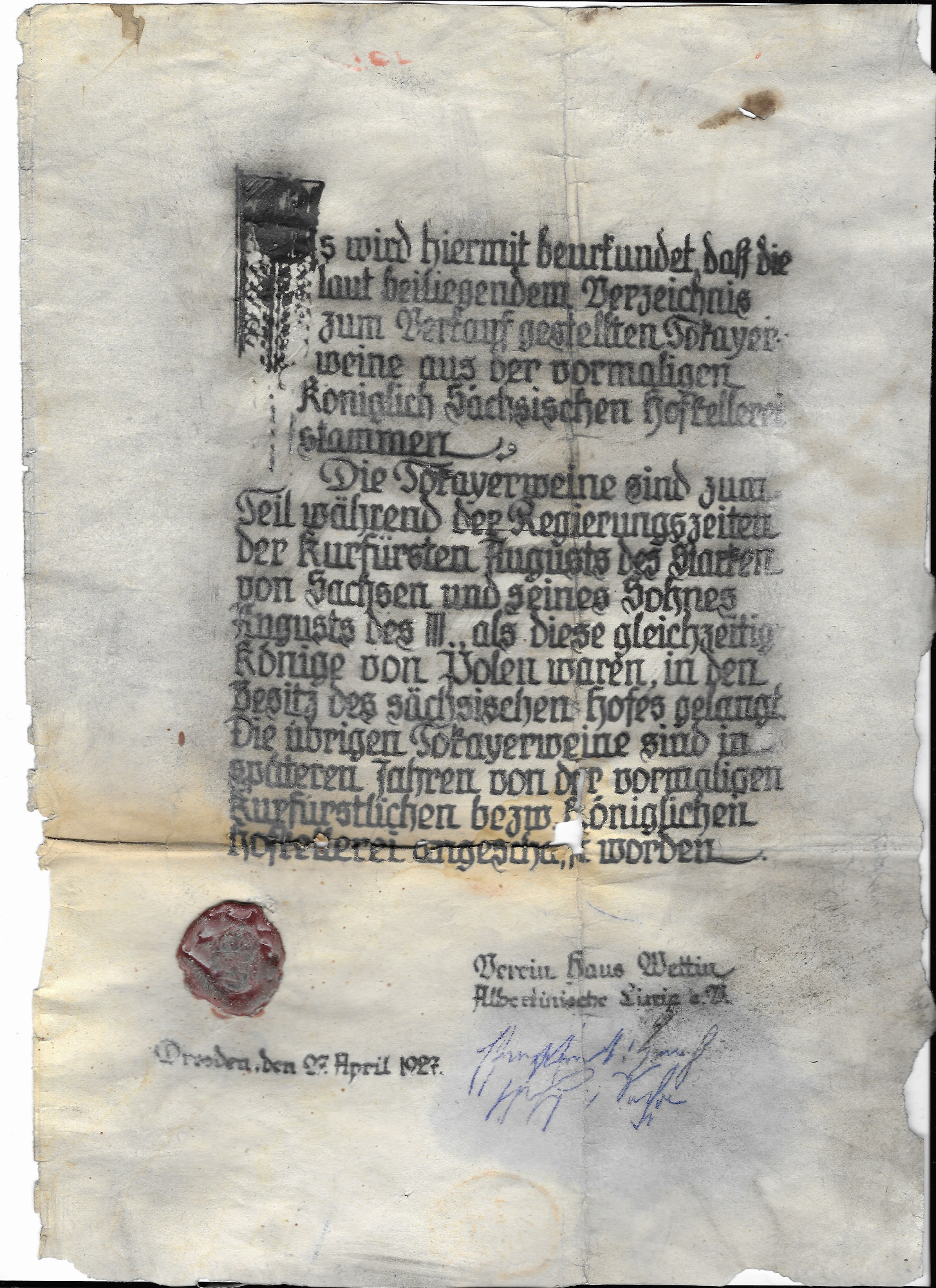
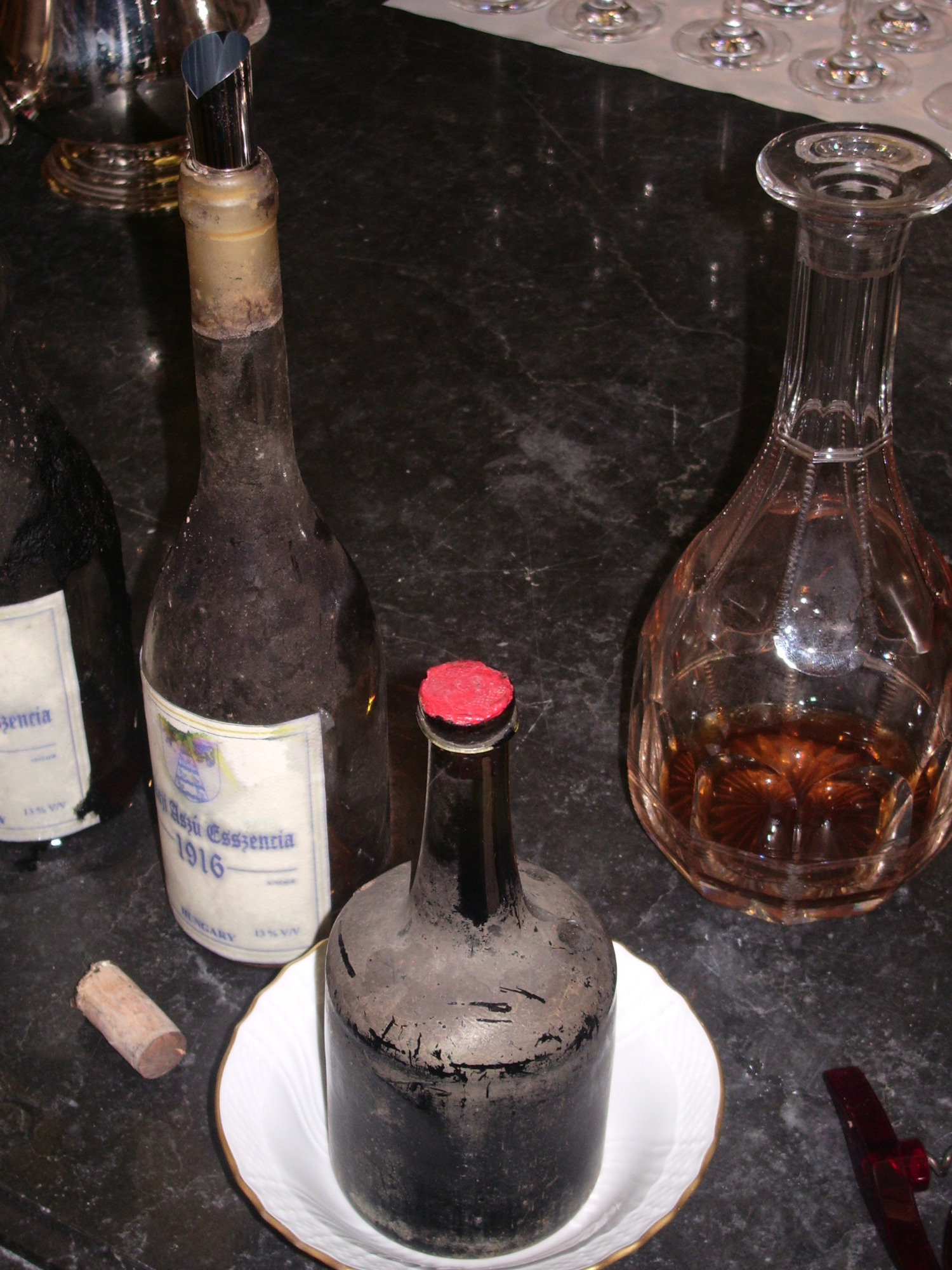
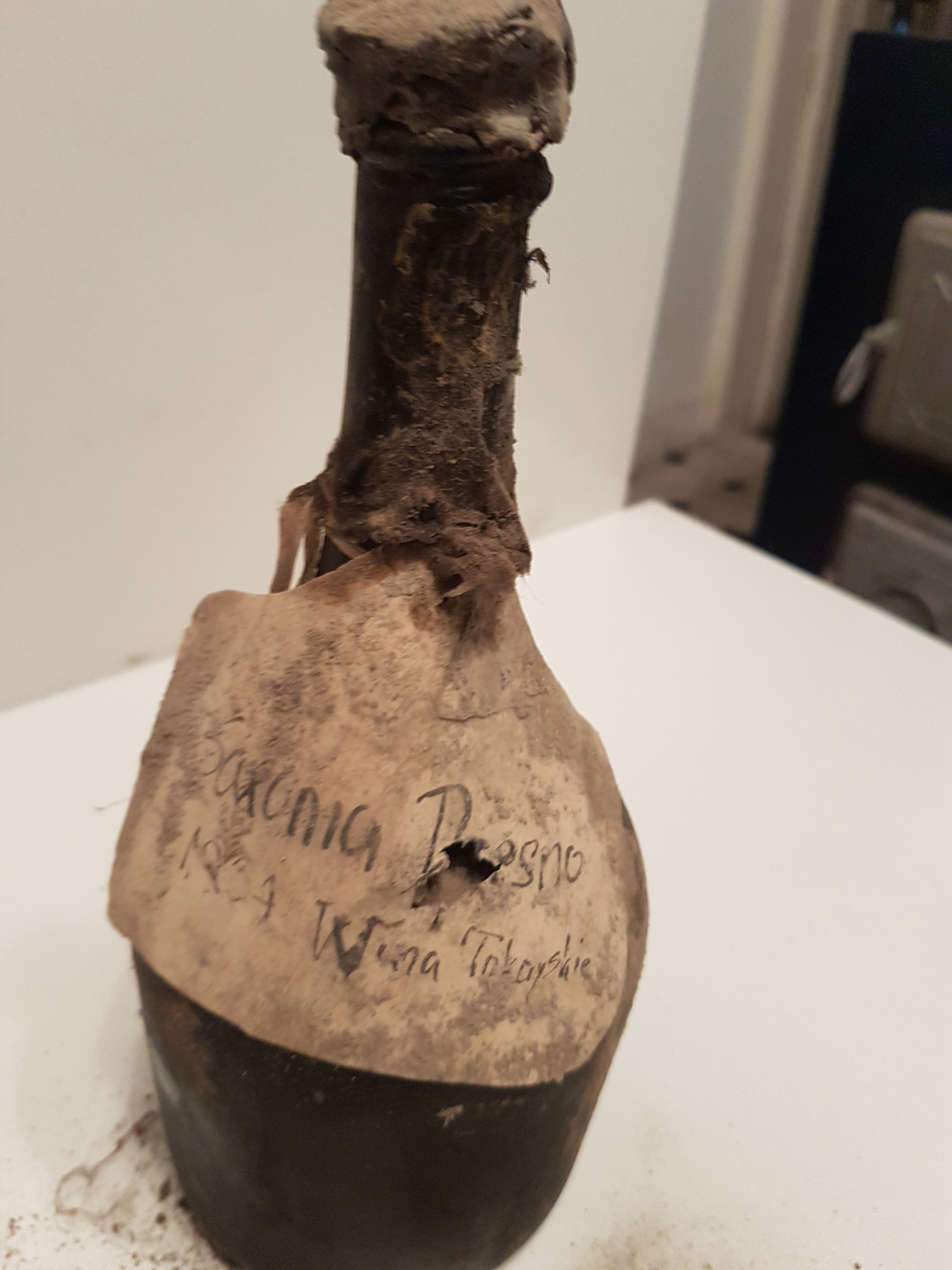
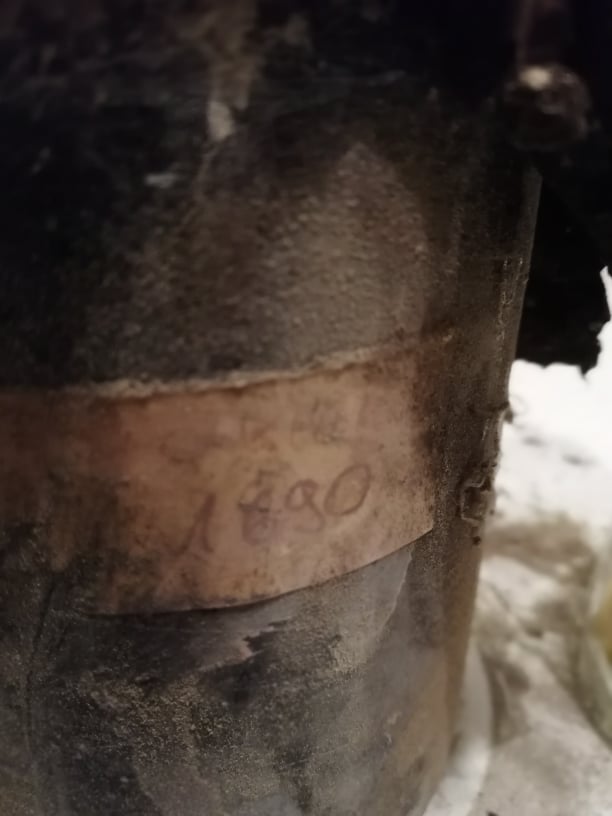
A few bottles of Saxon Hofkeller Tokaji were later auctioned, including the oldest bottle of wine ever auctioned. 2 Saxon Hofkeller bottles of the mid 18th century were tasted during tastings in London (2006) and another bottle in Helsinki (2011). The tasting notes of those wines can be found here and here, including a Hofkeller Tokaji of vintage 1690.
Today, in total some 40 Saxon Hofkeller bottles are known in various collections of private owners, all of them Tokaji, some of which could be identified as part of the Fukier cellar collection.
Len Evans bottle of 1646
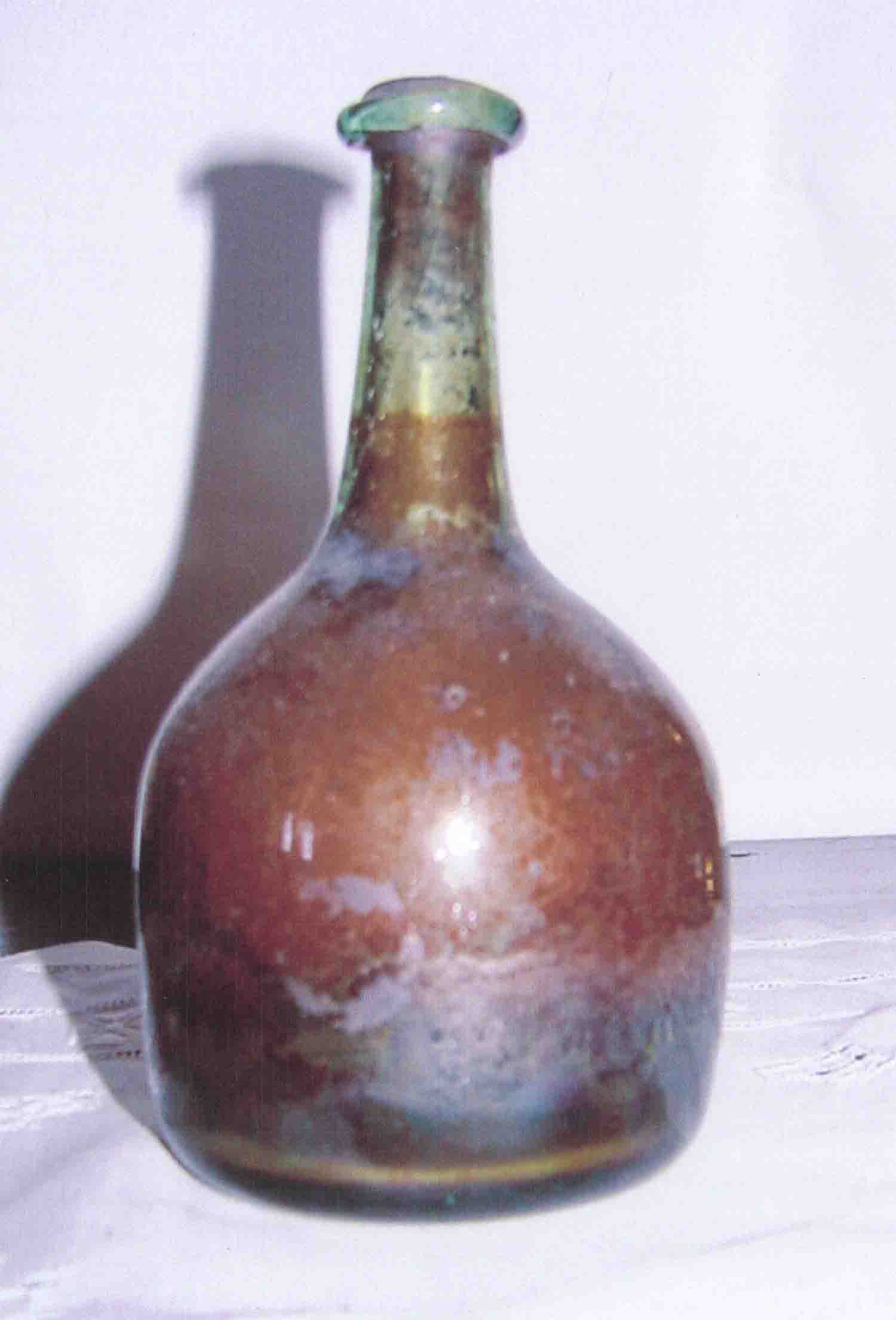
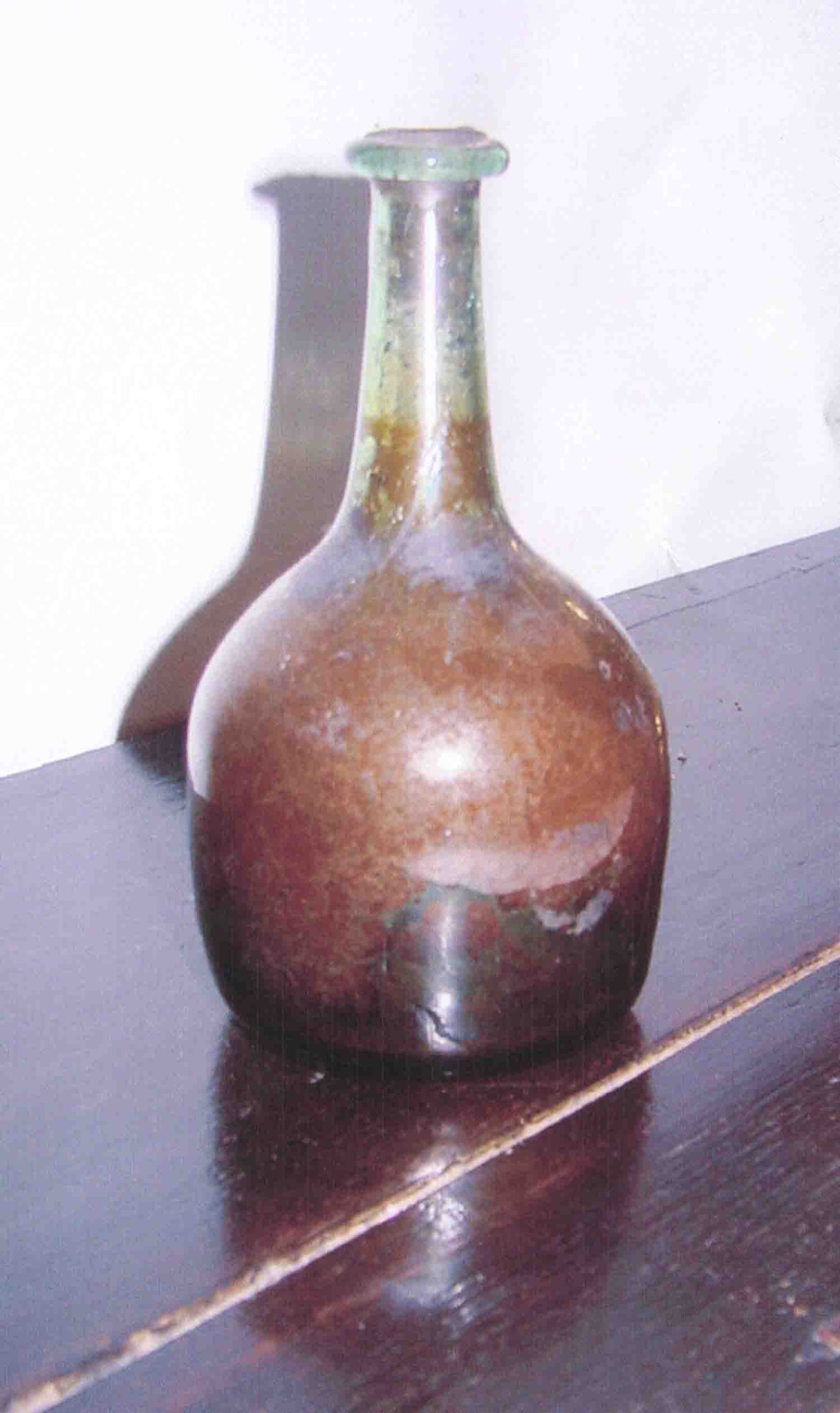
Saxon Hofkeller bottles opened at tastings in London and Helsinki
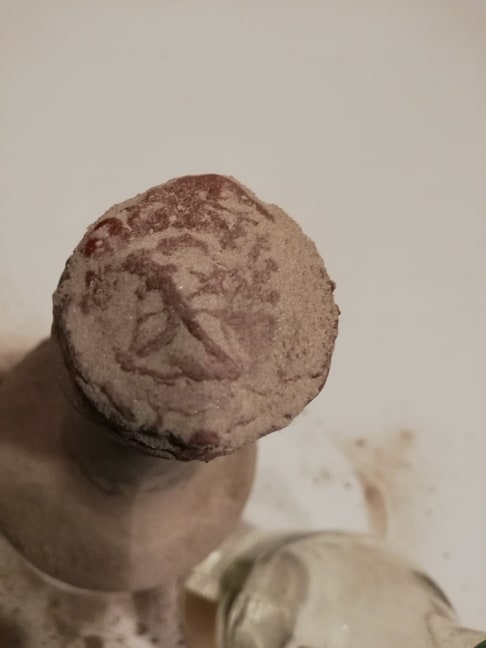
Saxon Hofkeller bottles. The glass seals usually contain the word "Hofkeller" and the crossed swords from the Electorate of Saxony's coat of arms (well-known from the Meissen porcelain). In contrast, bottles bearing the "k.u.k. Hofkeller" glass marks are from the Imperial Cellar in Vienna.
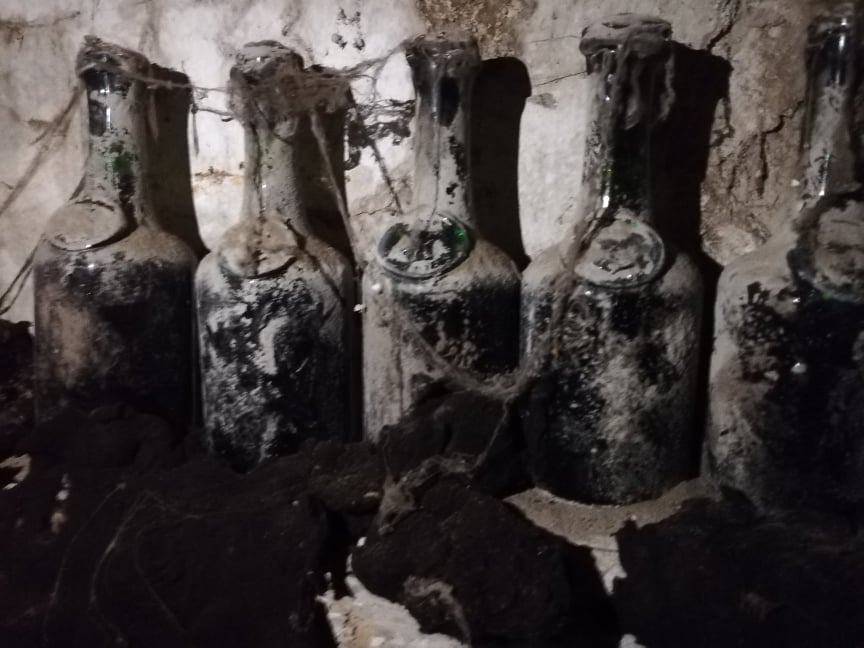
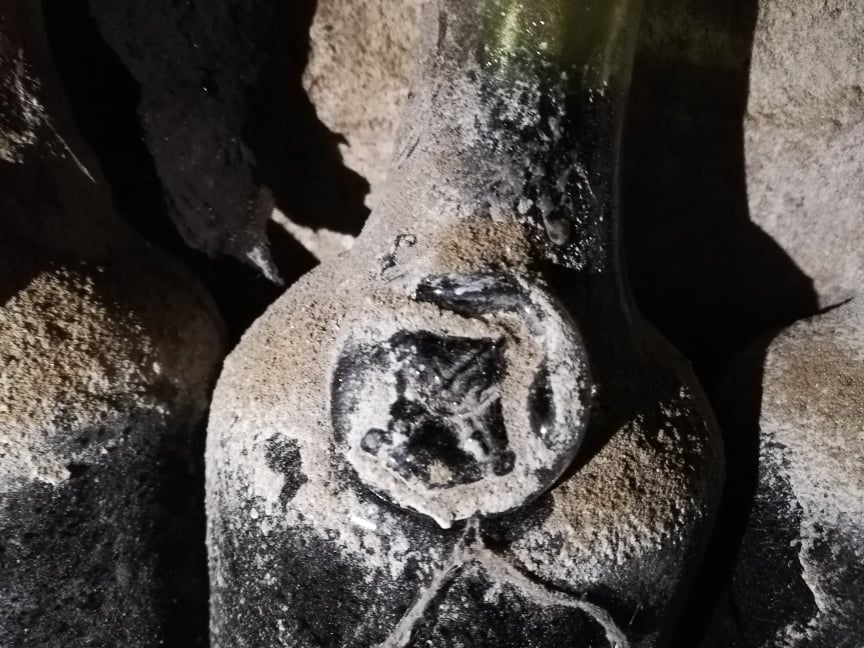
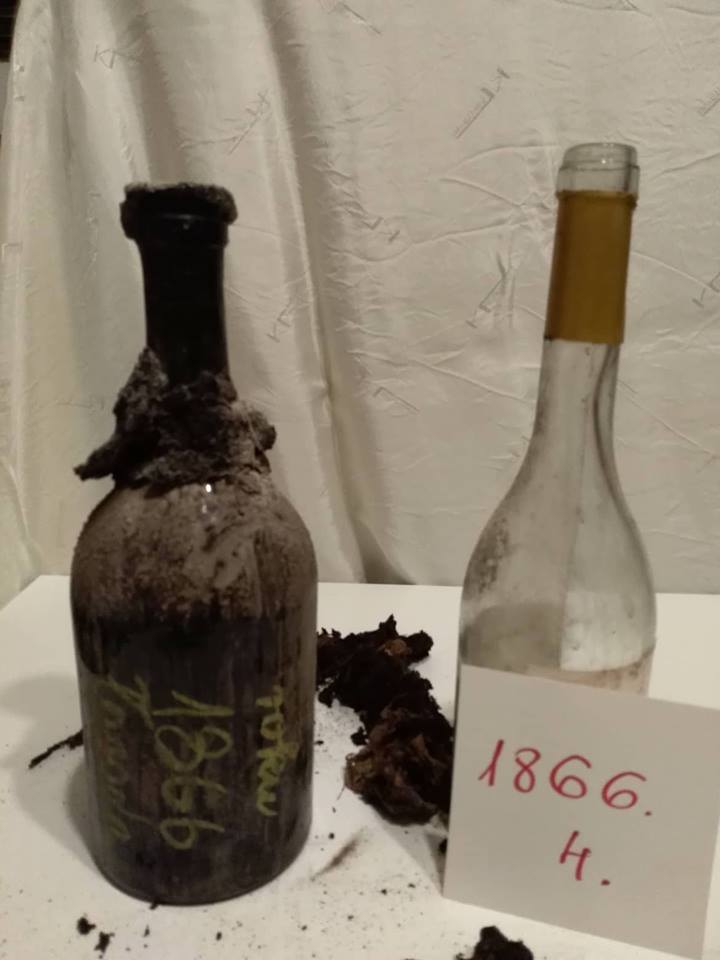
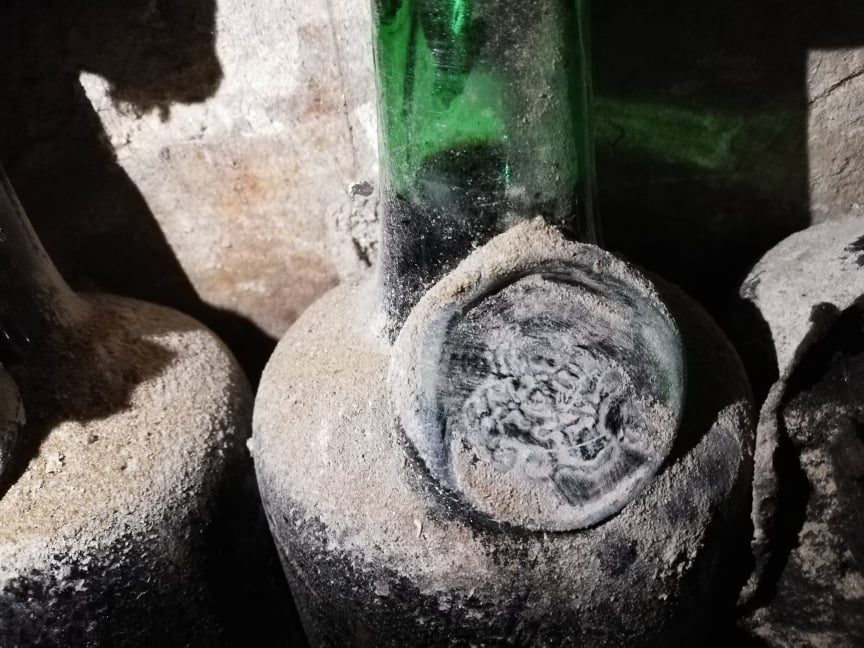
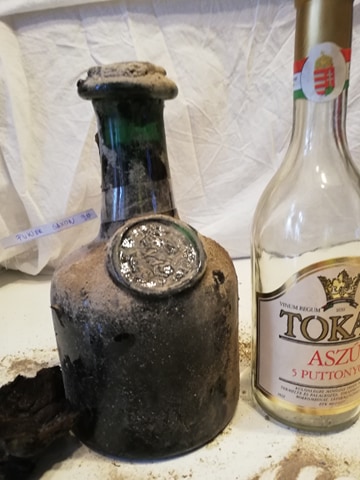
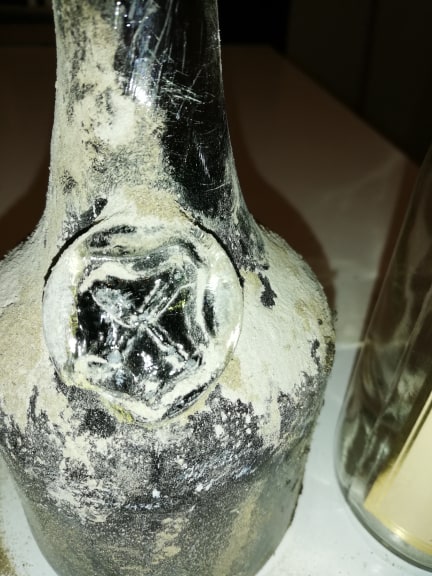
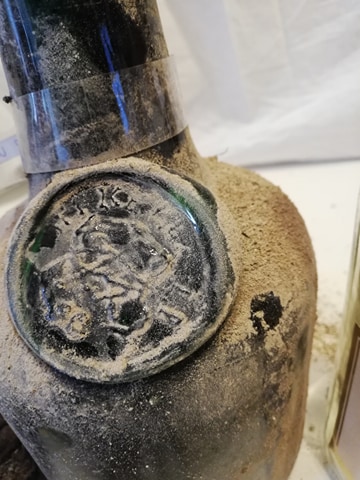
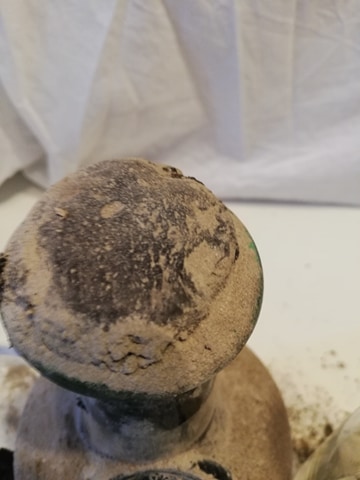
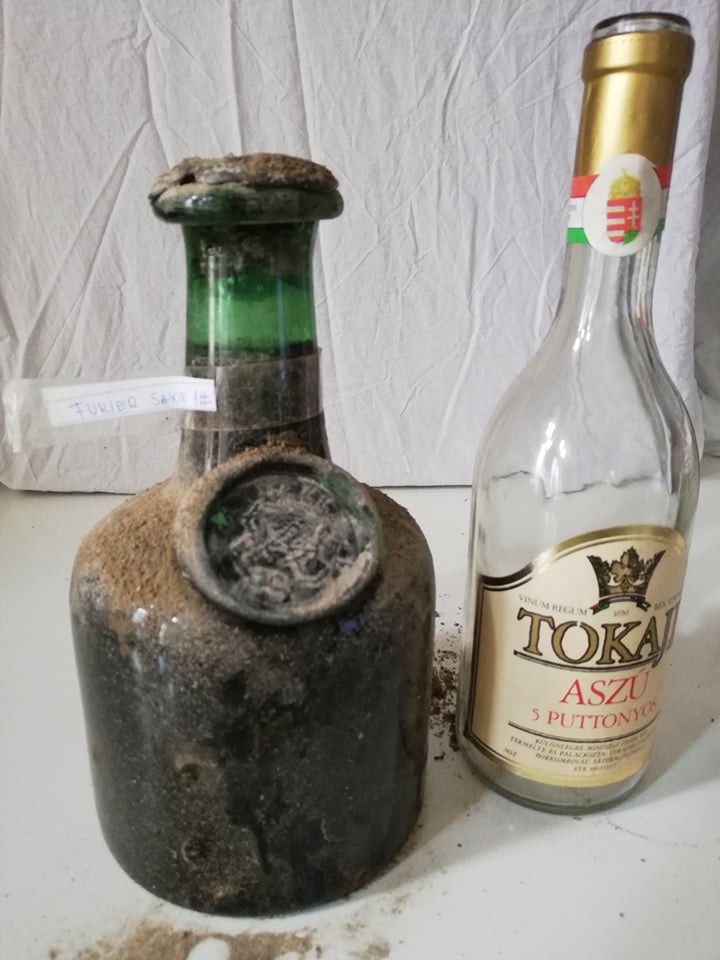
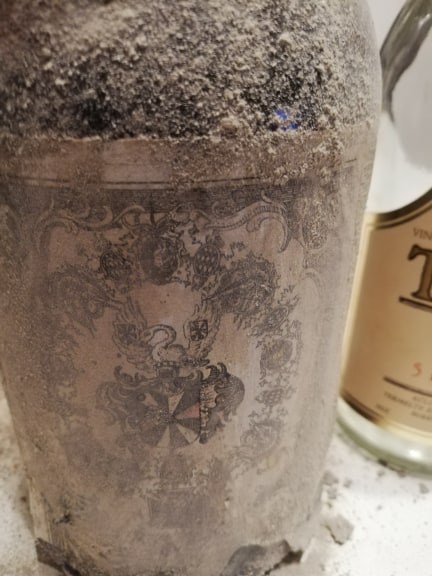
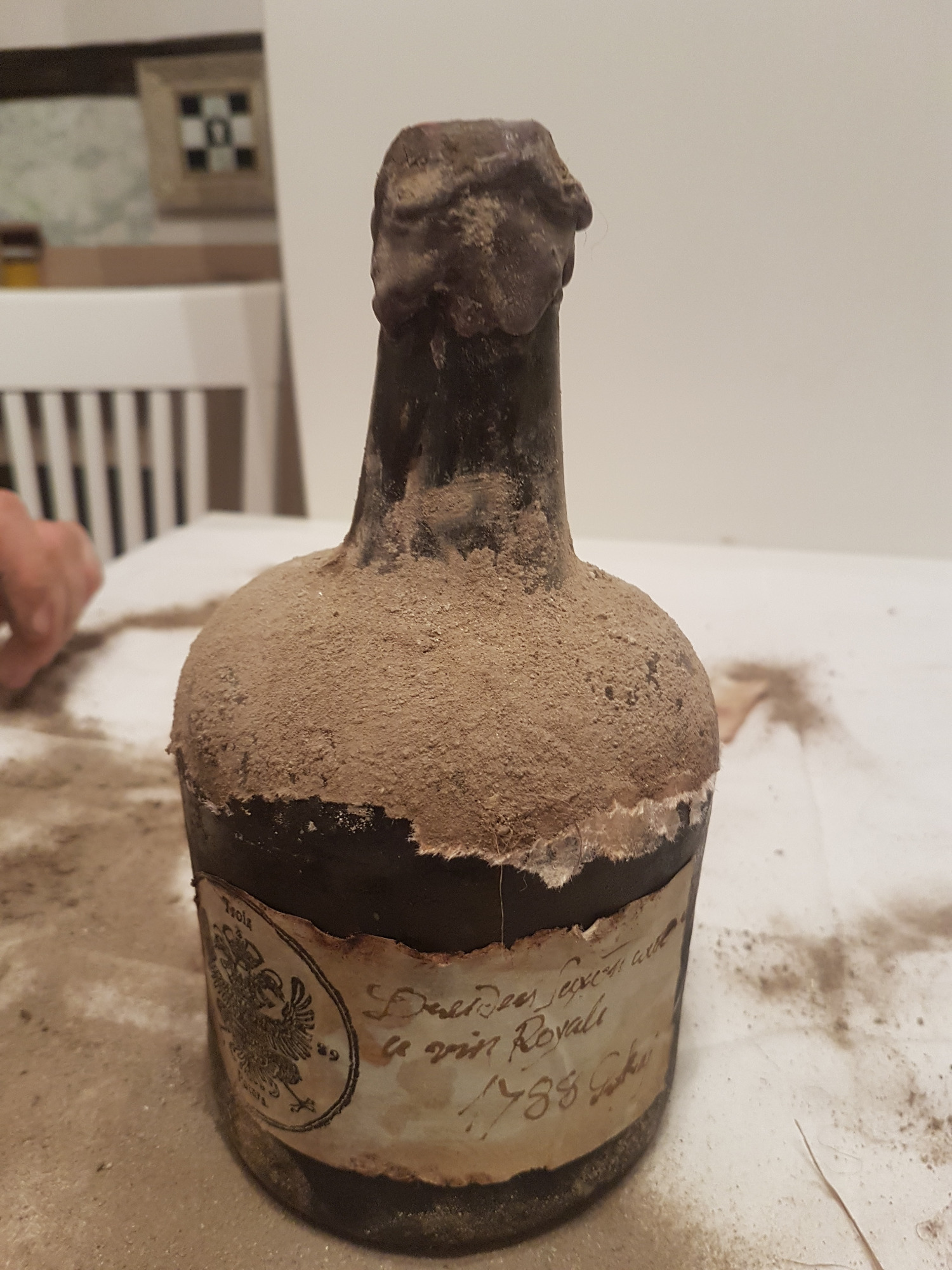
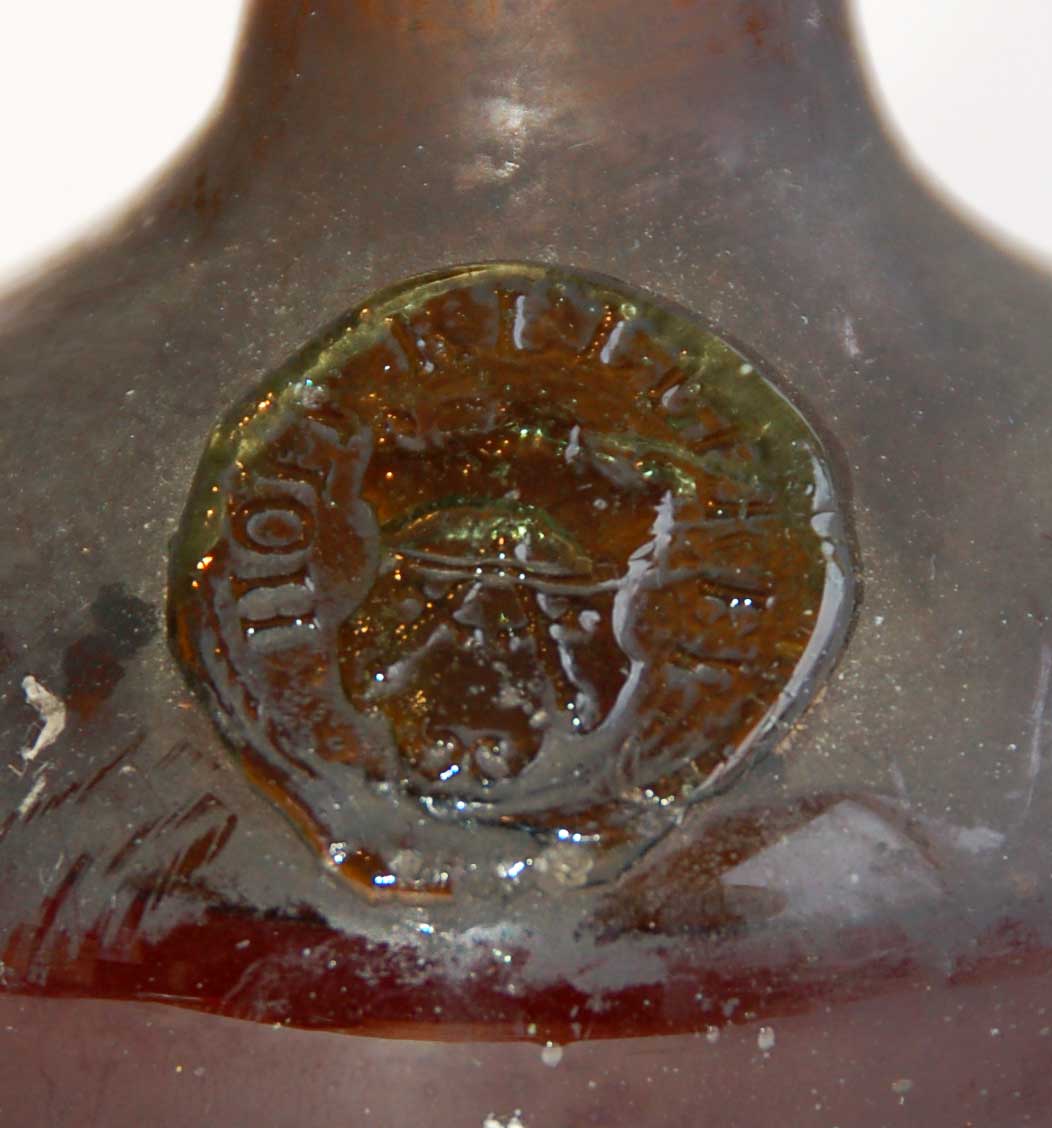
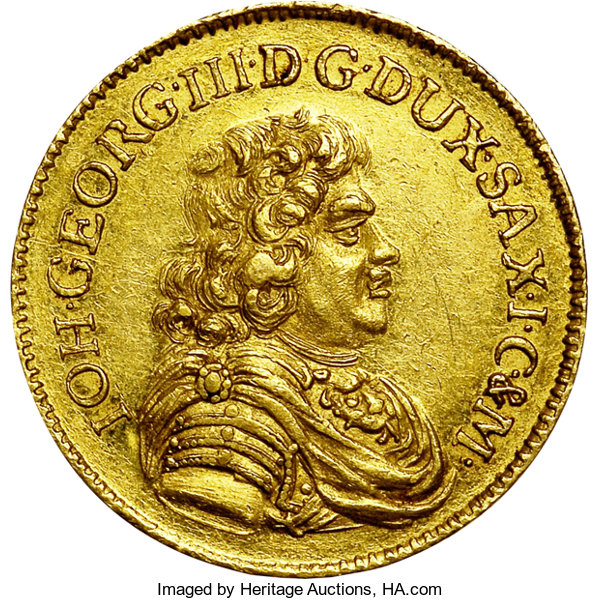
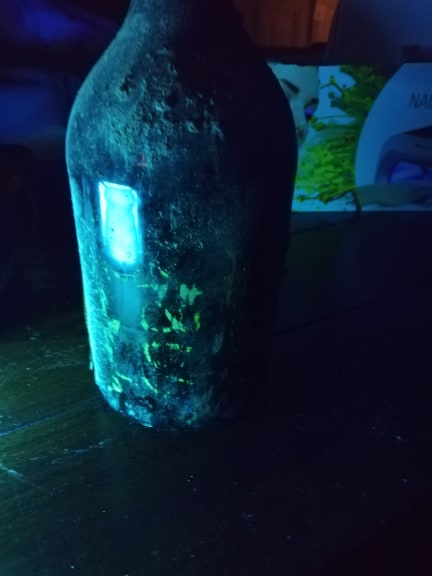
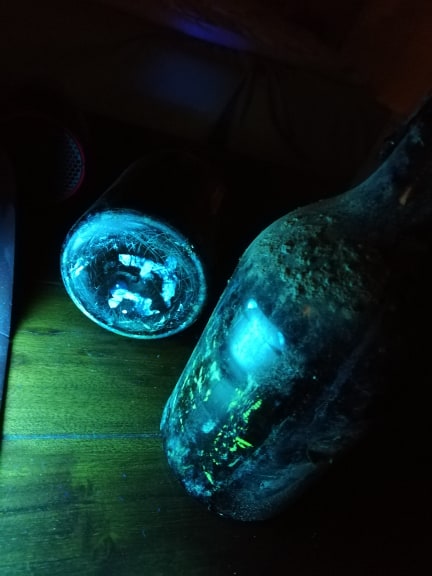
Saxon Hofkeller bottles with Fukier Cellar authentification. The first bottle has a Saxon coin completely submerged into the glass, probably empoyed to proof the origin or owner of the bottle. Glass experts decribe this as very difficult to accomplish.
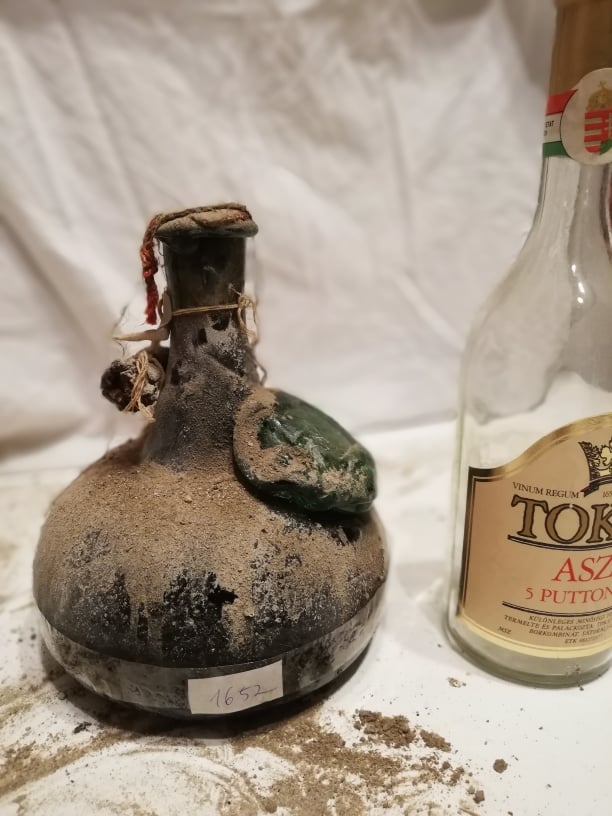
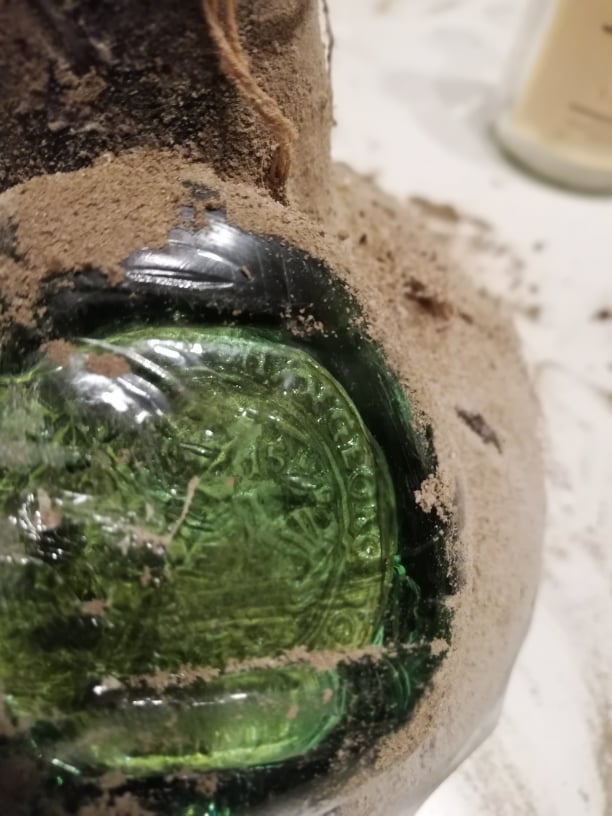
Unfortunately, the rich history of Tokaji wine in Dresden is not visible any longer in the Saxon capital or Saxony at large. The Royal Wine cellar is not open to the public and not a single bottle of Tokaji or any other wine from the historic cellar is exhibited. The prominently located Café Cosel next to the Frauenkirche offers sweet Canadian Ice wine instead of Tokaji.
If Saxon authorities responsible for preserving the cultural heritage read this page I have good news: there are Tokaji collectors who are open to have bottles of Hofkeller Tokaji exhibited in Saxony as temporary or even permanent loan.