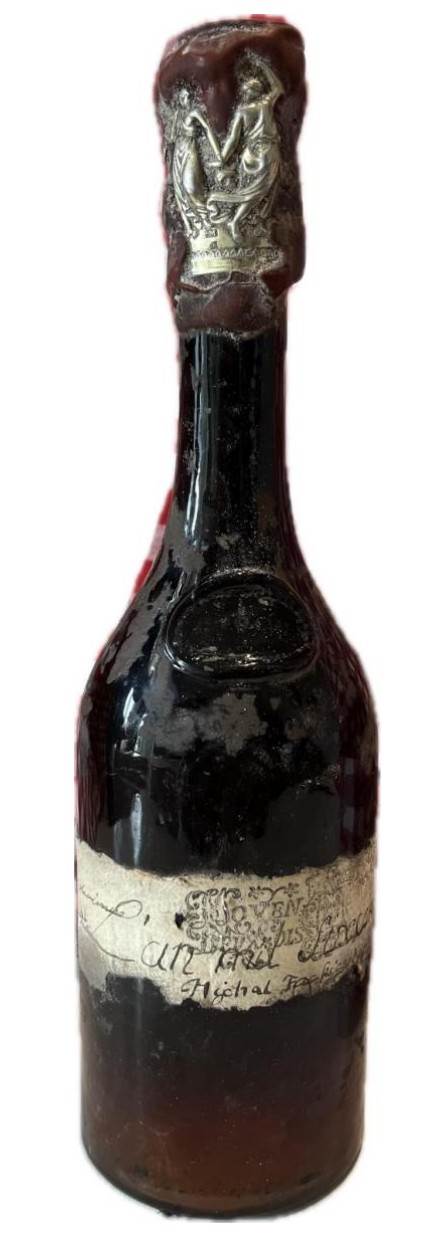
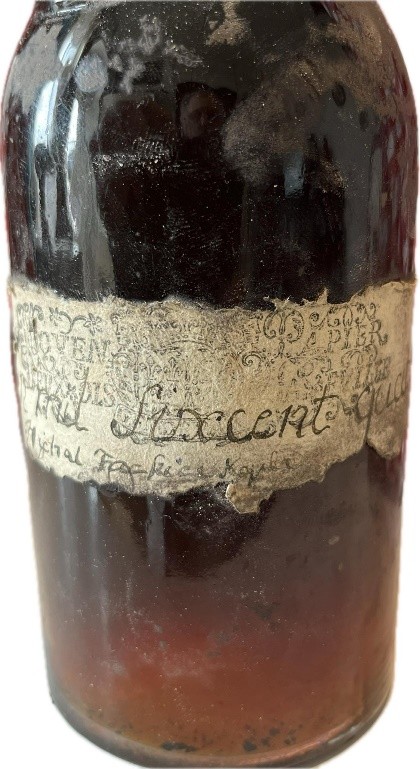
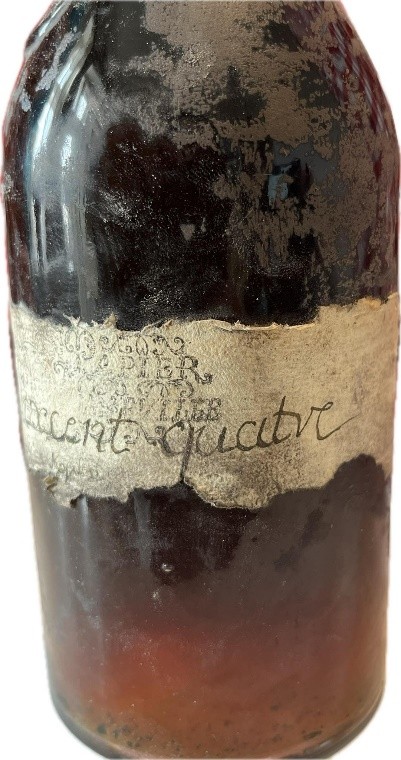
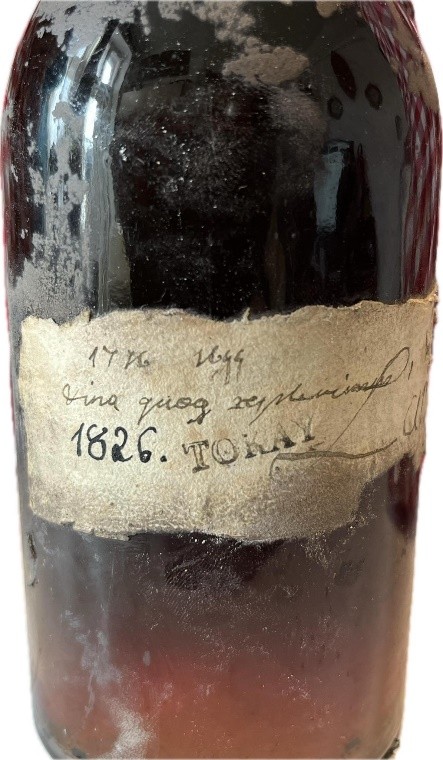
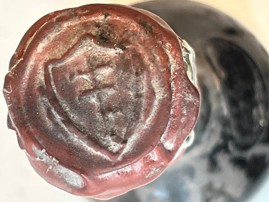

1604 Bottle (oldest Tokaji in the world)
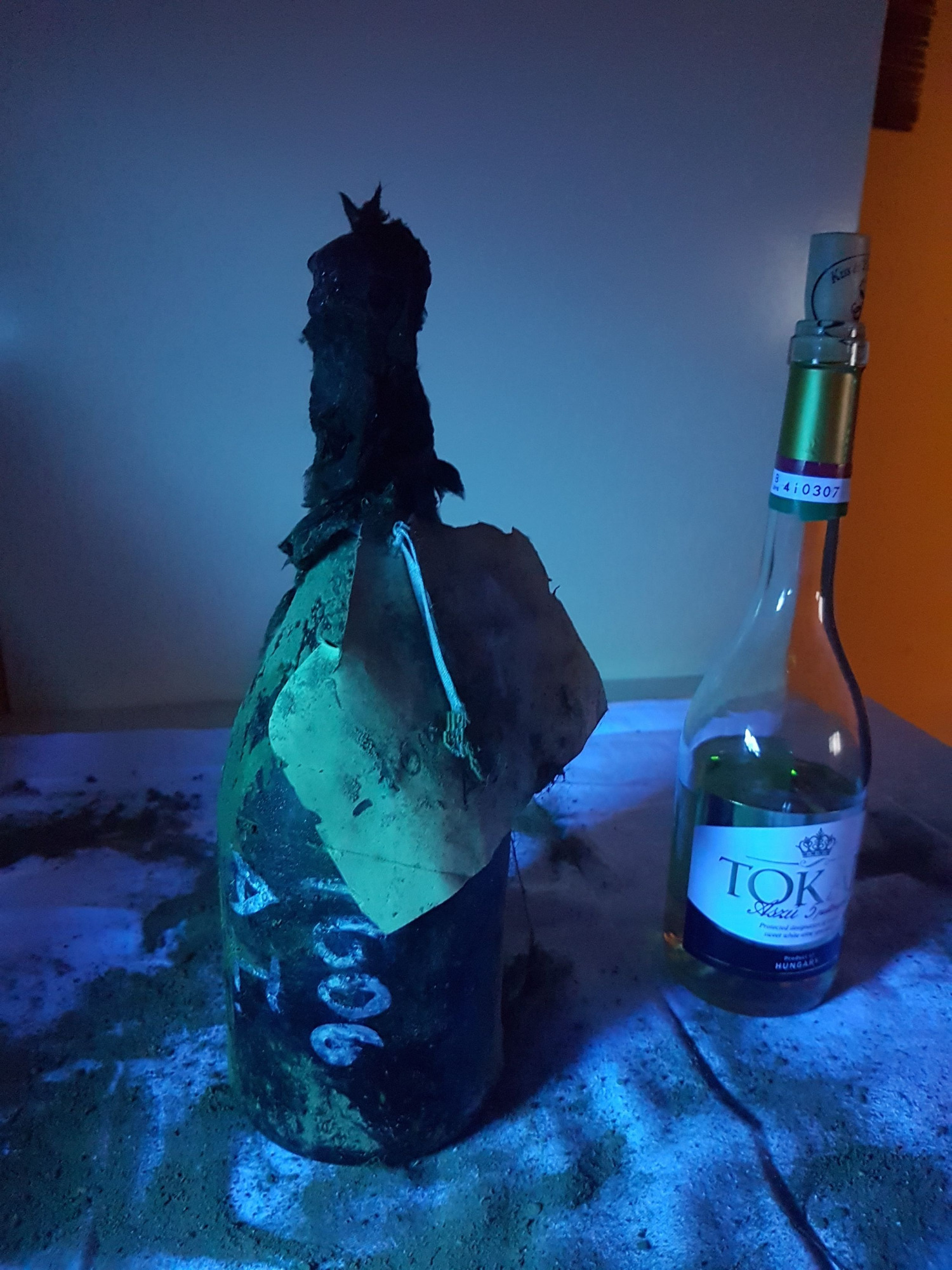
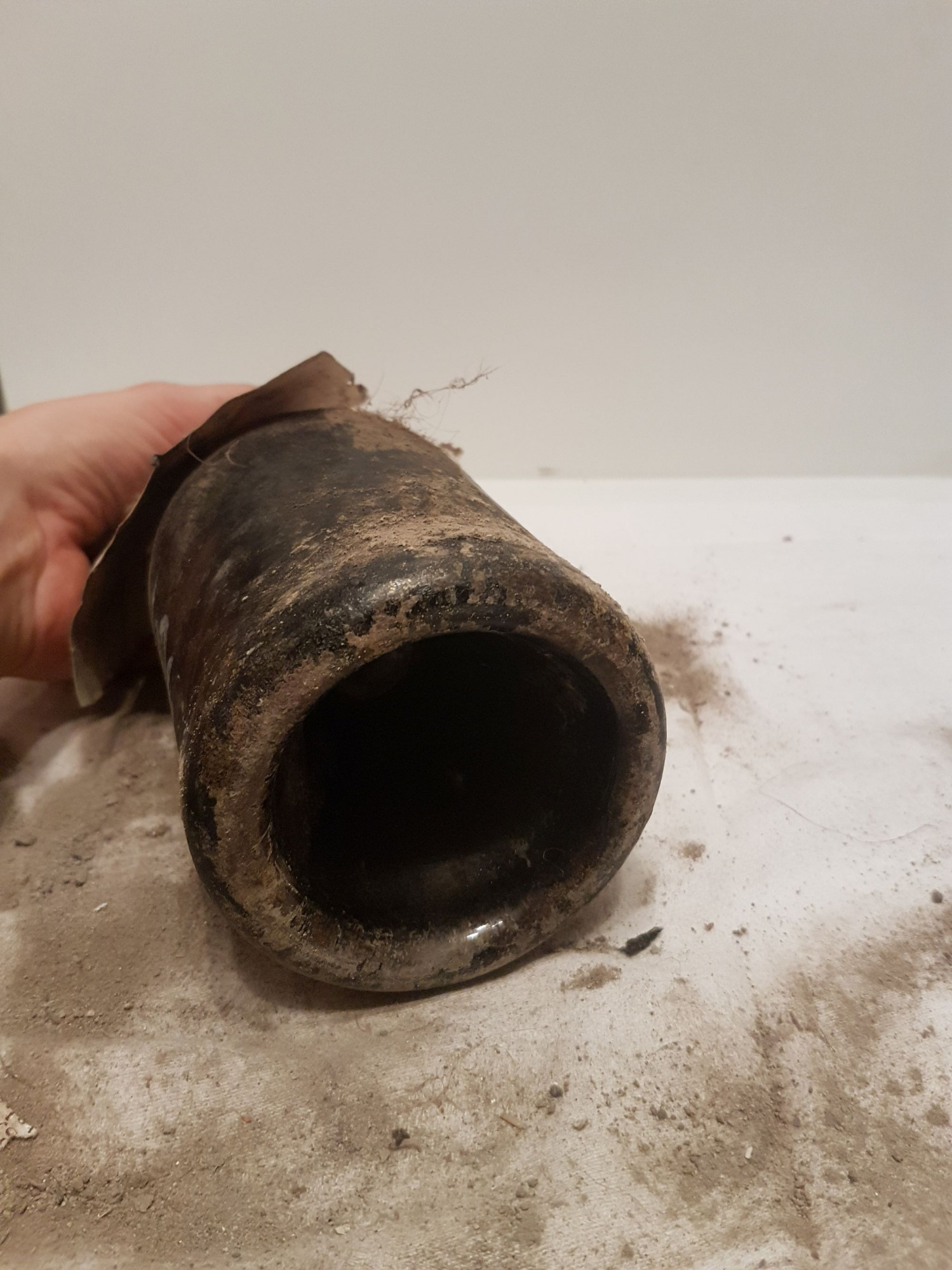
One of two known bottles of that vintage. The bottle is very special in several aspects:
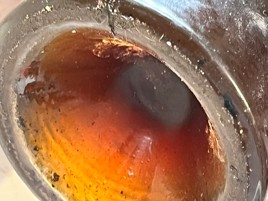
- bottle shape is the typical Tokaji bottle shape which was introduced in the 19th century. A clear proof that the wine was filled into that bottle from another bottle or barrel
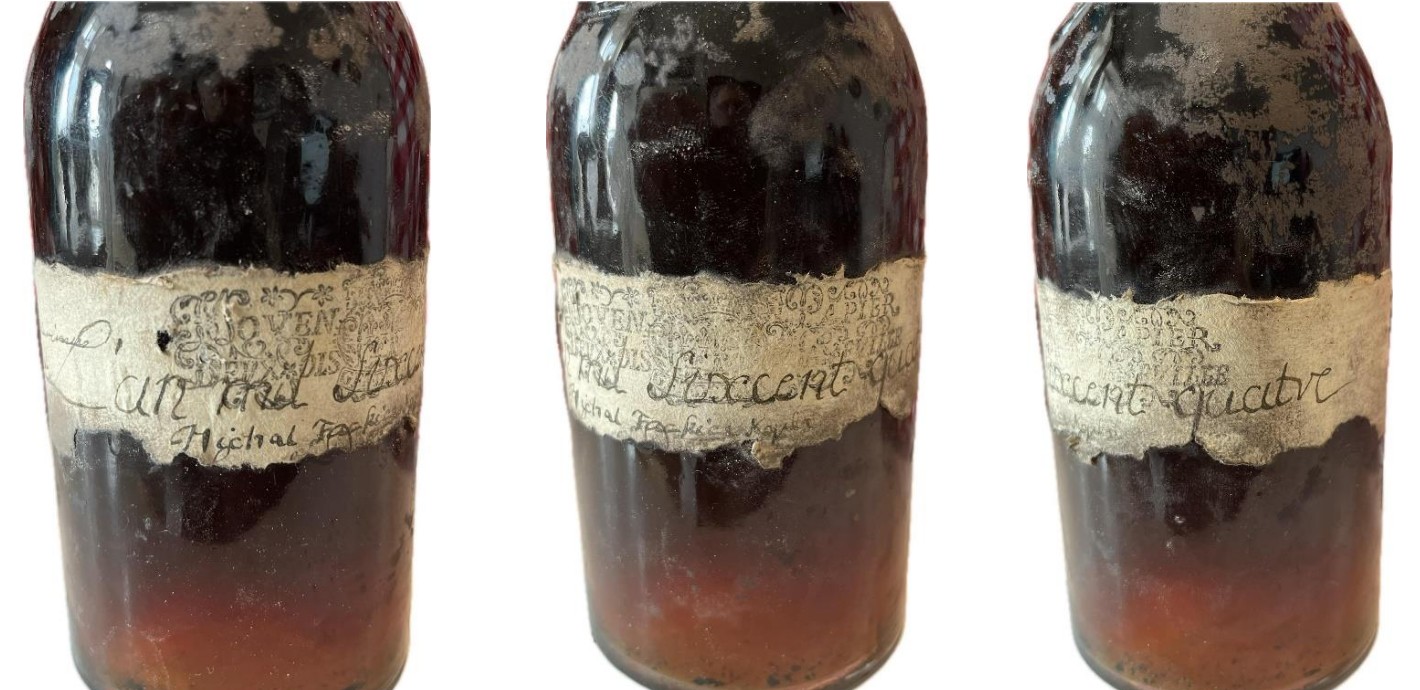
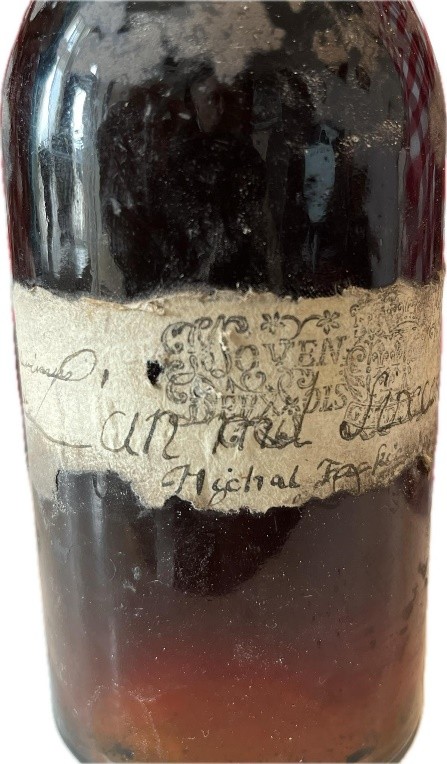
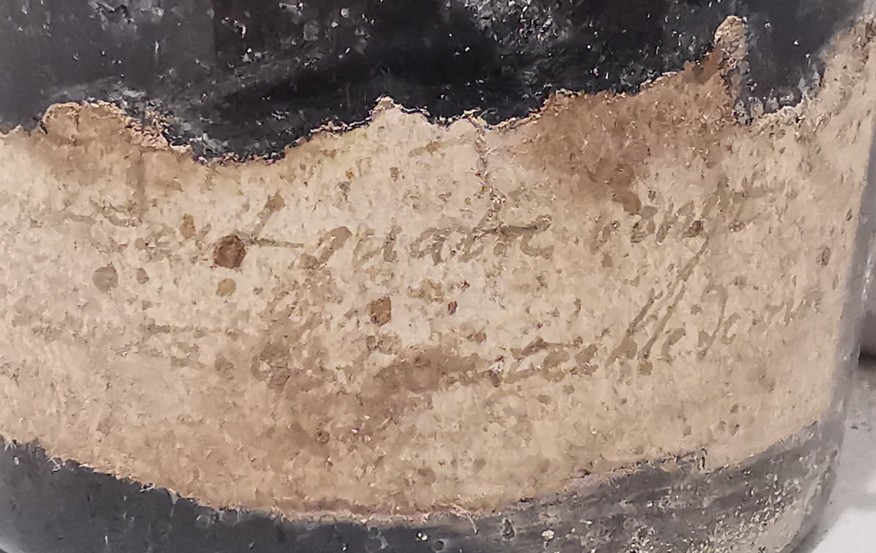
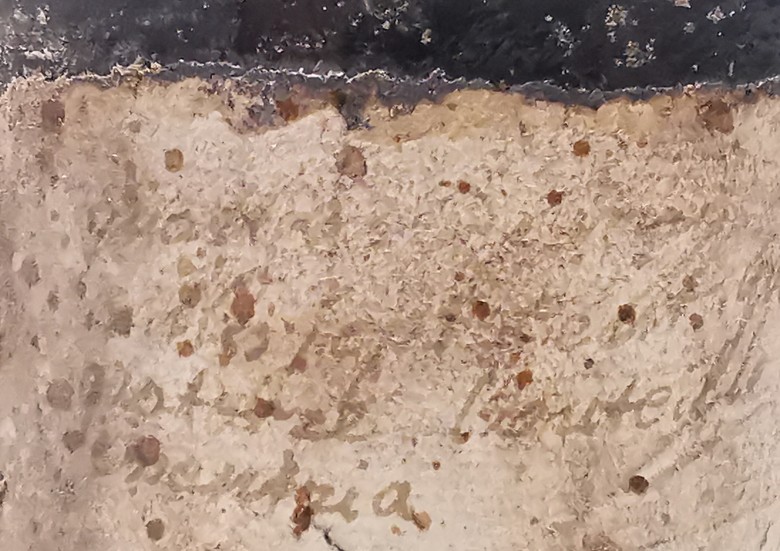
- for the label a french stamped paper was used, the stamp is from around 1699-1700. the vintage year 1604 is handwritten in french (l'an mil sixcent quatre). below the name "Michal Fuckier" and "Kapka". Michal Fuckier founded the Fukier trading company in 1610, he died in 1625. Kapka is the polish name for "drop" and probably means "essence". On the label of the back side in small the years 1776 and 1699 in the top left corner. Below the text ‘vina quog replevimus’ - we filled the wine, i.e. the bottles were refilled. Below that the year 1826 and the stamp ‘TOKAY’, presumably another refill.
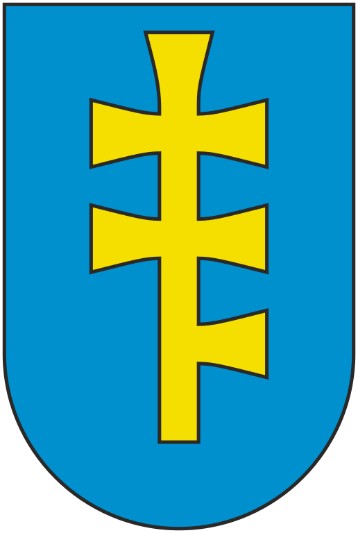
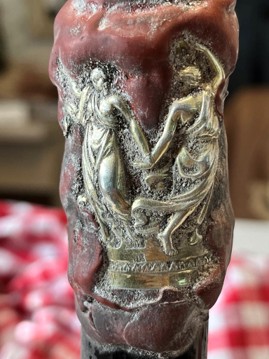
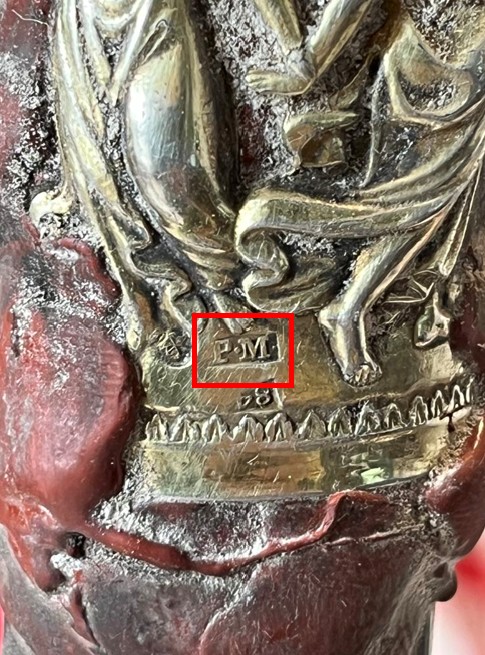
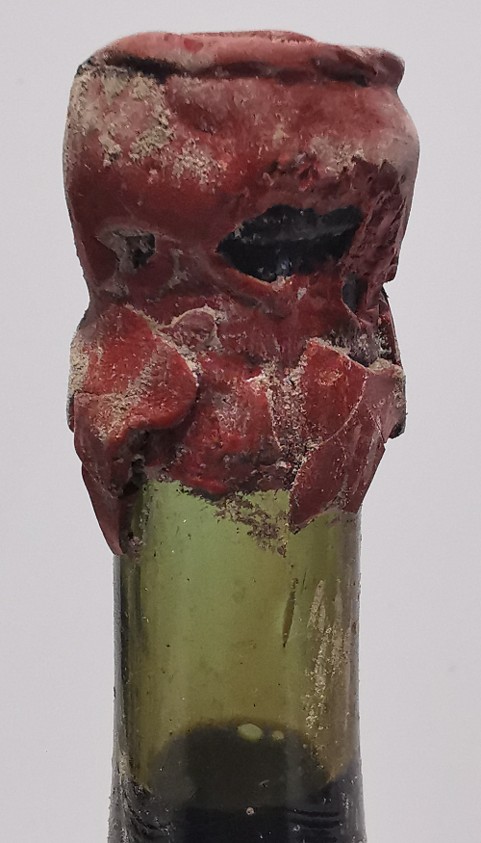
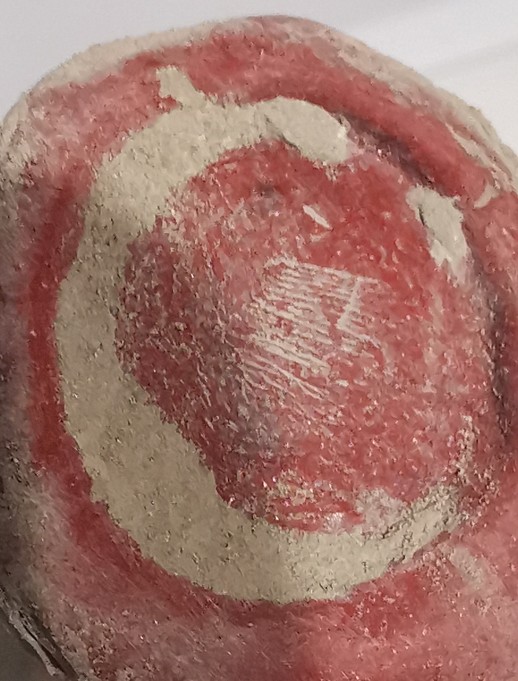
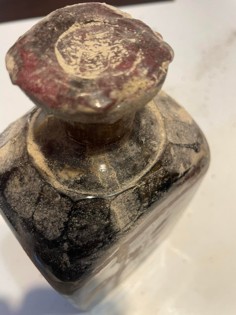
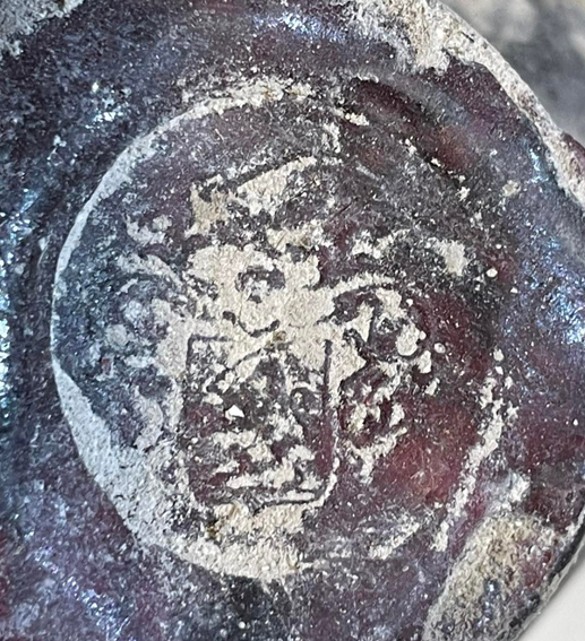
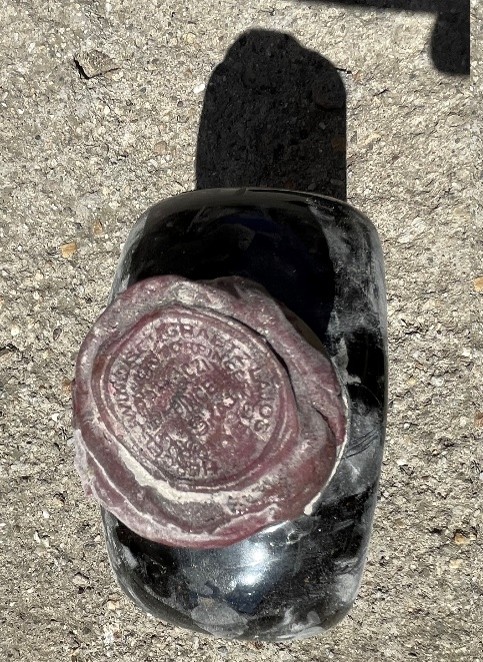
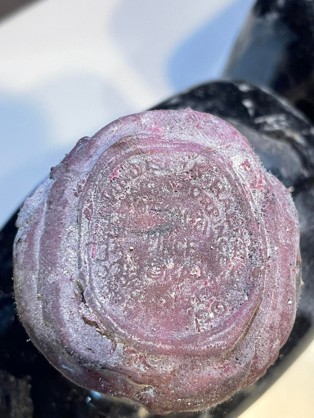
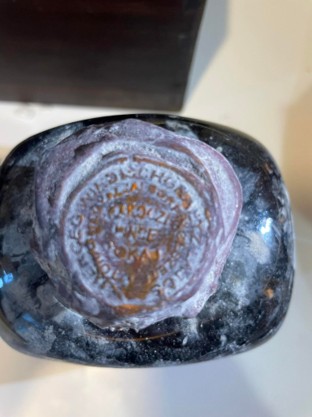
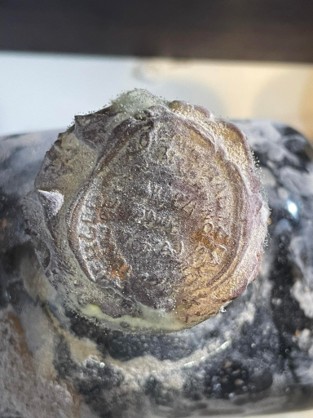
- The capsule is silver application of two dancing figures with the silver mark "PM" (Pjotr Müller) a goldsmith of the Russian Tsar. The capsule shows the Pilaws coat of arms. Pilawa is the name of the three main branches of the Potocki magnate family:
- Hetman branch ("Silver Pilawa")
- Main branch ("Golden Pilawa")
- "Iron Pilawa"
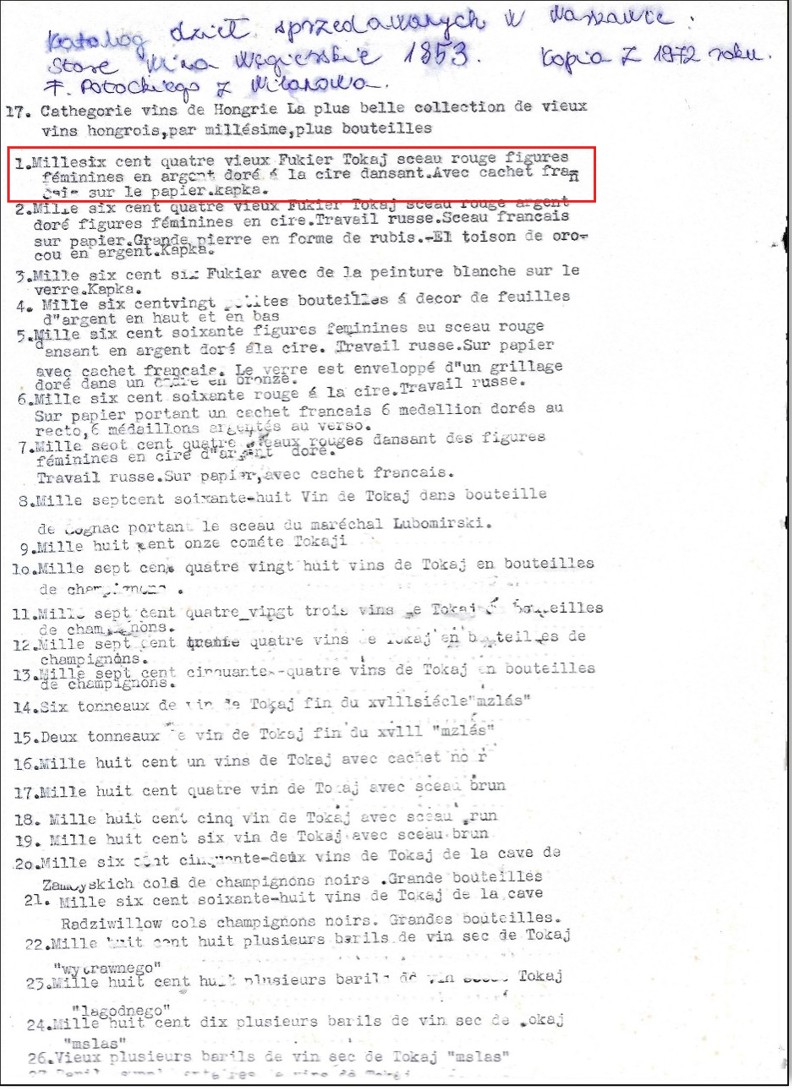
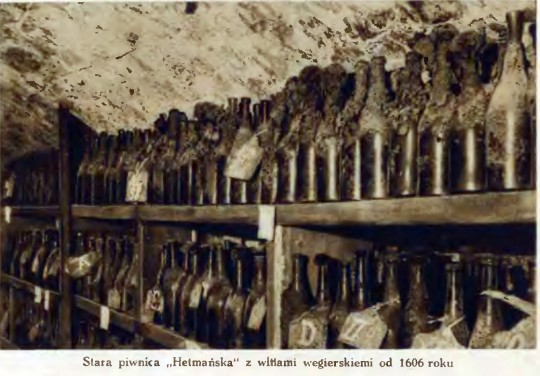
The bottle is mentioned in the 1853 Potocki inventory (the image below shows a later copy), which was auctioned and the bottle was bought by the Fukier company.
1606 Fukier
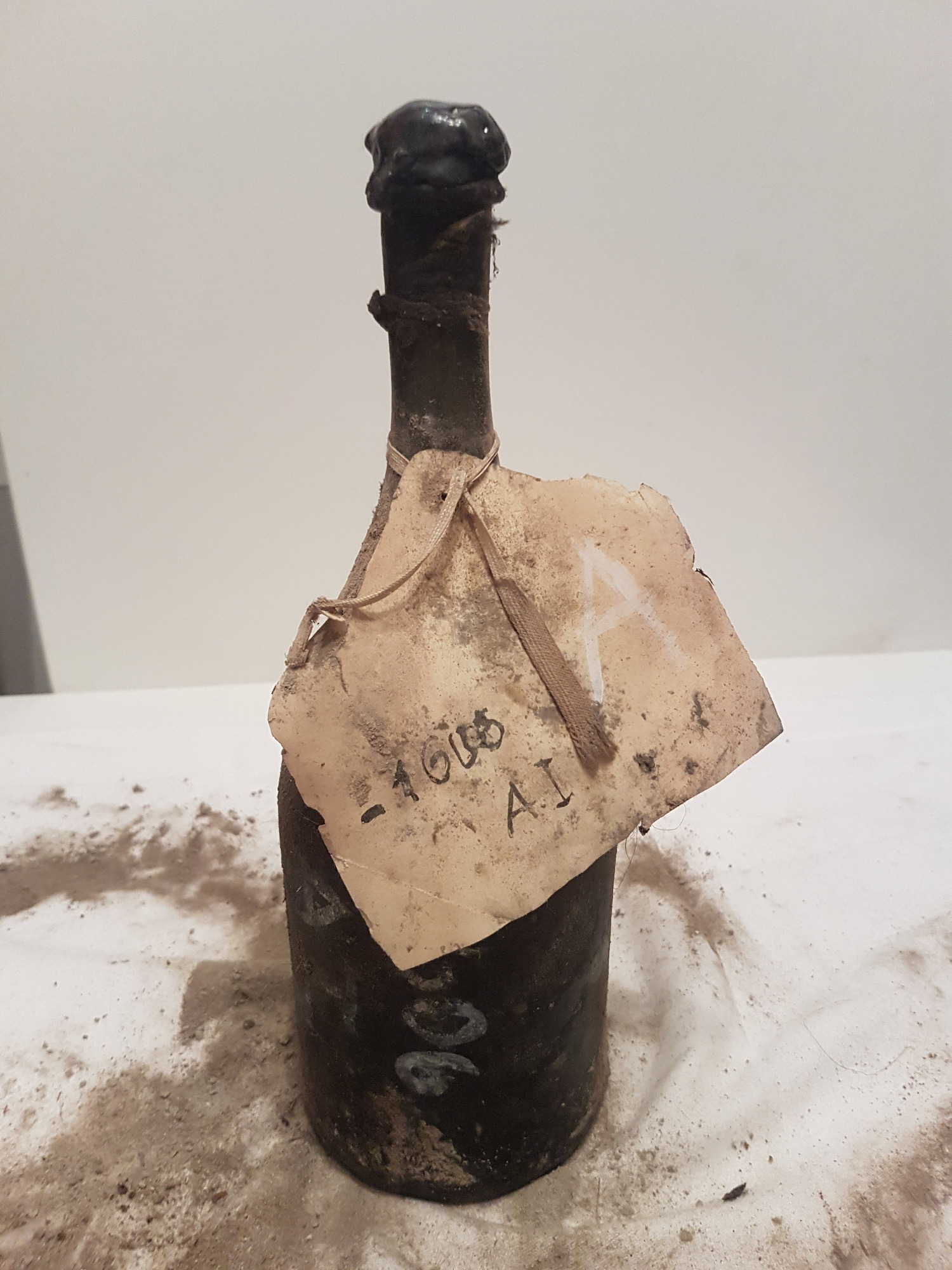
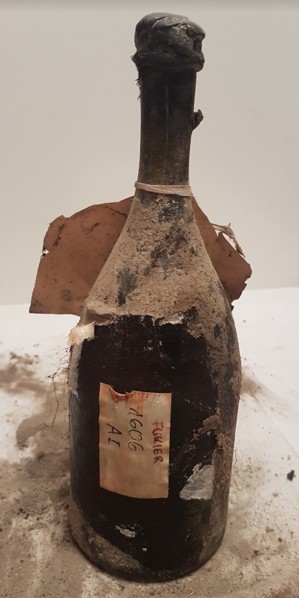
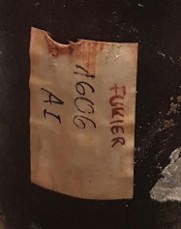
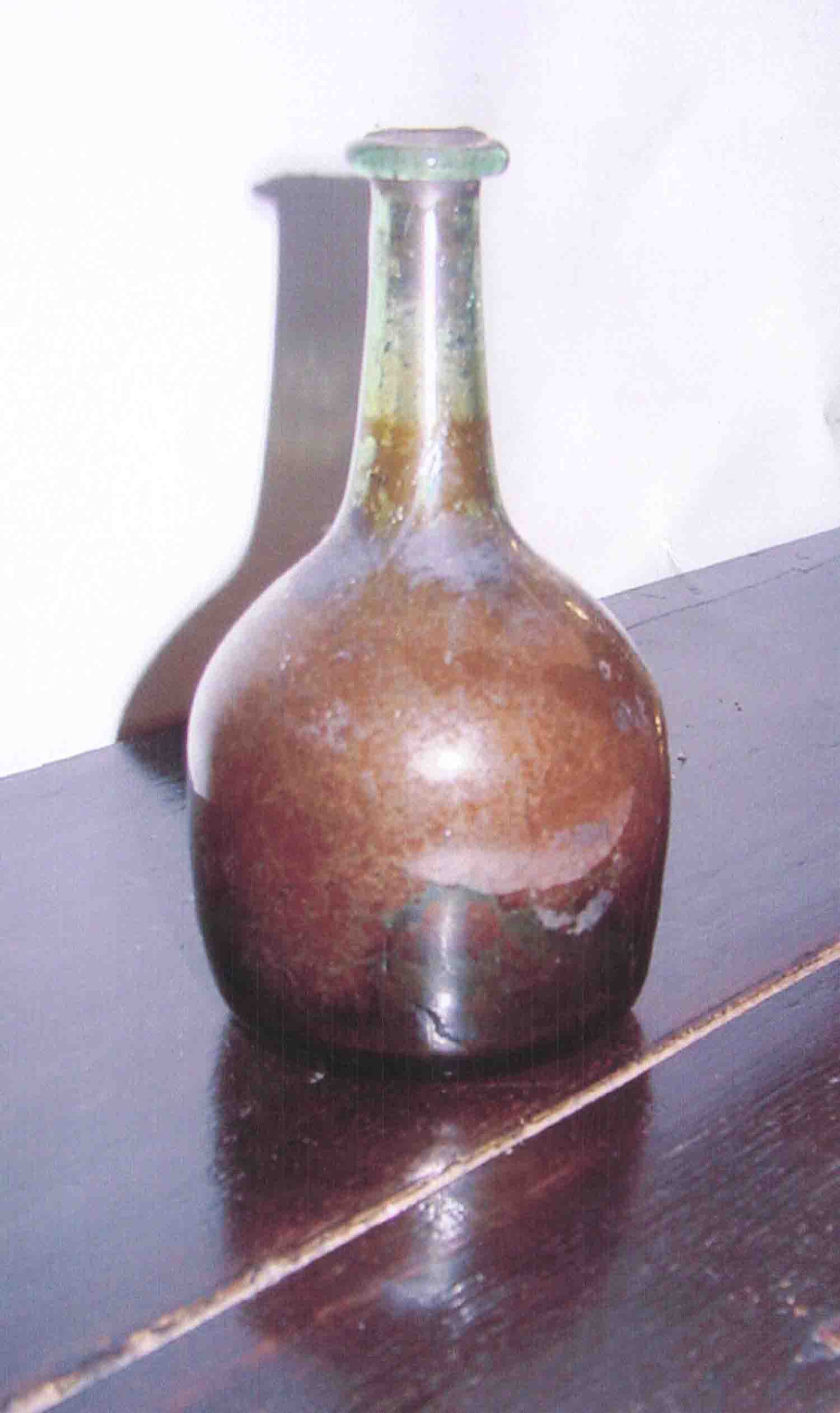
The oldest vintage officially sold in the famous Fukier cellar. Of the more than 300 bottles of this vintage in the Fukier inventory in total 8 bottles are known today, owned by different unrelated owners in different countries, including one cellar discovery. The 8 bottles have 4 different shapes and sizes, 6 of them share exactly the same labeling/identification pattern (painted) and identical element spectrum of the paint composition. The other two bottles are different but well authenticated, too. The bottle owners can present documents related to the bottle, including Fukier invoices, postcards, cellar book pages, Wilanow inventory lists, Wehrmacht documents, original documents from the 1927 Dresden auction and even items from the Fukier restaurant.
The bottle presented below is one of the very few Fukier bottles carrying the shelf section label visible on old photographs of the Fukier cellar.
1646 Bottle
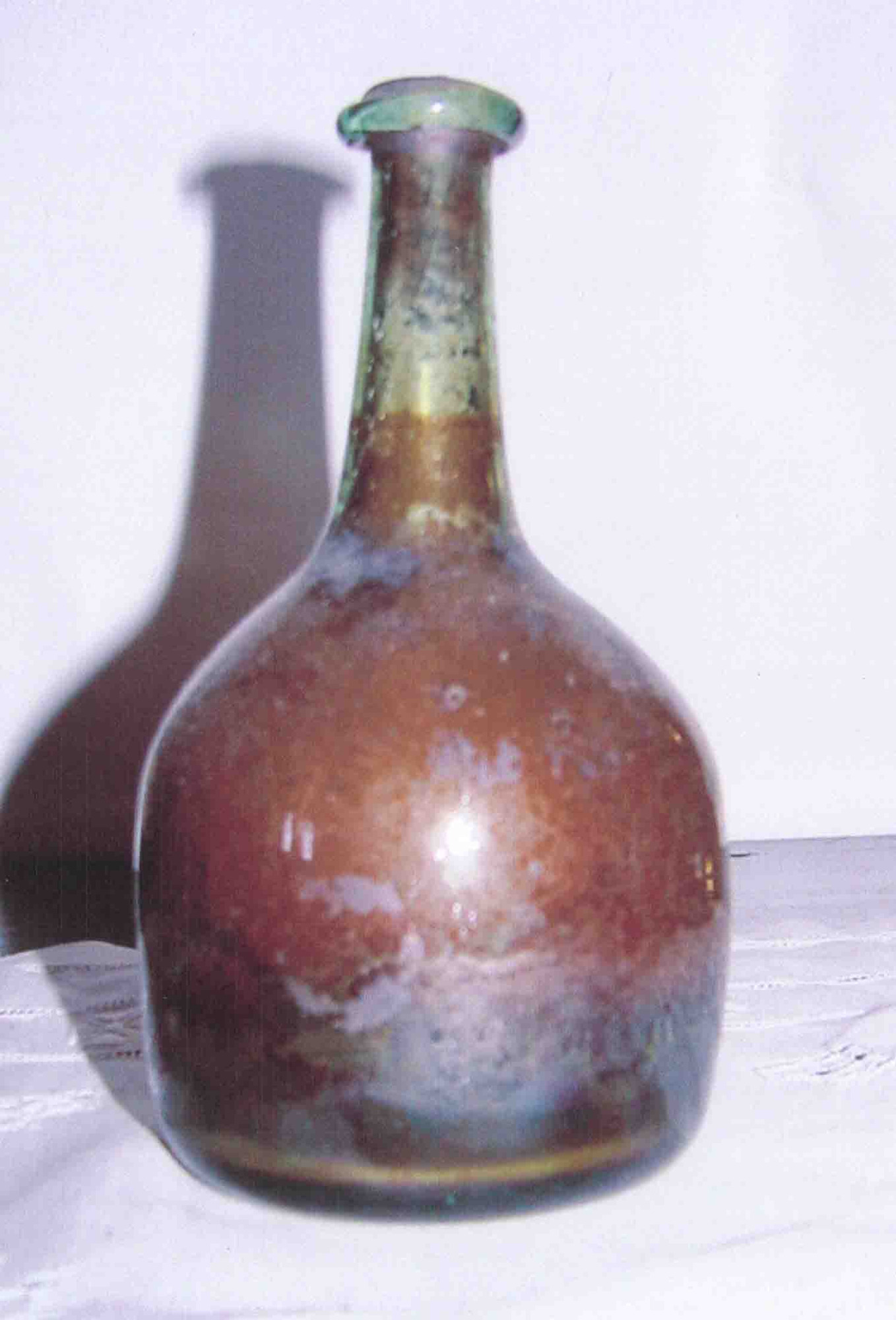
Australian wine guru Len Evans (1930 - 2006) had purchased thre bottle at Christie's in London in 1977 for £300. He described the taste as “extremelyrich and of incredible intensity and complexity.” He wrote me that two large tears came to his eyes as he thought about everything that had happened since this wine was produced. I have no idea how the bottle could identified as Tokaji.
It remains unclear which evidence Christie's had available to authenticate the bottle and vintage year.
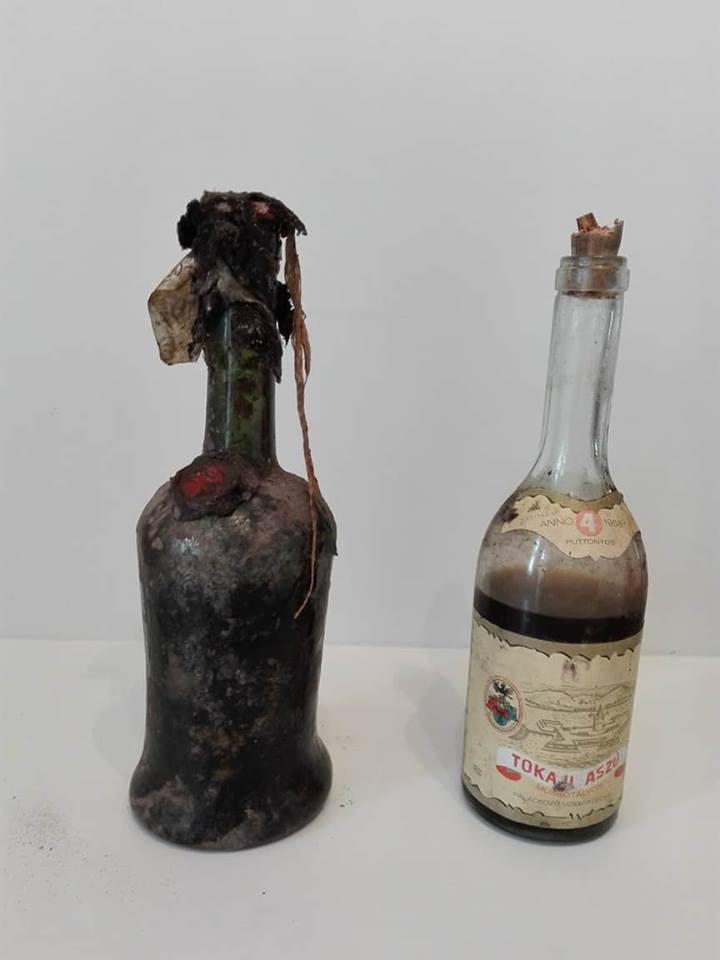
1690 bottle (presumably János Garai)
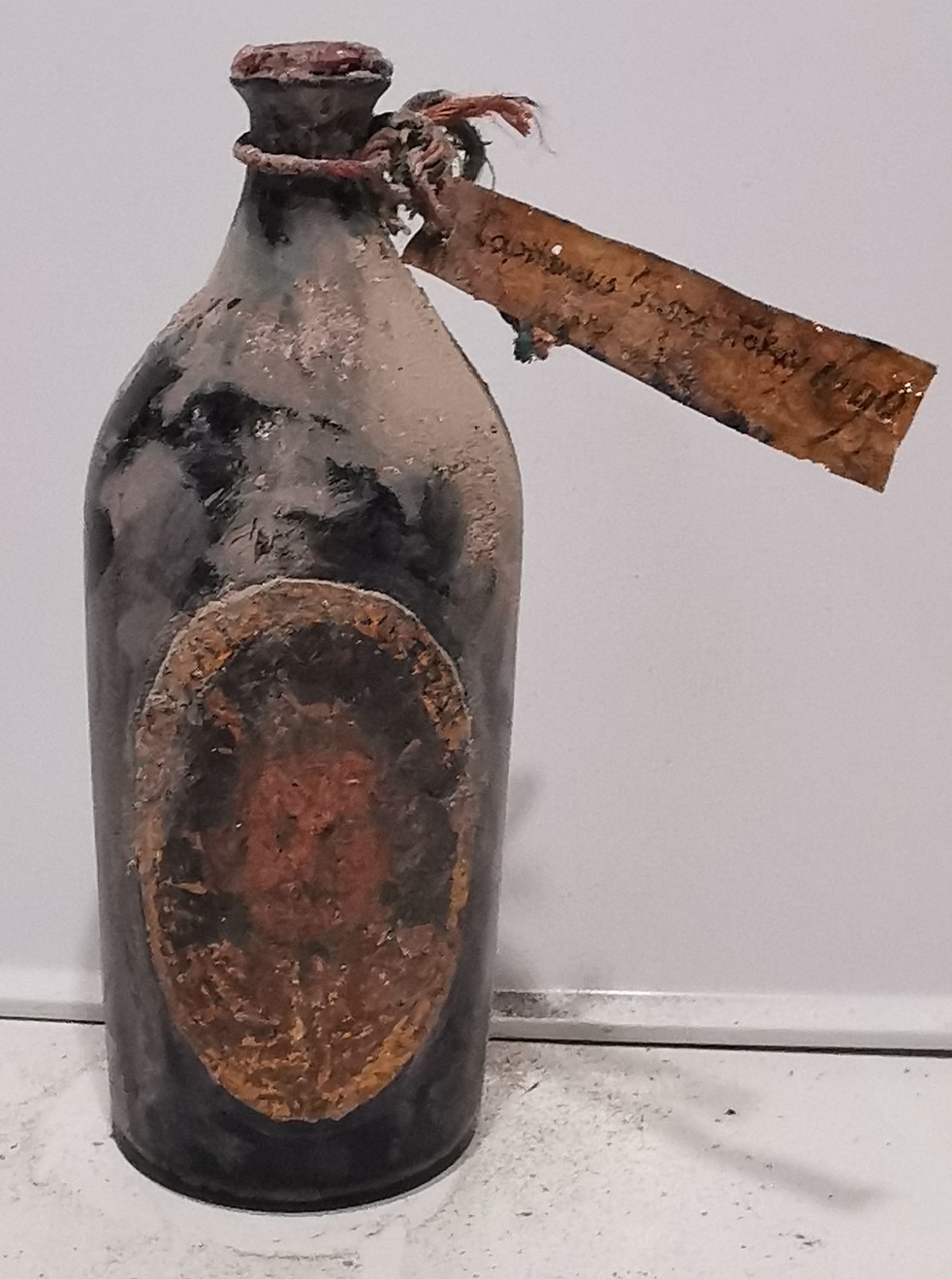
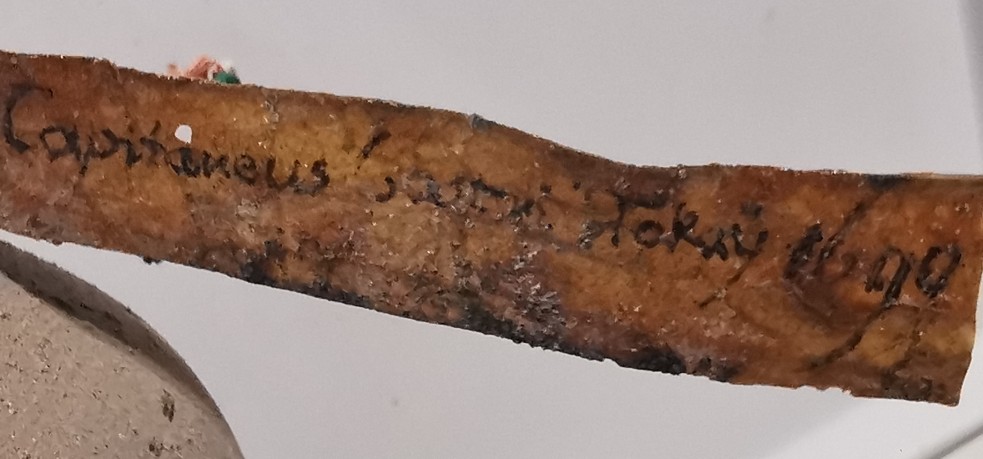
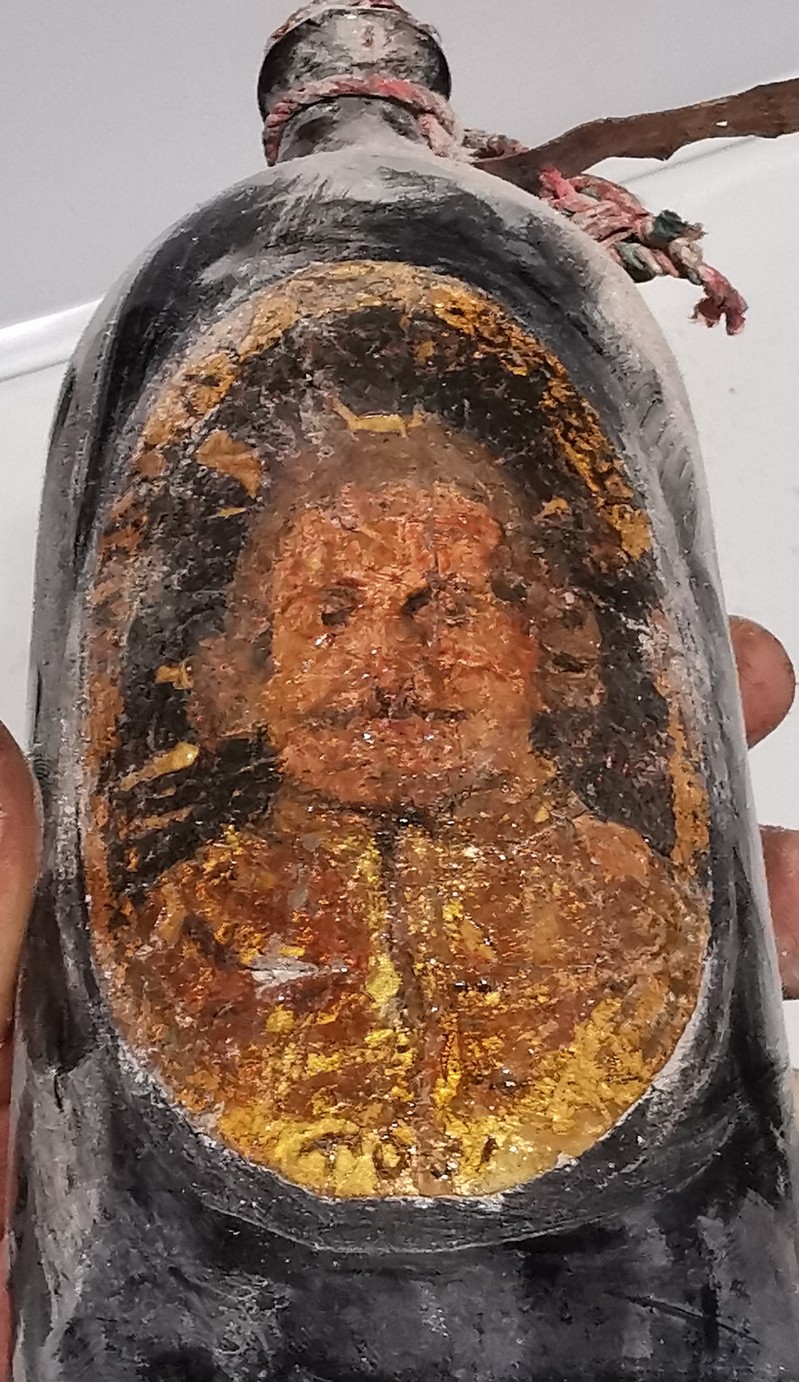
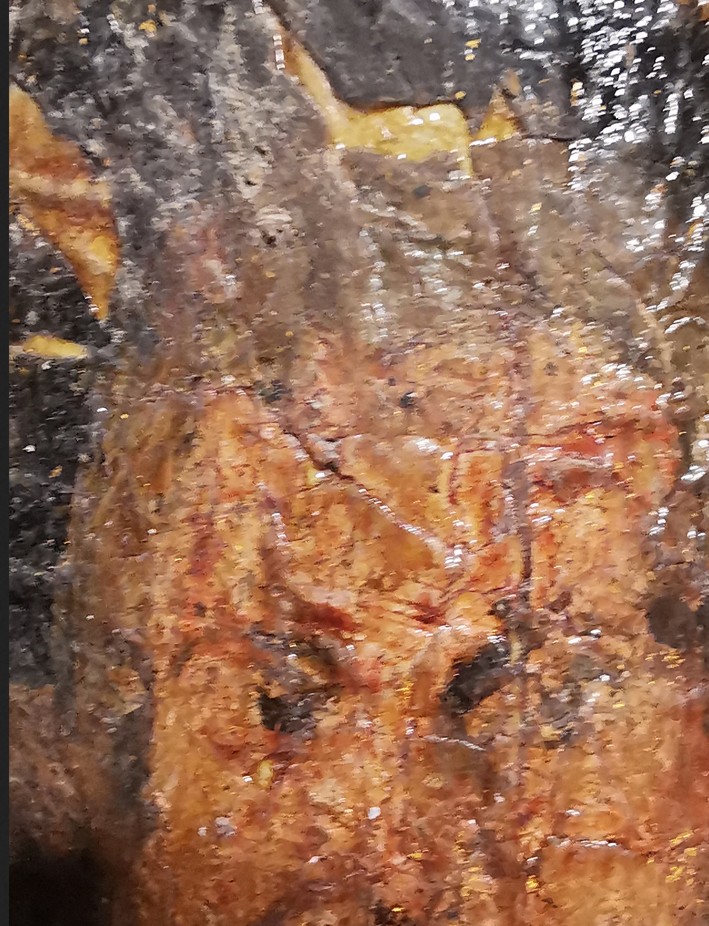
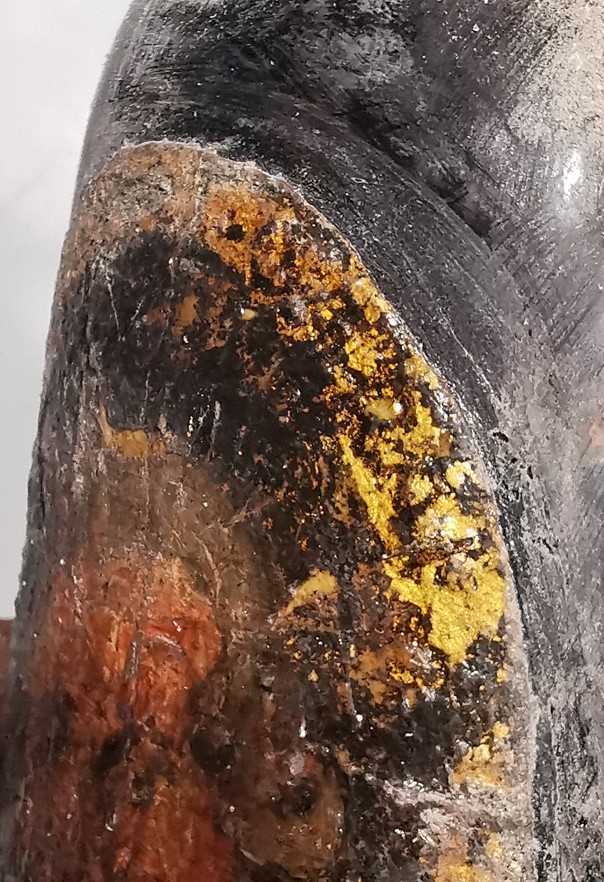
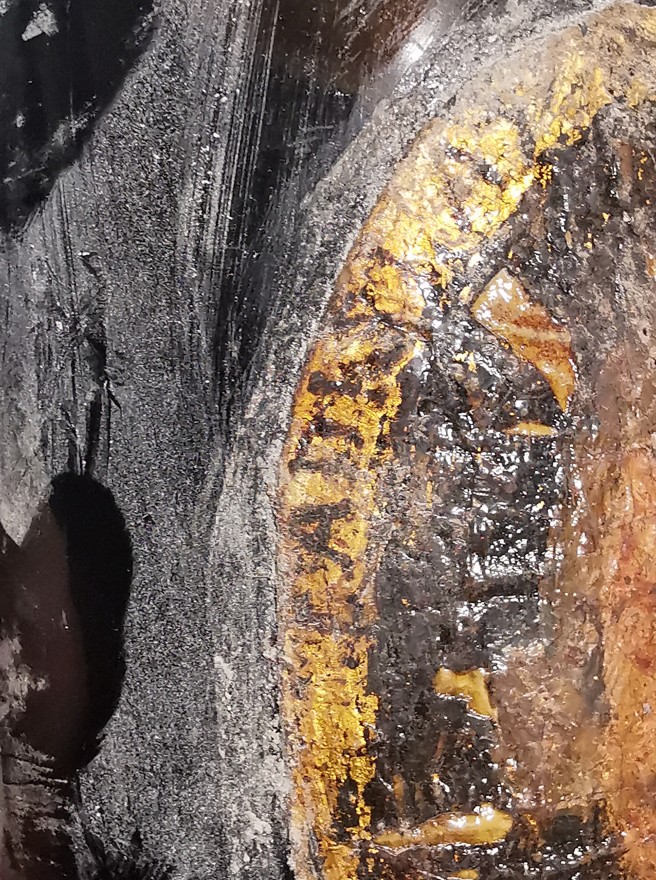
A very special bottle most probably paying tribute to captain János Garai, whose portrait is depicted on the bottle label. The label is made of anmimal skin/leather. Garai is definitely a name to remember in the history of Tokaji.
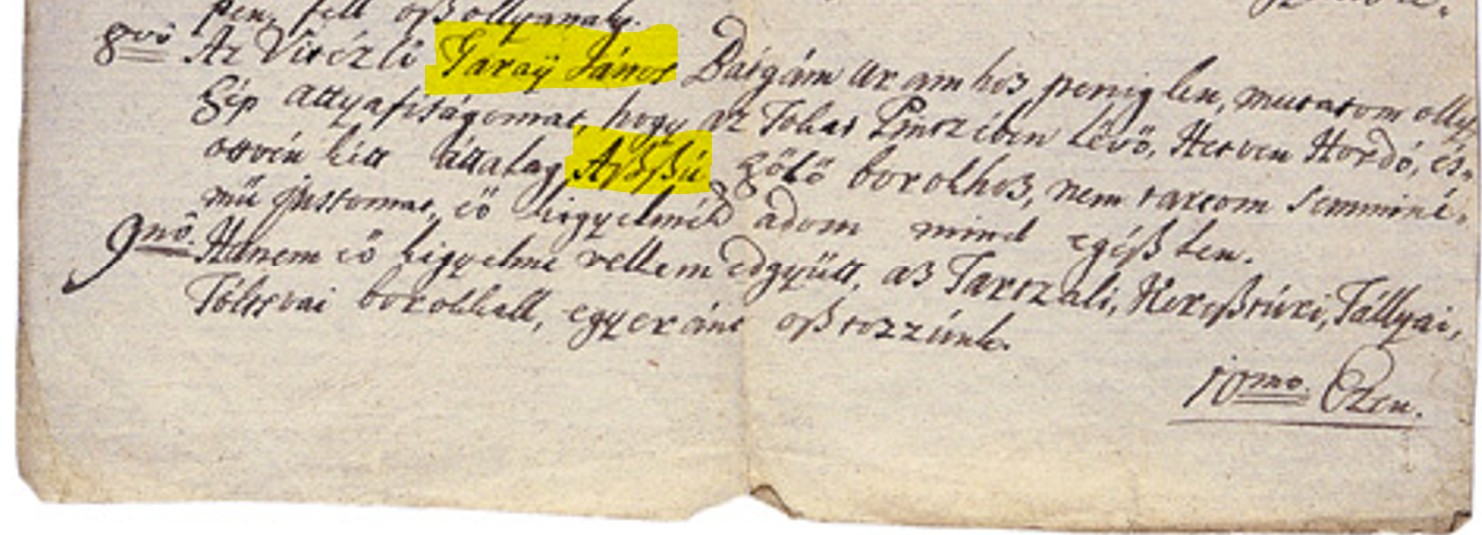
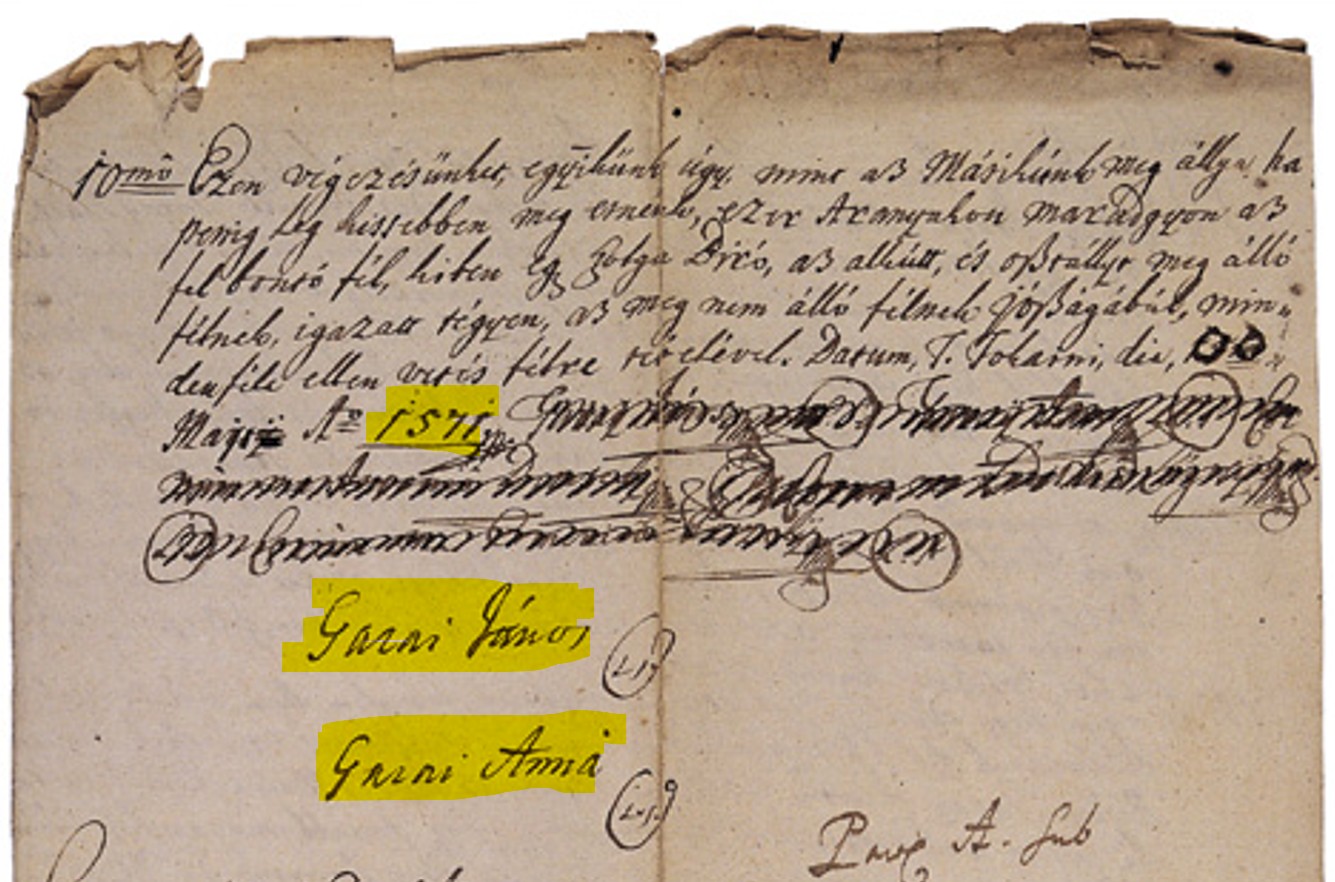
- János Garai is mentioned in the oldest known document to contain the word Aszú (1571), a contract about 70 larger and 52 smaller barrels of aszú. Until older evidence is presented we should remember that the first Tokaji Aszú was a Garai wine (and not a wine made by Spepsy Laczkó Máté as popular belief and marketing brochures will tell you.) As Mr. Zelenak points out this 1571 aszú was probably vintage 1566 when the events of the Habsburg-Ottoman war in the Tokaj region delayed the vintage.
- 2 vineyards in Tokaj bear the Garai-name: Garai and Kis-Garai
- János Garais sister Anna, also mentioned in that document, was married to Gáspár Károlyi, the first to provide a complete Hungarian translation of the Bible (1590).
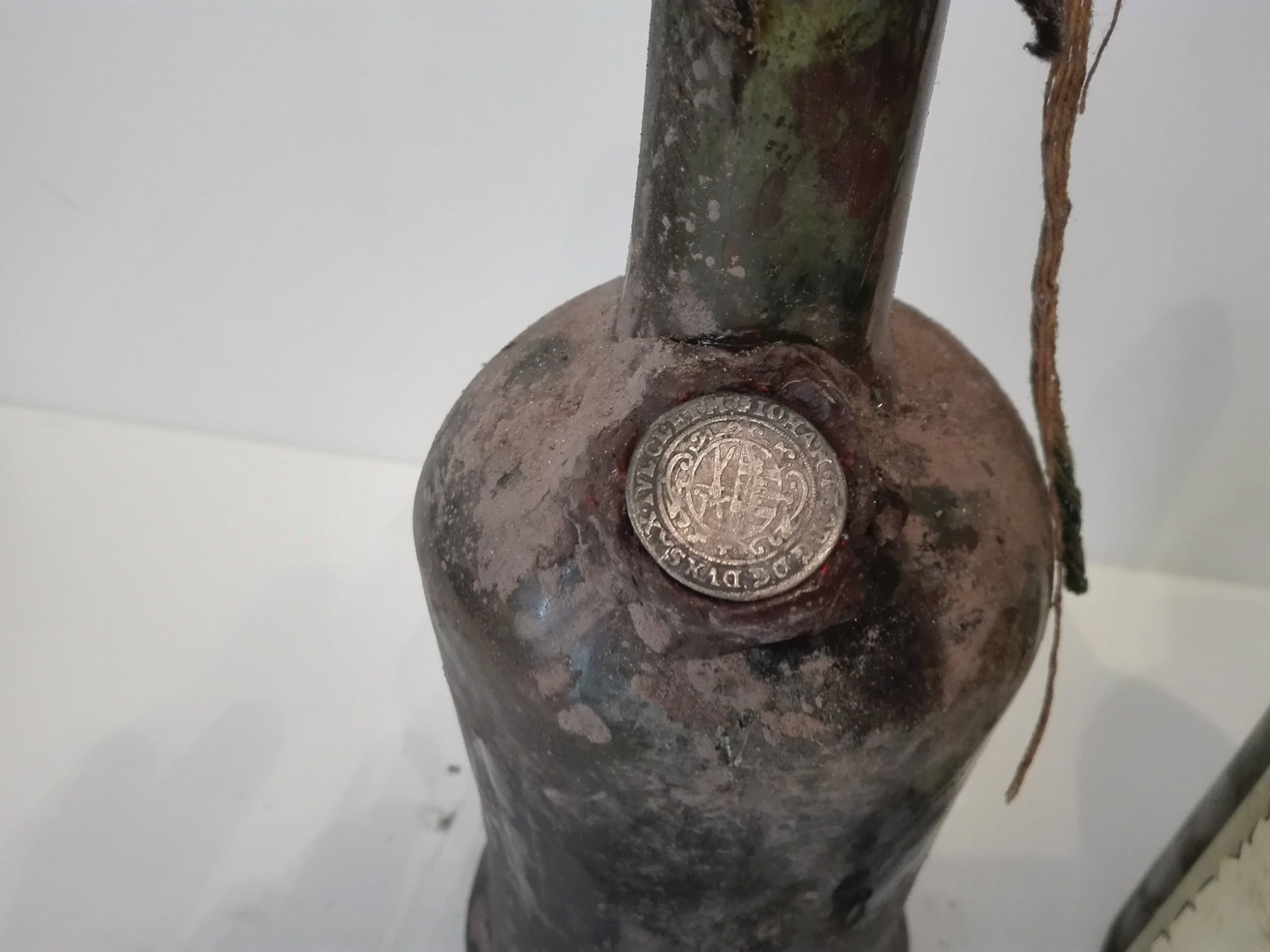
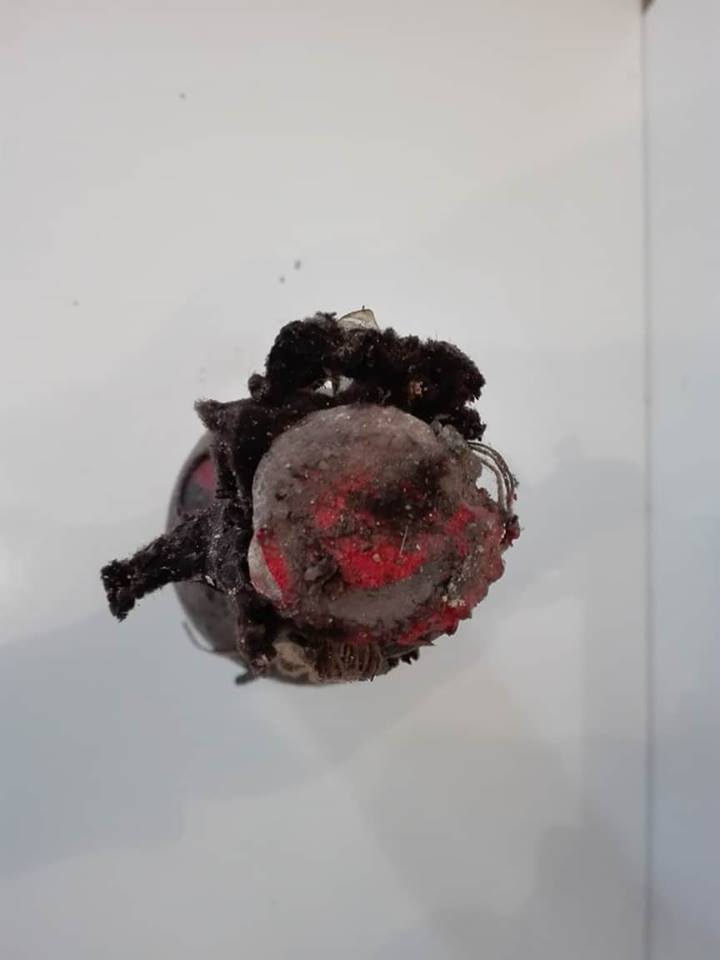
1690 Imperial Tokaji
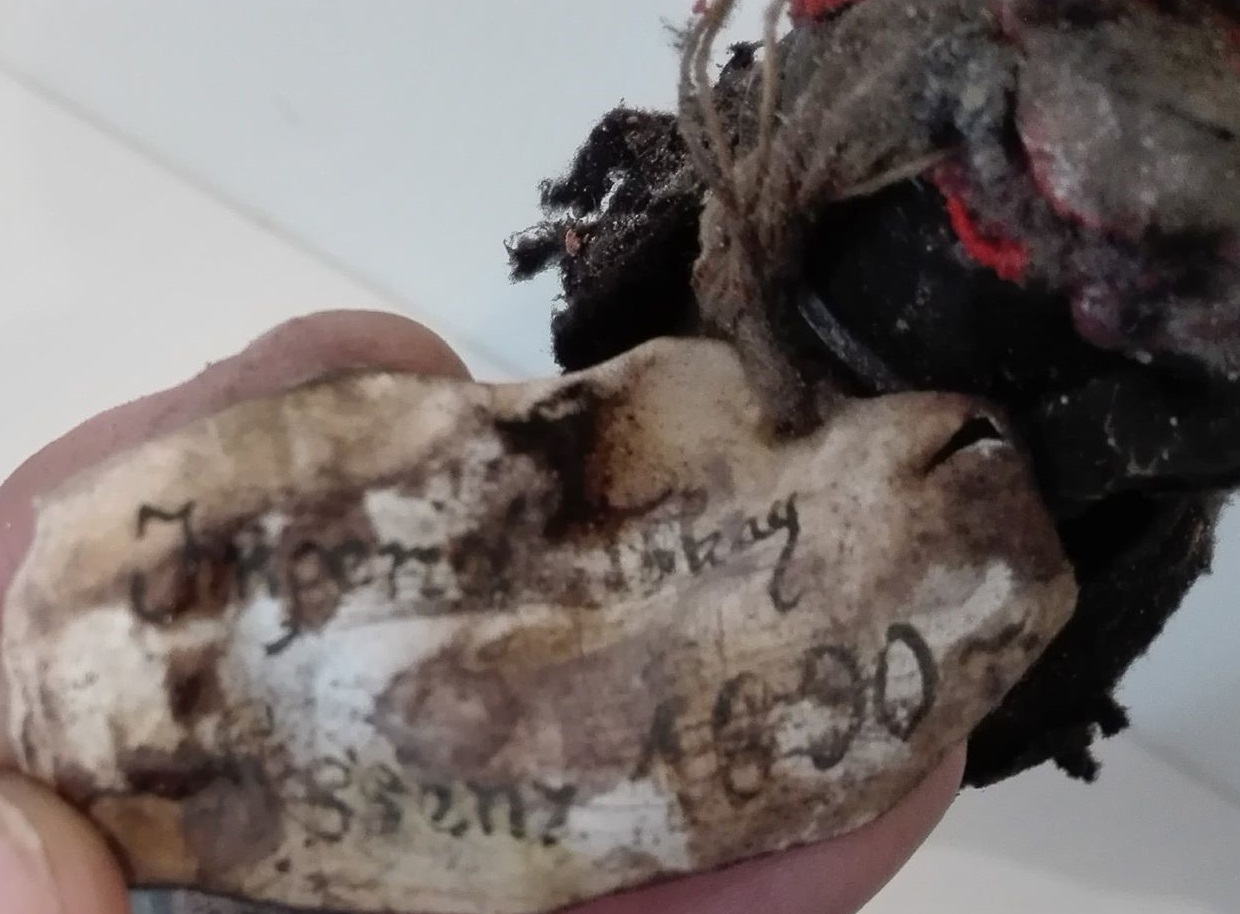
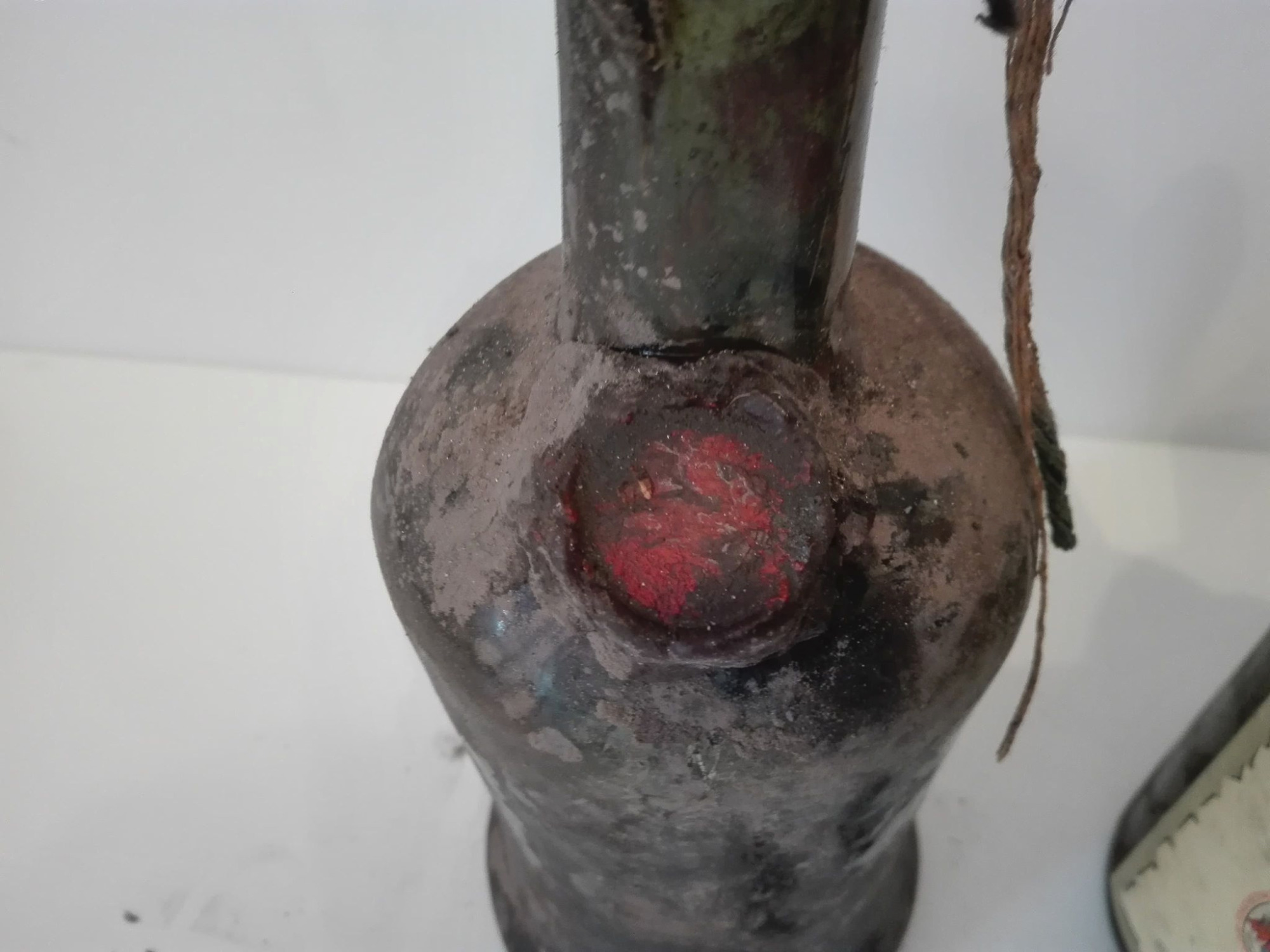
One of the rare bottles with a coin attached, in this case a Saxon coin suggesting that it originates from the Royal Saxon cellar. The "Imperial" category is impossible to define exactly as no description exists, and only a handful of historic bottles of this category are known. Several explanations seem plausible:
- Tokaji of the highest quality (very high sugar content, 6p aszú or eszencia) worthy of Imperial tables
- Tokaji coming from the (top) Tokaji vineyards owned by the Habsburg Emperors. Although I am not sure if the Habsburgs actually owned vineyards in Tokaj in 1690
- Tokaji from the Imperial Cellars in Vienna
- Just a marketing instrument to sell Tokaji for a higher price
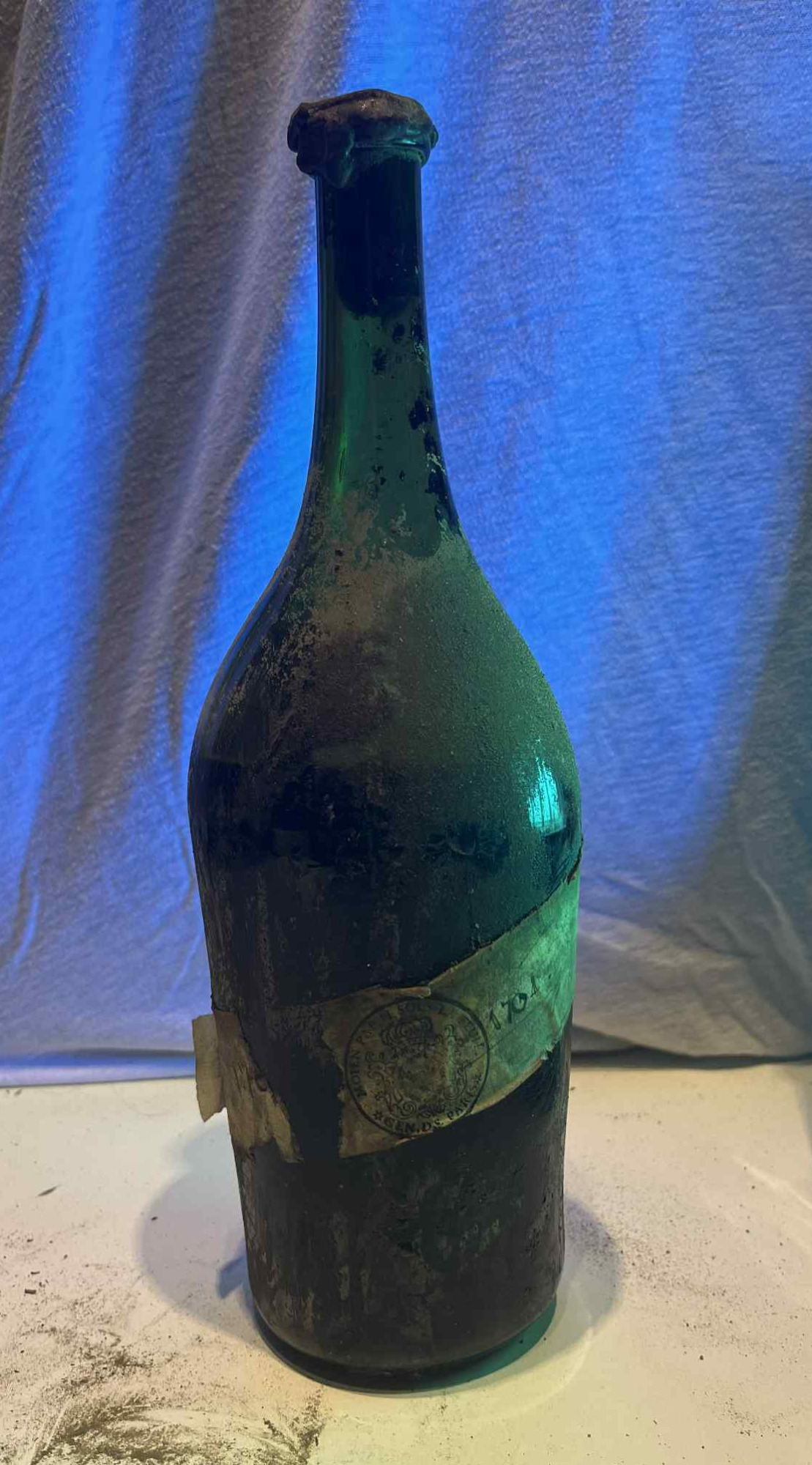
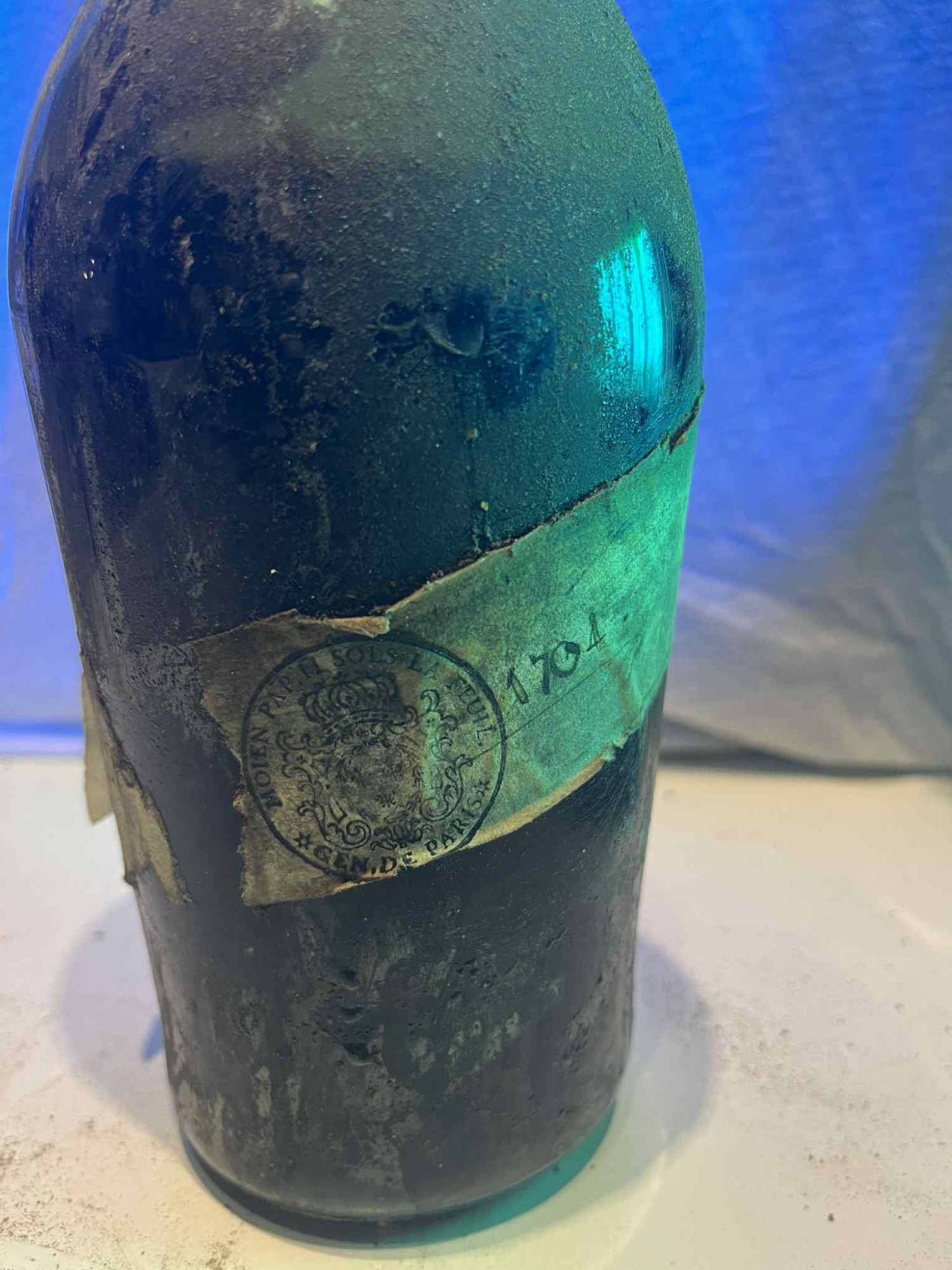
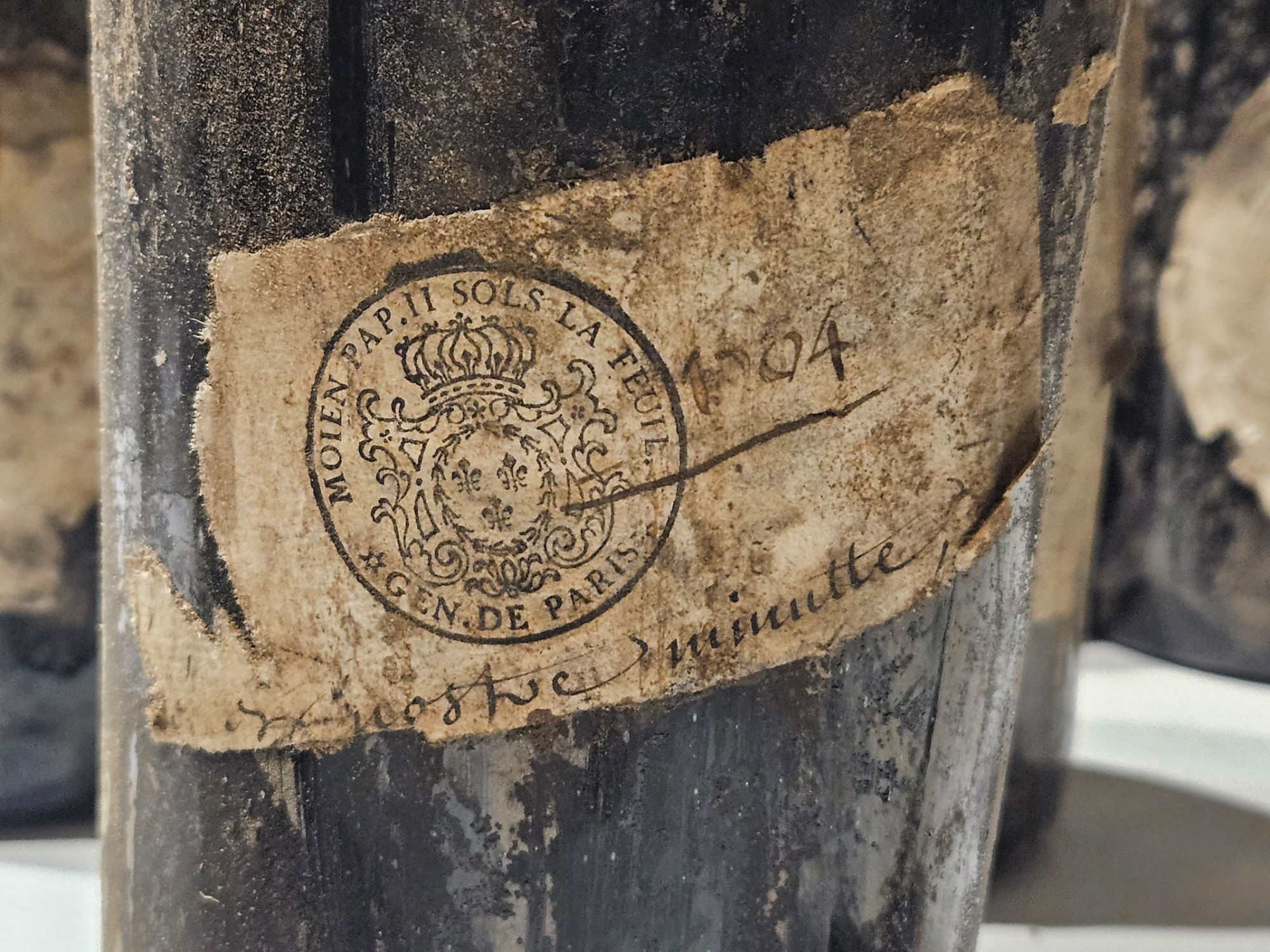
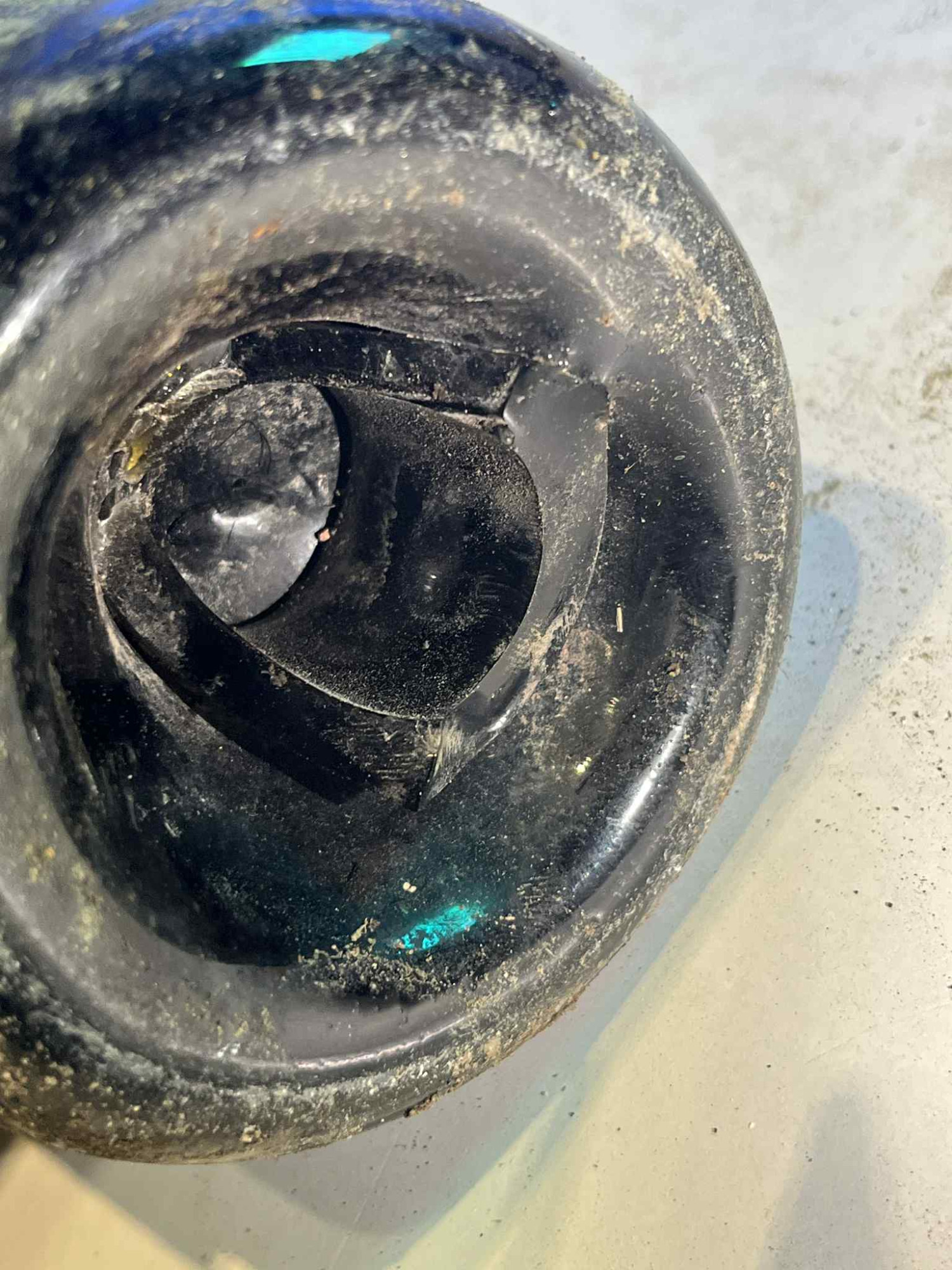
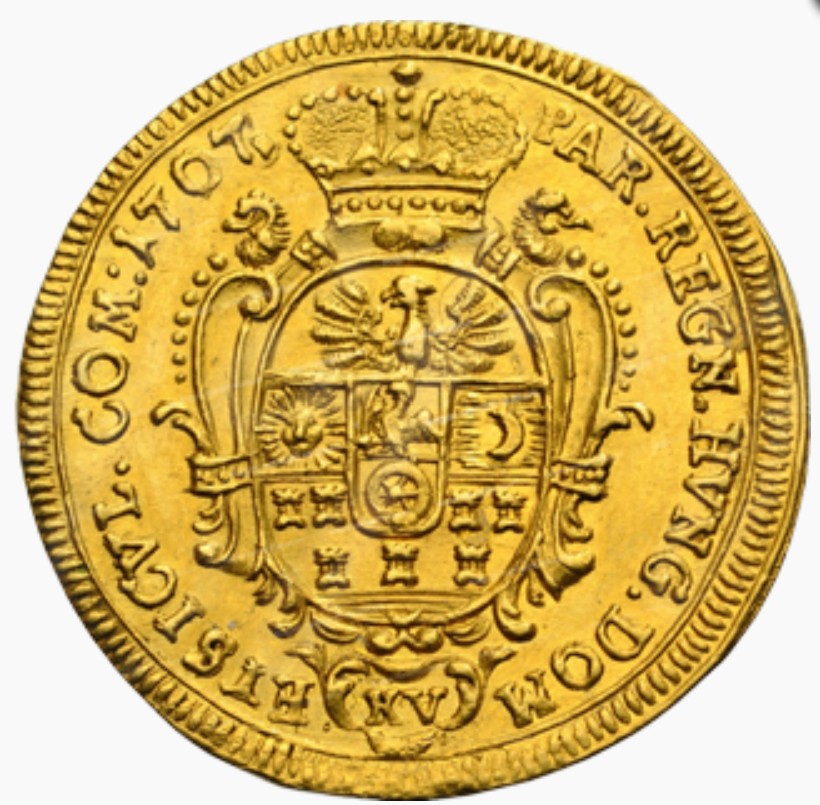
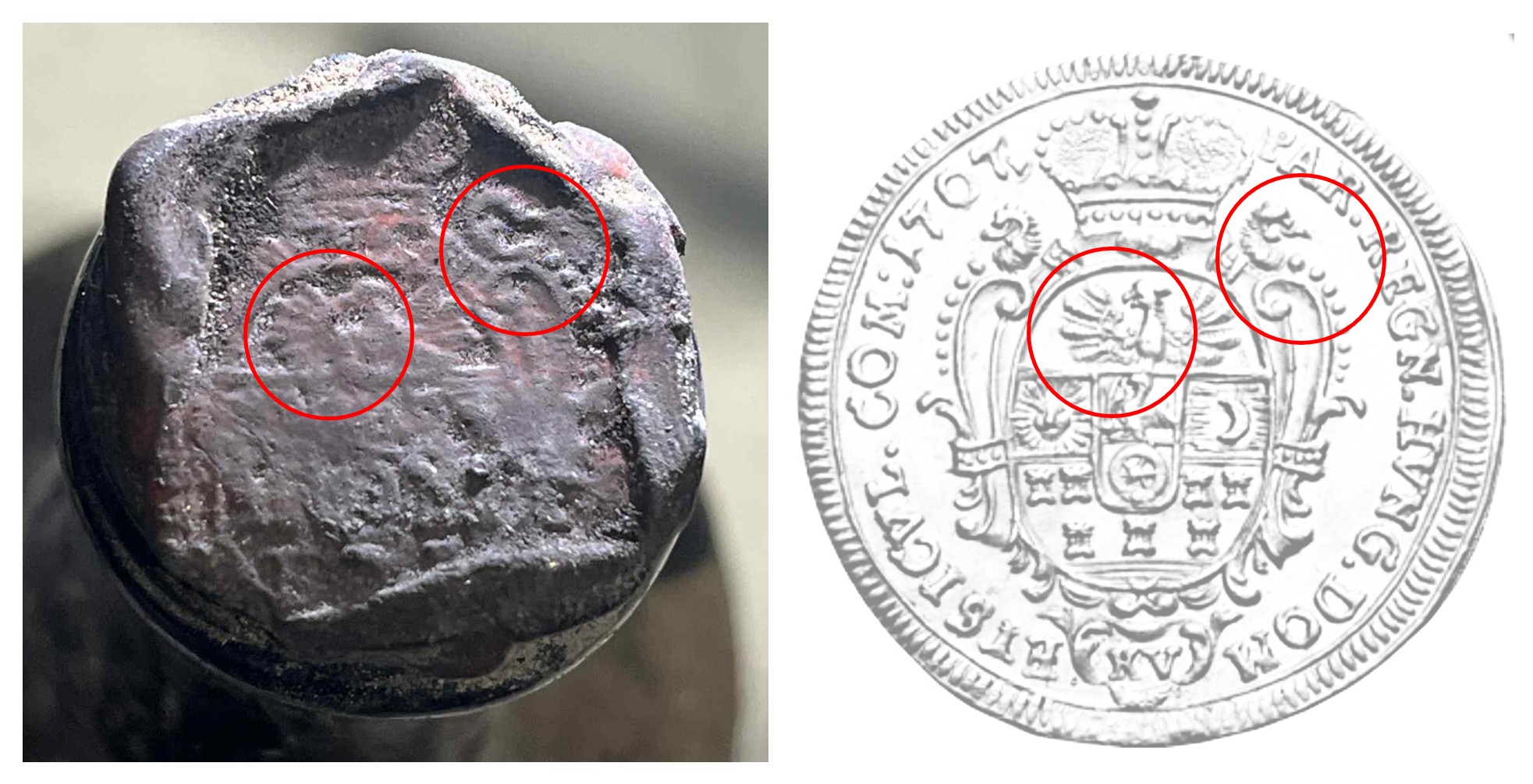
1704 Rákóczi Bottle
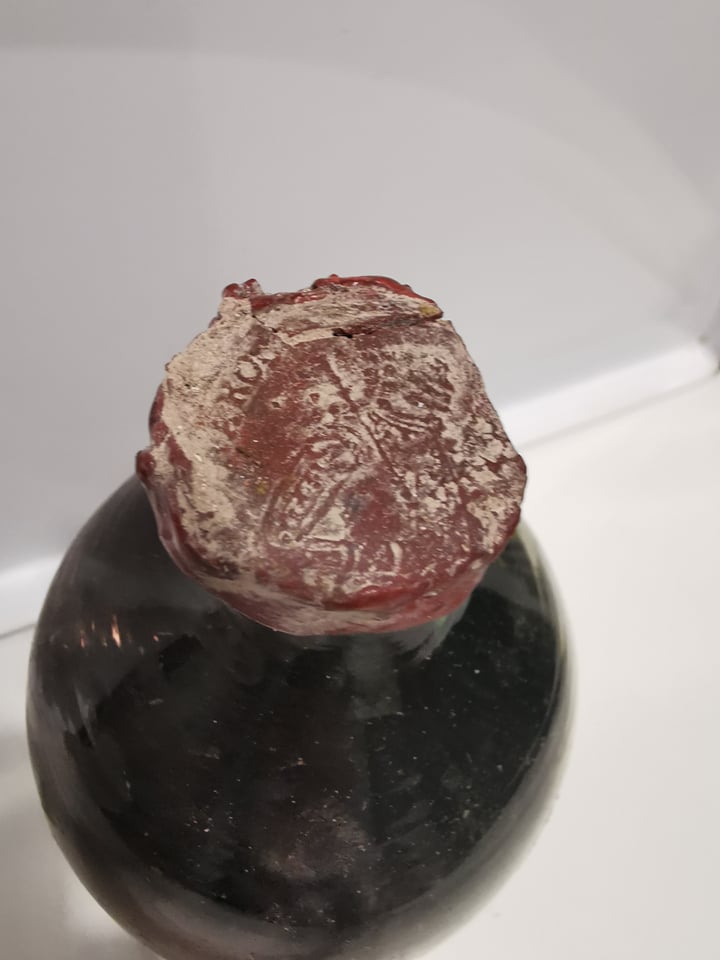
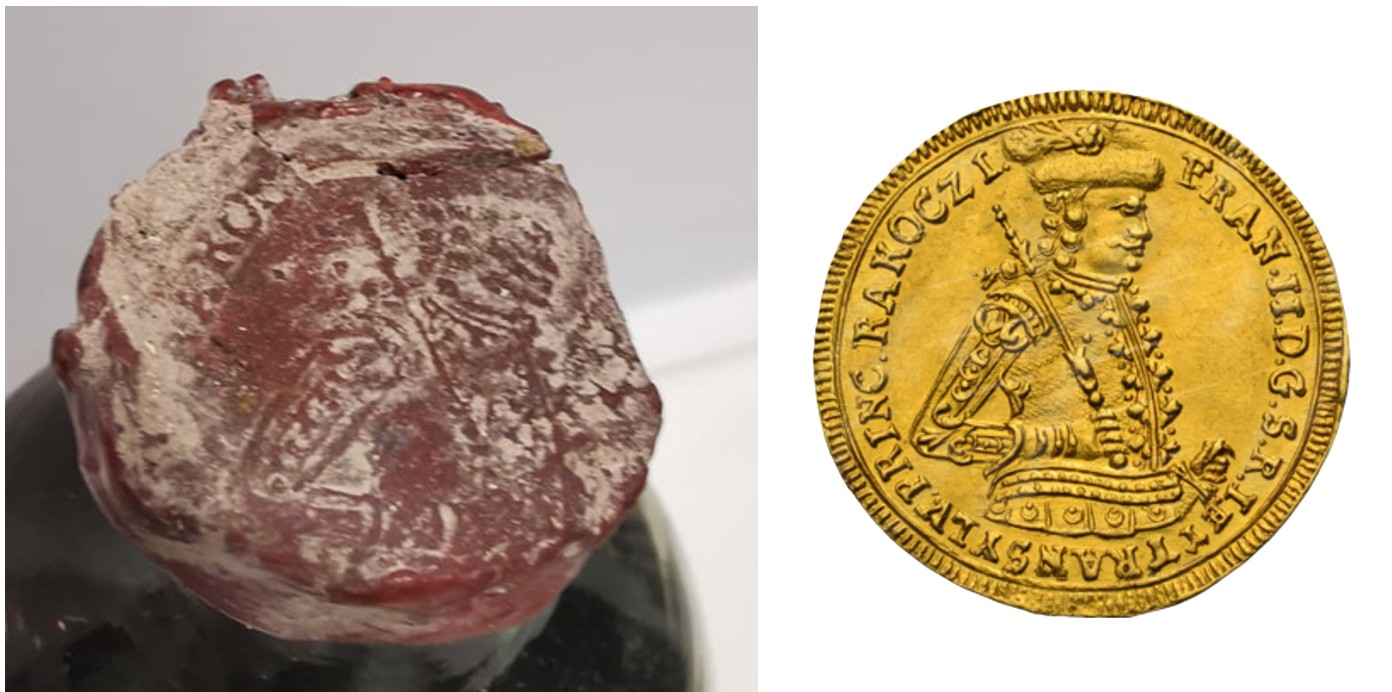
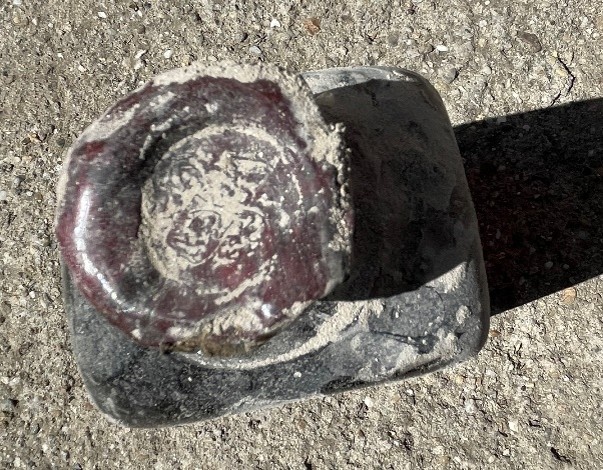
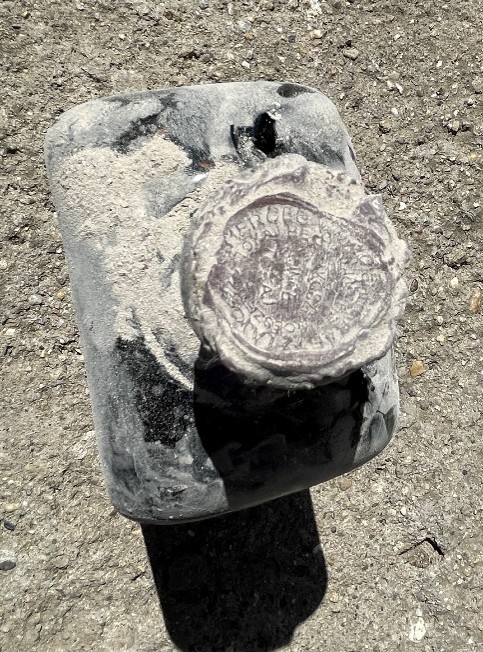
A bottle sealed with the coin die used to mint the last Rákoczi gold dukates in 1707. For this bottle the back side of the coin (reverse) was used. This method most probably helped proving the authenticity and origin of the bottle. This particular coin is extremely rare, in total only 3 coins were minted, two of which can be found in museums, the third one is lost. Rákóczi himself ordered in 1707 that no other coins should be minted and that the coin die should be destroyed. As far as we know this makes it the one of only two Tokaji bottles in the world that can be traced to Rákoczi ownership.
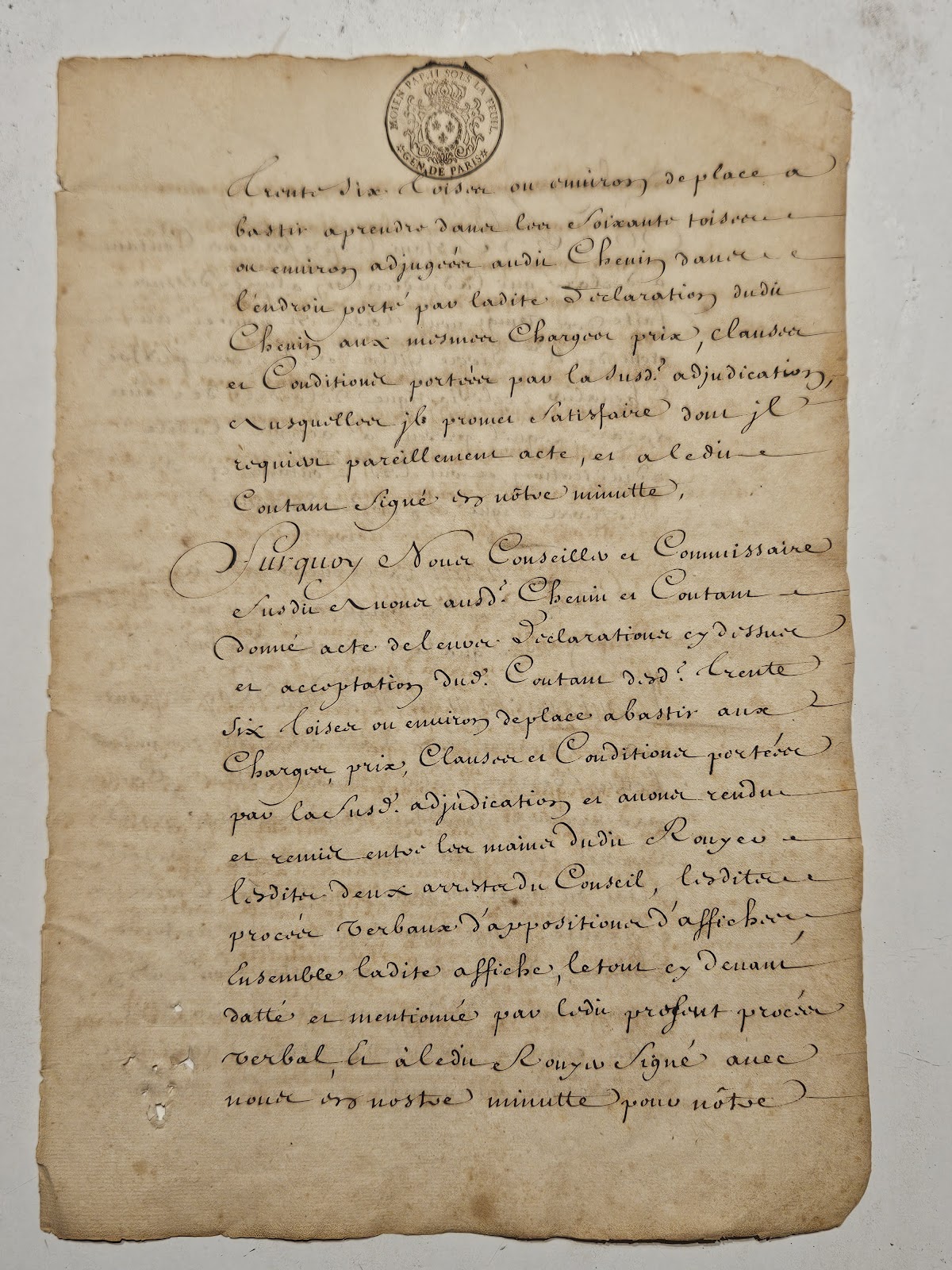
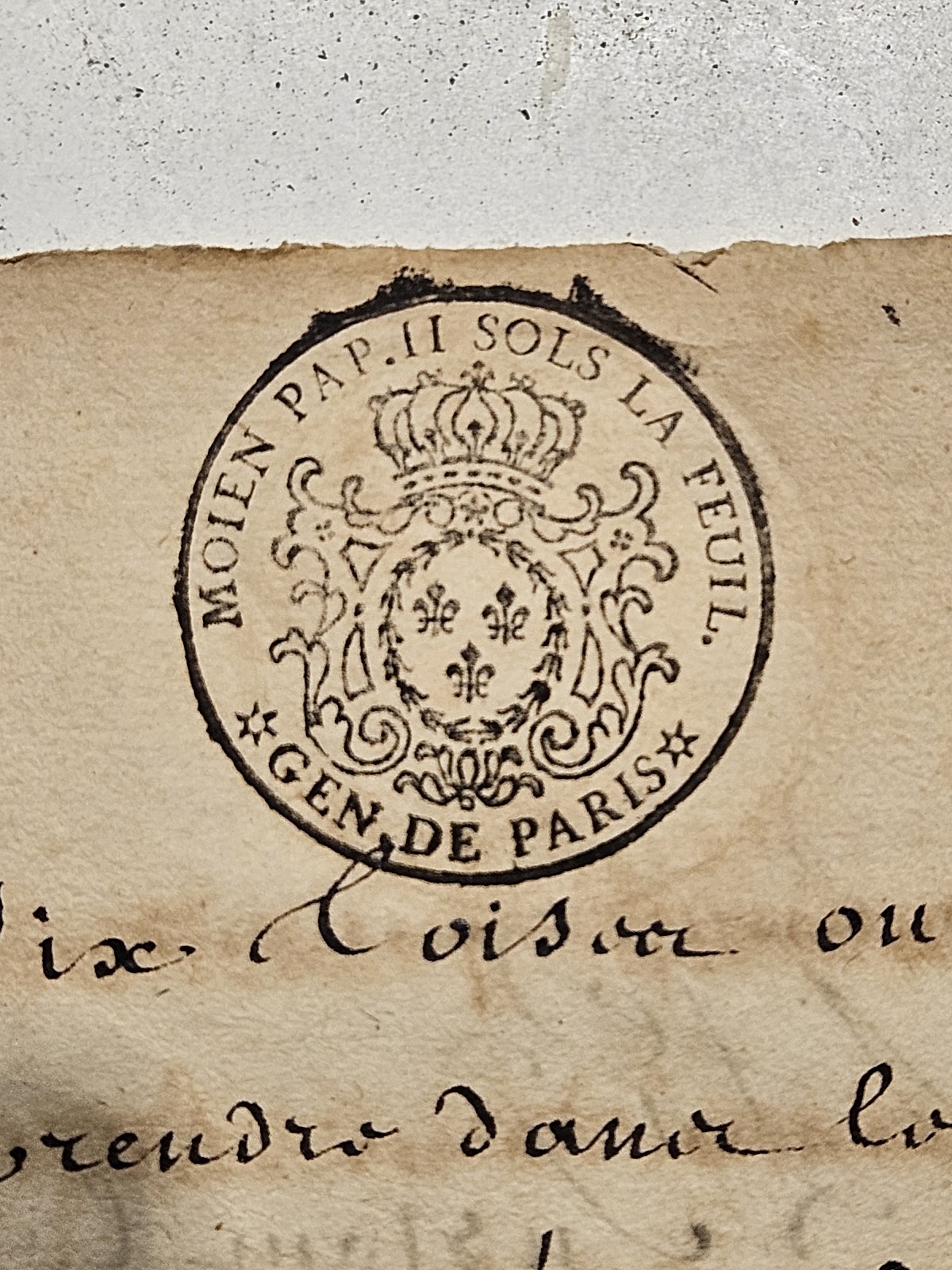
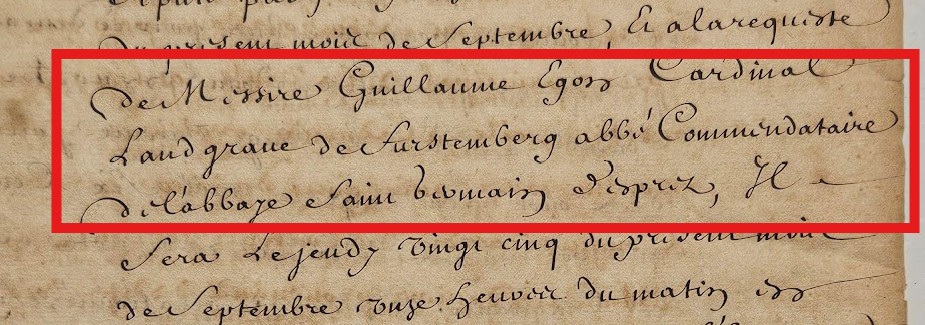
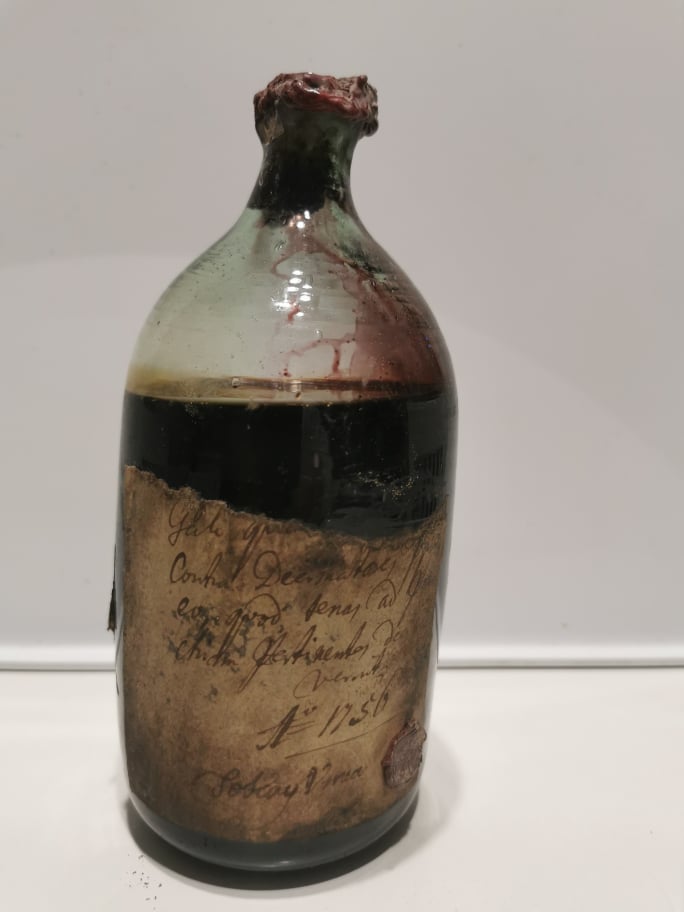
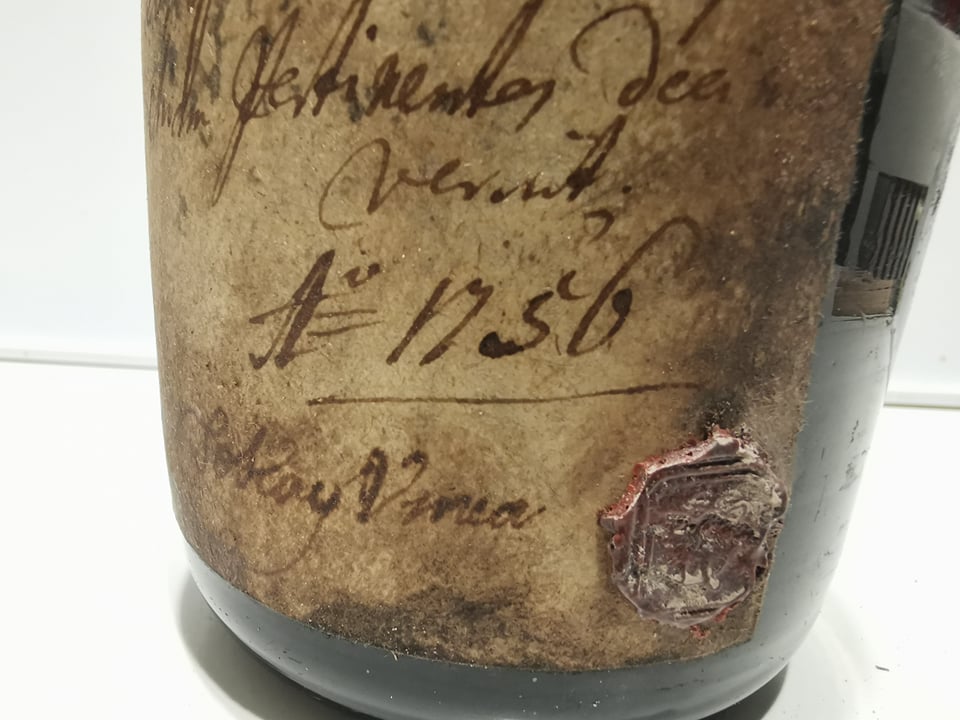
The bottle label showing the vintage is made from french stamped paper, probably another authentication method. The stamp was used around 1714. The related 14 page french document bears the same paper stamp. It does not contain any reference to Rákóczi or Tokaji wine, but mentions Wilhelm Egon von Fürstenberg, bishop of Strasbourg. The bishop was in contact with Petar Zrinski, the grandfather of Francis II Rákóczi, with the goal to form an alliance in fighting the Habsburg empire. It is known that Rákóczi had sent barrels or bottles of the best Tokaji as present to the French court of Louis XIV and other Courts to support his requests for political alliances in his uprising against the Habsburg rule of Hungary. Later Rákóczi lived a couple of years in France.
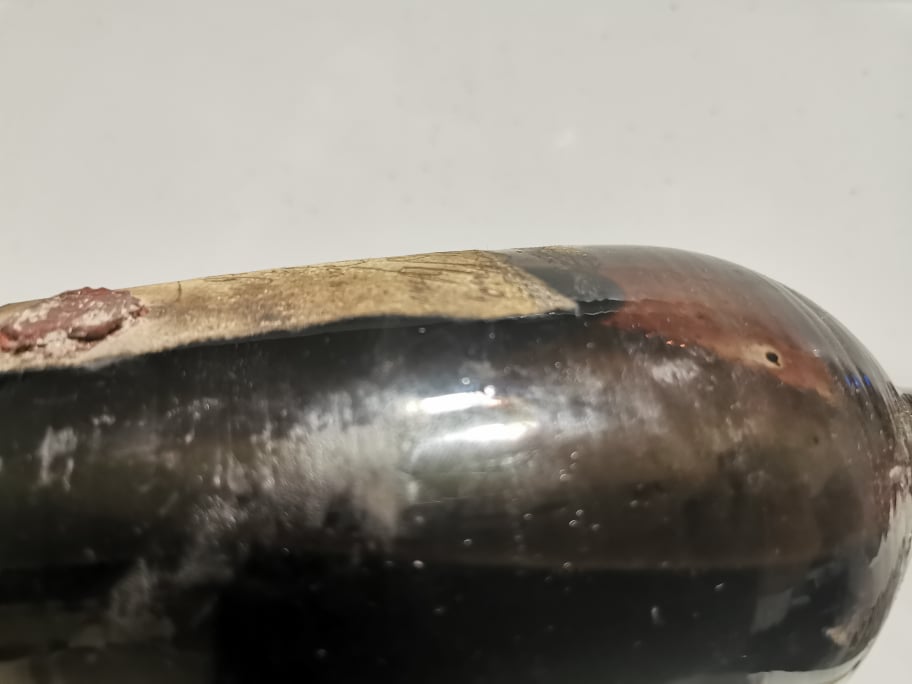
Thr bottom of the barrel exhibits a rare feature, the remnants of broken glass, according to glass manufacturing experts the sign of an old method of producing handblown glass bottles.

1756 Rákóczi Bottle
Another bottle sealed with the coin die used to mint the last Rákoczi gold dukates in 1707, but in contrast to the 1704 bottle the coin front (obverse) was used. Three sealed Rákóczi bottles of vintage 1759 are mentioned in a related document from 1834 making clear that those sealed bottles were known and of course especially valuable. According to glass experts the bottle was blown in the glass manufactury of Regéc.
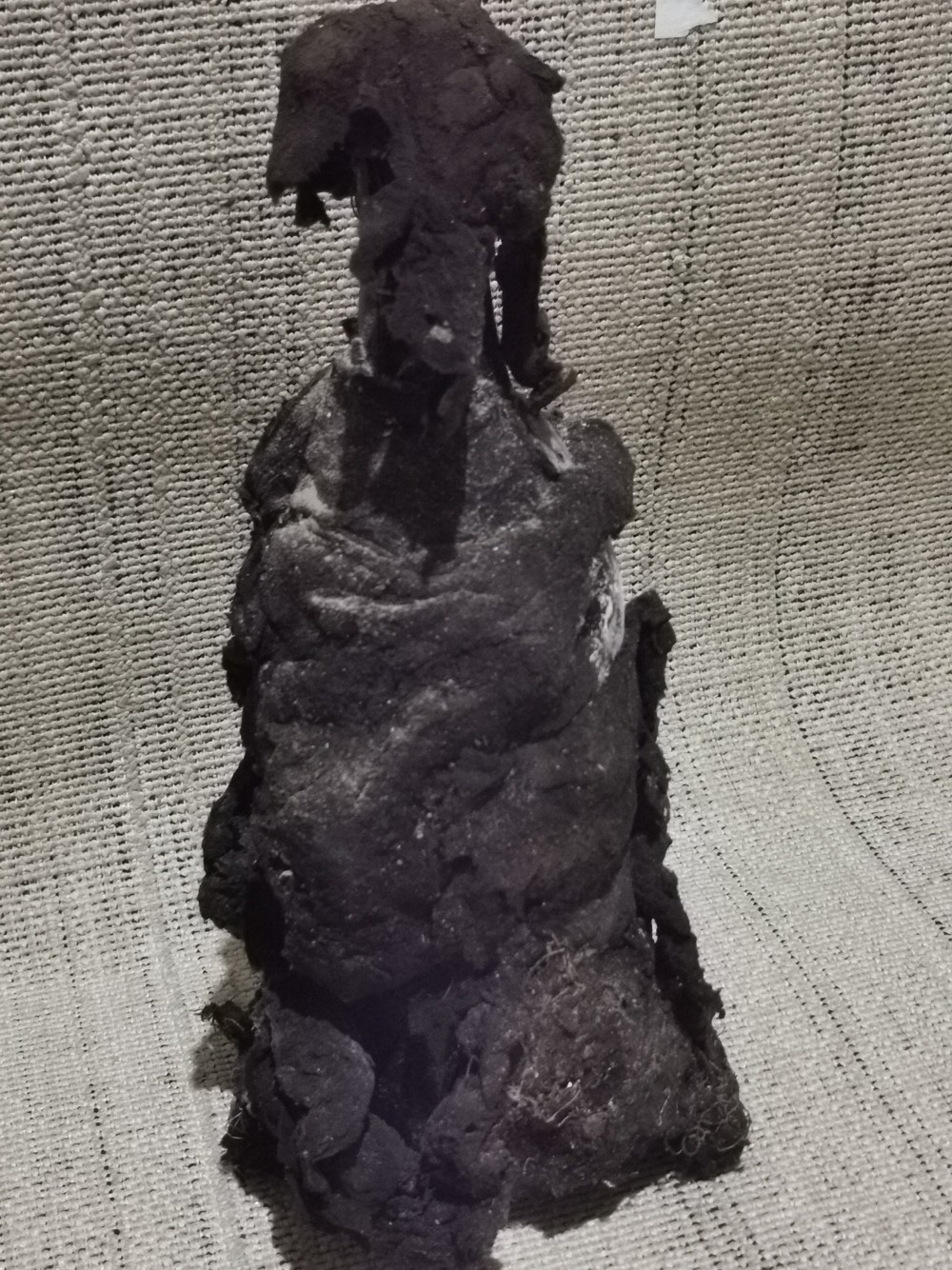
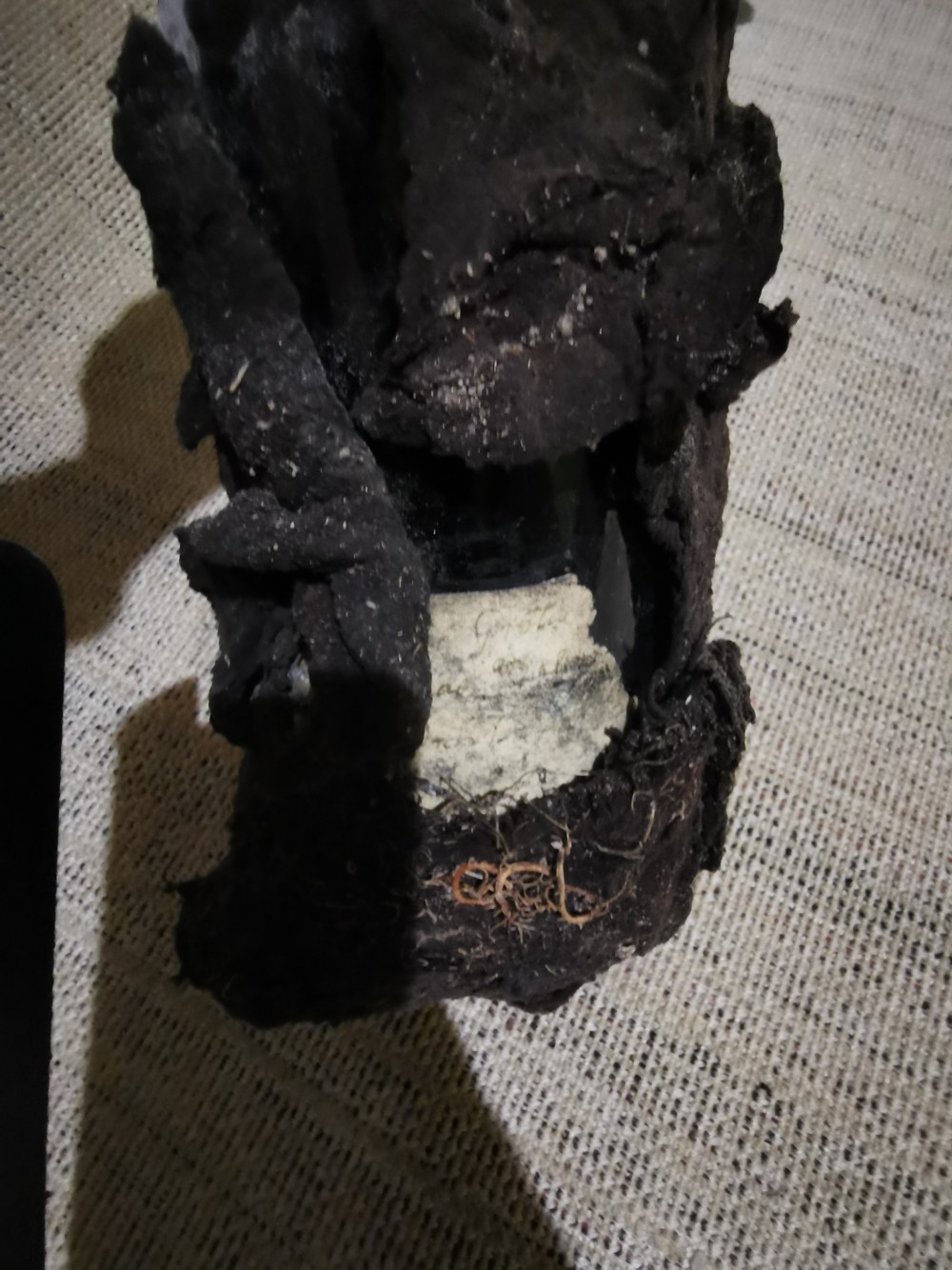
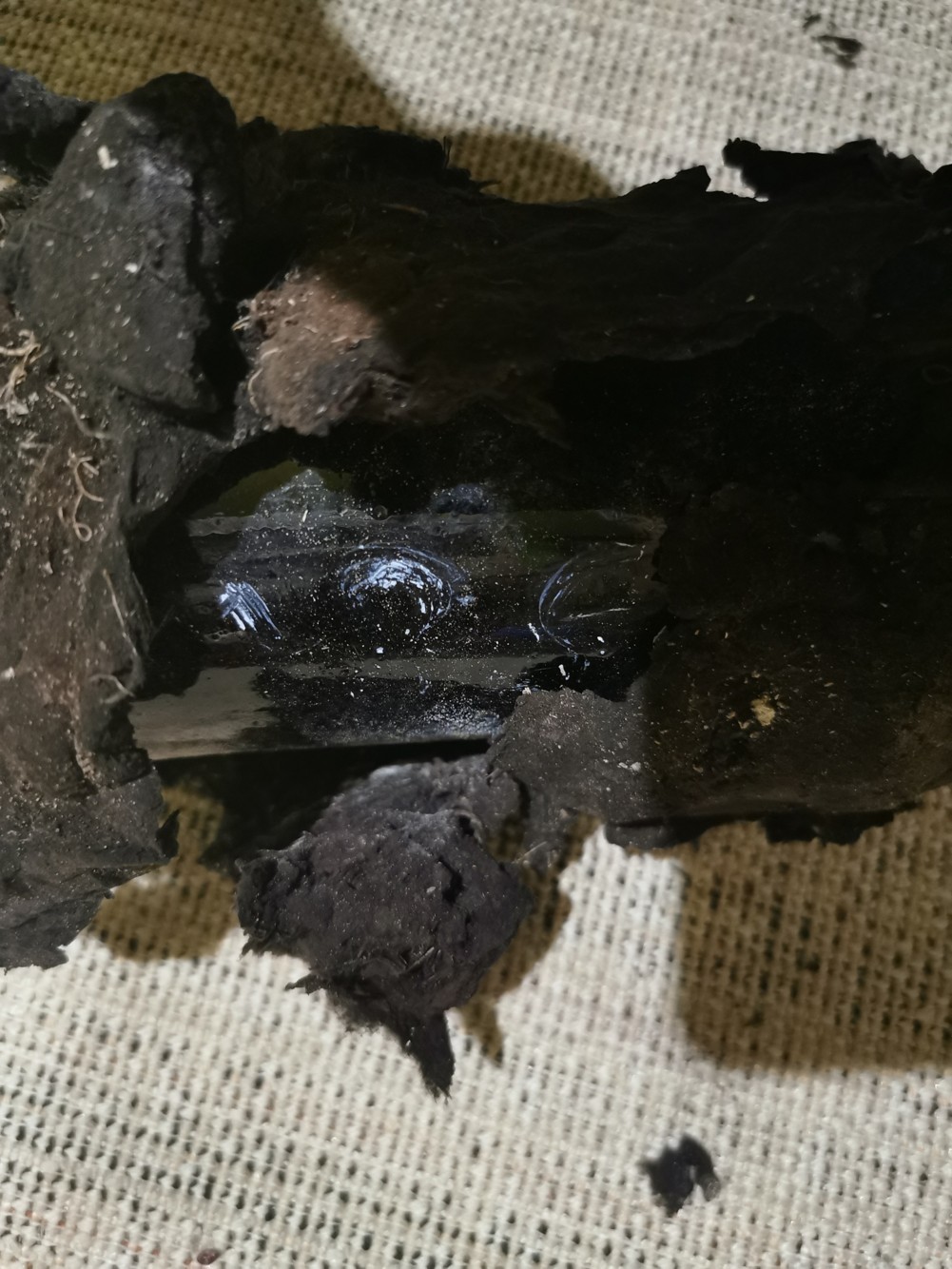
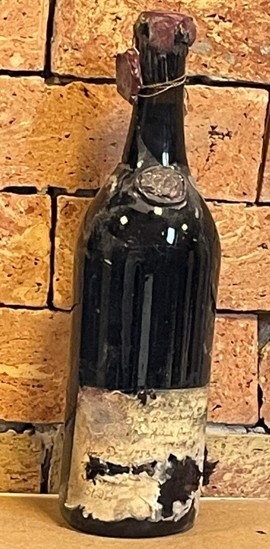
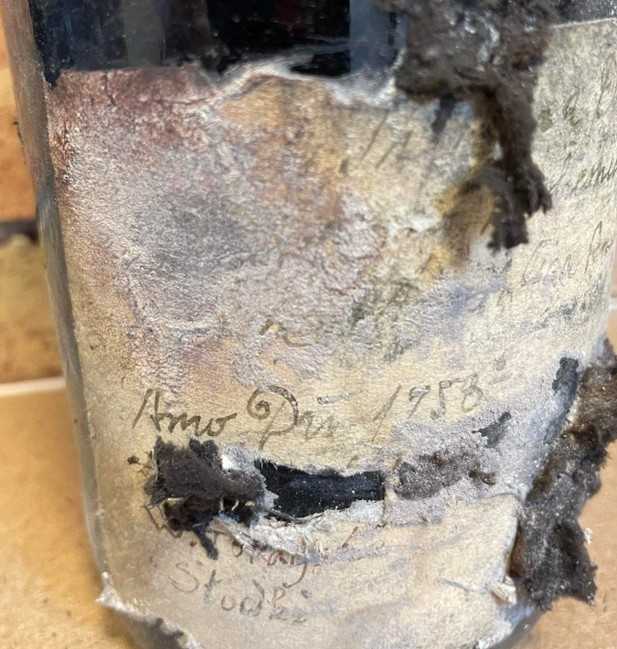
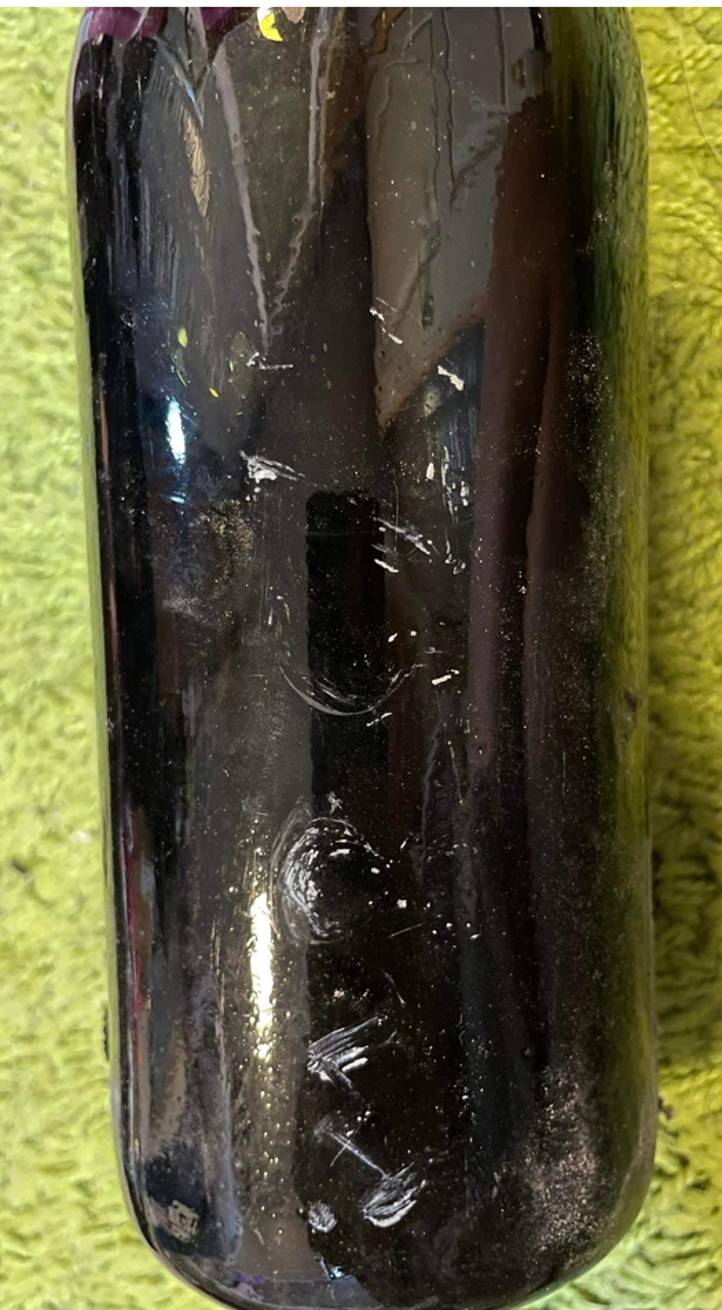
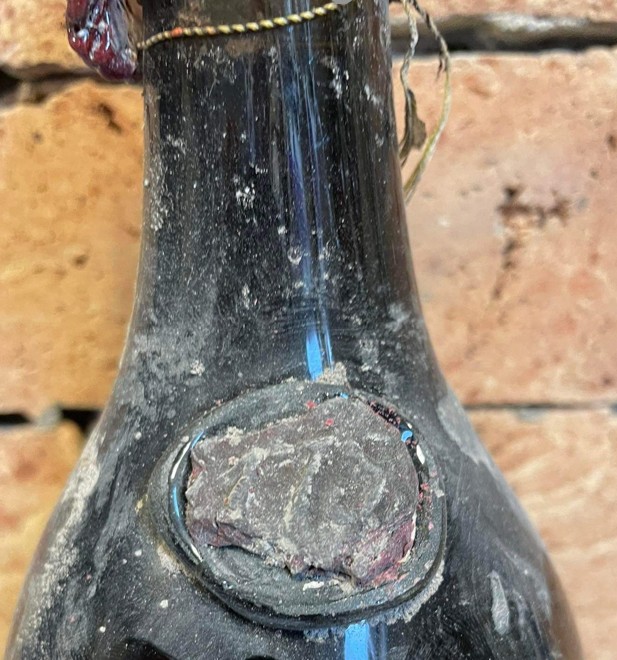
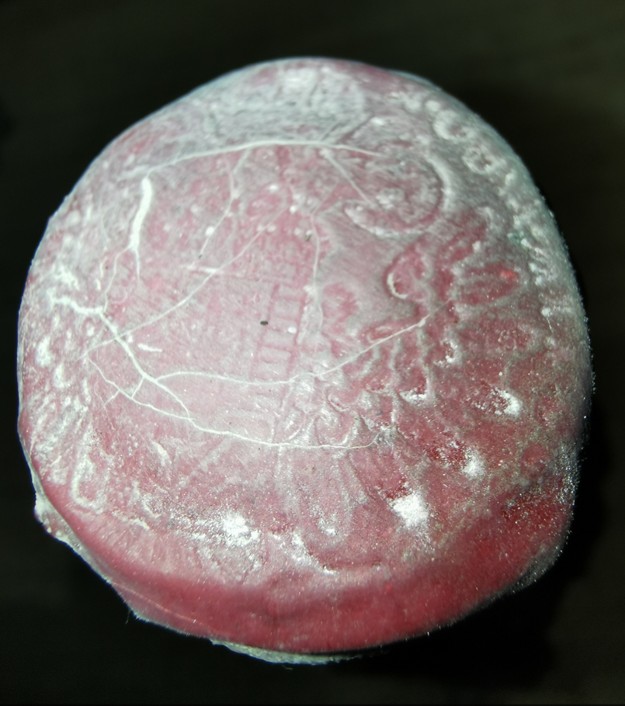
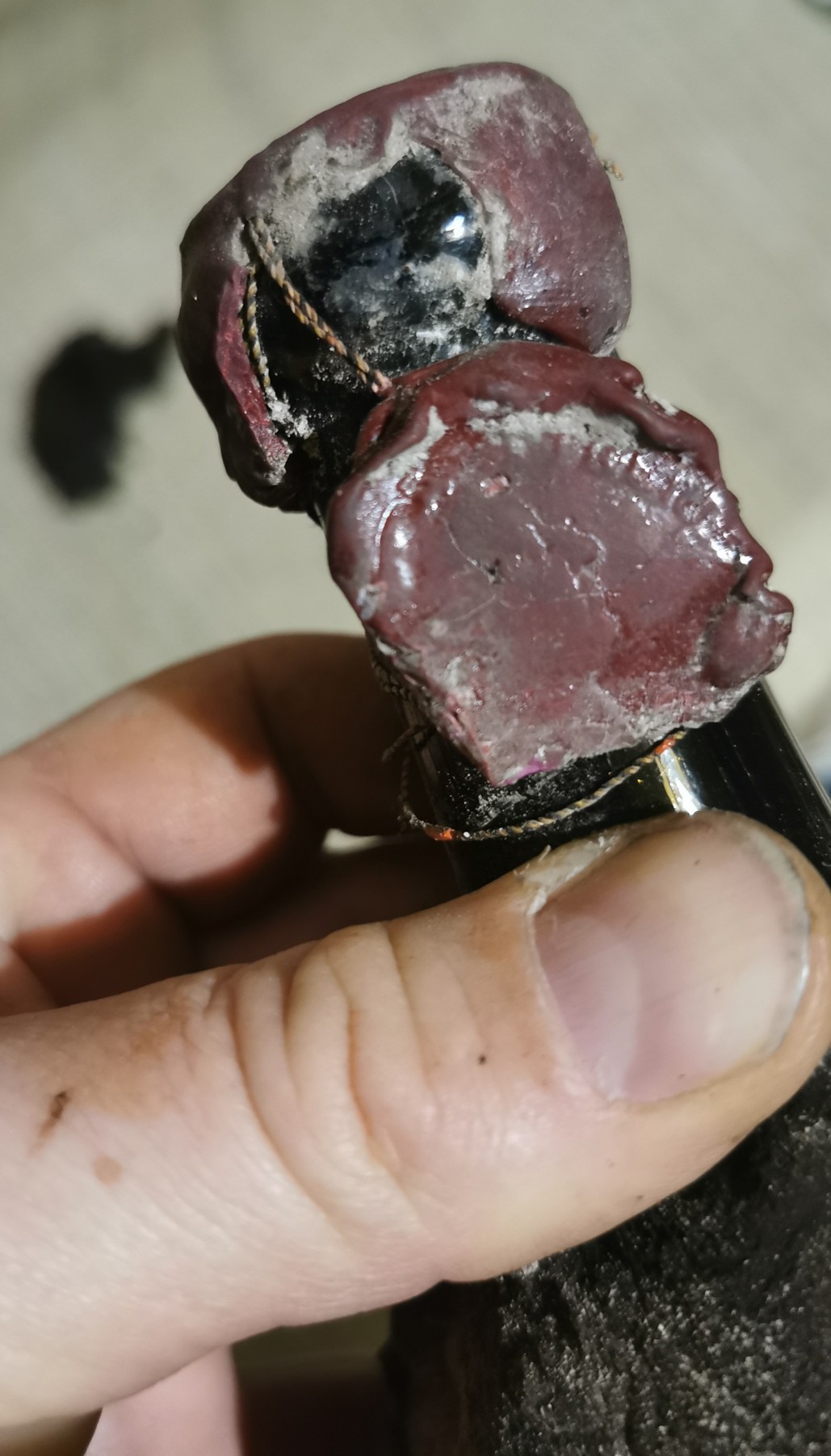
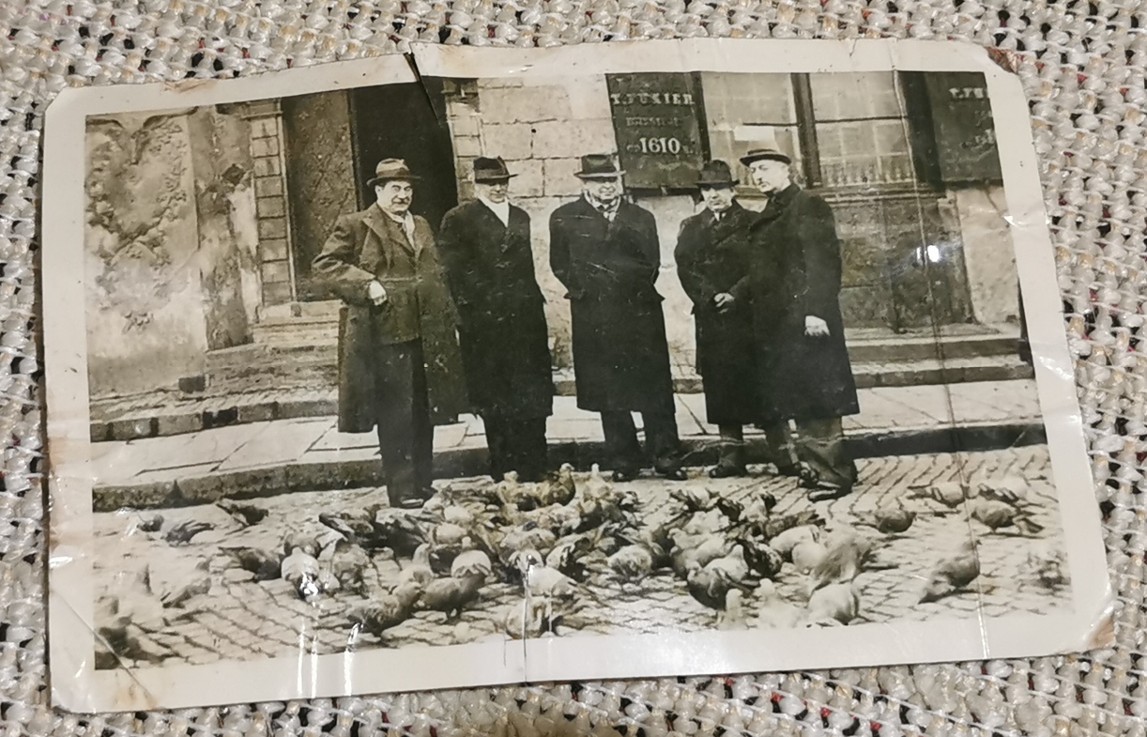
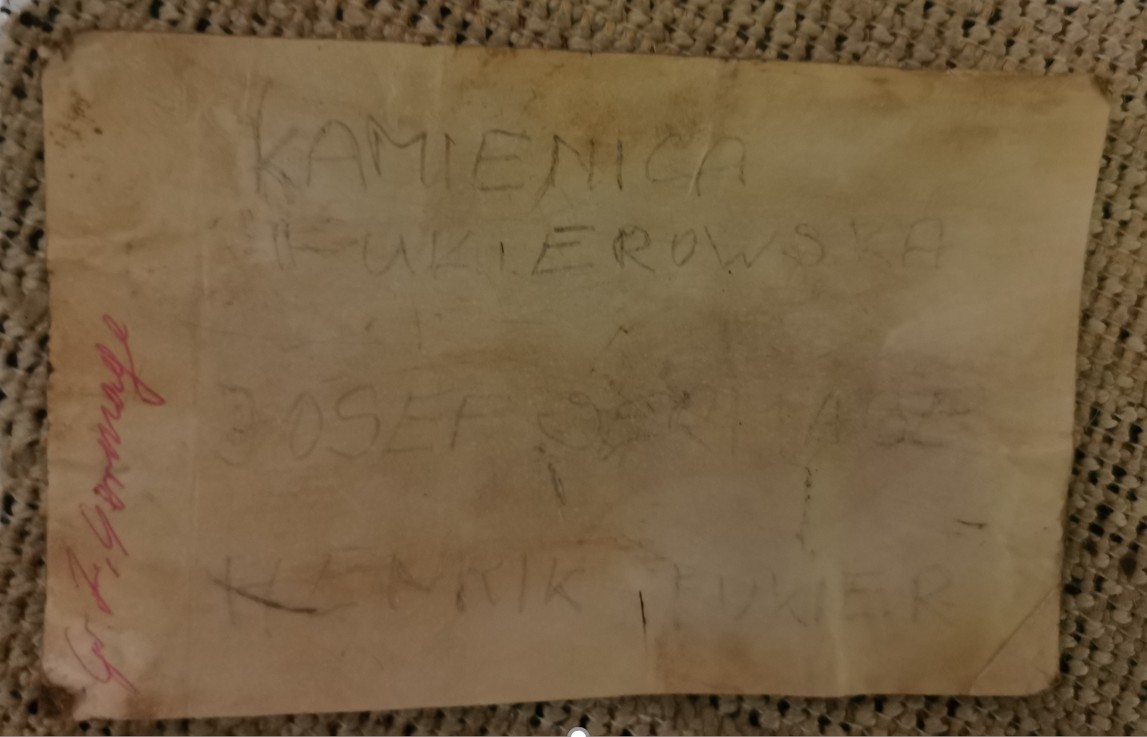
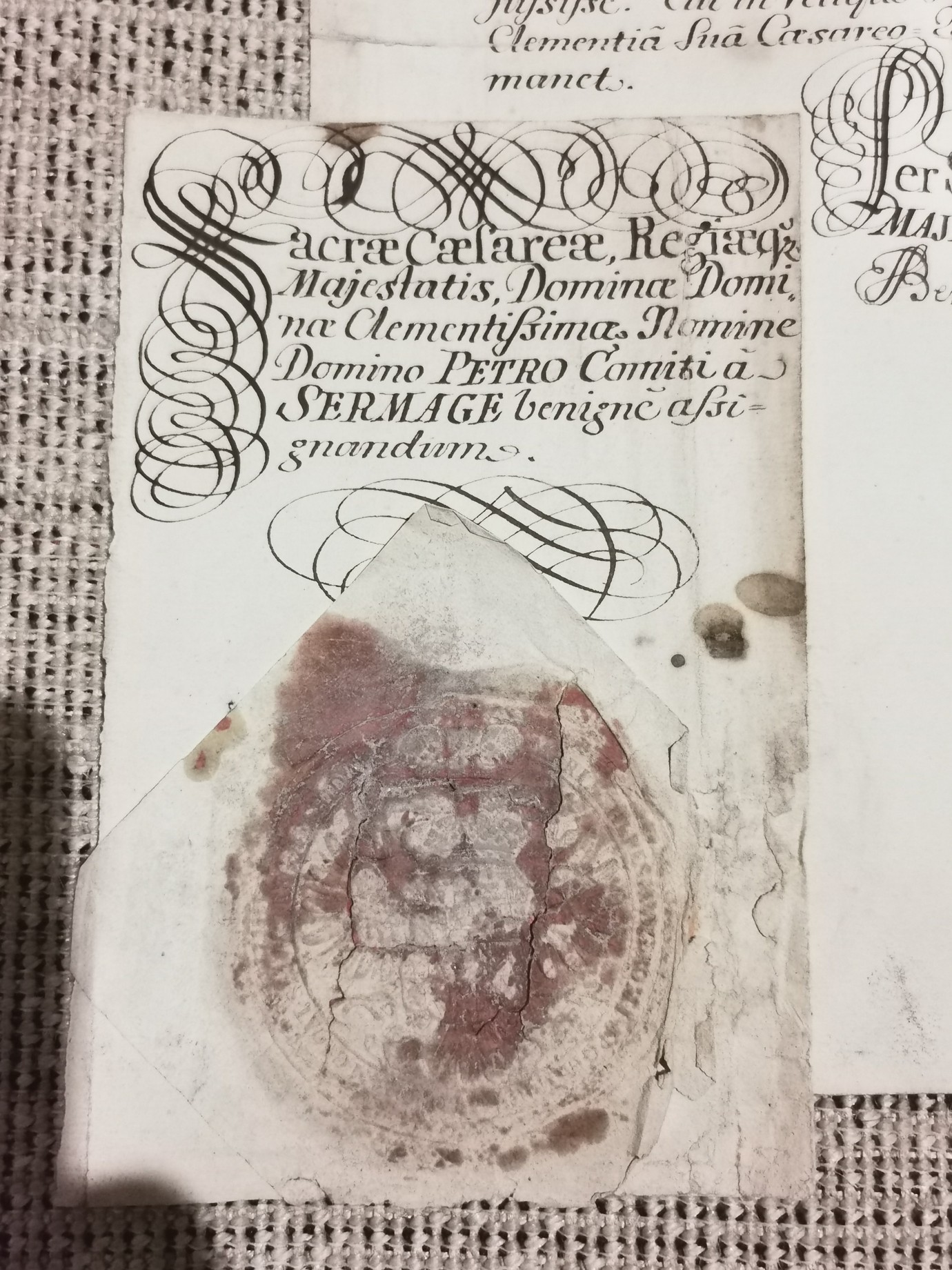
1758 Maria Theresia Bottle
The only known Tokaji bottle sealed with the coat of arms of Maria Theresia. The bottle is well documented and indicates that it was bought in Warsaw from the Fukier house by Hungarian count Josef Sermage in the 1920s. The papers even contain a photograph of the count with Henryk Fukier and also a document mentikoning Sermage and bearing the seal of Maria Theresia. A subsequent paint analysis of the "1758" and "W"-letter allowed to clearly identify the bottle as of Fukier origin. The male line of the Sermage family ended in 1968 and the bottle probably changed ownership several times. It is privately owned.
1766 bottle of kosher Tokaji
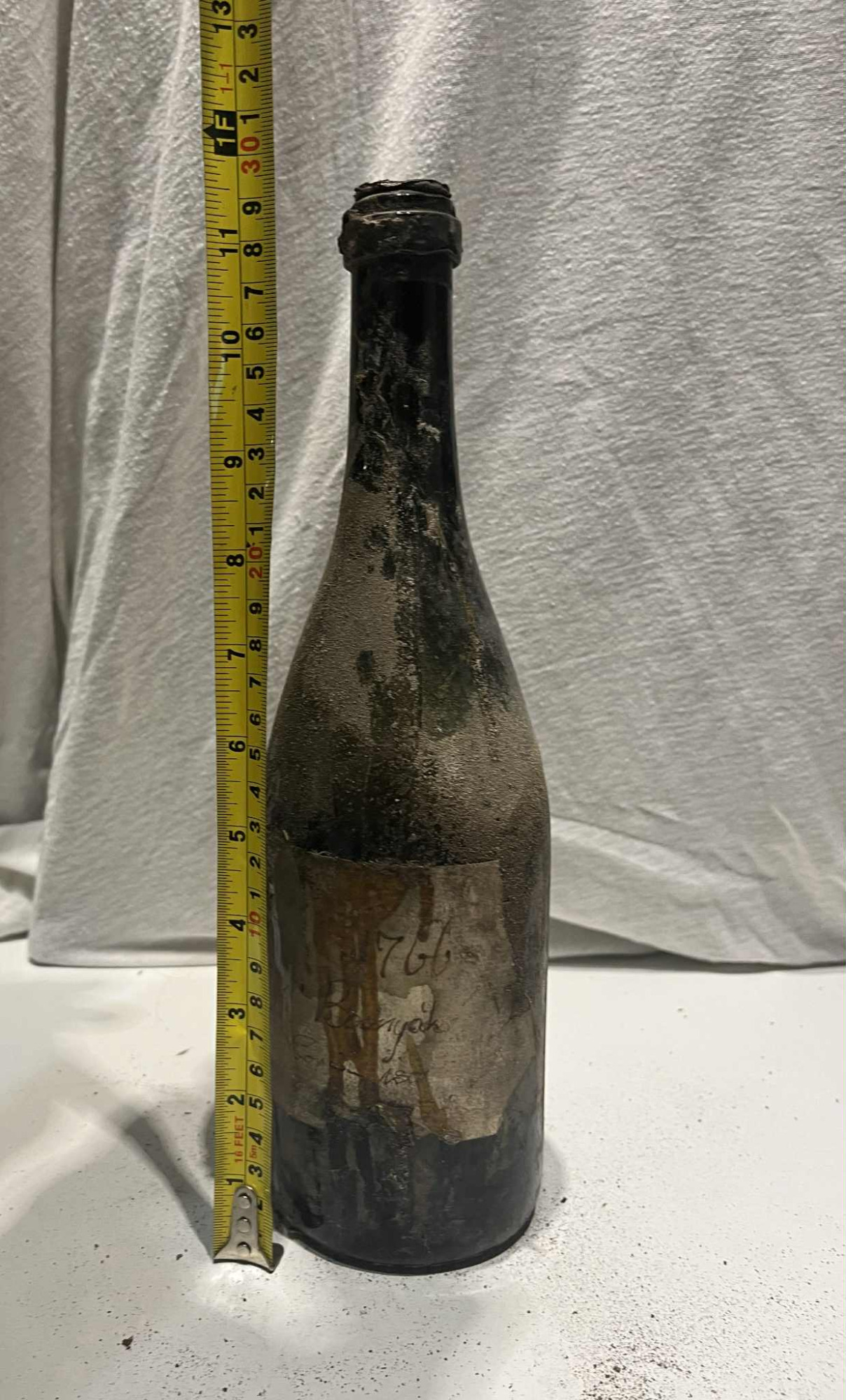
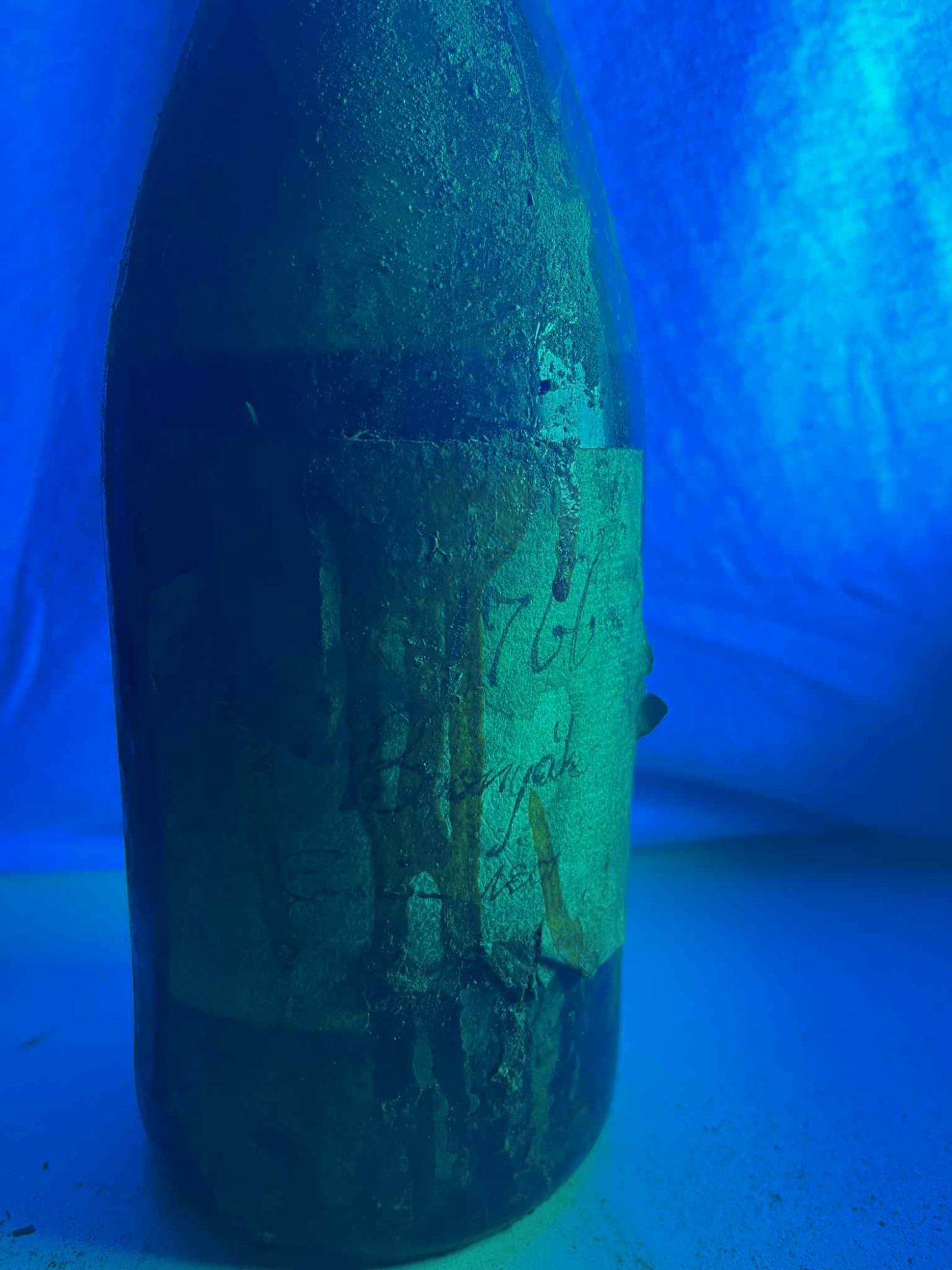
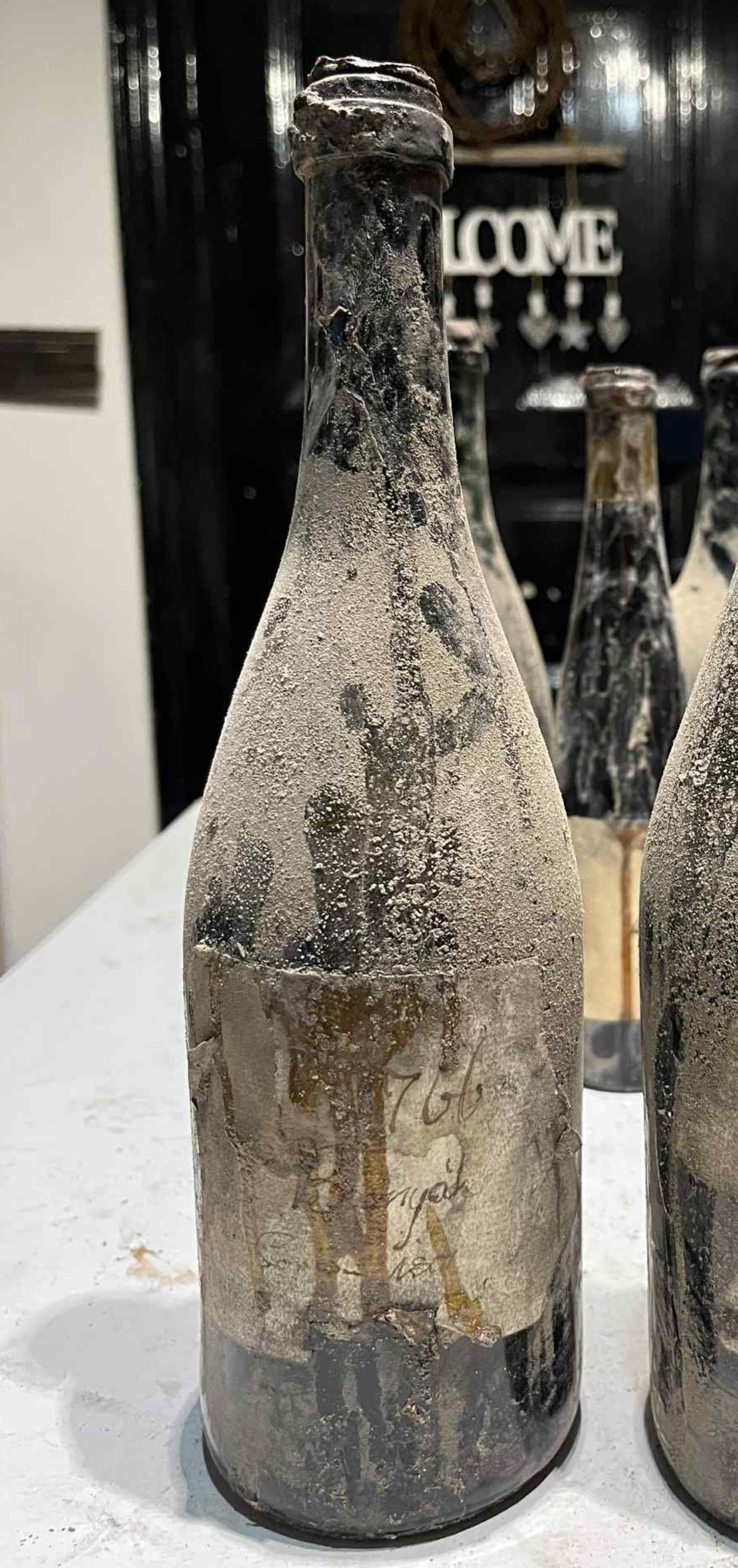
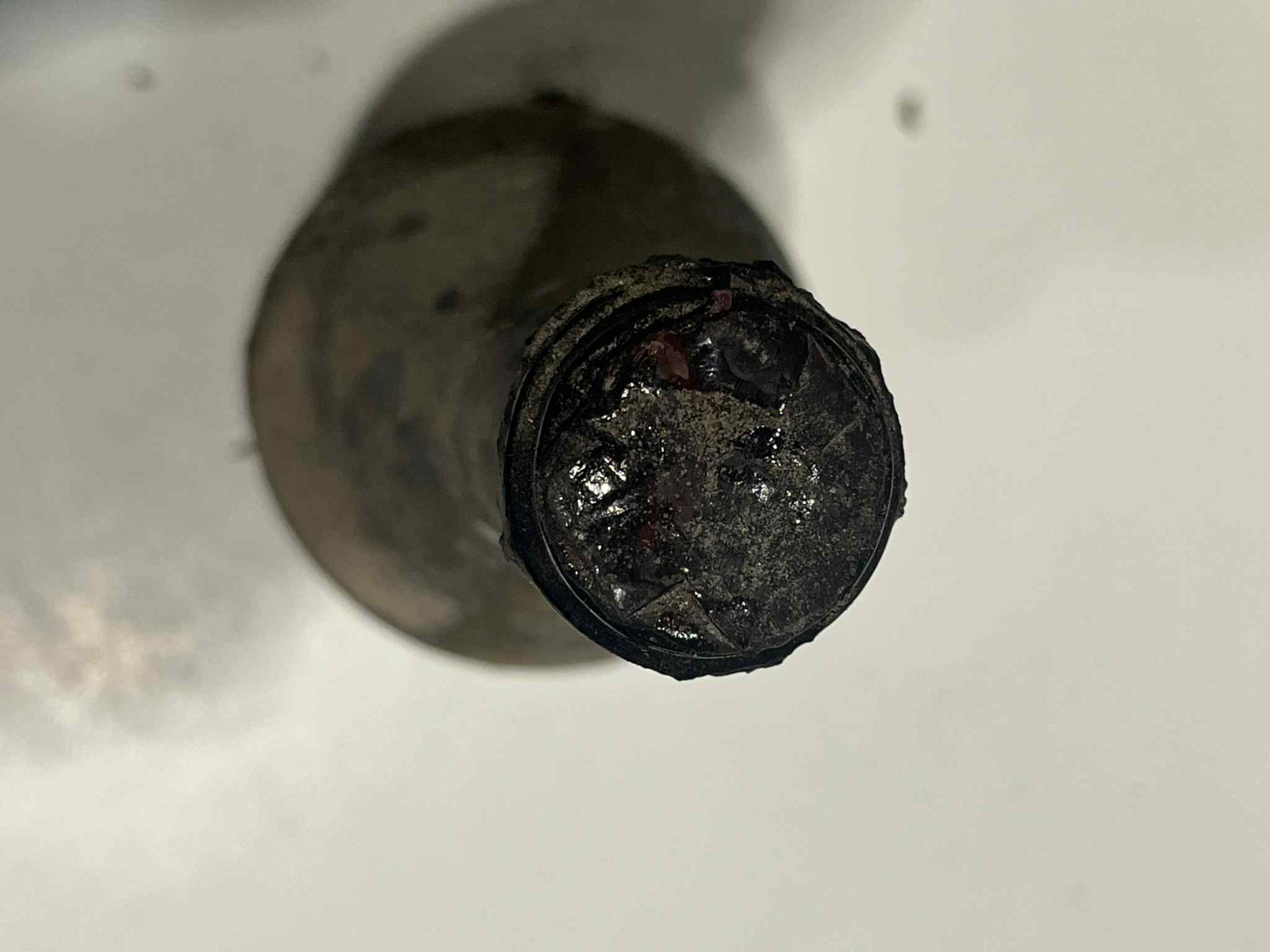
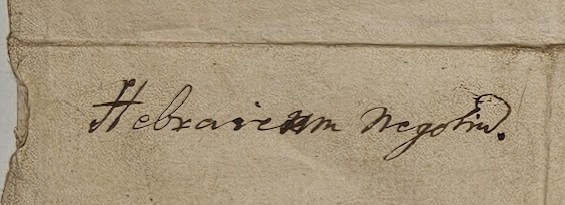
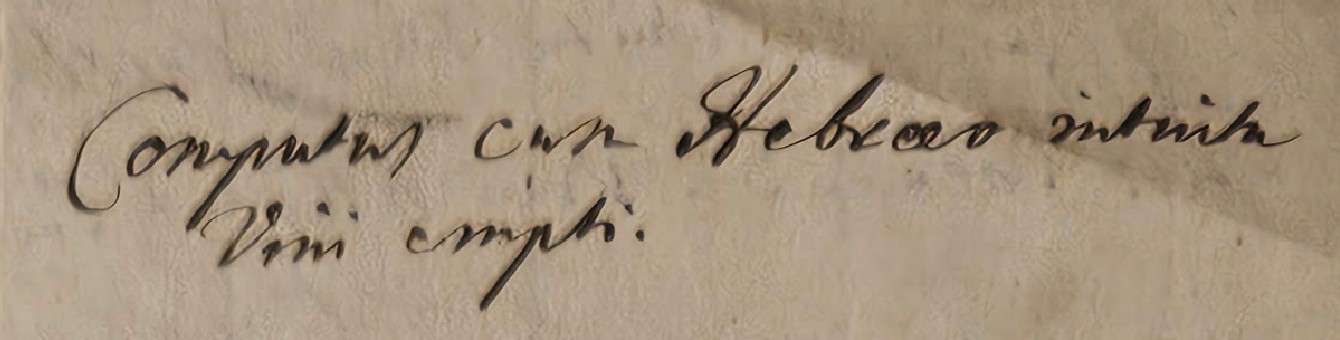
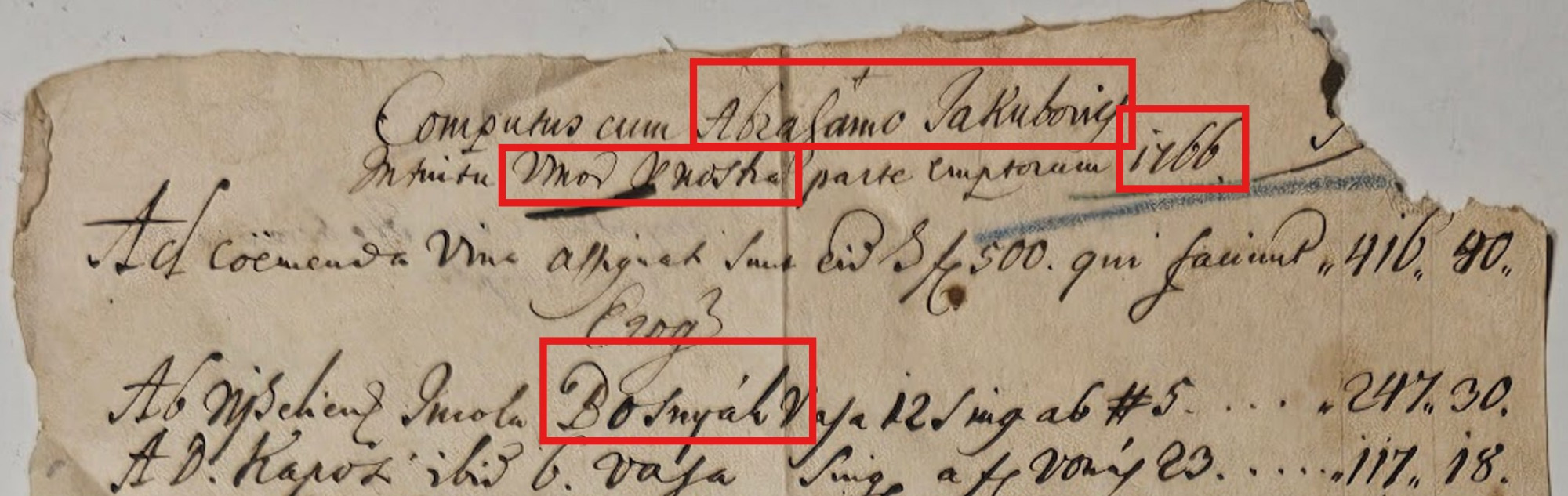
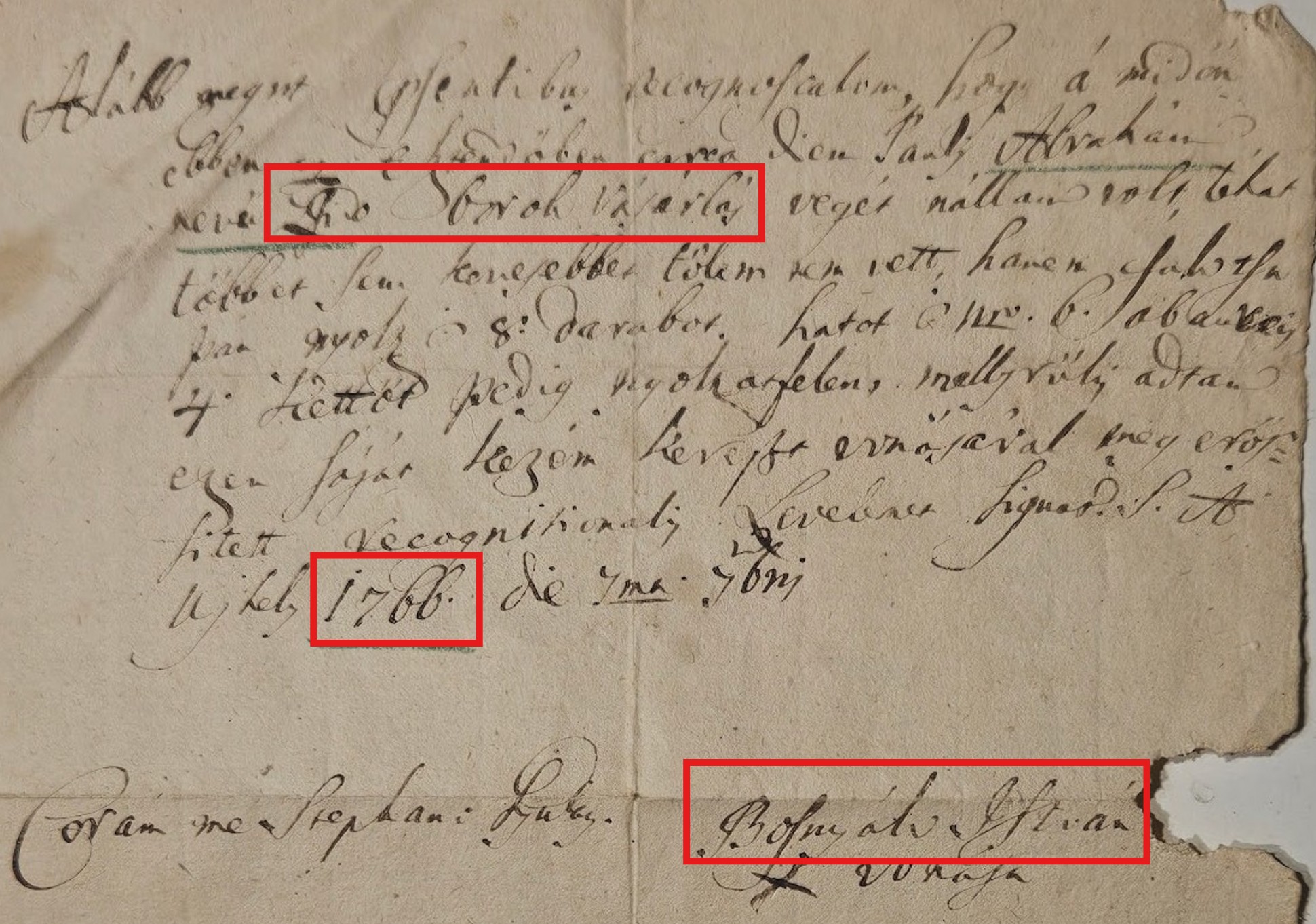
The oldest known bottle of kosher tokaji. The bottle is very well documented by two related documents from 1766, one of which being the contract about the sale of tokaji from jewish merchant István Bosnyák to a Abraham Jakubovics. In total, 2 bottles of this exceptioanlly rare wine are known.
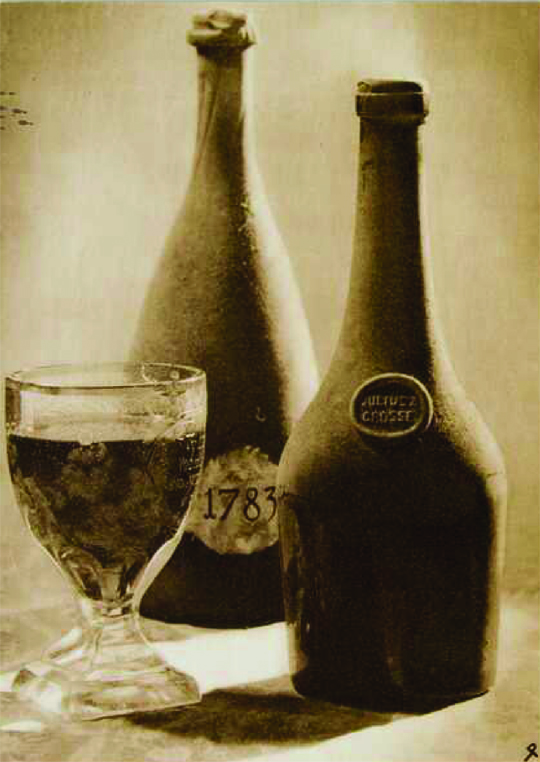
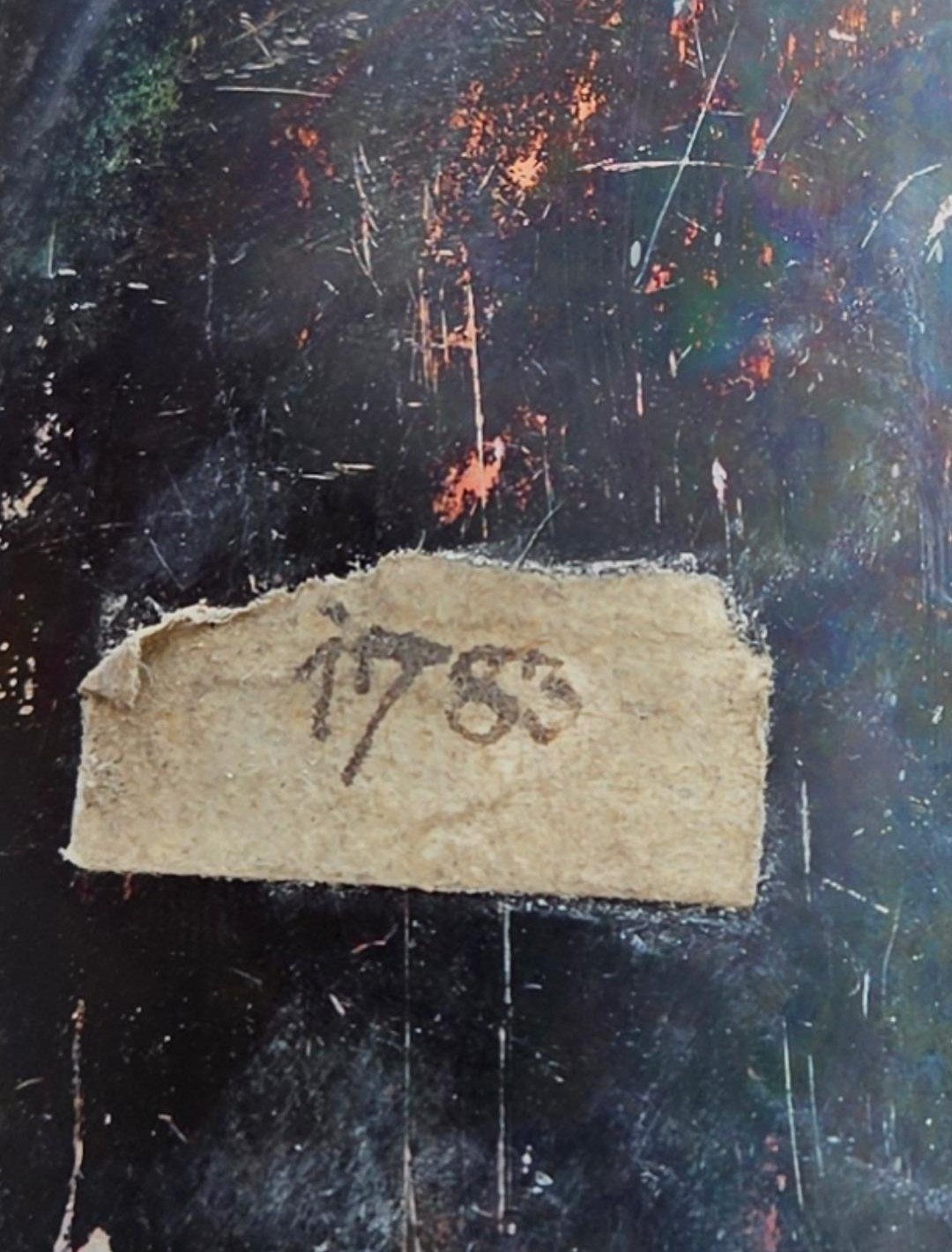
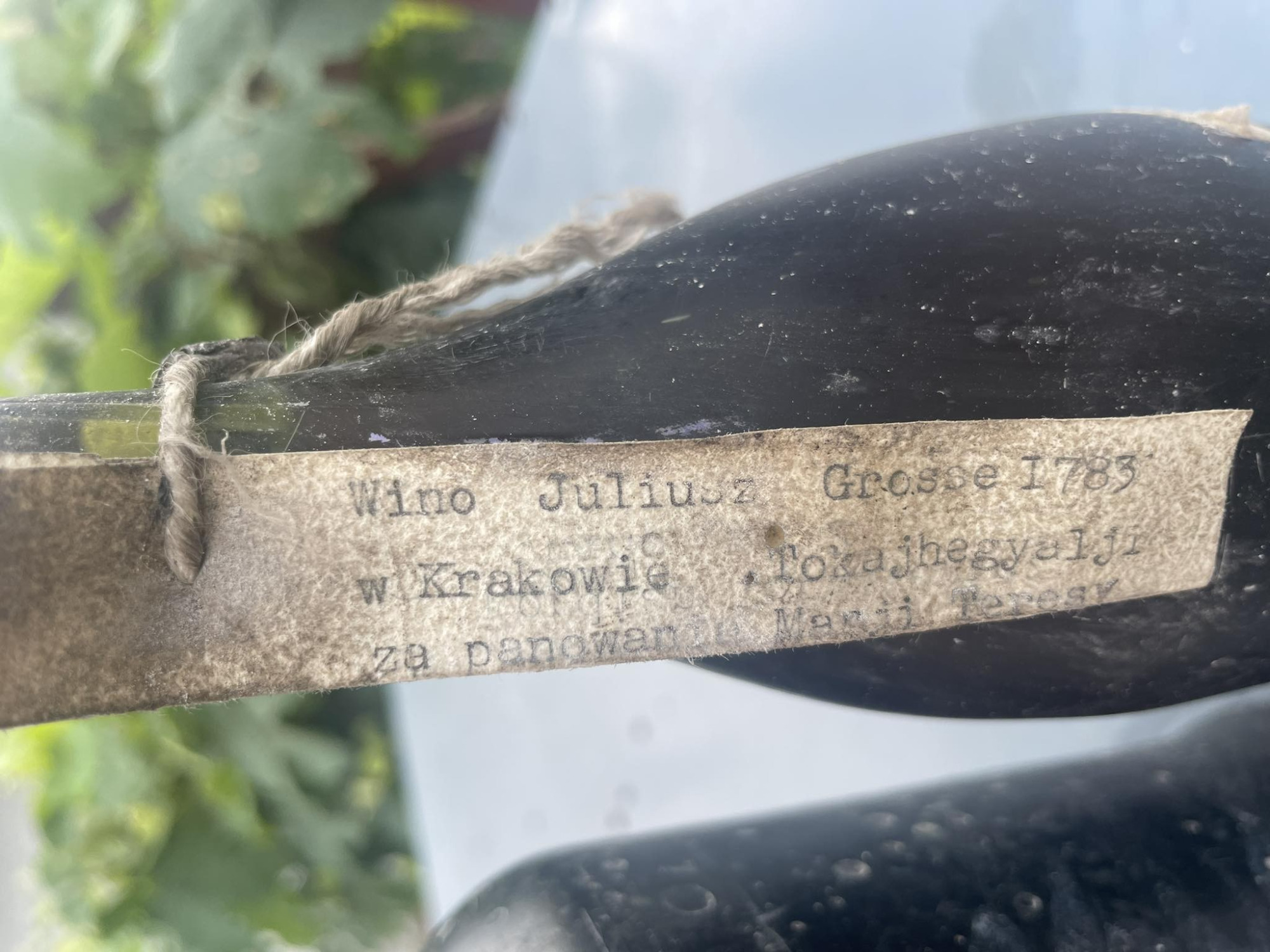
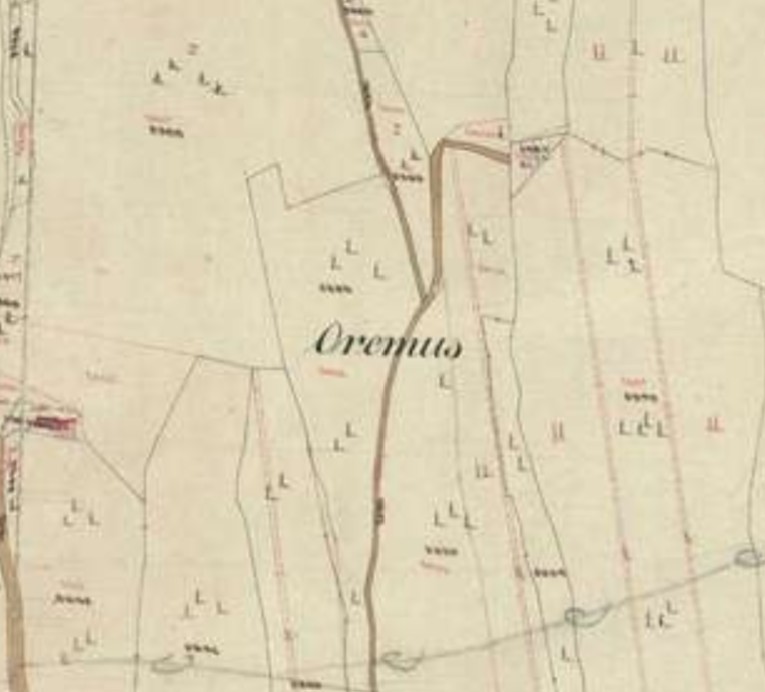
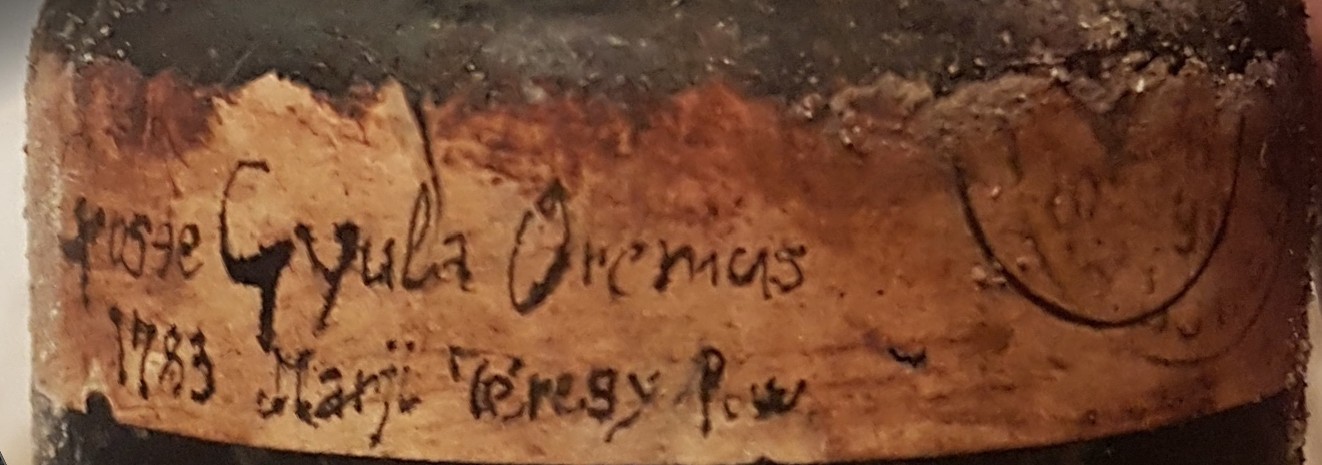
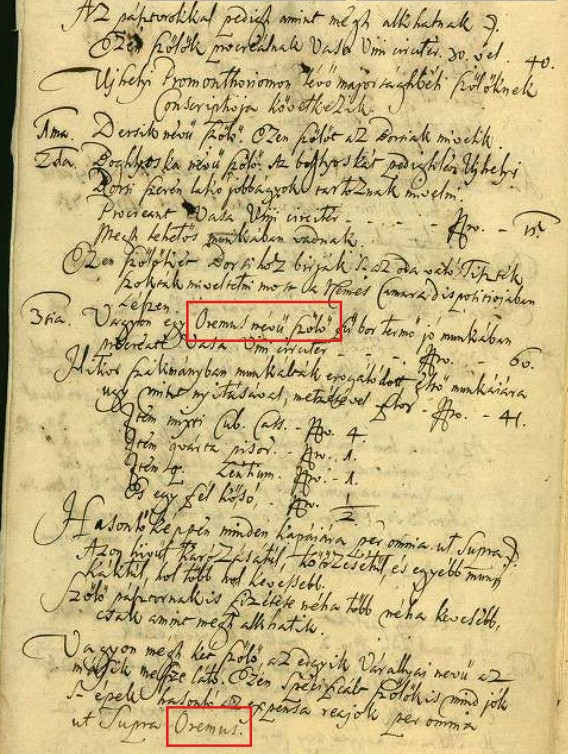
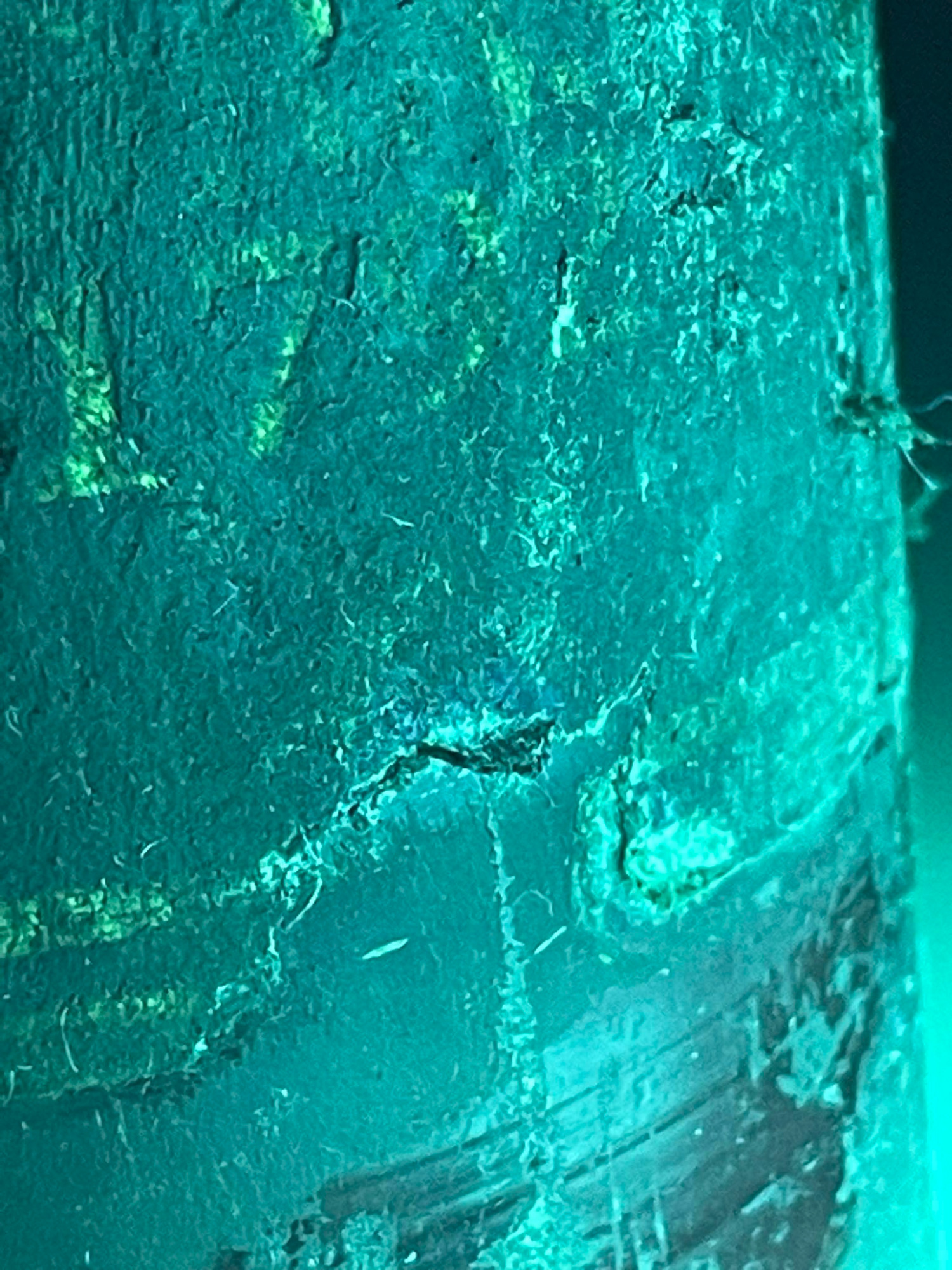
1783 Juliusz Grosse bottles linked to Oremus vineyard
Famous vintage and bottle type because it appeared in historic advertisements of Krakow based wine merchant Juliusz Grosse. This wine trading company not only owned the famous Oremus vineyard in the Tokaji wine region, but was the only other wine merchant next to Fukier that sold Tokaji that was more than 100 years. For more details I suggest reading Gabriel Kurczewskis article about Juliusz Grosse.
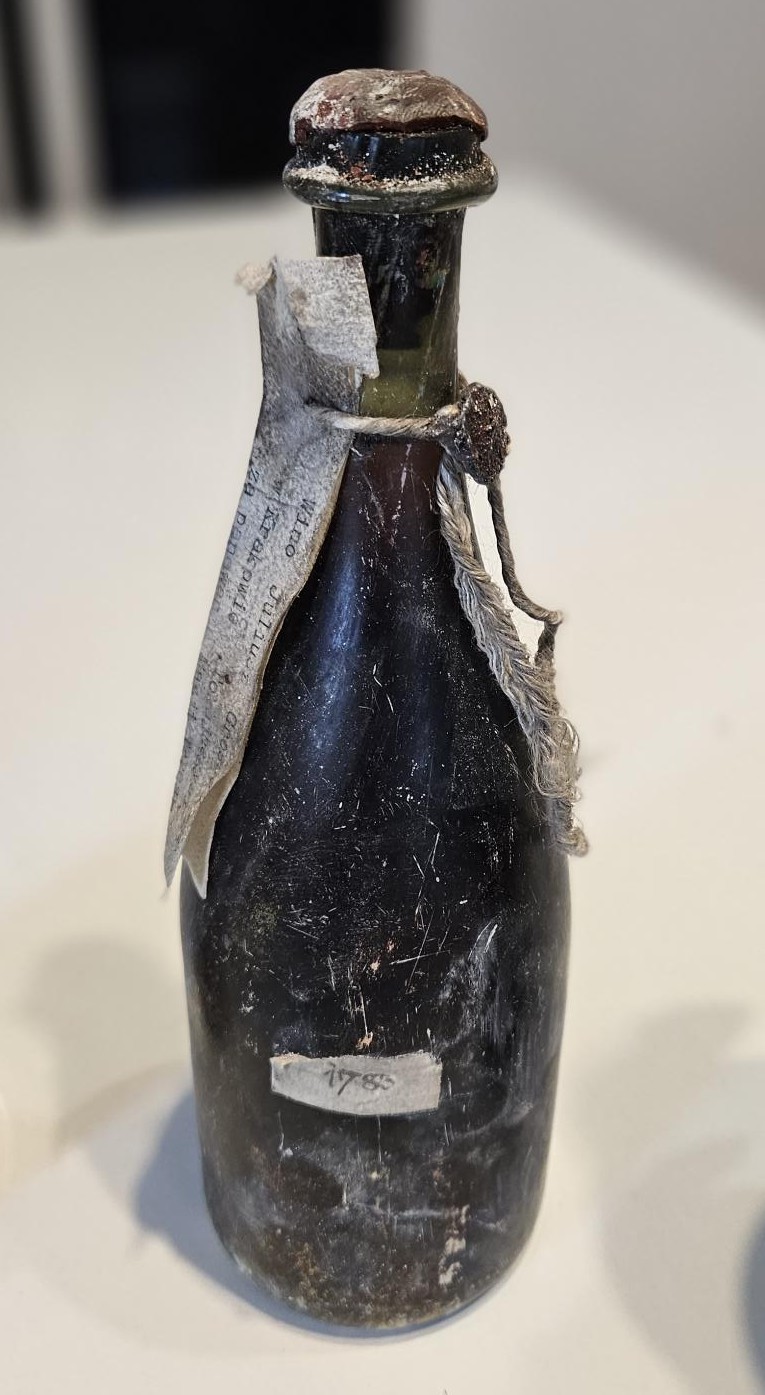
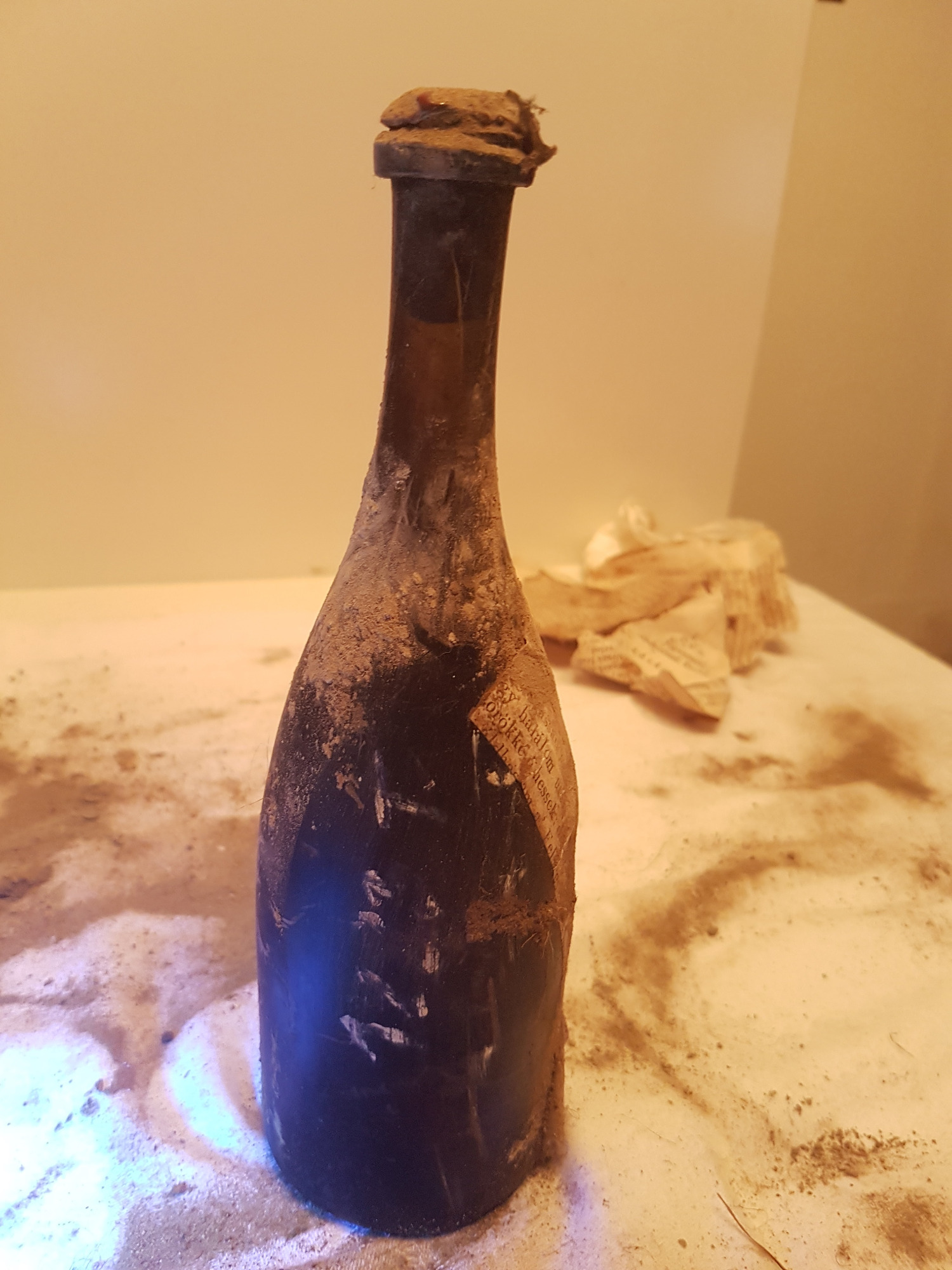
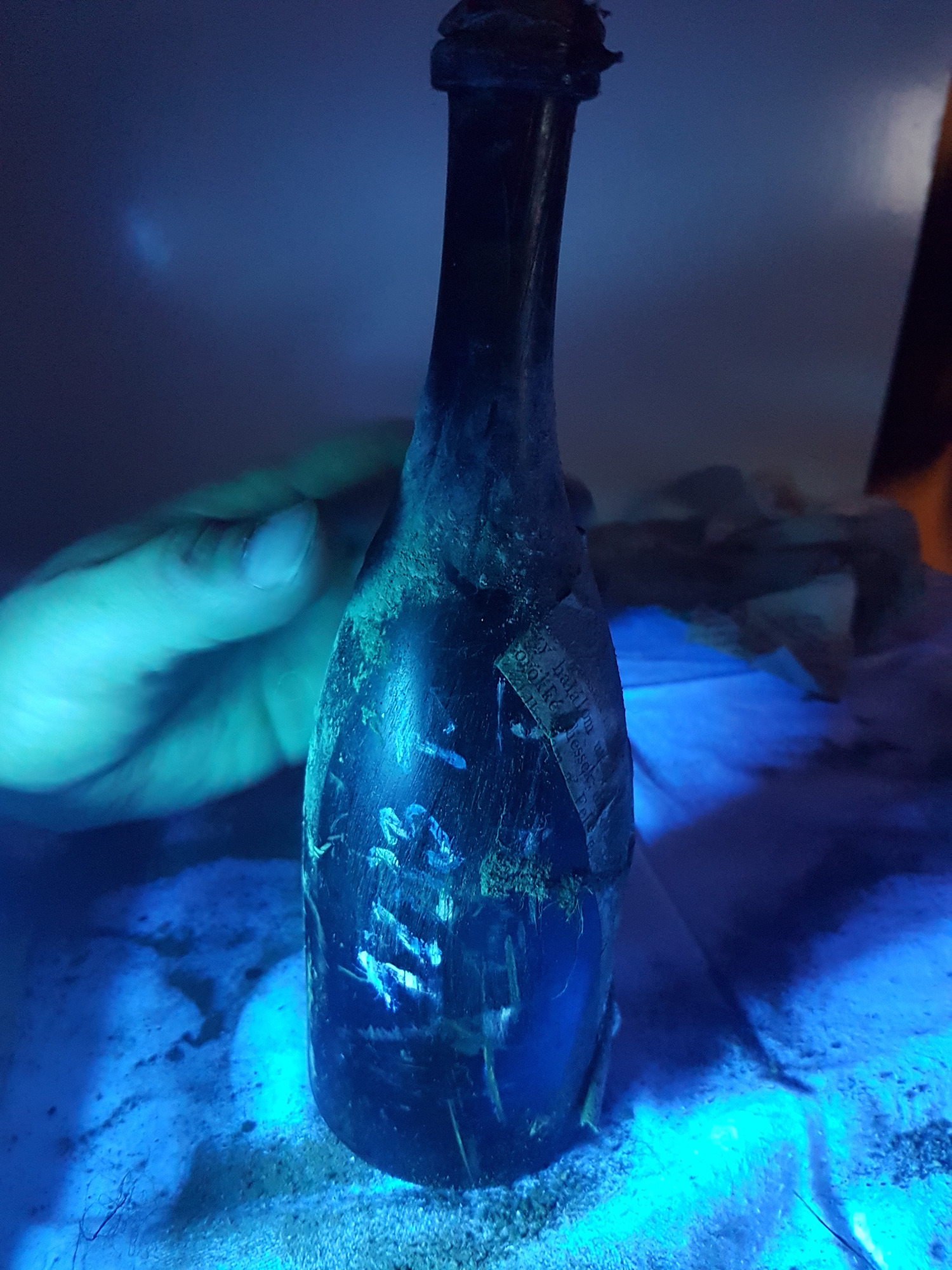
The first image is from a Juliusz Grosse advertising around 1930. The other images show one of two bottles discovered.
The reference to Maria Theresia probably comes from the unsupported claim that the Empress once personally owned the Oremus vineyard, while Juliusz Grosse claimed to be a co-owner the vineyard in the 1930-ies. It is known that the vineyard was once owned by the Austrian Imperial Court and the wine was probable made in that period.
The Oremus vineyard, first mentioned in 1462, has a long and colorful history and had become iconic by another story - the soundly refuted myth that around 1630 the first Tokaji aszú was produced from grapes of that vineyard. The second known tokaji bottle of Juliusz Grosse is also from 1783 and a label on the bottom of the bottle mentions Empress Maria Therese as well as Oremus (see the last image below). This makes the second bottle very unique: it is not only the only very old single vineyard Tokaji bottle known but maybe the only single vineyard Aszú from the Oremus vineyard. The 5ha Oremus vineyard is located near Sátoraljaújhely and belongs to the renowned Oremus wine estate in Tolcsva, owned by Vega Sicilia. From there the winery produces an excellent dry white wine, called Petrács and made from Zeta and Muscatel grapes. Recently those vines were replaced by Furmint, and the wine world can hope for a single vineyard Aszú from this historic place.

1792 Andrássy Bottle
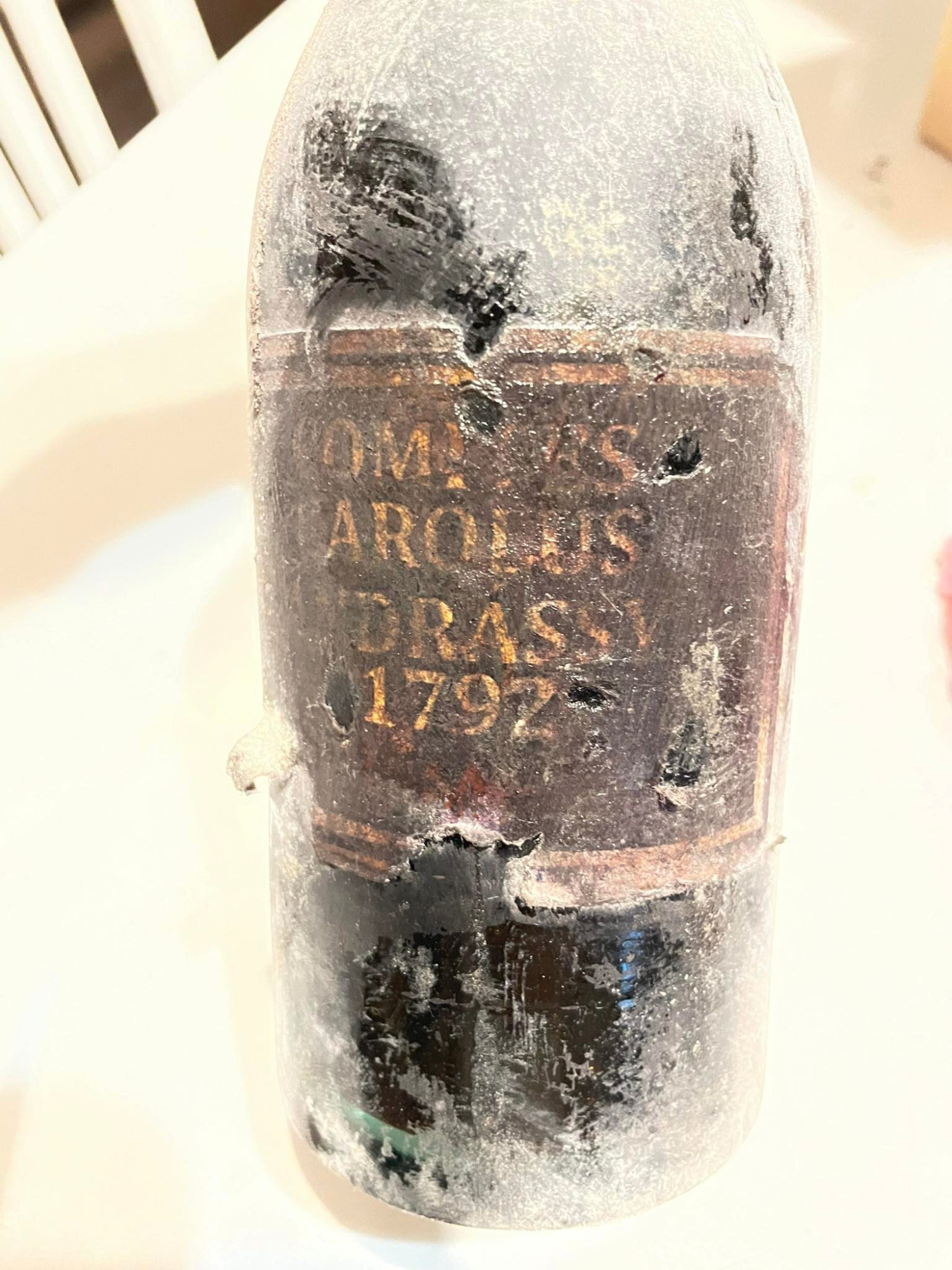
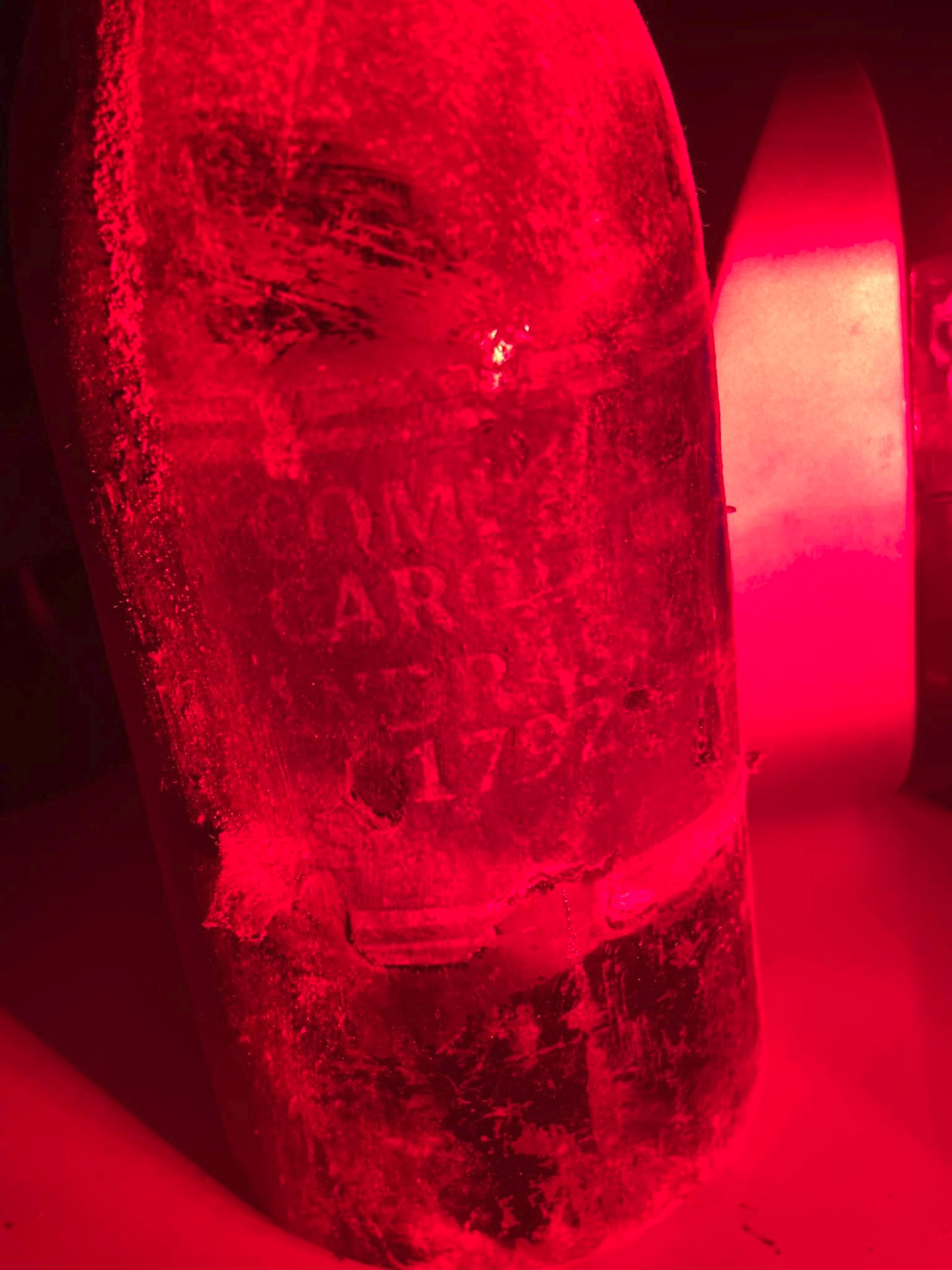
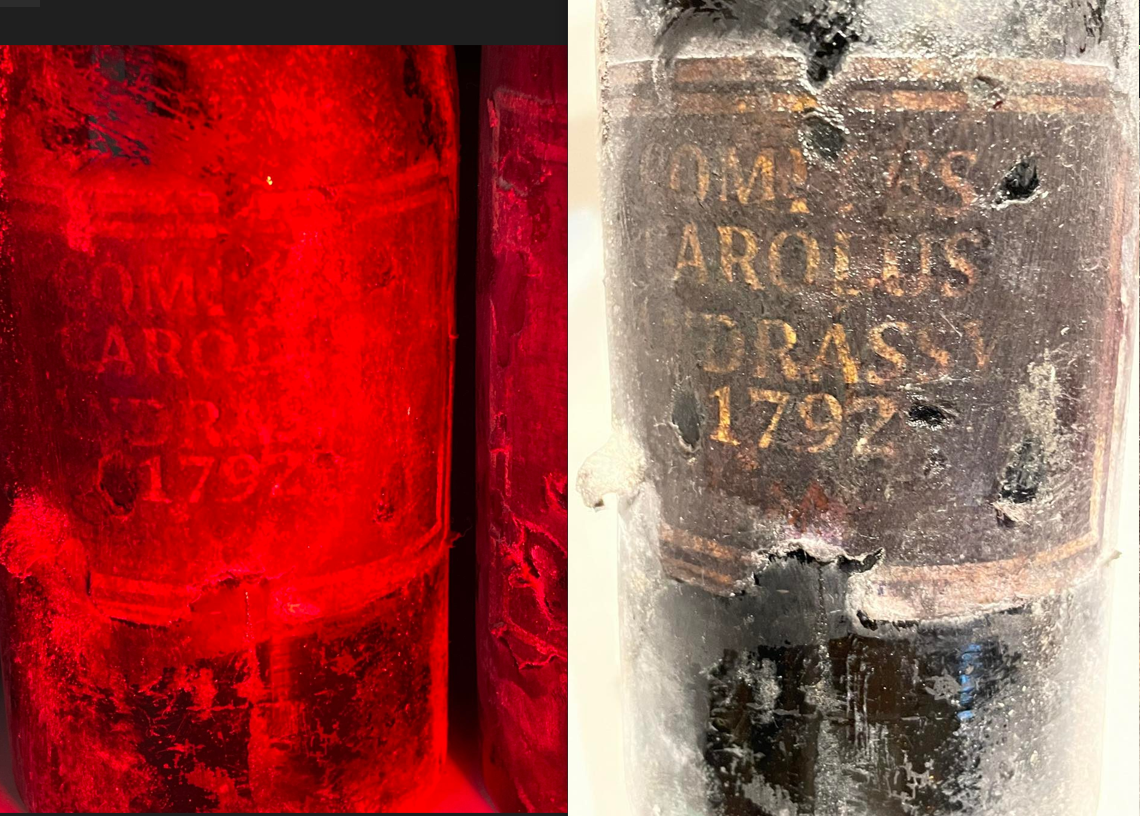
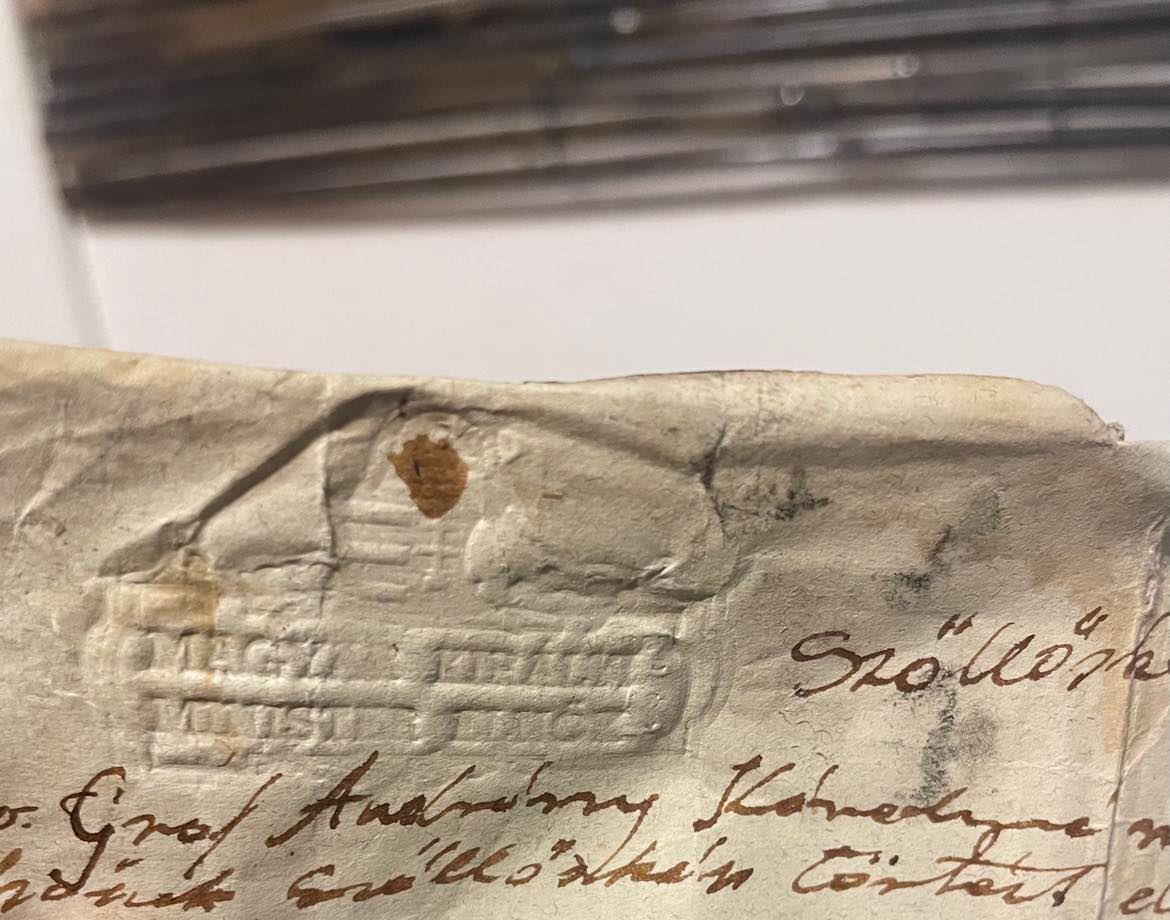
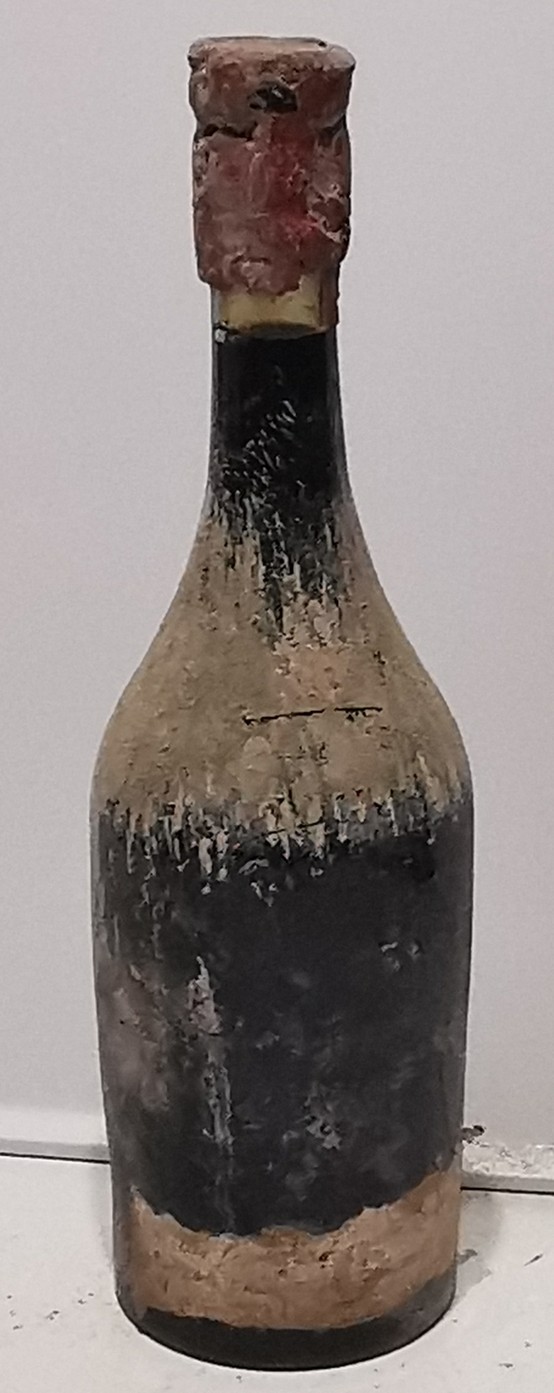
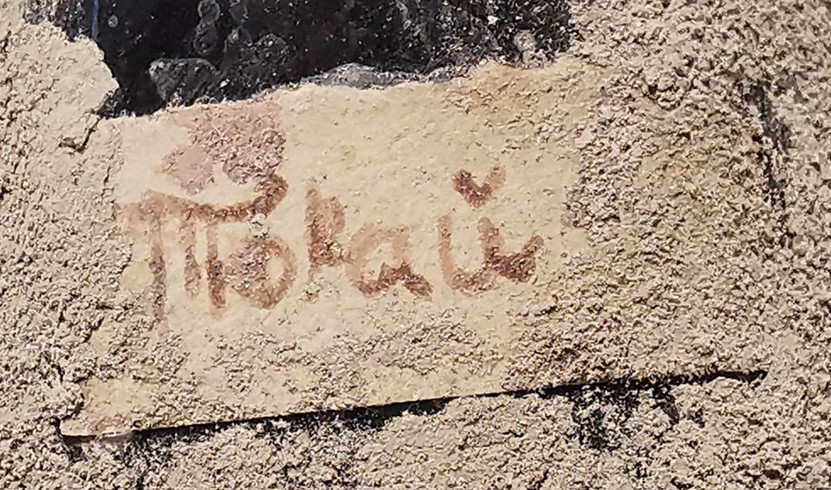
The oldest existing bottle from the wineries of this prestiguous Hungarian nobility ... (???)
The bottle is documented. A number of other Andrássy bottles are shown here.
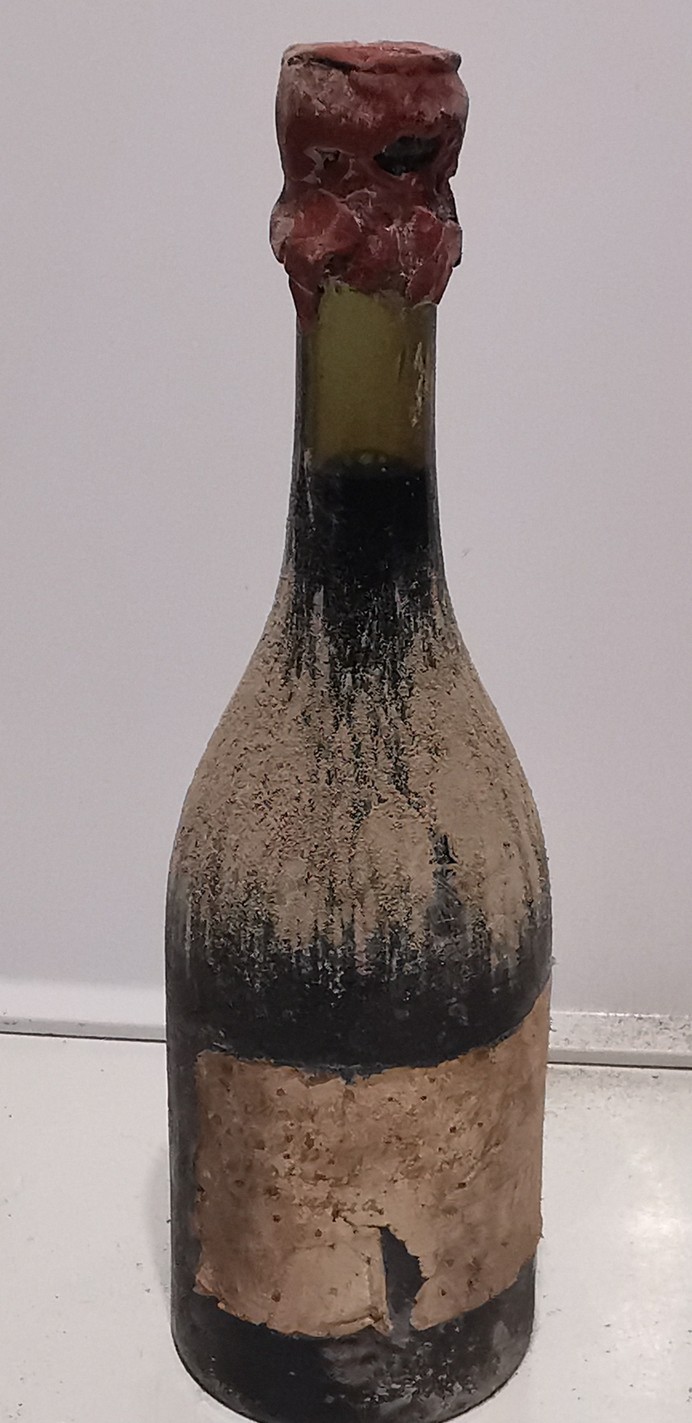
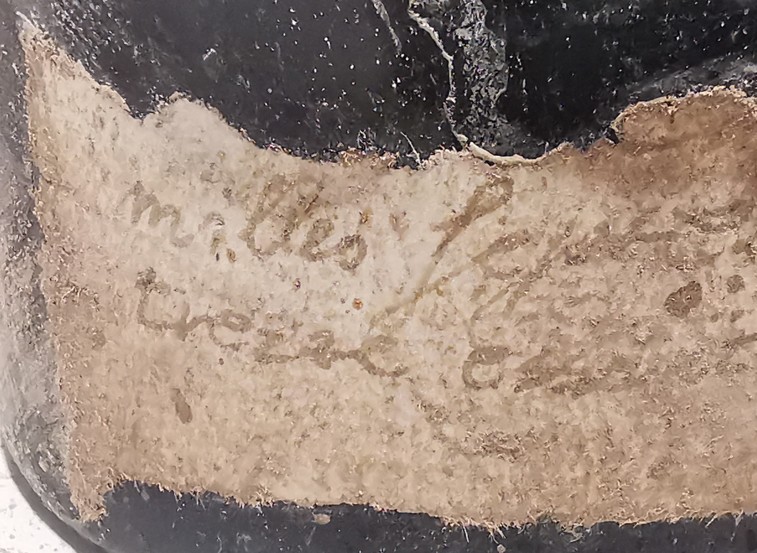
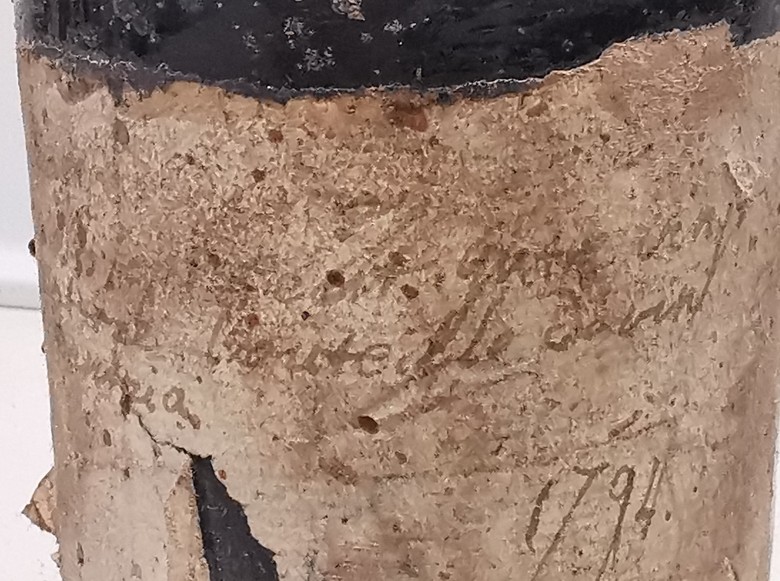
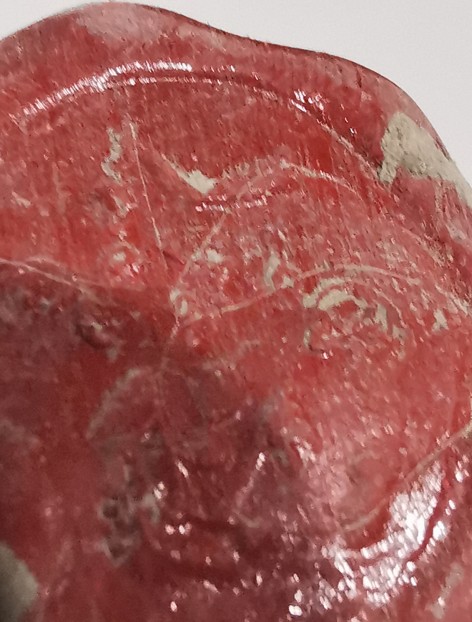
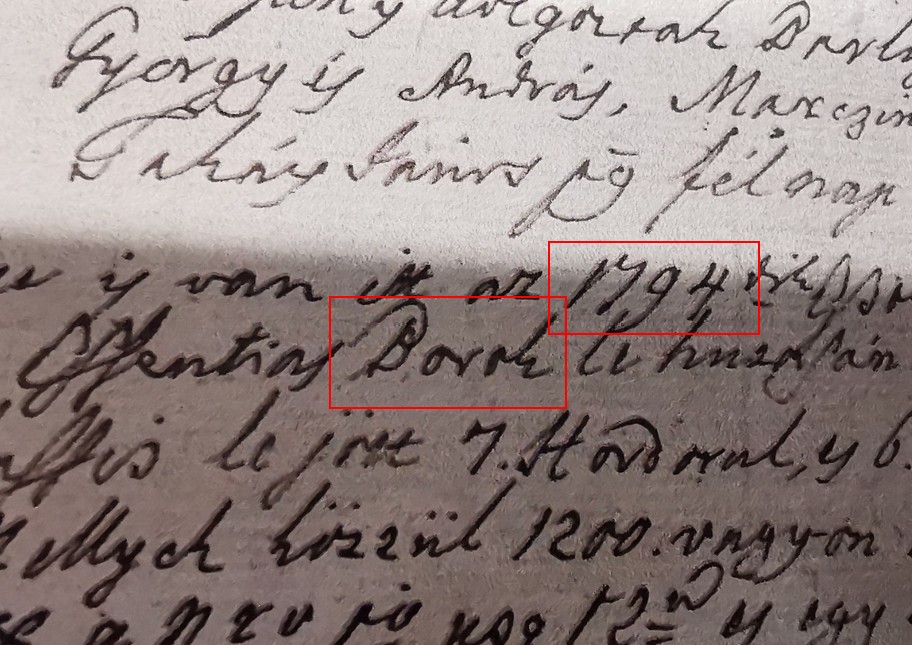

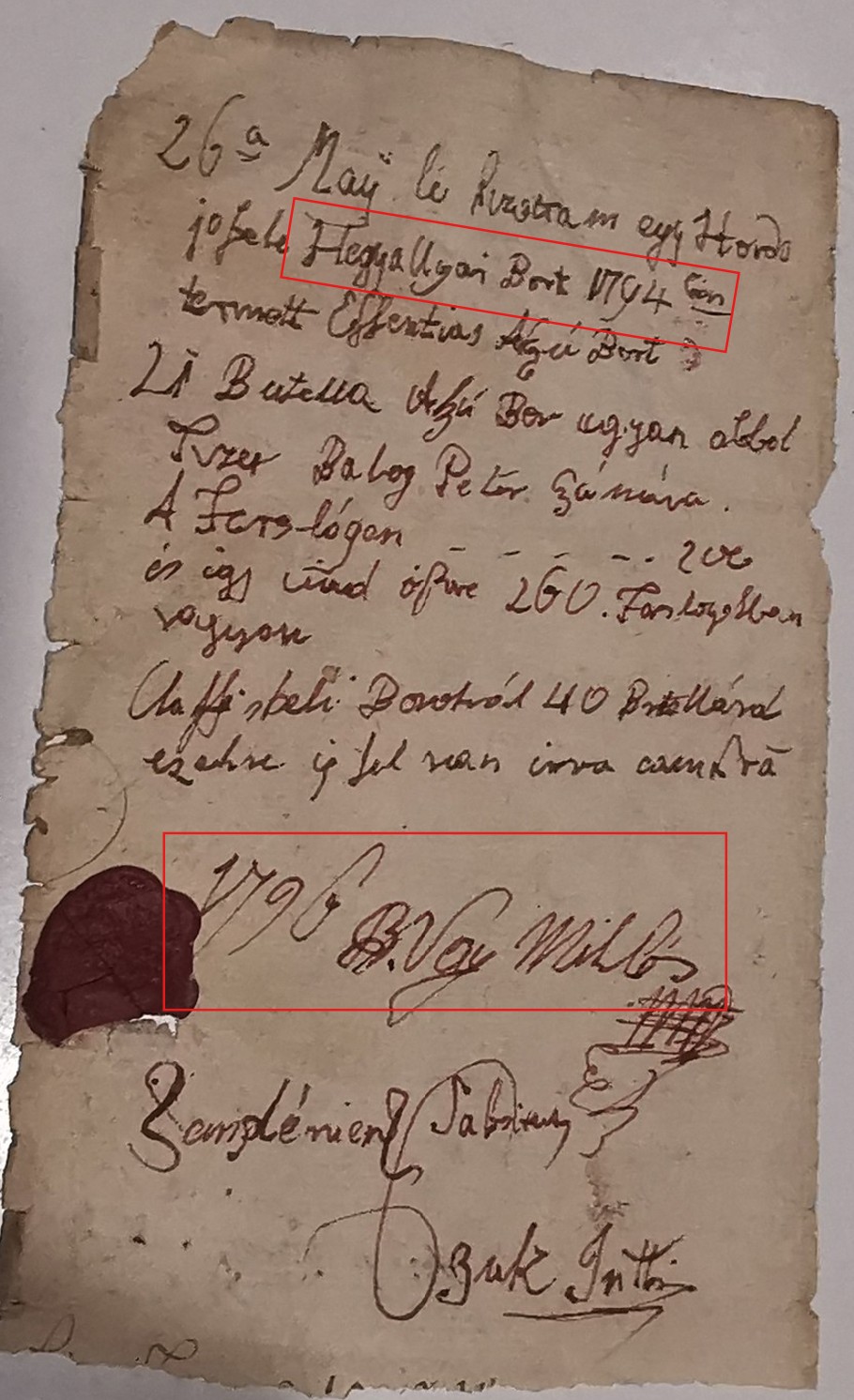
1793 and 1794 Bottles of Essence with Cyrillic and French Text on the Labels
Two mysterious bottles of Essence, one of which has "Tokay" in Cyrillic, and both have the vintage year in French. The seal is unintelligeble, but the documentation suggests that
- the bottles are from Baron Miklós Vay
- the 1793 bottle was made in the glass factory in Diósgyőr, and the 1794 bottle in the glass factory of Regéc (glass experts have confirmed the authenticity of the bottles)
- the bottles were intended for the Russian market
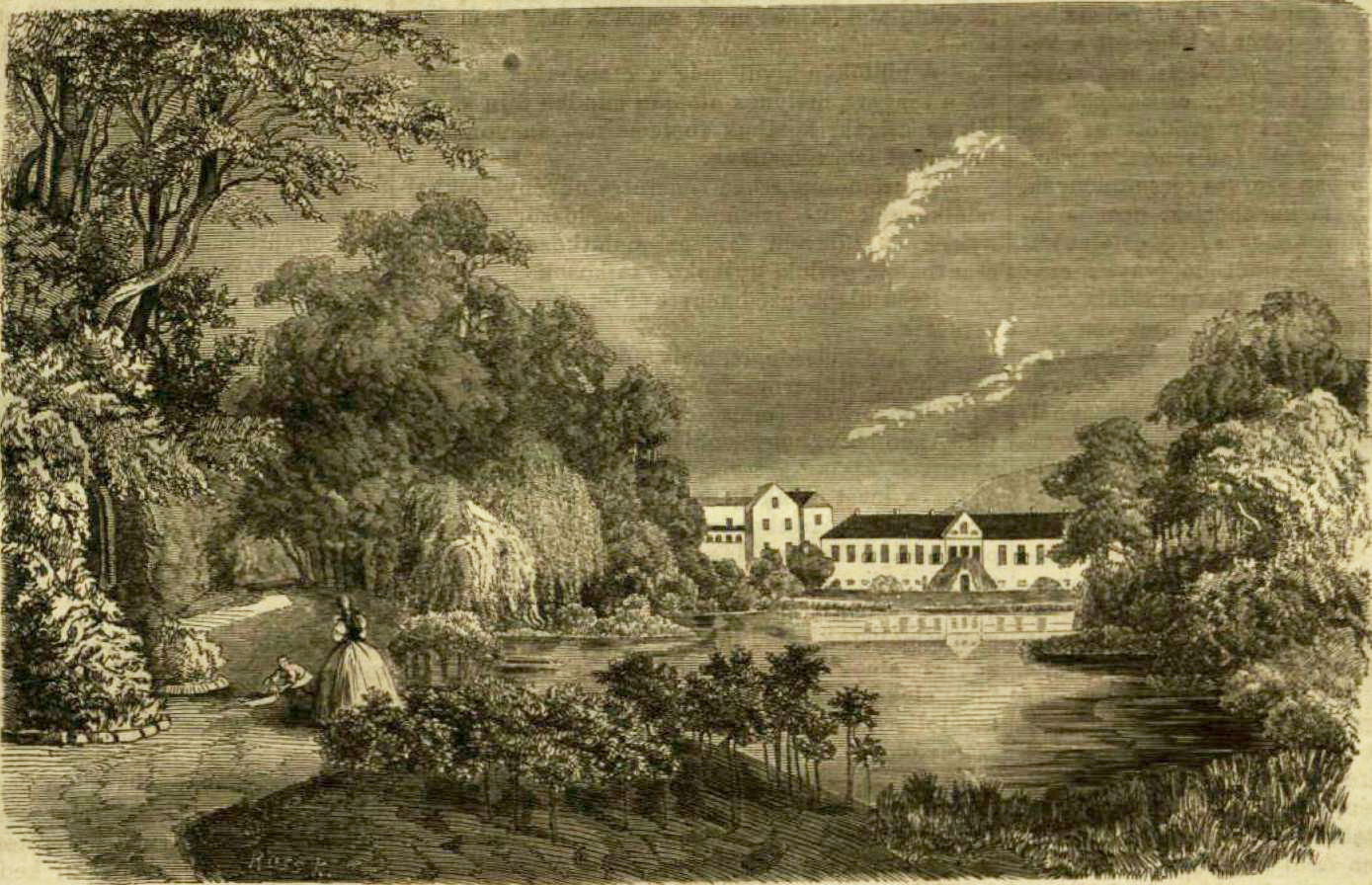
The son of baron Miklós Vay became president of the tokaj-hegyaljai bormívelő-egyesület (Tokaji Hegyaljai Winemakers Association), the publisher of the 1867 Tokaj-Hegyaljai Album which shows a lithograph of the two Vay residences in Golop. The two buildings can be still be seen in Golop. The research of Tokaji winemaker Zoltan Demeter showed that the Vay estate was also first estate to create a Champagne style wine in the Tokaj region (1829).
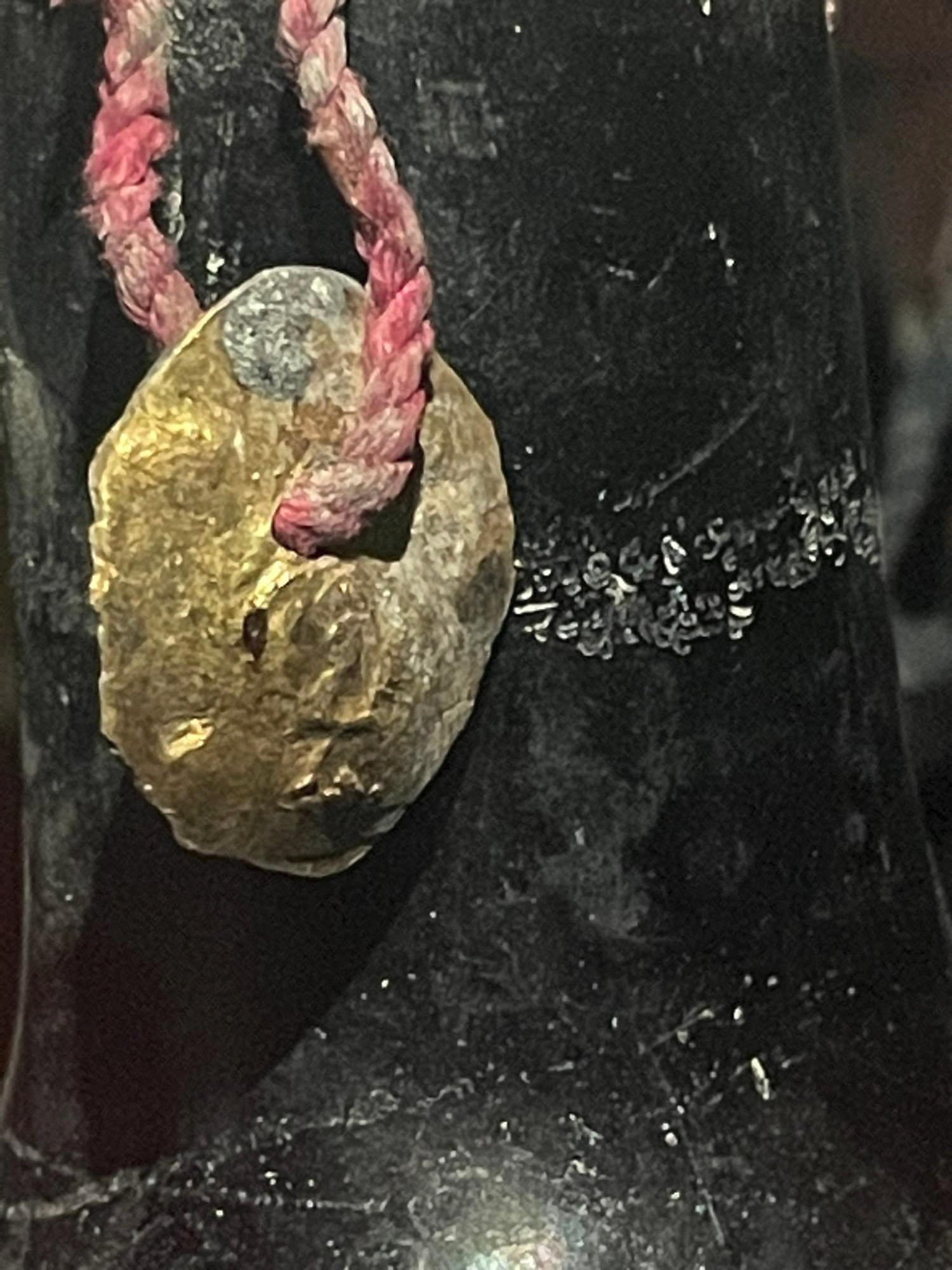
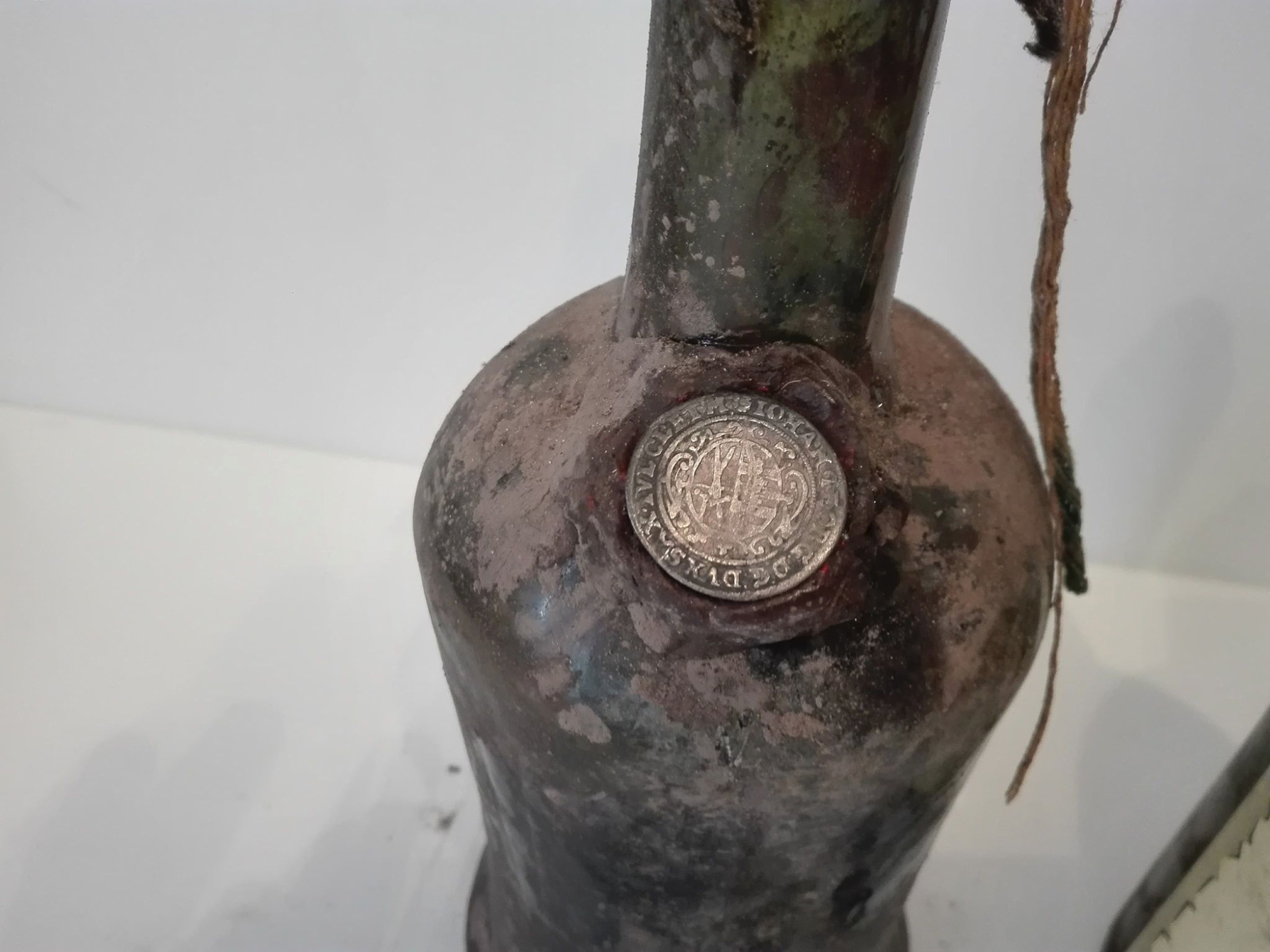
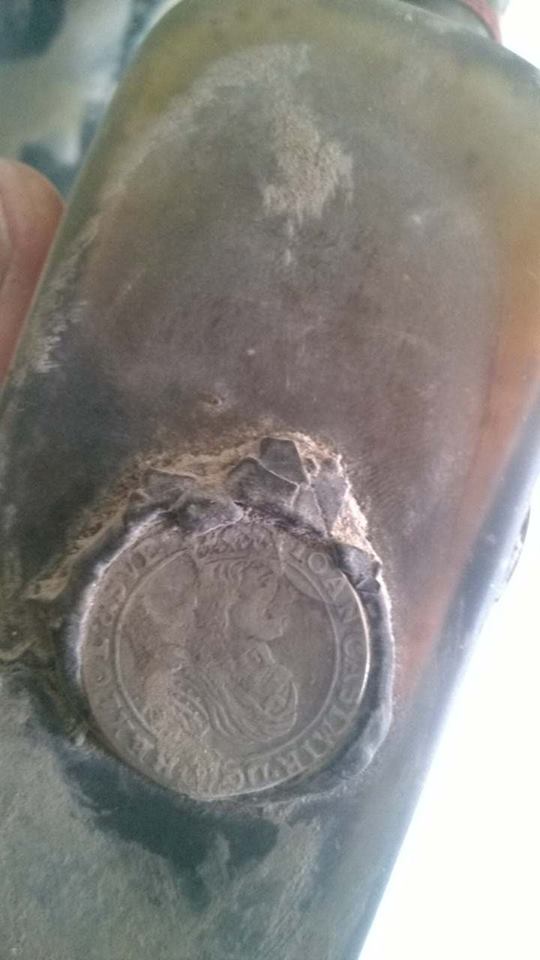
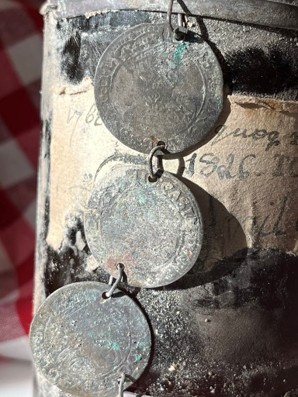
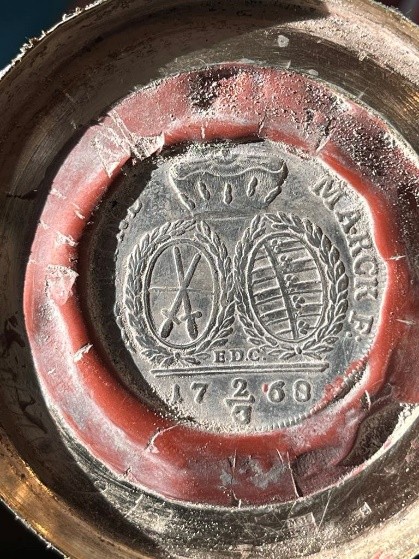
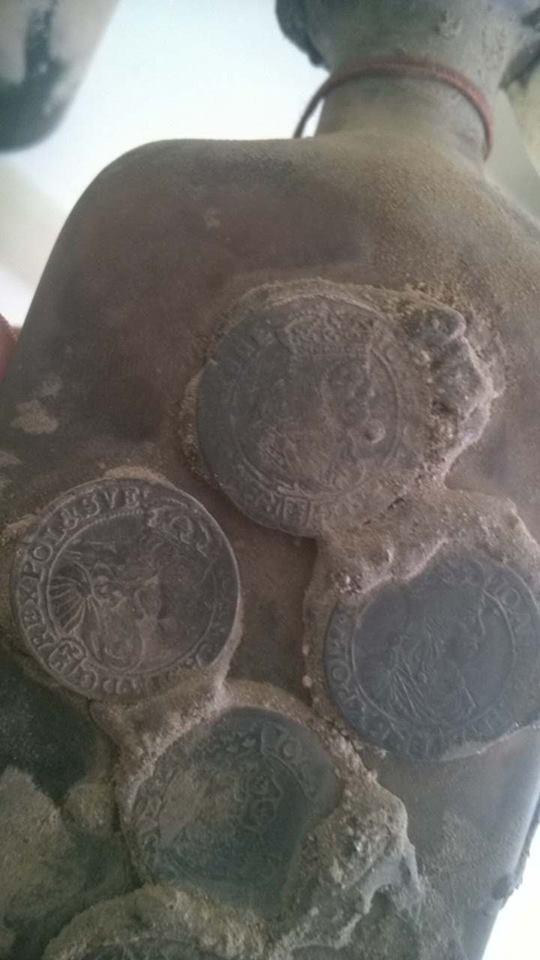
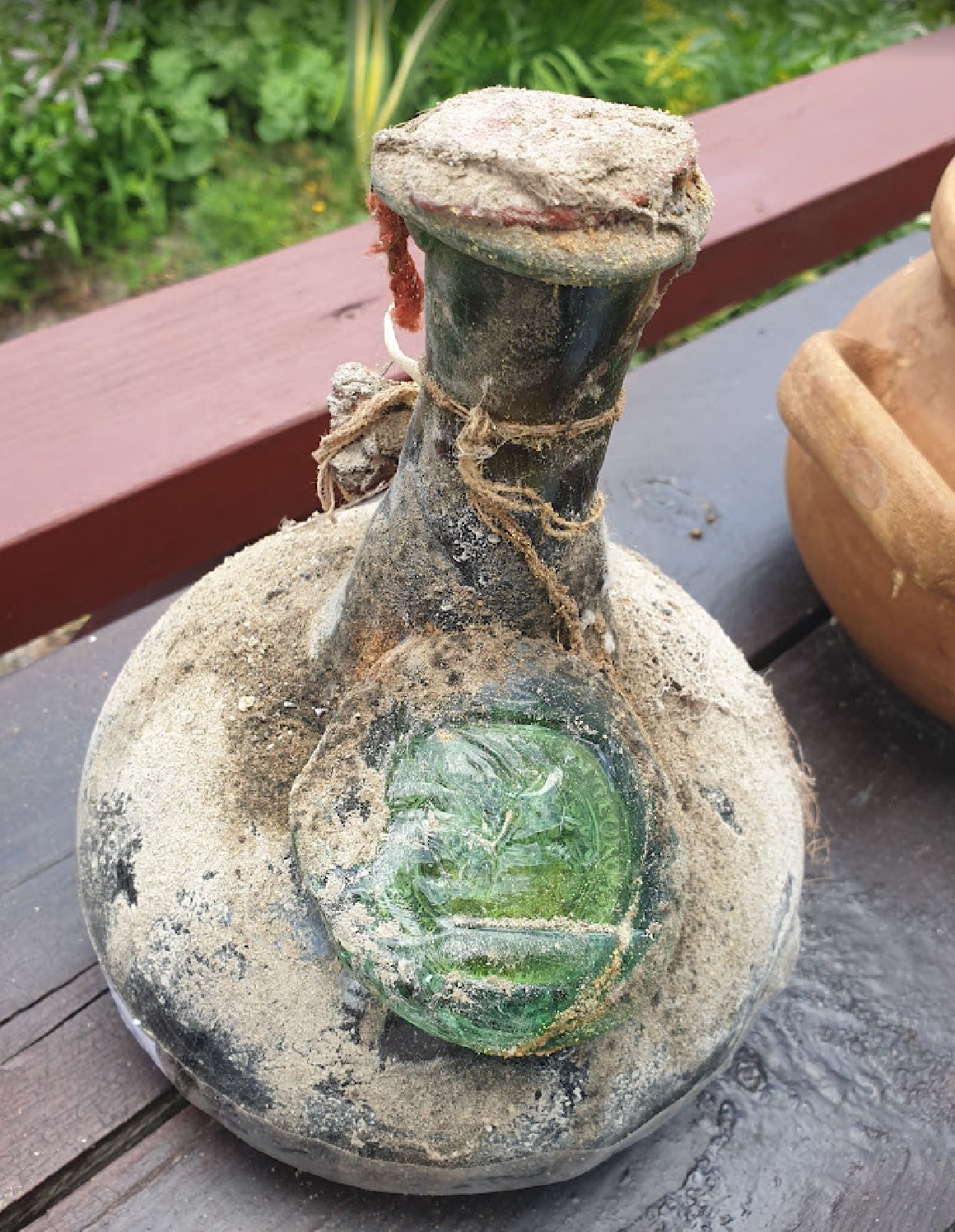
Bottles with Coins
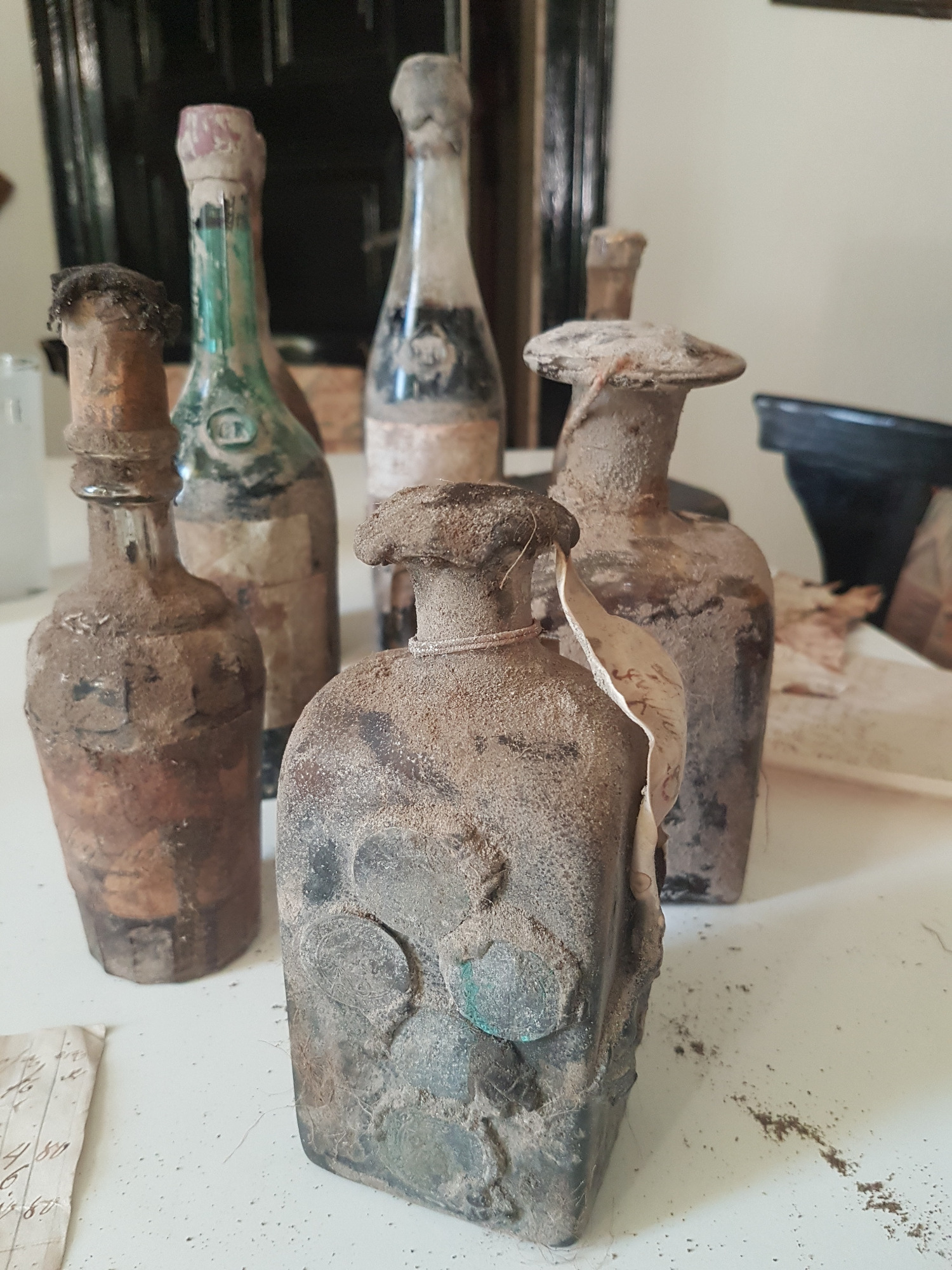
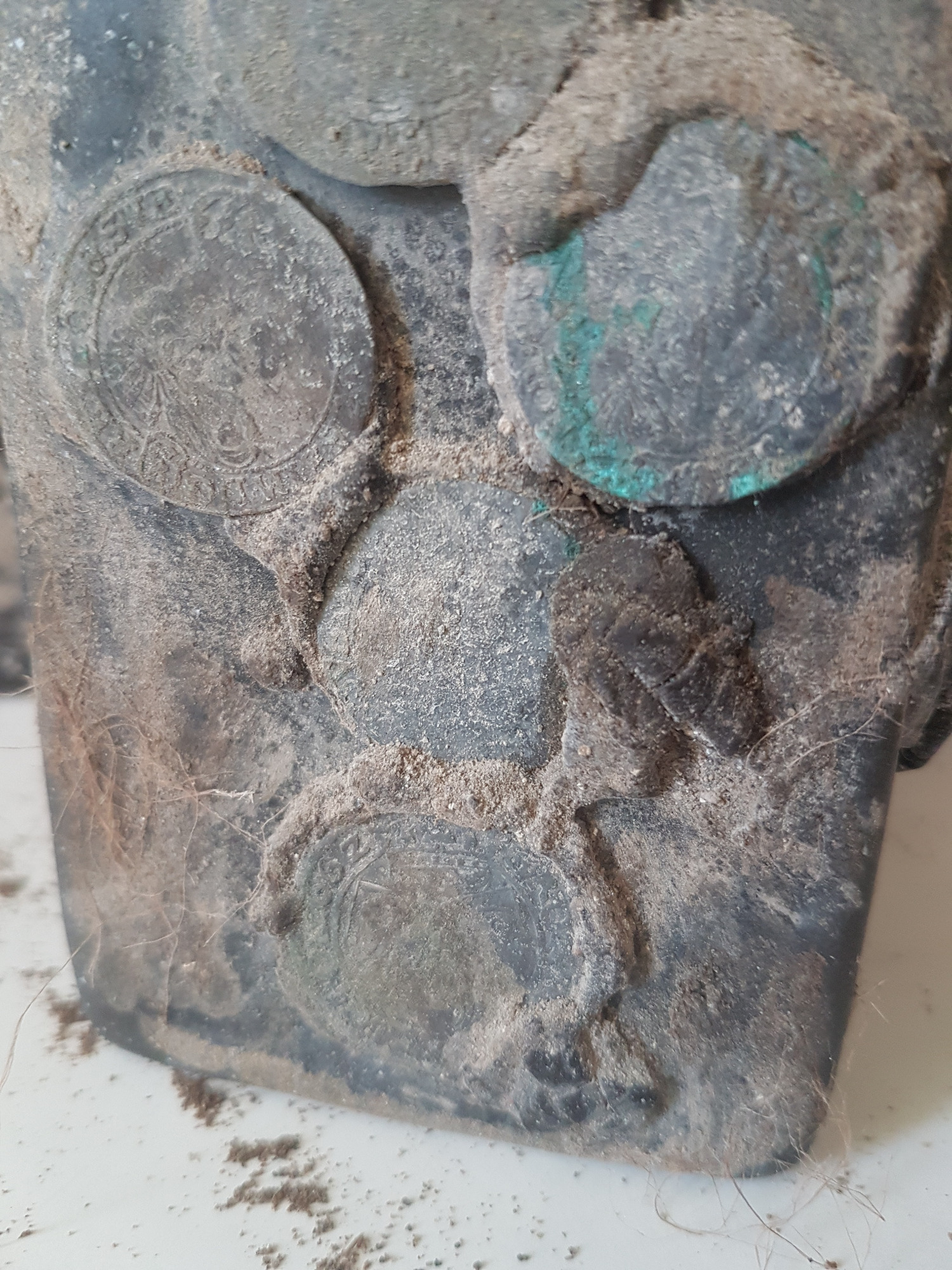
Several bottles of very old Tokaji have coins attached to them in various ways. First we thought of a pure decorative function but today we think that the coins potentially also served other functions:
- proof of origin: very old bottles did not have wine labels as we know them today. The first labeled bottles in Tokaj appeared around 1820. A coin could help identifying the producer, the country of origin or the bottle owner. Thr last of the examples below shows a red bottle seal not with a typical coat of arms but with the "Münzprägewerkzeug" of the extemely rare "Rákóczi dukat"'? Hence this bottle must have sealed by someone who had acess to this coin minting? tool, and it is quite safe to assume that it wsas intented to prrof that thids bottle indeed was part of the Rákóczi cellar.
- proof the vintage year.
- increasing the value of thre bottle. Tokaji wines were often sent as present.
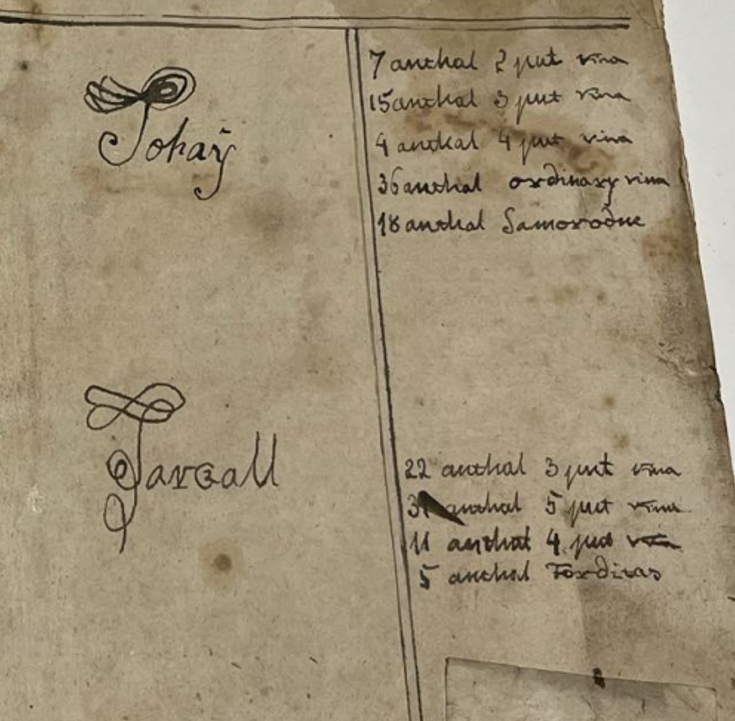
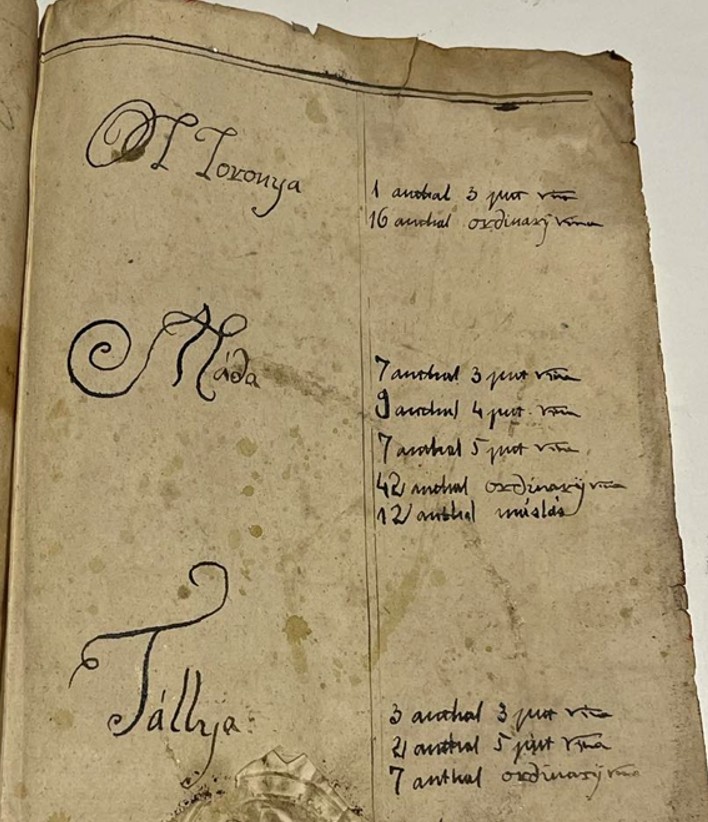
1792 Cellar Inventory listing various categories of Tokaji wine
The only very old document I am aware of that lists almost all important categories of Tokaji wine:
- Aszú (2, 3, 4, 5 puttonyos) - called "vina" in the document, but the puttony quality clearly makes it Aszú
- Szamorodni
- Fordítás
- Máslás
- Ordinary Wine (unclear what exactly this is)
The quantities are impressive. 1 anthal (ántalag, átalag, antalfa, ántalfa) is a barrel of 75.6 liter. The two pages alone list 119 barrels of Aszú, the equivalent of some 18.000 bottles! The cellar still exist today, and I have visited it. Unfortunately, it is completely empty.
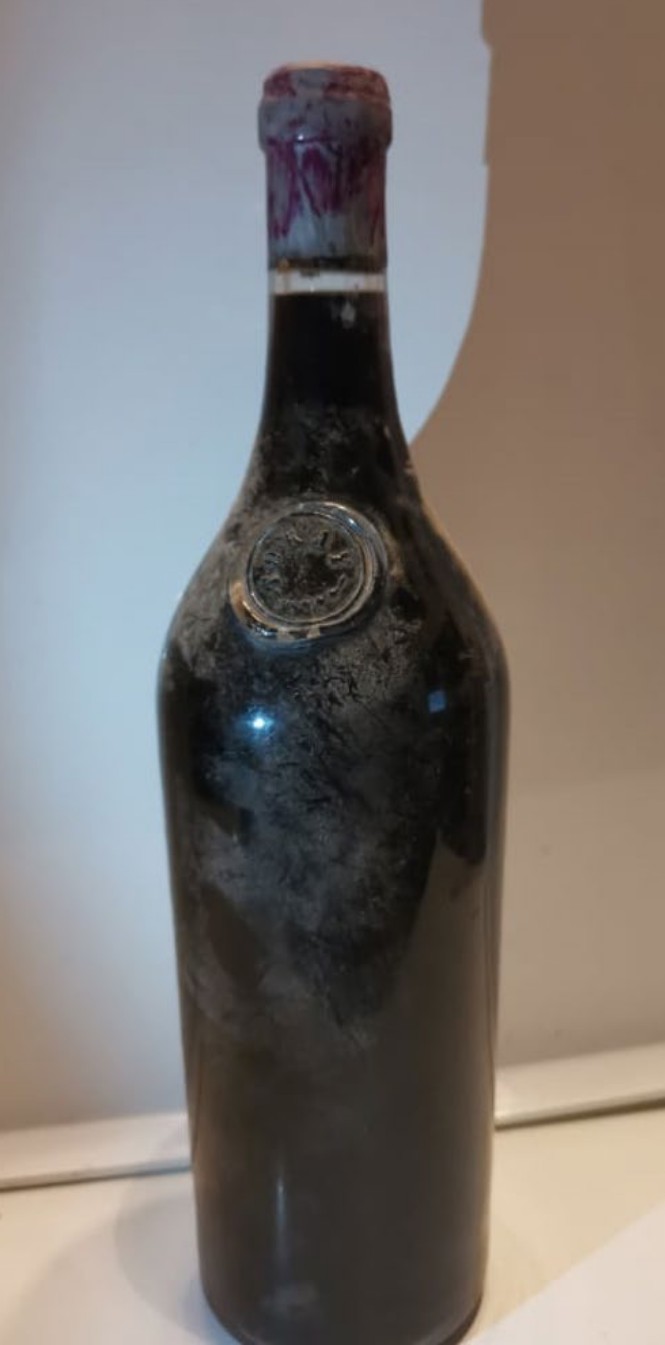
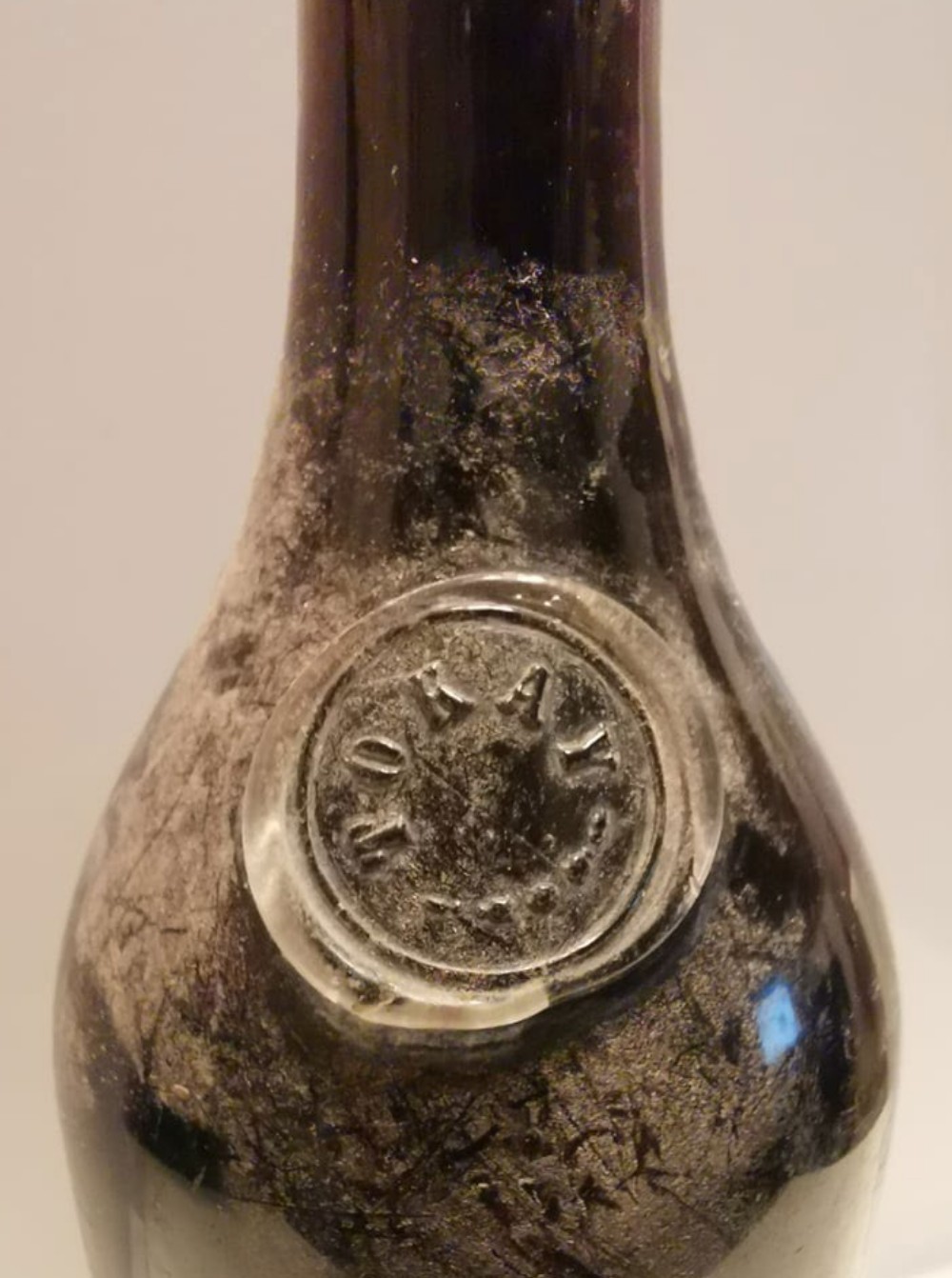
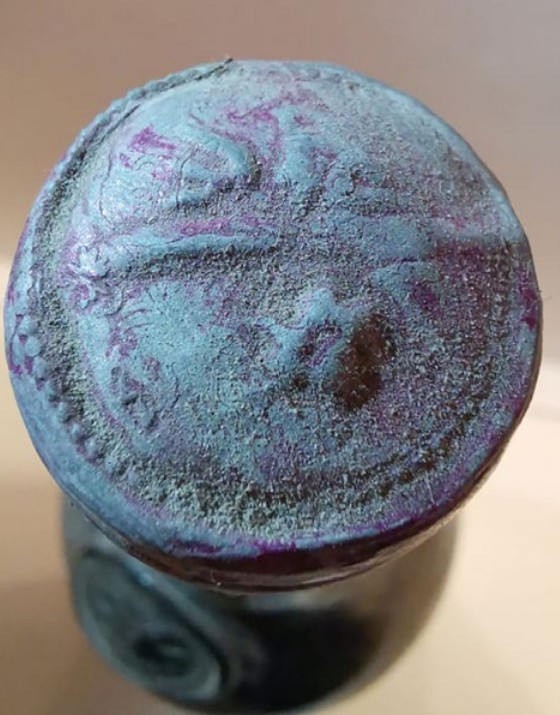
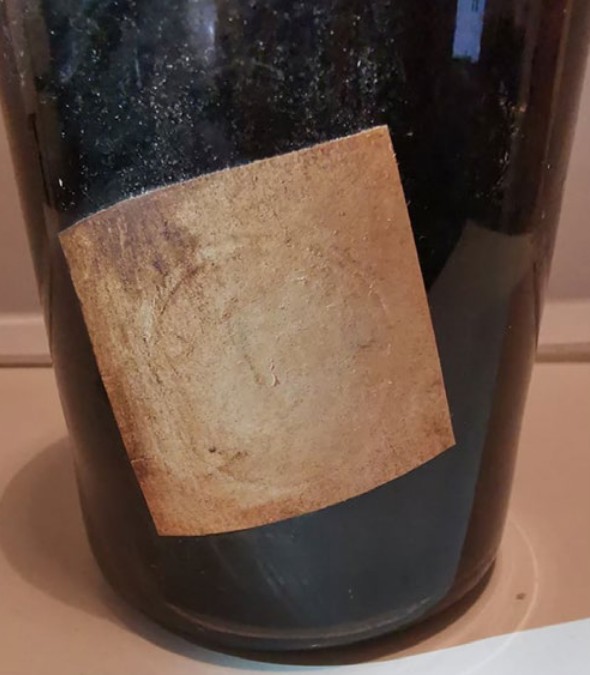
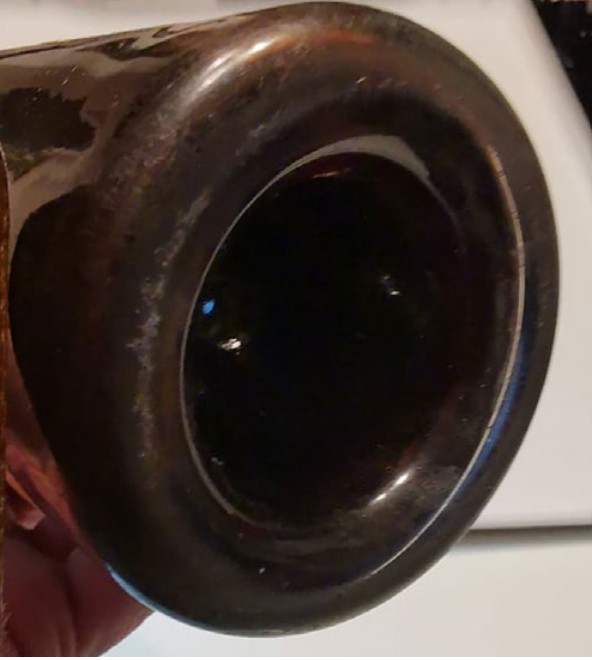
Oldest known bottle with Tokay glass mark (around 1800)
French bottle shape with "Tokay" glass seal. According to the field experts this bottle shape was in use between 1780 and 1820, making it the oldest known Tokaj bottle with a glass seal. It was probably intended for export ("Tokay" instead of the Hungsrian spelling "Tokaj" or "Tokaji").
Paper labels were still extremely rare at that time, the earliest Tokaji bottles with paper labels are from 1815. The glass seal allowed Tokaji wines to be identified. Seal on the capsule and paper label are indecipherable, my hypothesis would be Vay as the documentation points to a 1794 Vay wine.
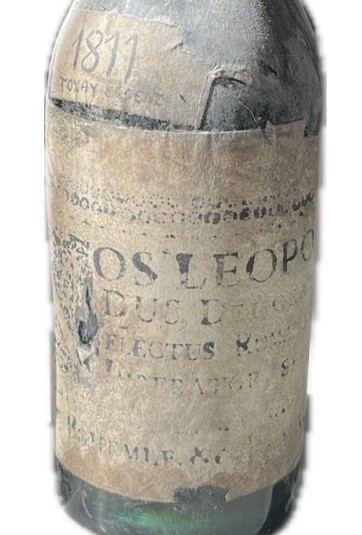
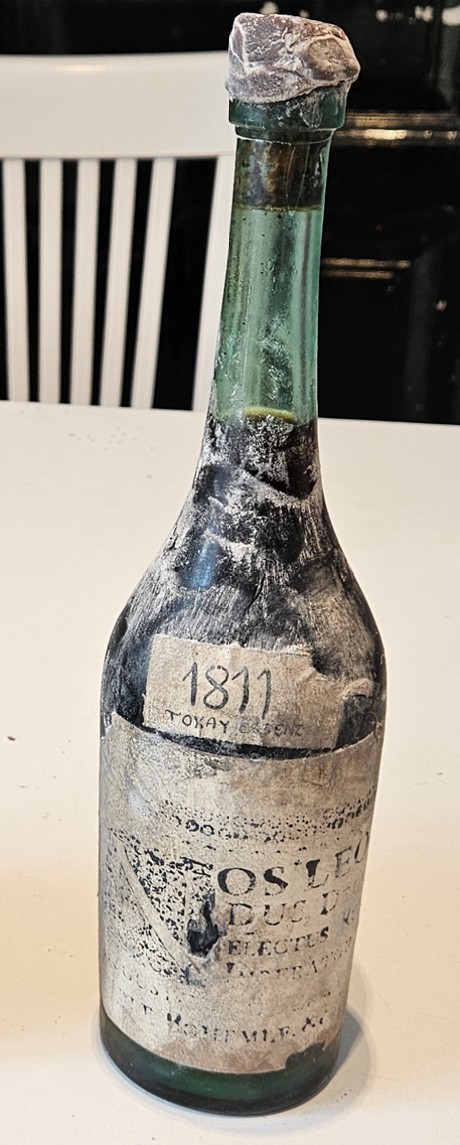
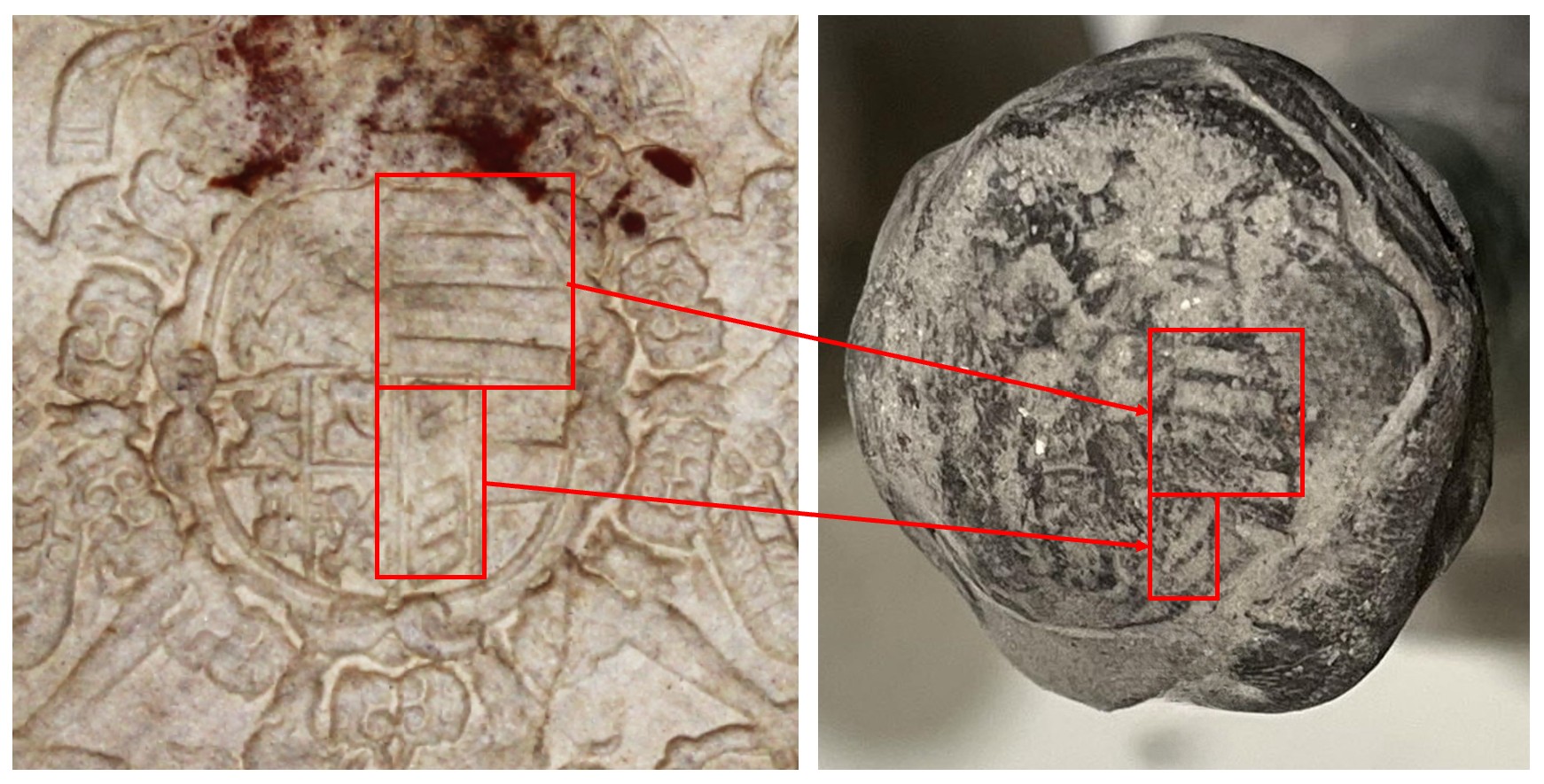
1811 Tokaji Essence with seal of Habsburg Emperor
Leopold I
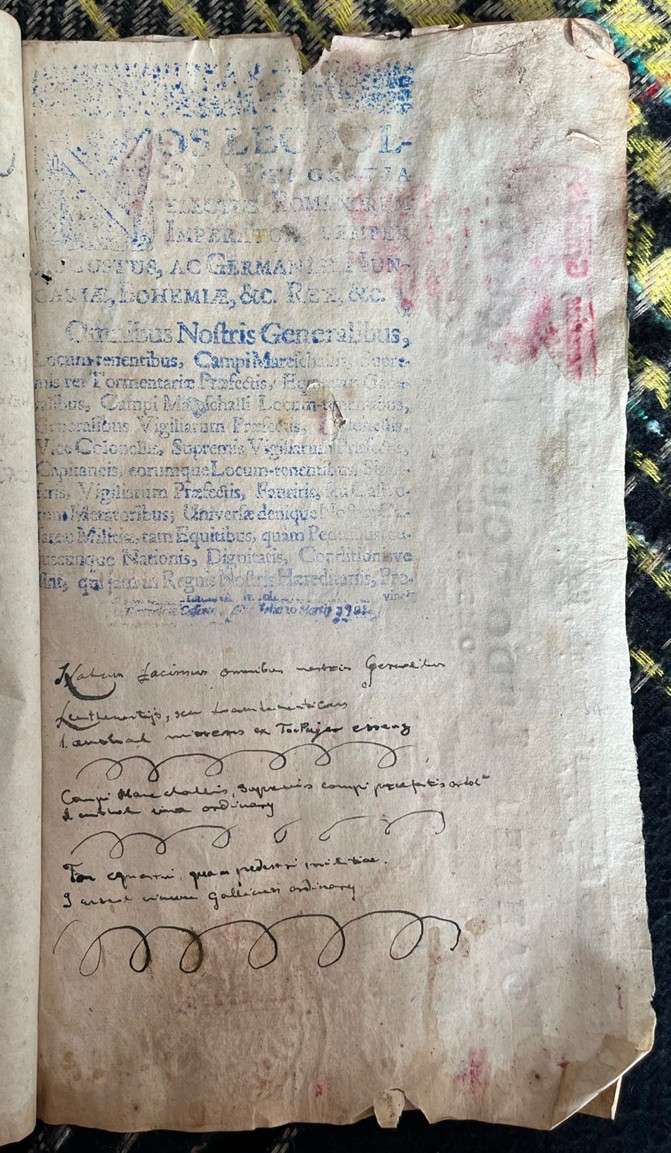
A very unique bottle labeled with a historical document dated 1701. The document is a military order from emperor Leopold I of Habsburg (1640 - 1705) to generals, army commanders, and soldiers. The same document is included in the accompanying paper along with hand-written notes in latin about a wine allocation for the imperial army in Transylvania.
Notum facimus omnibus nostris generalibus Leuthenantijs, seu Locumtenentibus.
1 anthal mittens ex tokayer essenz.
campi marechallis, supremis campi praefectis artolariae
3 anthal vina ordinary.
tam equestri, quam pedestri militiae;
9 anthal vinum gallicum ordinary
Translation:
To each lieutenant general:
1 barrel of Tokay essence
To the field marshals, the highest commanders of the army
3 barrels of common wine
To the cavalry and foot soldiers:
9 barrels of conventional French wine
1 anthal is a barrel of app. 75 liters.
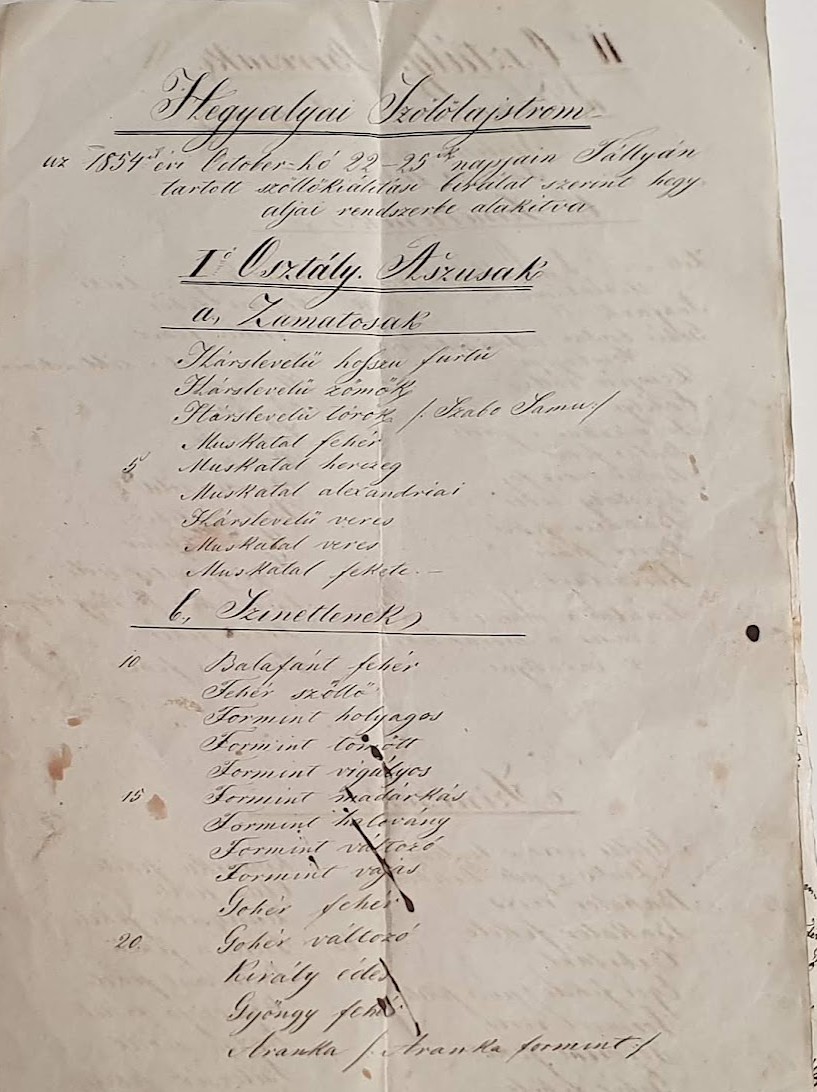
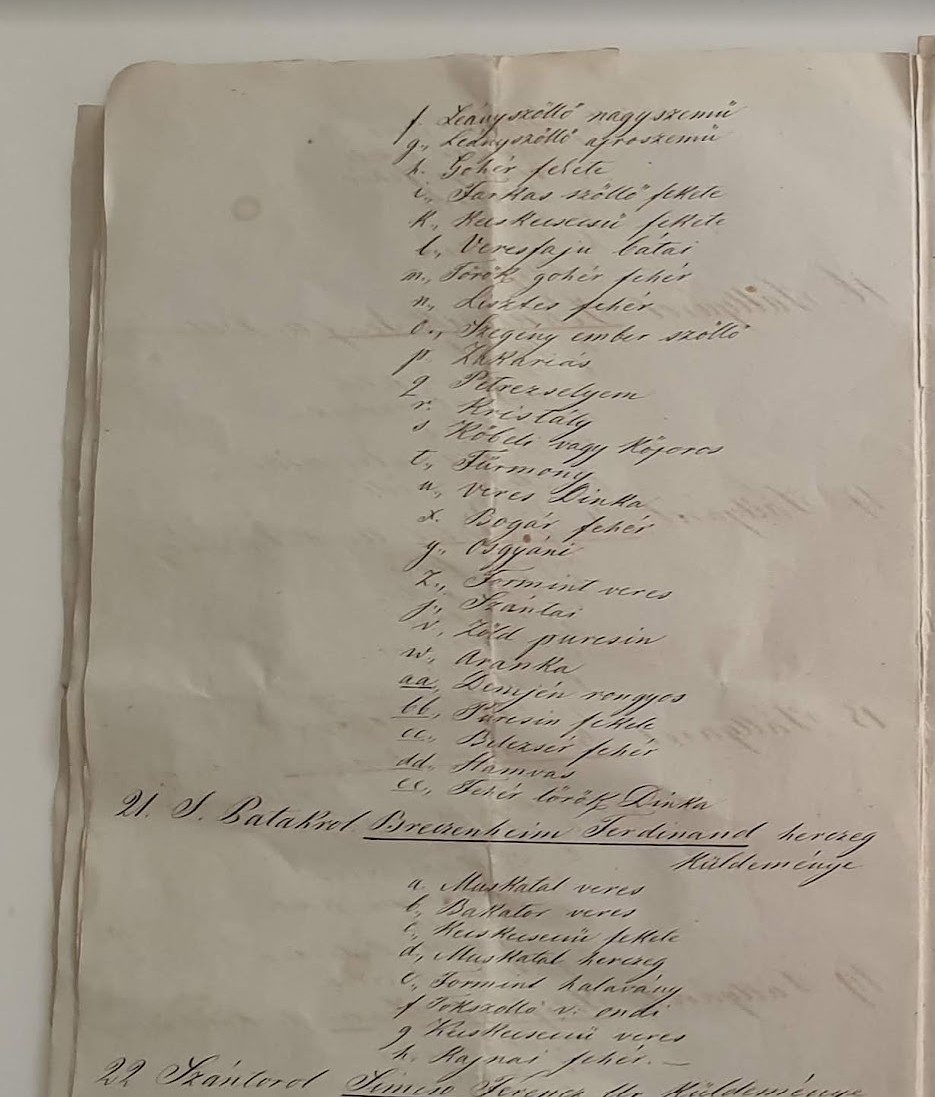
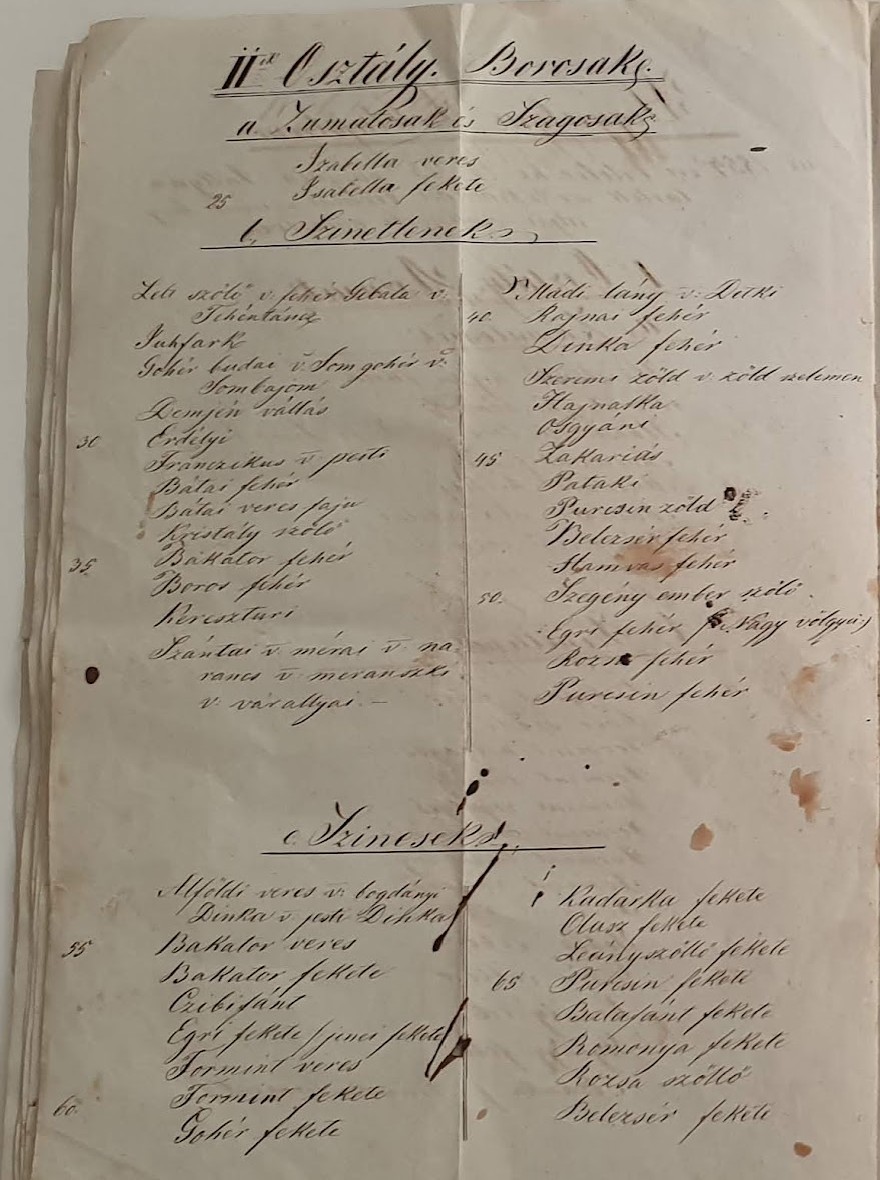
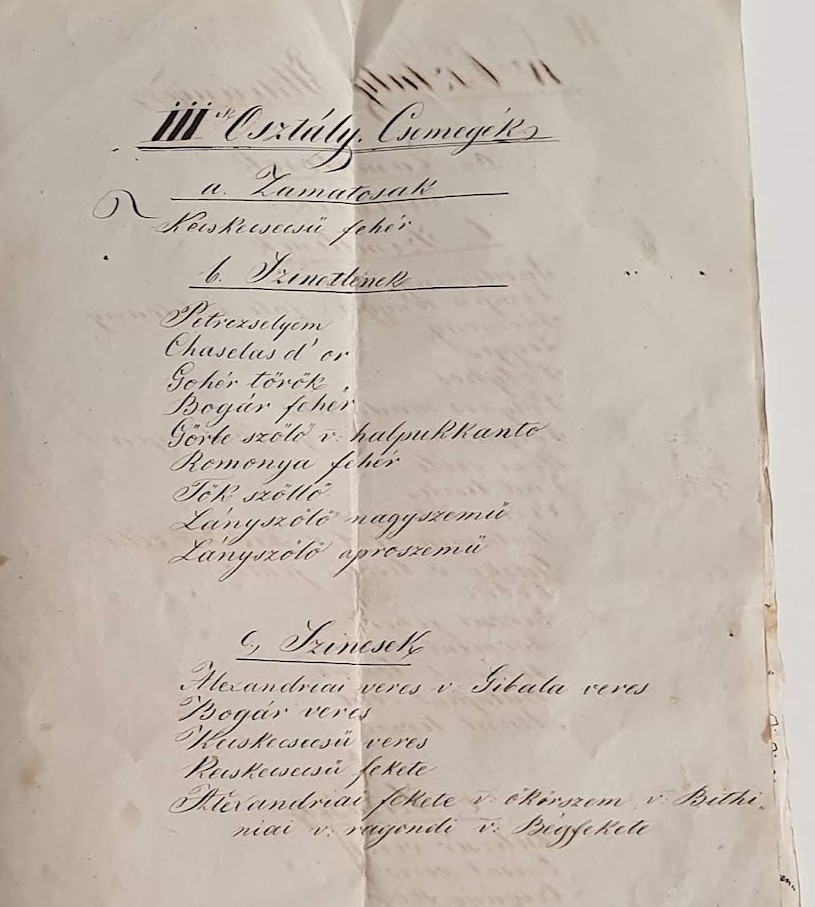
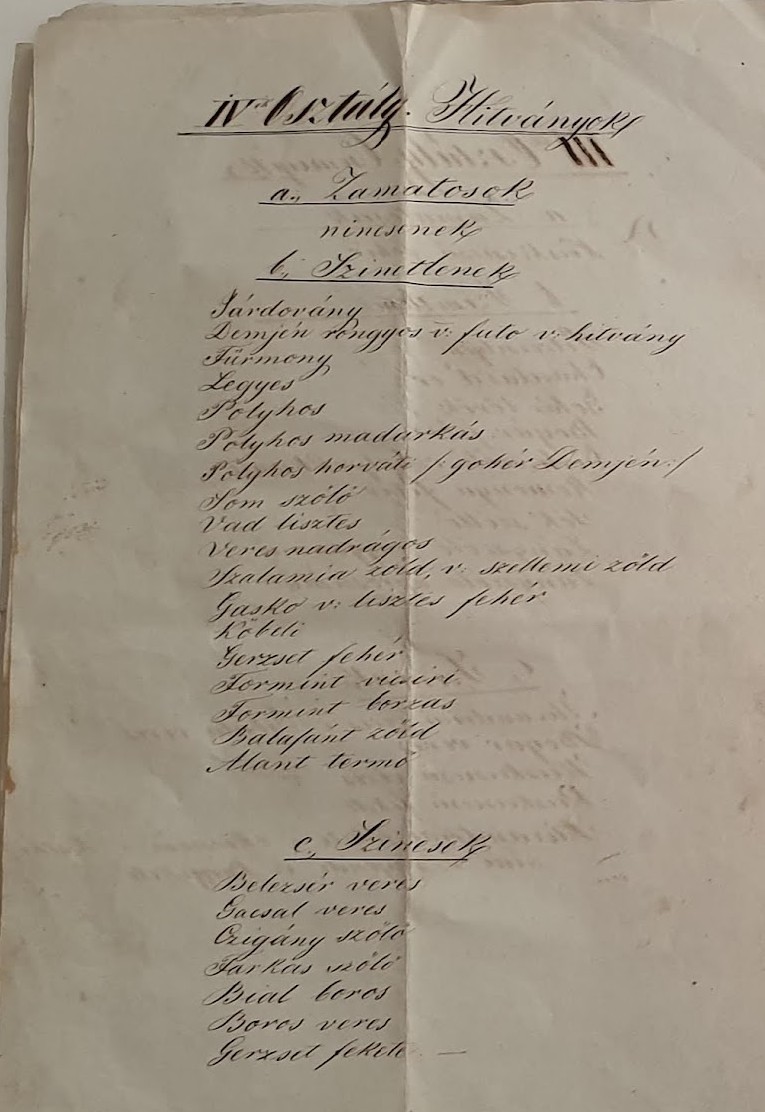

1854 Document listing 109 Grape Varieties in the Tokaj Wine Region
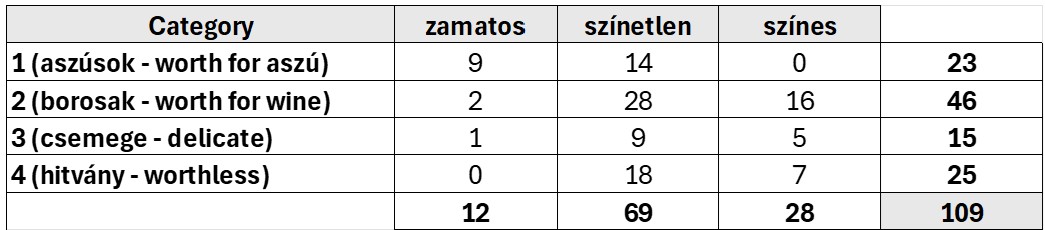
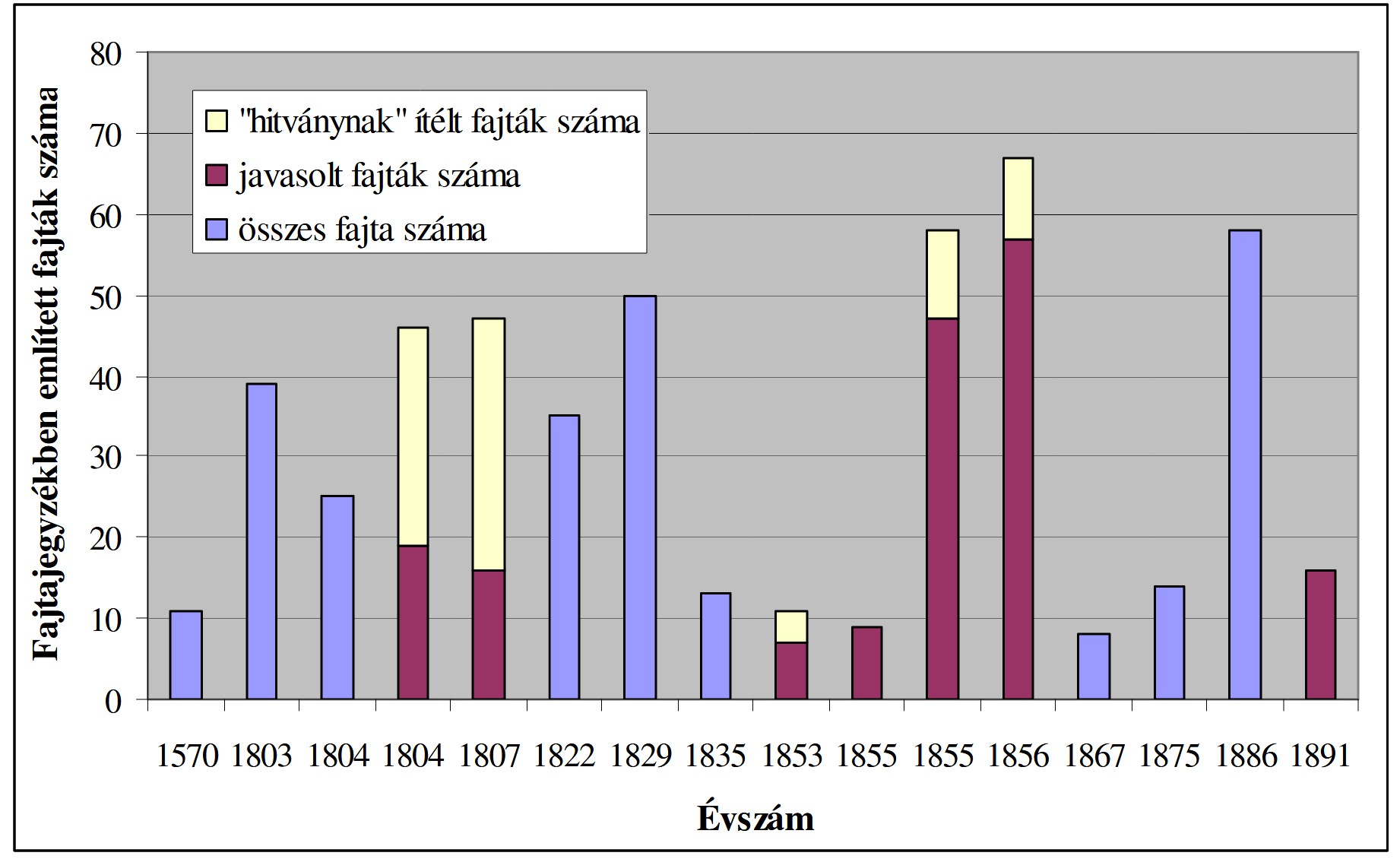
A very interesting find that proves the amazing breadth of pre-prephyloxera grape varietes in the Tokaj wine region. The document (Hegyaljai szőlőlajstrom) lists a record number of 109 varieties, much more than has been published in the scientific literature (below 70).
The grape varieties are grouped within 4 quality categories, including a number of red grape variants like Furmint veres. Interesting the distinction between "zamatos" (savory, juicy), "színetlen" (colorless) and "szines" (with color).
Even if many of those grape varieties were genetically related, inferior in quality and not commonly used for wine making it is an interesting and important question which grape varieties actually constitute an "original tokaji aszú". This discussion has been going for several hundred years, and it is still on the table. Even today new grape varieties are occasionally allowed (e.g. Purcsin) and wine categories are changed (e.g. aszú eszencia disappeared).
We can assume that the bandwidth of color, taste and complexity of wines made from so many grape varieties was much higher than today as we find 69 varieties in the two highest categories compared to 6 that are allowed today. Scientific analysis of very old tokaji and its aging process may give us a key to understand how those wines tasted when they were young. There is also rumor that some pre-prephyloxera vines could have survived on isolated places like the island between Bodrog and Theiss, but I am not aware of any effort to locate and genetically analyse those vines that could provide us as window to the past.
The document also mentions grape varieties from Ferdinand Bretzenheim in Sárospartak as well as the curiosity of 1 puttonyos aszú.
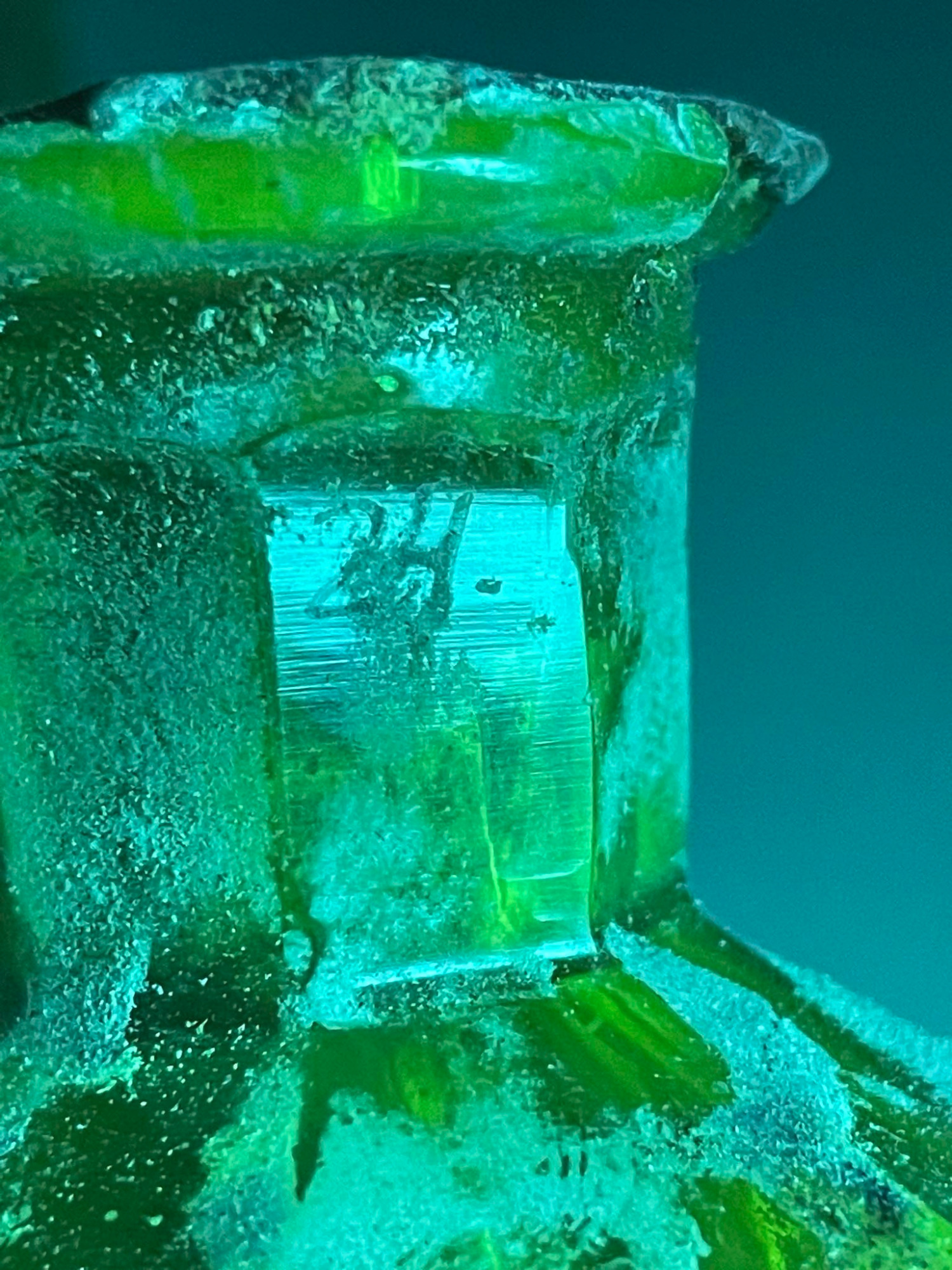
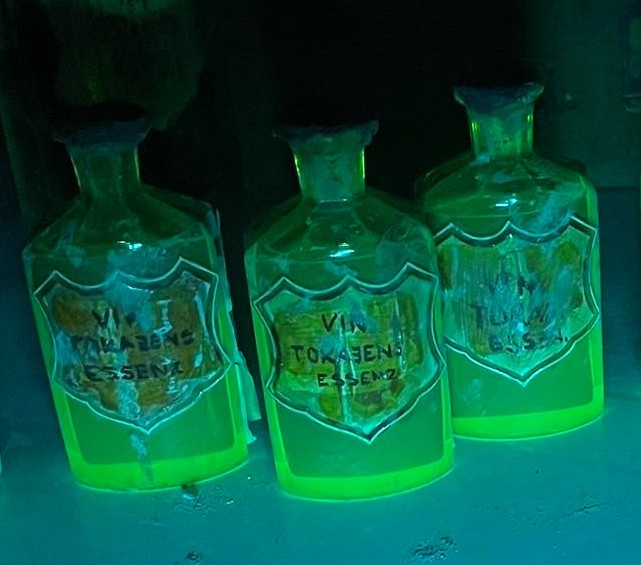
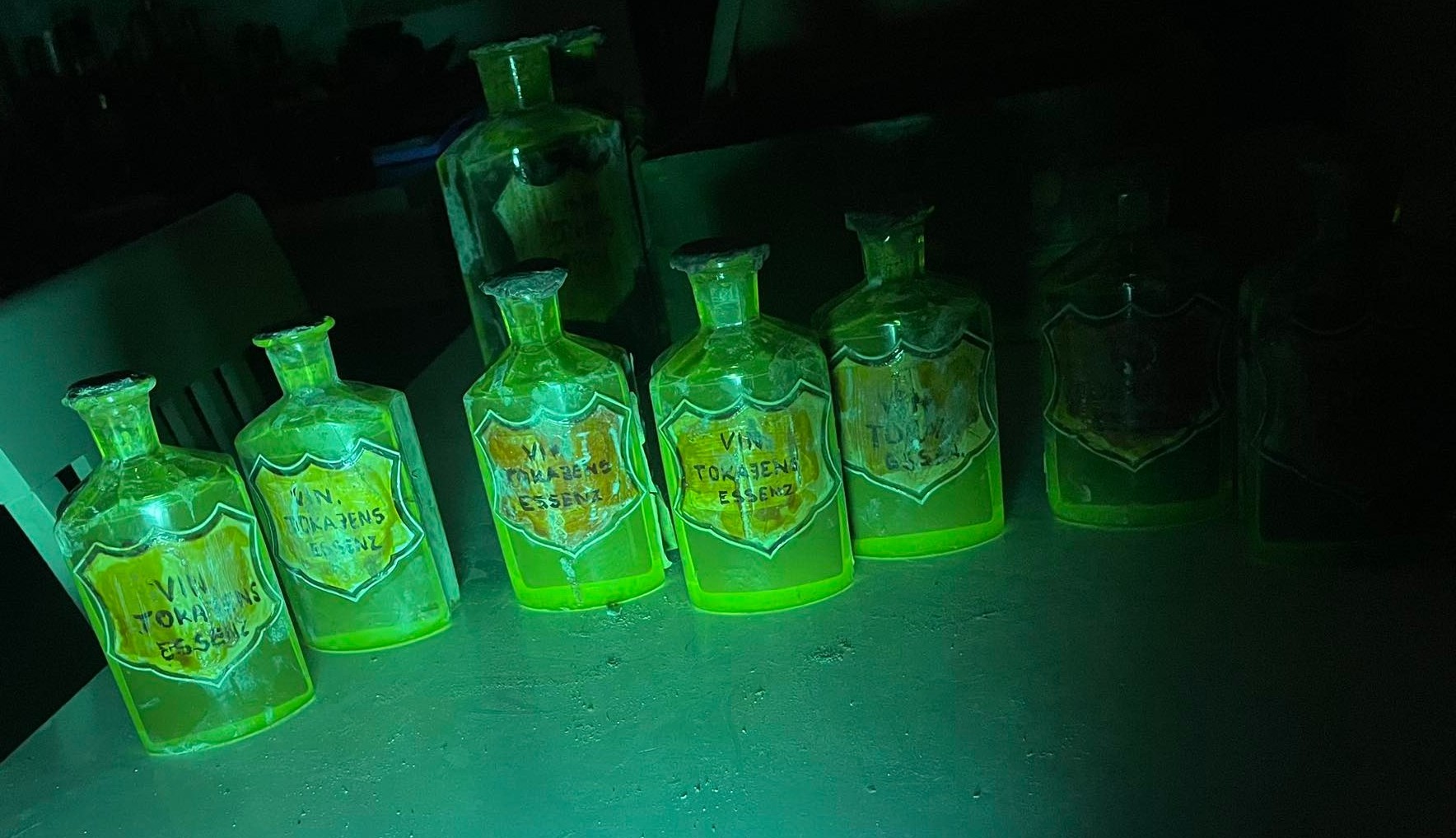
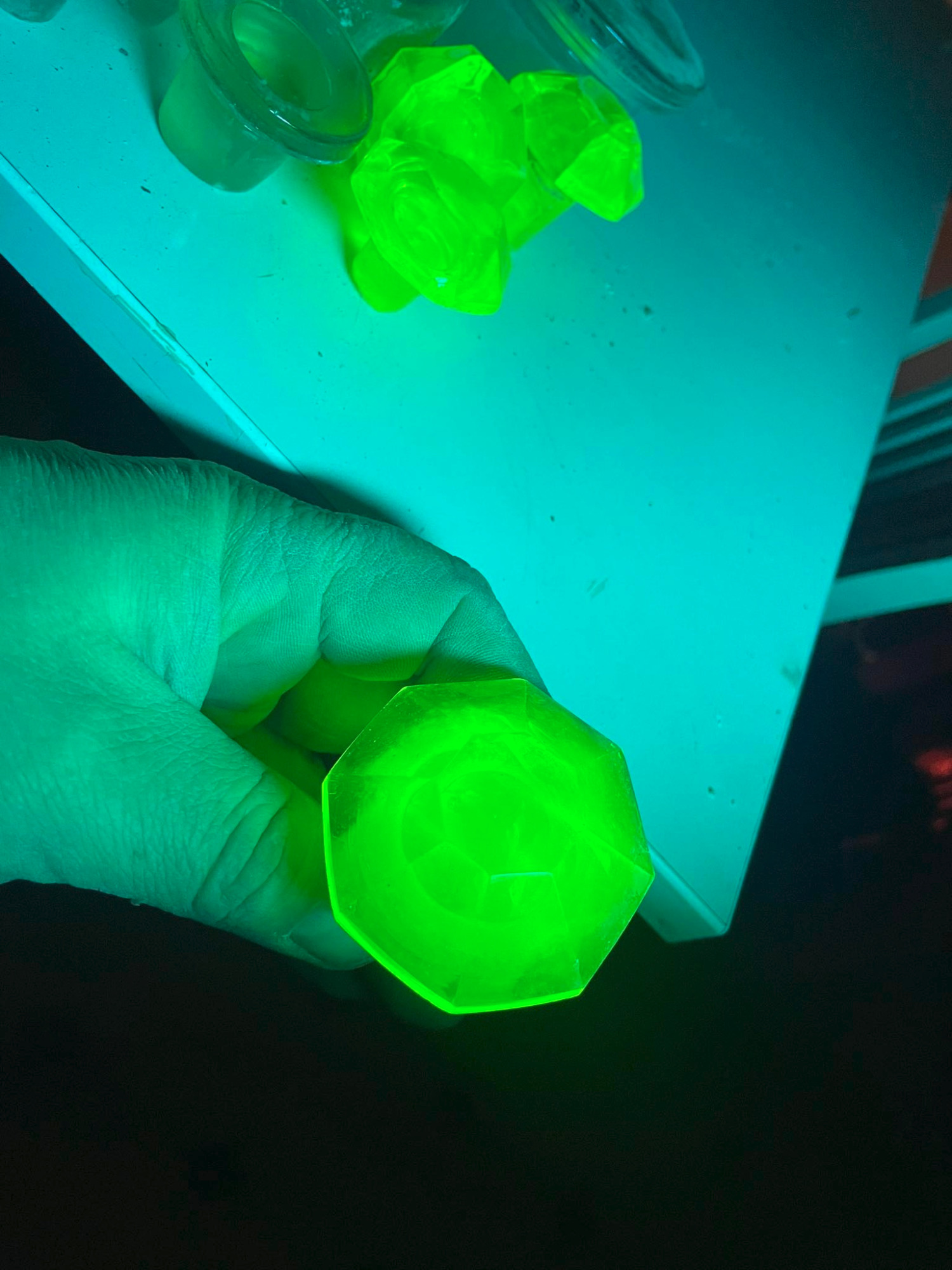
1870 Tokaji Essence in Uranium glass apothecary bottles
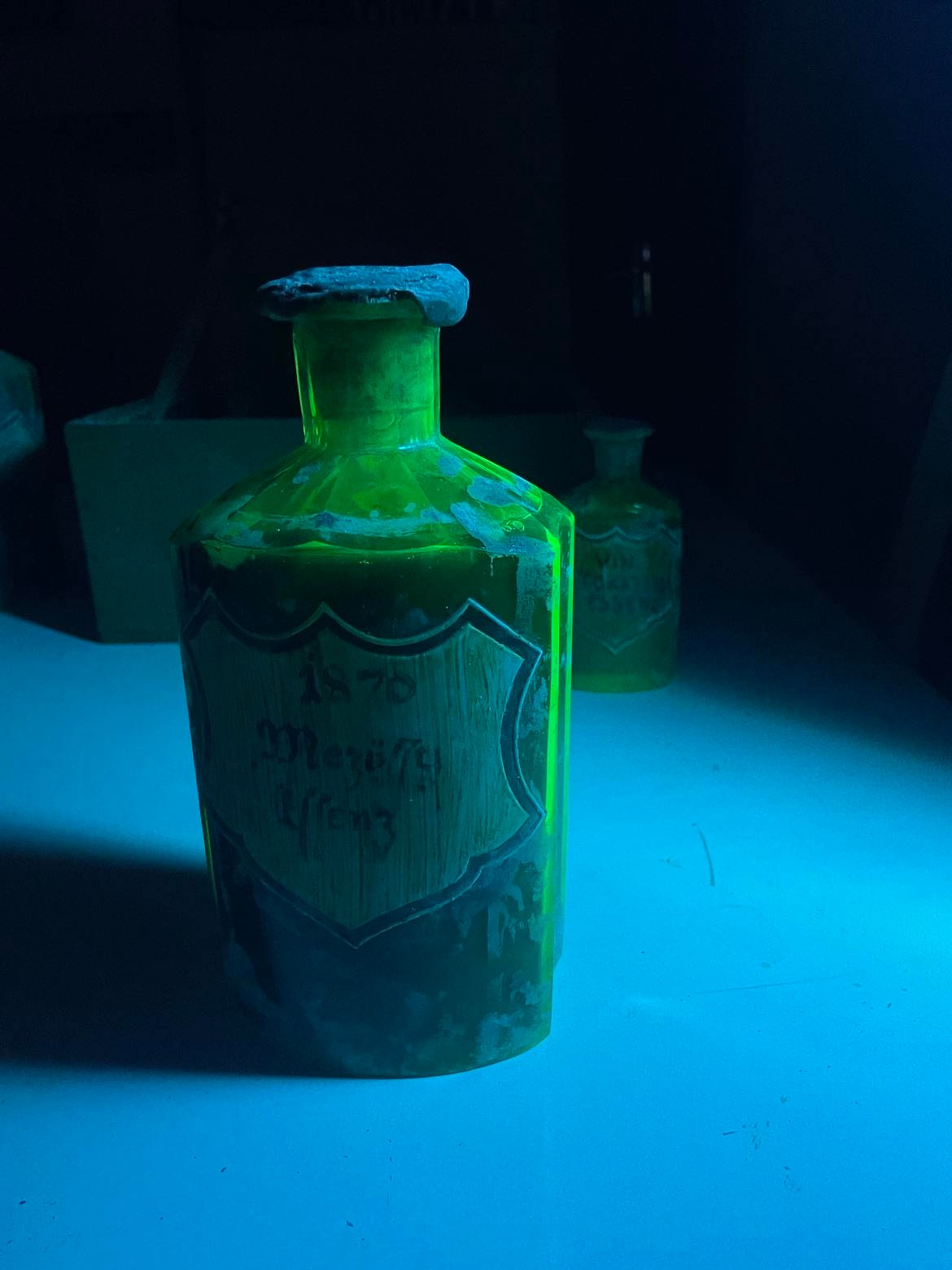
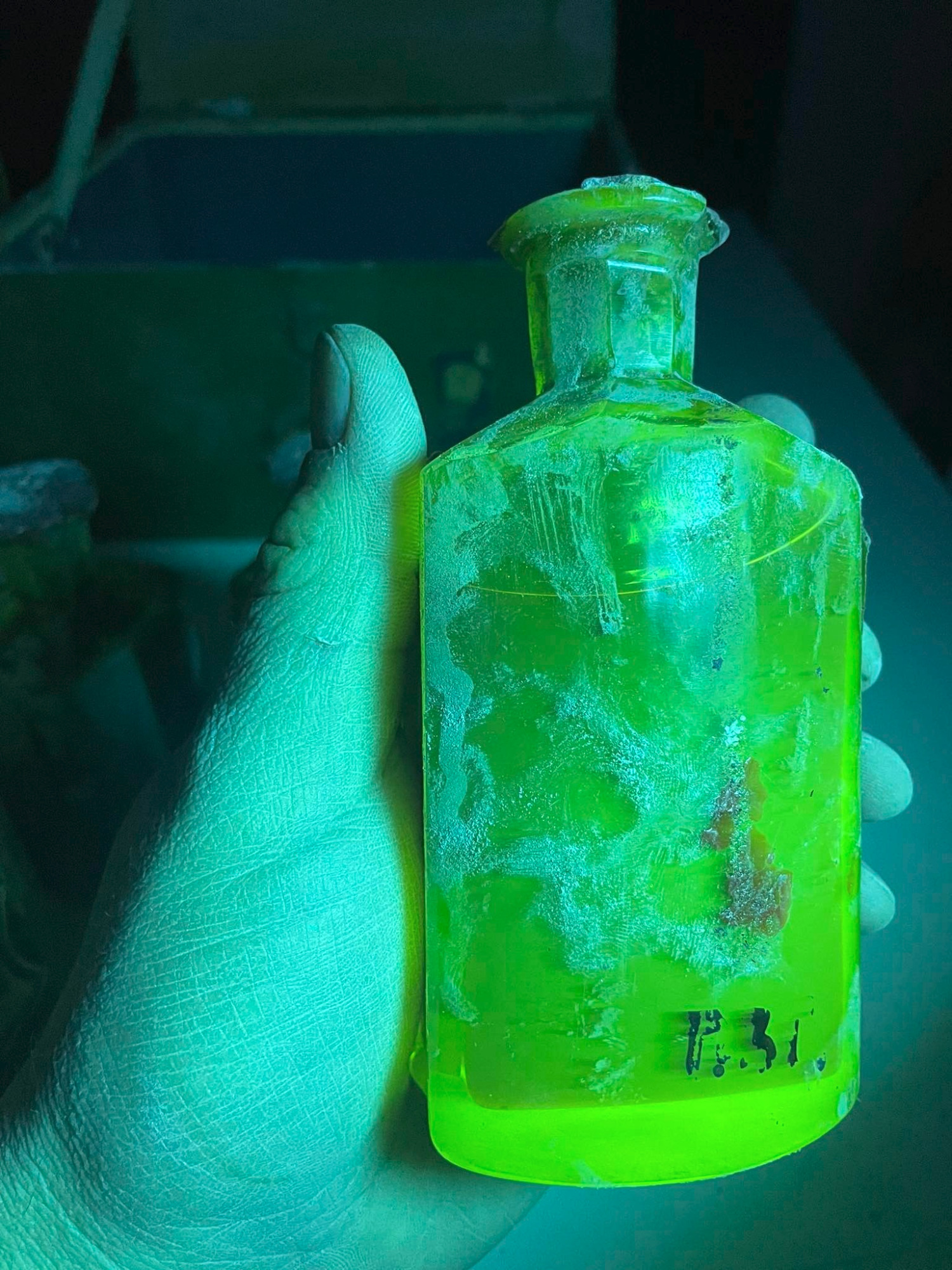
The only known usage of uranium glass to bottle Tokaji wine, glowing under sunlight and even more so under UV light. The bottle is part of a collection of several bottles of different sizes and shapes that were found in the cellar of a former drug store. This may explain why apothecary bottles were used but it remains a complete mystery why Uranium glass was used. I did not find a single example for Uranium glass being used to bottle wine or medicine. All bottles are closed, hence the wines have not been tested for radioactivity and drinkability remains questionable.
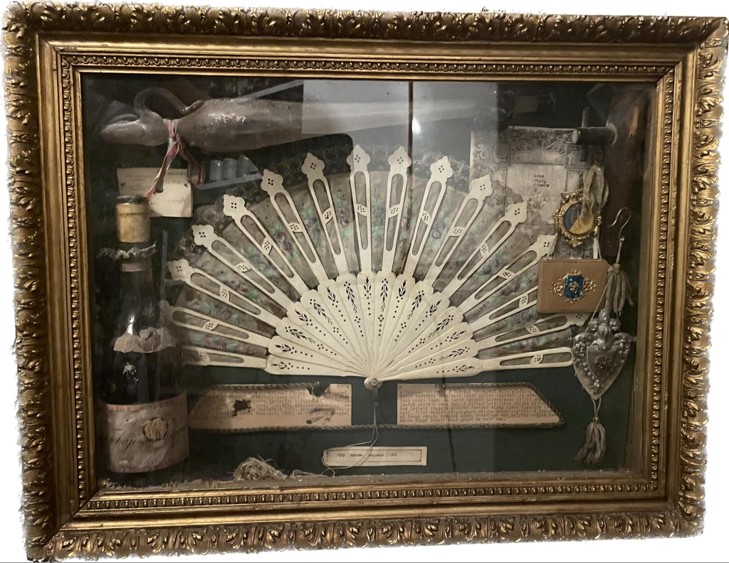
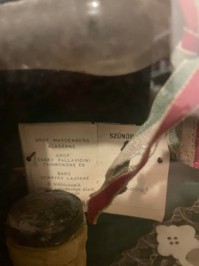
1896 Tokaji bottle as part of a collage
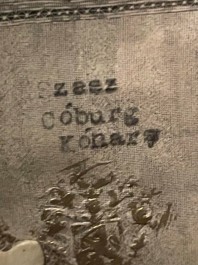
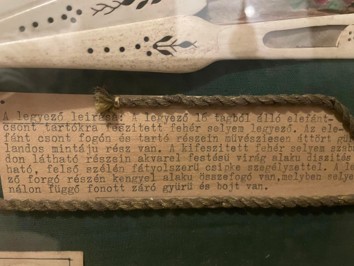
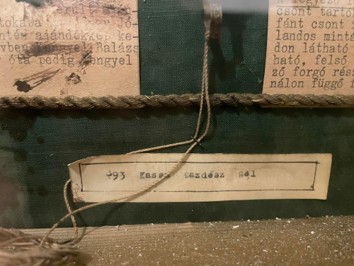
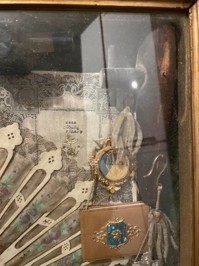
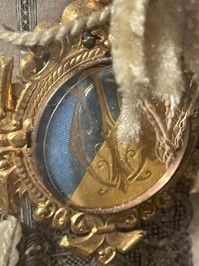
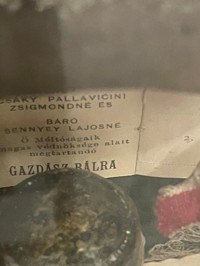
This collage is a souvenir of a social event, a ball (Gazdász Bál) organized in 1983 in in Košice by and for Hungarian nobility. Košice is a city that belonged to Hungary (Kassa) at the time, and today is part of Slovakia. Patroness was countess Hardenberg Aladárné and among the guests were countess Pallavicini Zsigmondné, baroness Sennyei Lajosné and princess Clotilde of Saxe-Coburg and Gotha (Koháry branch). The collage was presumably created by or for Clotilde as it contains references to Koháry. She married Archduke Joseph Karl, Palatine of Hungary and was buried in the crypt of the Royal Palais in Budapest.
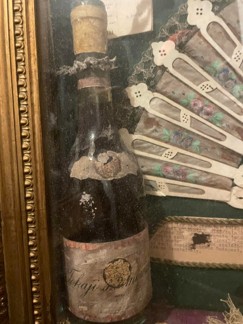
The Tokaji bottle:
- a blown bottle of Tokaji Szamorodni of vintage 1896 with white tin cap, bearing a poorly recognizable coat of arms (lion?)
- below the tin cap a paper banderole with the vintage year 1896
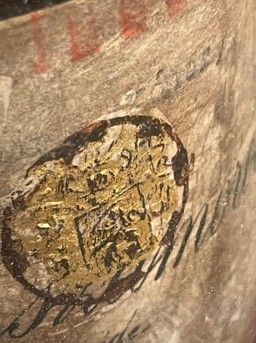
- On the neck of the bottle a red relief seal with a golden lion and sword (Kohary coat of arms)
- On the large label, the inscription TOKAJI SZAMORODNI, above it the gilded Koháry coat of arms in a brown circle
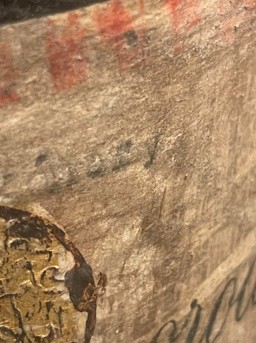
- Also on the label, the inscriptions Cóburg and Kóháry, to the left of “Coburg” possibly ‘SZ’ for “Szász.”
Other elements of the collage:
- In the center a hand painted silk fan, below it a description of the fan
- on the top of thr frame a wine lifter and a barrel tap
- A card with two dance formations, one marked with a large golden “C”
- A lace doily with the inscription “Szász Cóburg Kóháry” and the Koháry coat of arms in relief print
- A paper strip with “...893 Kassa Gazdász Bál”
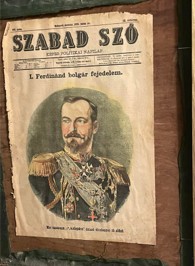
On the back side of the wooden frame is the front page of a newspaper with a picture of Tsar Ferdinand I. of Bulgaria, Clotildes younger brother.
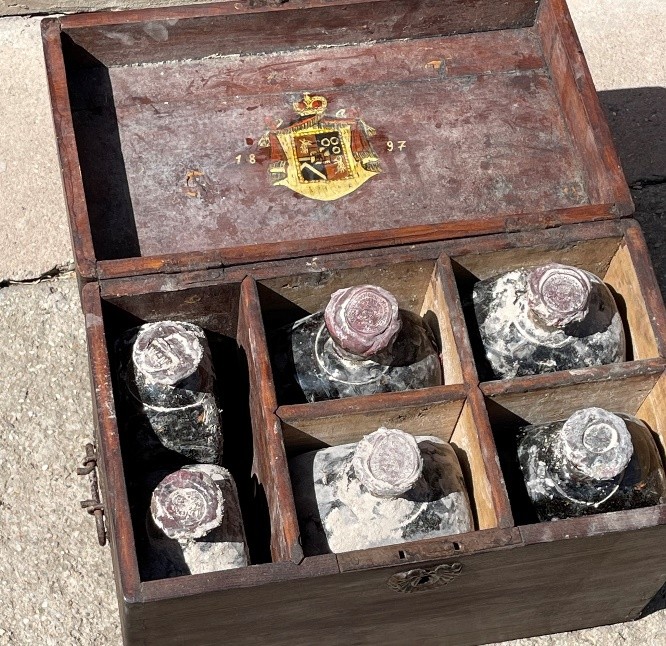
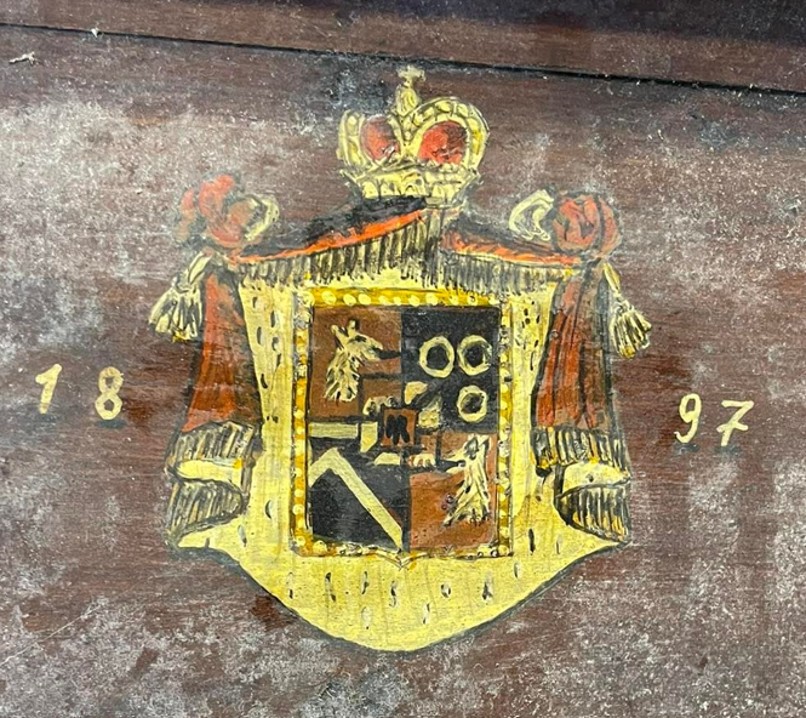
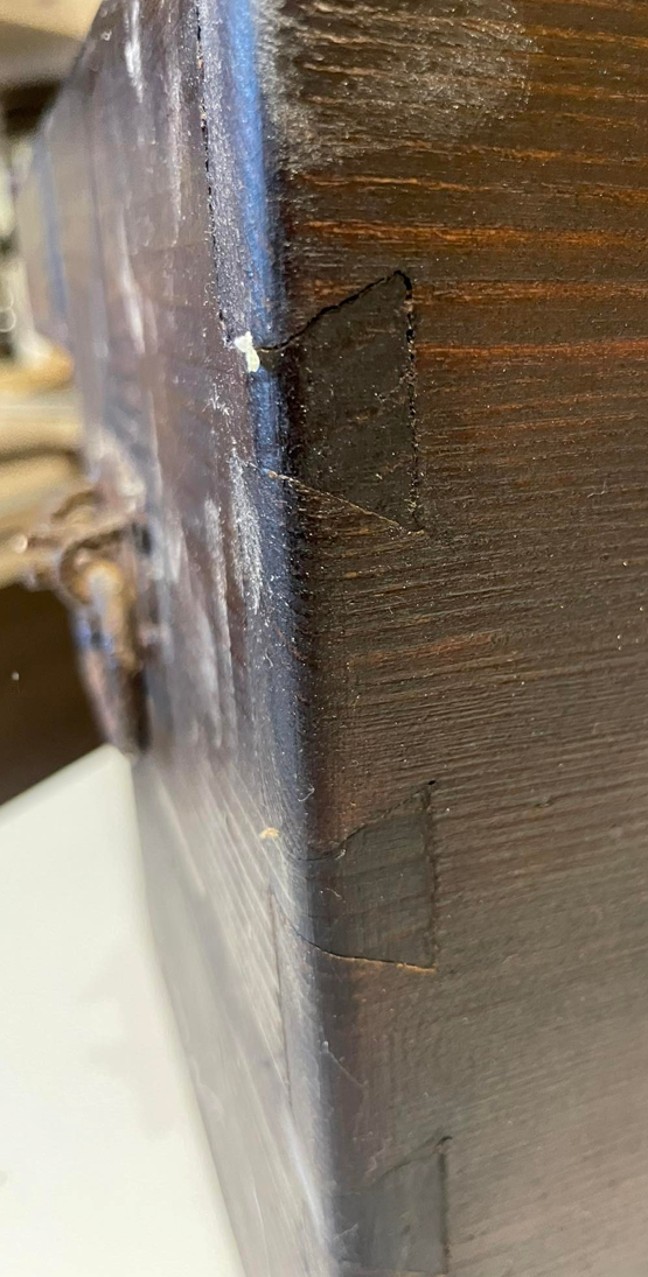
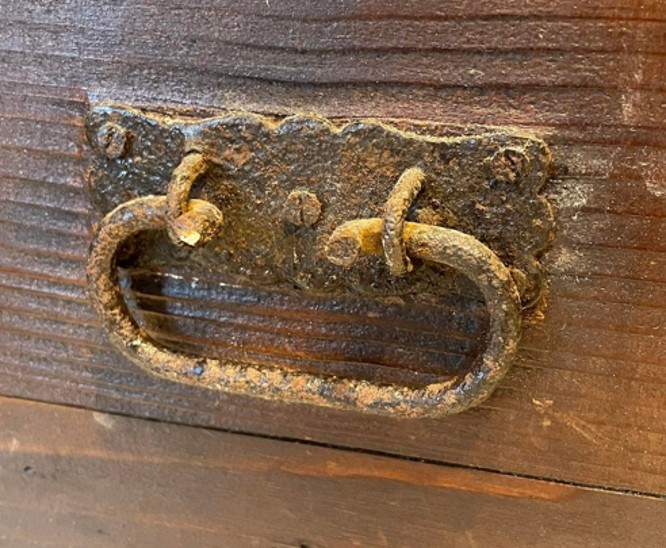
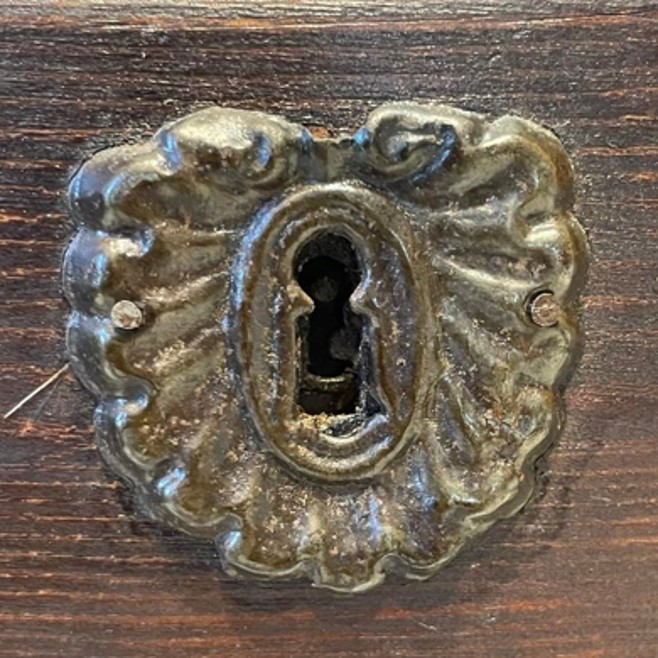
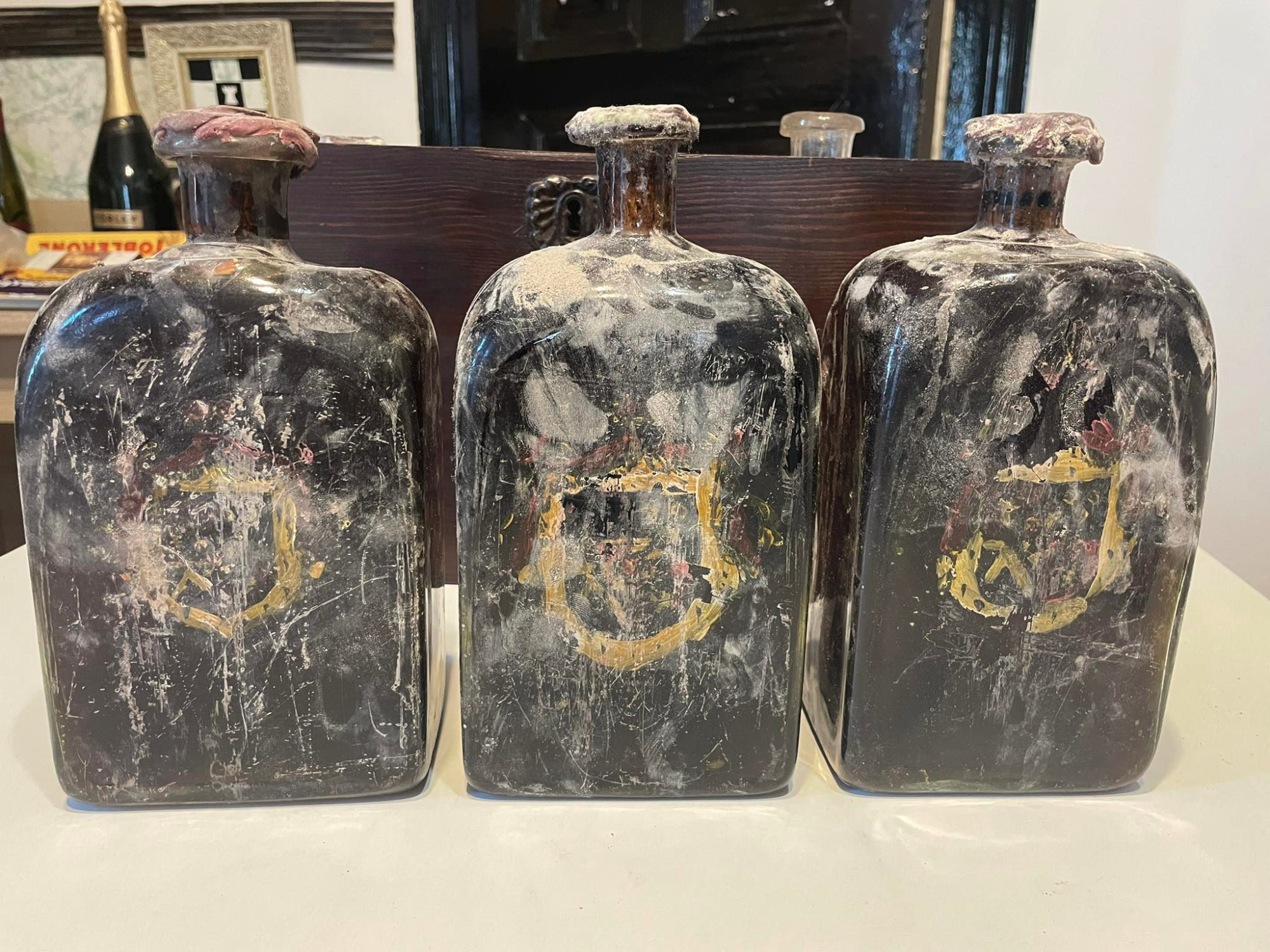
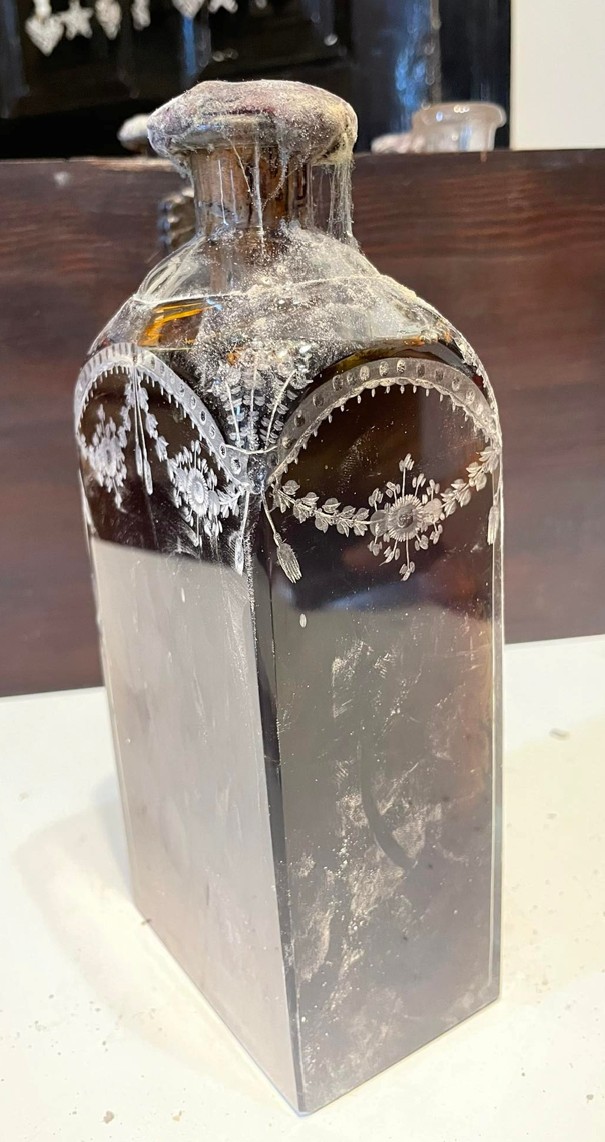
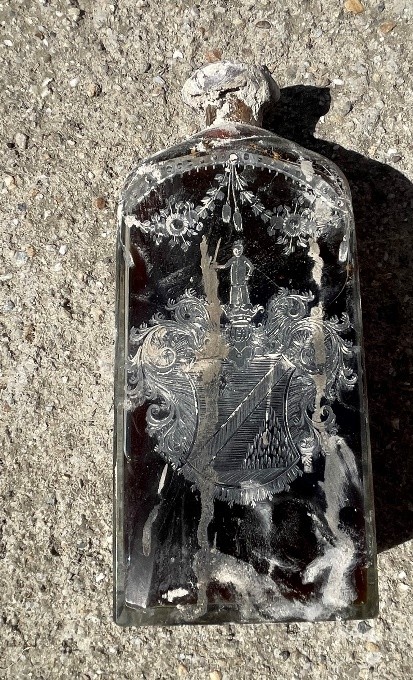
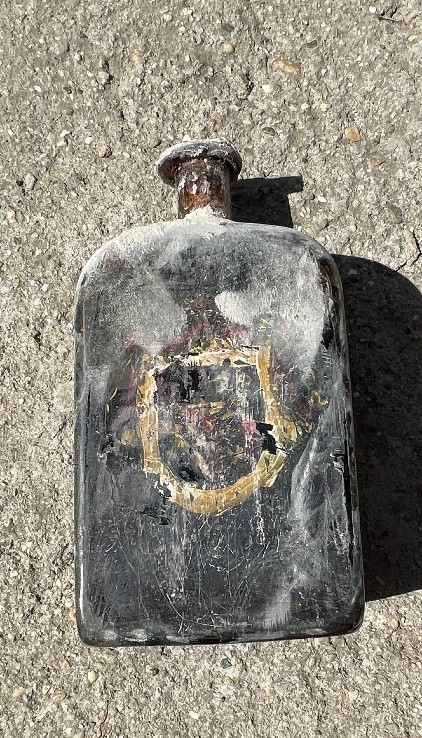
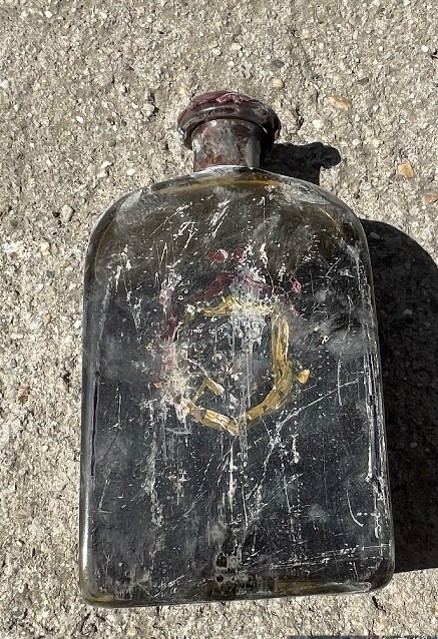
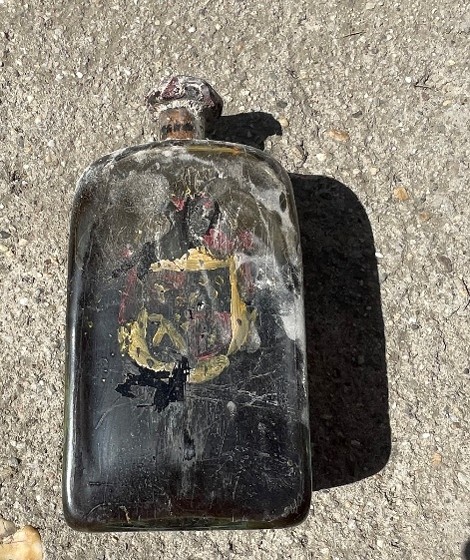
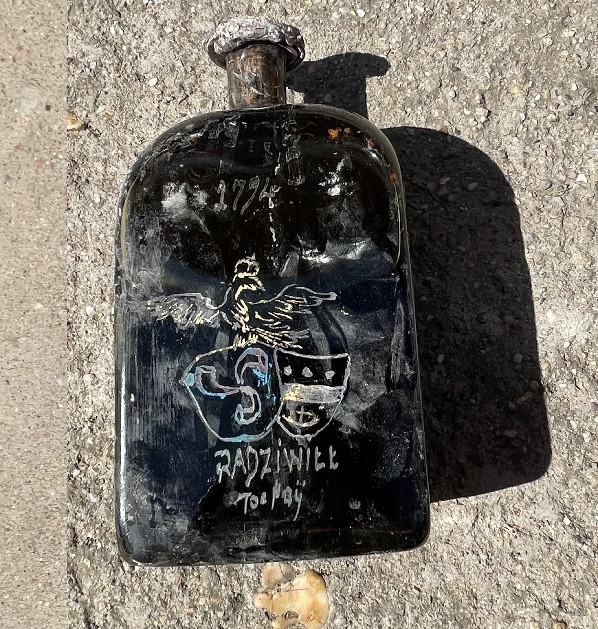
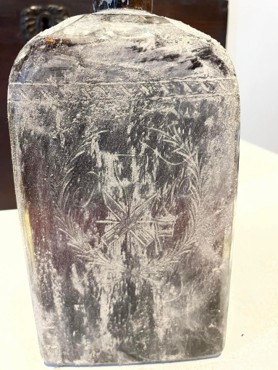
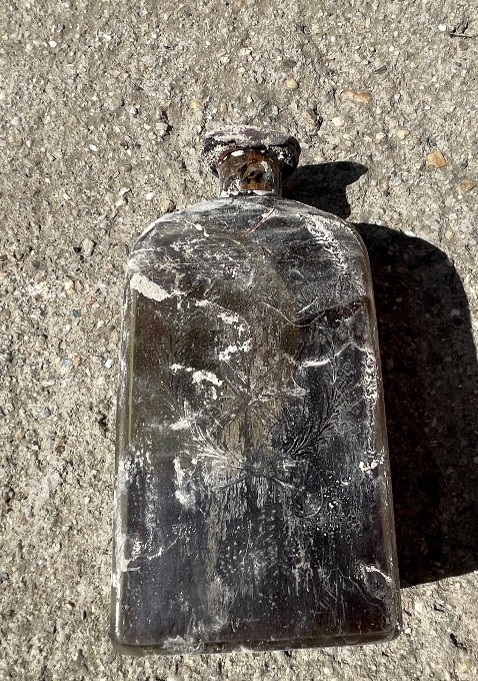
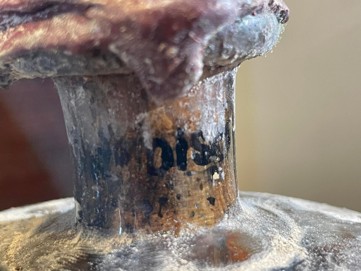
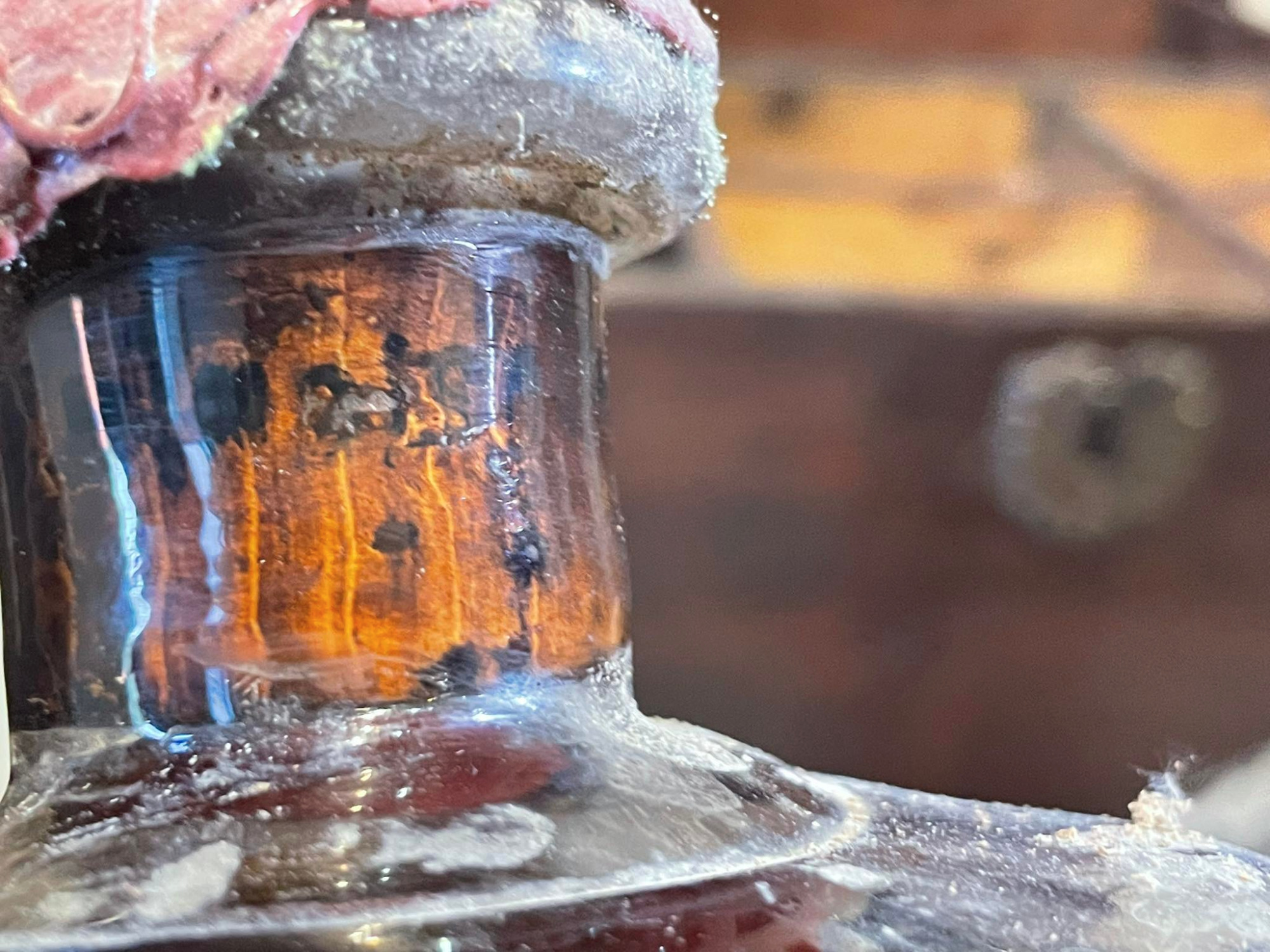
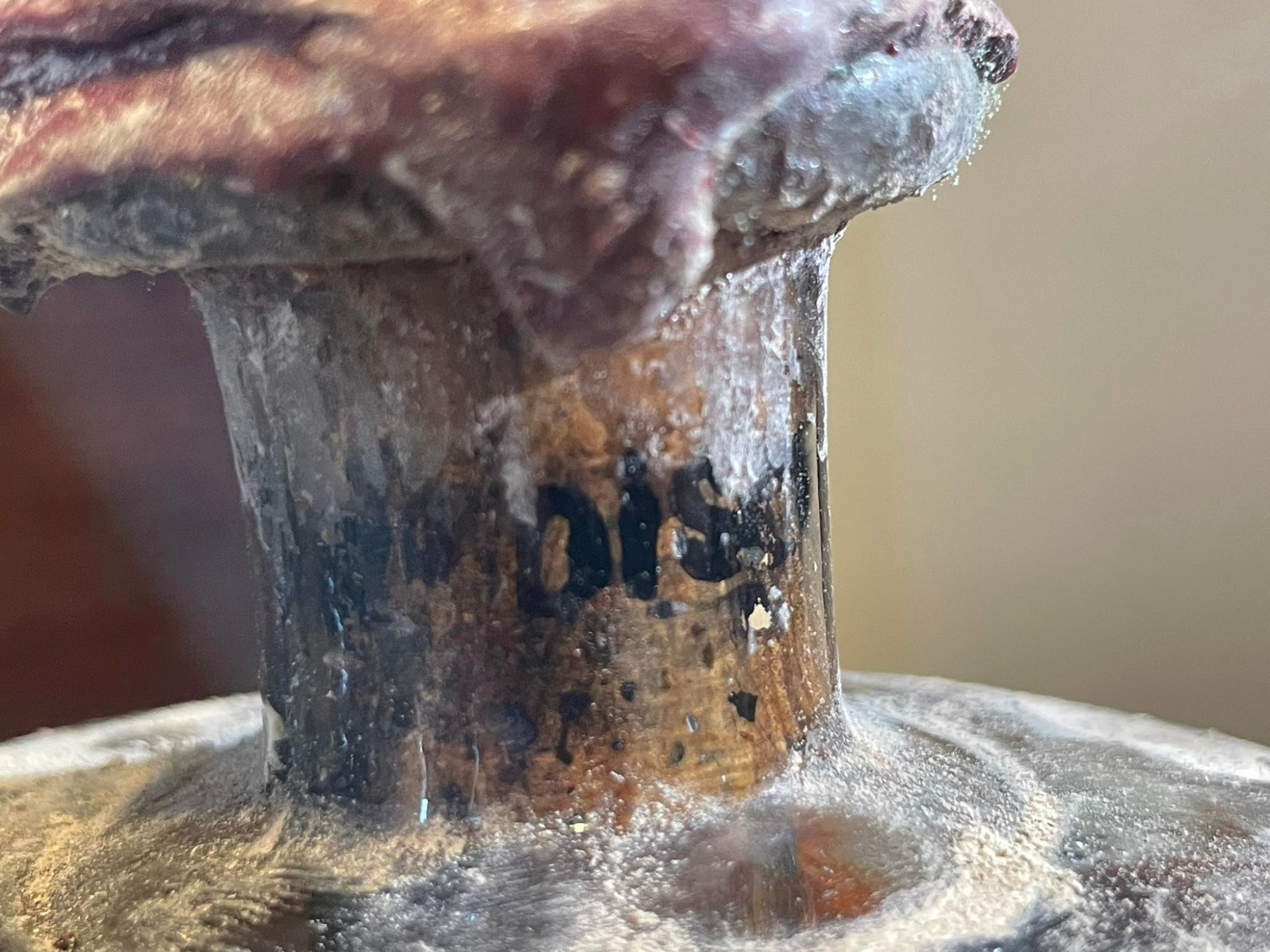
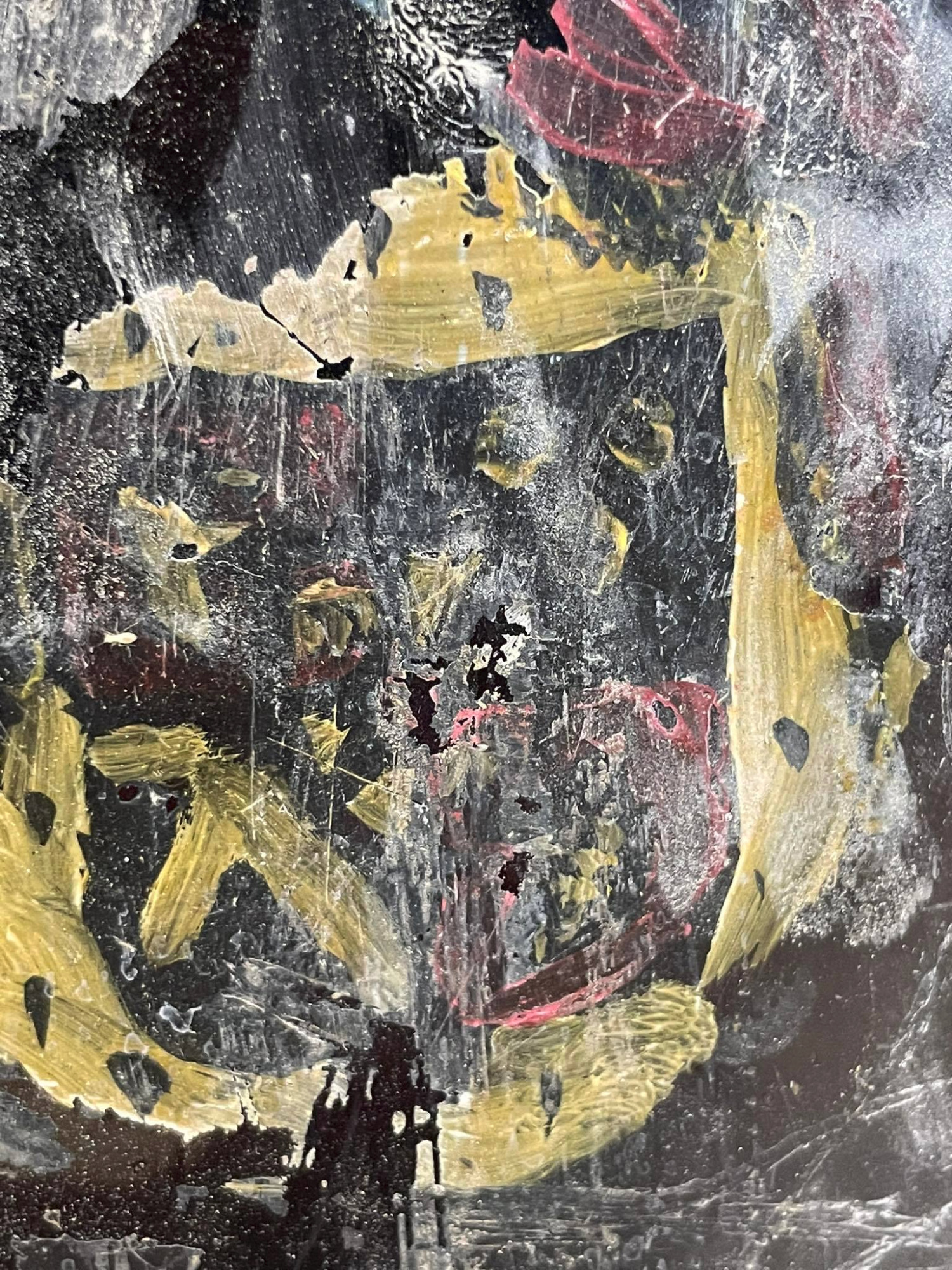
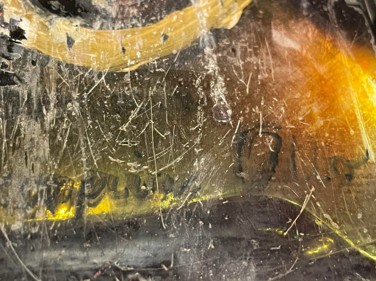
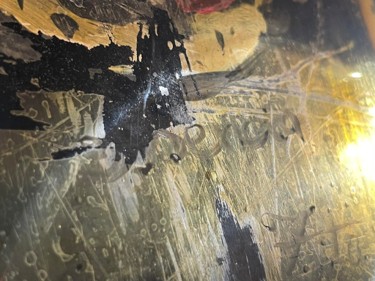
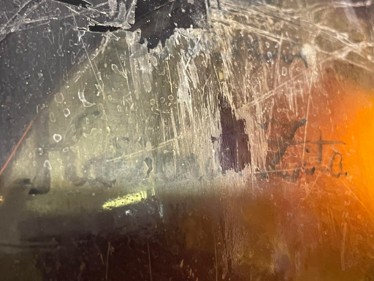
1897 wooden Windischgraetz box with compartments for bottles (pincetok)
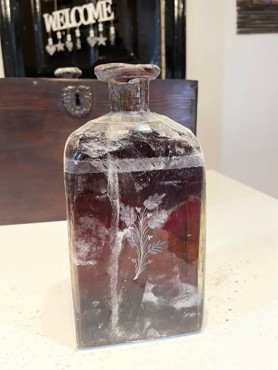
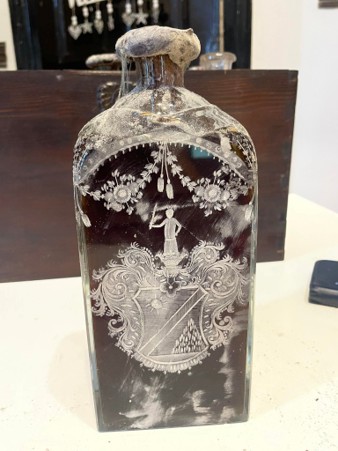
Those wooden boxes are extremely rare objects, especially with full bottles. Vintage of the wines is unknown, no documents. The bottles are painted and/or engraved. Through the glass the letters "WIN" and "DIS" are visible on the cork, suggesting the cork ewas also branded by Windischgraetz.
When turned upside down three of the bottles show engravings that are only legible when the bottle is empty. See the last 4 images in the gallery below. The engravings read:
- empress Zita
- empress Zita essencia
- crown prince Otto essencia
More information about those wooden (pincetok) boxes can be found in Hungarian here.
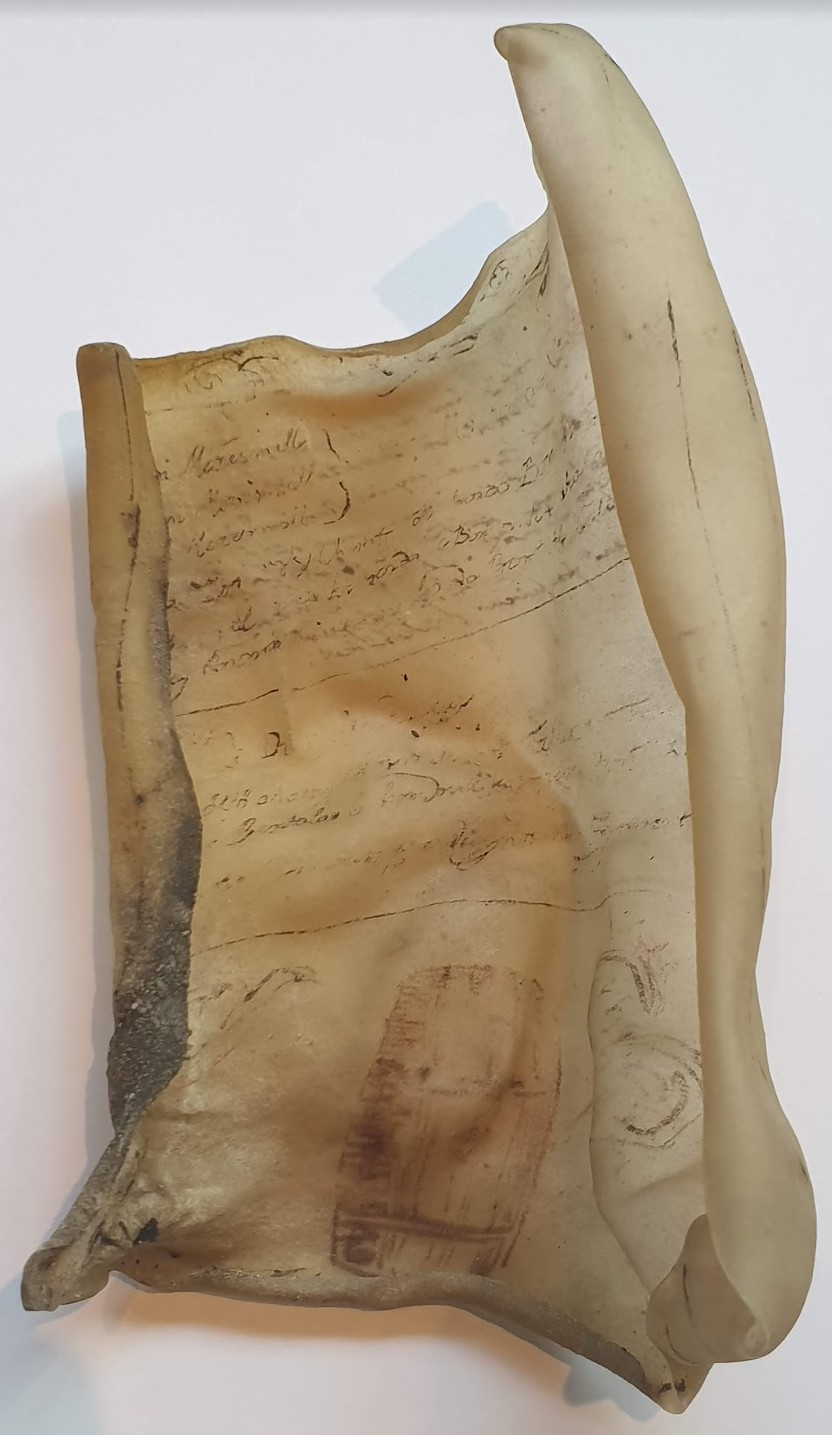
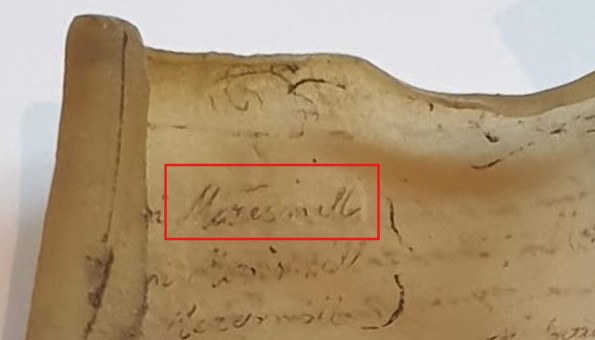
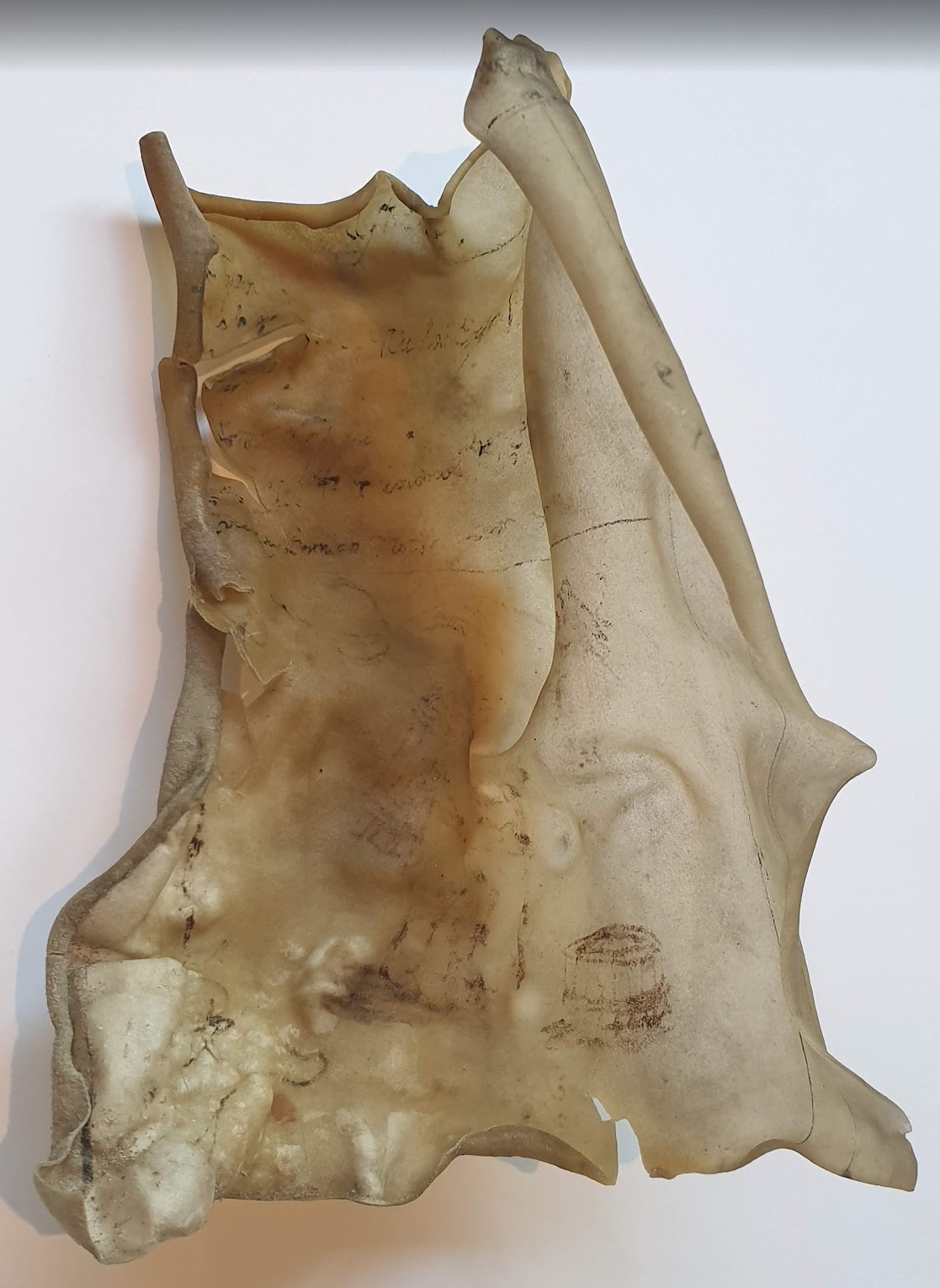
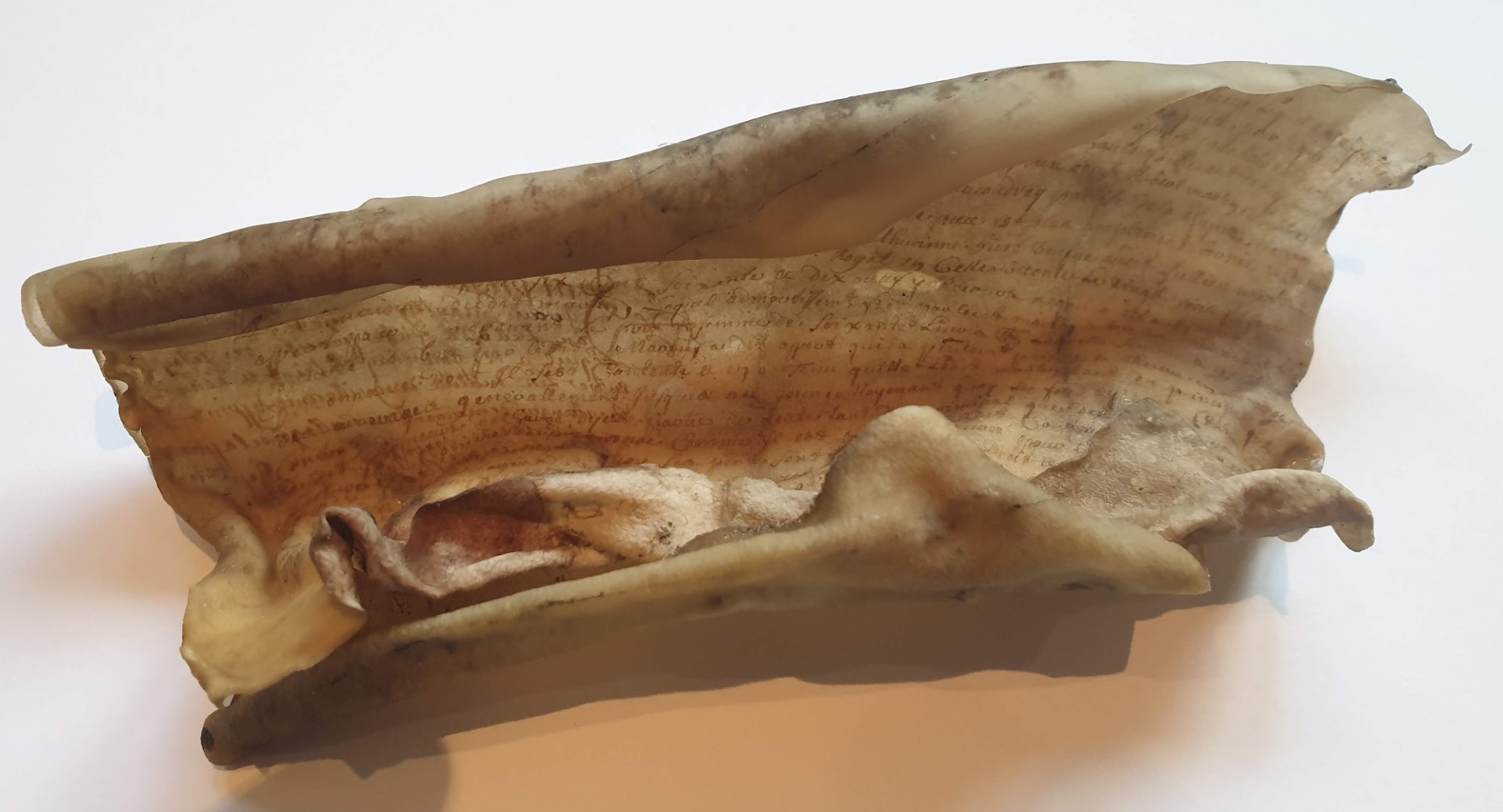
Undated tokaji document made from animal skin
Three document fragments of unknown age, one mentioning Mézesmály, a famous vineyard name that is no longer used. Ongoing research ...

Tokaji Essence Videos
The videos in this section will give an impression on how incredibly dense (old) Tokaji essence can be. The sweetest I ever tasted had more than 920g residual sugar! It had the tendency to become cristalline at typical cellar temperatures..