Interesting Bottles and Collections
The intention behind this page is to present interesting individual old Tokaji bottles or bottle collections. Interesting means that I will try to select exciting bottles that provide new insights instrad of bottles you'd easily find elsewhere.
I'l also reduce the context information about the producer to the minimum for three reasons:
- the history of the producing or trading company is not a focal point of my interest and research
- sometimes the producer is just not known
- Producer background information is not easily available. For unknown reasons the topic of which producers and major wine trading companies were active in the Tokaji region and when has never been exhaustively researched. Historian Krisztián Ungváry who tries to explore that field summarizes the state of affairs as "painfully little has been written about the producers of Tokaj Aszú wines prior to 1945. No independent monograph or specialist study has yet been published on any of the companies in the Tokaj region involved in wine production and sales." This makes it difficult to authenticate and validate old Tokaji bottles but at least it comes with the advantage that hunting very old tokaji bottles is quite exciting as it often leads to bottles unknown before.
Among the hundreds of companies that engaged in making and/or selling Tokaji a few are particularly visible in the field of very old Tokaji. Those names become quickly apparent at auctions or merchants offering older tokaji. The reasons behind the presence of a dozen common names are quite obvious: they include factors like quality and quantity of vineyards and wines, size of the company, brand name, market access, company lifetime and export capabilities. This page includes both, a number of well-known producer names, as well as names of producers that you have most probably never seen or heard.
Aristocracy is prominently represented in the list of producers, a consequence of the fact that owning a winery in a prestiguous wine region has always been a tradition and priority of nobility, not only in Hungary. For reasons that are linked to Hungarian history we do not only find Hungarian nobility in Tokaji, but also Austrian and German names. There is no sharp distinction between producers and trading houses as many producers did engage in some trading and vice versa.
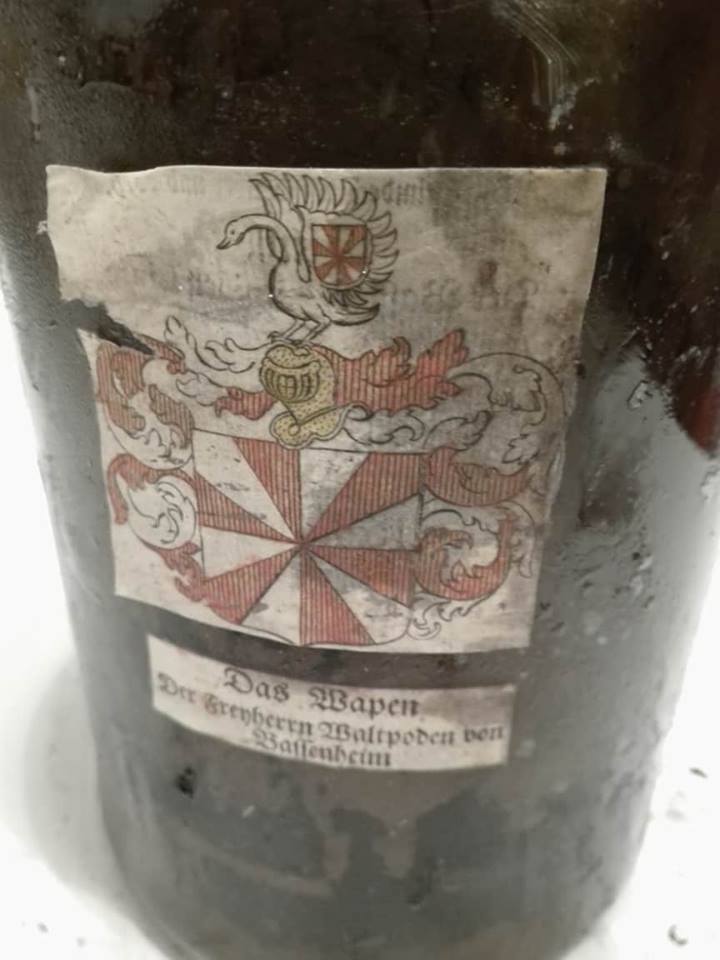
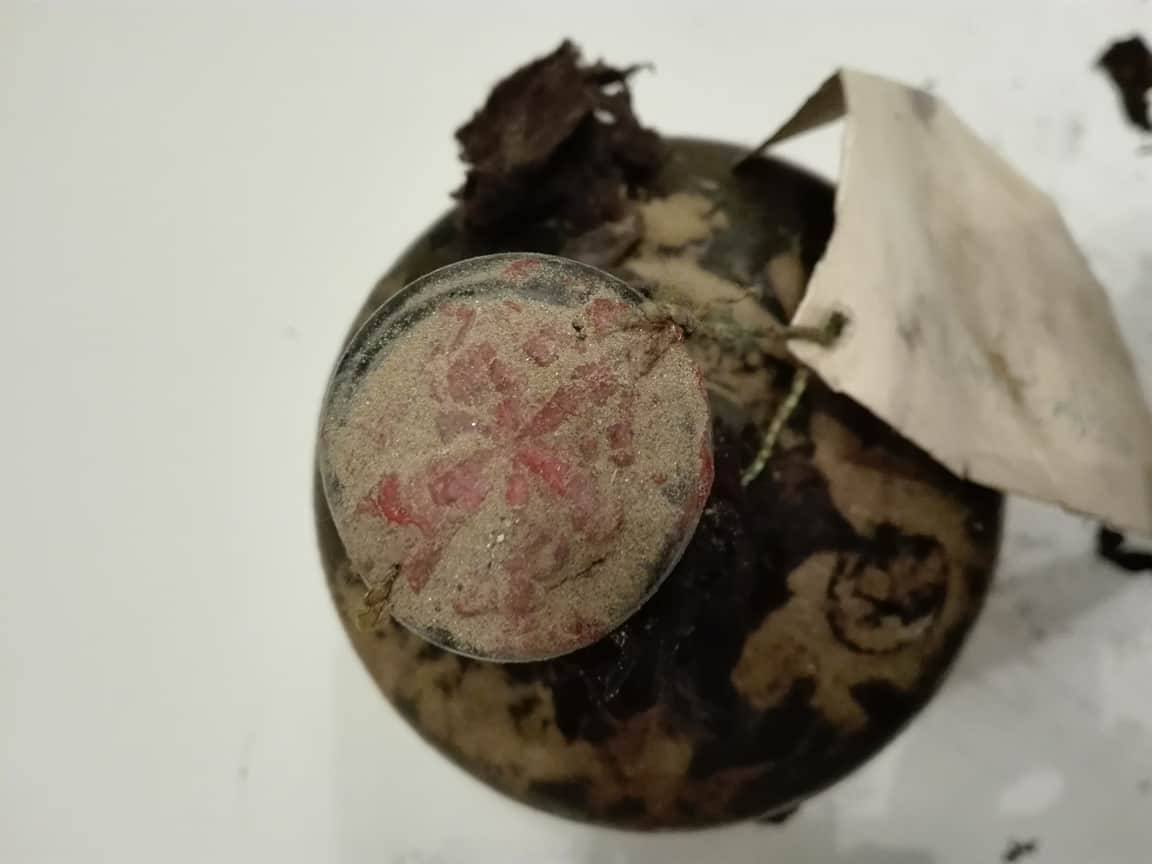
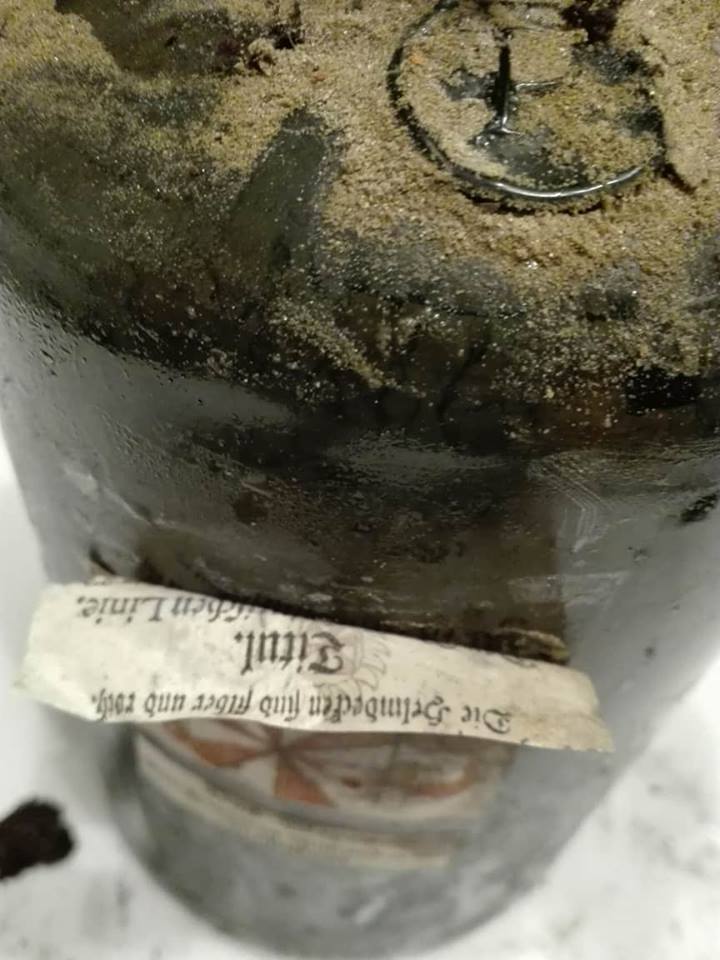
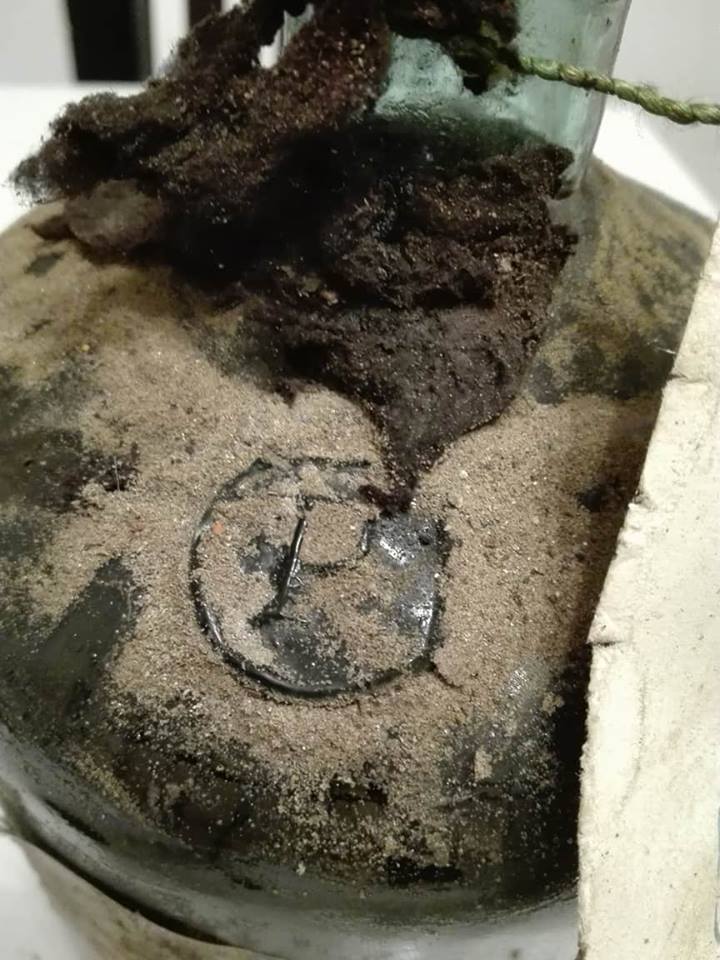
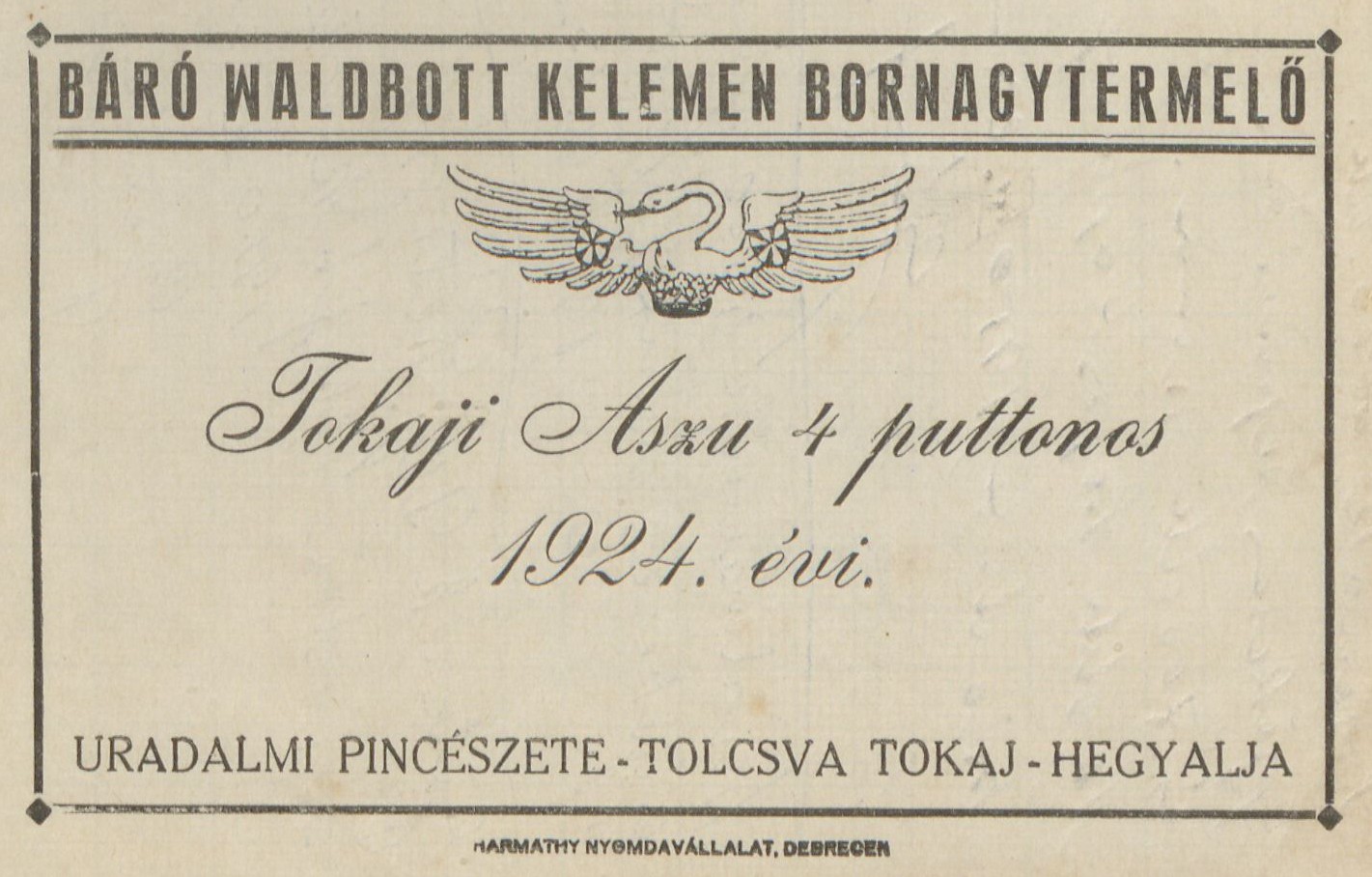
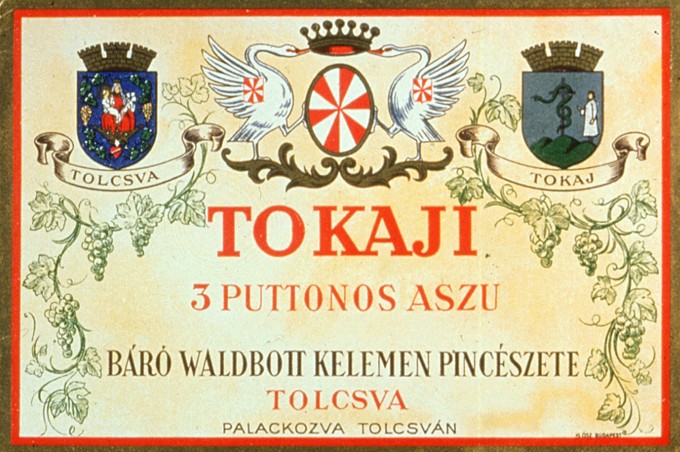
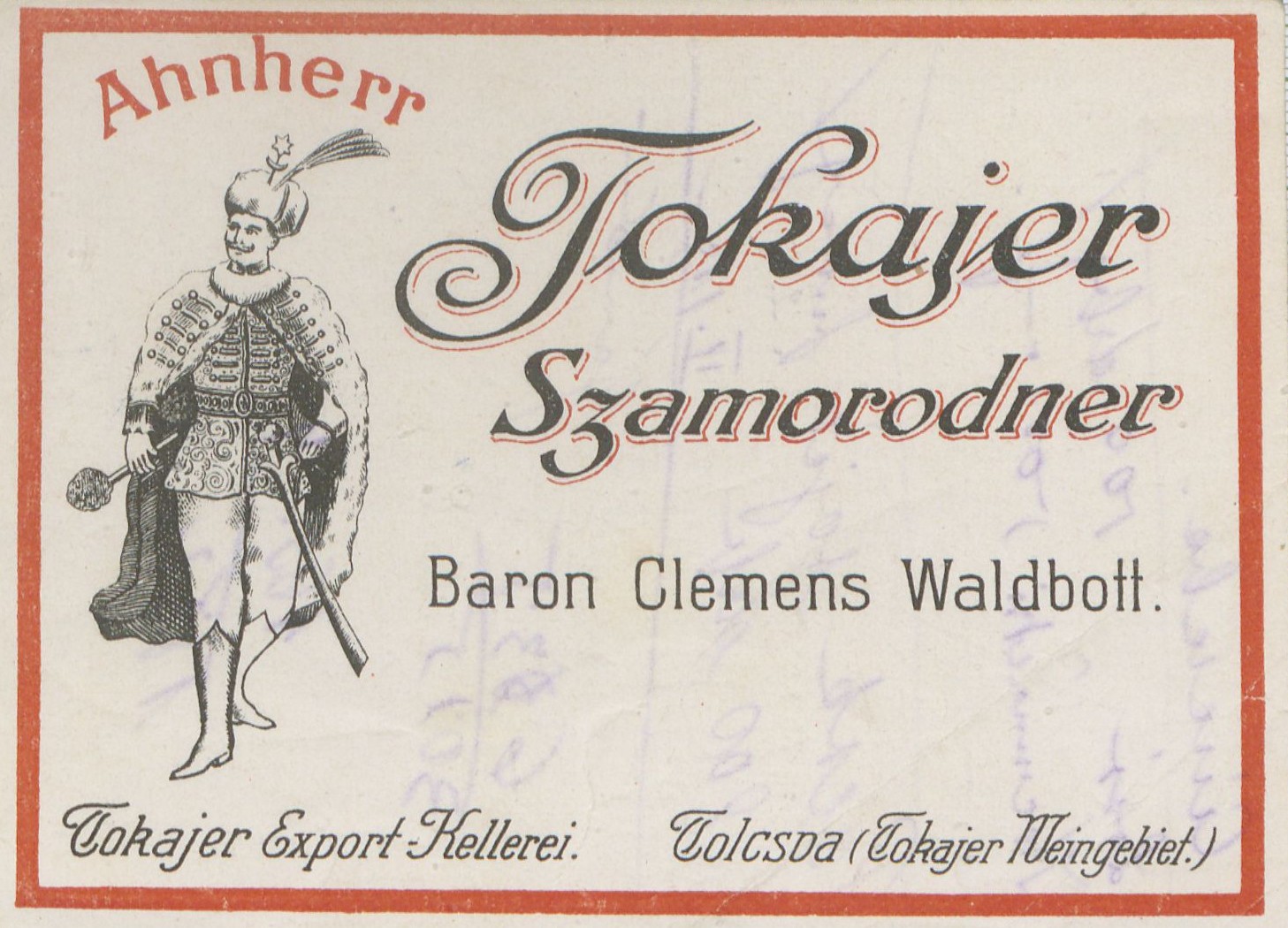
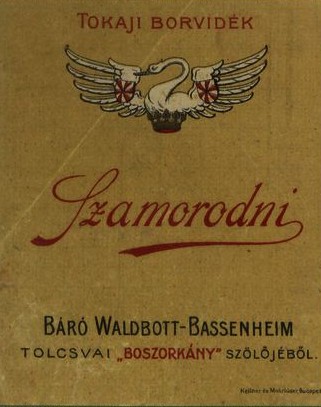
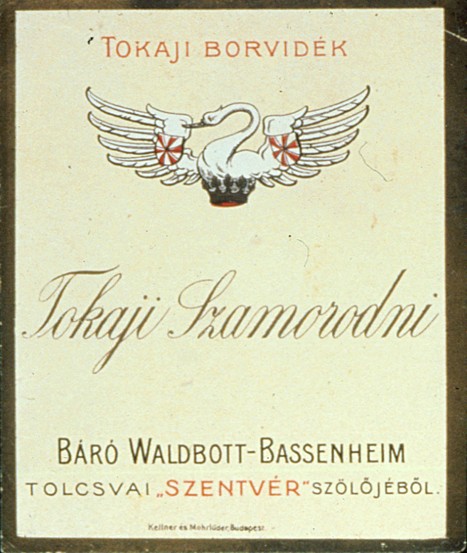
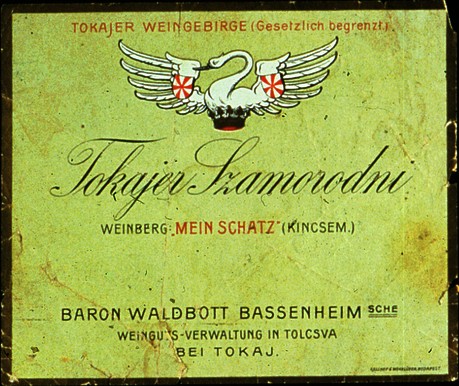
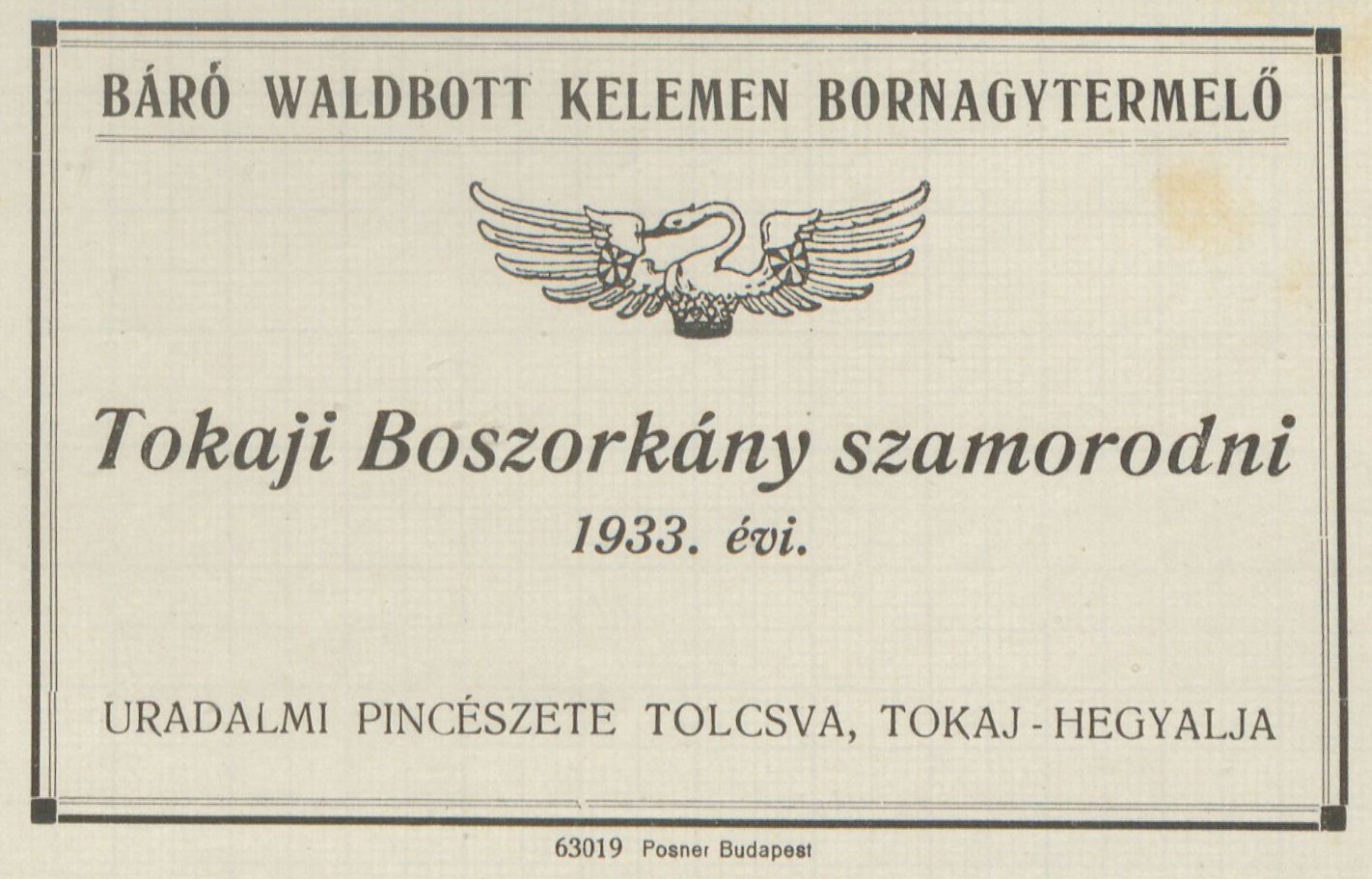
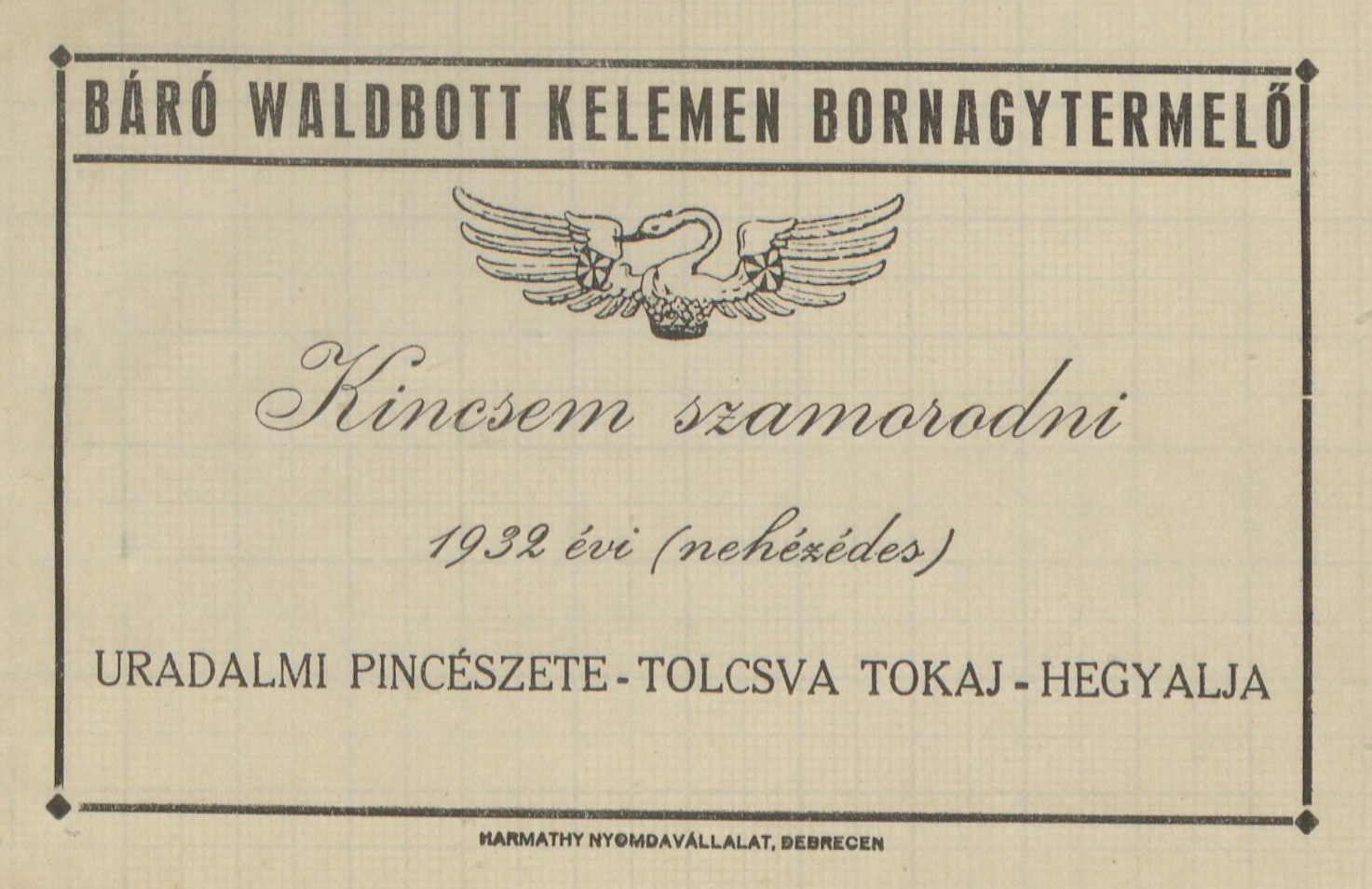
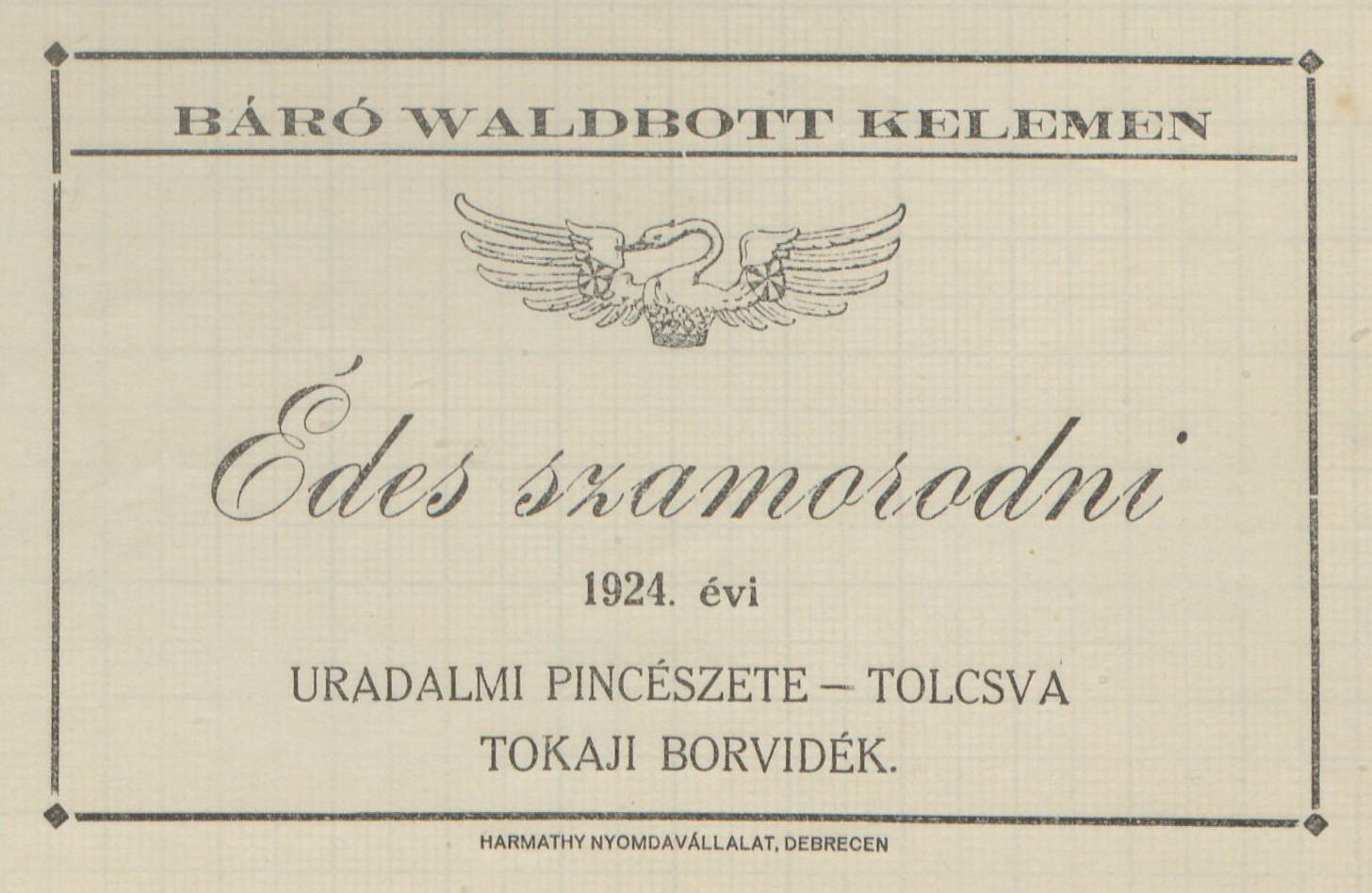
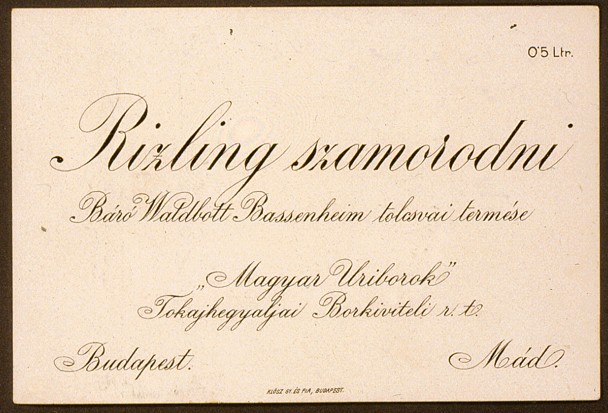
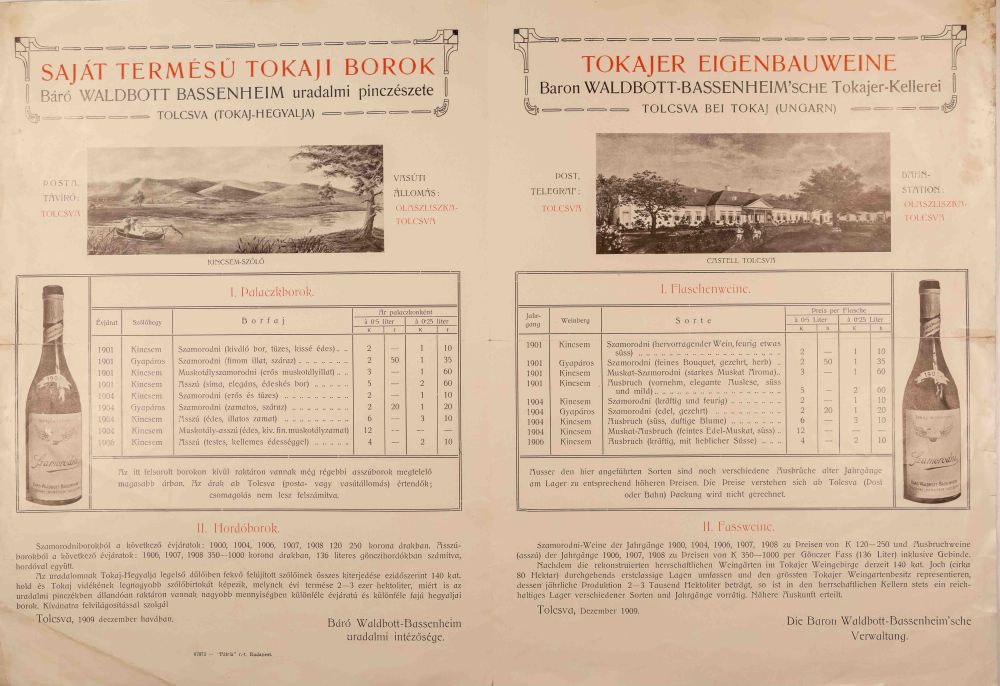
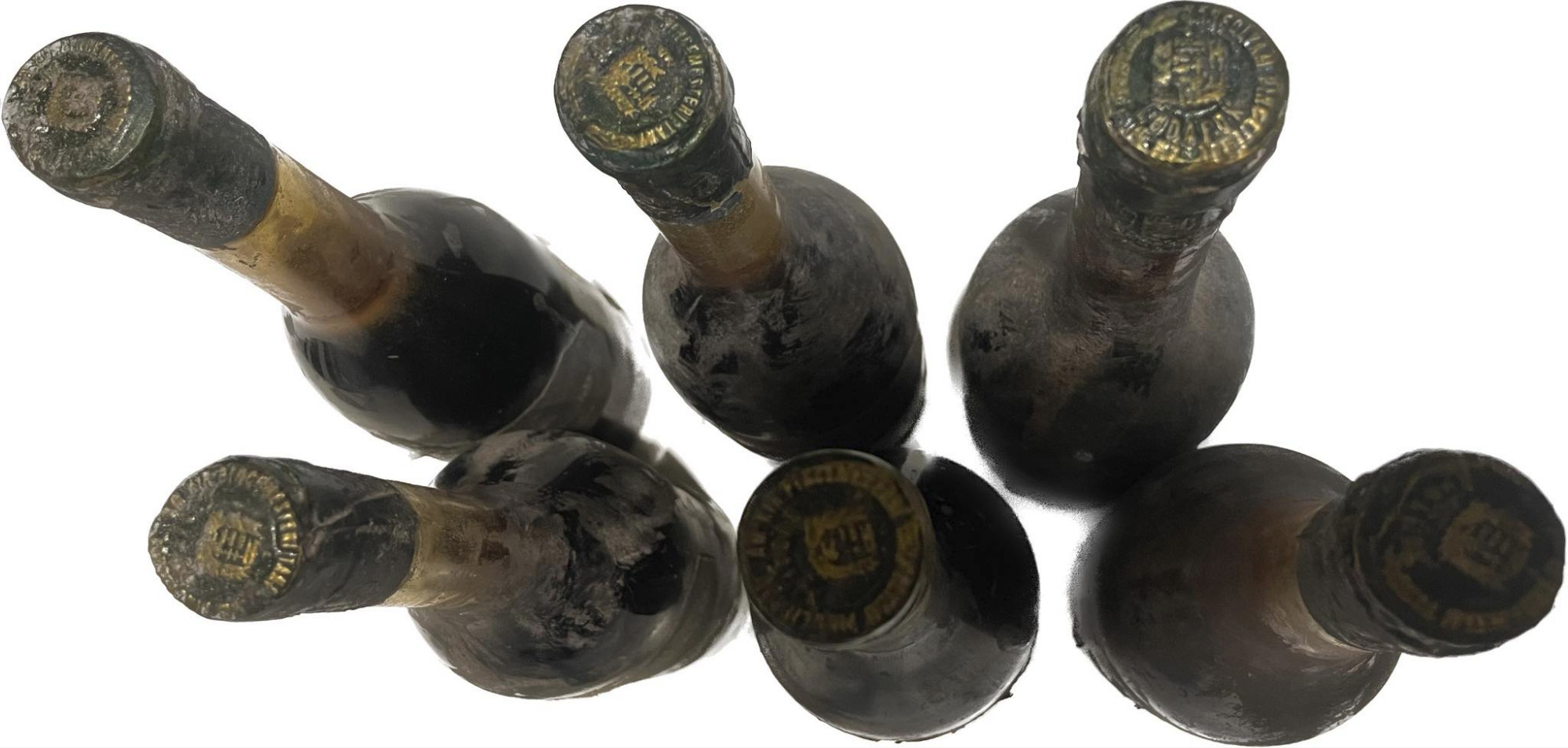
1883 Waldbott bottle
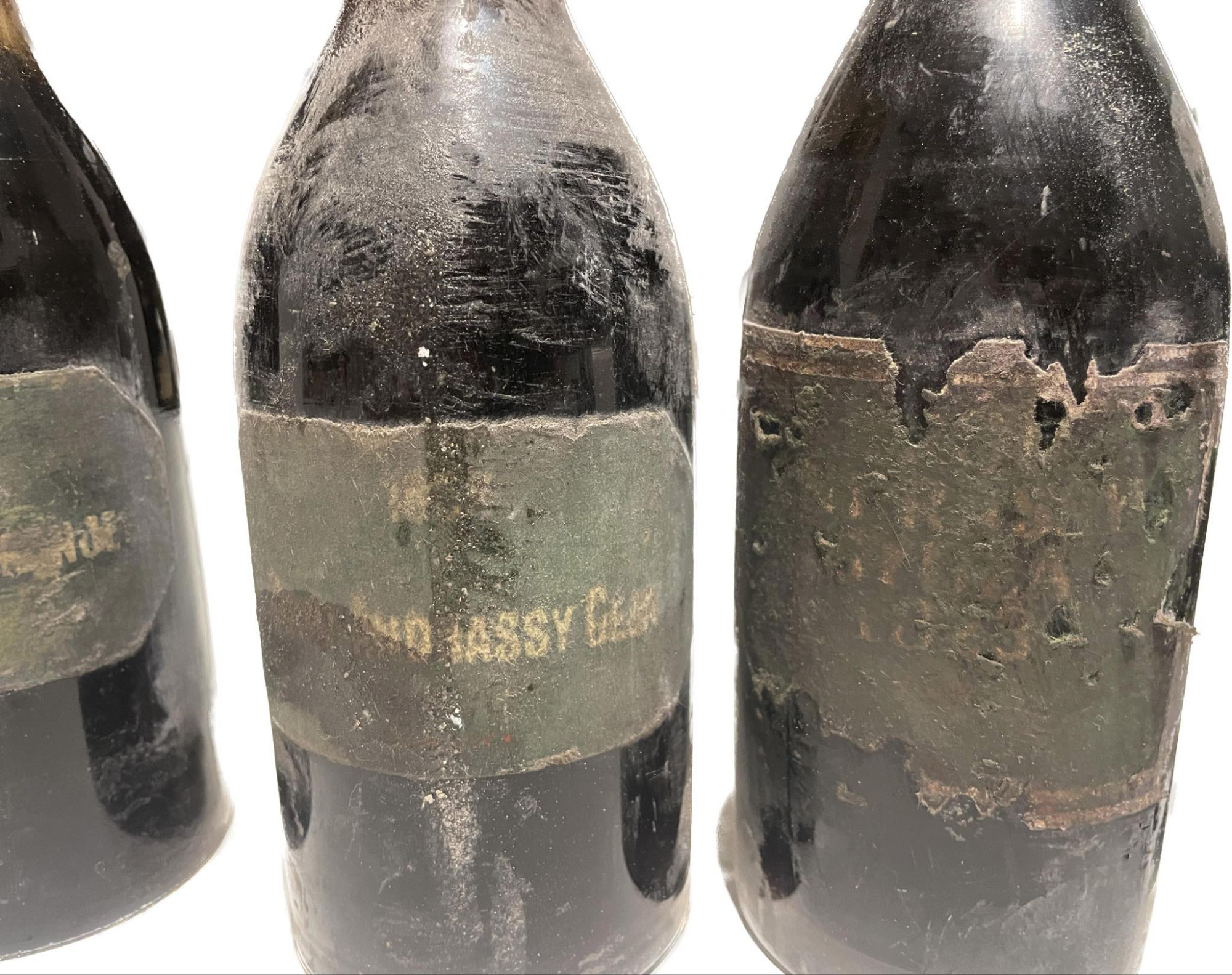
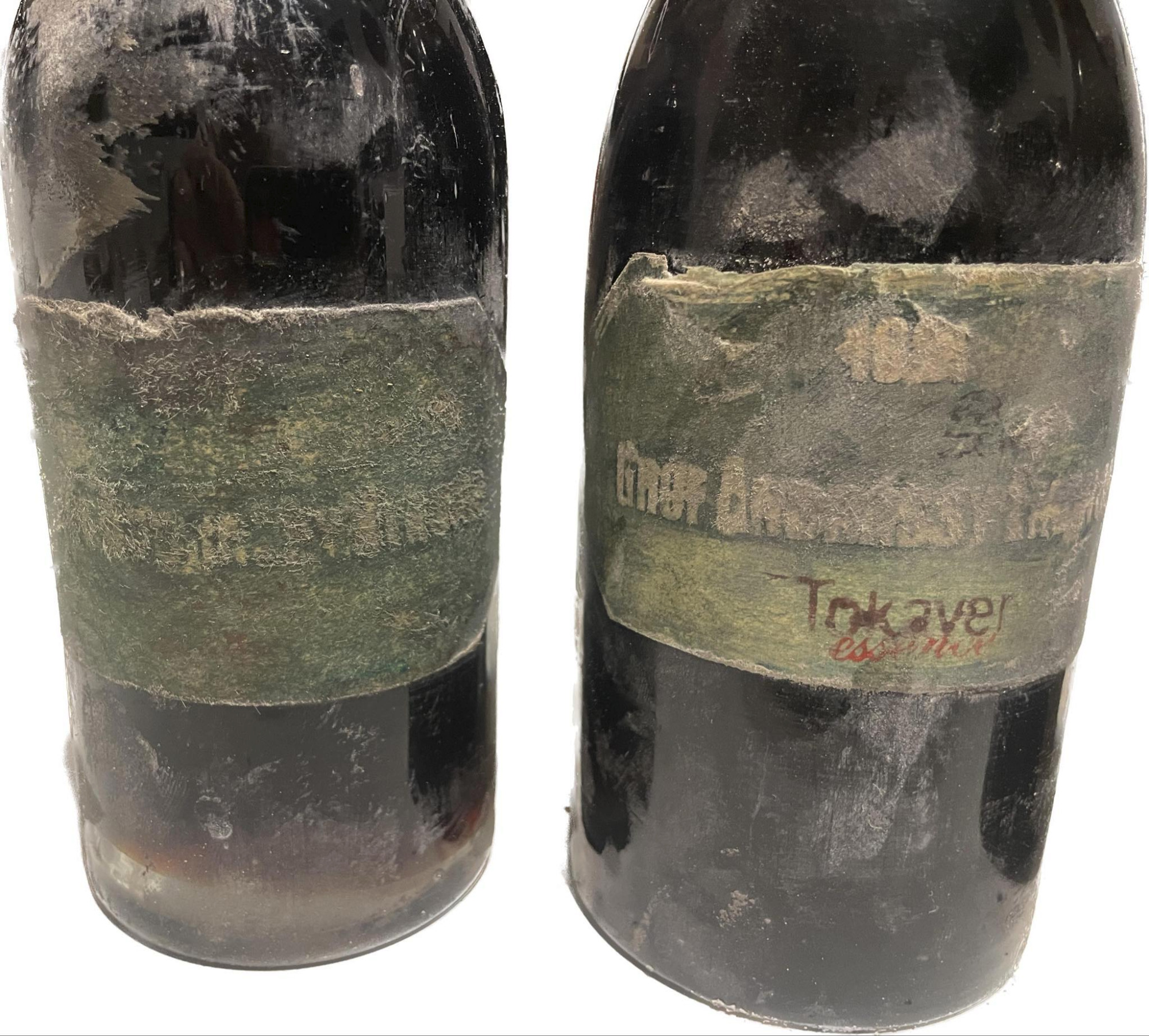
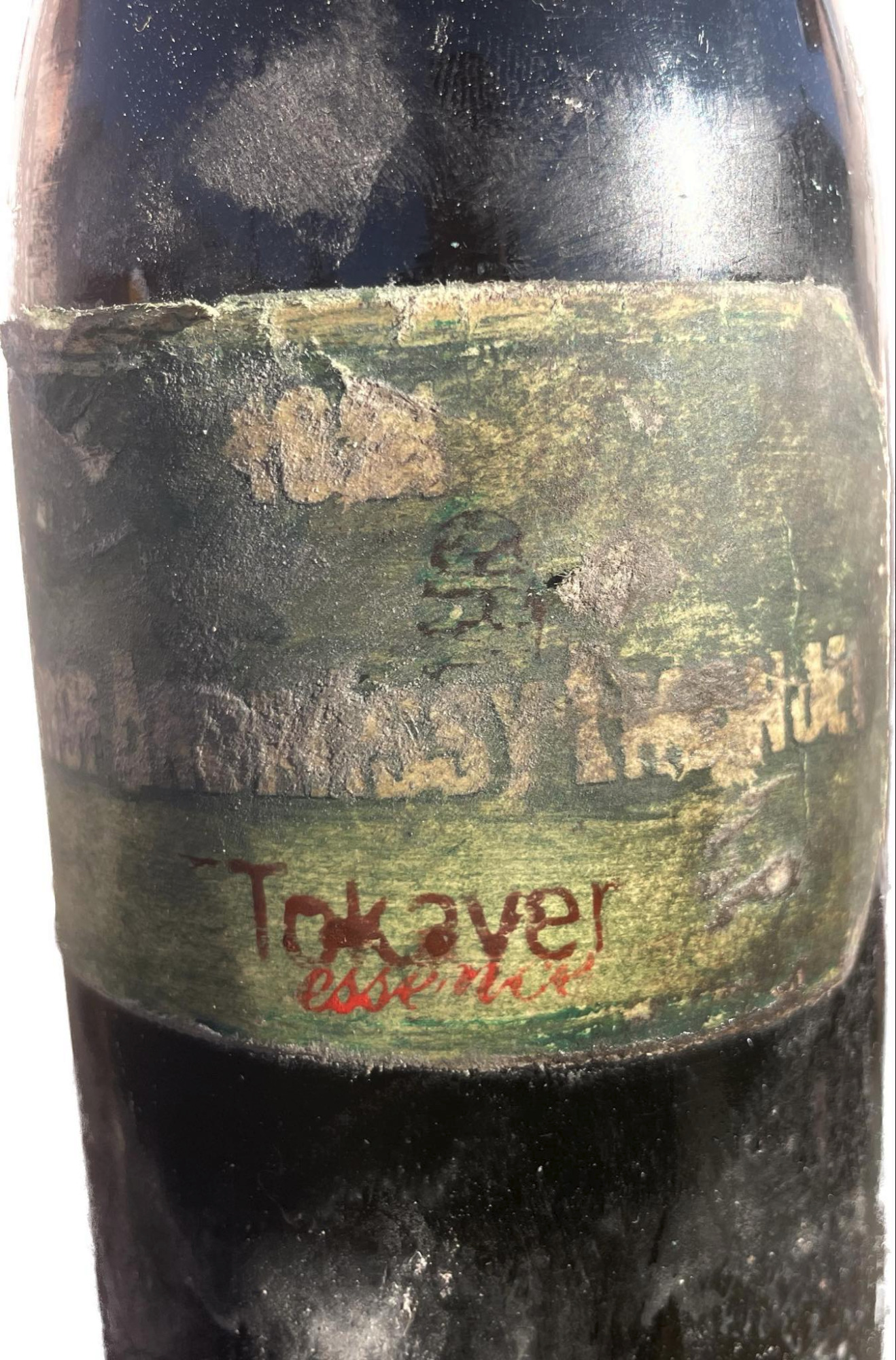
Despite the fact that Waldbott of German origin was one of the largest producers, bottles are so rare that even authenticating them is close to impossible. The images show an 1883 bottle, the oldest of the few existing Waldbott bottles I am aware of.
Interesting the german text below the label referring to "Waldpoden von Bassenheim".
The large number of labels gives an impression on how substantial the production was including labes in German for export markets. As can bee seen Waldbott was a pioneer in producing and marketing vineyard selections (Kincsem, Szentvér, Boszorkány).
Waldbott seems to be the only prodiuver to use the "nehézédes" (heavy sweet") category.
The last label image refers to a real rarity: a szamorodni made from Riesling.
1929 Hétszőlő bottle
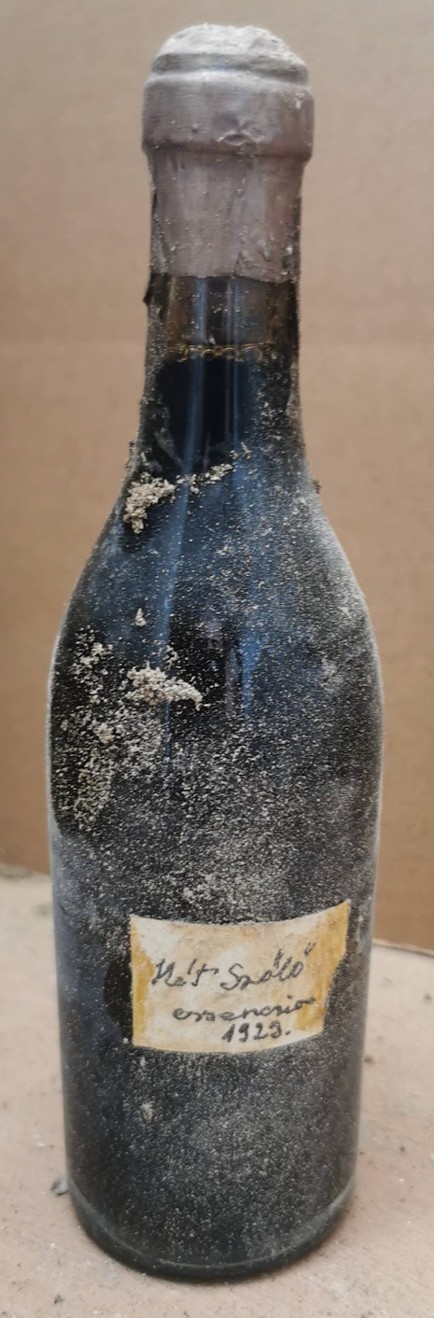
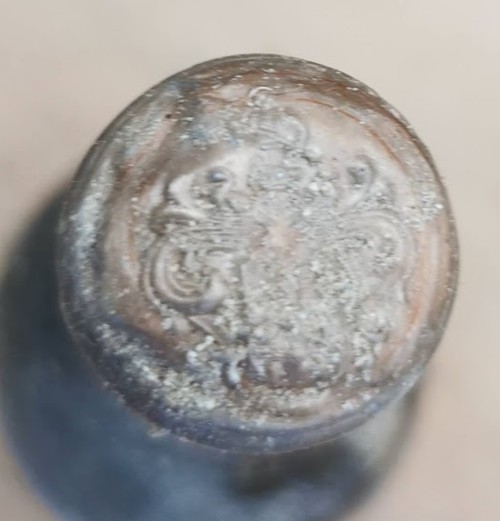
A relatively young bottle but still the oldest one I am aware of. Hétszőlő means 7-vineyards and is the oldest winery in the Tokaj region (founded 1502). It is located at the southern slopes of the Tokaj hill making it the southernmost point of the wine region. Within the Tokaji vienard classifications Hétszőlő always belonged to highest category. It was also owned by the Habsburg court. Hétszőlő is one of the very few Tokaji wineries whose history has been well documented. Its foundation is linked to the Garai family, and a Garai contract is the oldest document to contain the word "aszú'". You can find a 1690 Garai bottle on the highlights page.
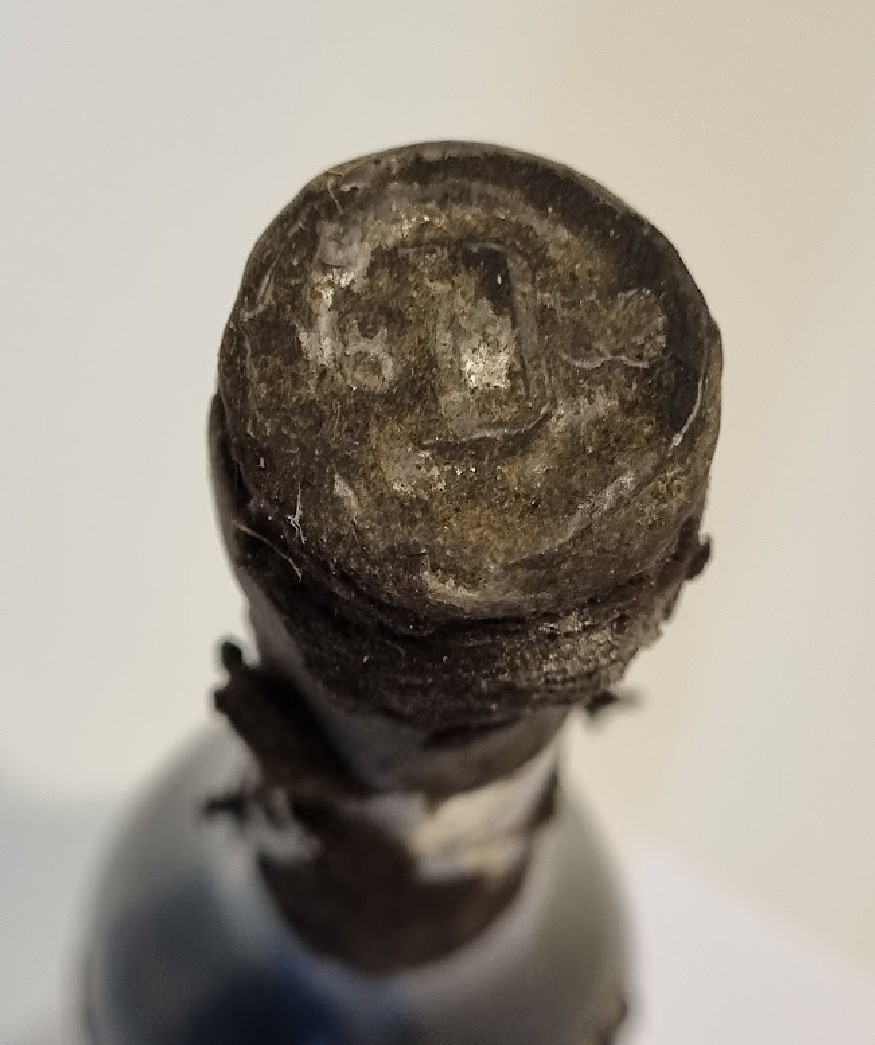
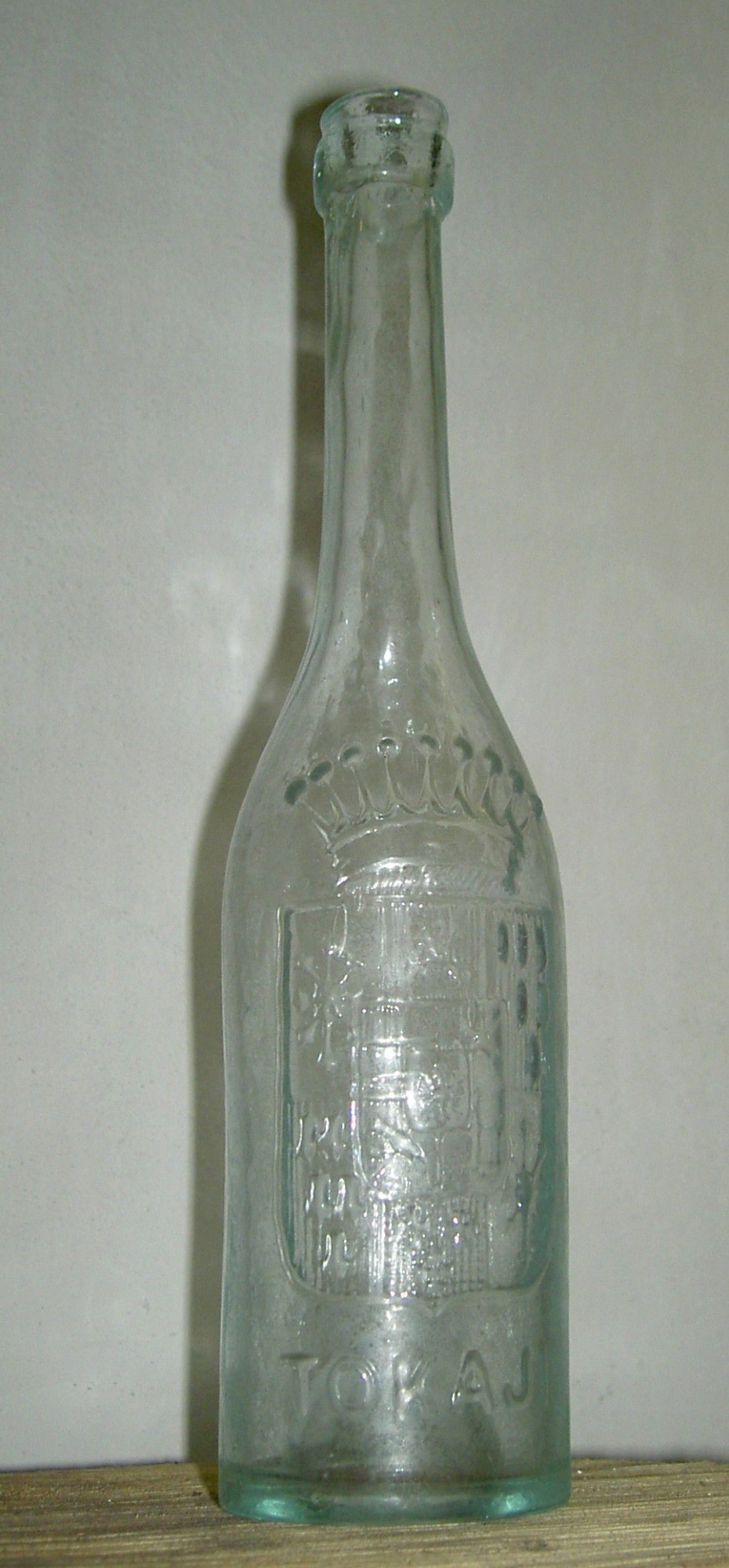
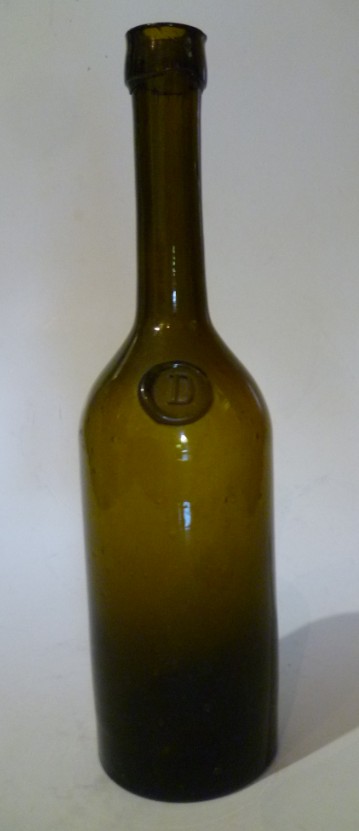
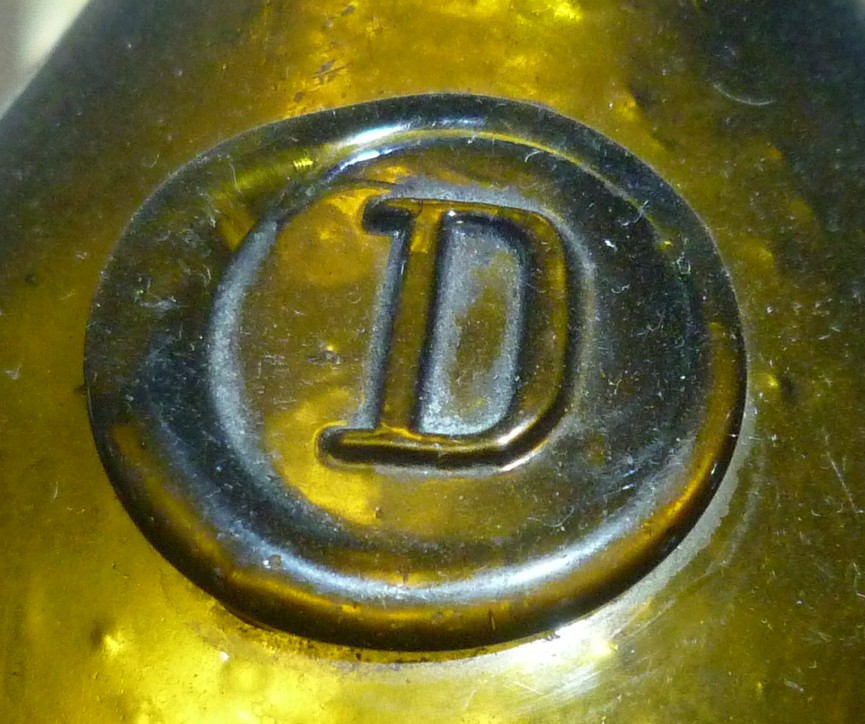
1859 Degenfeld Essencia
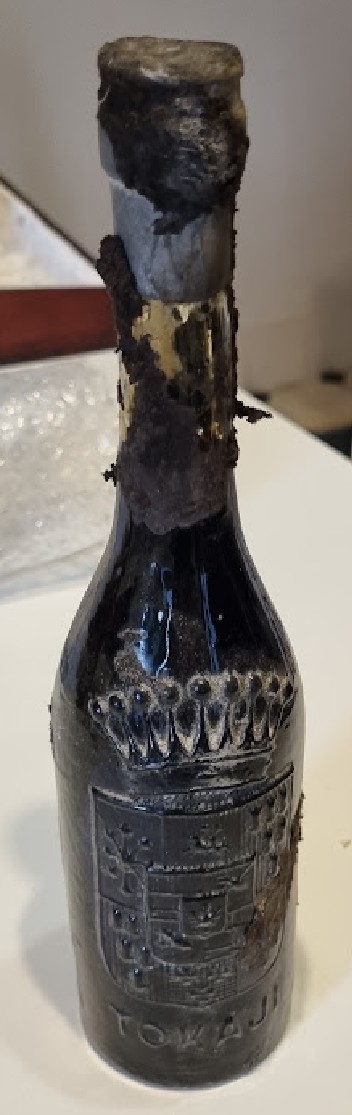
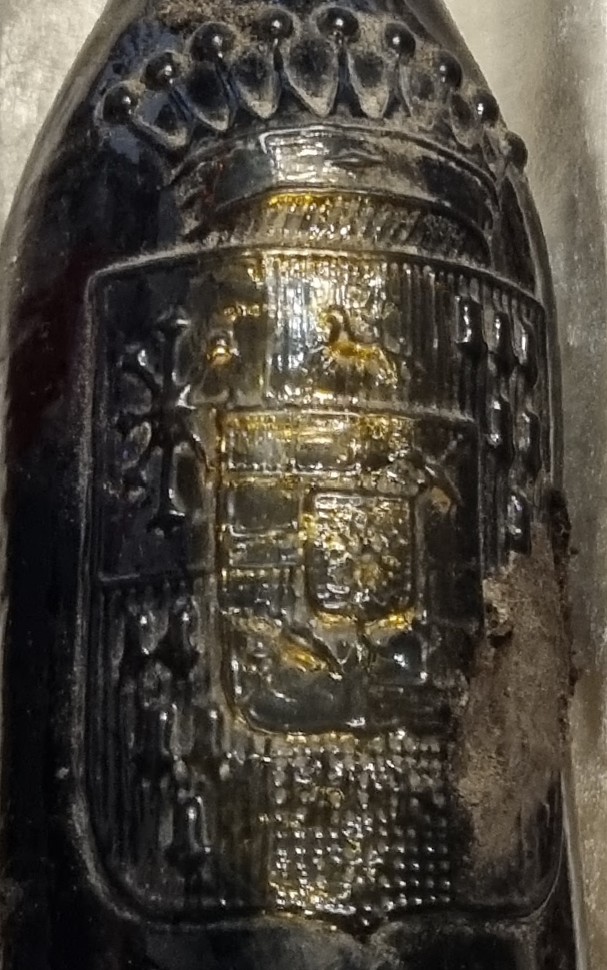
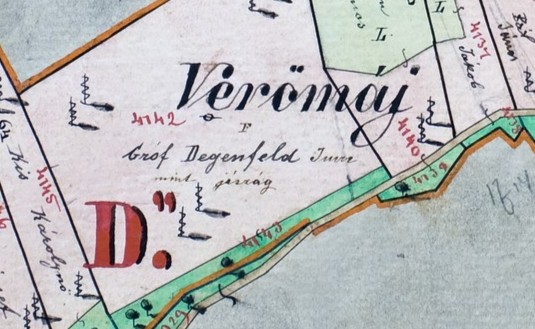
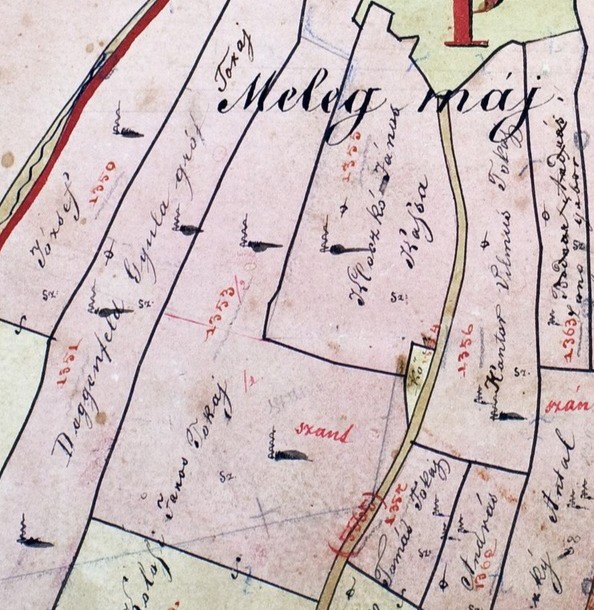
The only known full bottle of this producer that started in the 1850-ies. The big glass seal of the white bottle and the "D" on the green make this producer easily recognizable.
The winery was resarted in Tarcal by the Degenfeld family after the collapse of the Iron Curtain.
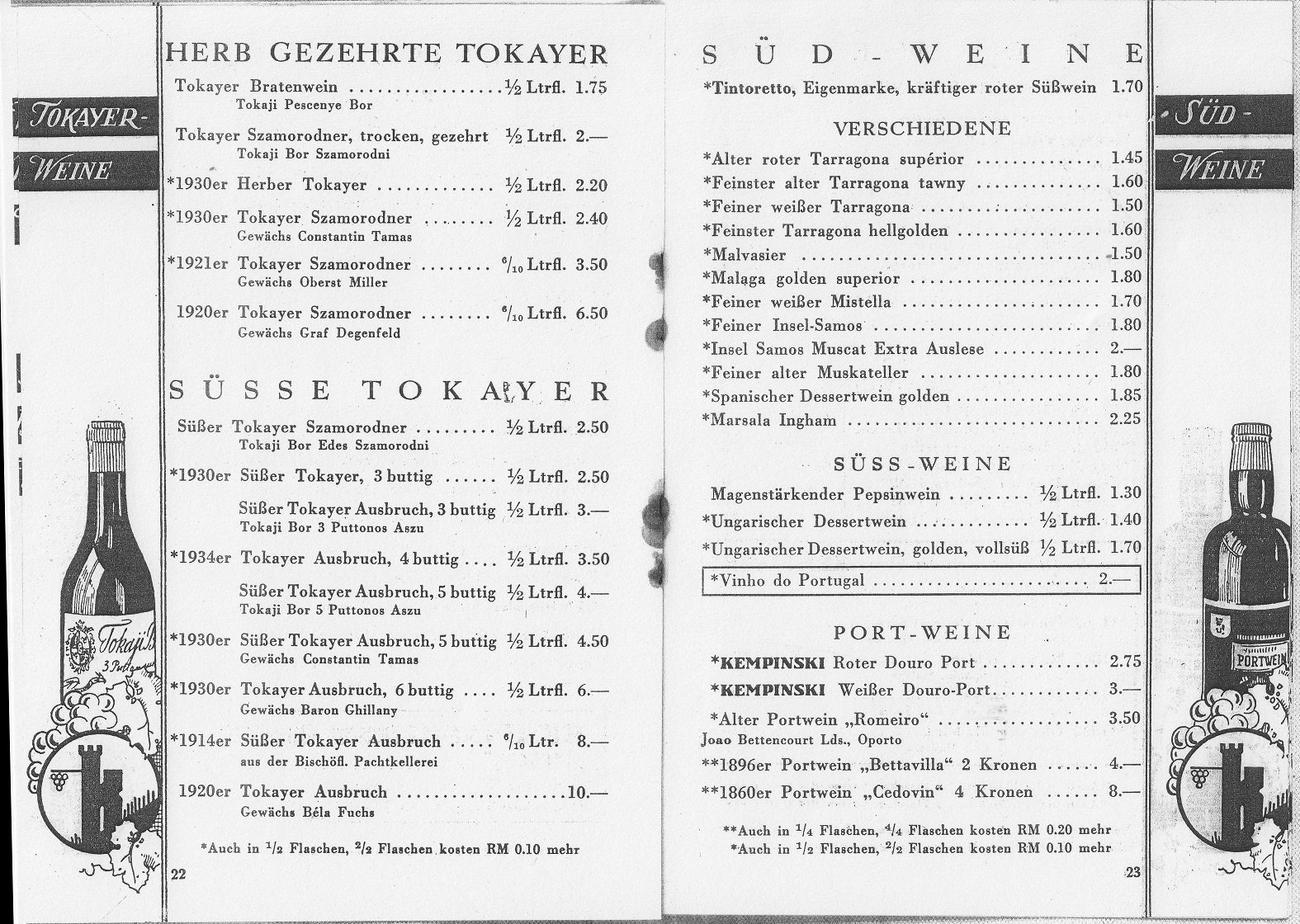
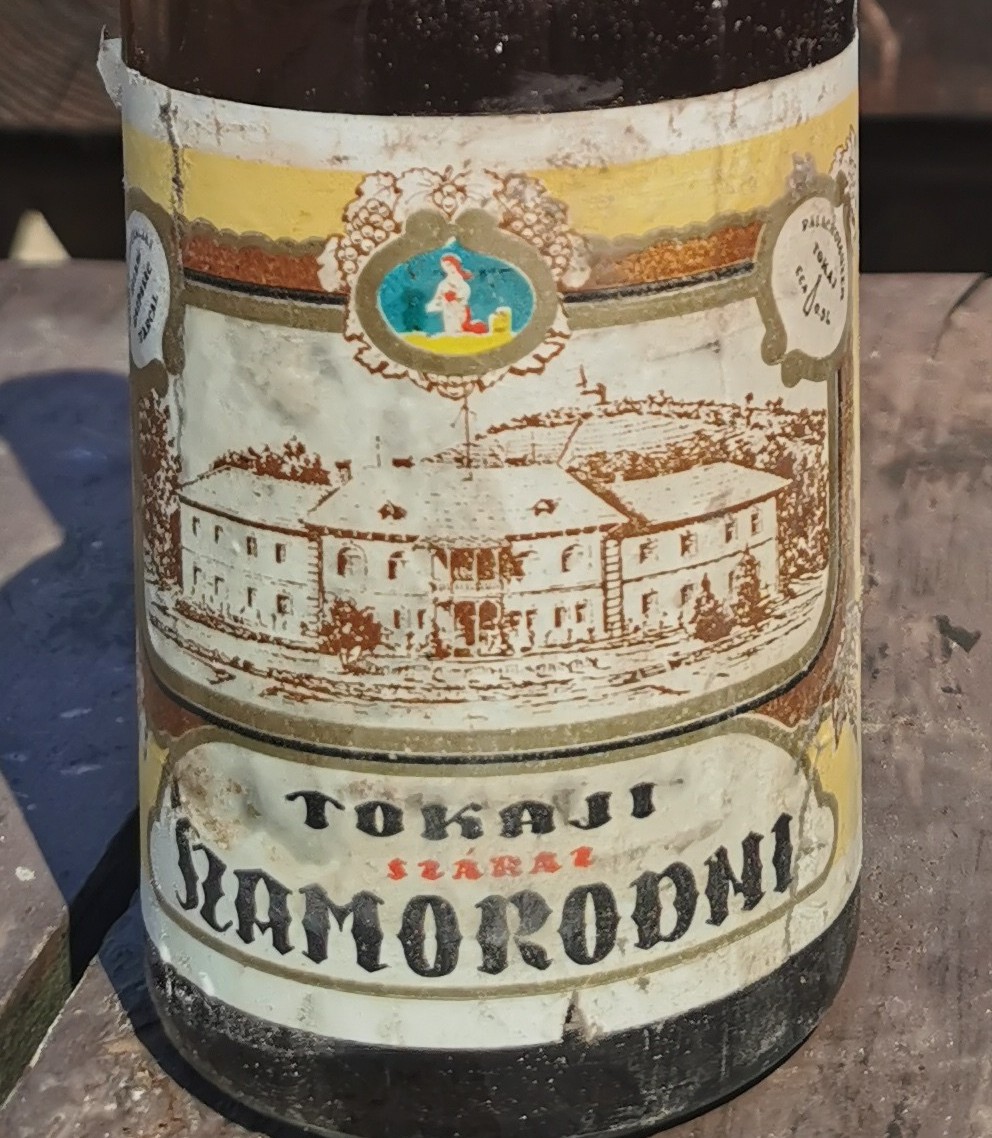
The iconic Teresia chapel is part of this beautiful château style winery and hotel. The hotel building used to be a winemaker school, and is pictured on a szamorodni label of 1956. The Kempinski price list featuring Degenfeld Szamorodni is from 1937.
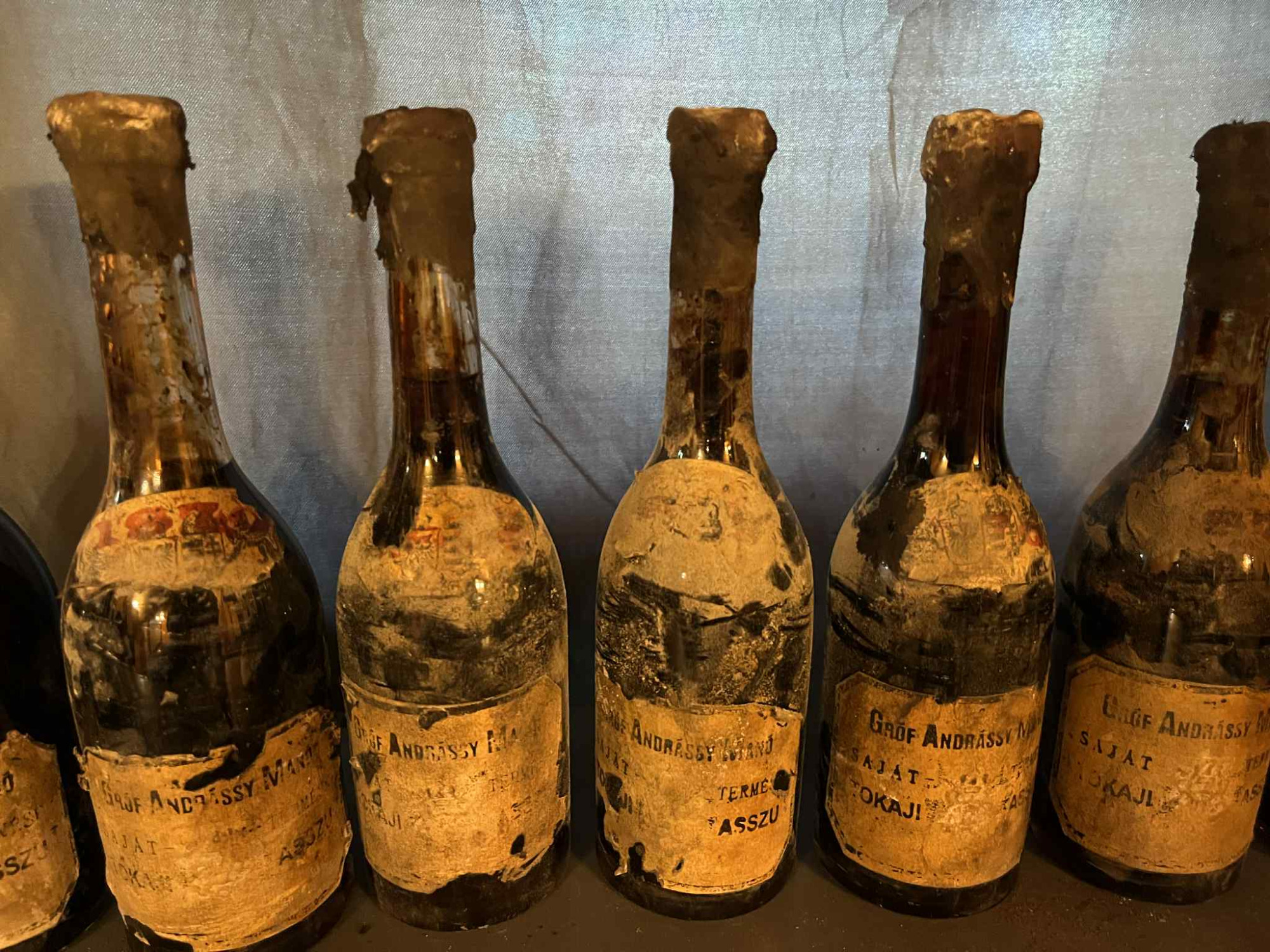
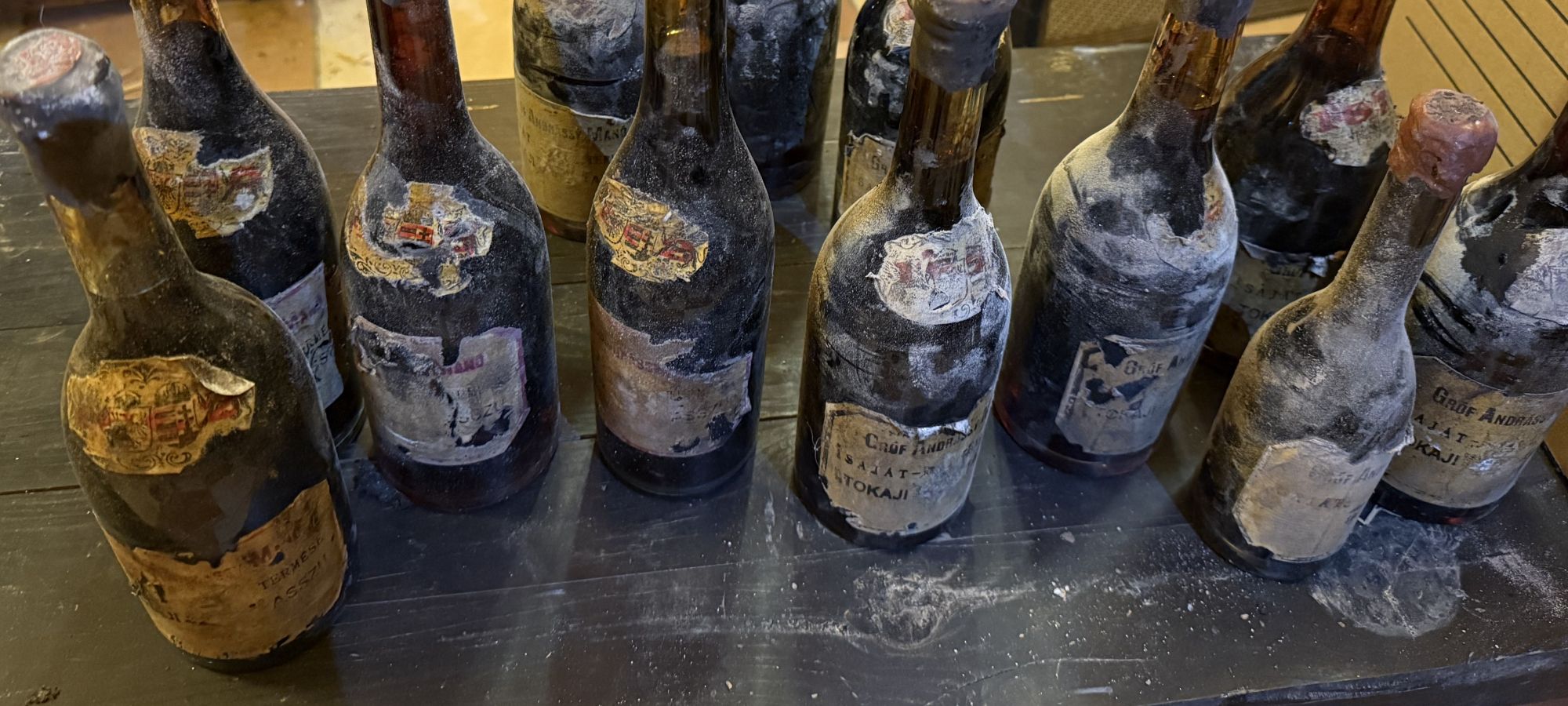
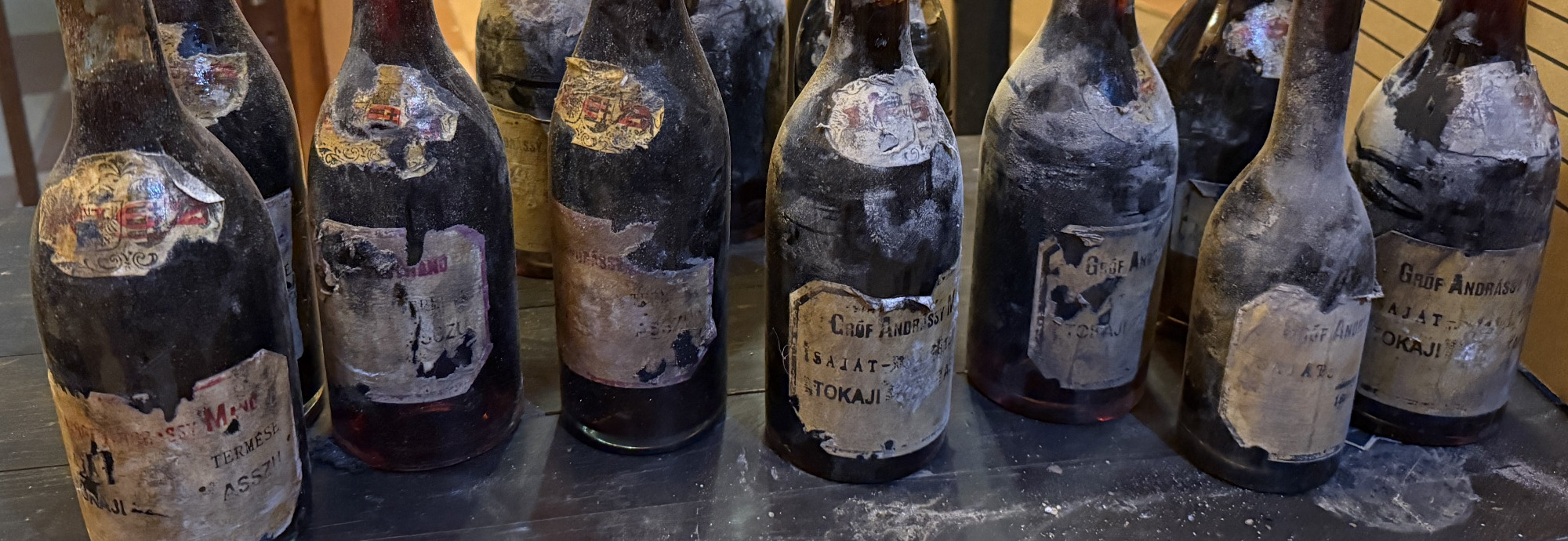
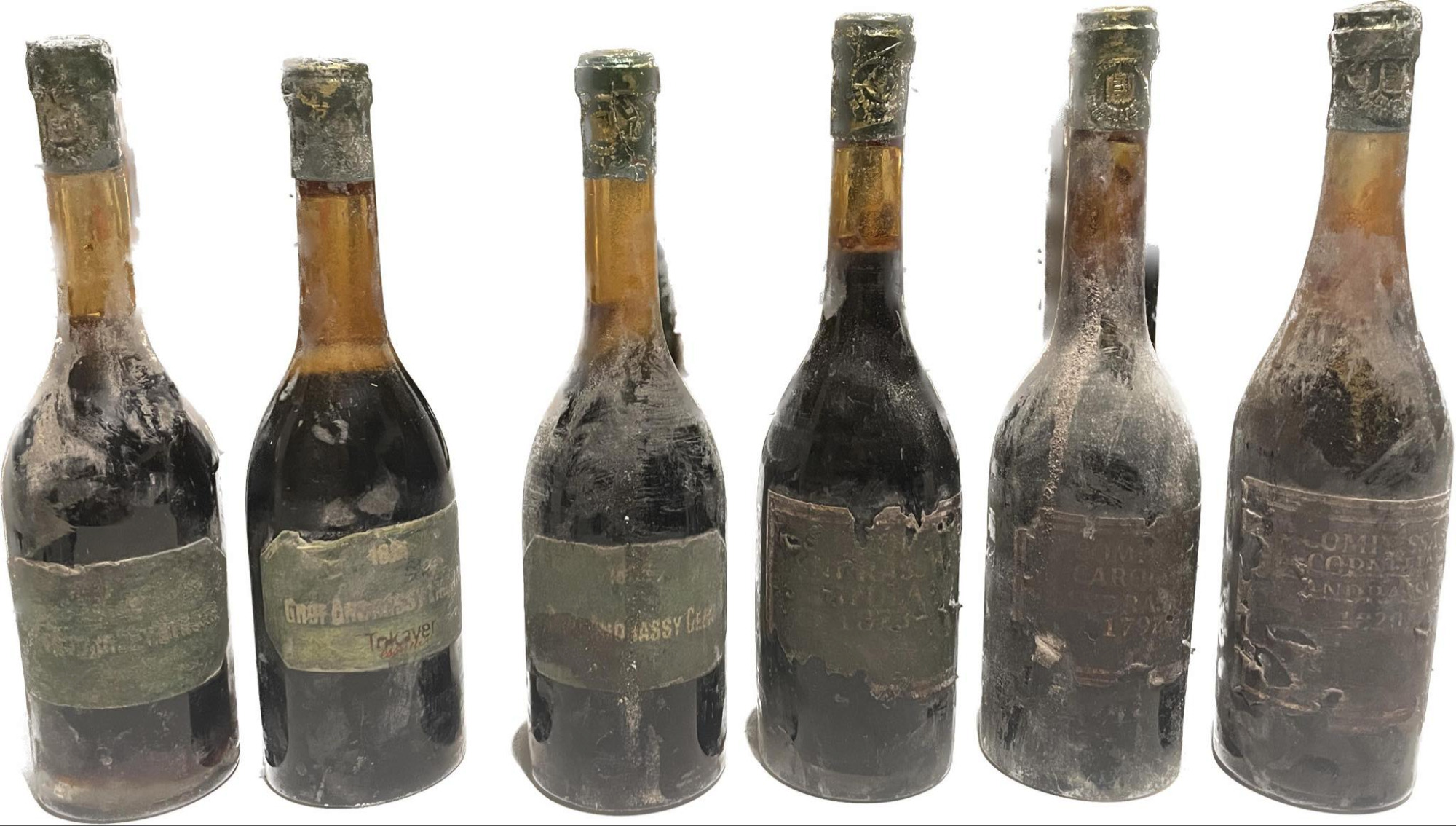
Andrássy bottles and documents
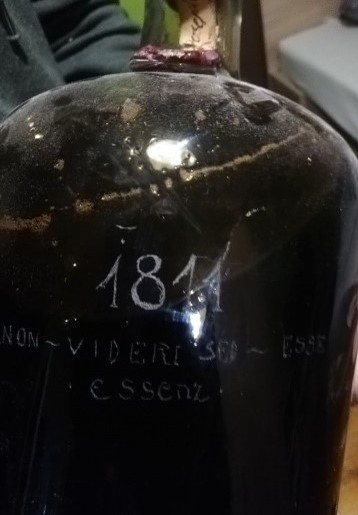
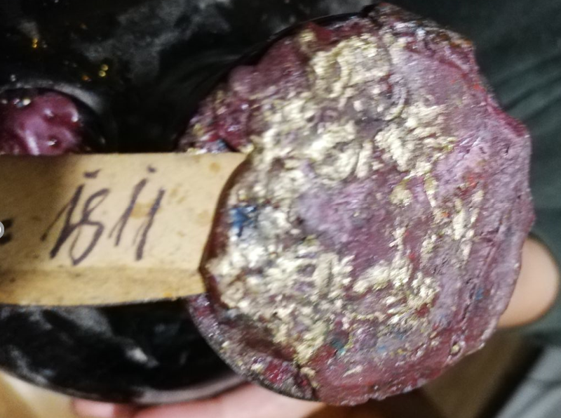
Amazing collections and bottles dating including extensive documentations. On the Highlights page you'll find the oldest of all Andrássy bottles, vintage 1792.
1883 and 1896 Tokaji Bottles from the Sárospatak Reformed College
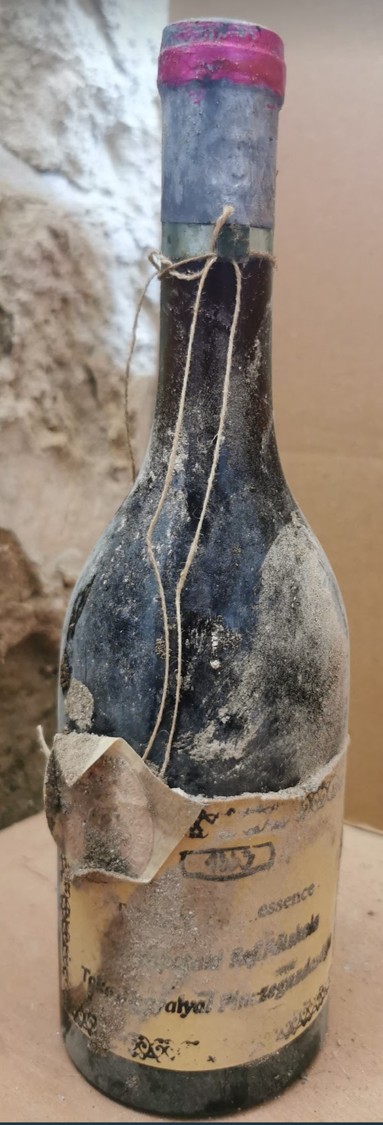
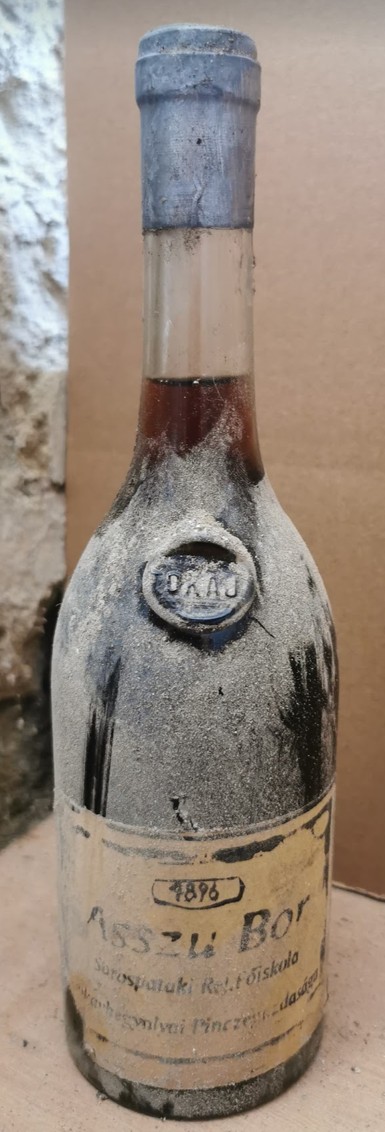
The Reformed College of Sárospatak, founded in 1531 owned vineyards and also produced Tokaji wine. Bottles of the College are extremyl rare, only 11 bottles are known in total, the oldest one from 1883. The images show an 1883 Essencia and an 1896 Aszú.
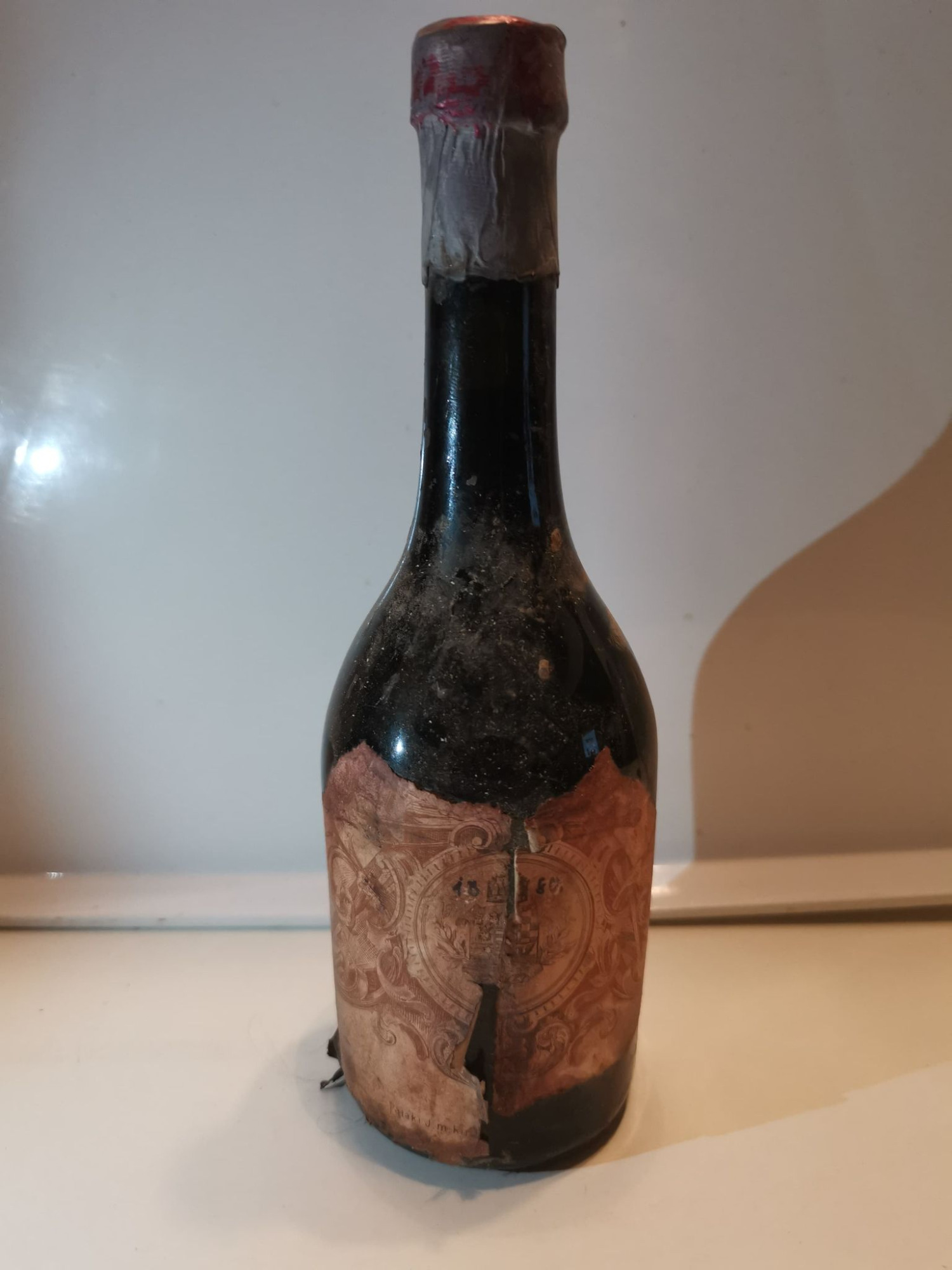
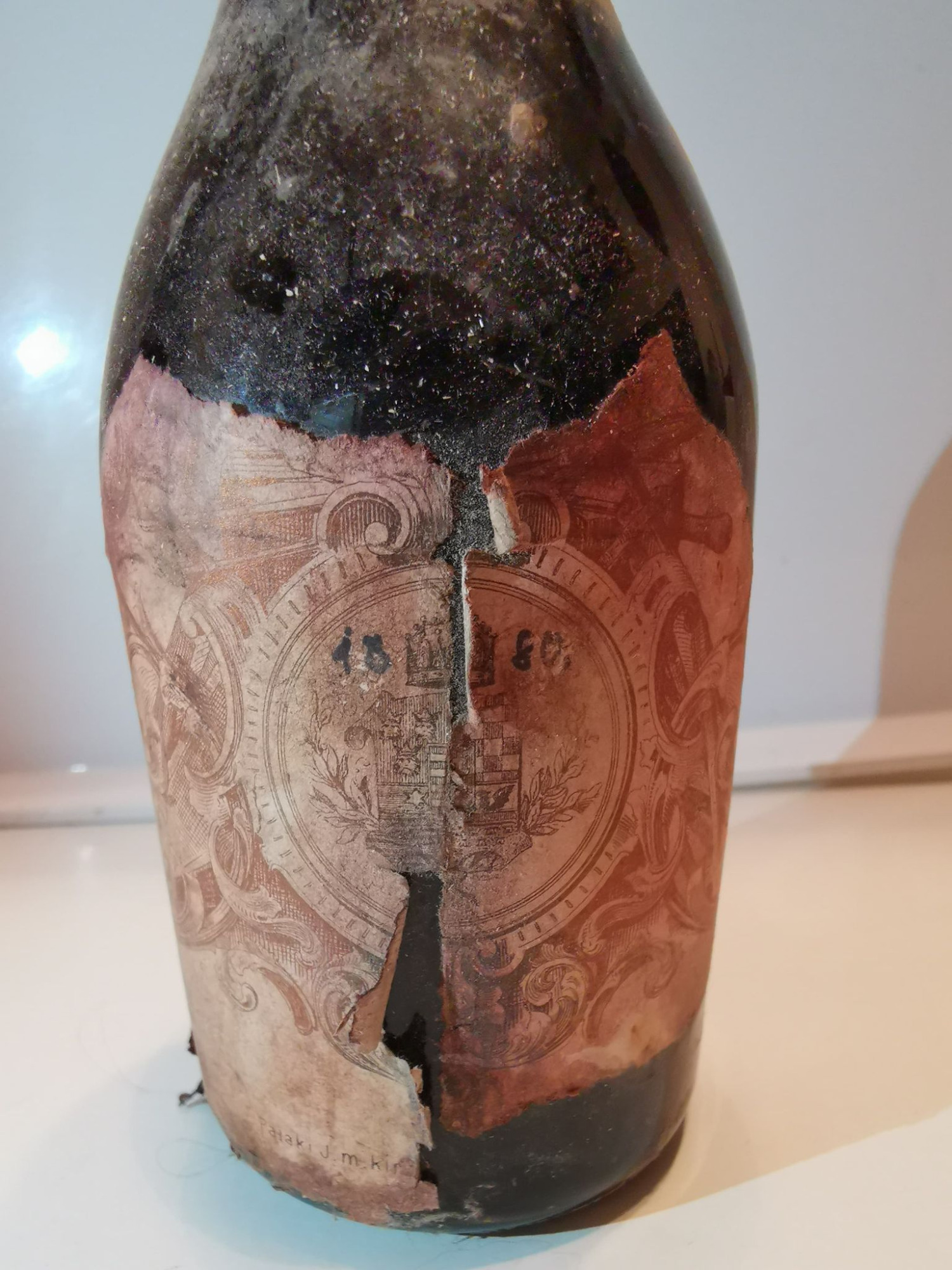
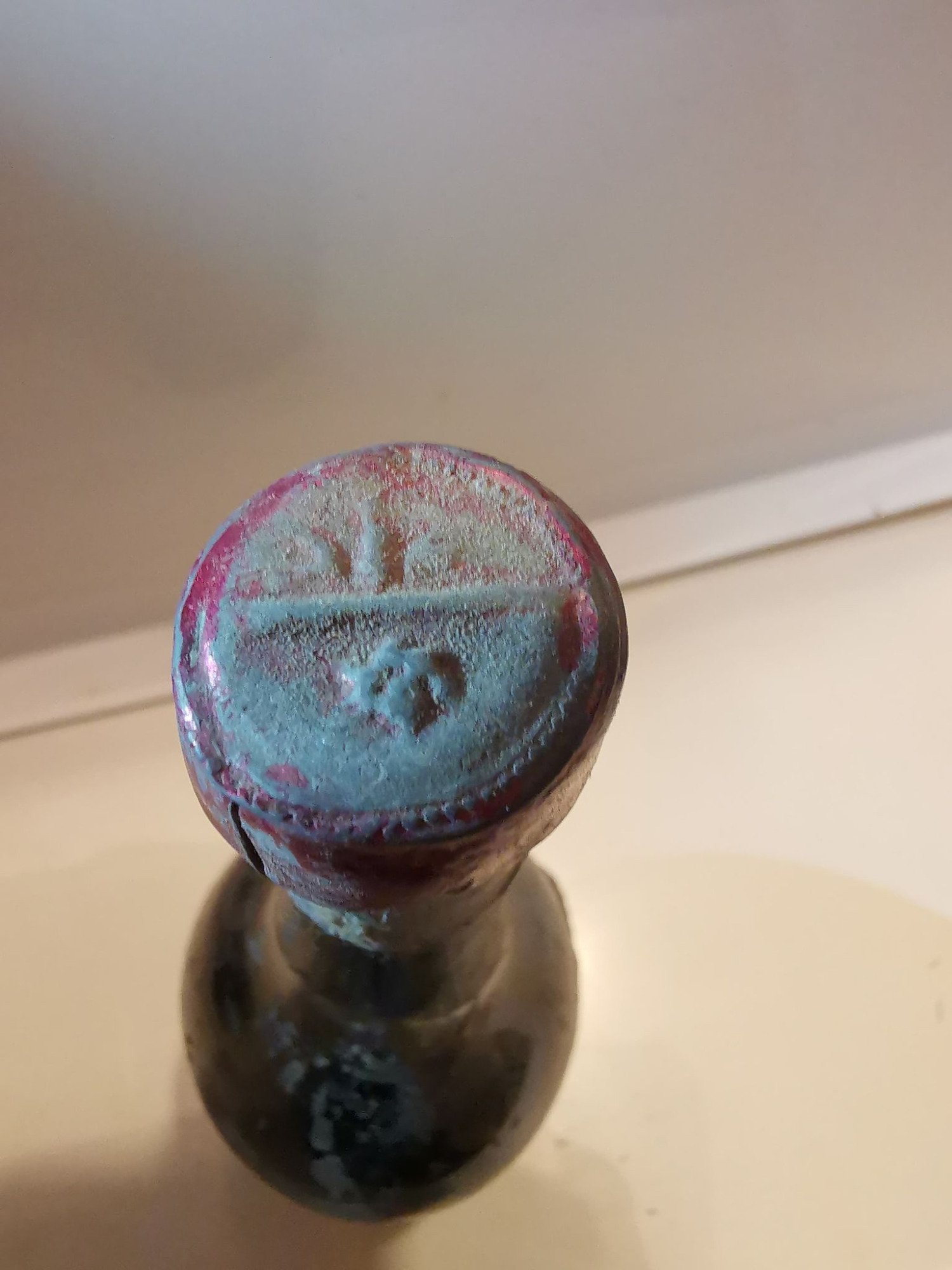
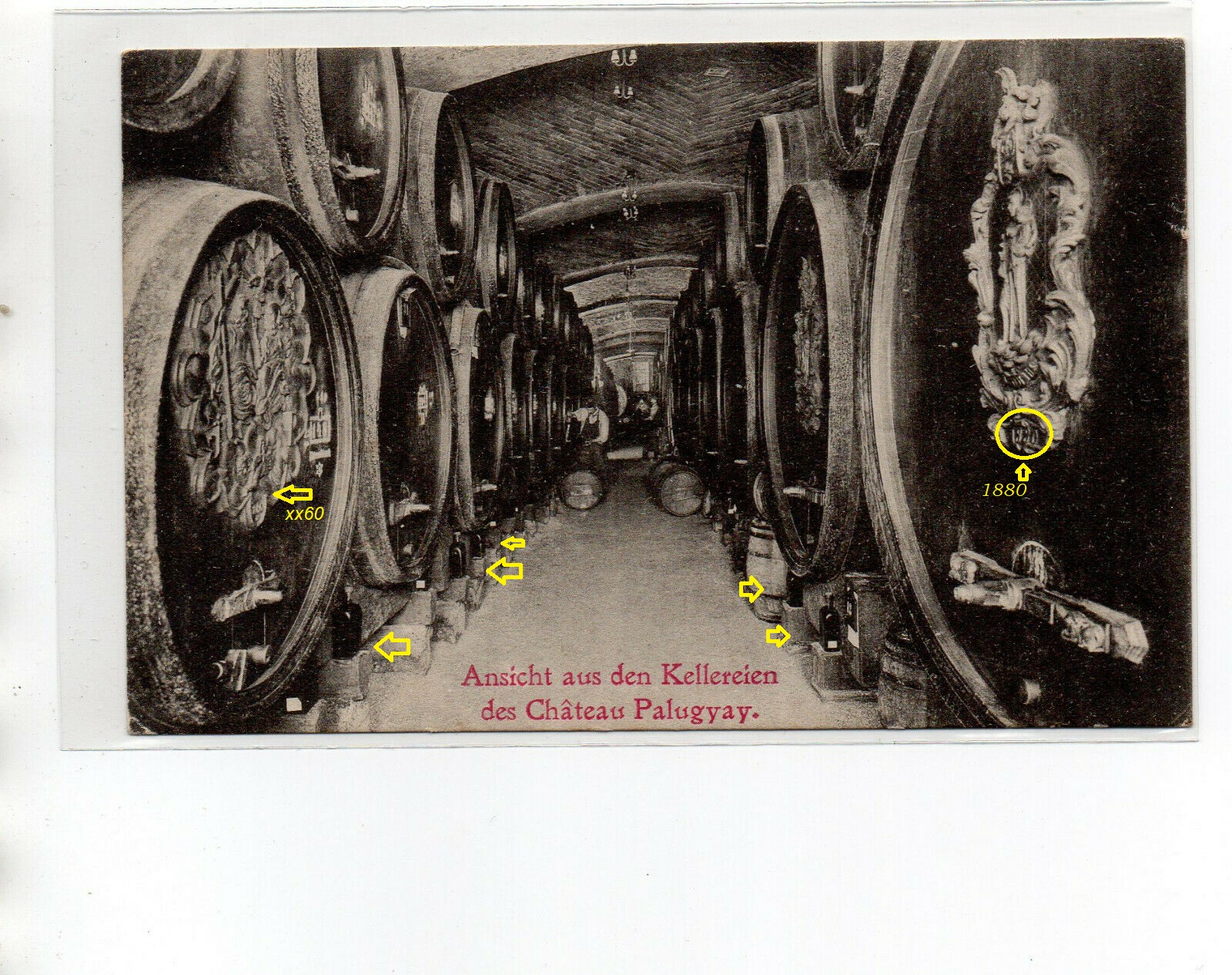
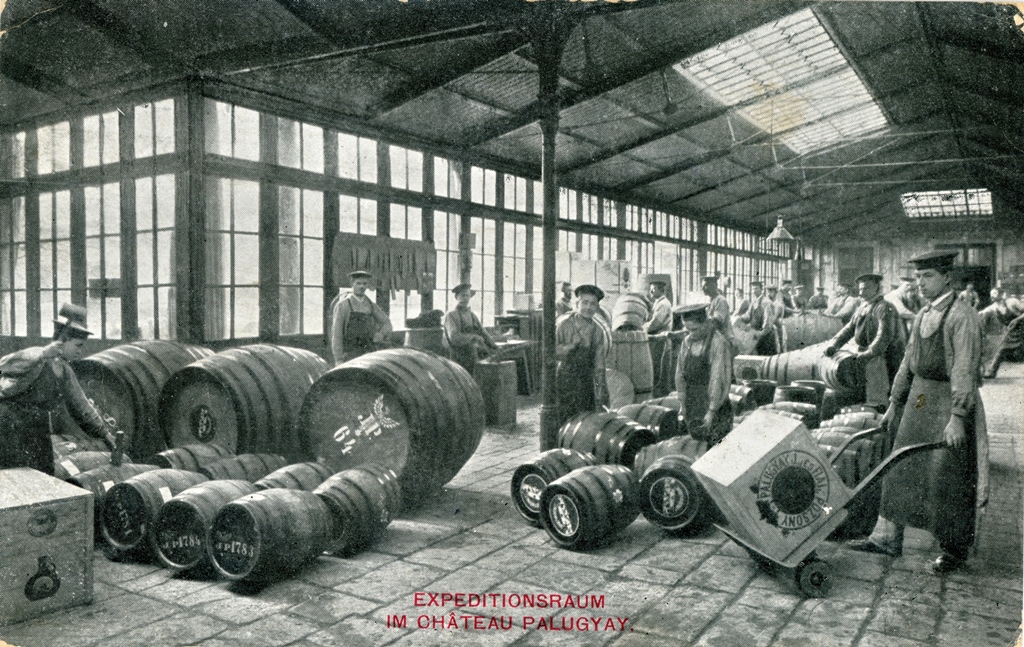
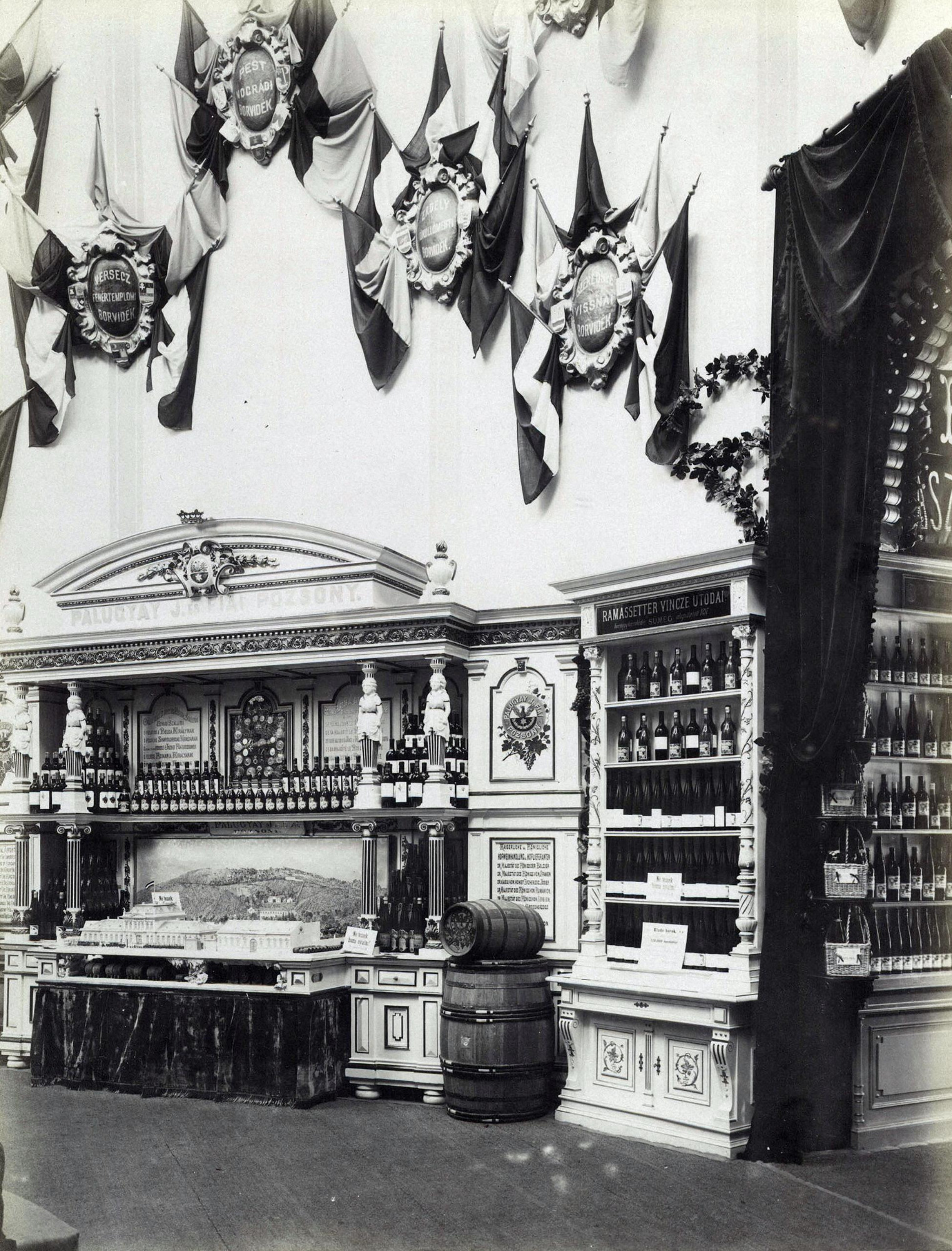
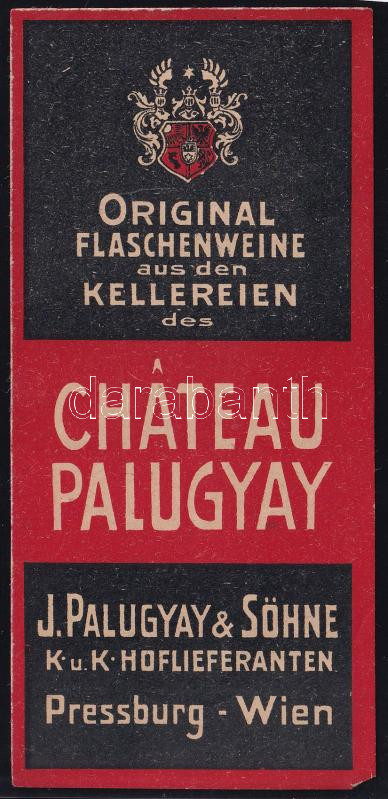
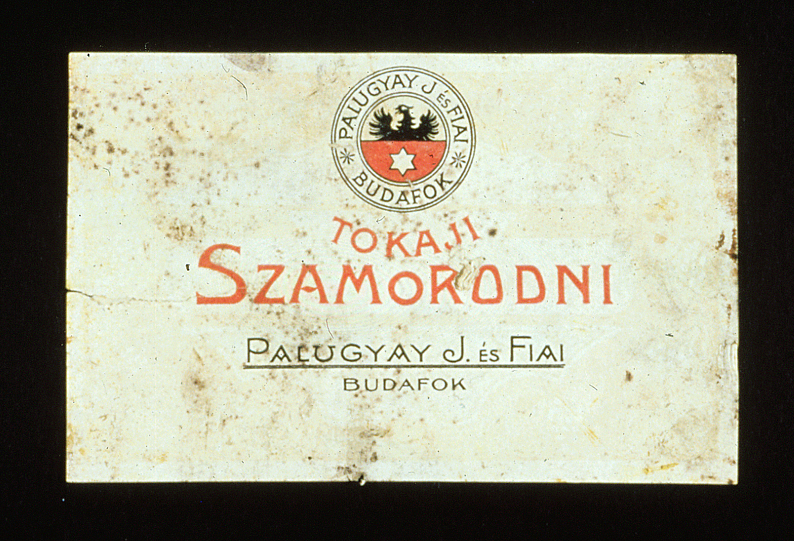
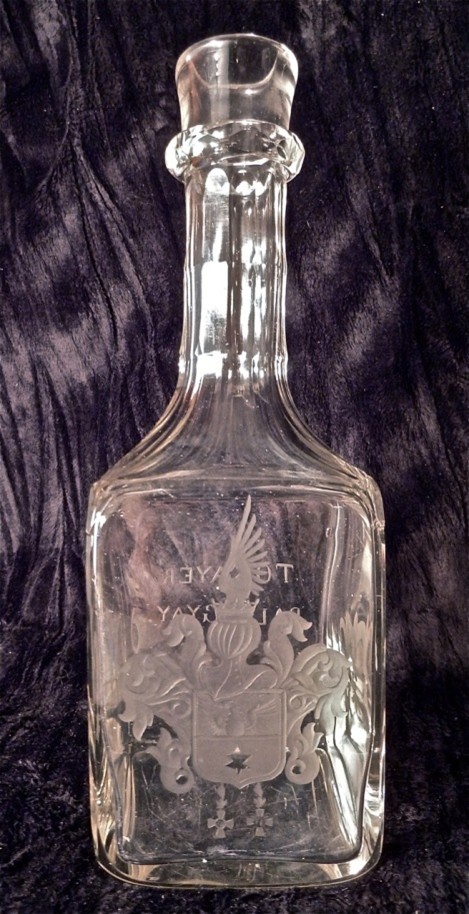
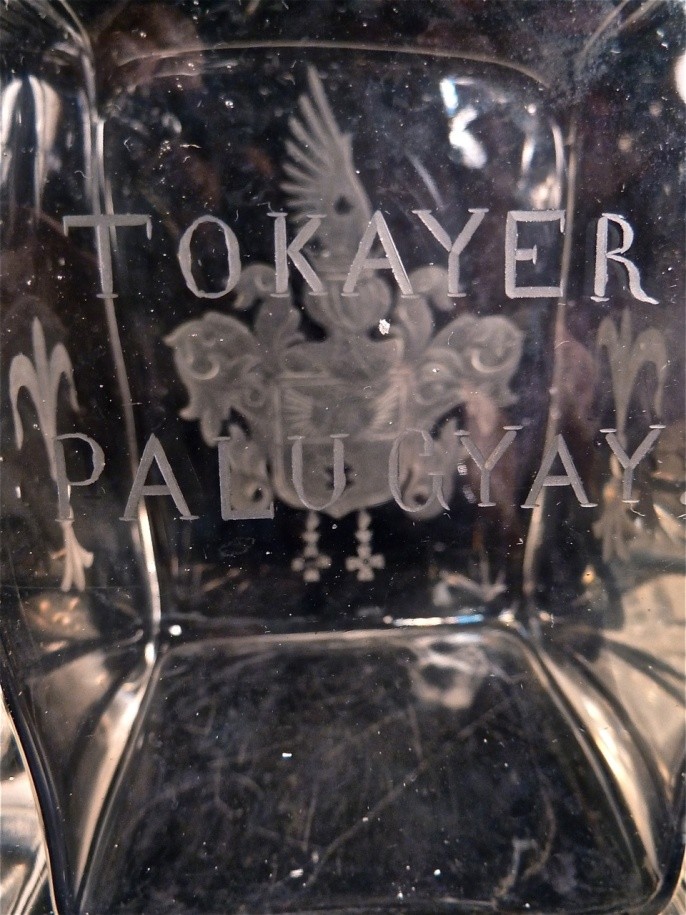
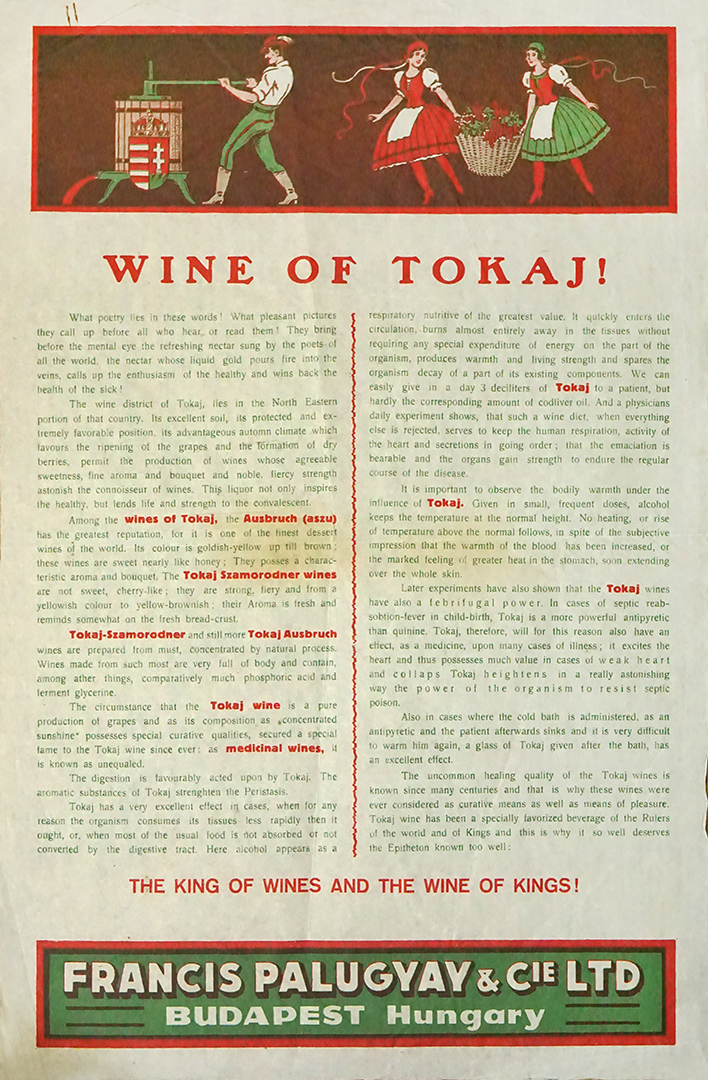
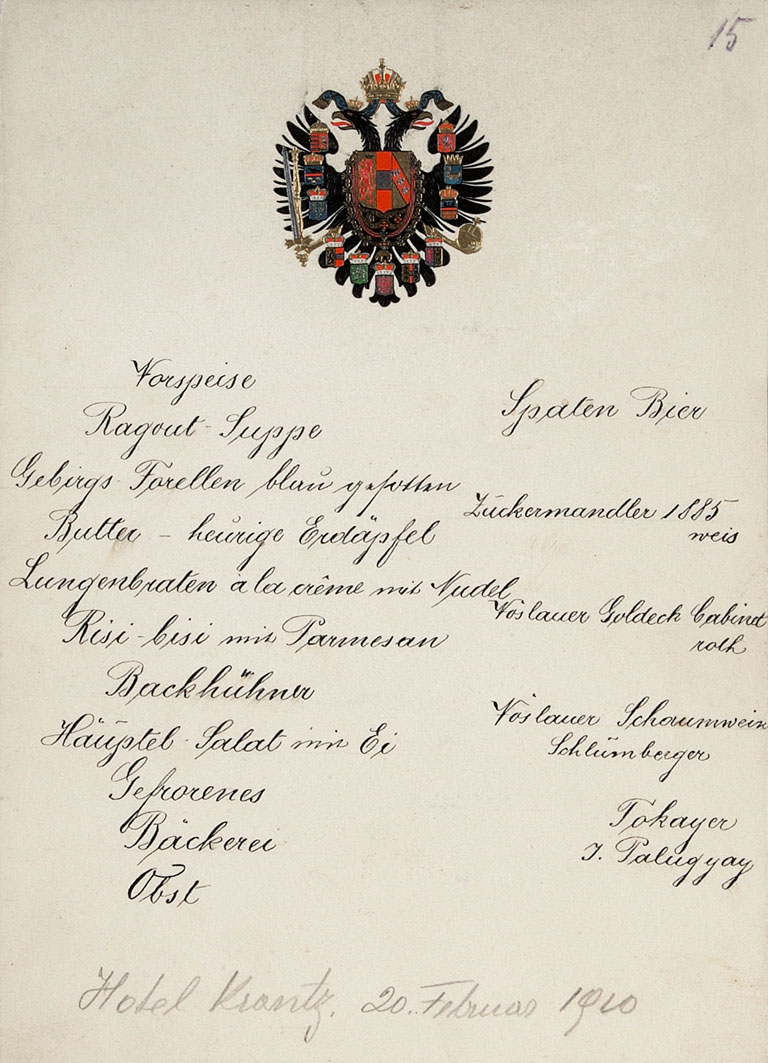
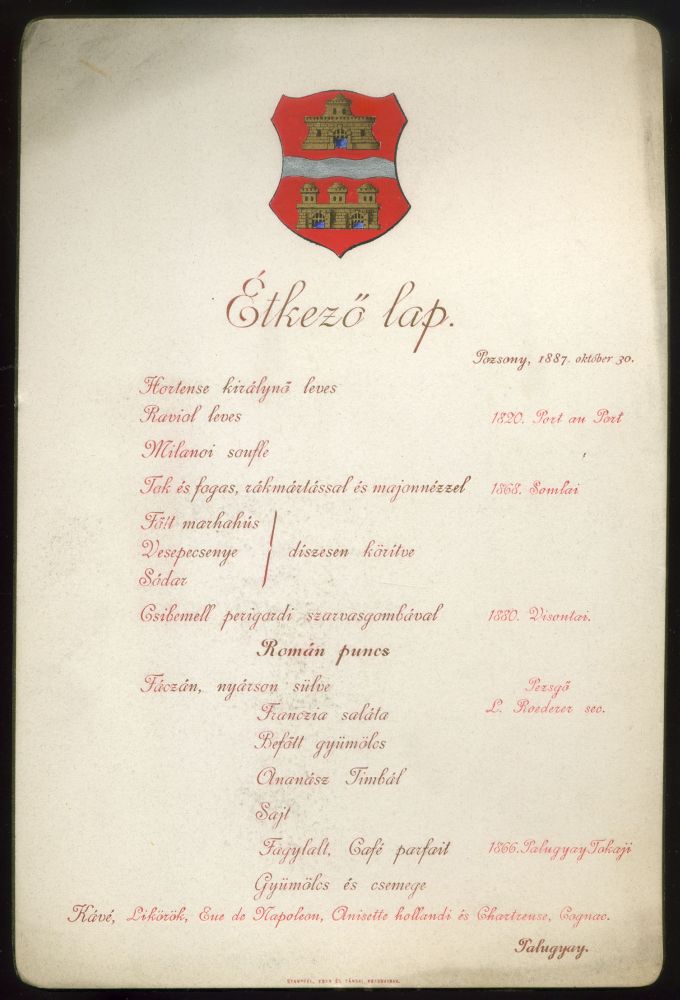
1880 Palugyay bottle
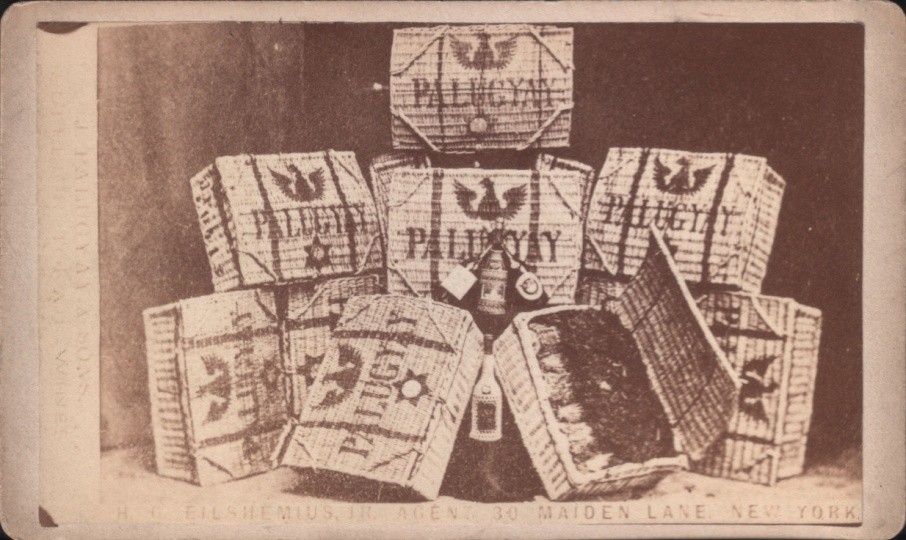
J. Palugyay und Söhne, a well-known wine trading company founded in 1863 was a well-known wine trading company from Bratislava, Slovakia. The company existed until 1939, Palais Palugyay, the company's headquarter in Bratislava today belongs to the foreign ministry of Slovakia. Many Palugyay bottles exist, and the bottles and labels indicate that the company mostly sold wines under the Palugyay label. In 1899 the company is listed as "Purveyor to the Imperial and Royal Court" in Vienna (k.u.k. Hoflieferant).
The first three images show the oldest Palugyai bottle I know of, vintage 1880.
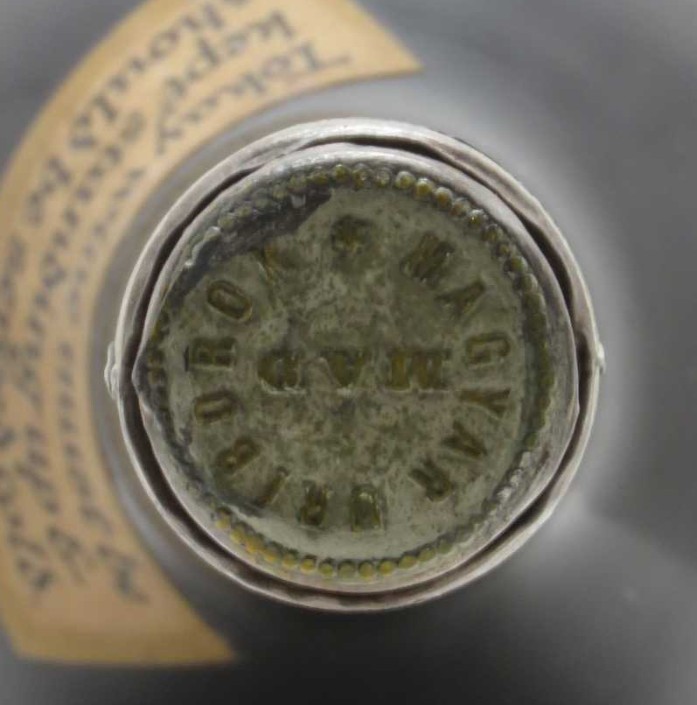
7 Tokaji producers with Berry Bros. label
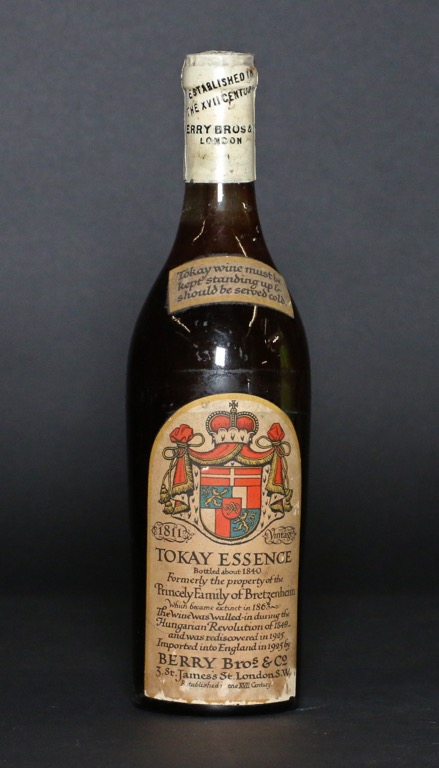
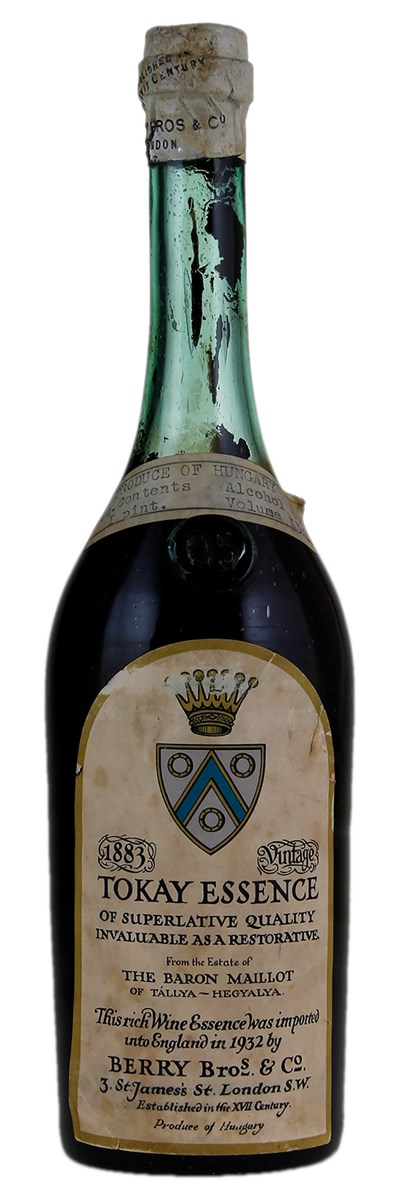
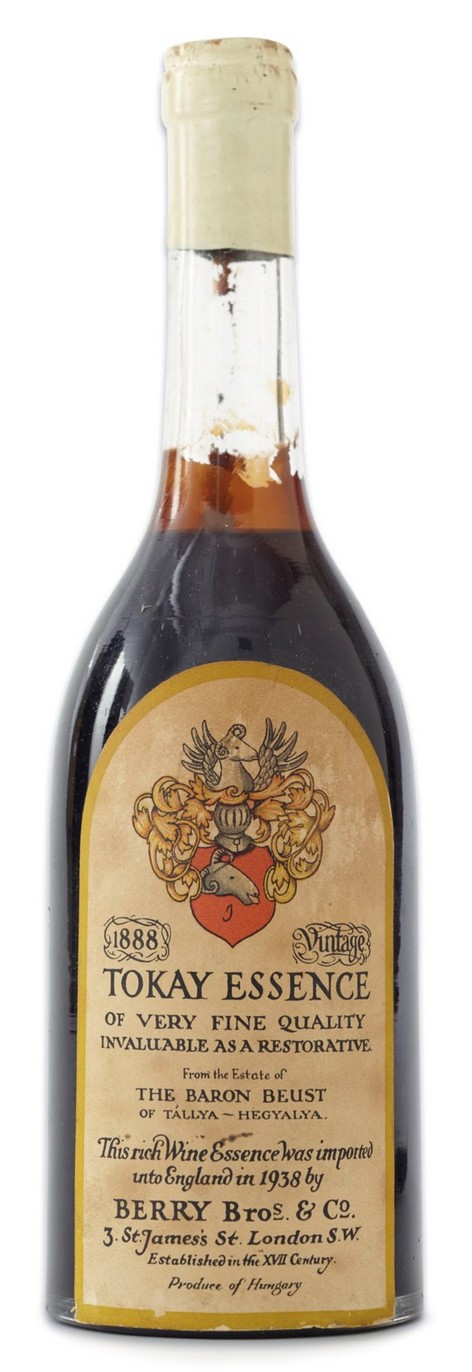
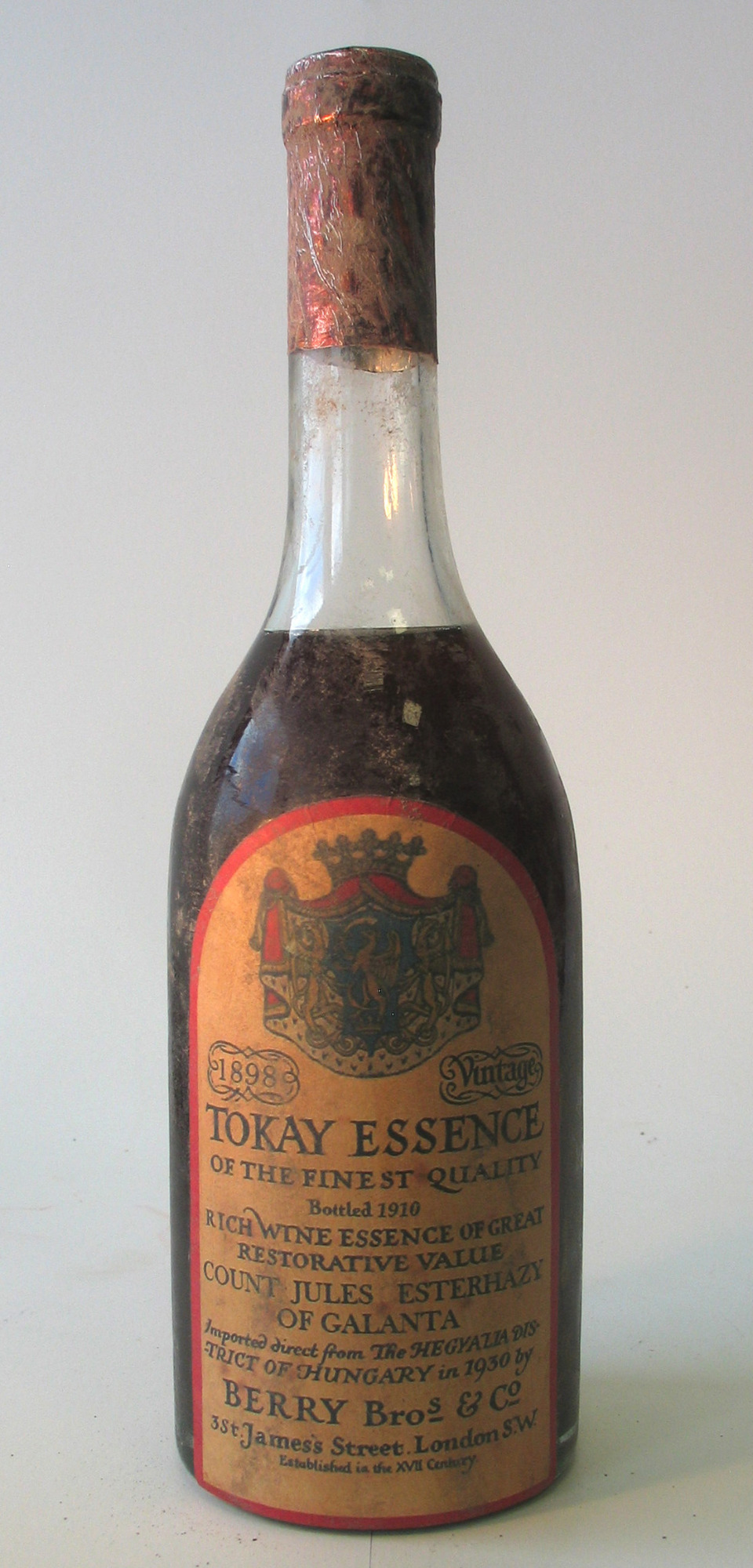
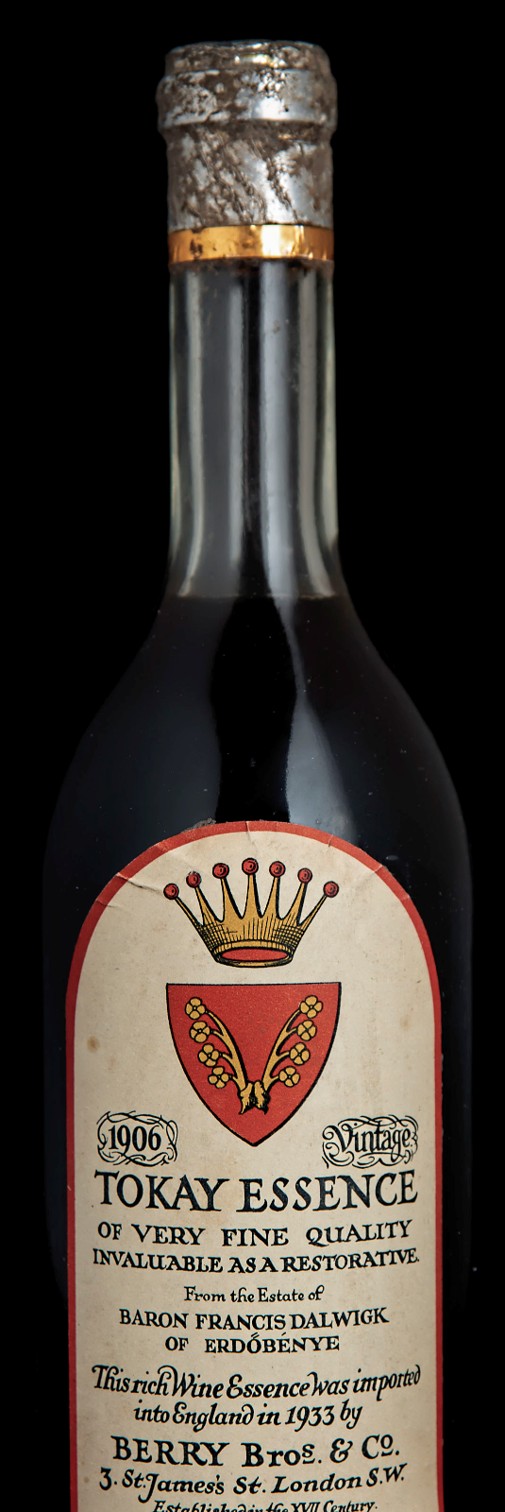
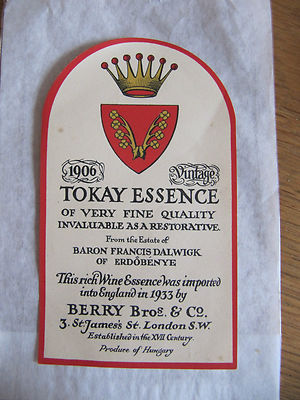
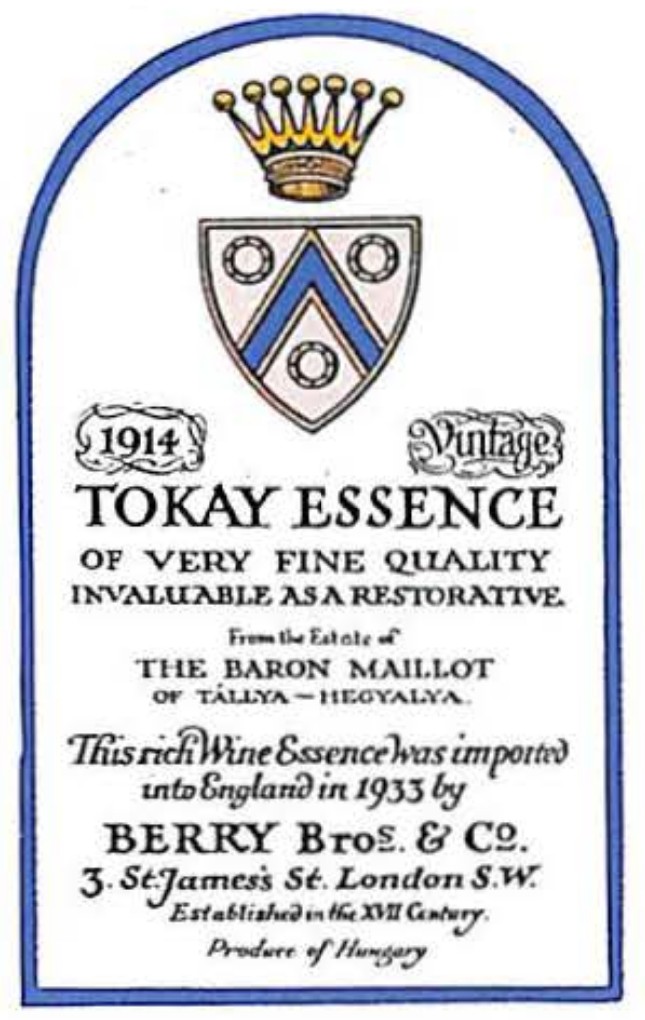
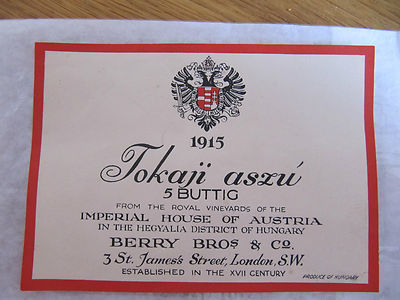
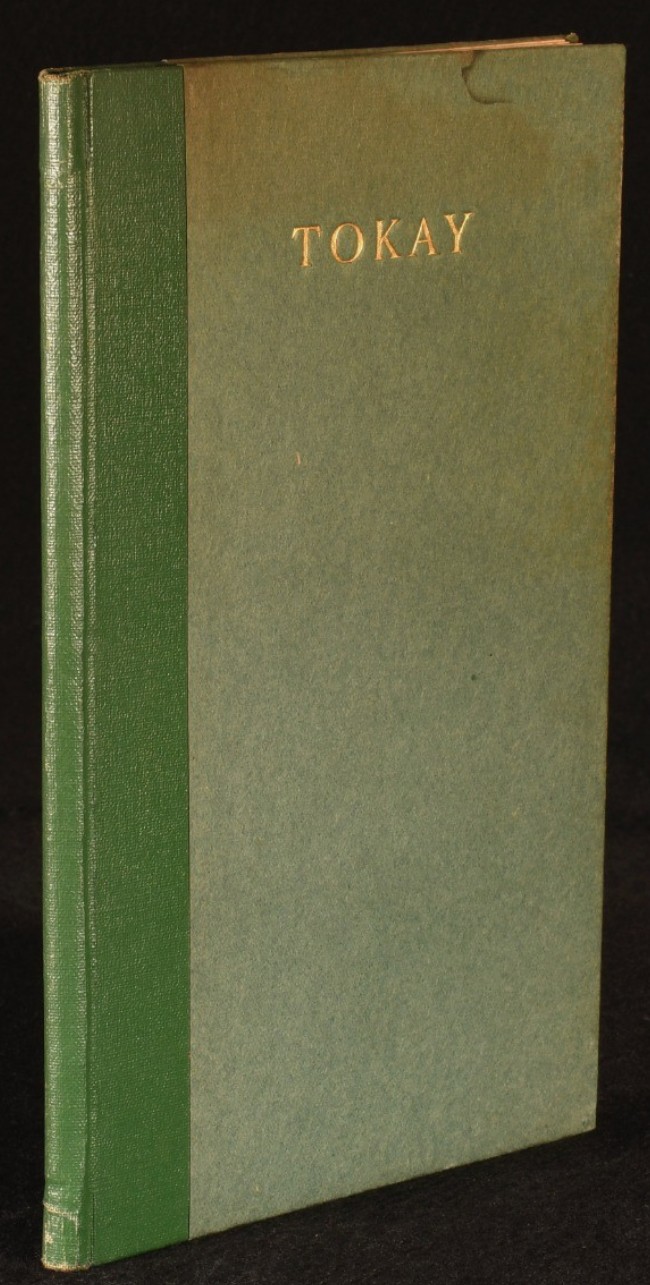
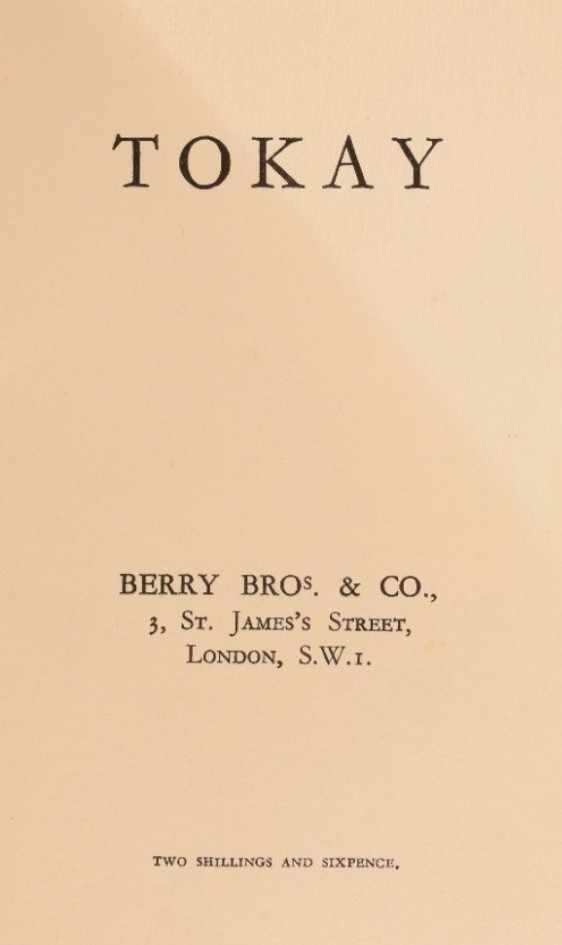
Berry Brothers & Rudd (BBR) is not only Britain’s oldest wine and spirits trading company (founded in 1698) and supplier of the British Royal Family, but also a well-known name in the field of Tokaji. Whoever looks for old Tokaji will soon come across bottles with a Berry Brother label, with vintage 1811 the oldest and most prestigious. In 1937 C.W. Berry published a very interesting book about Tokaji, and even today the shop offers a very good selection of top class tokaji including a private label. Today the oldest wines in the BBR cellar are the Tokaji wines.
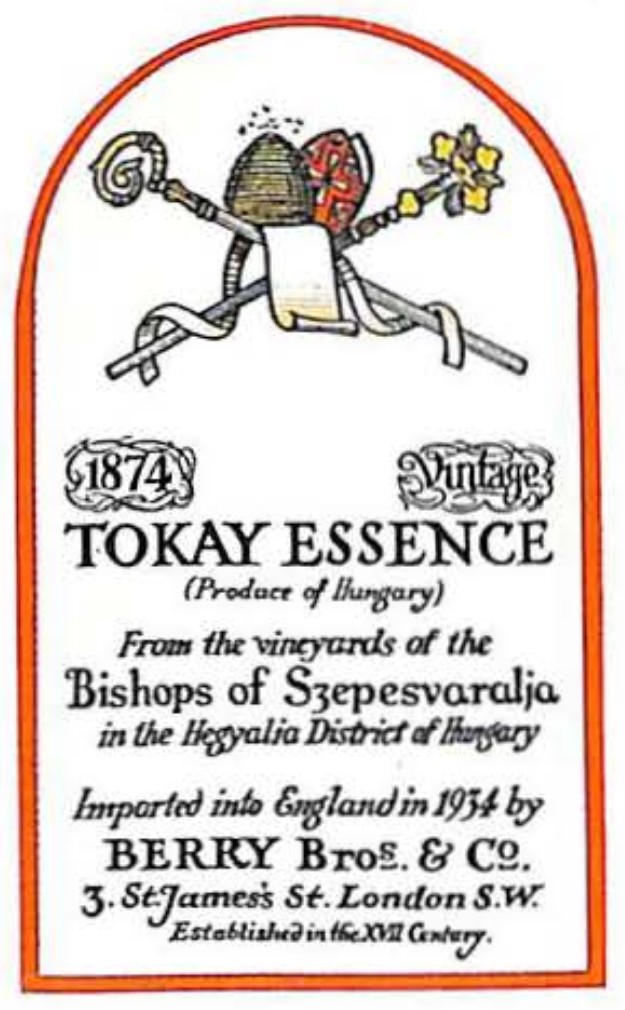
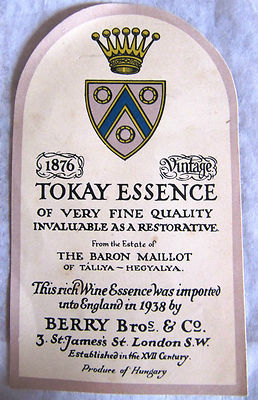
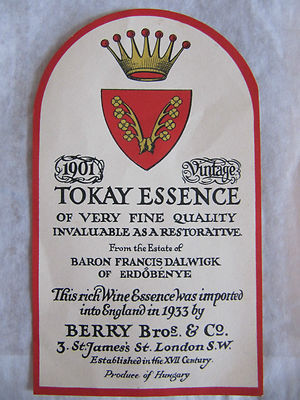
In the late 1920-ies Berry Brothers started selling Tokaji of 19th-century vintages. Some of the wines came from the Princely House of Bretzenheim and had been walled-in during the Hungarian Revolution in 1848. They were discovered only decades later. Berry Brothers imported those wines and sold them with a nicely decorated private label. In one publication Berry Brothers writes "some very splendid labels featuring the coats-of-arms of the Hapsburgs and Hungarian nobles were produced for the 1874, 1888,1901 and 1914 Tokay Essence that we imported in the 1930s."
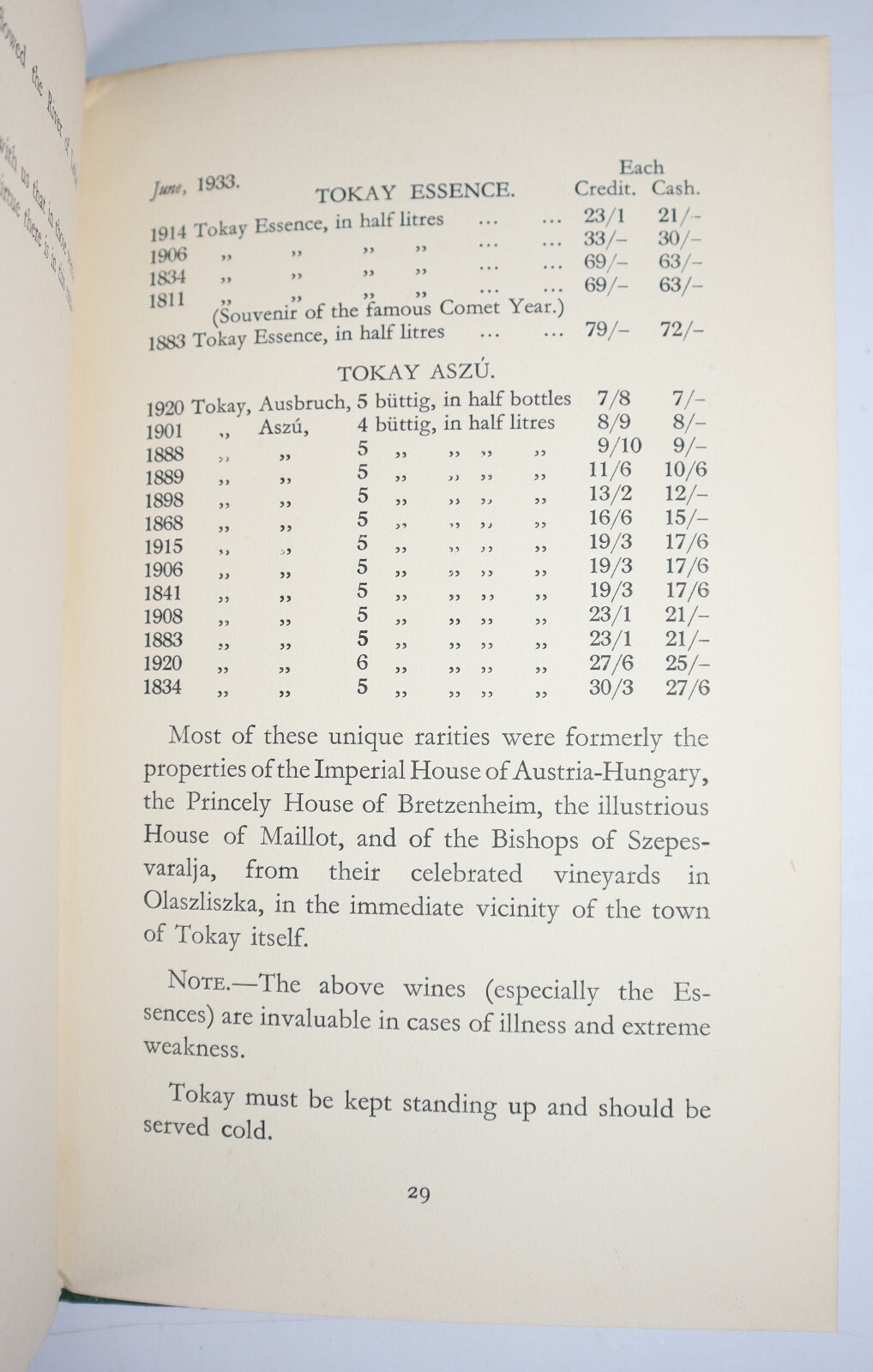
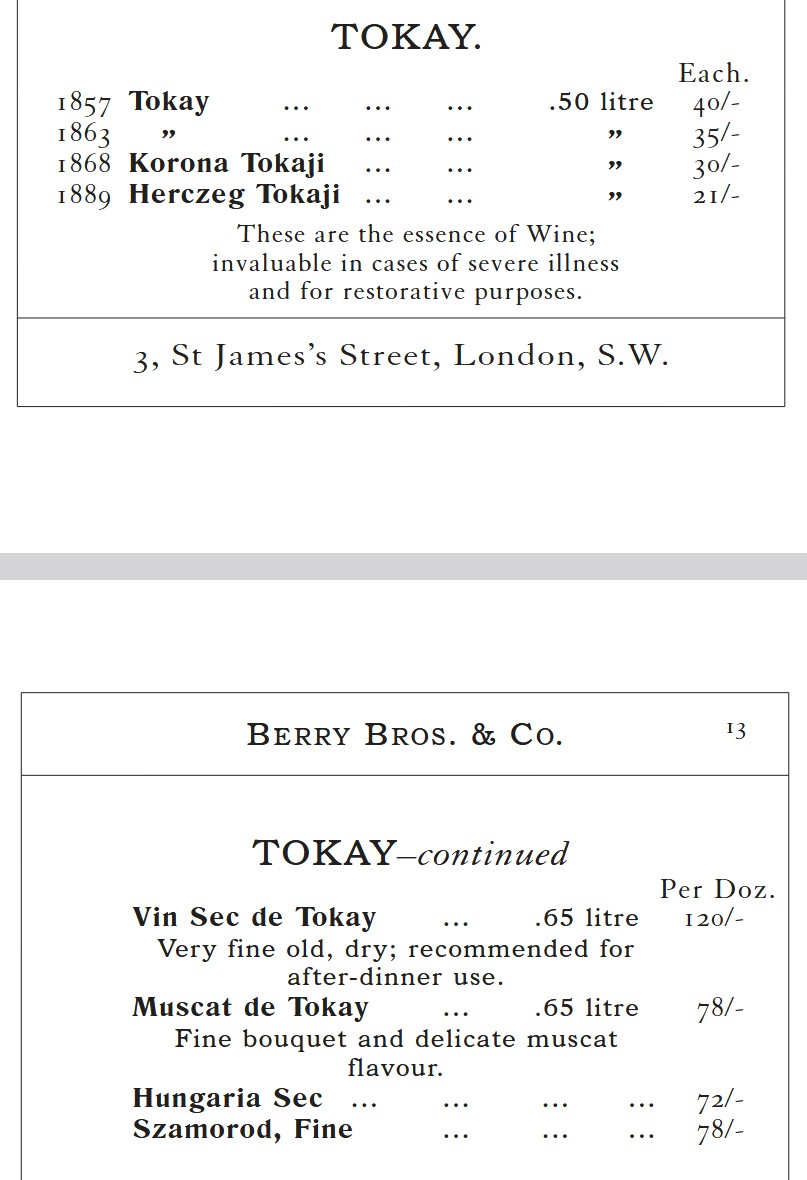
It is quite remarkable that the BBR bottles you'd find on auctions are always Tokaji Essences, the rarest and most expensive of all Tokaji wine categories. The two BBR Tokaji price lists shown in the images below are from 1909 and 1933 and both also mention other Tokaji wines but except for one Aszú I have never seen any bottle or label of those non-essence Tokaji. According to my database the following BBR tokaji labels and vintages are known:
- Princely Family of Bretzenheim (vintages 1811, 1834)
- Bishops of Szepesvaralja (vintage 1874)
- Baron Francis Dalwigk (vintages 1876, 1901, 1906)
- Baron Maillot (vintages 1876, 1883, 1914)
- Baron Beust (vintage 1888)
- Count Jules Esterhazy of Galanta (1898)
- Imperial House of Austria (vintages 1906, 1915)
I have been in contact with BBR and also visited their shop in 3, St. James's Street, London. The company history and archives are impressive and I have permission to research but so far I lacked the time to do so.
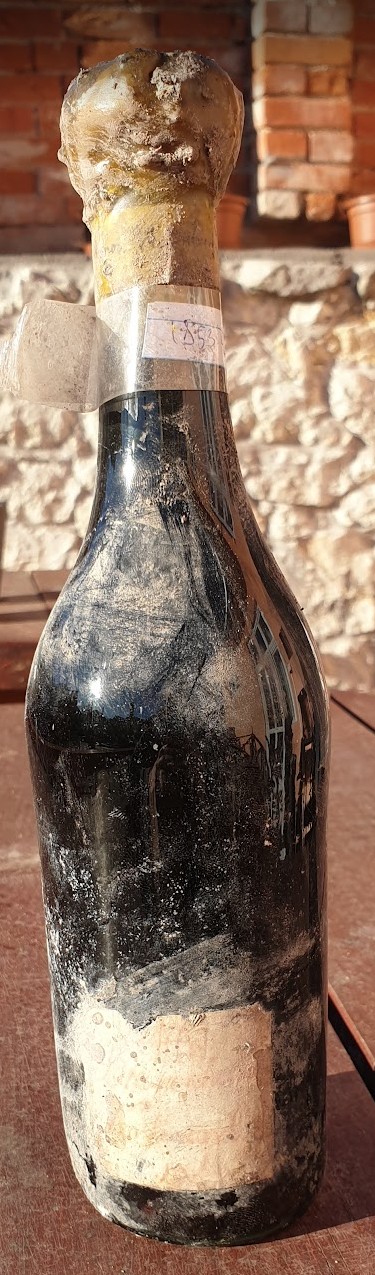
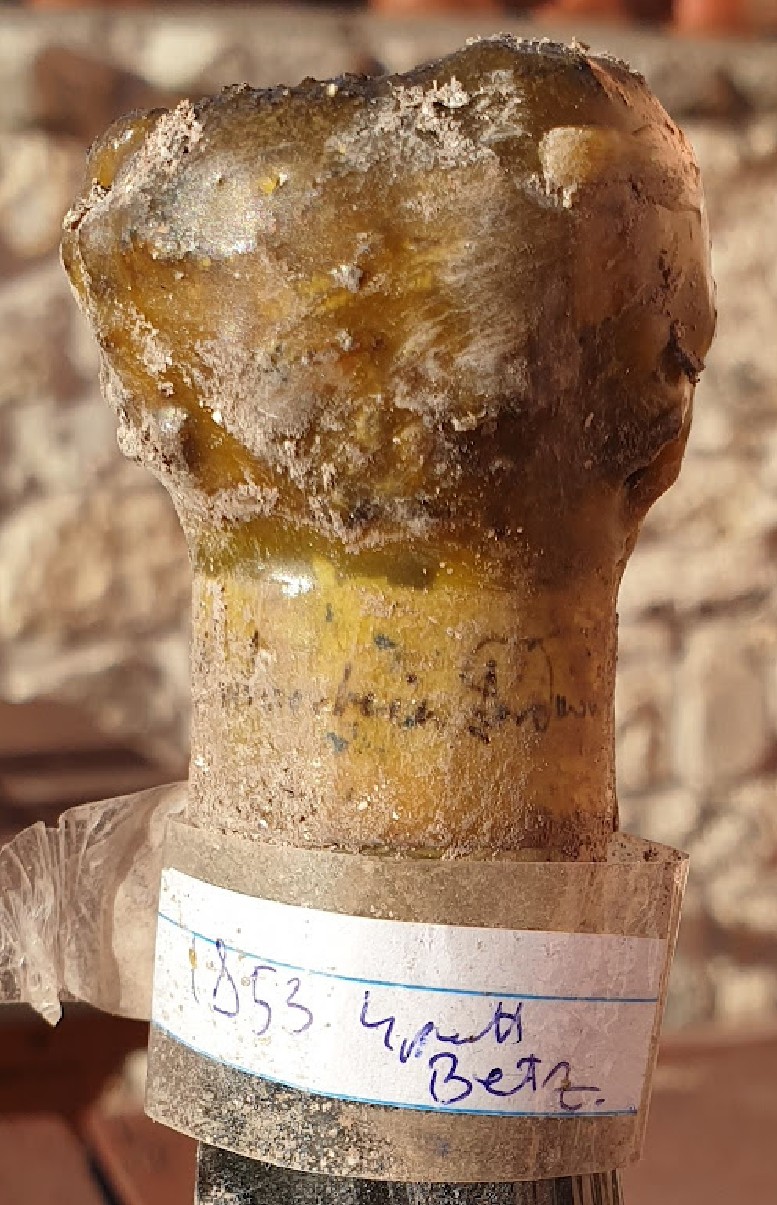
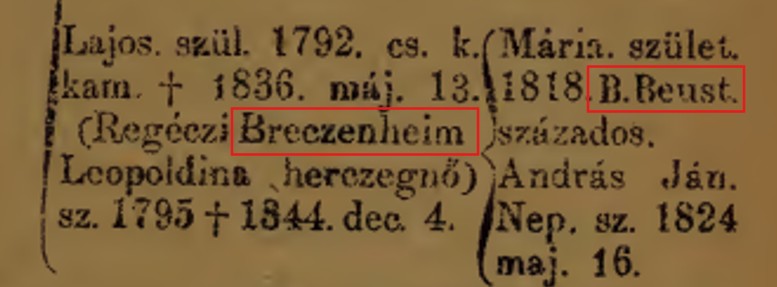
1853 Bretzenheim 4p Aszú
One of only two original Bretzenheim bottles known. Most historic Bretzenheim bottles you will encounter were imported to the UK and carry a Berry Brothers label (see previous article). The identification of this bottle was possible through the paper label on the bottle neck covered with bee wax in combination with the Bretzenheim document found with the bottle (see section "Highlights"). The other bottle has a handwritten label ("regéci herczeg Bretzenheim Ferrdinánd" without any further information about wine type or vintage. The liquid is very dense suggesting it being an Essencia.) According to the family tree, the Almásy noble family was related to both Bretzenheim and Beust.
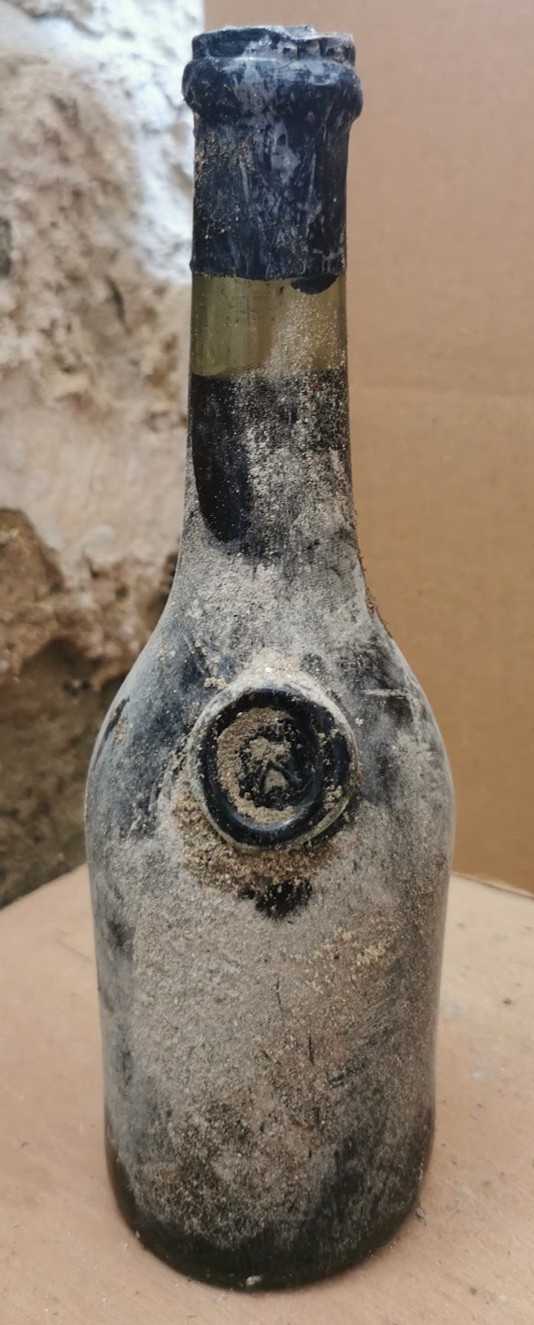
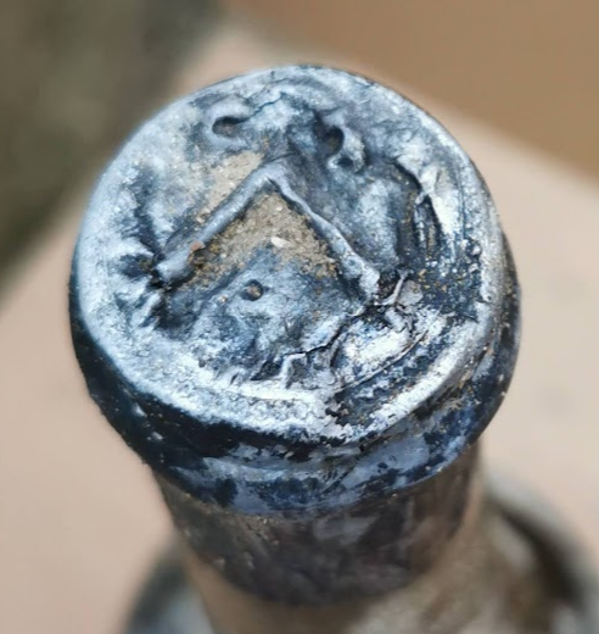
1876 Baron Maillot Eszencia
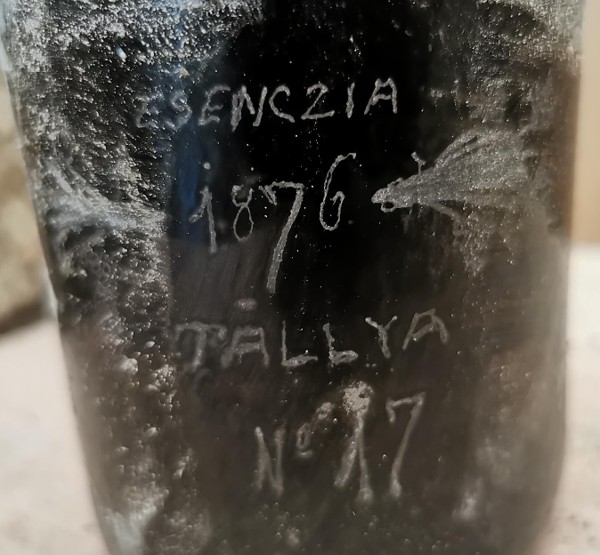
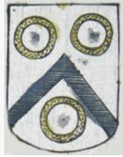
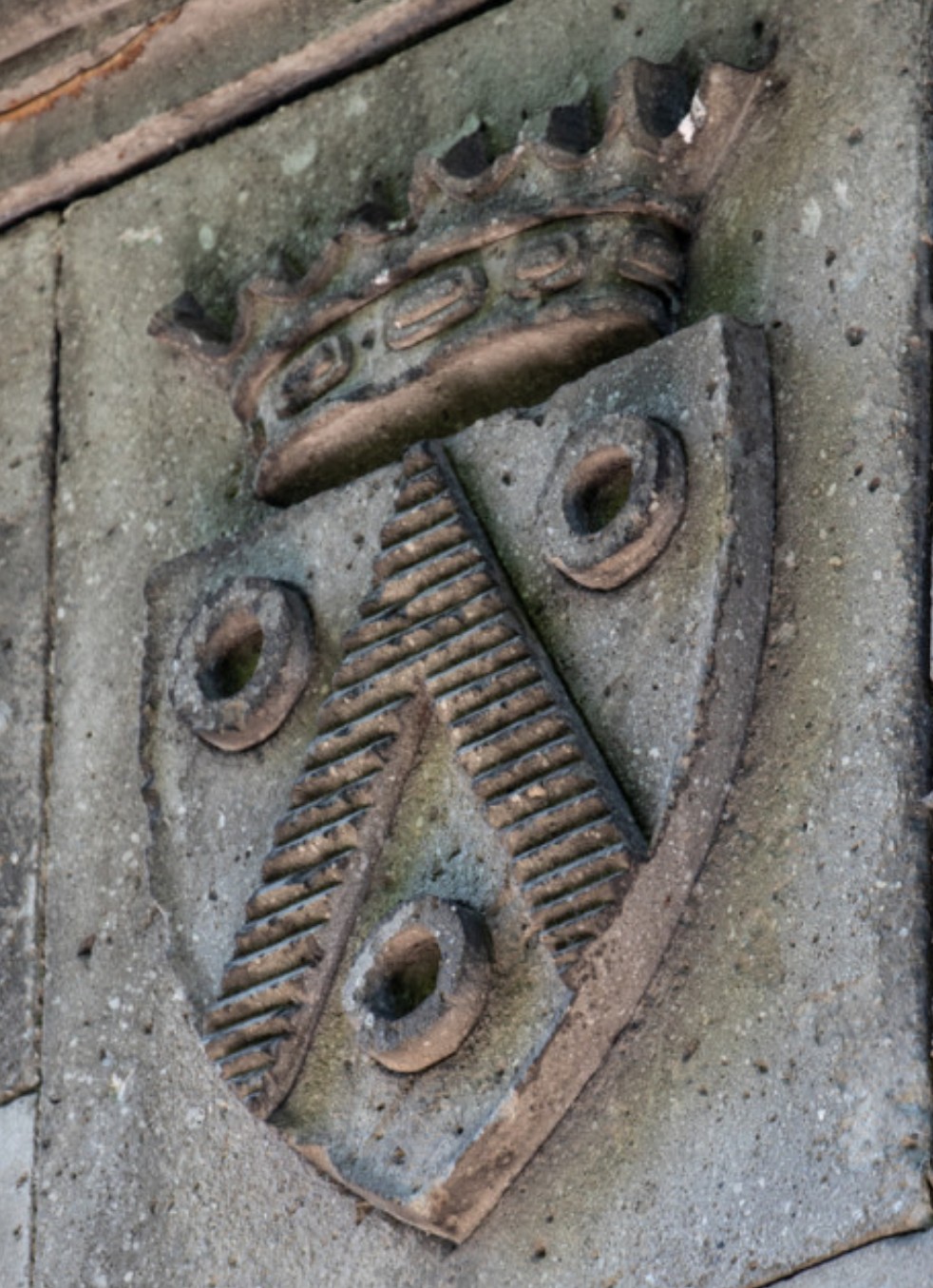
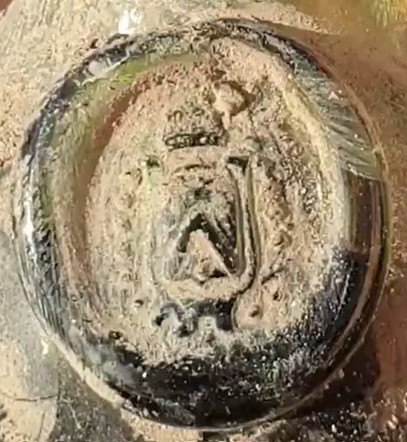
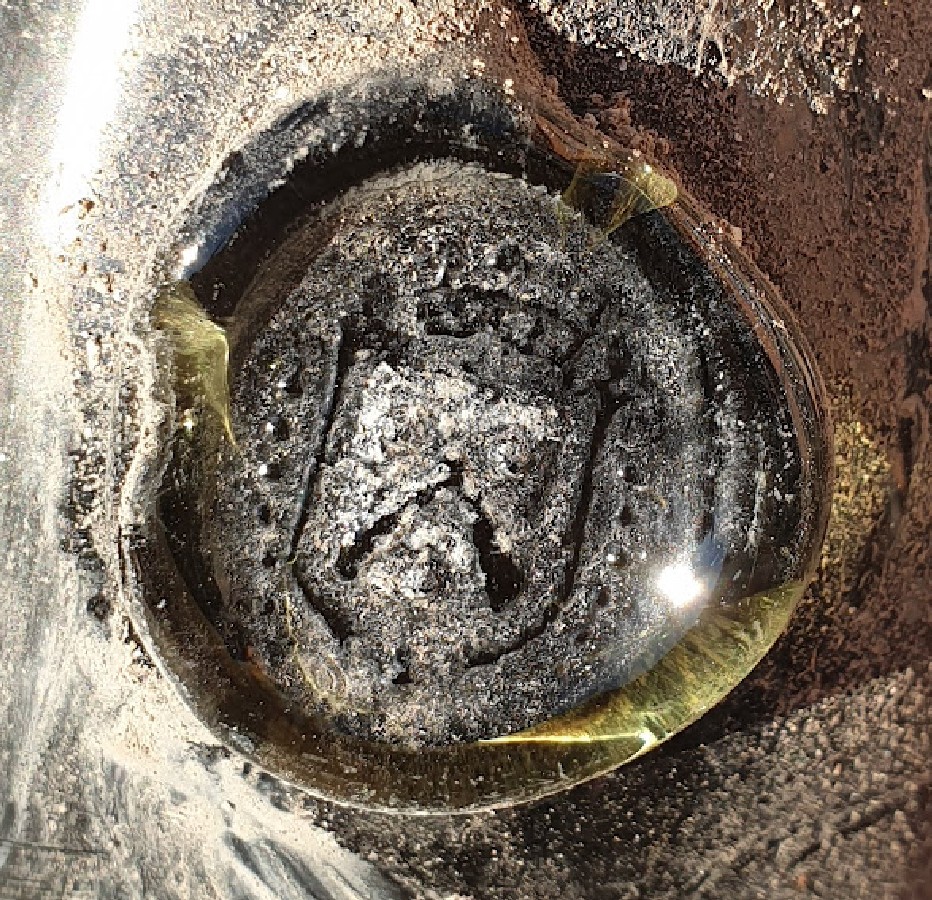
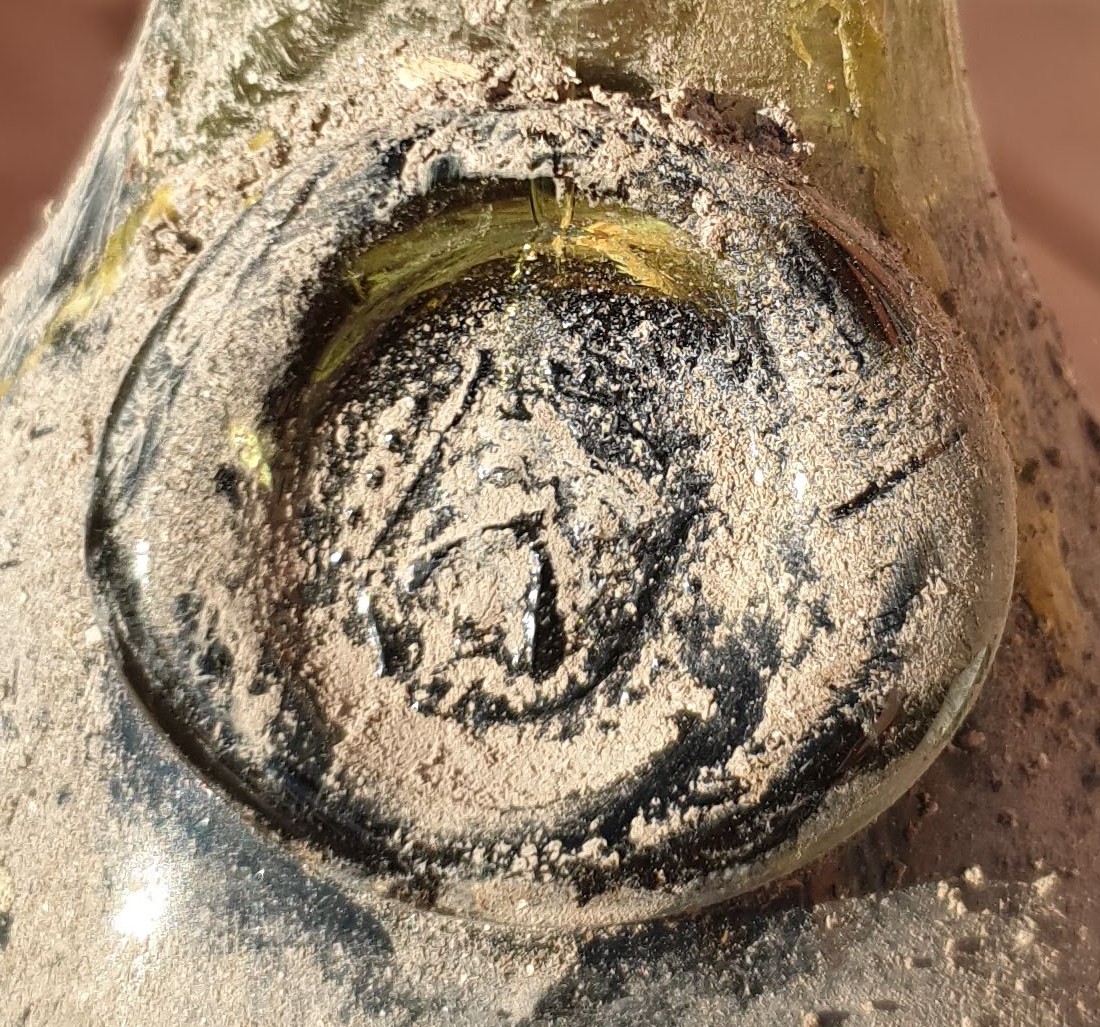
One of the very few original Maillot bottles known. Most historic Maillot bottles you will encounter were imported to the UK and carry a Berry Brothers label (see previous article). The Maillot coat of arms, og which I added two imaghes, is clearly visible on the glass mark and on the blue capsule. I added two images of the coat of arms. Vintage year and type of wine (Eszencia) is engraved on the 1876 bottle. The vintage of the 1844 bottle was written on a small label on the capsule and the covered with a translucent material, probably bee wax. The Maillot de la Treille family is of French origin and they produced in wine in Tállya, where the families palace and burial chapel can be found. The last 3 images shows the glass marks of three other original Maillot bottles of vintages 1840 - 1874.
1880 Dr. Beust Essencia
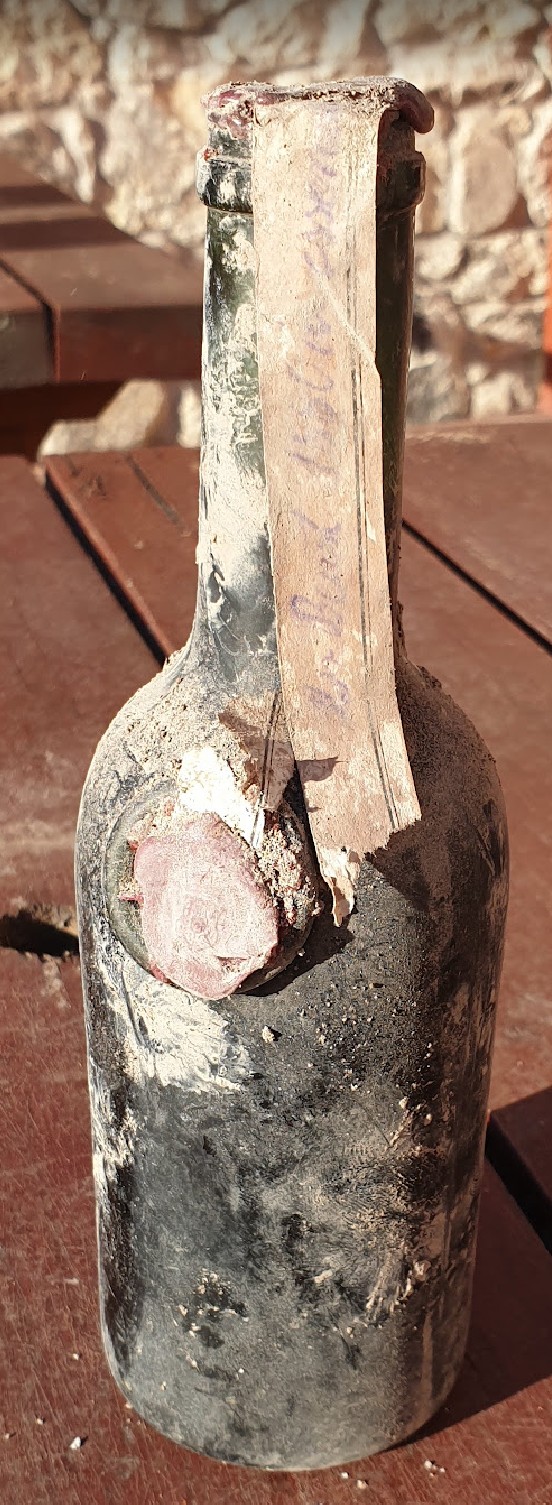
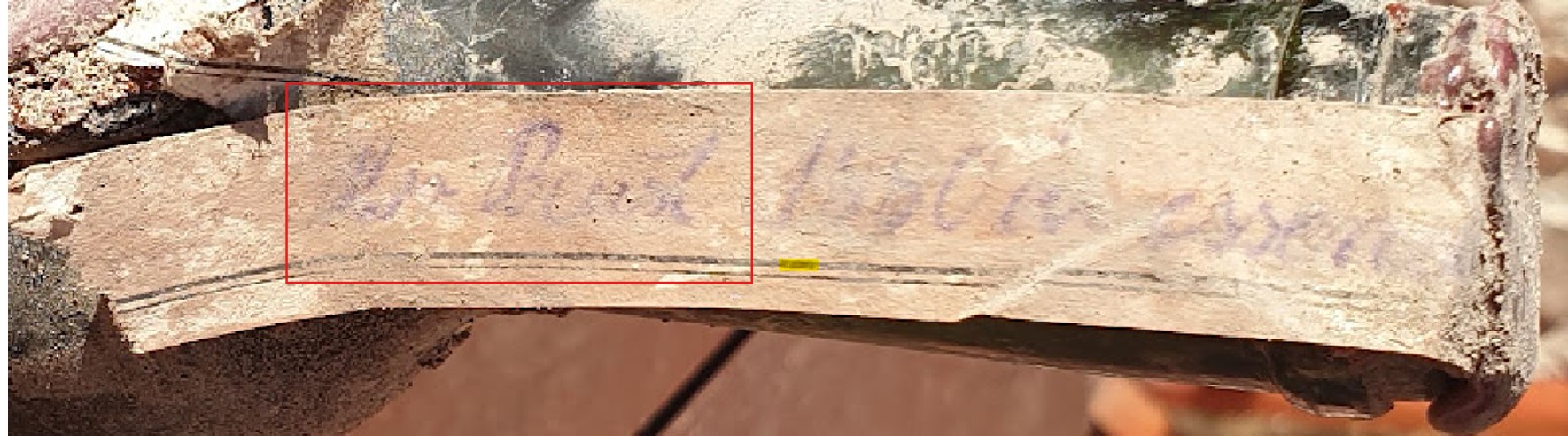
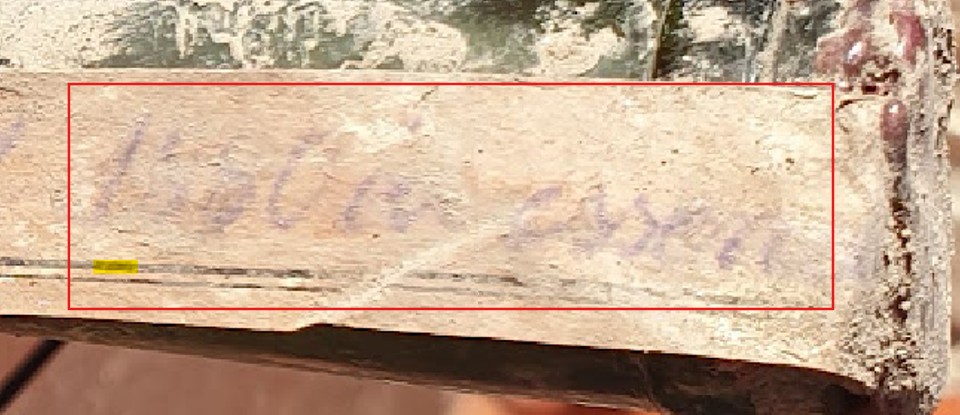
Similar to the Maillot bottles mentioned above all historic Dr. Beust bottles you will encounter were most probably imported to the UK and carry a Berry Brothers label (see article). There are only two original Dr. Beust bottles known, both vintage 1880, one of which is presented here. According to the hard-to-read label it is an Escencia vintage 1880. Georg (György) Maillot de la Treille married Margarete (Margit Beust) in 1881. The Beust winery operated in Tállya.
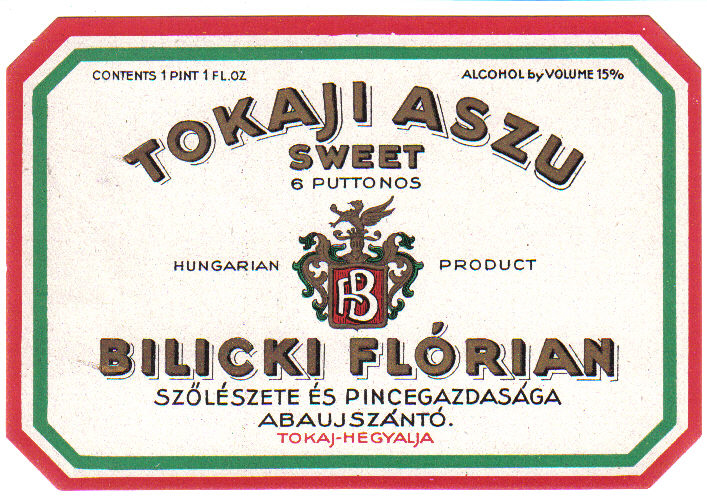
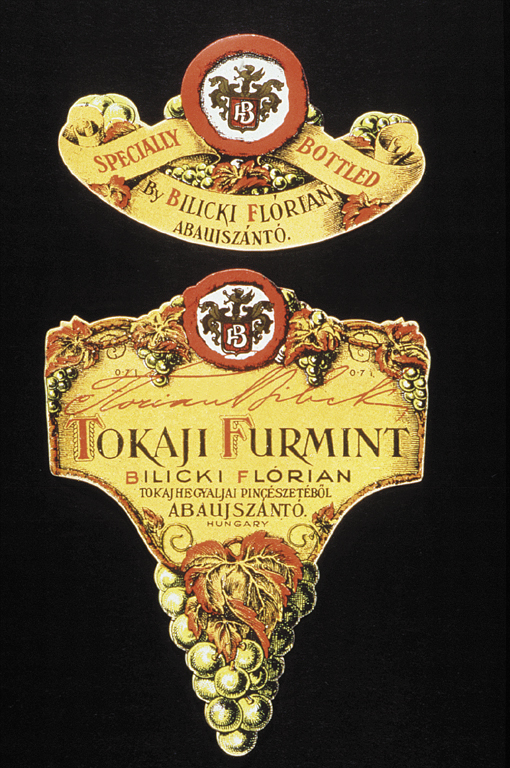
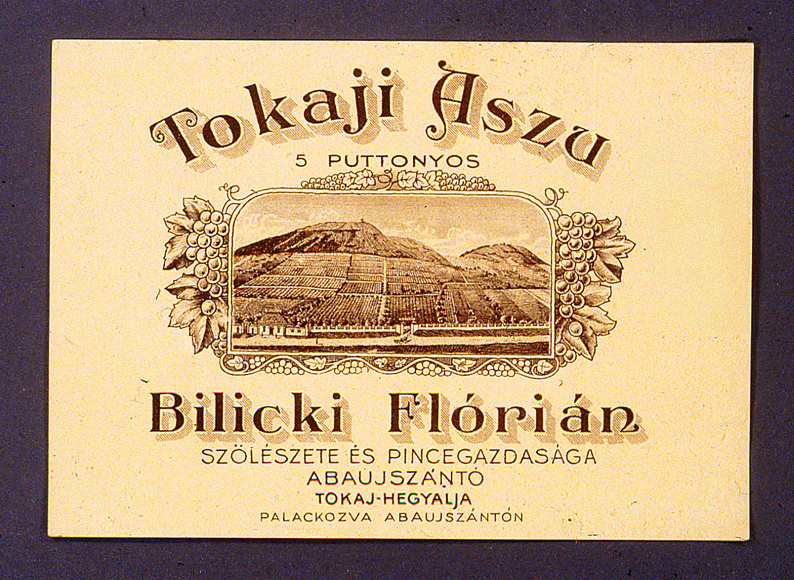
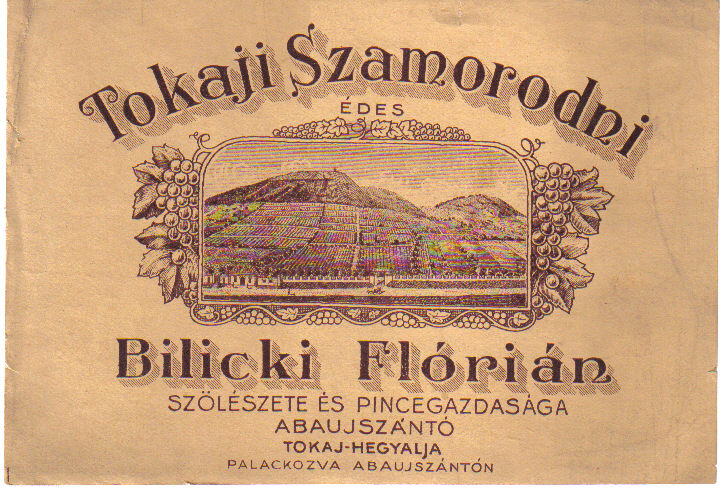
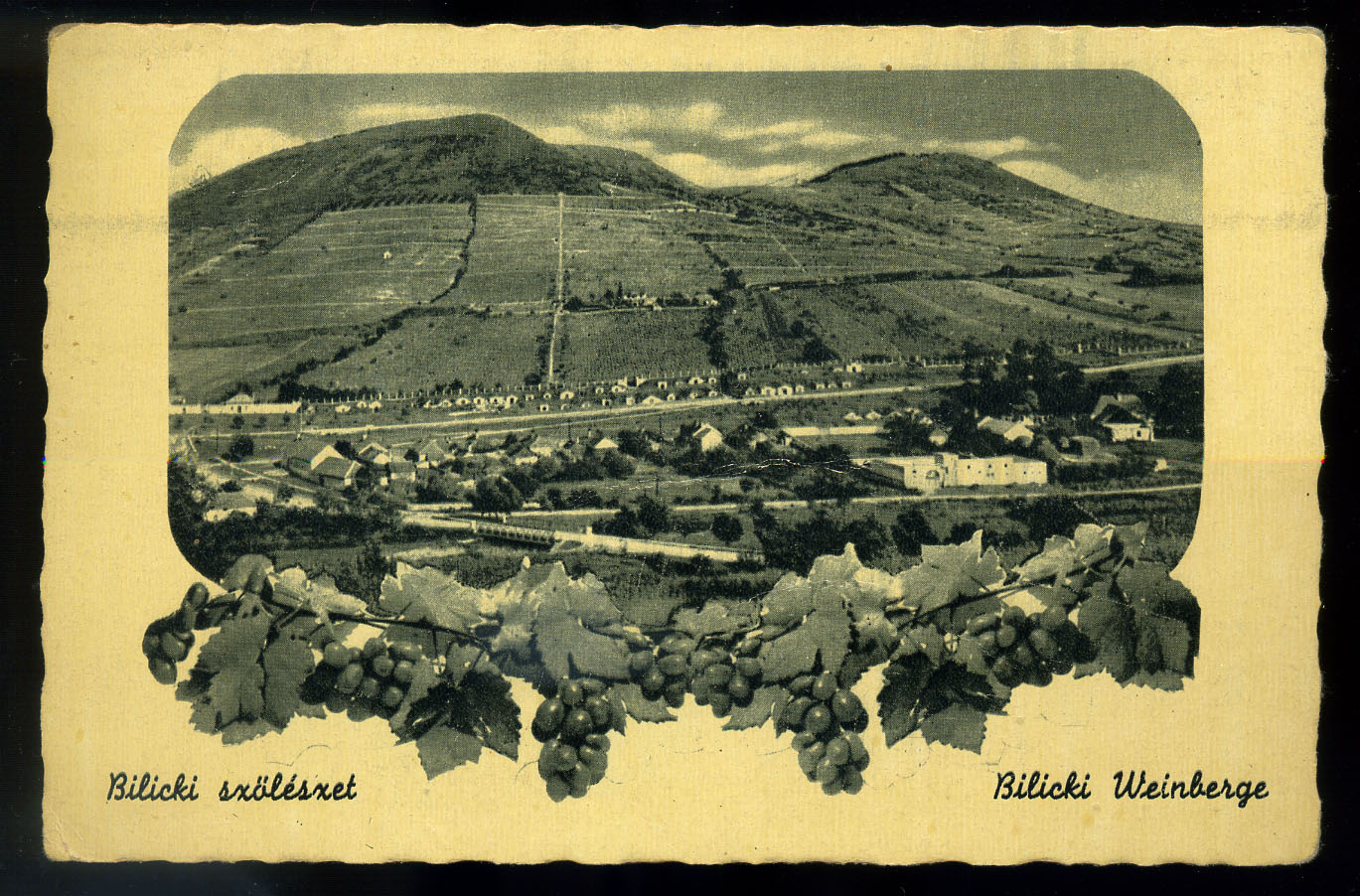
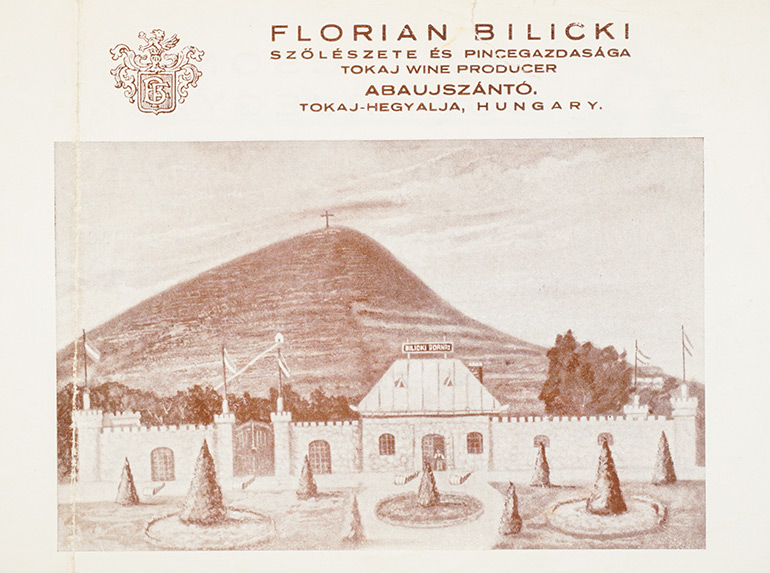
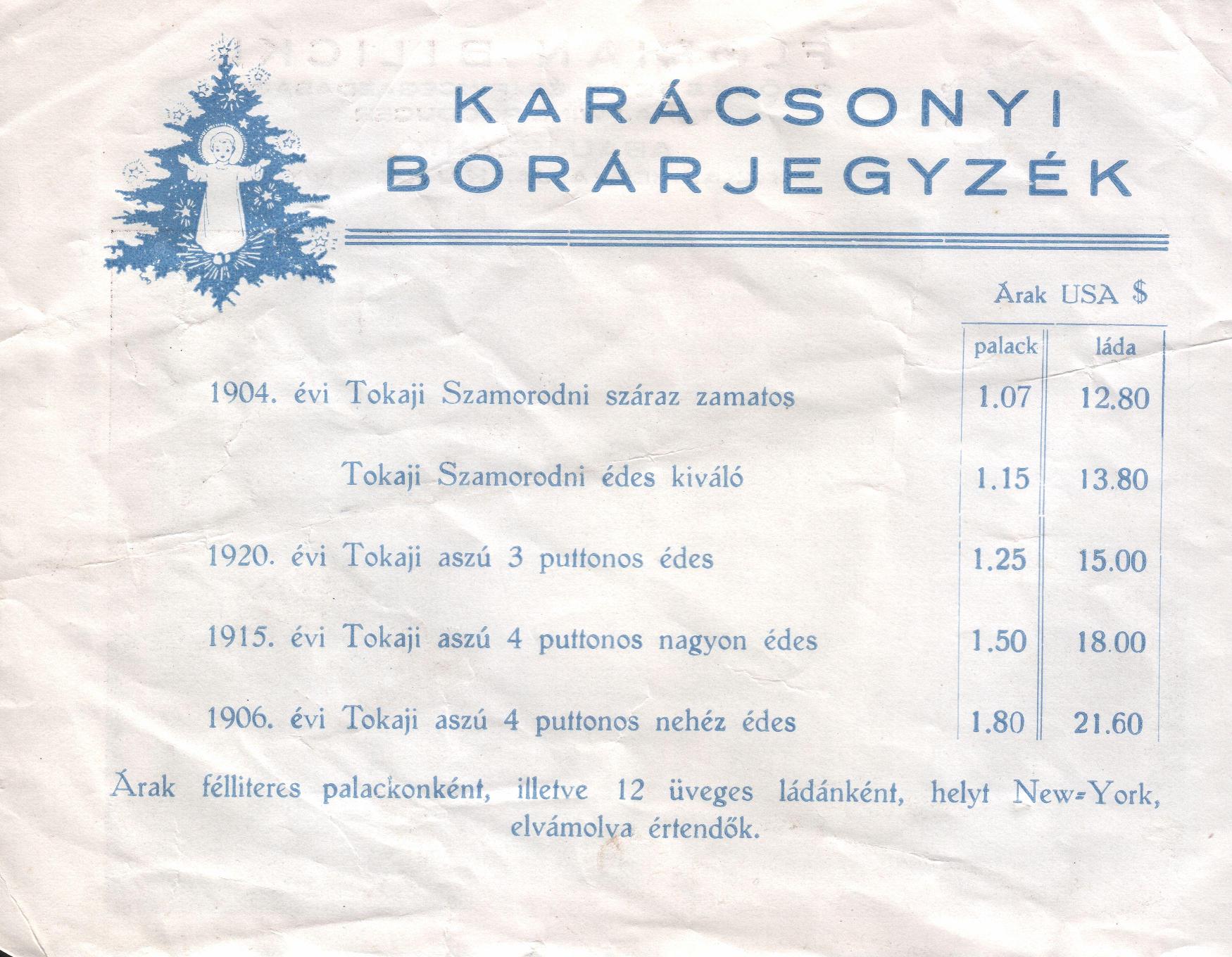
Bilicki
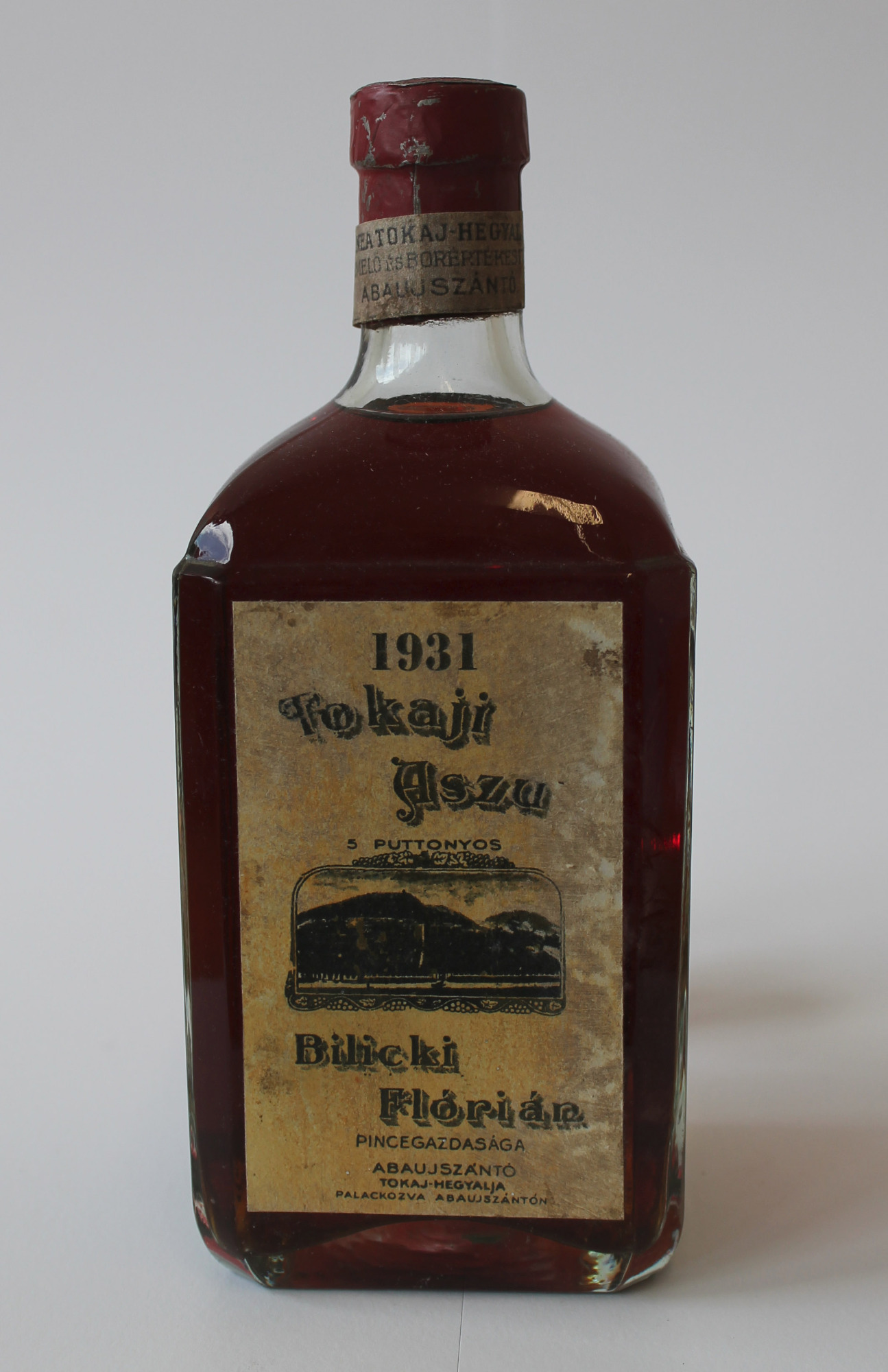
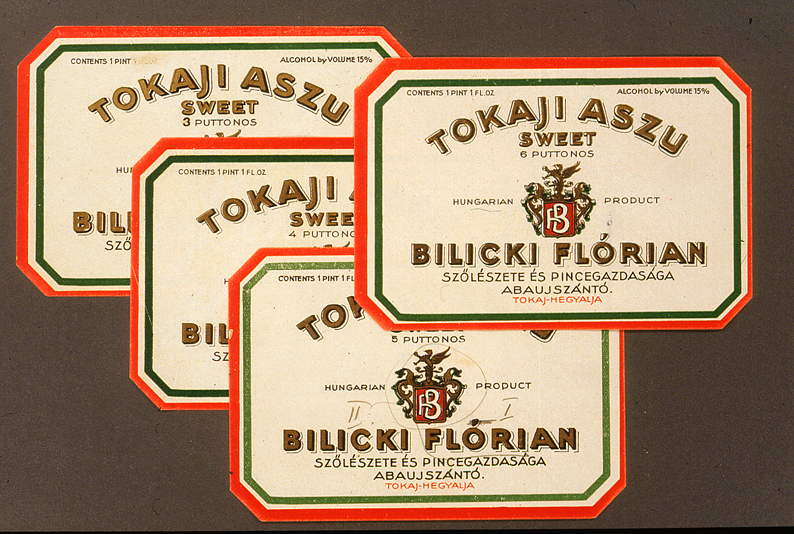
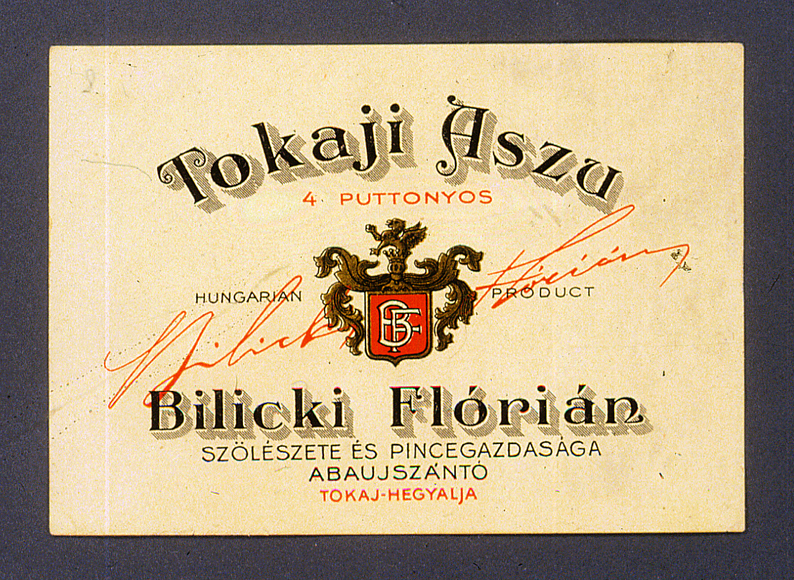
Lorem ipsum dolor sit amet, consectetur adipiscing elit. Nulla euismod condimentum felis vitae efficitur. Sed vel dictum quam, at blandit leo.Hasellus eleifend orci sit amet congue consectetur. Pellentesque sit amet nunc odio. Duis sed enim varius, imperdiet leo sit amet, efficitur arcu. Sed mattis justo est, a ultrices erat egestas nec. Aenean volutpat ex et efficitur lacinia. Sed nec purus nulla. Duis ac volutpat diam, at pretium tortor. Pellentesque aliquam elit a dui dapibus porta.
Dessewffy
Lorem ipsum dolor sit amet, consectetur adipiscing elit. Nulla euismod condimentum felis vitae efficitur. Sed vel dictum quam, at blandit leo.Hasellus eleifend orci sit amet congue consectetur. Pellentesque sit amet nunc odio. Duis sed enim varius, imperdiet leo sit amet, efficitur arcu. Sed mattis justo est, a ultrices erat egestas nec. Aenean volutpat ex et efficitur lacinia. Sed nec purus nulla. Duis ac volutpat diam, at pretium tortor. Pellentesque aliquam elit a dui dapibus porta.
Eszterhazy
Lorem ipsum dolor sit amet, consectetur adipiscing elit. Nulla euismod condimentum felis vitae efficitur. Sed vel dictum quam, at blandit leo.Hasellus eleifend orci sit amet congue consectetur. Pellentesque sit amet nunc odio. Duis sed enim varius, imperdiet leo sit amet, efficitur arcu. Sed mattis justo est, a ultrices erat egestas nec. Aenean volutpat ex et efficitur lacinia. Sed nec purus nulla. Duis ac volutpat diam, at pretium tortor. Pellentesque aliquam elit a dui dapibus porta.
Széchenyi
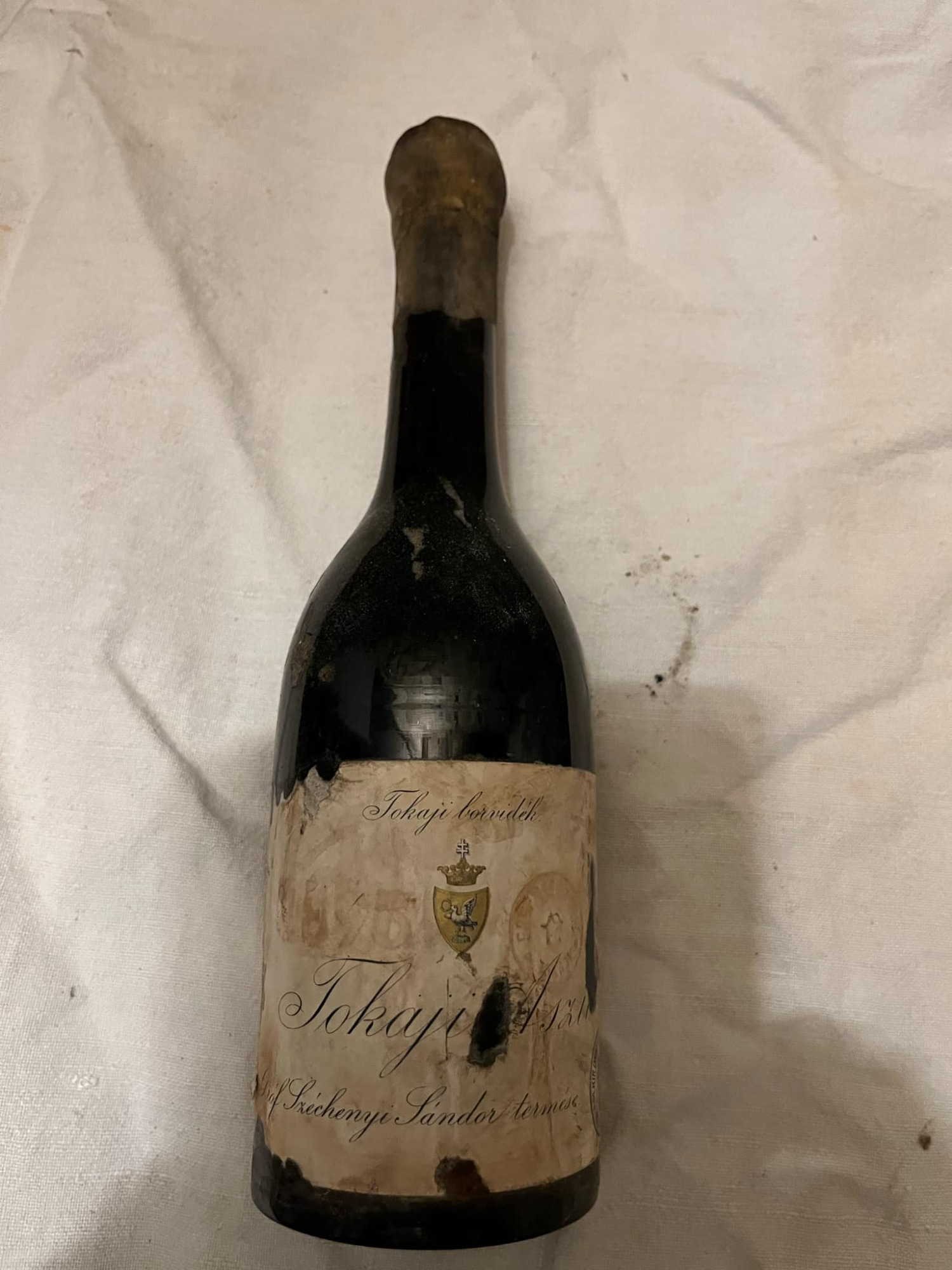
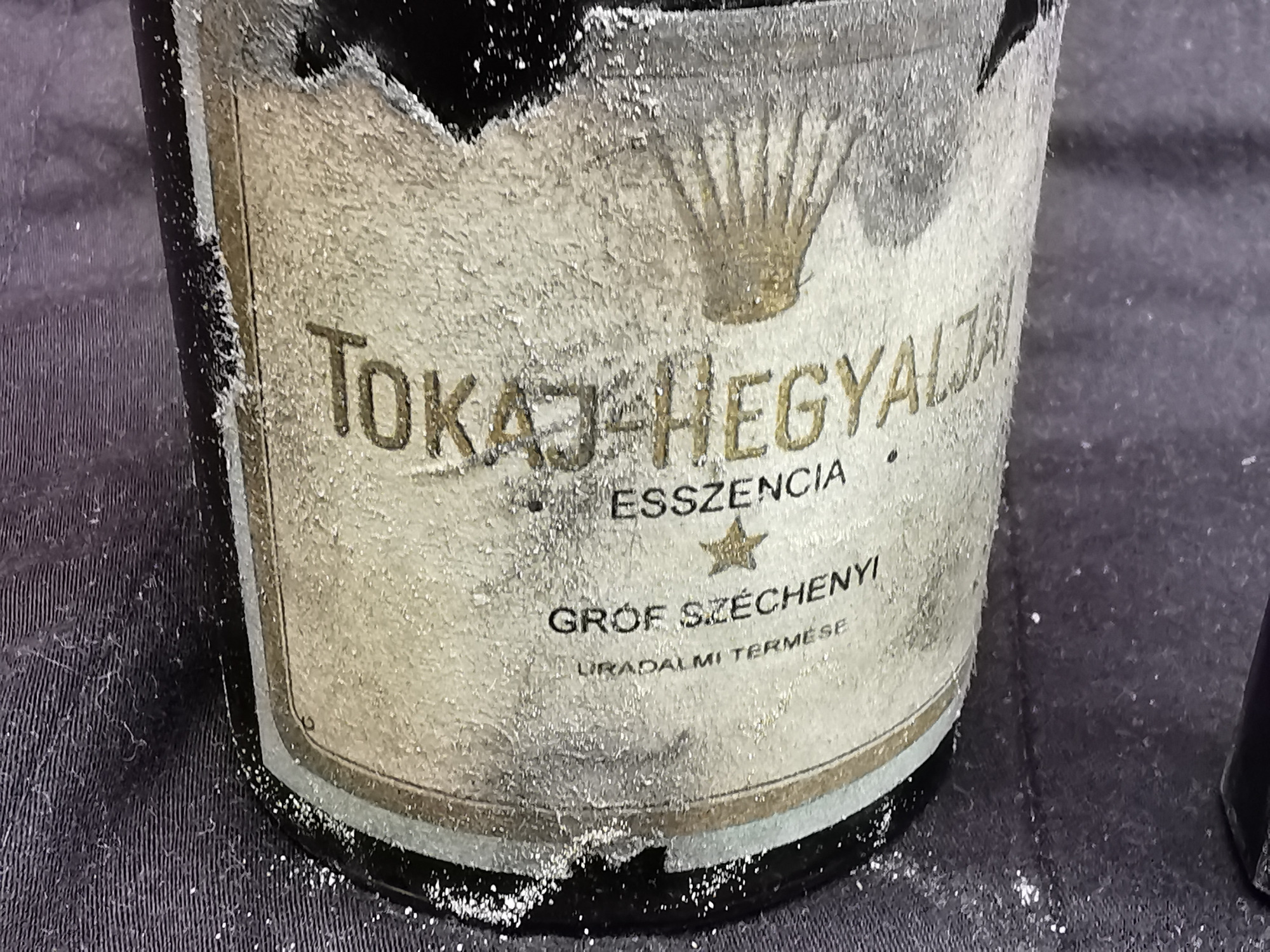
In contrast to the prestiguous name (think of Széchenyi chain bridge in Budapest) only very few bottles are known.
Windischgraetz
Lorem ipsum dolor sit amet, consectetur adipiscing elit. Nulla euismod condimentum felis vitae efficitur. Sed vel dictum quam, at blandit leo.Hasellus eleifend orci sit amet congue consectetur. Pellentesque sit amet nunc odio. Duis sed enim varius, imperdiet leo sit amet, efficitur arcu. Sed mattis justo est, a ultrices erat egestas nec. Aenean volutpat ex et efficitur lacinia. Sed nec purus nulla. Duis ac volutpat diam, at pretium tortor. Pellentesque aliquam elit a dui dapibus porta.