Imperial Habsburg Cellar (K.u.K. Hofkeller)
For more than 300 years the Imperial Cellar in Vienna was the epicenter of tokaji wine not only with respect to qantity and quality but also prestige The relationship of the Imperial Court to Tokaj is fascinatingly broad and extraordinary in many ways, and many more exciting details can still be discovered in the archives as the extensive material has never been studied thoroughly. Due to time contraints I could only review a fraction of the tokaji-related archive material during my own research in Vienna.
A Personal Affiliation
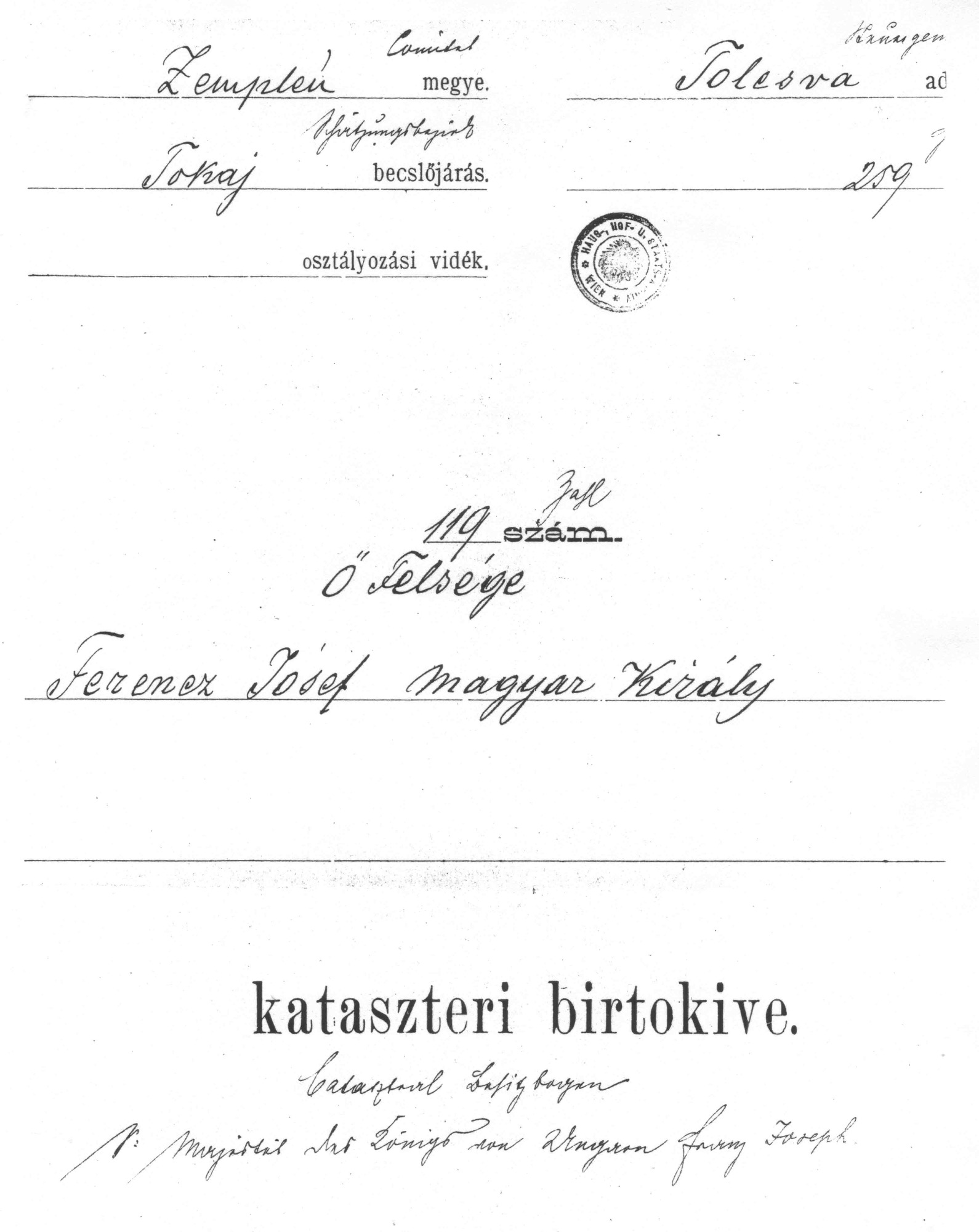
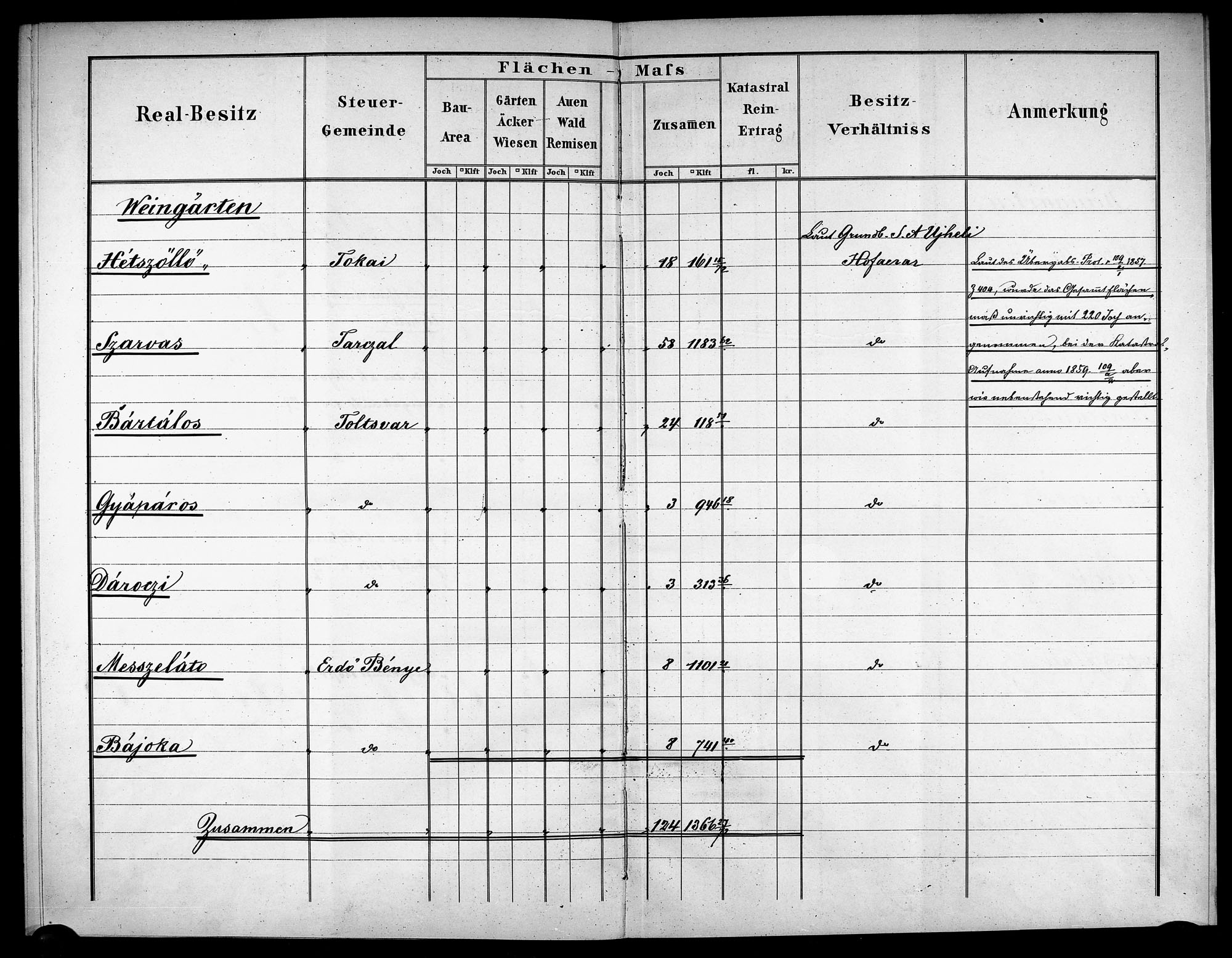
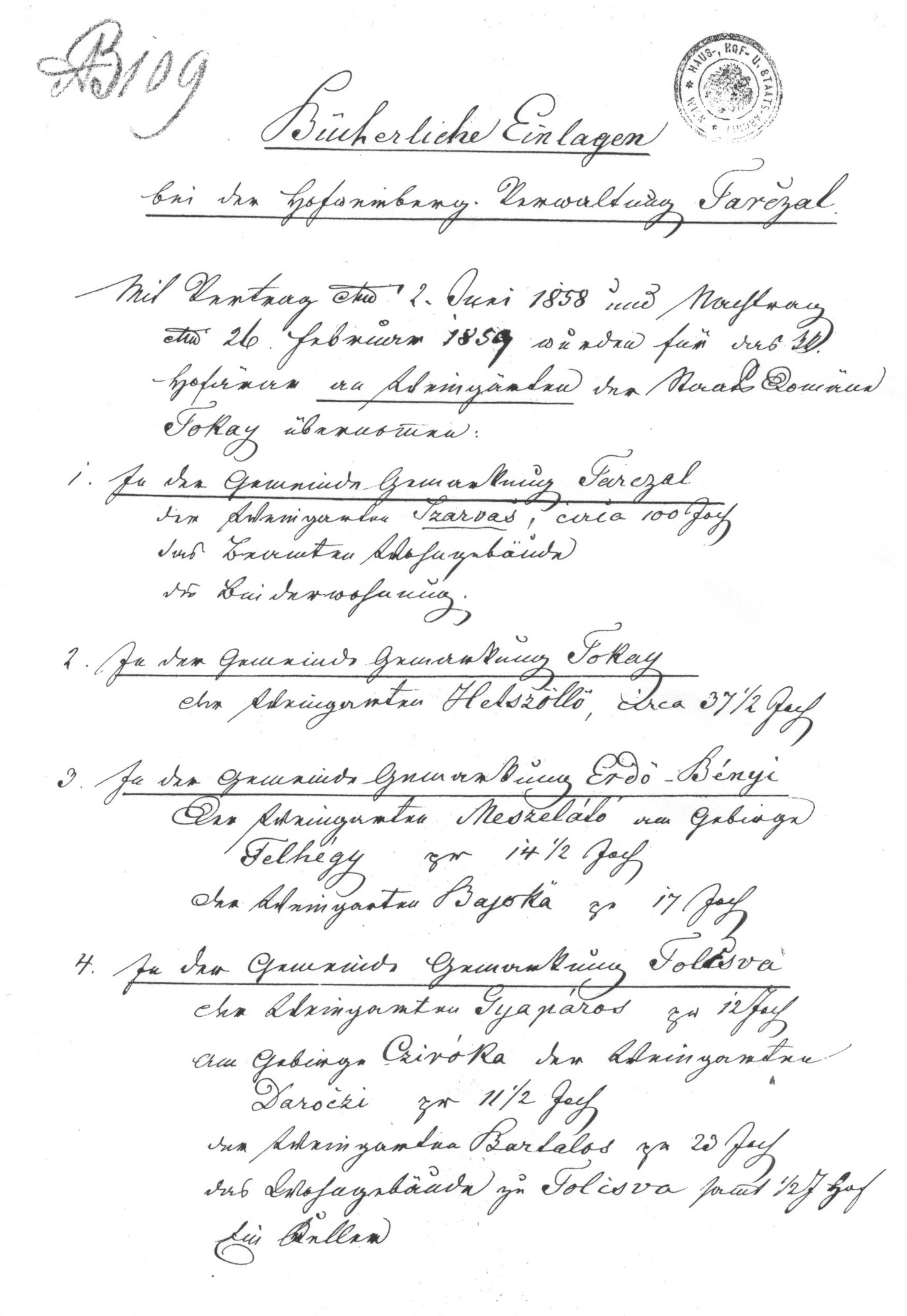
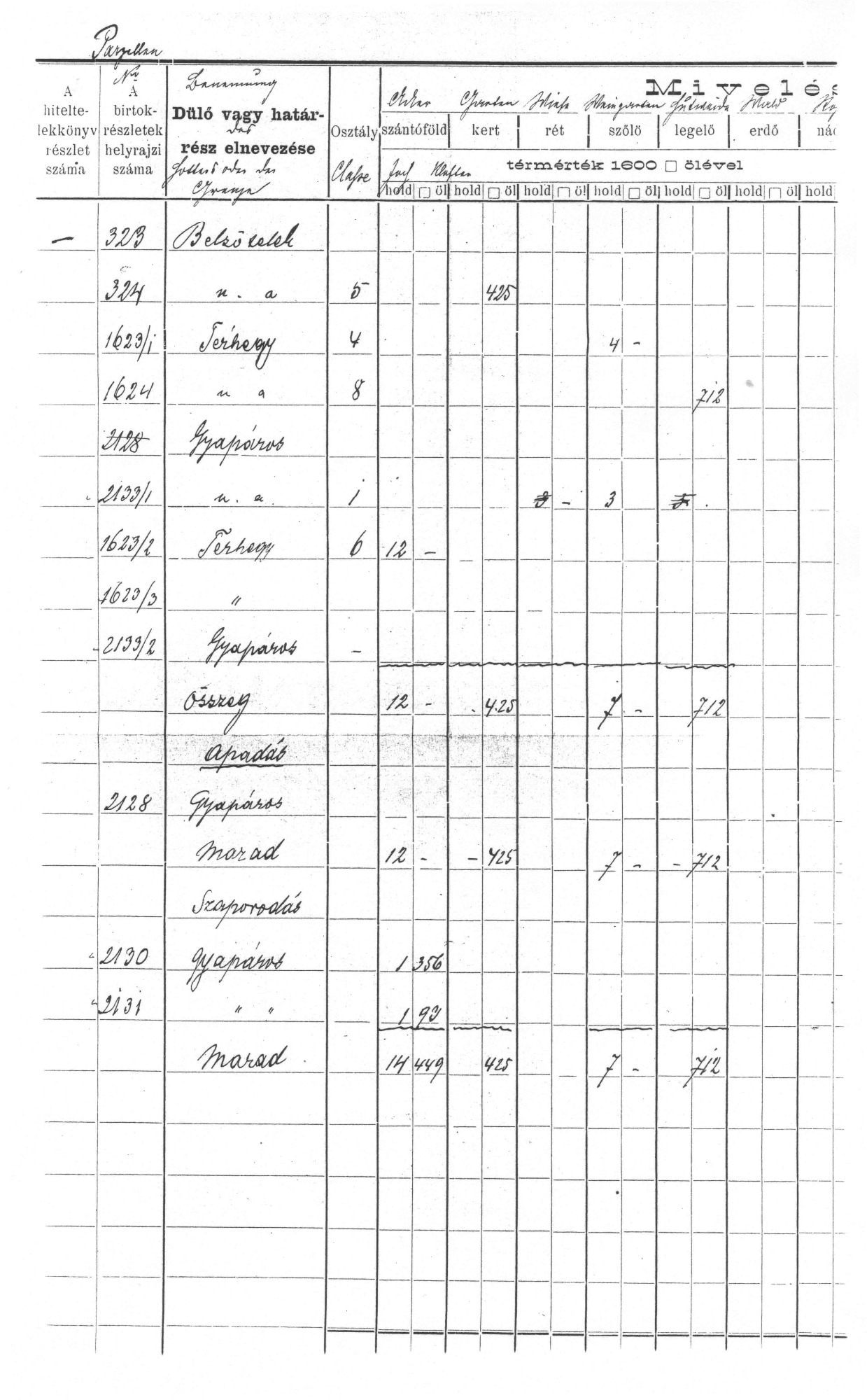
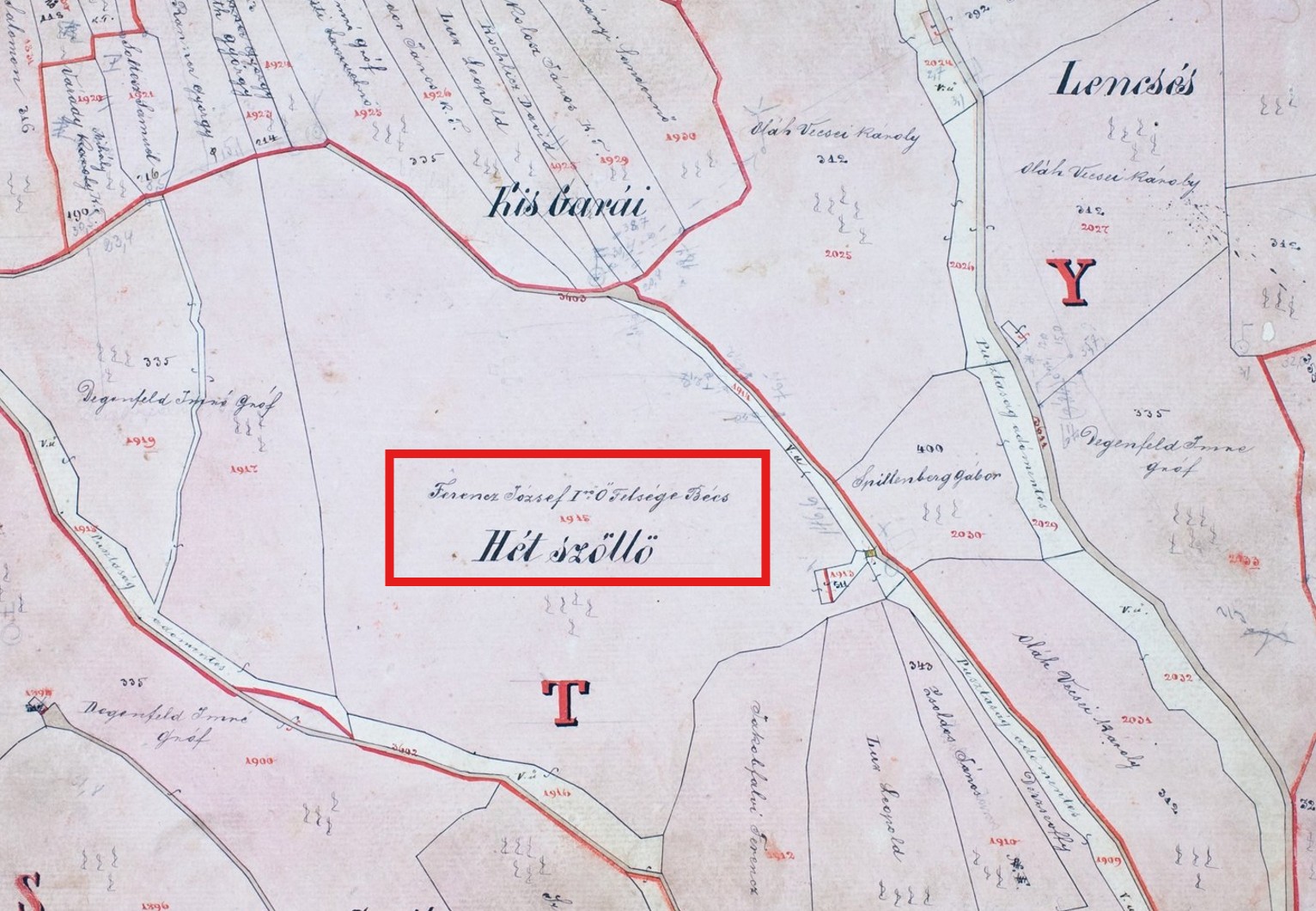
After the end of the Rákóczi uprising in 1711 his property, including many of the best vineyards in Tokaj fell to the Austrian Court and remained Habsburg property until the collapse of the Habsburg rule in 1918 after the defeat of the Austria-Hungary in World War I. The historic documents show that 10 vineyards were personally owned by the Emperor Franz Joseph I of Austria, including the famous Szarvas, Hétszőlő.
The Imperial Cellar
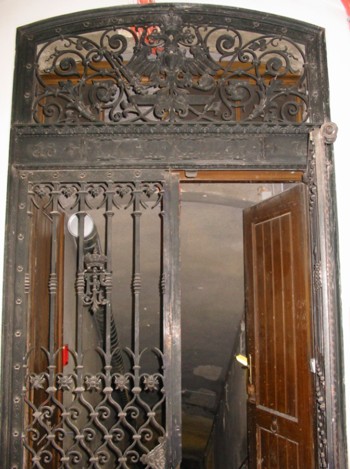
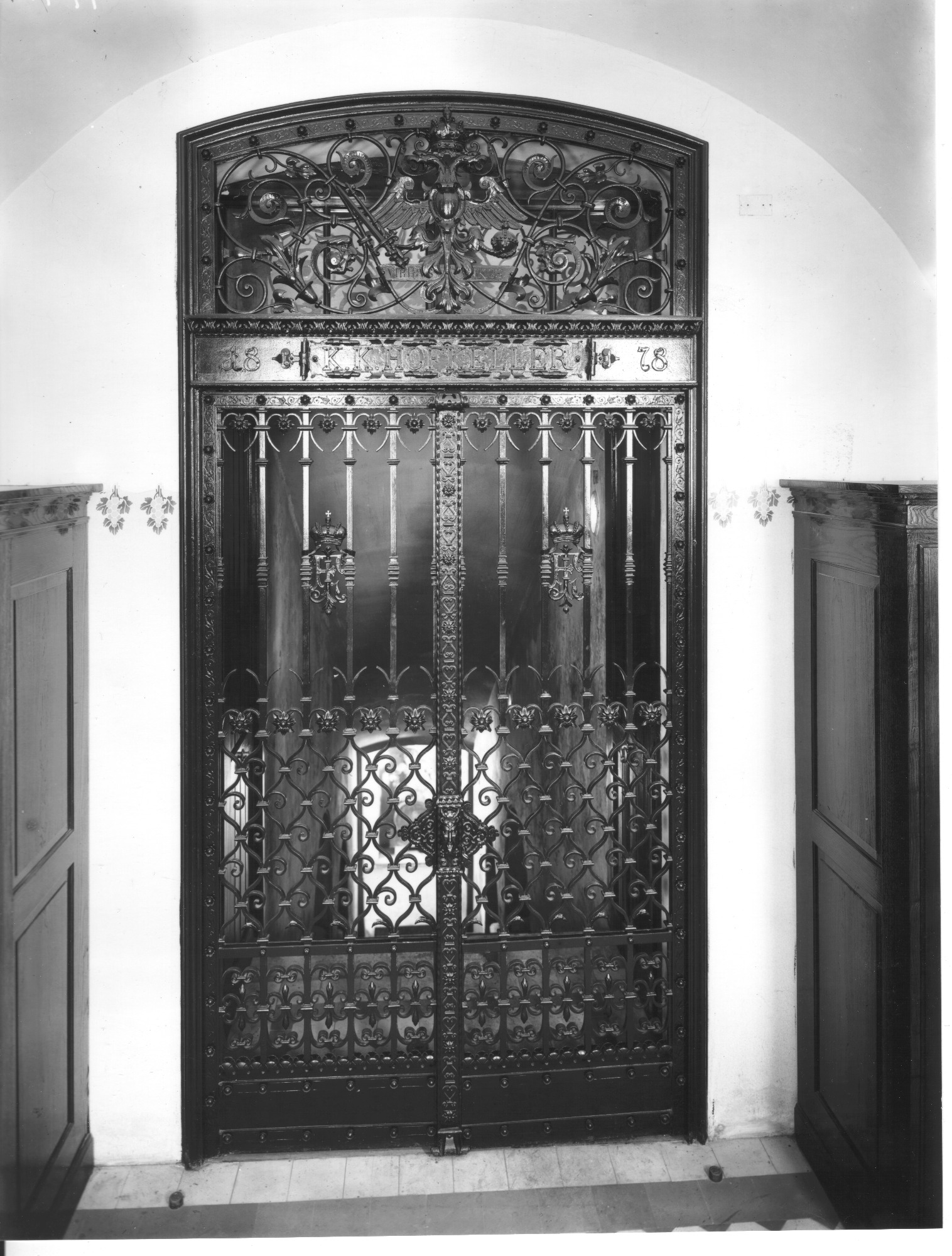
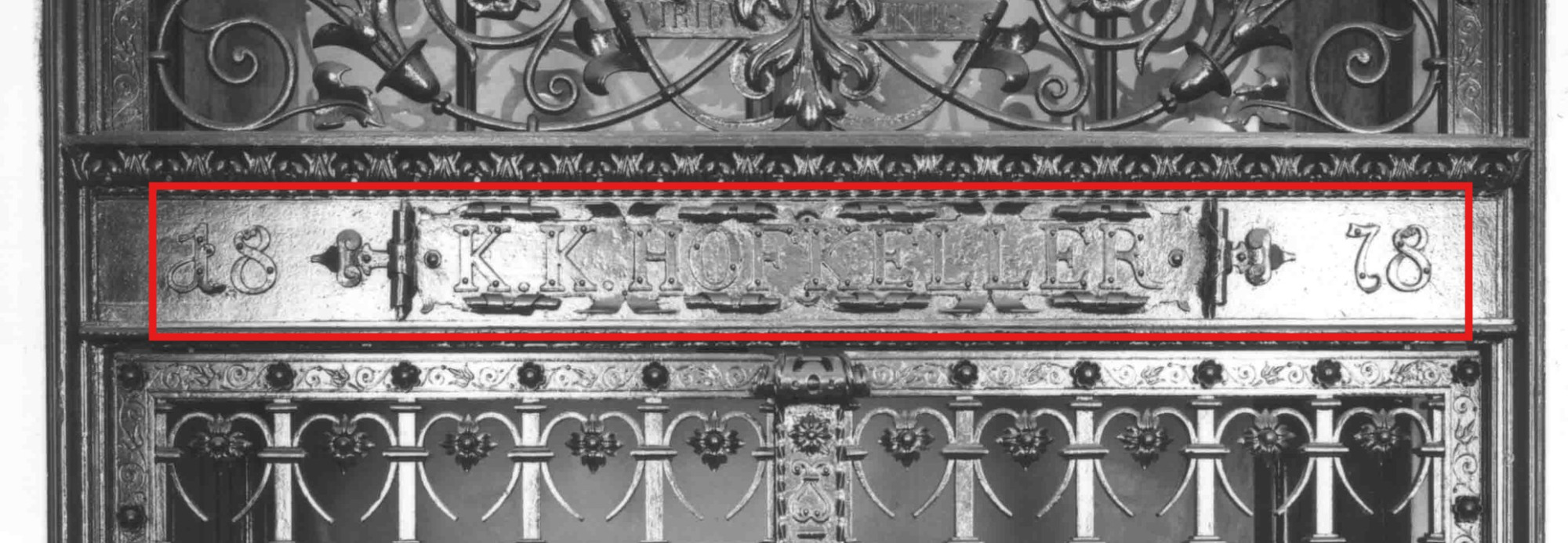
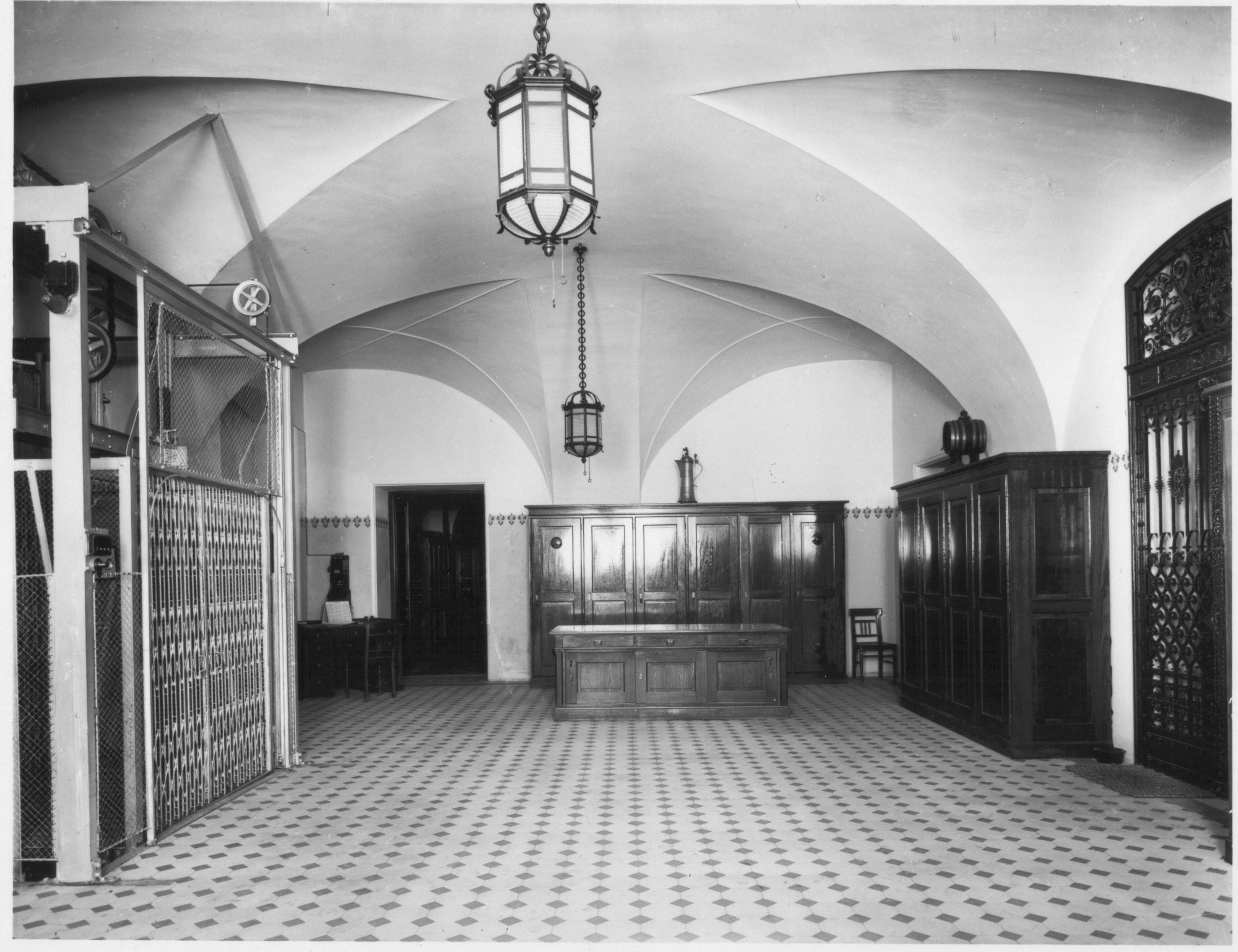
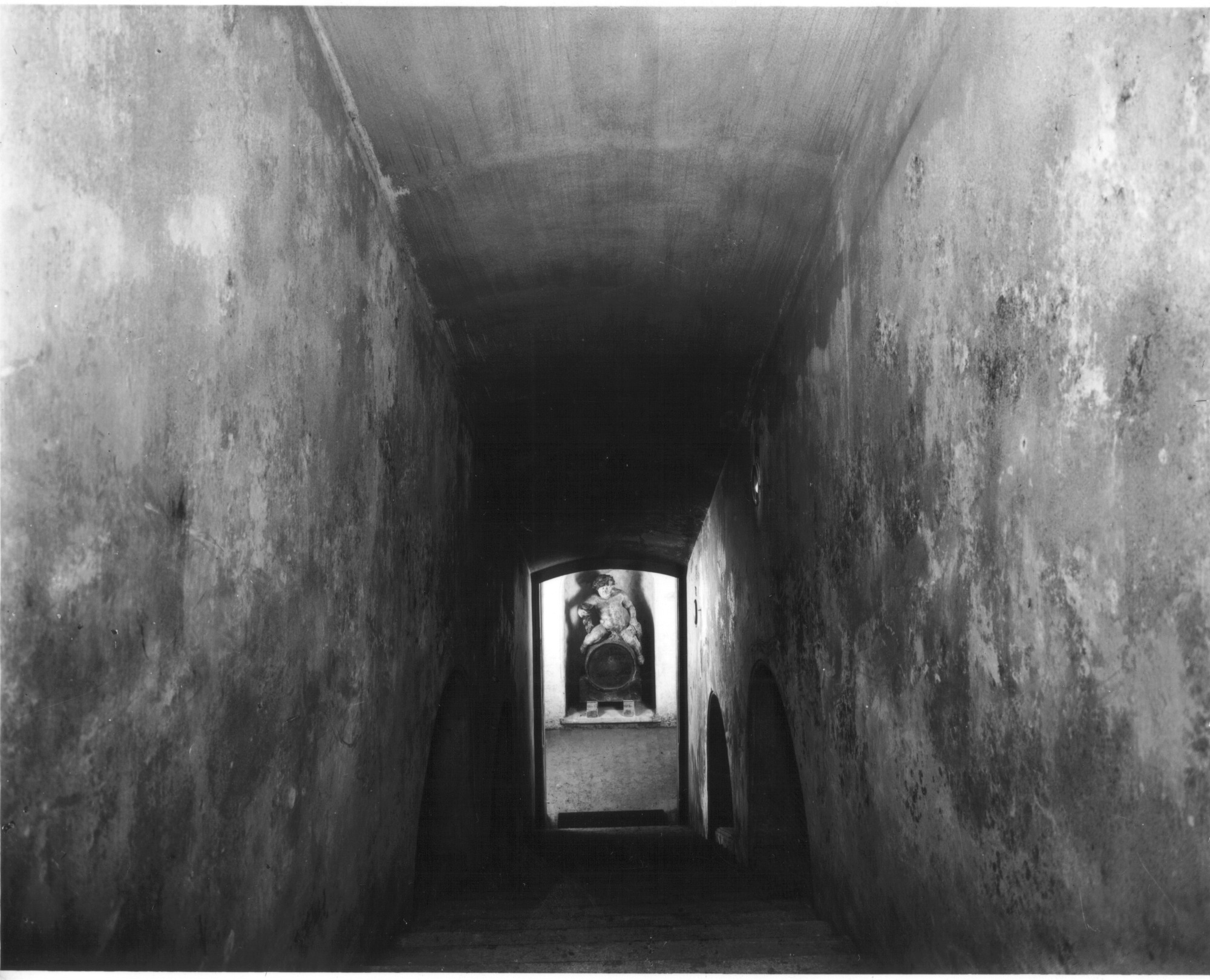
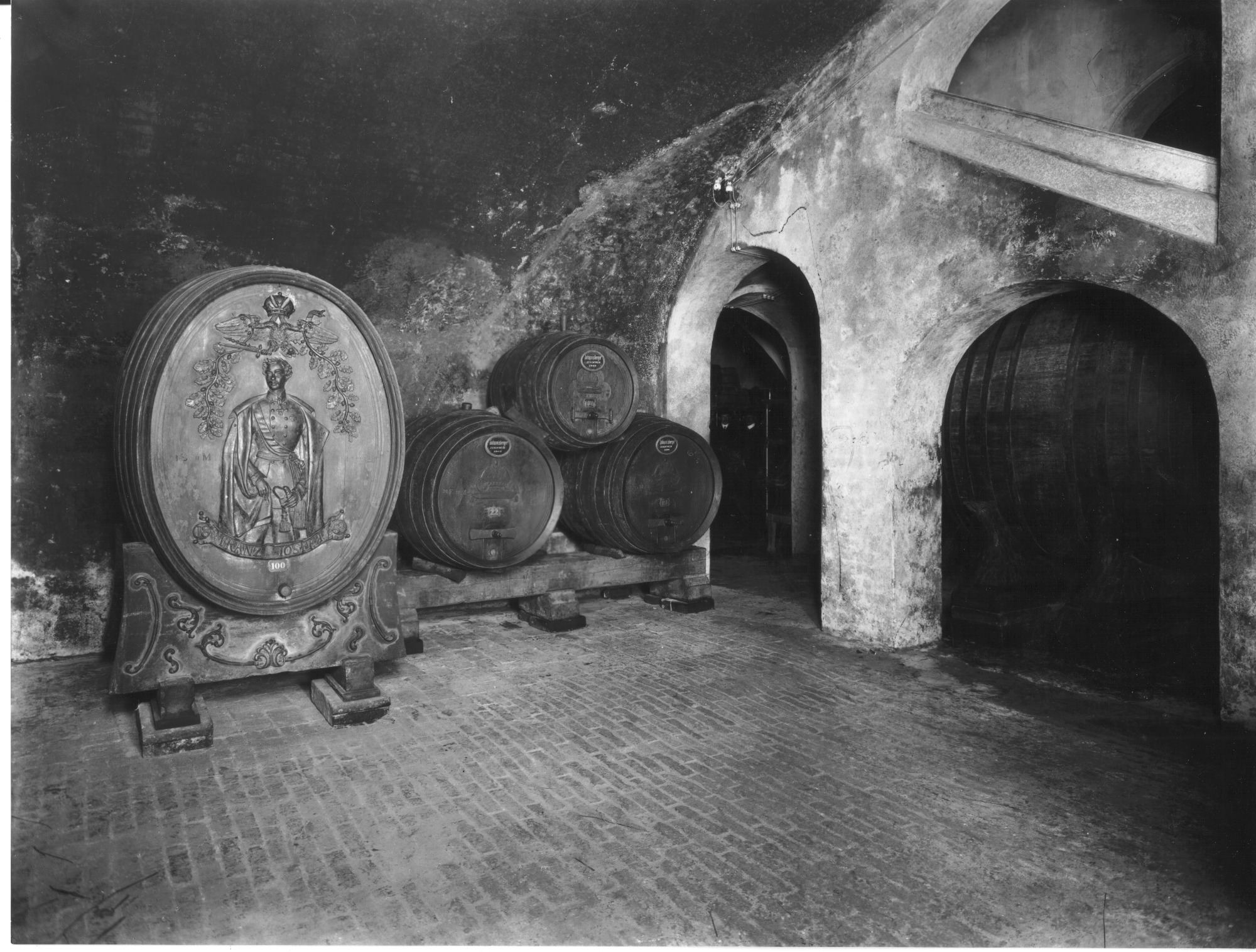
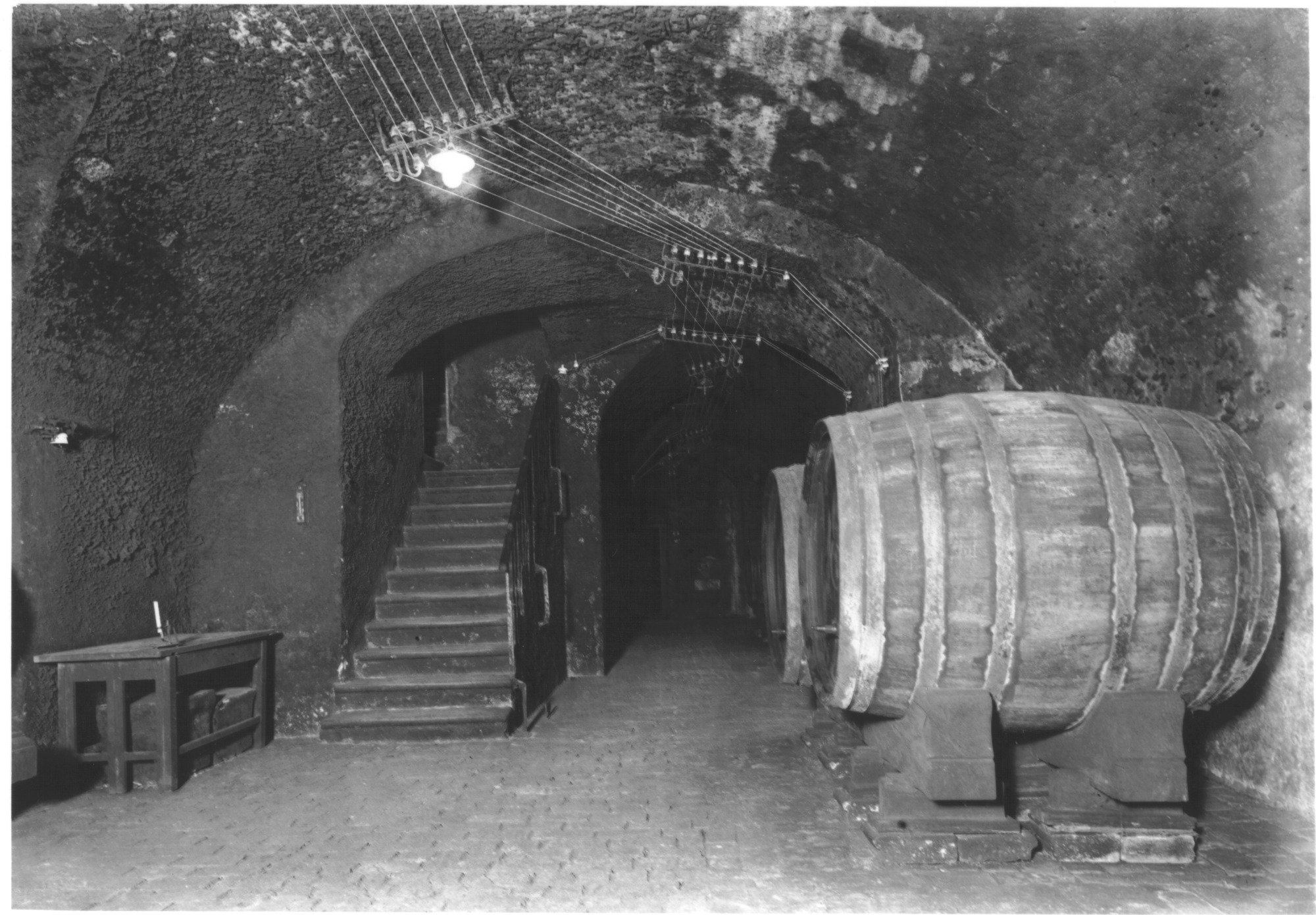
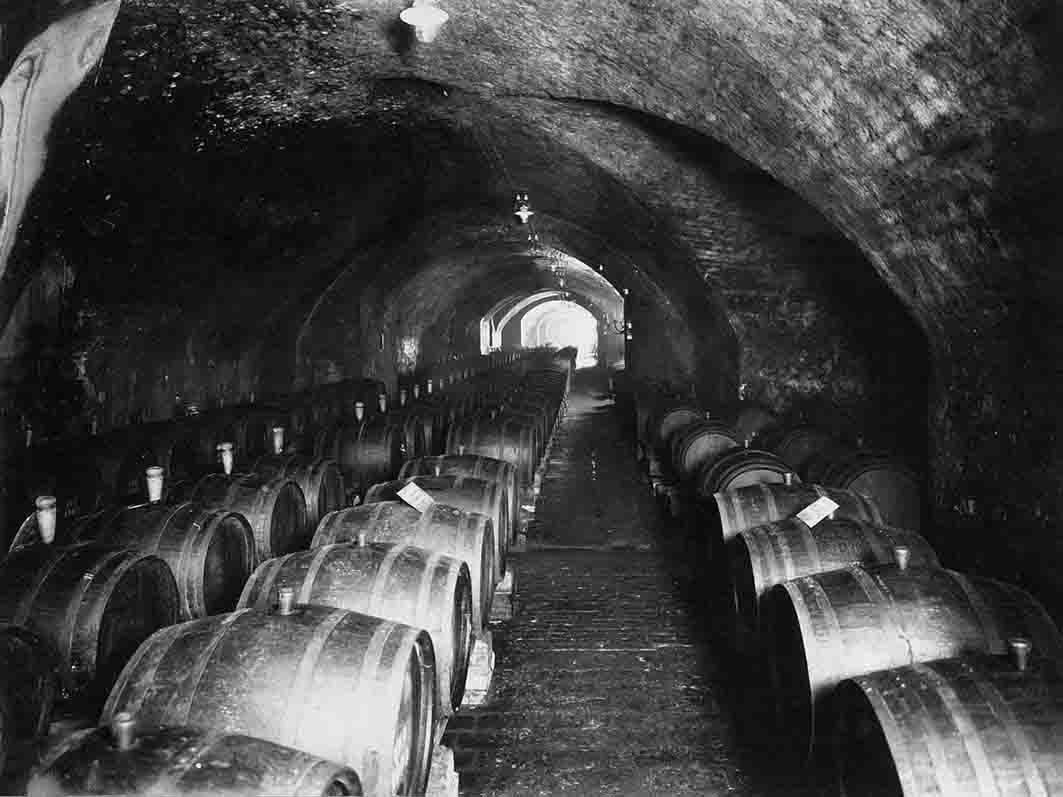
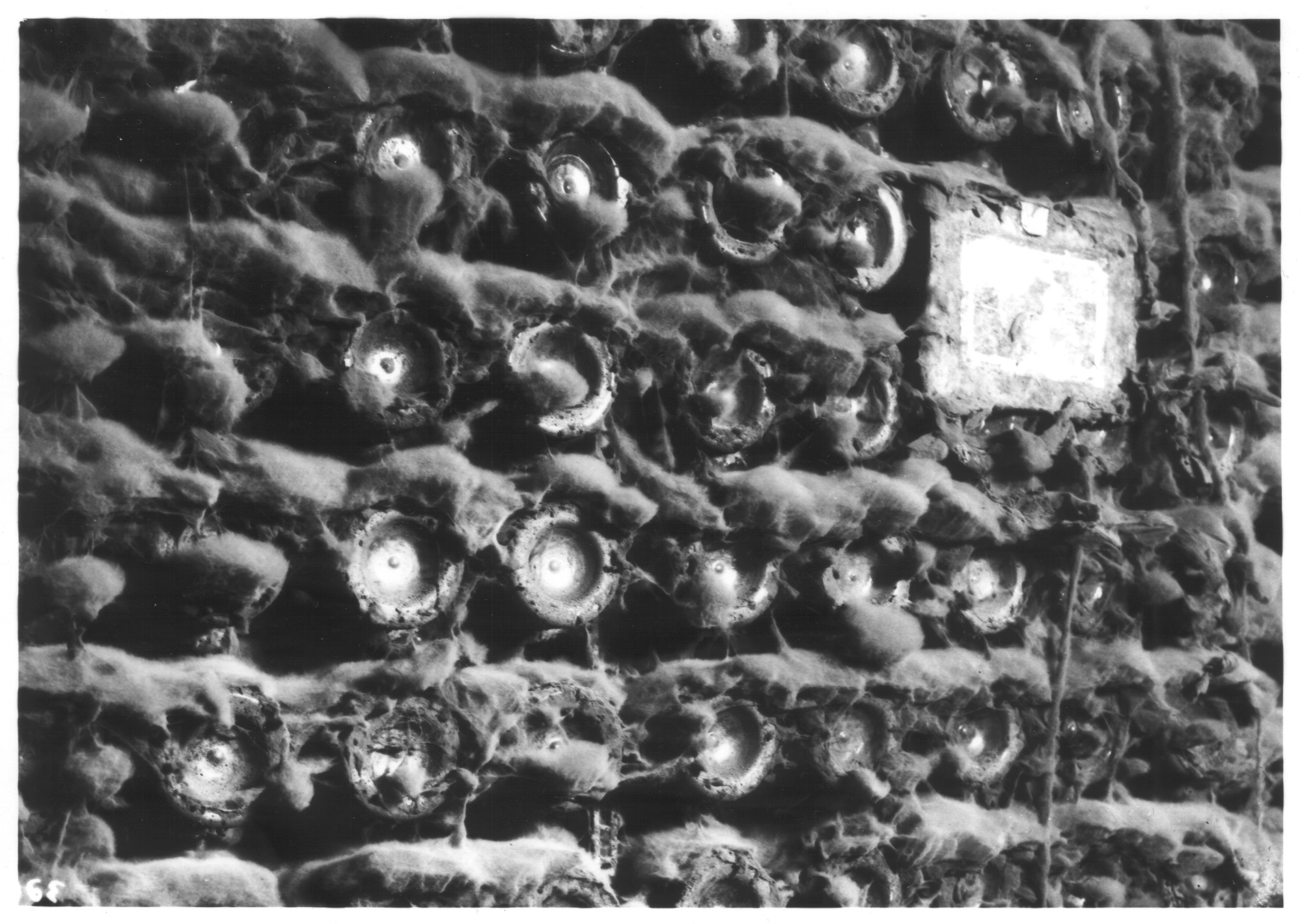
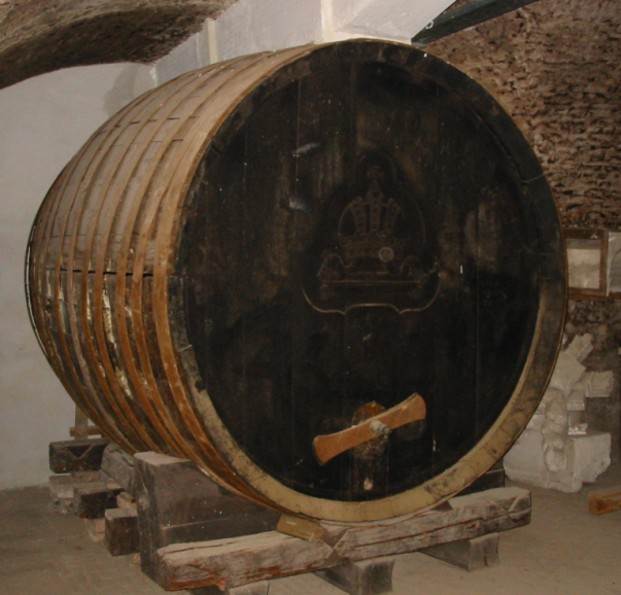
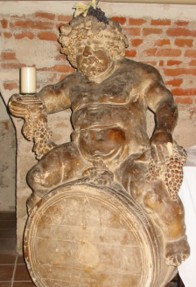
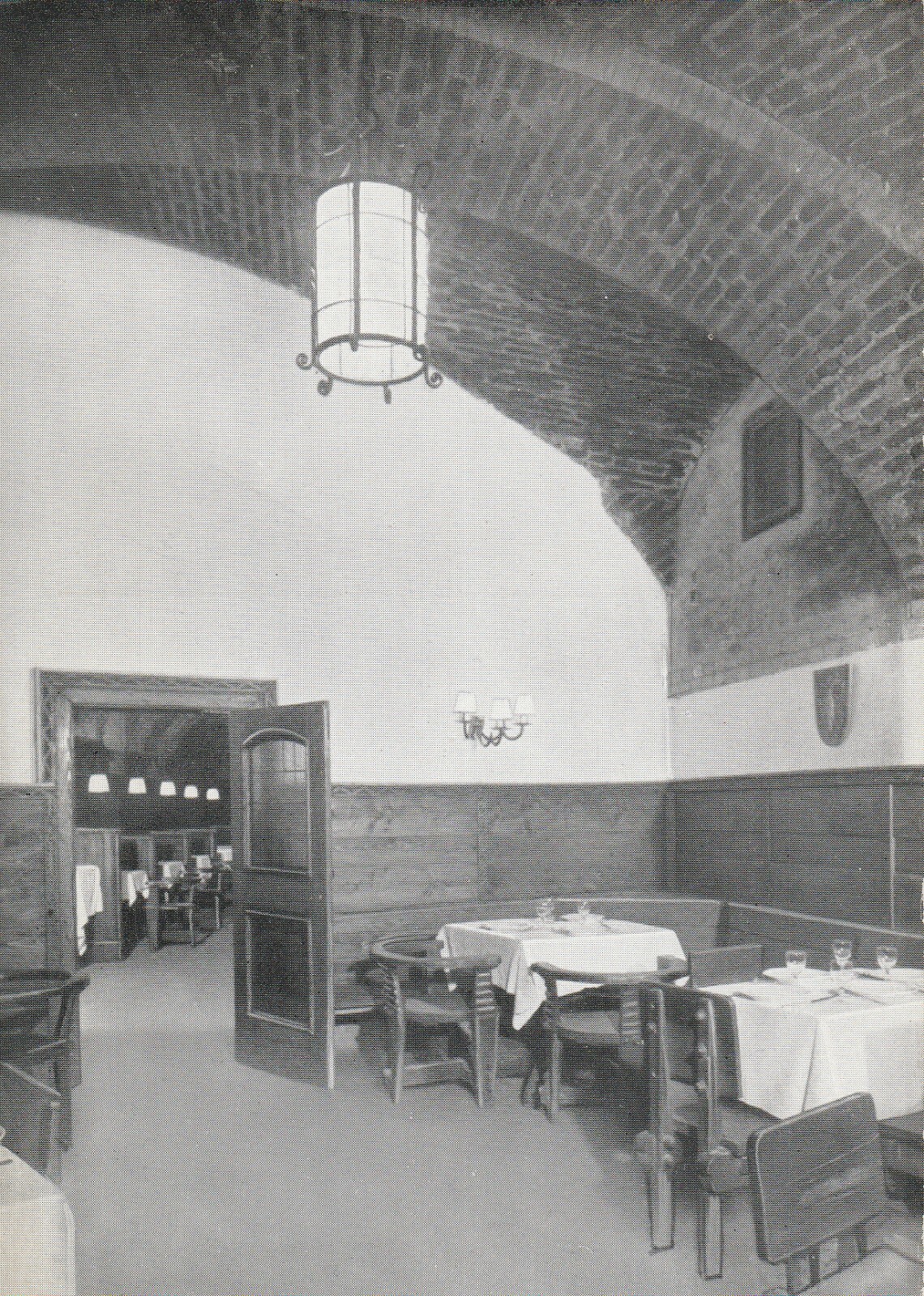
This famous Imperial wine cellar is located below the Hofburg in Vienna. "Hofburgkeller" is actually a more precise term as each of the Imperial palaces had its own wine cellar. The cellar is quite large with 3 floors, and the first record of Tokaji in the cellar dates back to 1619, long before the Rákóczi vineyards were confiscated after 1711. One section of the cellar was reserved for Tokaji.
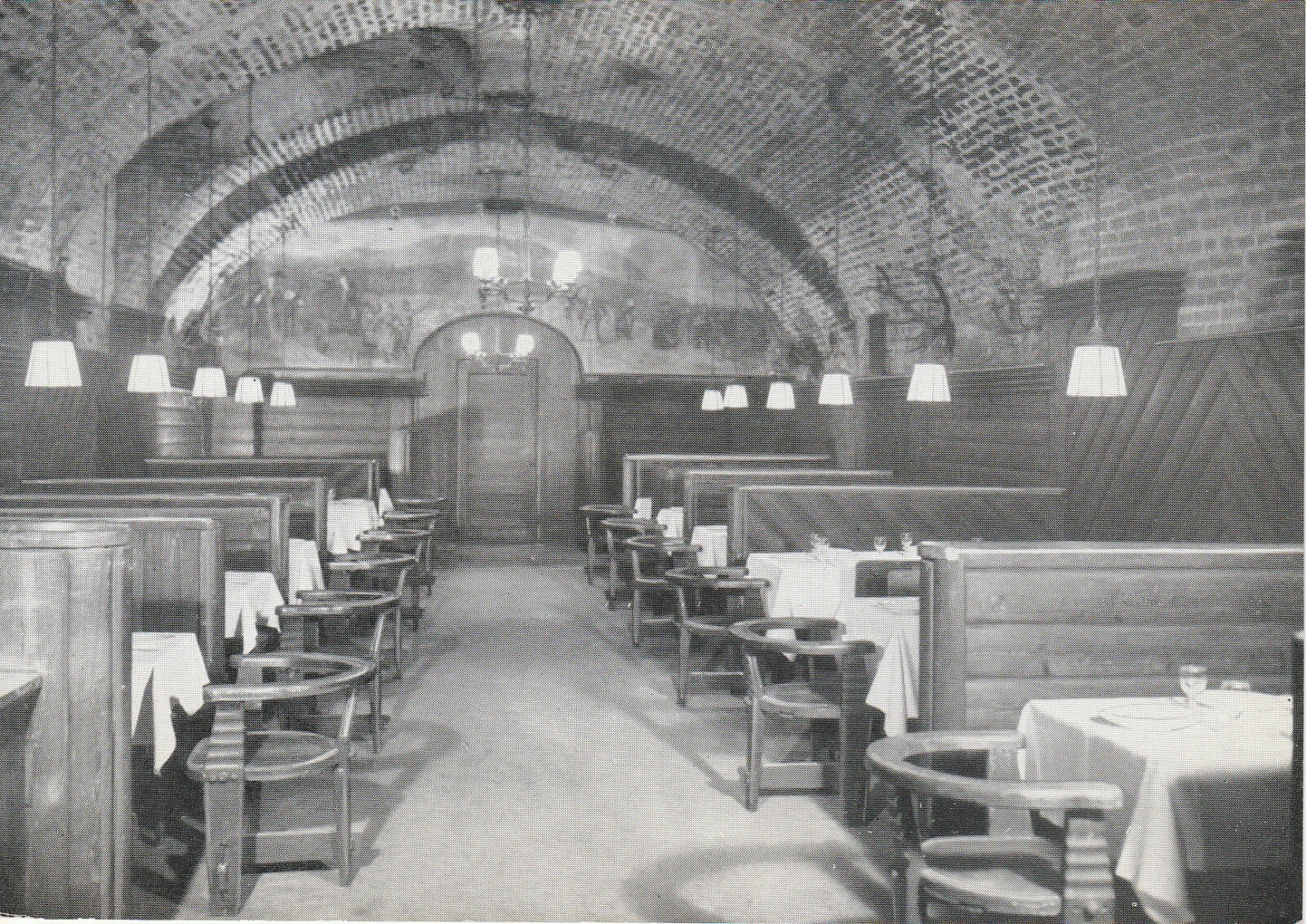
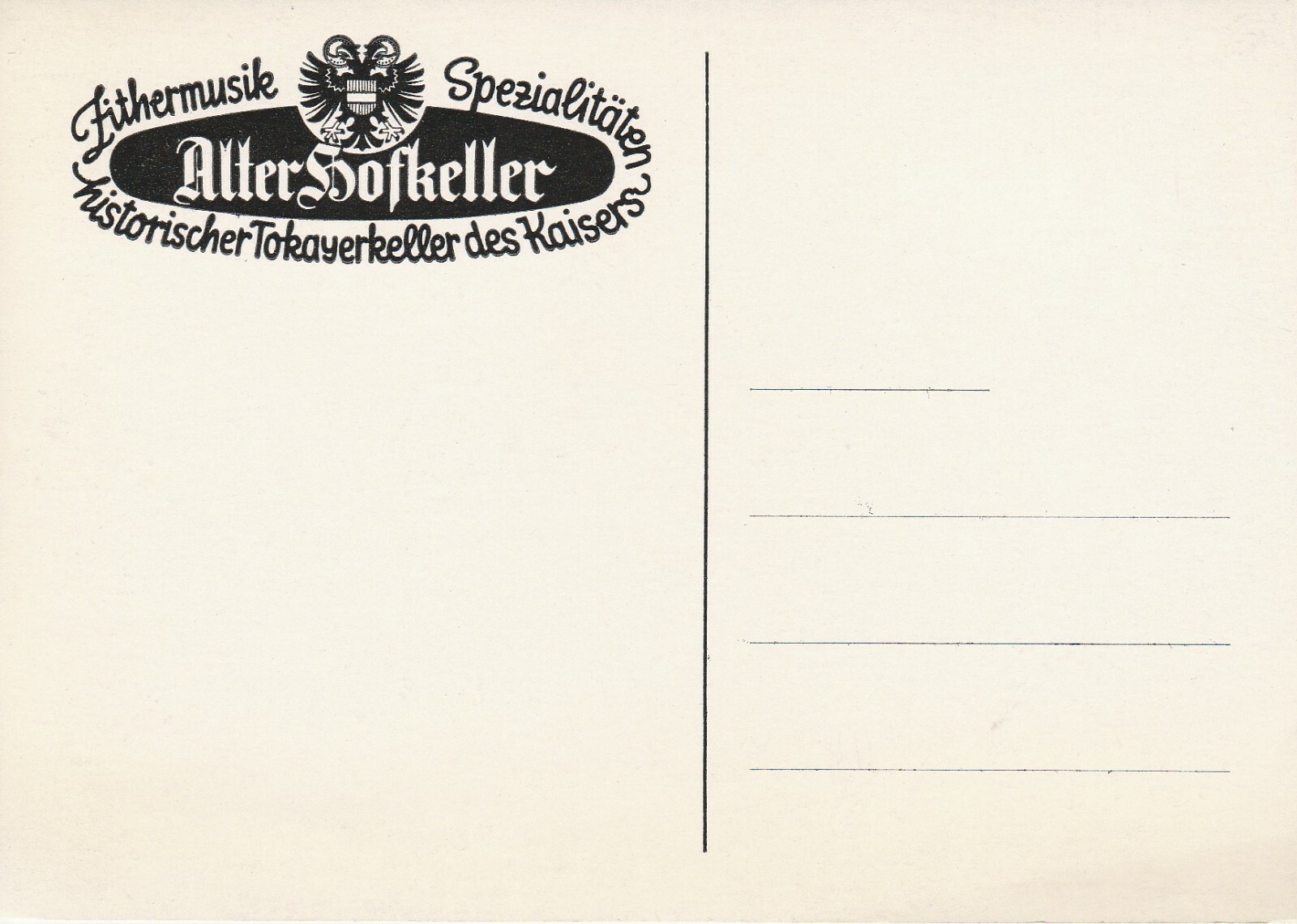
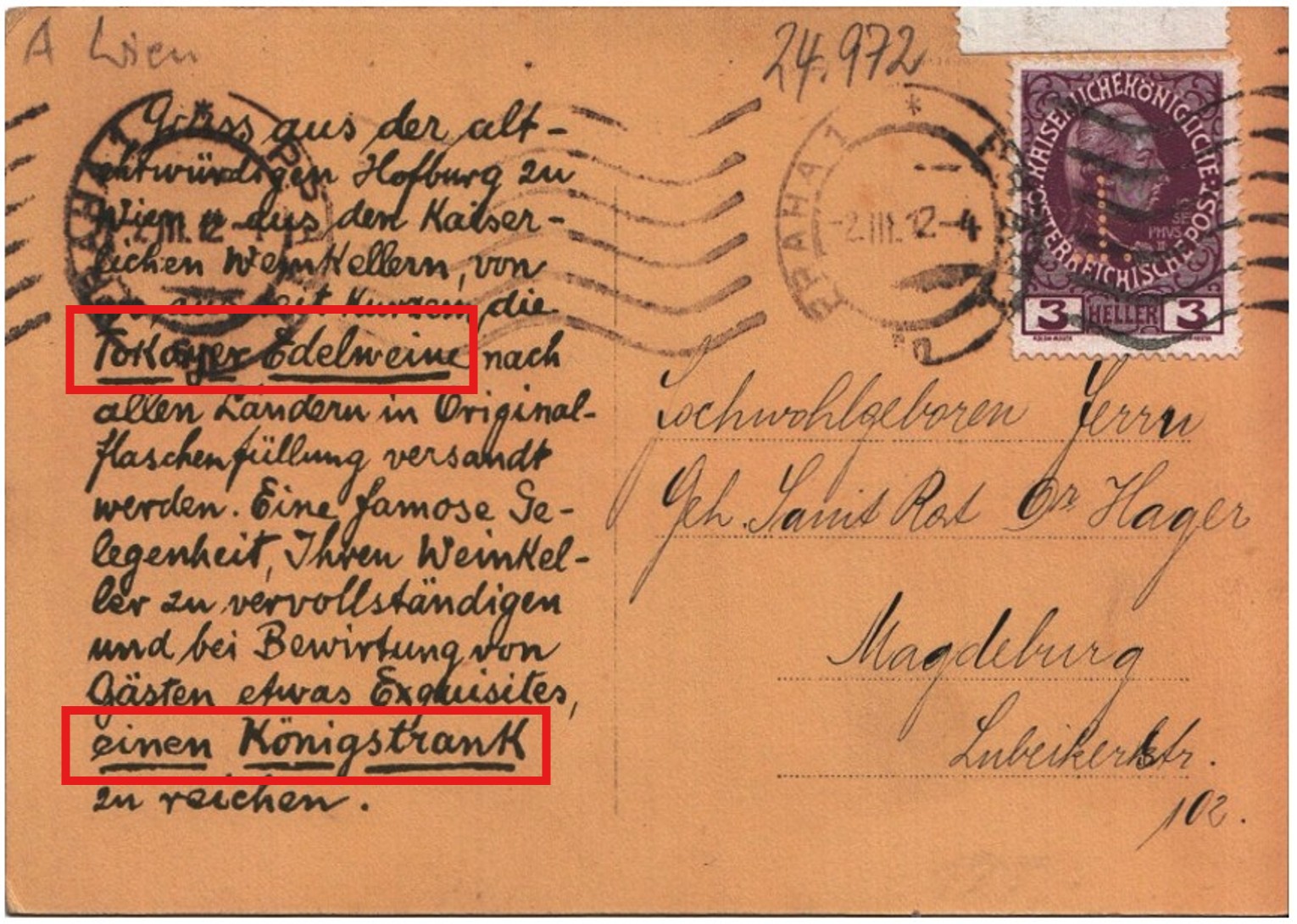
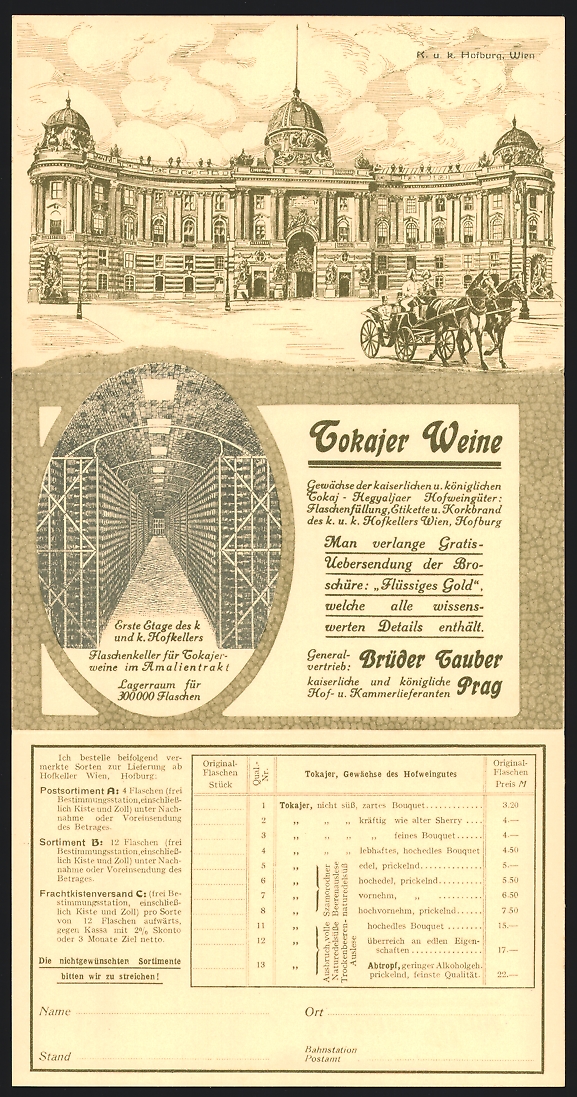
The cellar is no longer used and unfortunately not open to the public, except a small section belonging to the restaurant "Zum Alten Hofkeller" (entrance Schauflergasse 7, 1010 Vienna). Once I was granted a special permission from Austrian authorities to visit the cellar. During the cellar walk I was accompagnied by 2 armed guards because the old cellar entrance is in the Leopoldine wing, office of the Austrian President. The cellar streches below this building until Amalienbug and alos in the opposite direction to the Swiss Court. The images below are mostly from around 1910. Old postcards show that the old Tokayer Cellar used to be a wine bar after World War I.
My favourite example of the cellars prestige is from the book "Baron Münchhausen":
"One day the Sultan made me a sign to follow him thither, whispering, 'Munchausen, I have something special to show you today. I know you Christians are good judges of wine, and you shall tell me truly what you think of this. It is the last bottle of some Tokay given me by an Hungarian magnate, who regarded it as priceless."
Saying this, his Majesty filled his glass and mine. "Well," he said, "how do you like it?"
"It is fairly good," I replied, "but, if your Majesty will forgive my saying so, I can assure you that I have drunk wine at Vienna, in the Emperor's palace, compared to which this is but poor stuff."
"But, my dear fellow, this is genuine Tokay."
"Yes, your Majesty, but there is much better Tokay than this. What would your Majesty wager that I do not in an hour's time offer you a bottle of Tokay from the Imperial cellars, which will far surpass the wine you are drinking?"
"Munchausen, you are mocking me, and I do not permit such a liberty; I have always believed you to be a reasonable and truthful man, but this time I am afraid you are exaggerating."
"Well, your Majesty, will you accept the wager? If I do not carry out what I have promised, you may cut off my head. That is my stake—now, what is yours?"
"I will take your wager," replied the Sultan. "But if the wine is not here on the stroke of four, it will cost you your head, for I do not allow even my best friends to jest with me. If, however, you fulfil your promise, I will give you as much gold, silver, and precious stones from my treasury as the strongest man can carry."
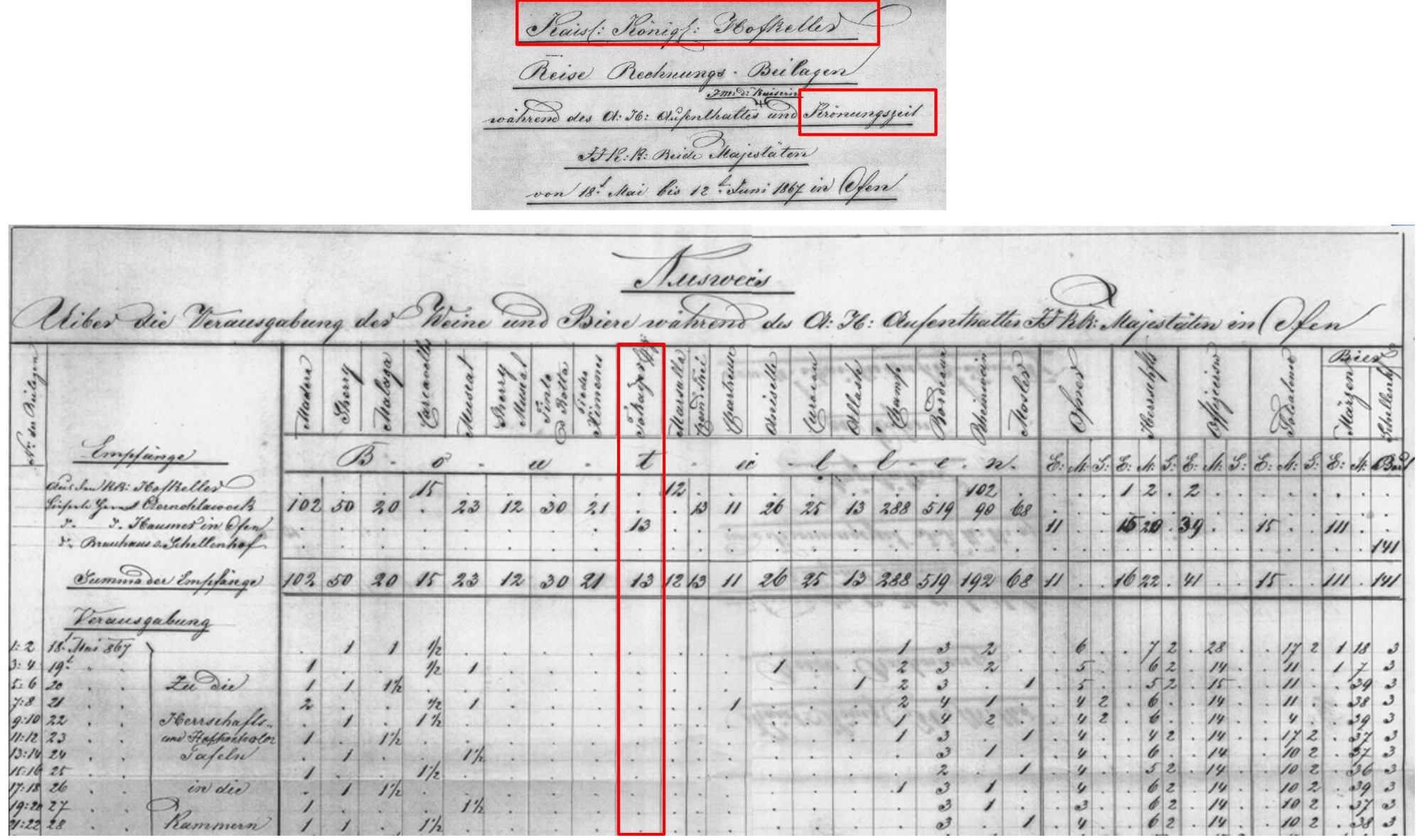
Tokaji at the Imperial Court
Tokaji played a prominent role:
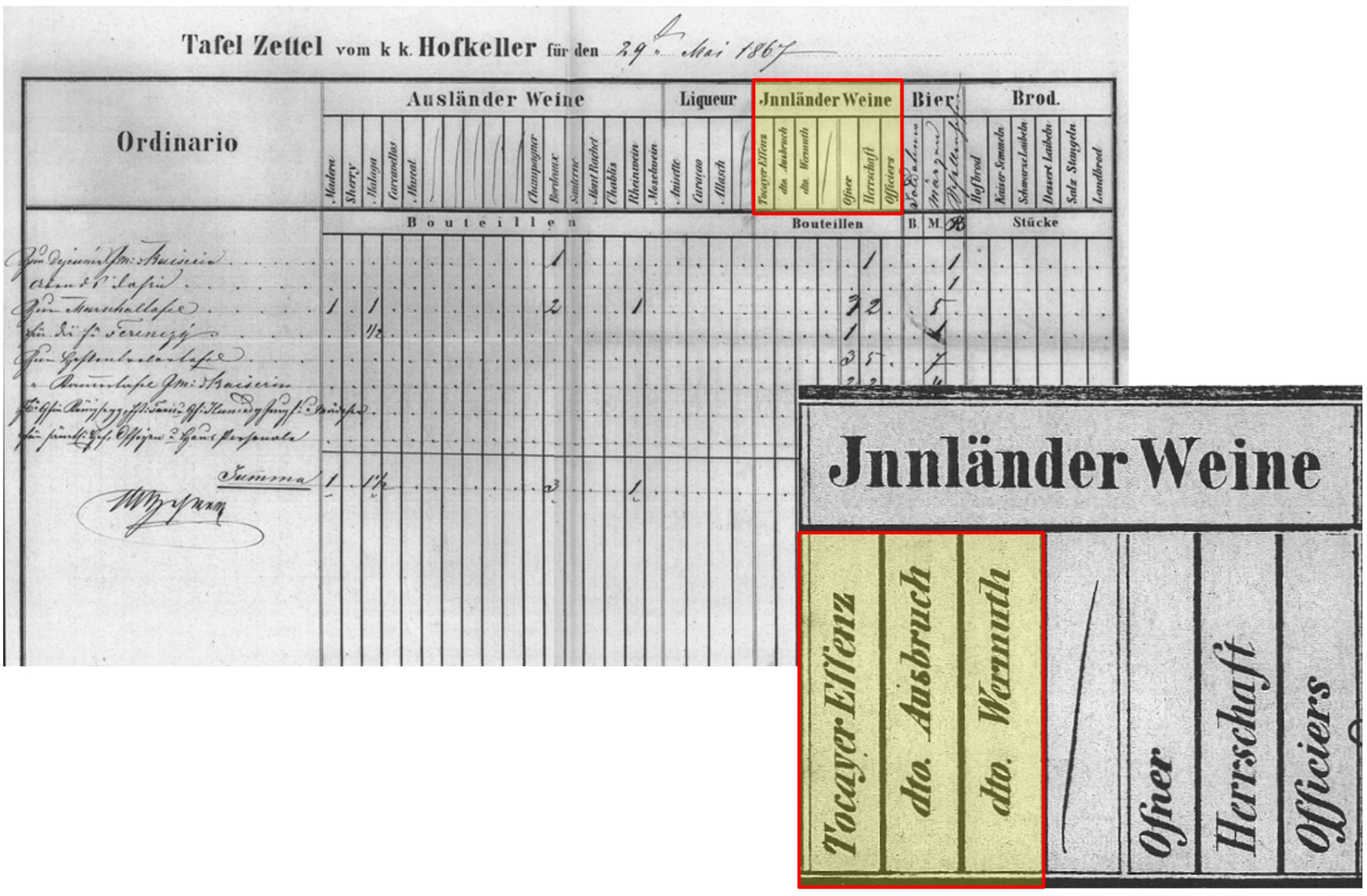
- Tokaji was omnipresent at the Imperial table as can bee seen on many historic menu cards. Tokaji is also featured in many documents that recorded consumption at important events such as state dinners, marriages, coronations etc.
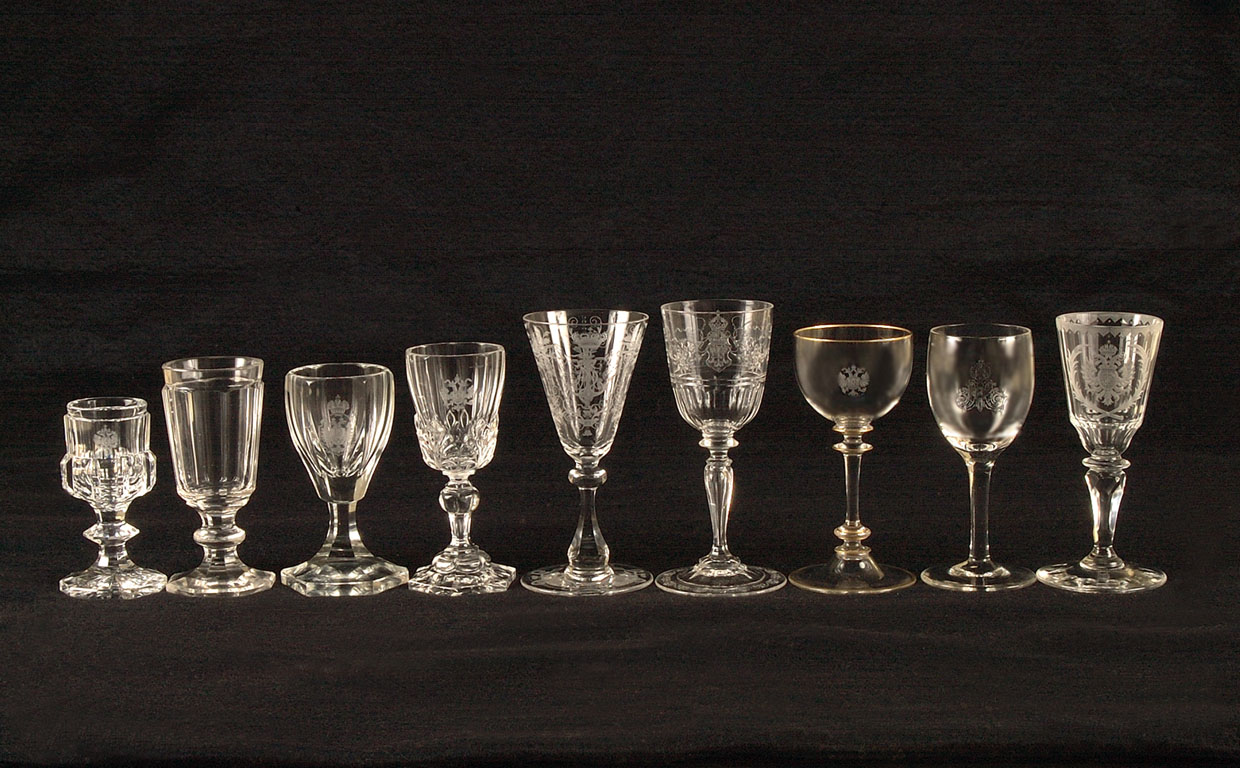
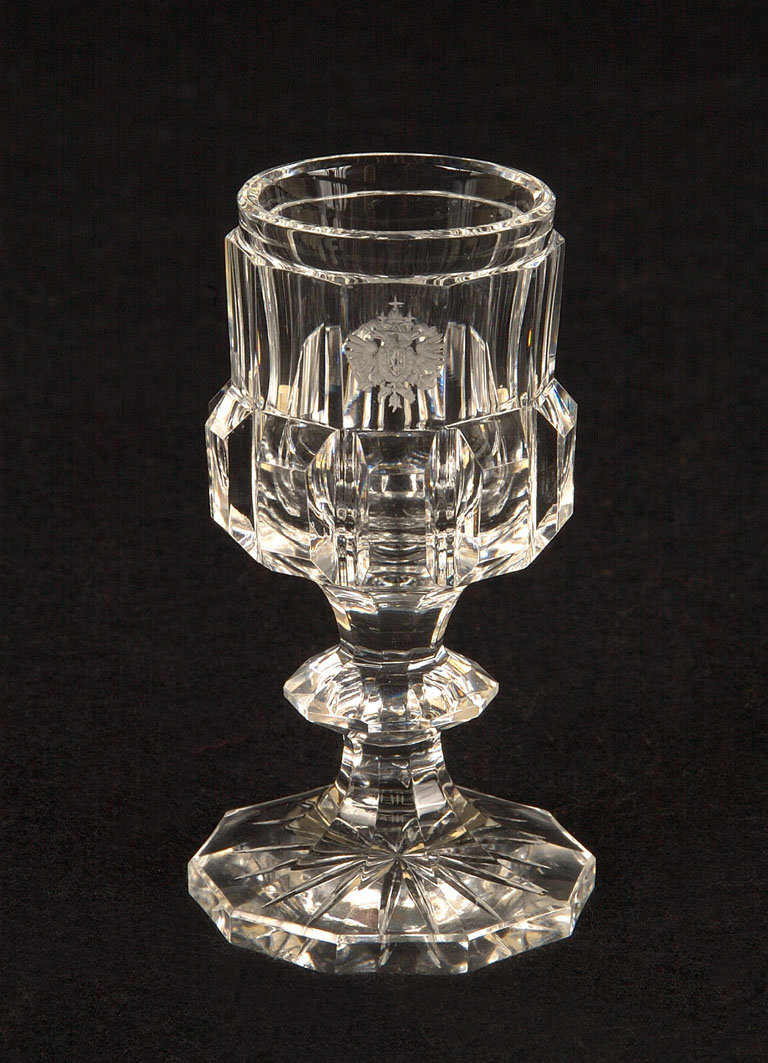
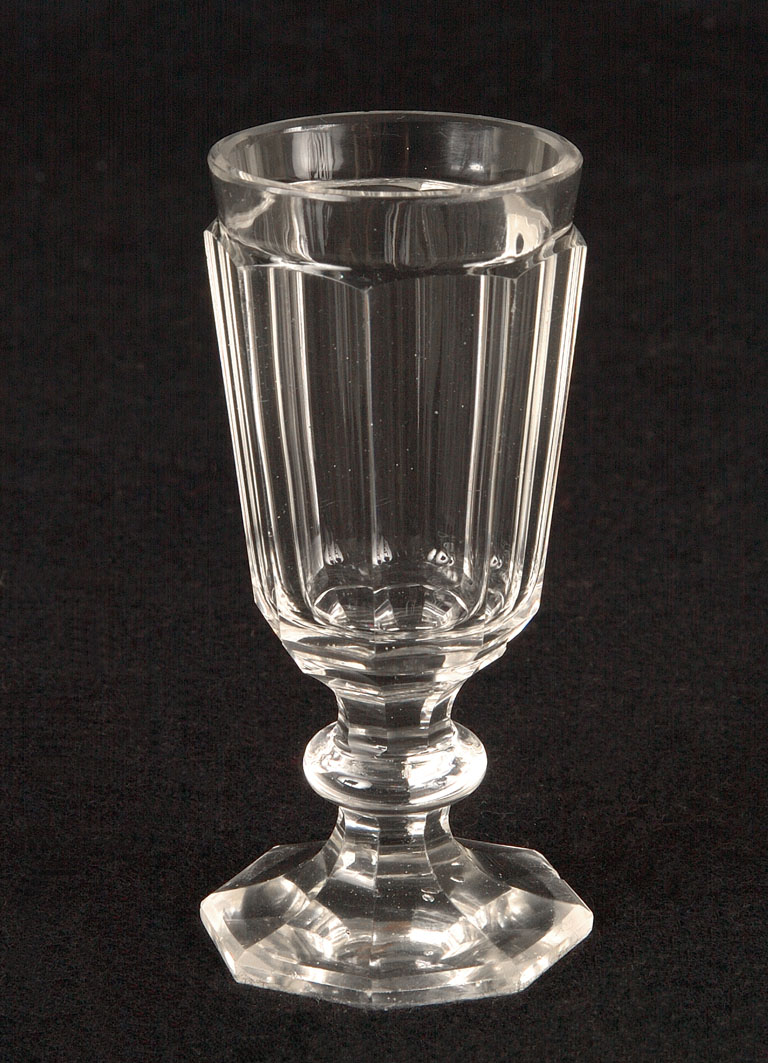
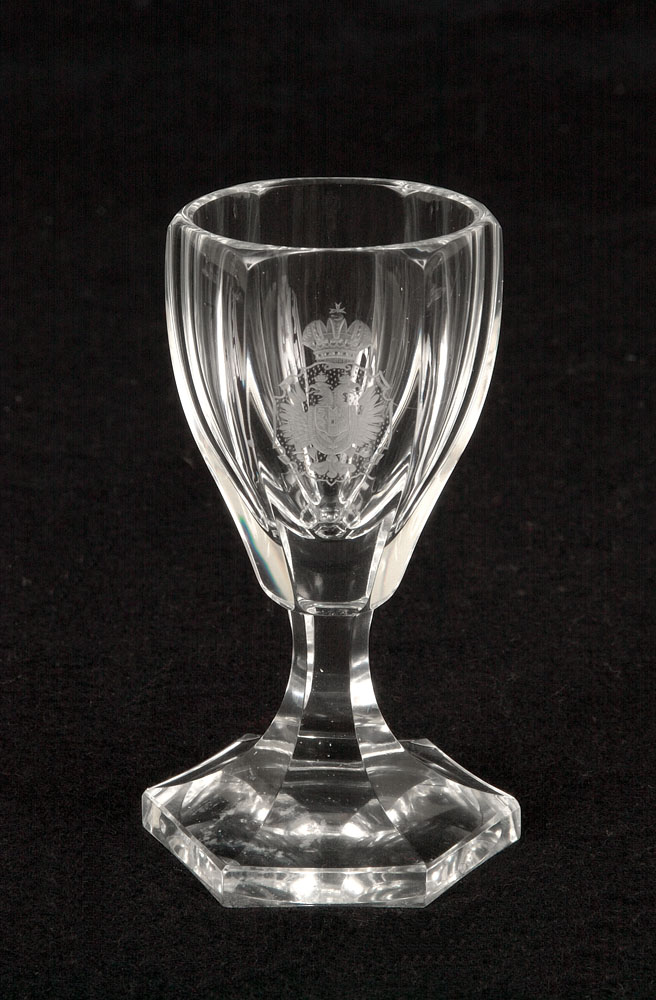
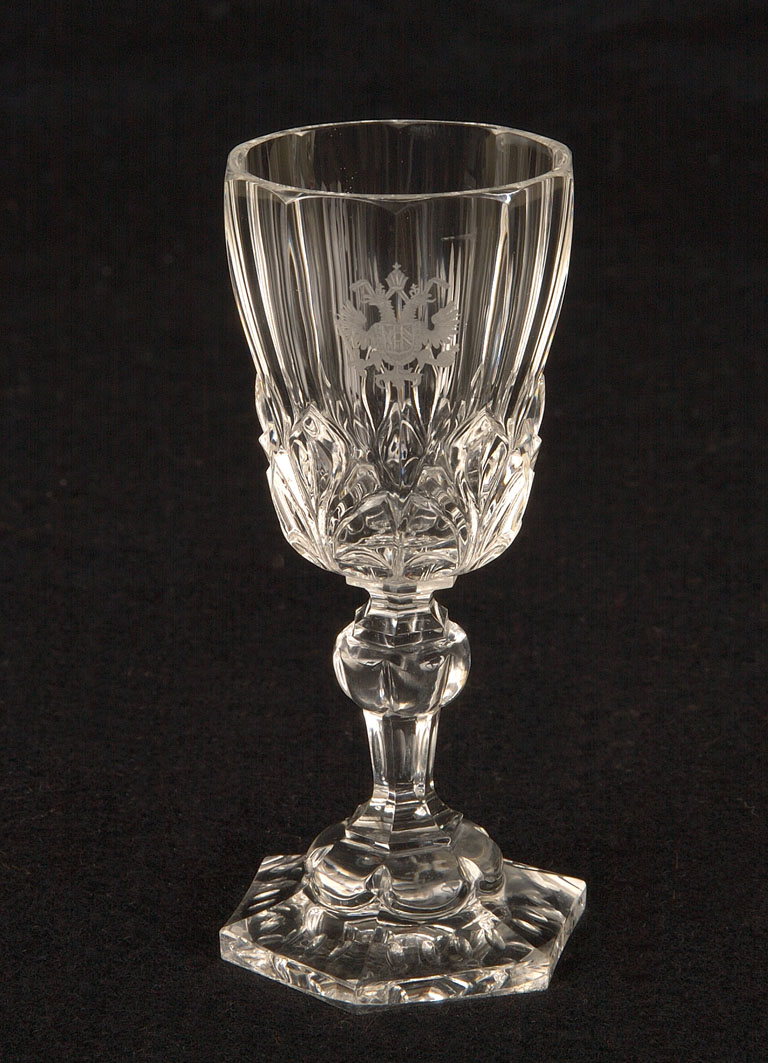
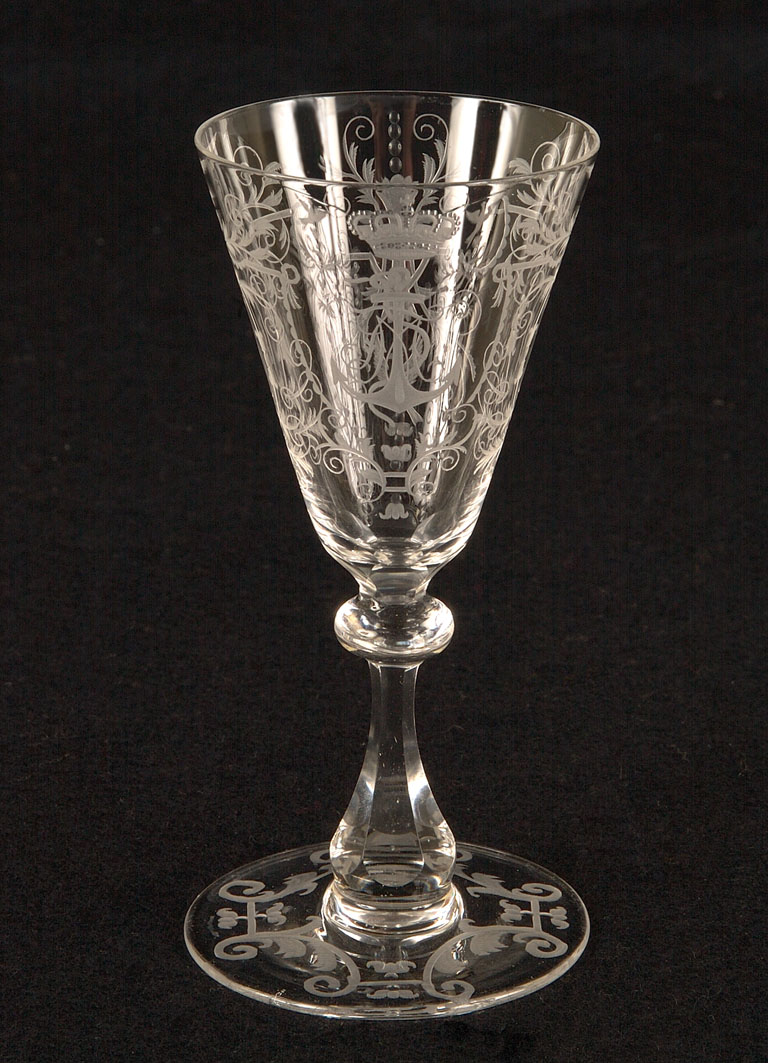
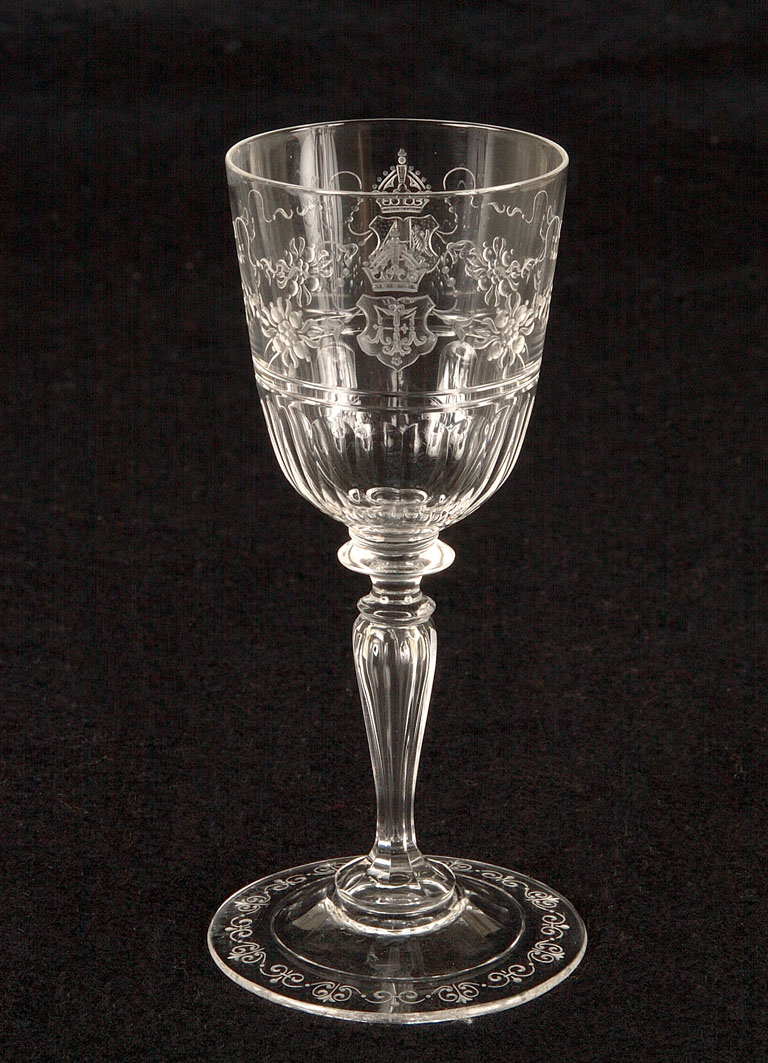
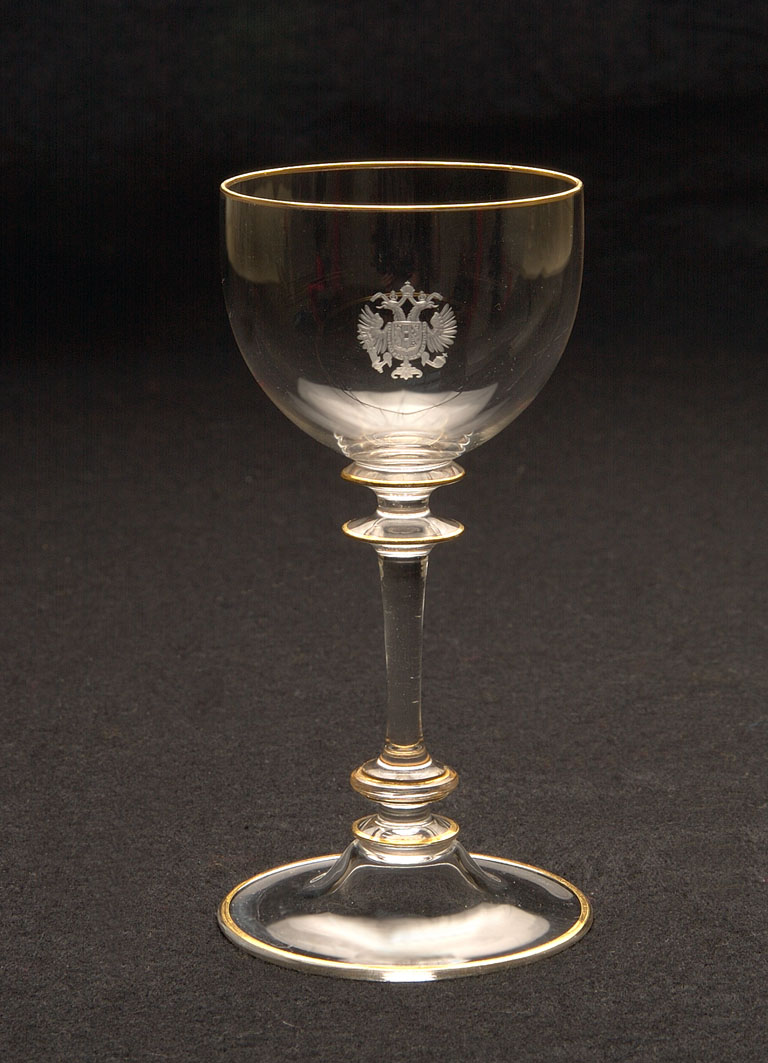
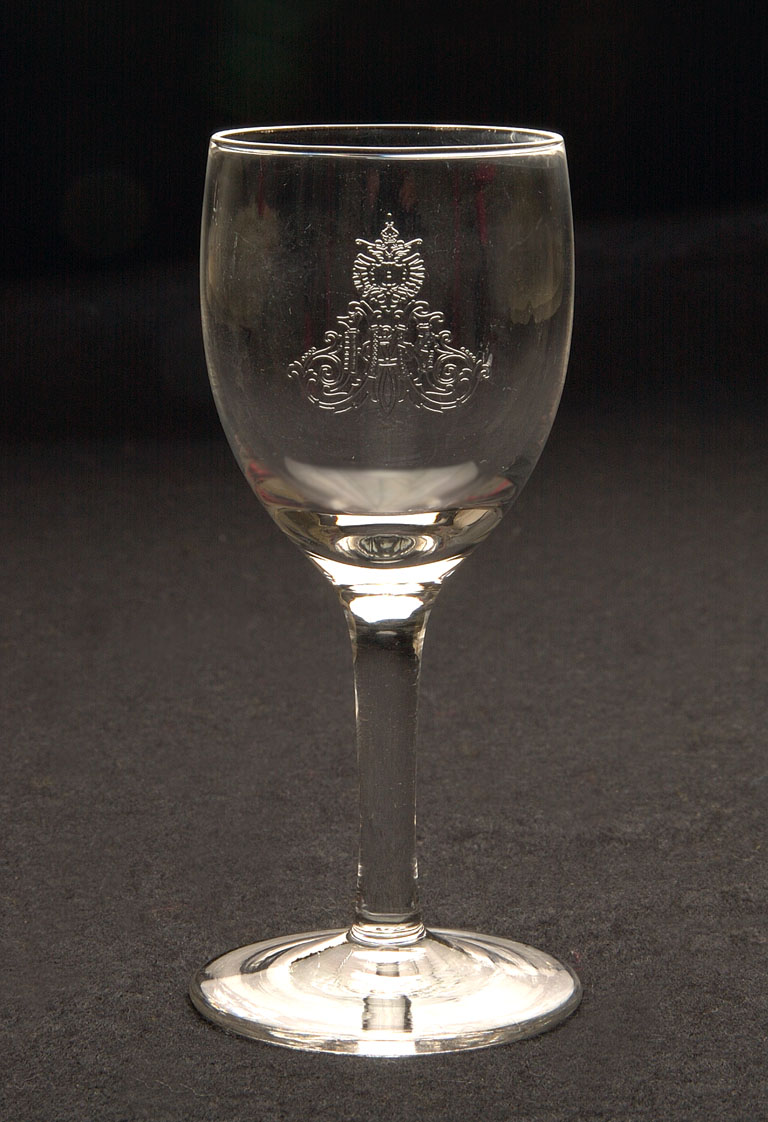
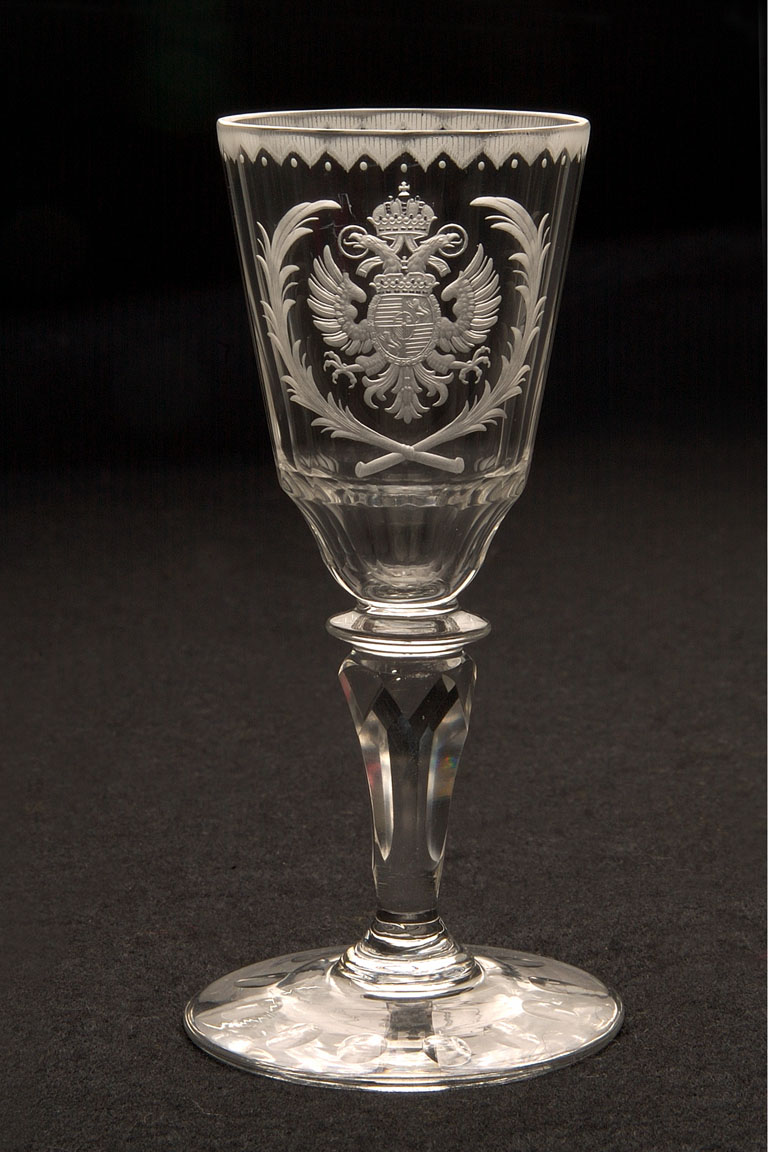
- Experts in the imperial culinary history told me that the court did not distinguish glasses for red and white wine, but tokaji was consumed from special tokaji glasses. 9 different tokaji glasses are known, 2 of which are still produced and can be bought at Lobmeyr in Vienna.
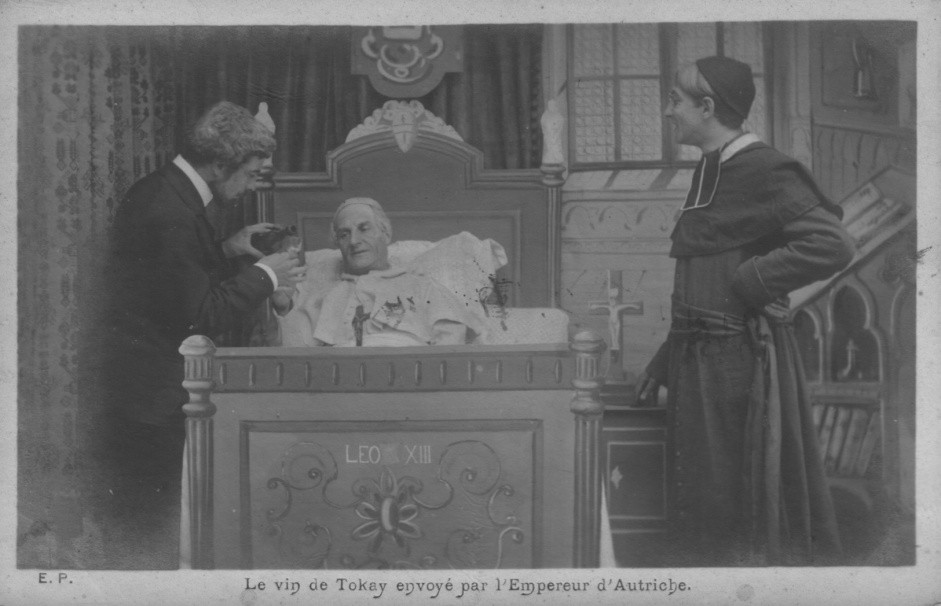
- Tokaji was a valuable asset and was frequently used as official state present to other monarchs, to family members (Empress Maria Theresa has regularly sent Tokaji to her daughter Marie Antoinette to Paris) and even to the Vatican when pope Leo XIII was ill. As tokaji was known for his health benefits it is no surprise that it was kept in the Alte Hofapotheke in Vienna until even until the 1980s! The old cellar books of the time of Charles VI, father of Maria Theresa, reveal a yearly allowance of two barrels of Tokaji to feed and heal the courts parrots.
- Although not entirely clear the term "Imperial Tokaji" most probably refers to Tokaji from the Imperial vineyards or cellar, respectively.
- Several publications claim that Napoleon, who had occupied in Vienna in 1805 and also in 1809, had Tokaji from the Hofkeller shipped to Paris, but some of the Tokaj survived because the entrances to the two lower floors of the cellar had been walled-in. I have to admit that I have not seen any original source to support that.
Tokaji Wine Management
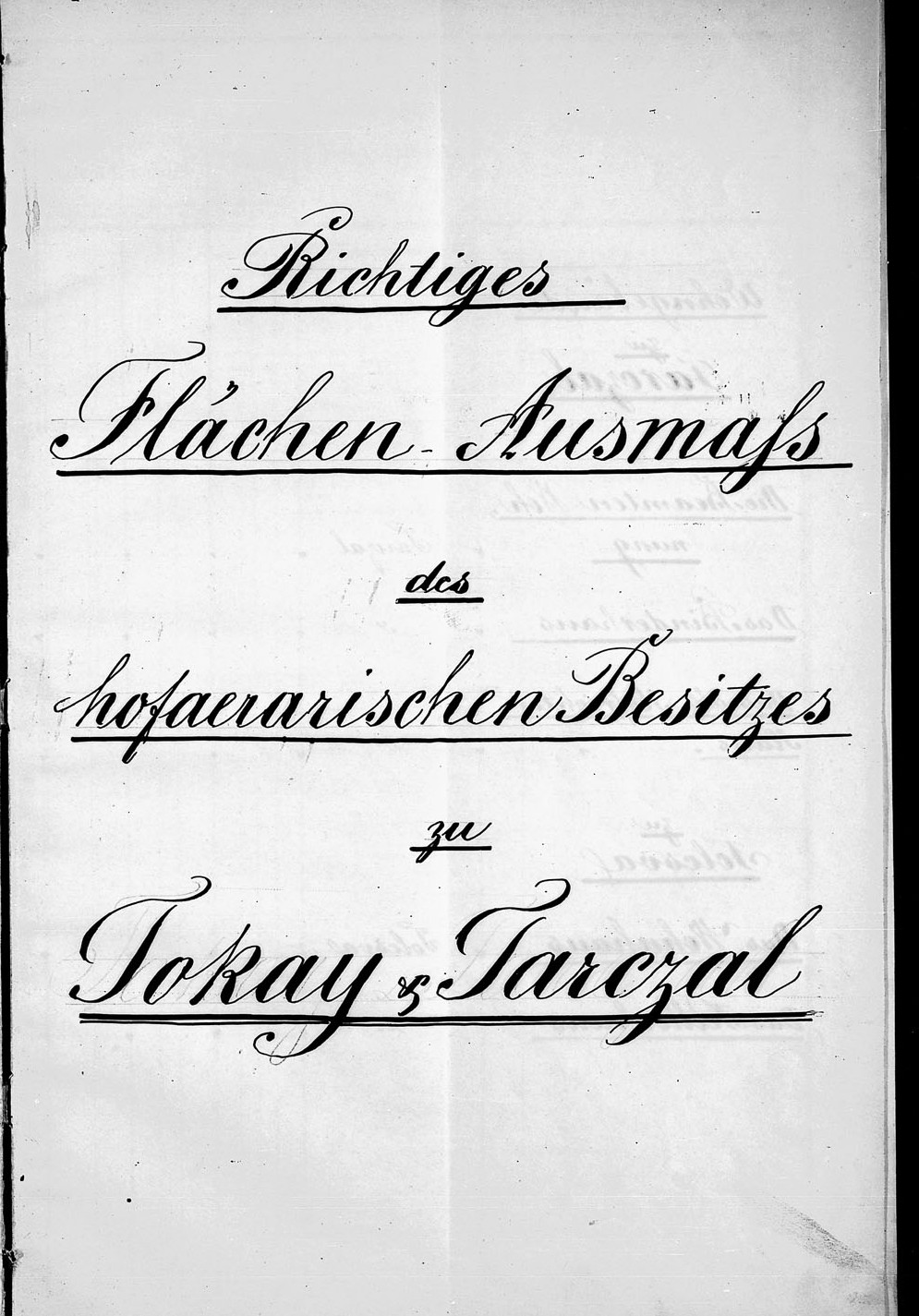
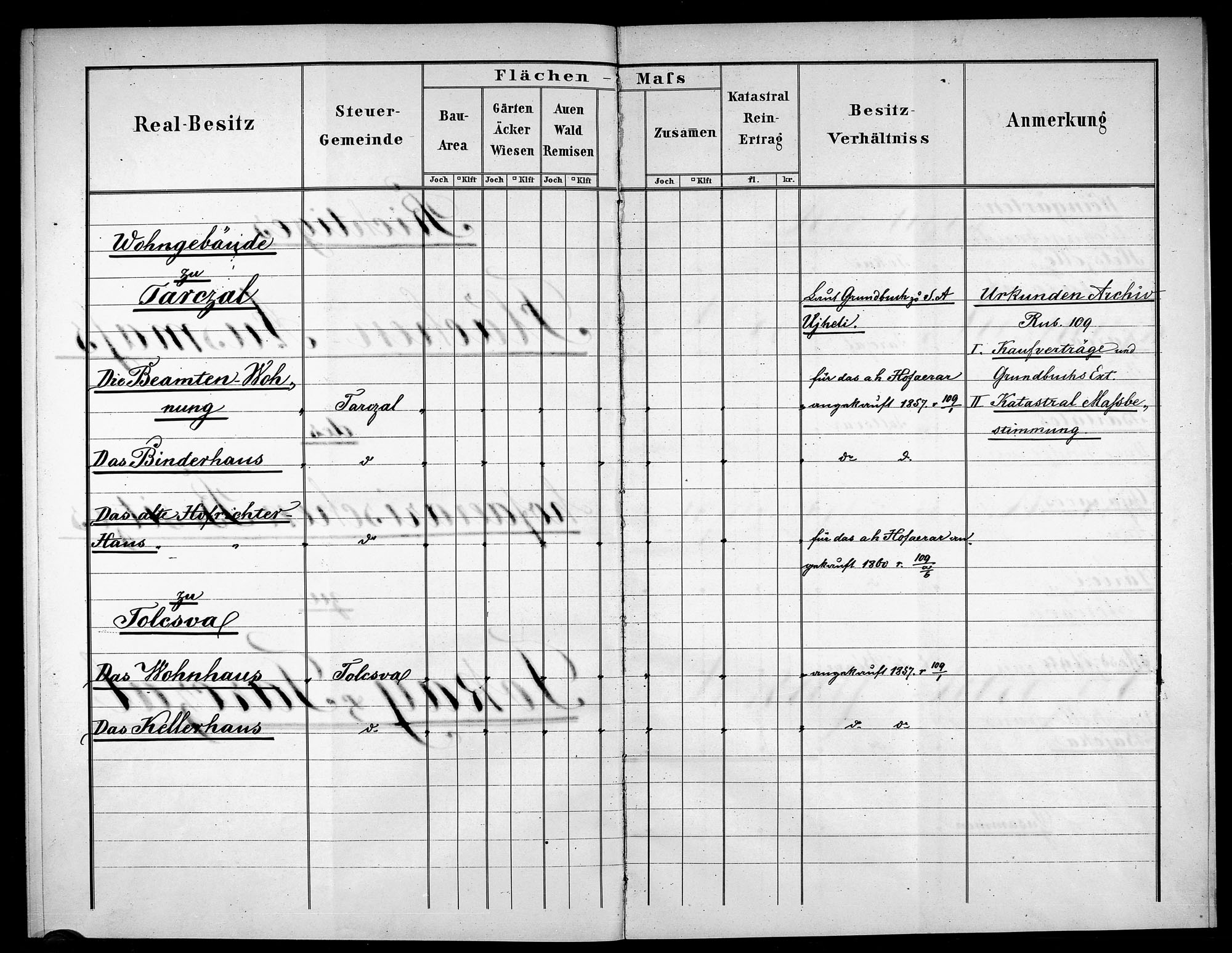
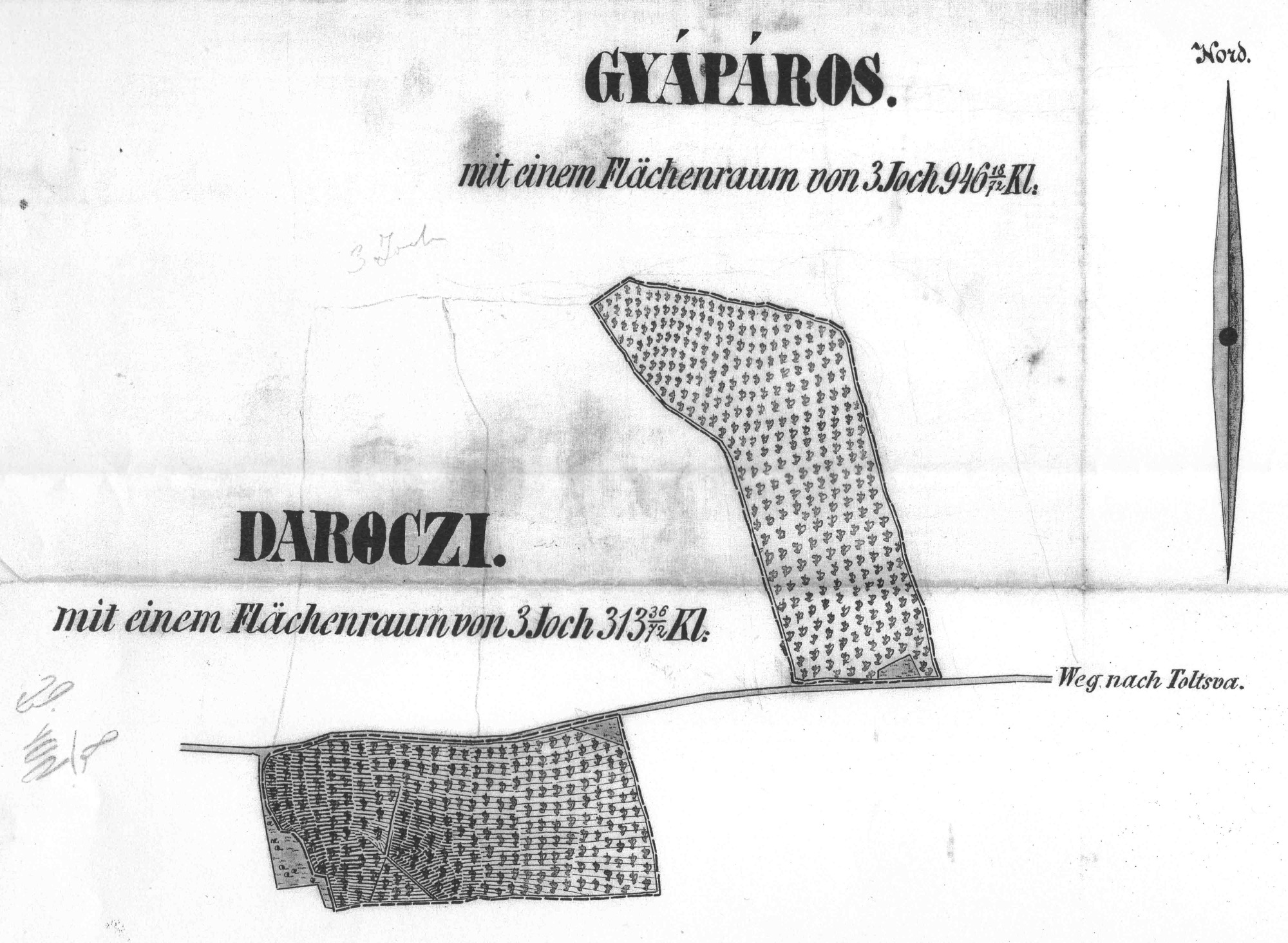
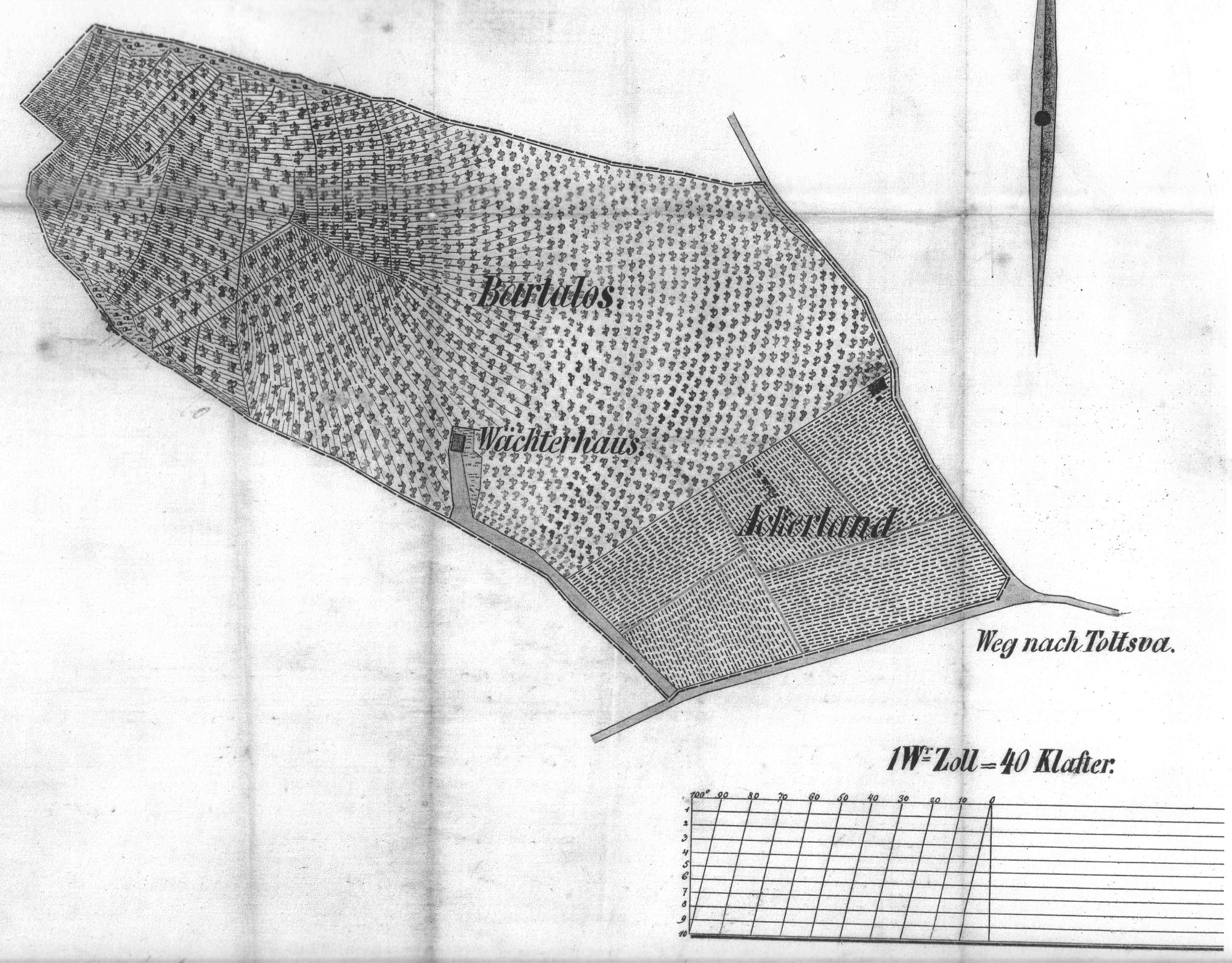
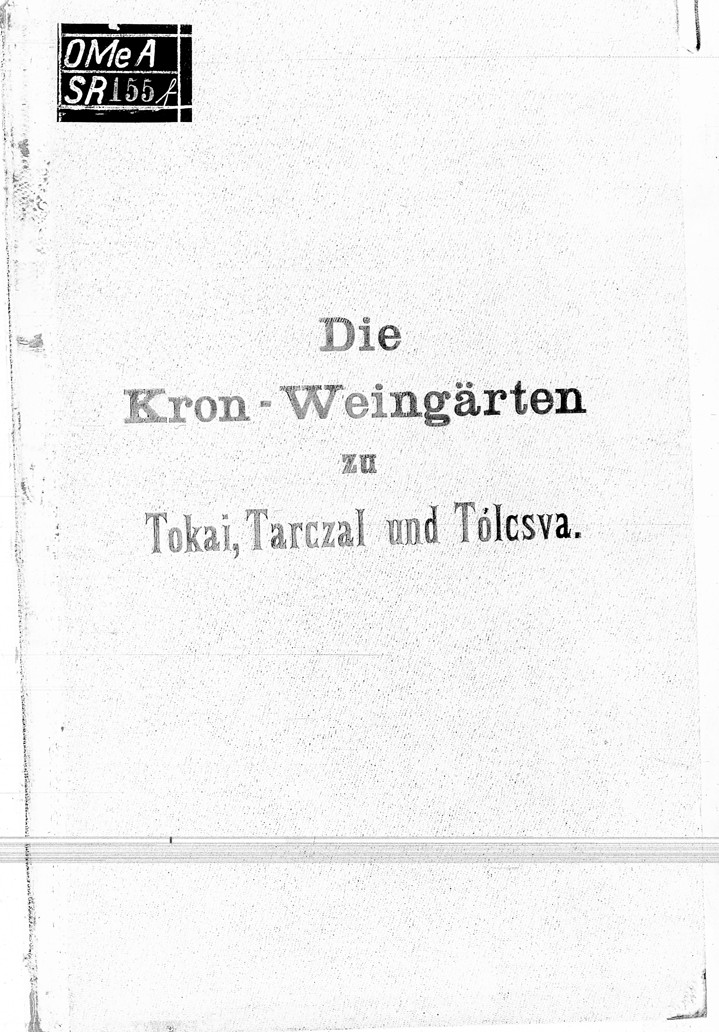
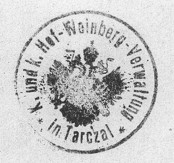
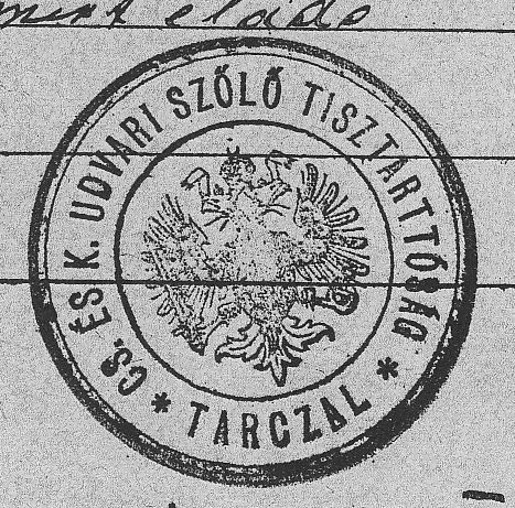
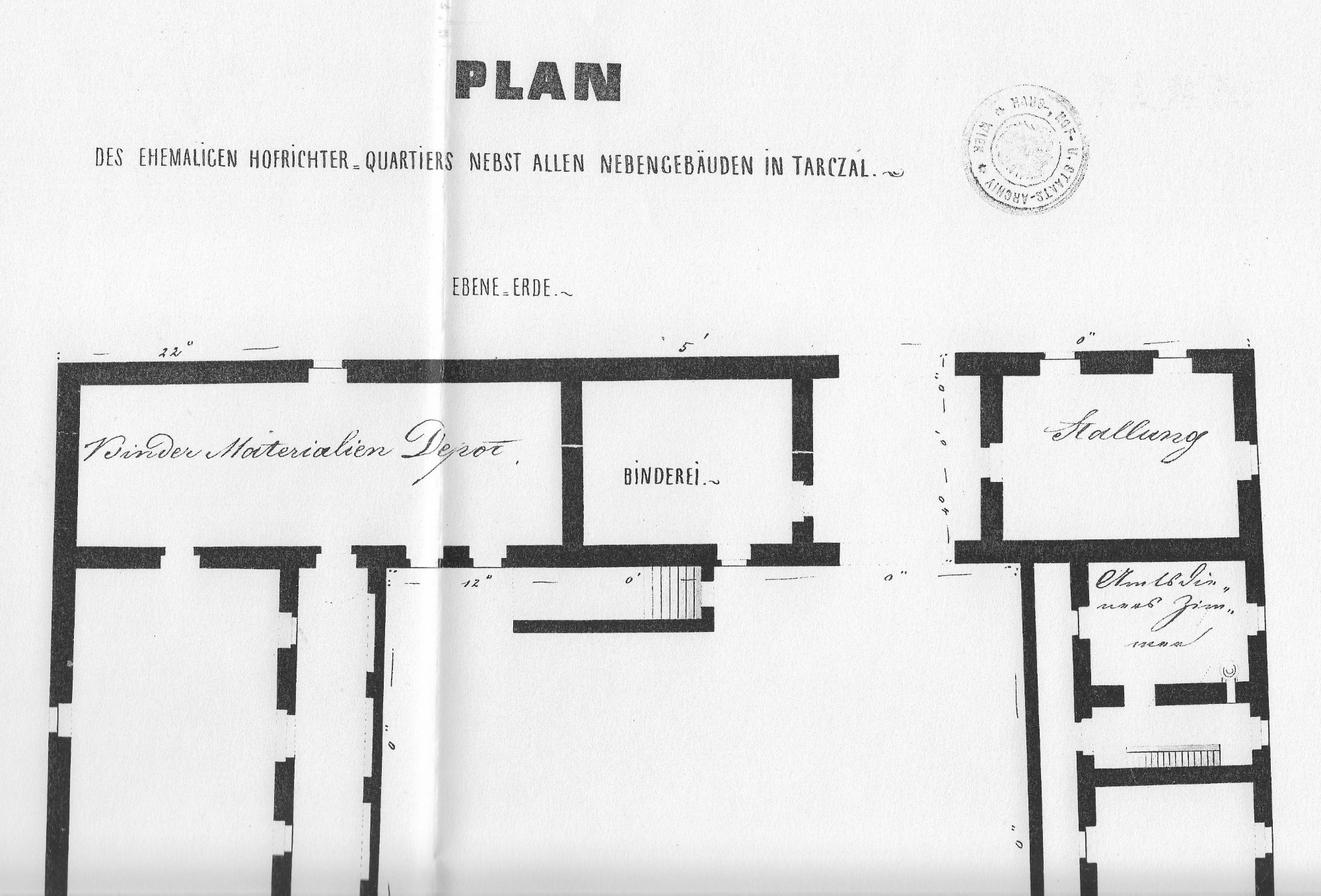
The Habsburgs owned 10 vineyards in the Tokaj region - Szarvas, Hétszőlő, Gyapáros, Bakonyi, Bartalos, Messzelátó, Bajóka, Daróczi, Térhegy and Cziróka. The grapes from the Imperial vineyards were vinified at the Imperial winery in Tarcal. The building still exits and is home to a winery known as Királyudvar (Kings Court). The Court also owned smaller properties and production facilities in Tokaj and Tolcsva.
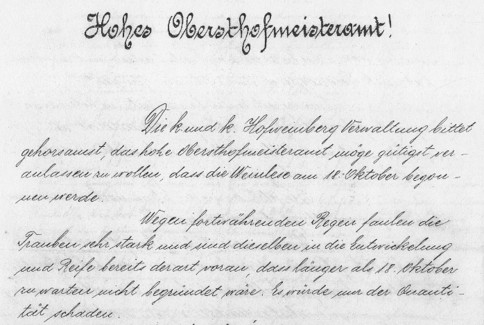
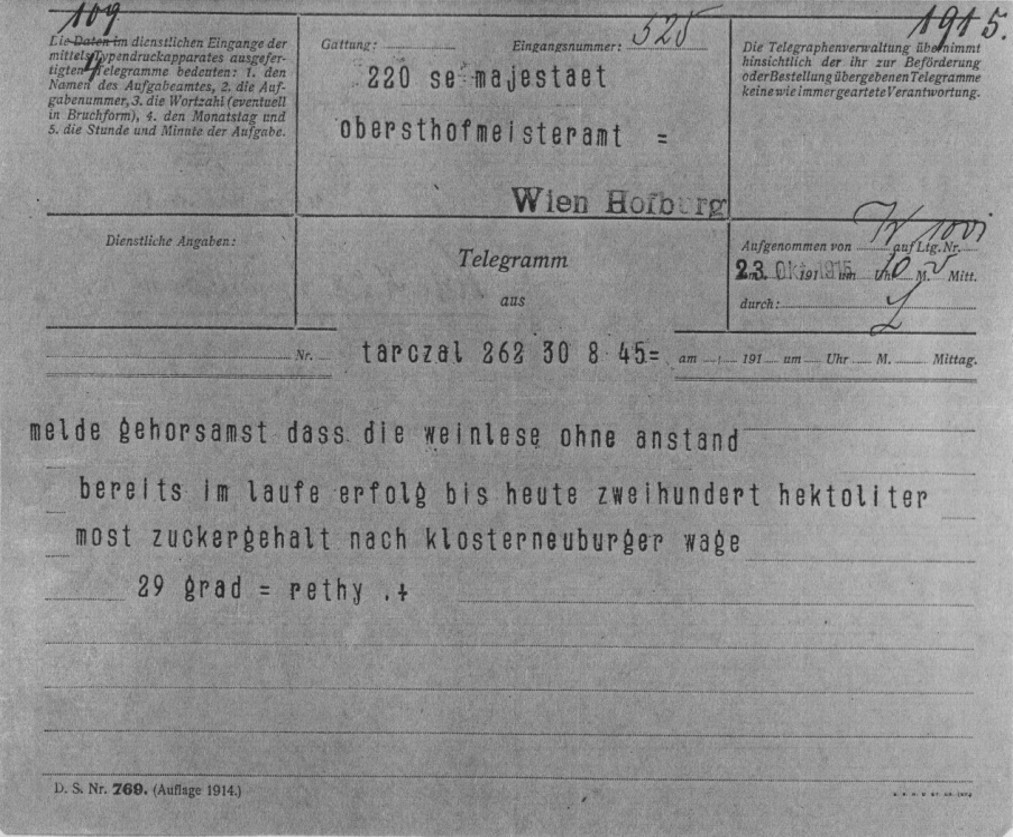
The winery in Tarcal (k.u.k. Hofweinberg-Verwaltung) belonged to the Obersthofmeisteramt in Vienna which was controlled by the Hof-Controlaramt and the Hofwirtschaftsamt. The staff in the Tokaj consisted of 3 winemakers, 2 coopers, 2 servants and 7 foreman. The detailed reports sent from Tarcal to Vienna are evidence for how tightly Vienna managed the operations in Tokaj. Below are 2 images of such reports from Tarcal. The handwritten message asks for permission in Vienna to start with the vintage on October 18th, and the telegram from the 23 October 1915 reports the quantity (200 hectoliter must) and sugar content (29° KMW) to Vienna. As far as I know the wine was transported to Vienna in barrels and only later filled into bottles.
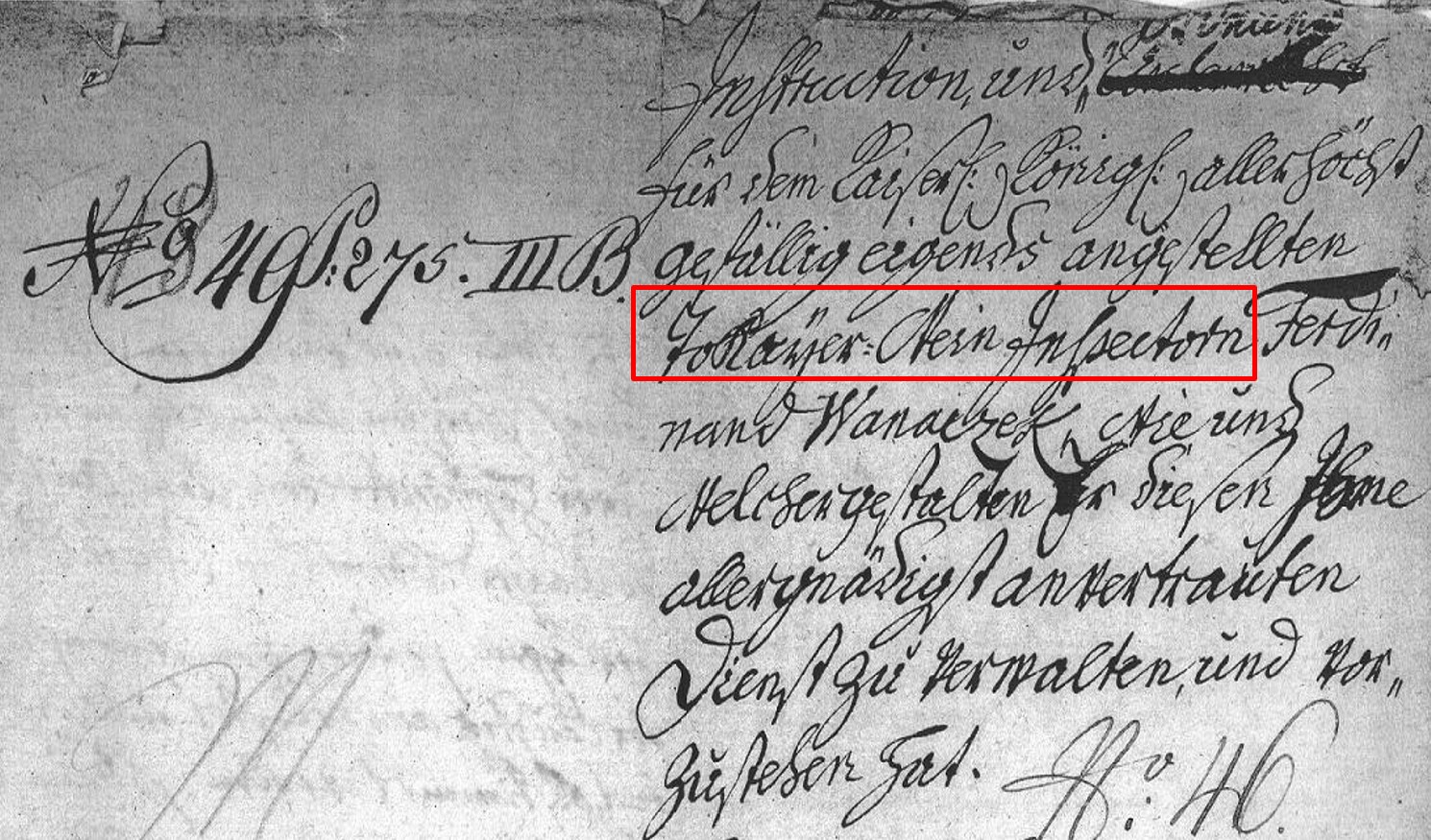
Lacking research little is known about the Tokaji cellar operations in Vienna with one exception: a document from 1771 during the reign of Empress Maria Theresa the responsibilites for managing the tokaji wines were documented and assigned to Mr. Ferdinand Wanaczek who receoved the specialized job title " Tokaj Wine Inspector"
Tokaji Wine
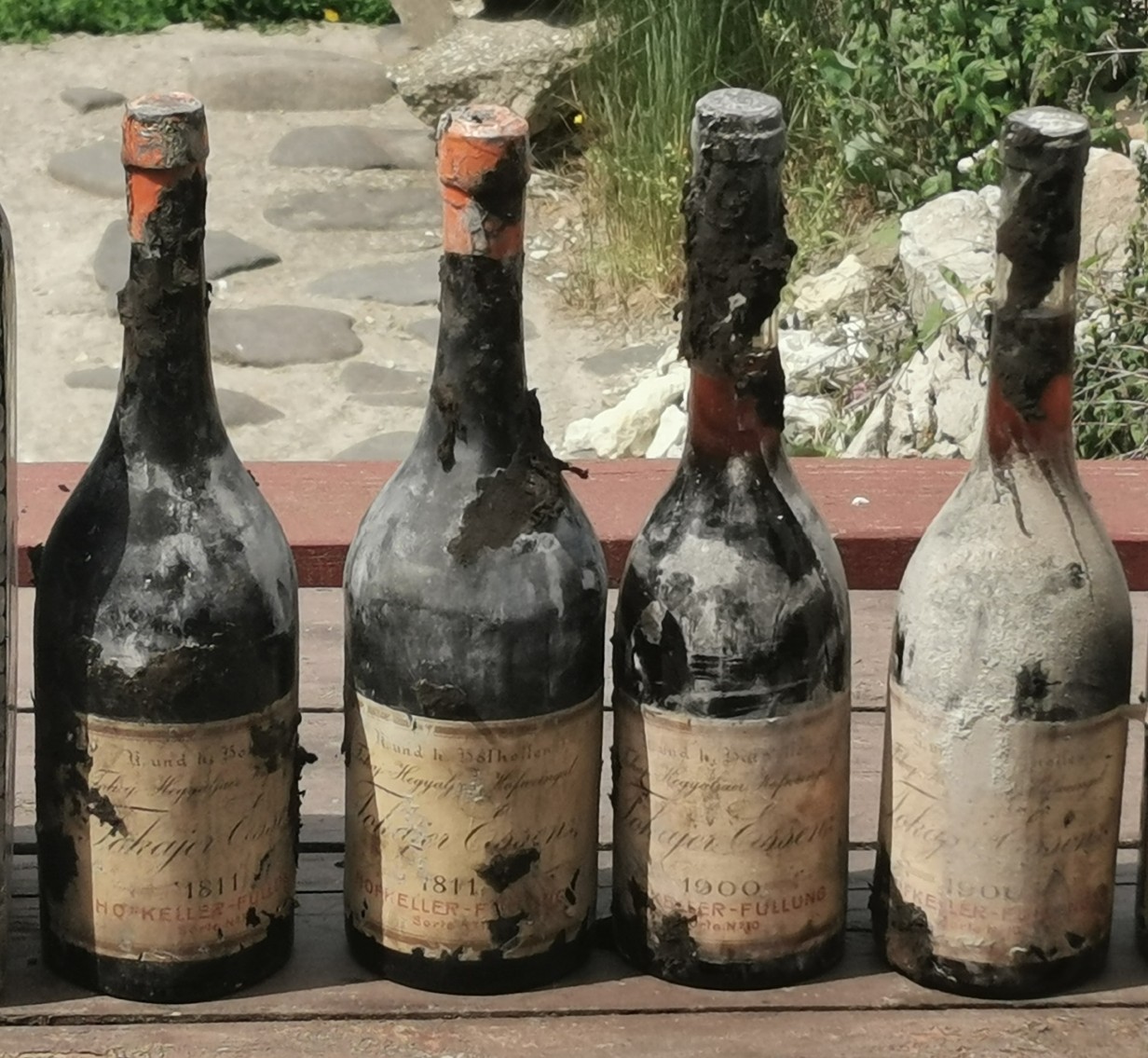
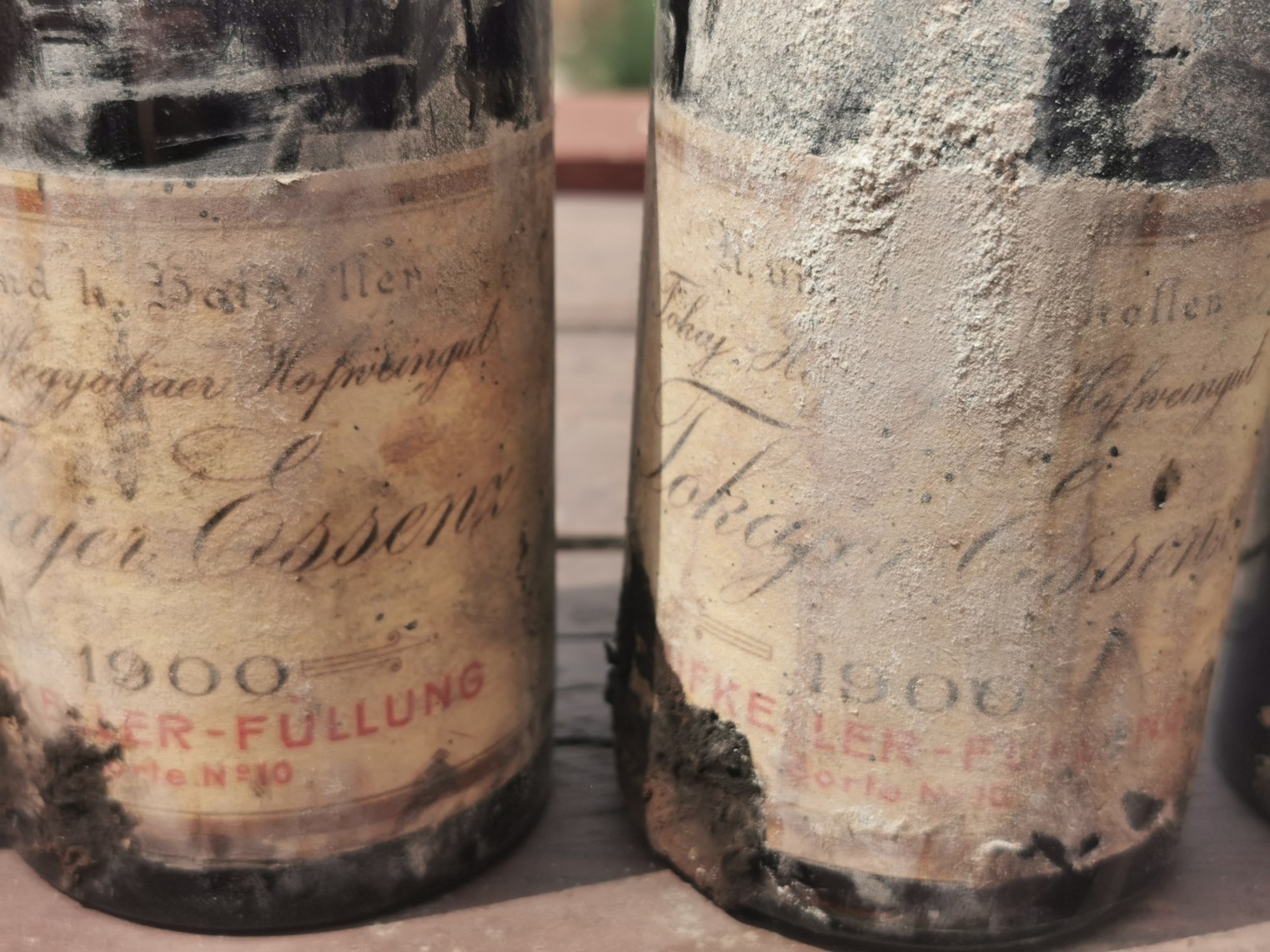
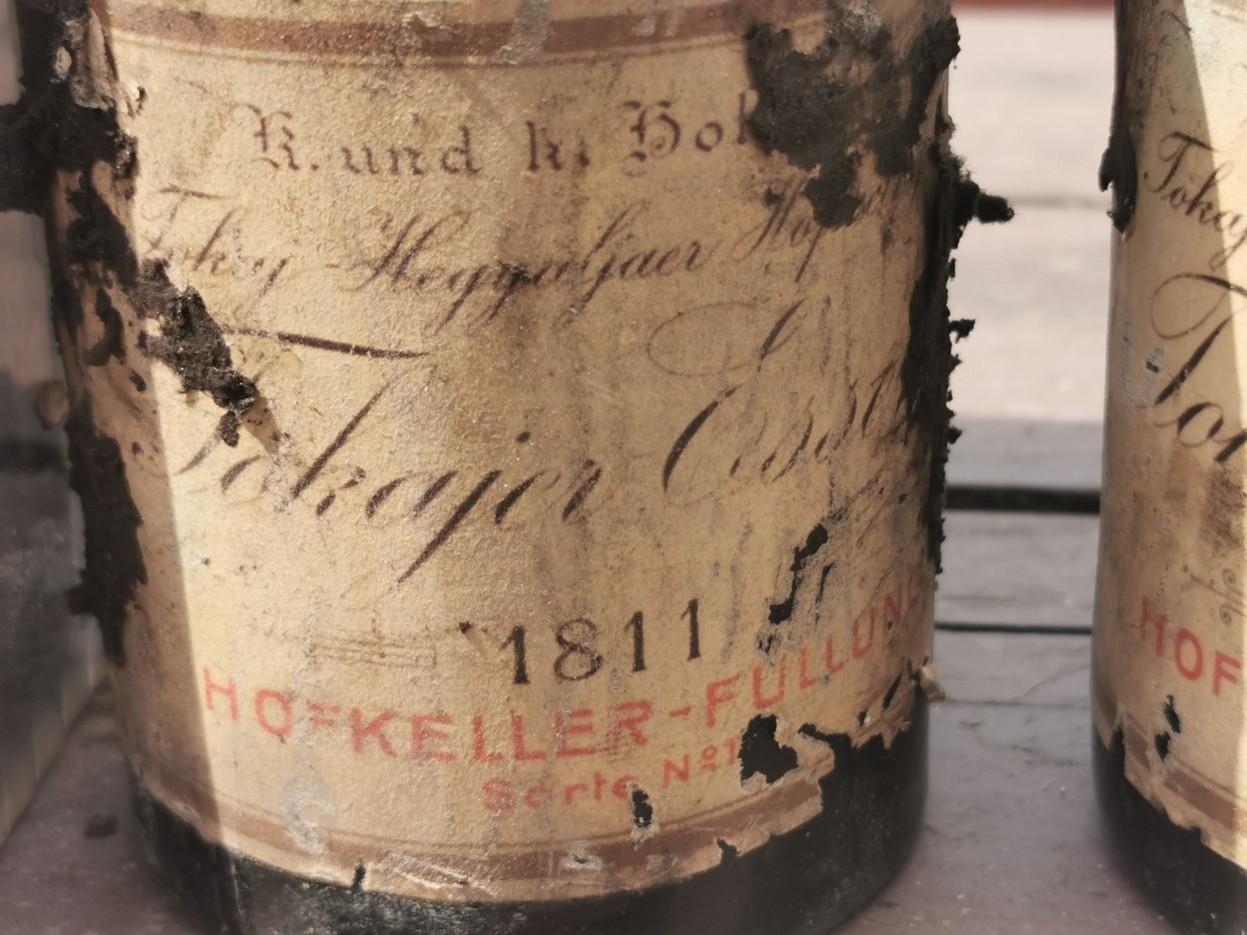
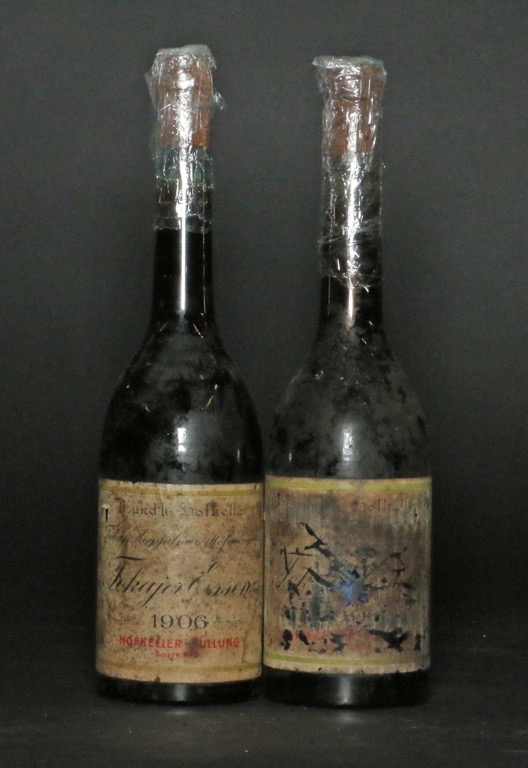
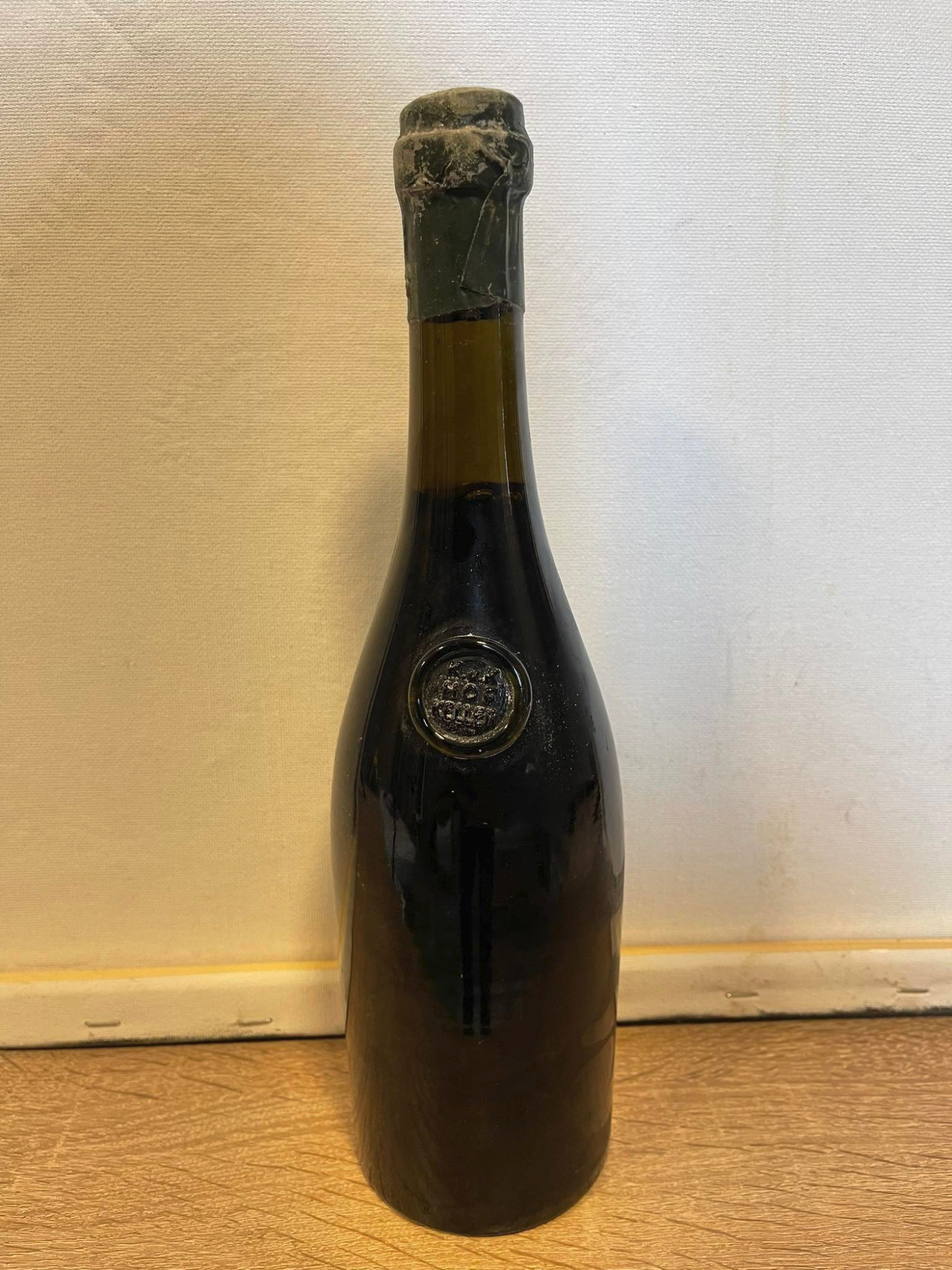
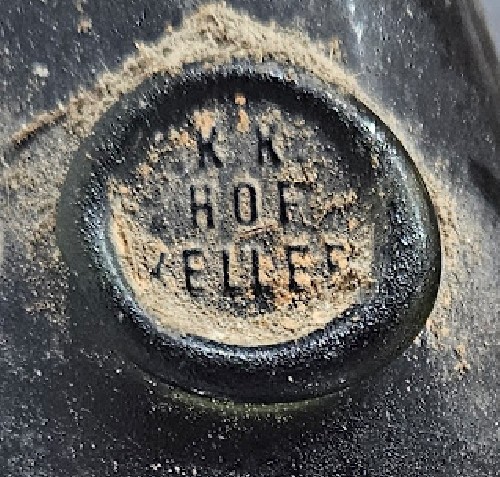
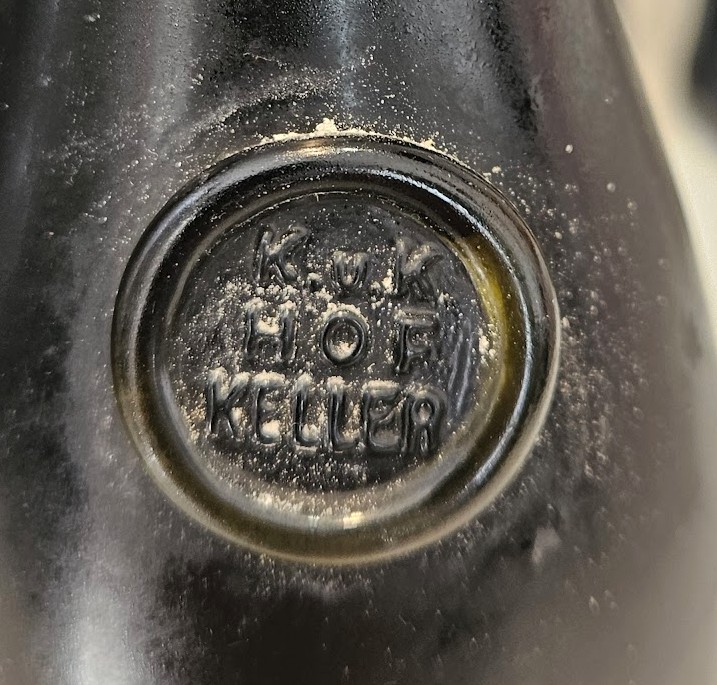
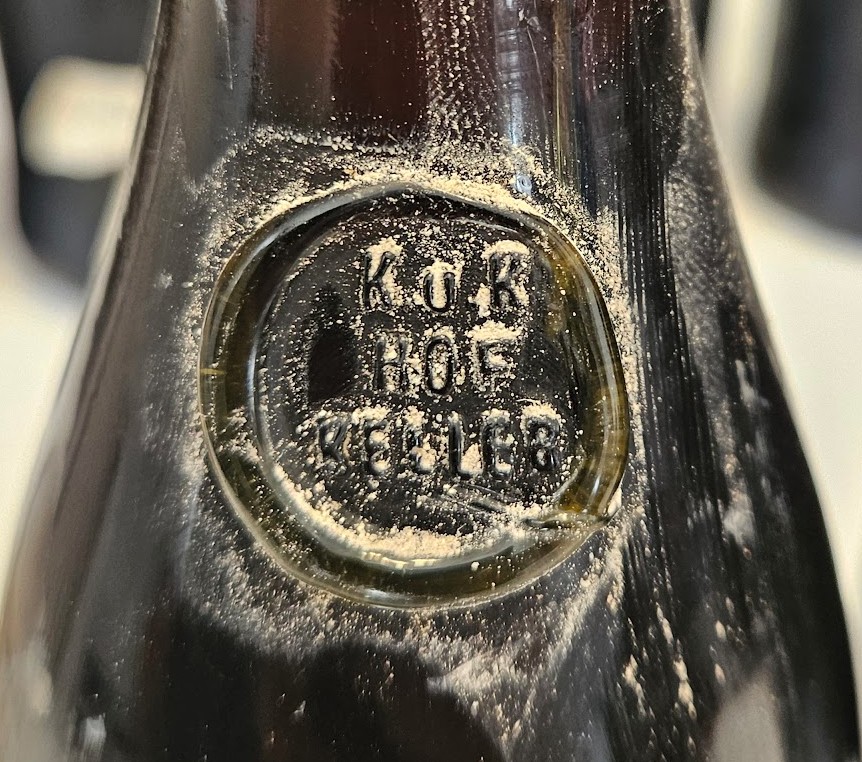
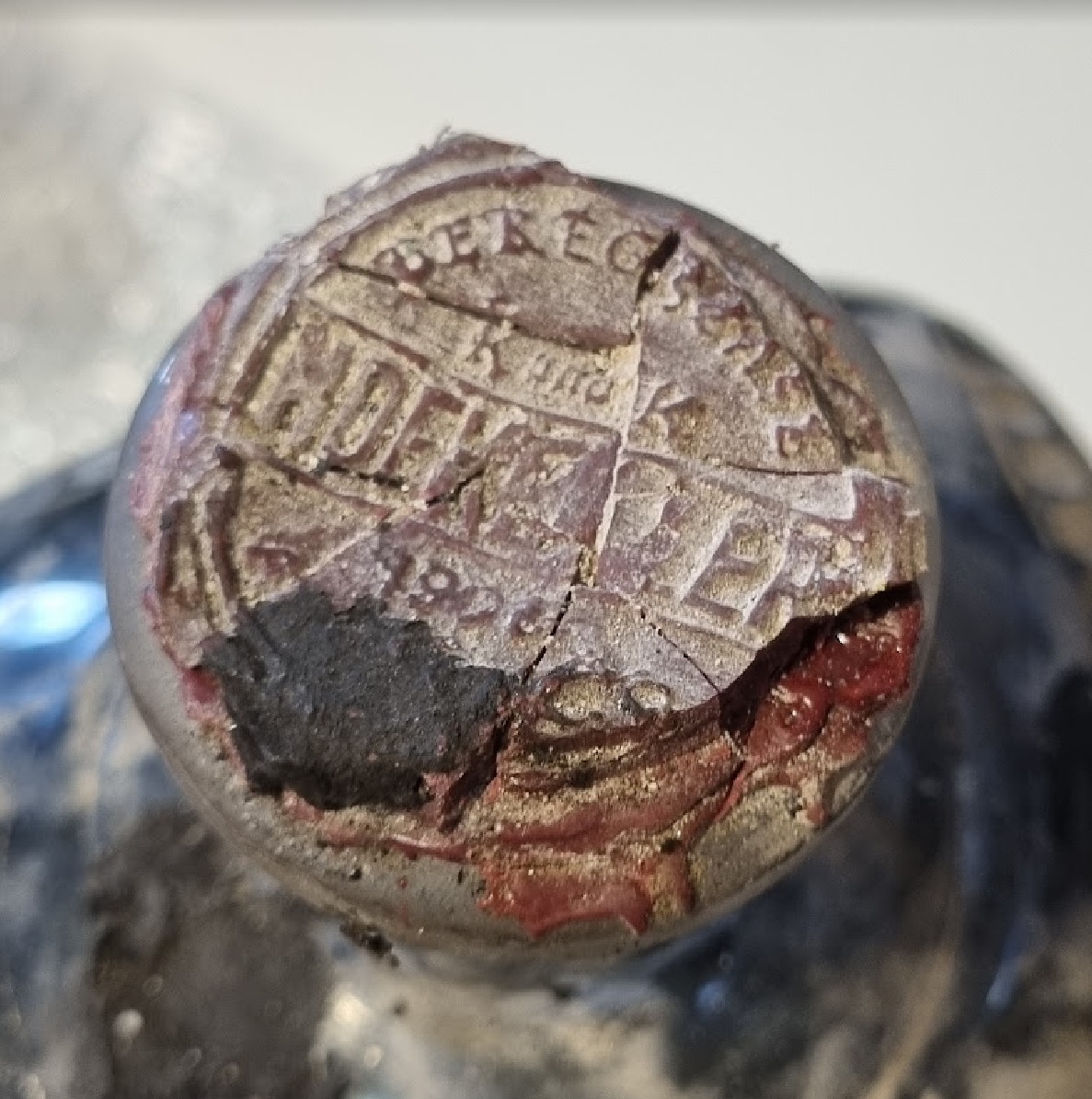
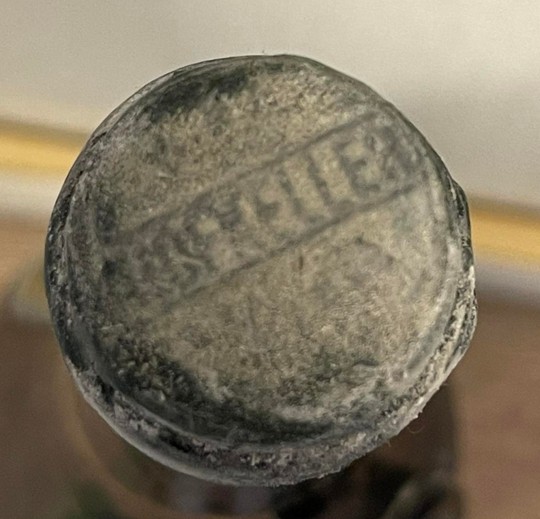
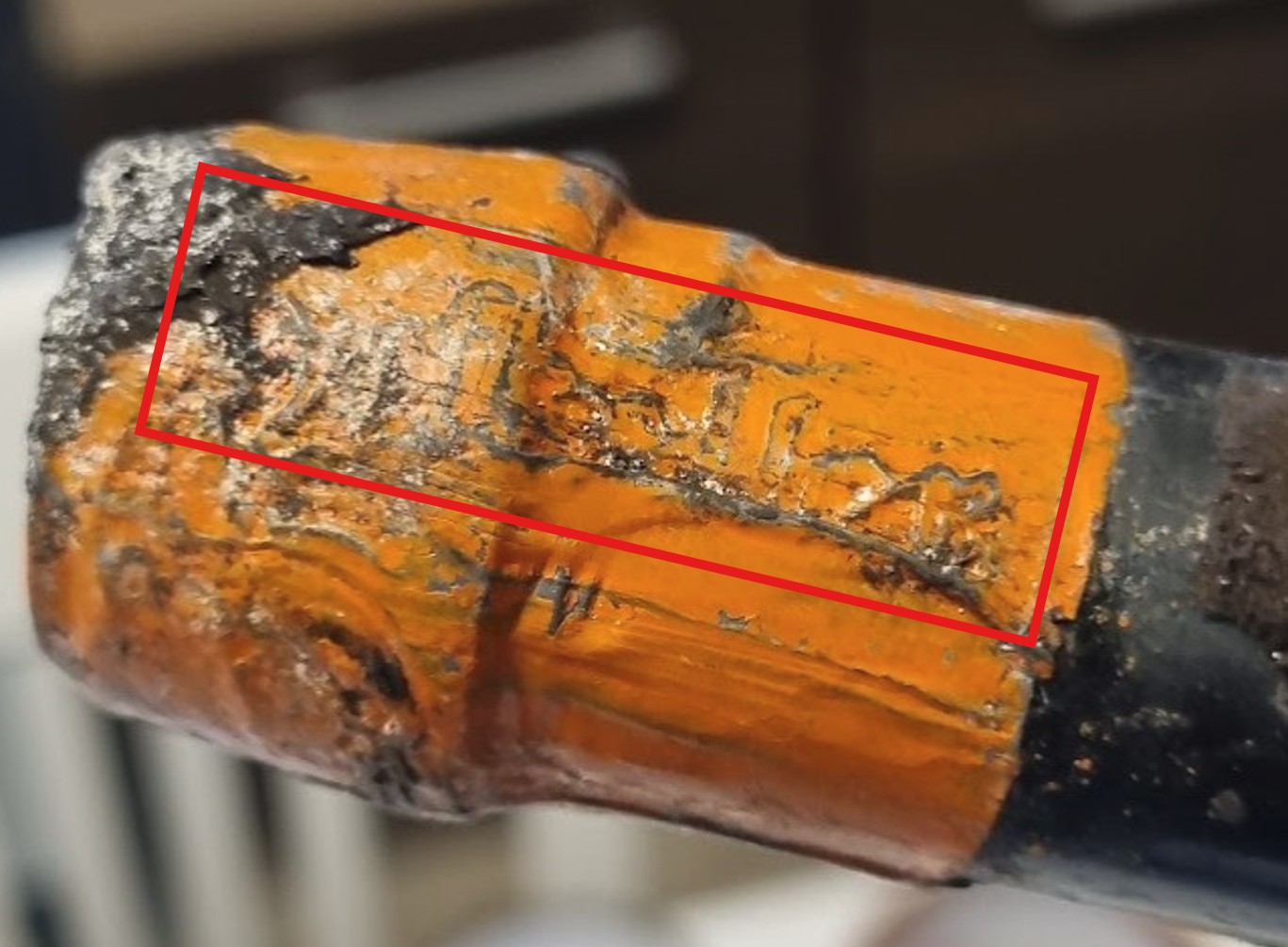
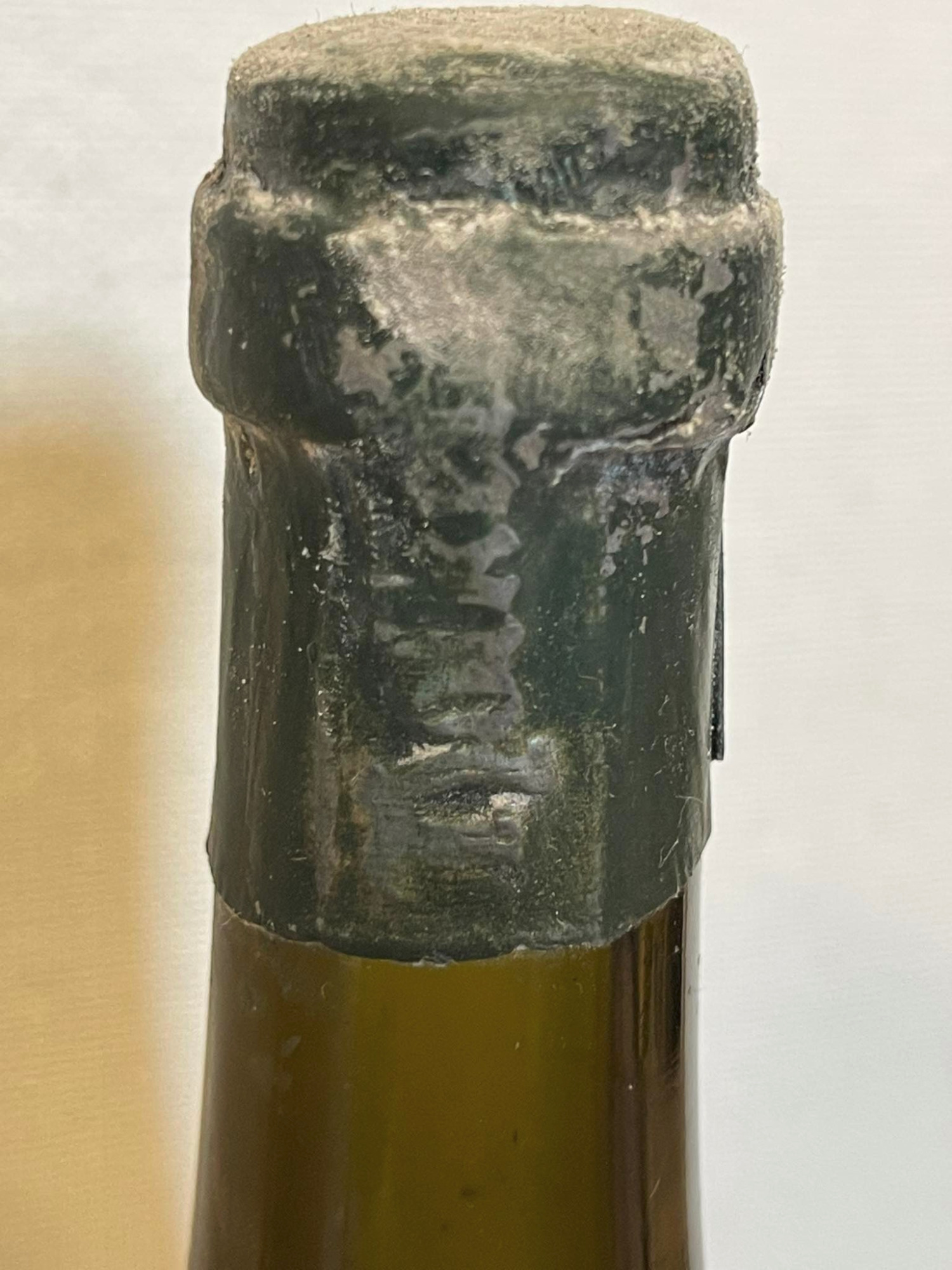
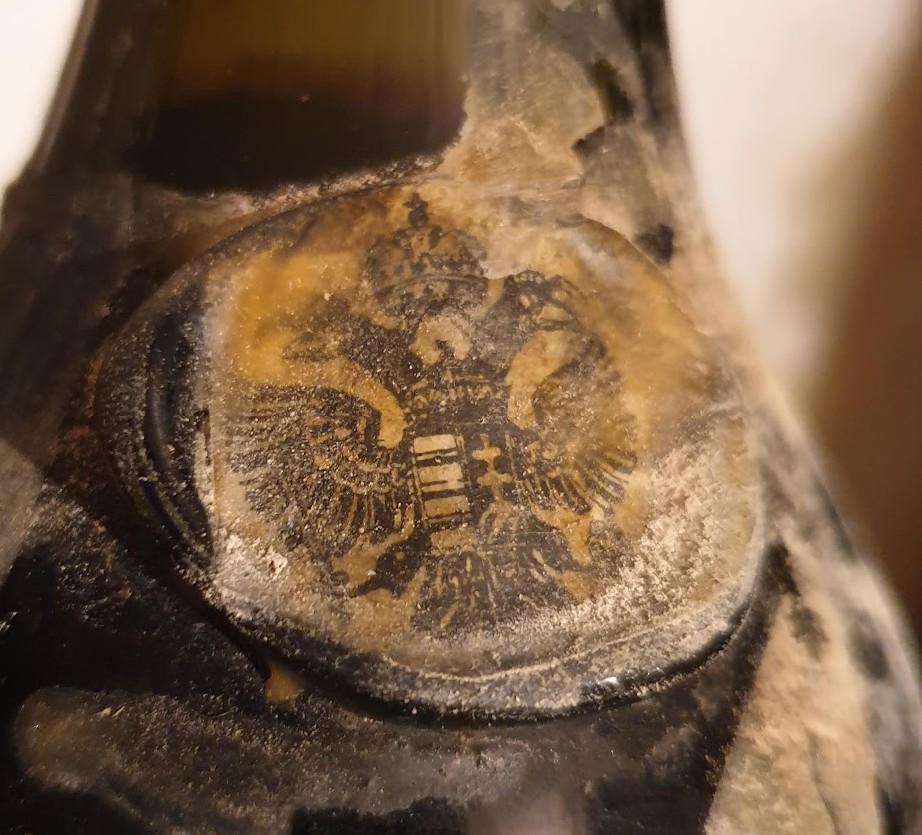
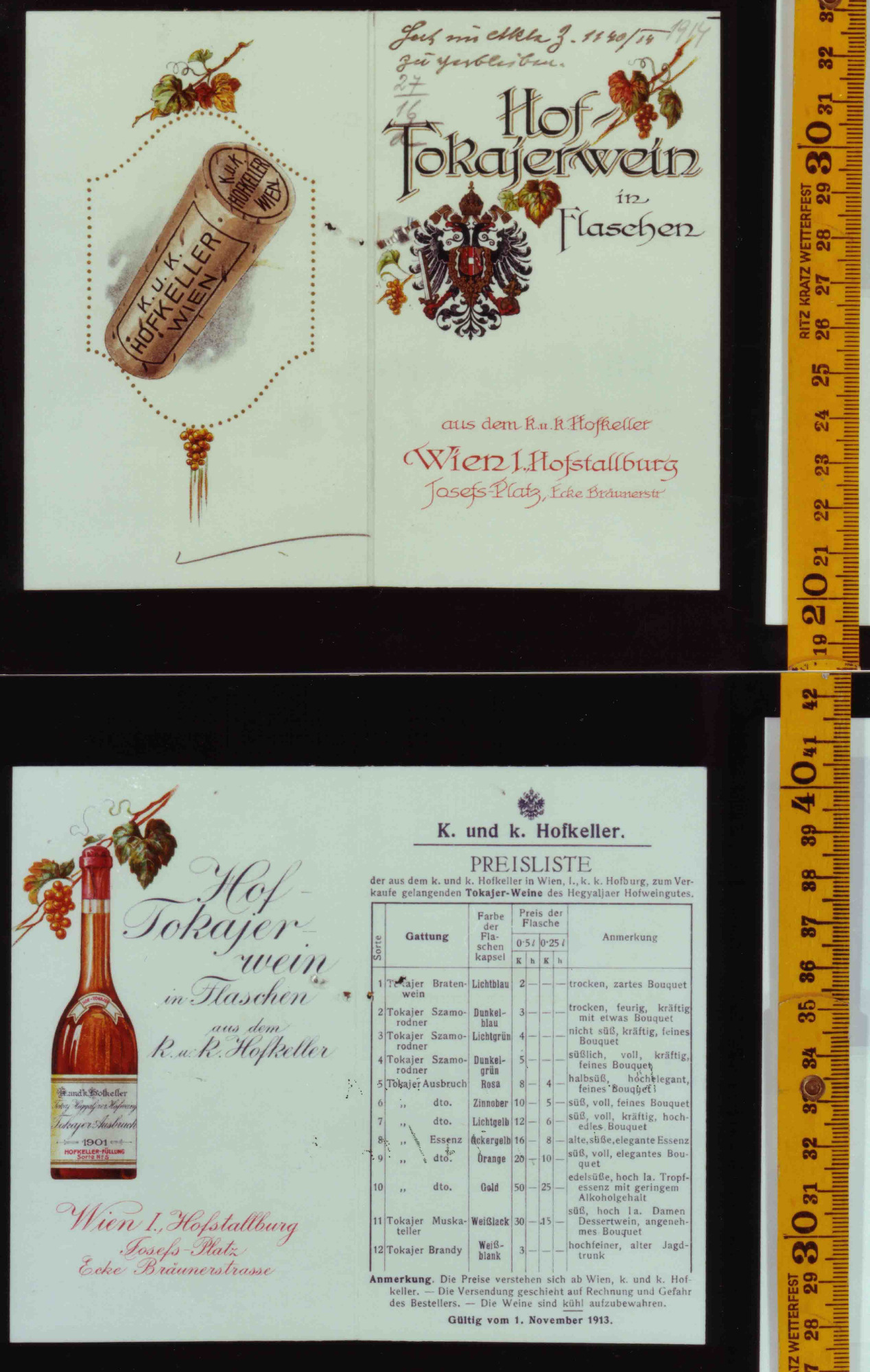
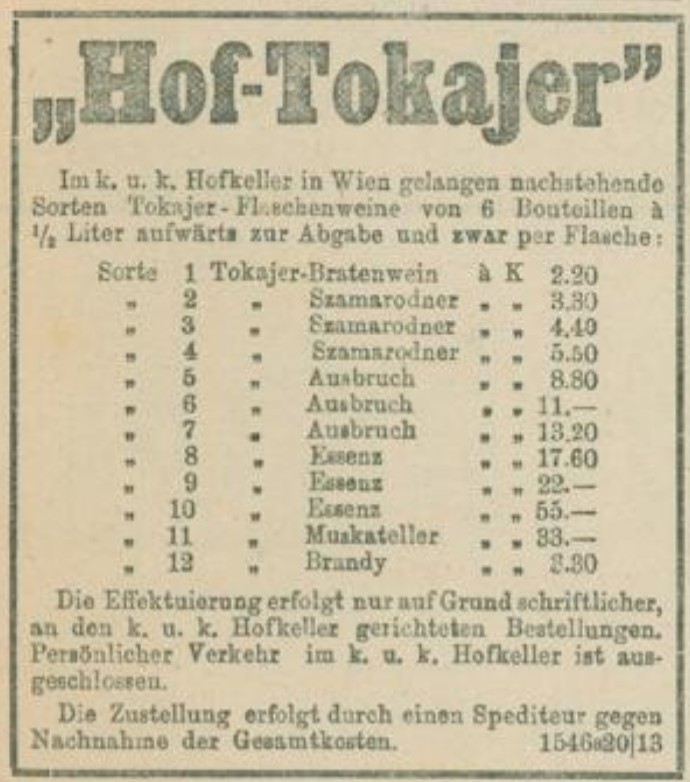
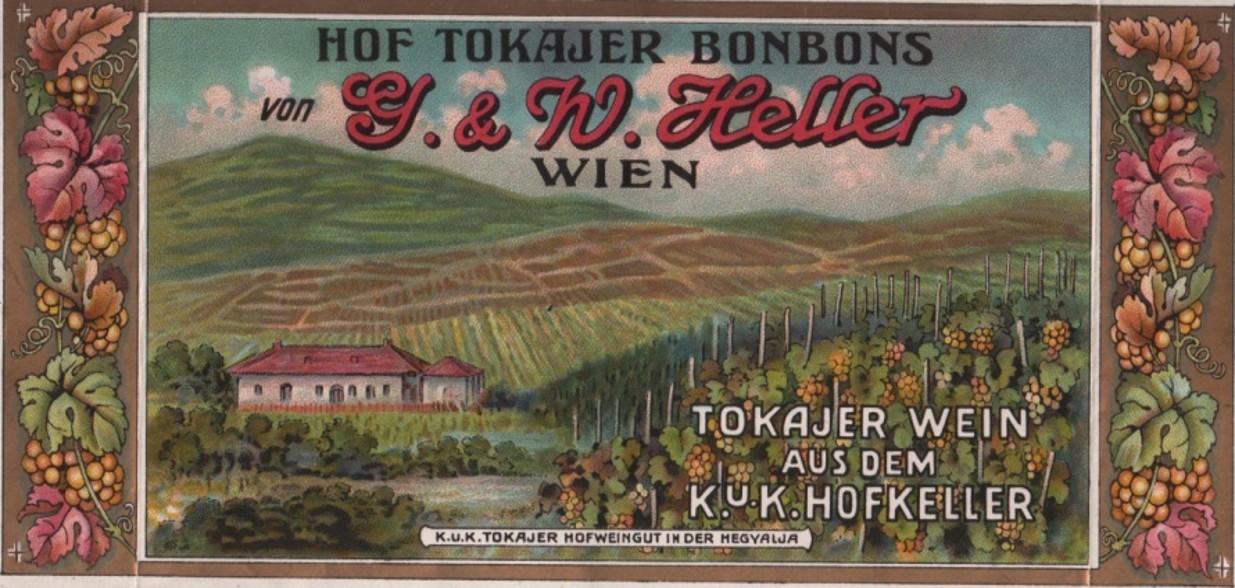
The bottles usually carried a "K.u.K. Hofkeller" glass seal and a capsule with "Hofkeller" and/or the Habsburg emblematic icon, a double-headed eagle. Tokaji was filled into the typical 0.5l bottles after this bottle size and form became common in the 19th century. After the end of the monarchy in 1918 the wines of the Imperial cellar were handed over to the war-invalids support fund. The Tokaji bottles were sold as old price lists indicate. The price lists and cellar inventories not only contain interesting wine categories, such as vermouth but also tokaji brandy and even candies. It may not be a coincidence that the k.u.k. Tokaji qualities were marked by different capsule colors. This labeling system was not common in Tokaj but is known from the prestigous Schloss Johannisberg wine estate in the Rheingau, Germany. The oldest record of a color-labeled Johannisberg bottle is from 1829, and maybe coloring the tokaji bottle labels was inspired by the Johannisberg wines as there is an interesting connection between Johannisberg and the Imperial Cellar in Vienna. In 1815 after the Napoleonic wars Austrian State Chancellor Prince von Metternich received the Schloss Johannisberg property as a reward for his political services at the Congress of Vienna under the obligation to deliver 10% of the wine production to the Habsburg family. The wines were shipped to Vienna and stored in the Imperial cellar. This contractual applies to the present day.
Despite the supposedly large quantitites kept in the Imperial cellar, tokaji bottles from the Imperial cellar are extremely rare and you'll not often find them at auctions.
Tokaji Related Artefacts
There are at least two very interesting Tokaji related artefacts directly linked to the Habsburg Court:
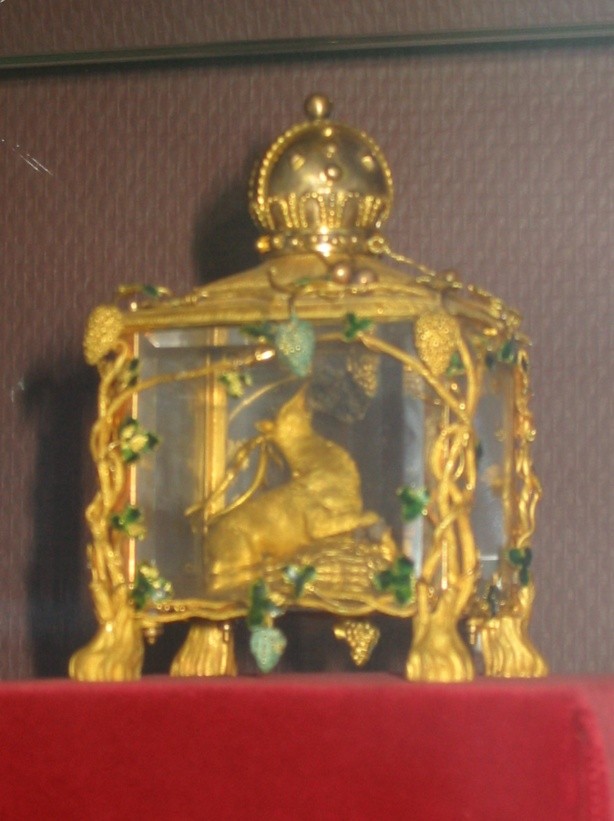
- A casket containing a golden deer holding a Tokaj Aszú berry in its mouth, as well as sparkling grains of gold, which are said to have been found in Tokaj on the Deer Hill, one of the best vineyards in Tokaji once owned by the Habsburgs. Empress Maria Theresa received it as a gift from count Károly Batthány, a Hungarian nobleman and military commander of the Habsburg empire. It is exhibited among the gold treasures of the Hungarian National Museum. An old austrian inventory describes this piece as „... ein klein viereckiges kästel, wovon die vier seithentheil von geschliffenen gläszern, die vier saulen aber, deckel und boden von gold, so theils verschniten und mit geschmolzenen weintruben garniret; auf den deckel steht die Hungarische cron; bei abnehmung dessen befindet sich ein | microspopium, wormit der darinn liegende hirsch, so ein weinbörkerntl im maul, dan ein dergleichen an den stingel unter den lauf, welche beede denen ziweben gleichen, dan klein goldene kerntl, so in Tockay auf den sogenannten hirschbergen gewachsen und gefunden worden, vergrössert wird. dieses stuck haben ihro maj. die kaiserin Maria Theresia den 6 februarii 1749 in die kais. königl. schatzcammer übergeben.“
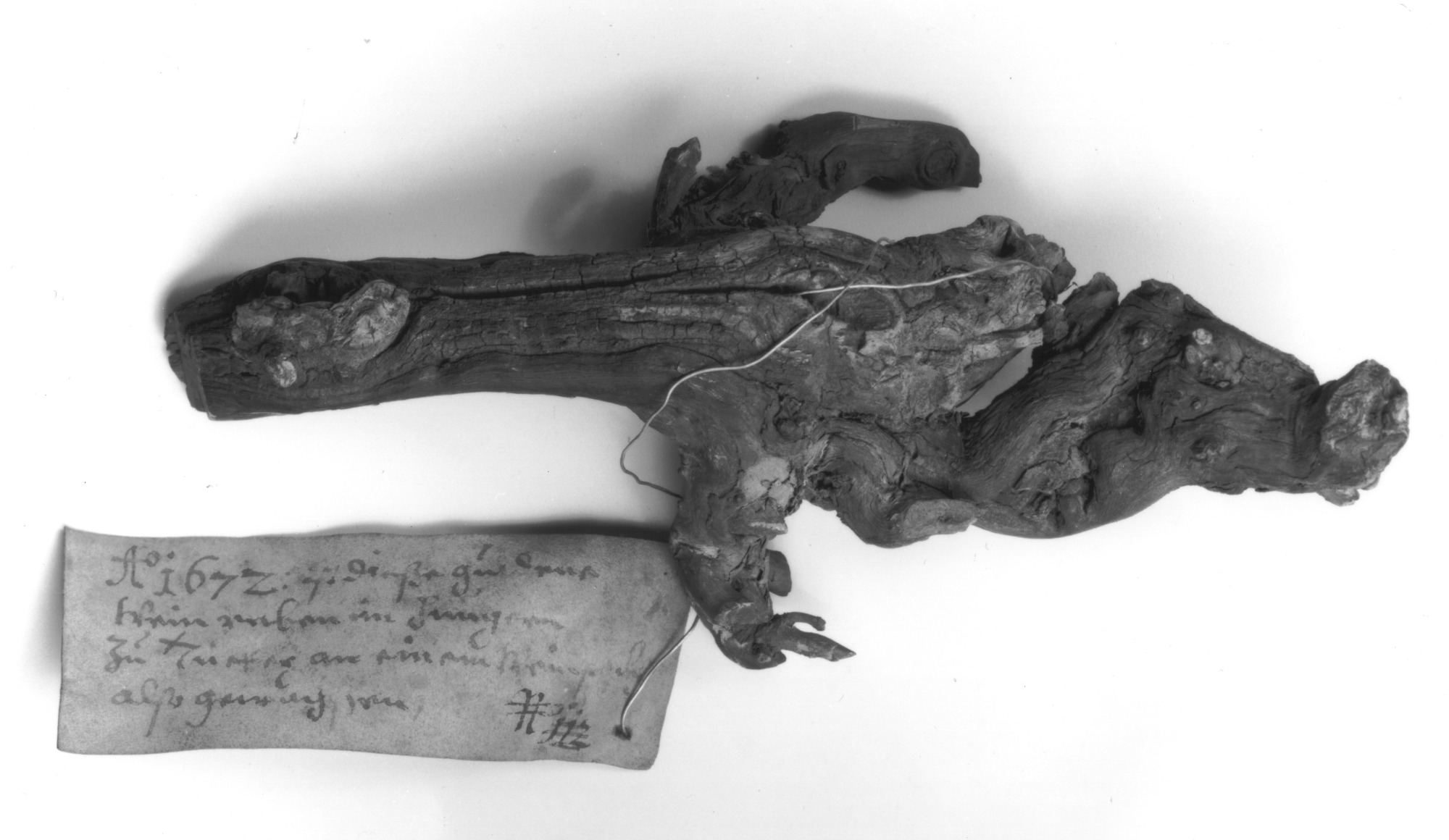
- Tokaj vine root with gold wire from 1672. An inventory list of the Viennese treasury of the Supreme Imperial House mentions the piece in 1750: "„Ein stück von einen weinstock, woran ein vorbeschribener drath gewachsen und in Tockay anno 1672 gefunden auch an kais. Hof überbracht worden.“ The artefact part of the collection of the Kunsthistorisches Museum in Vienna (not exhibited but csamn be found under inventory number 6368). In Vienna had the privilege to see it and even hold it in my hands. It is clearly manufactured.
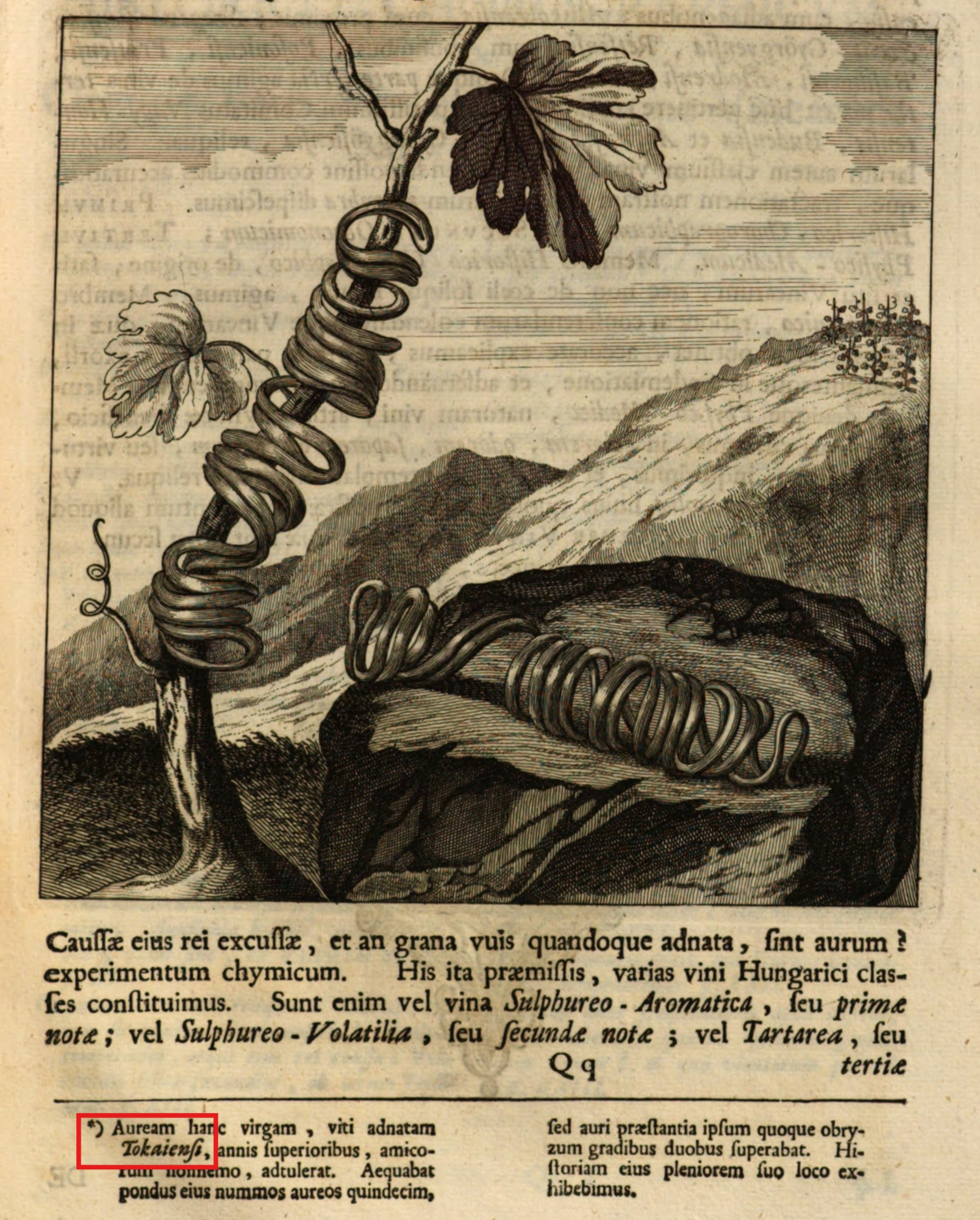
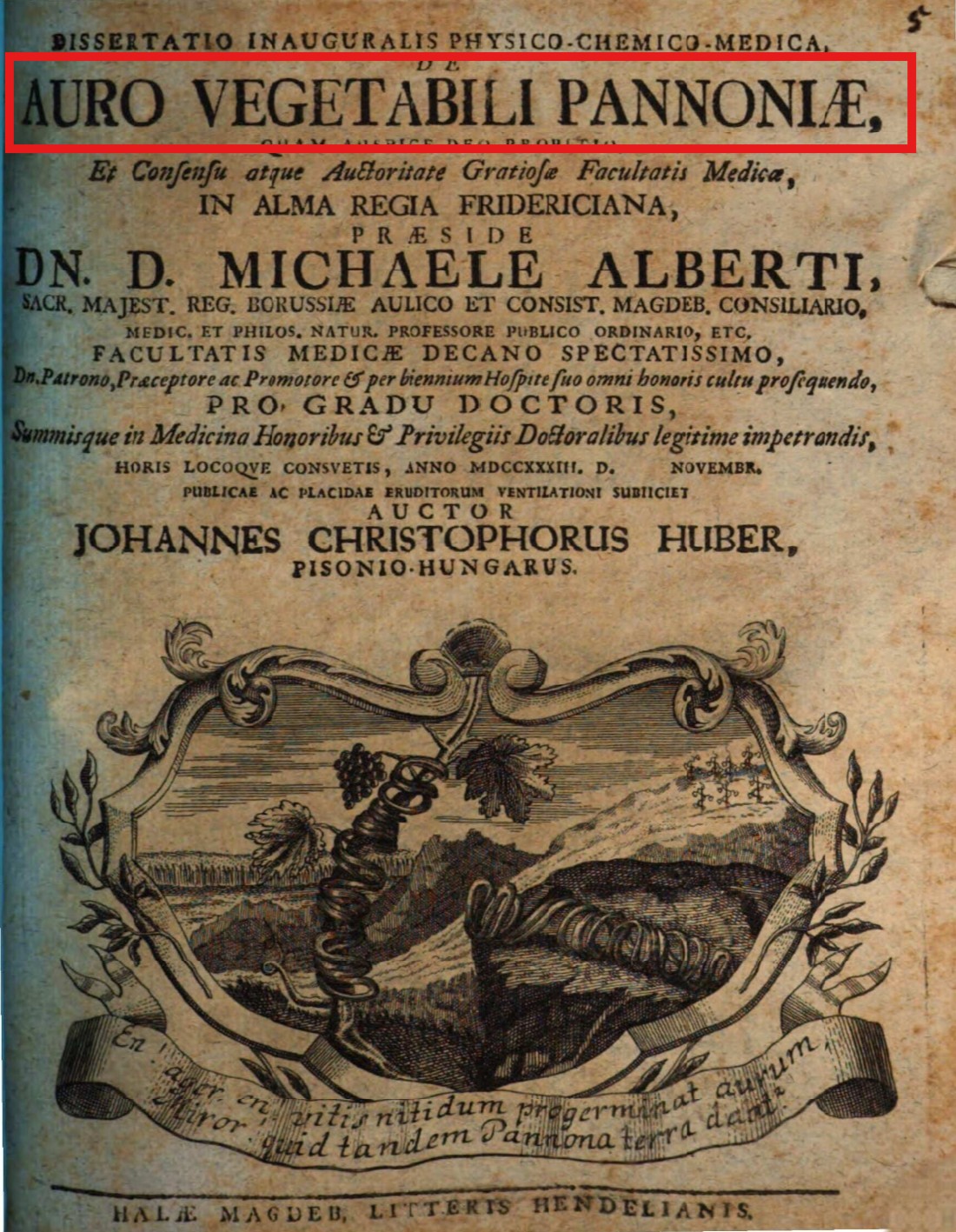
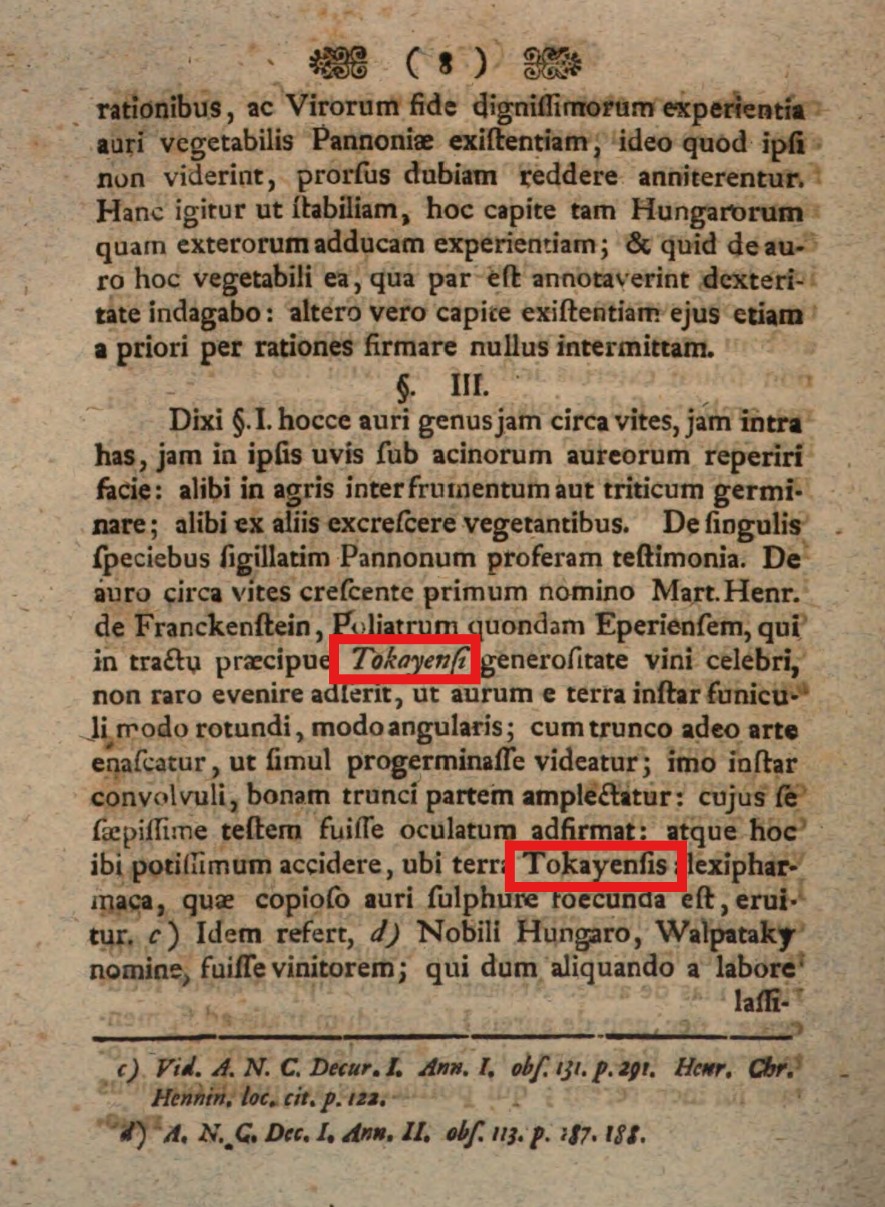
Both artefacts clearly belong to a number of references to the "golden vine" (aurum vegetabile) of Tokaj which claims that the vines in Tokaj are able to extract gold from the soil, an idea that is thought to come from scripts of historians (Antonio Bonfini, Marzio Galeotto), alchemists (Paracelsus legend) and anecdotal evidence of gold found in vineyards.