Research
Researching old tokaji bottles is not only important for their authentication but to understand their origin and journey. Each bottle is a unique piece of history, a time capsule often full of suprising facts. We employ different scientific methods not only to verify, explore and understand those bottles but to complete our knowledge about the cultural history of the tokaji UNESCO World Heritage which those bottles are an integral part of.
The research of old tokaji spans multiple areas of and I am grateful for the help of field experts and also a handful of co-researchers dedicated to very old tokaji wine. On this page I'll present ther most important but not all analysis methods. For obvious reasons (detecting fraud and deterring fraud attempts) I cannot share most of the analysis details. Can I prove that all bottles on this site are 100% authentic? Of course not, but I do present only bottles here the can be authenticated on a minimim level I consider sufficiently plausible. My guess is that the authentication error rate is below 15%, at least that is the experience from 20+ years of work. Im convinced thst most of the bottles presented here will stand the test of time as research methods get more advanced. Bottles without sufficient evidence or contradicting/unclear research results are not featured on this site. As research progresses I will regularly add, change/correct or, if necessary, delete information pieces or complete bottles.
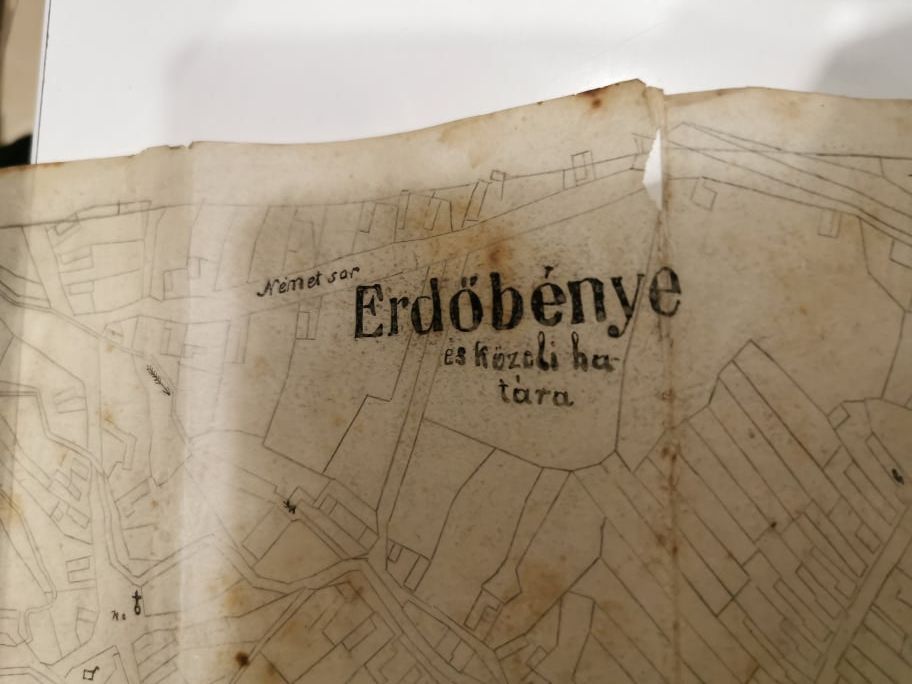
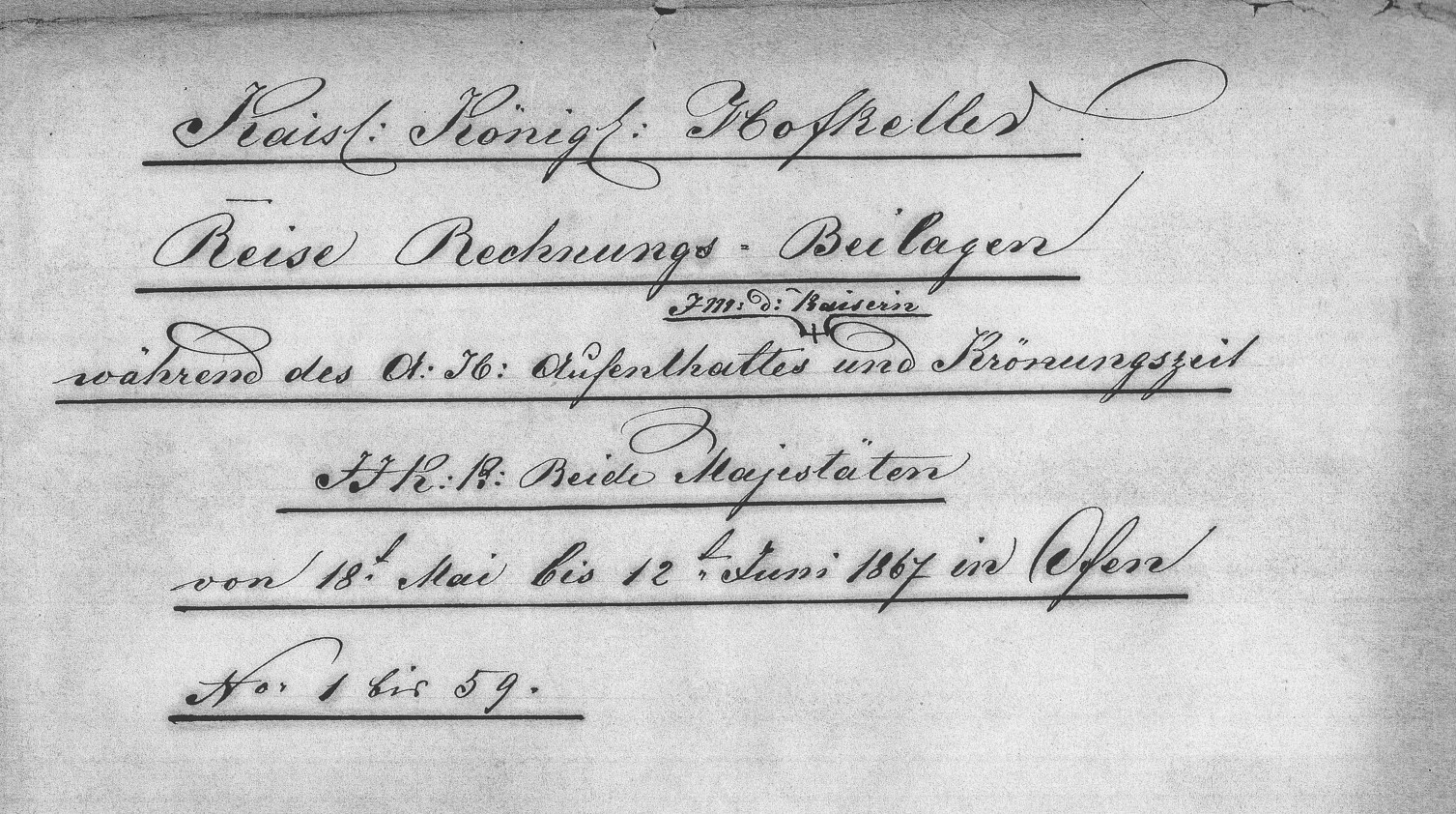

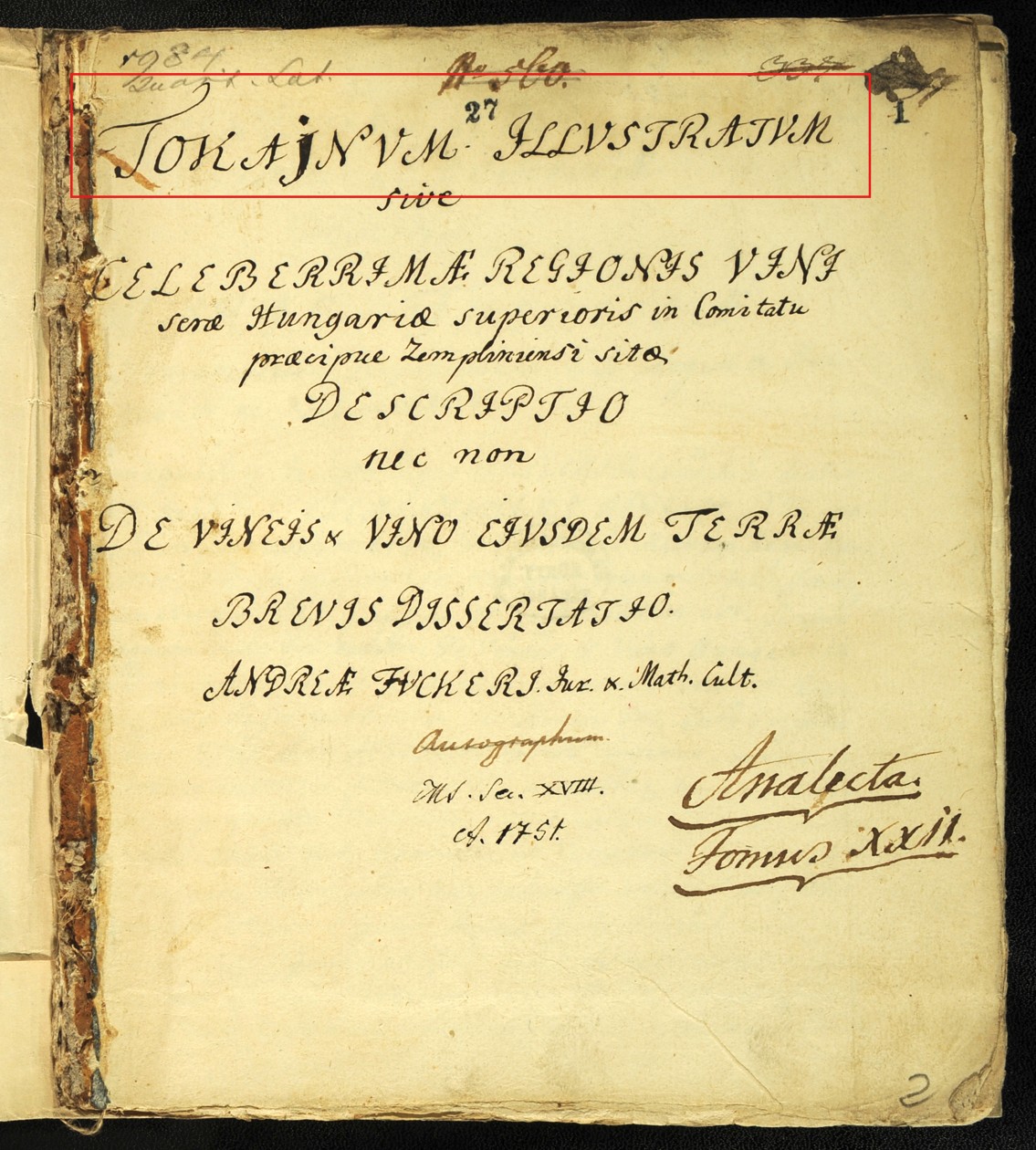
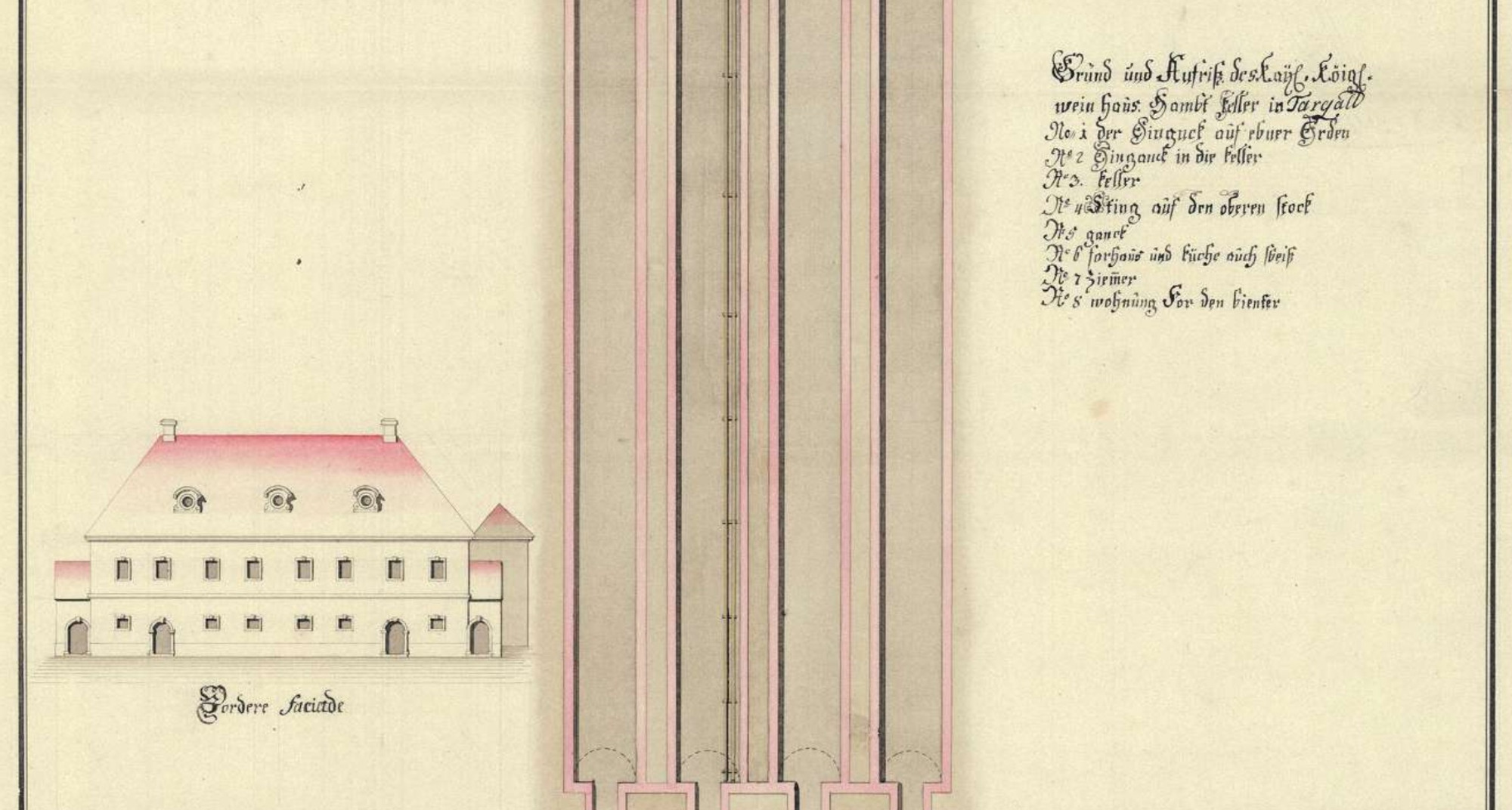
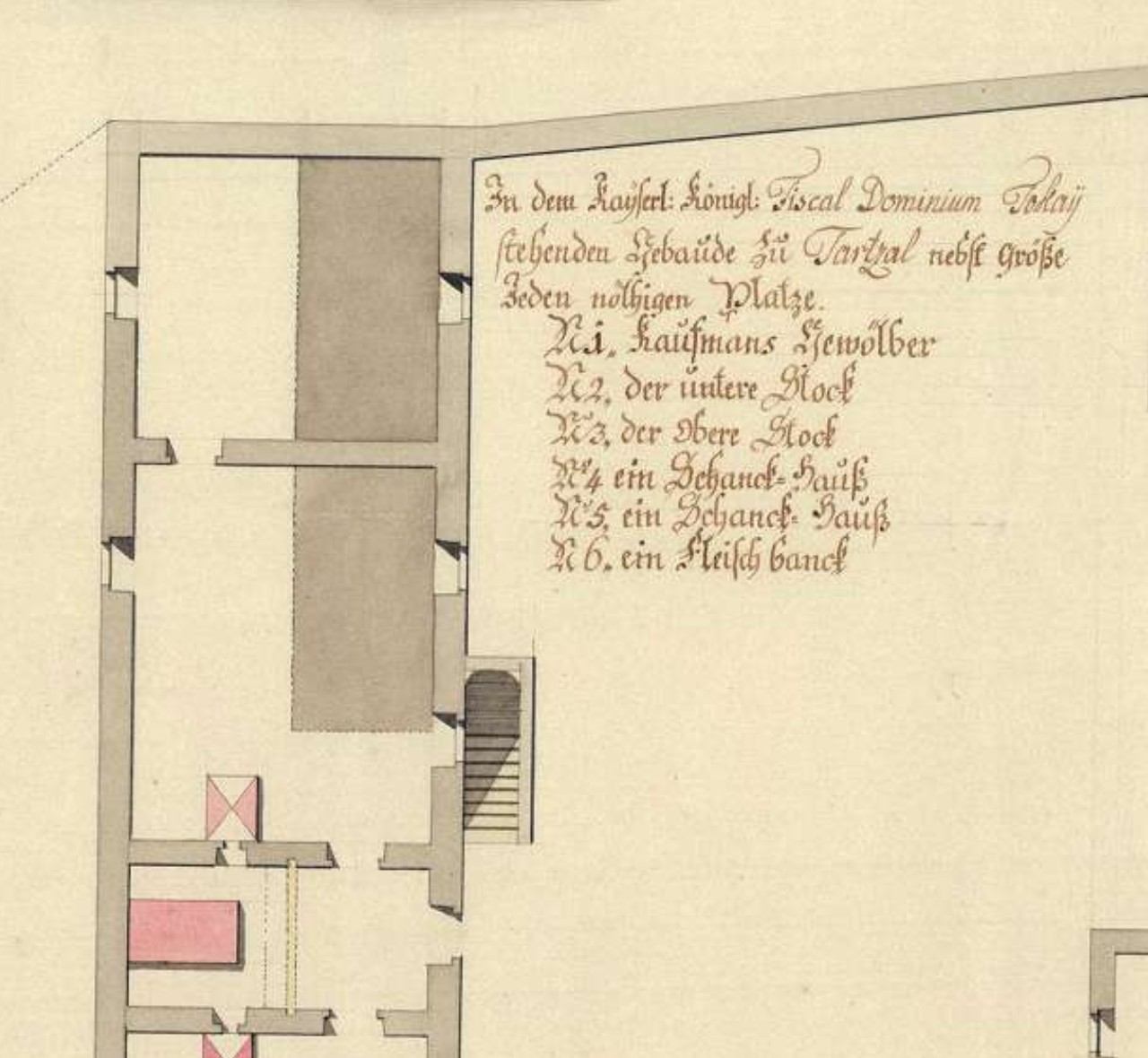
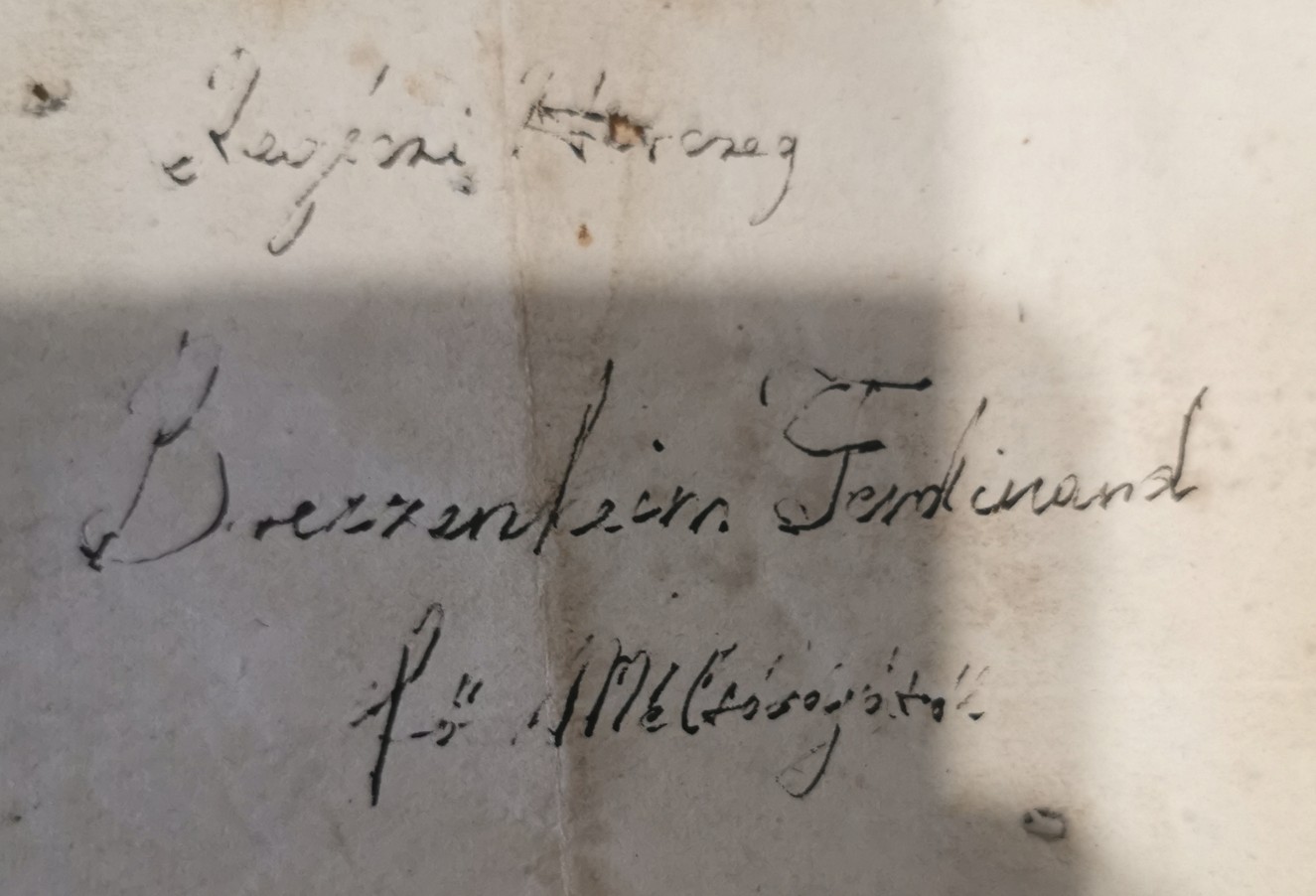
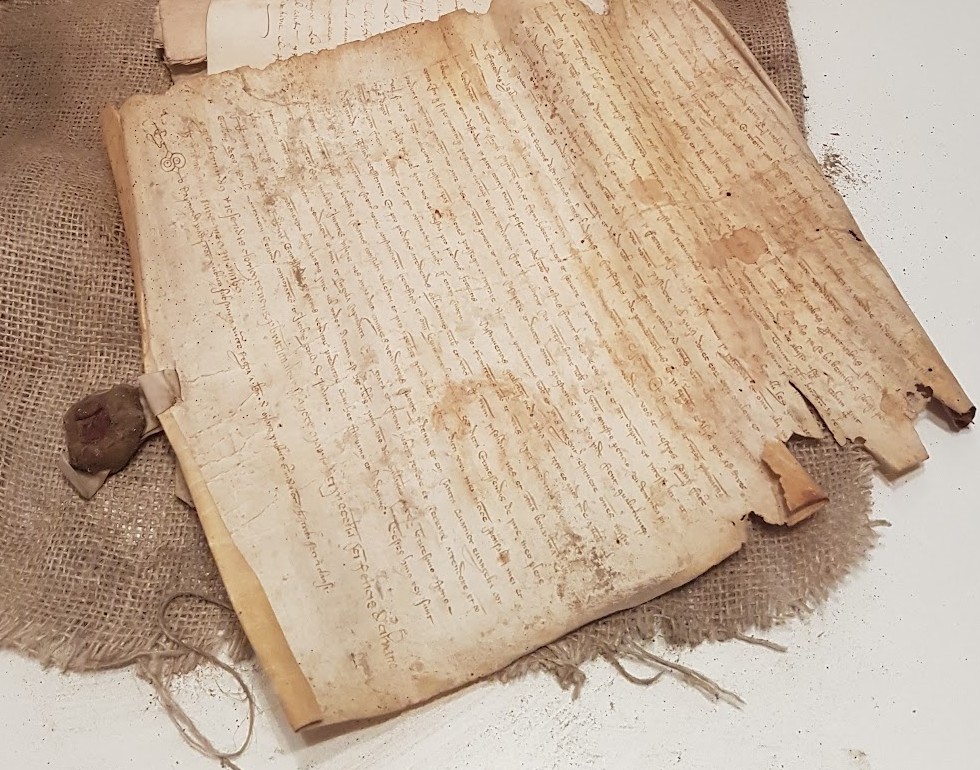
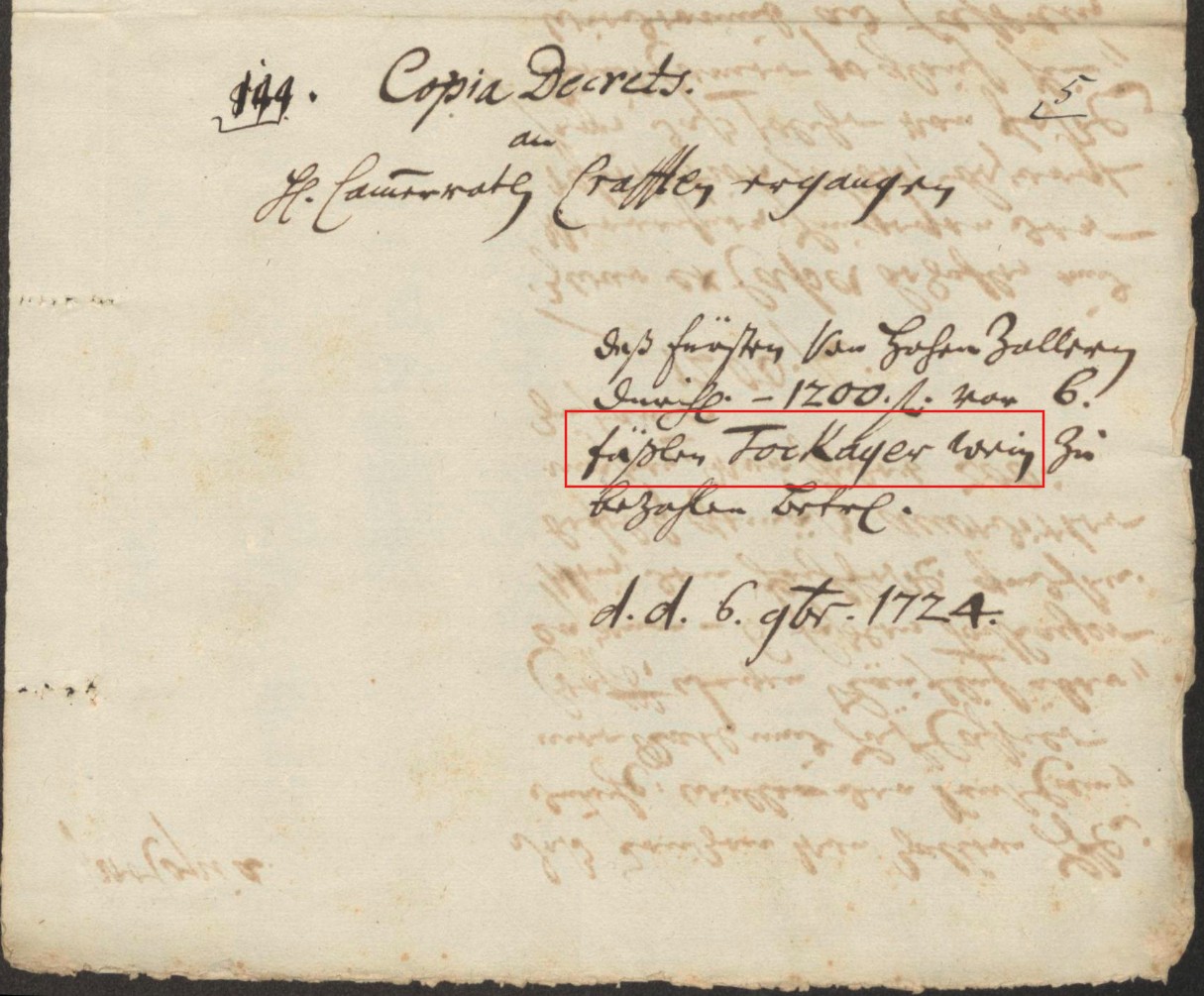
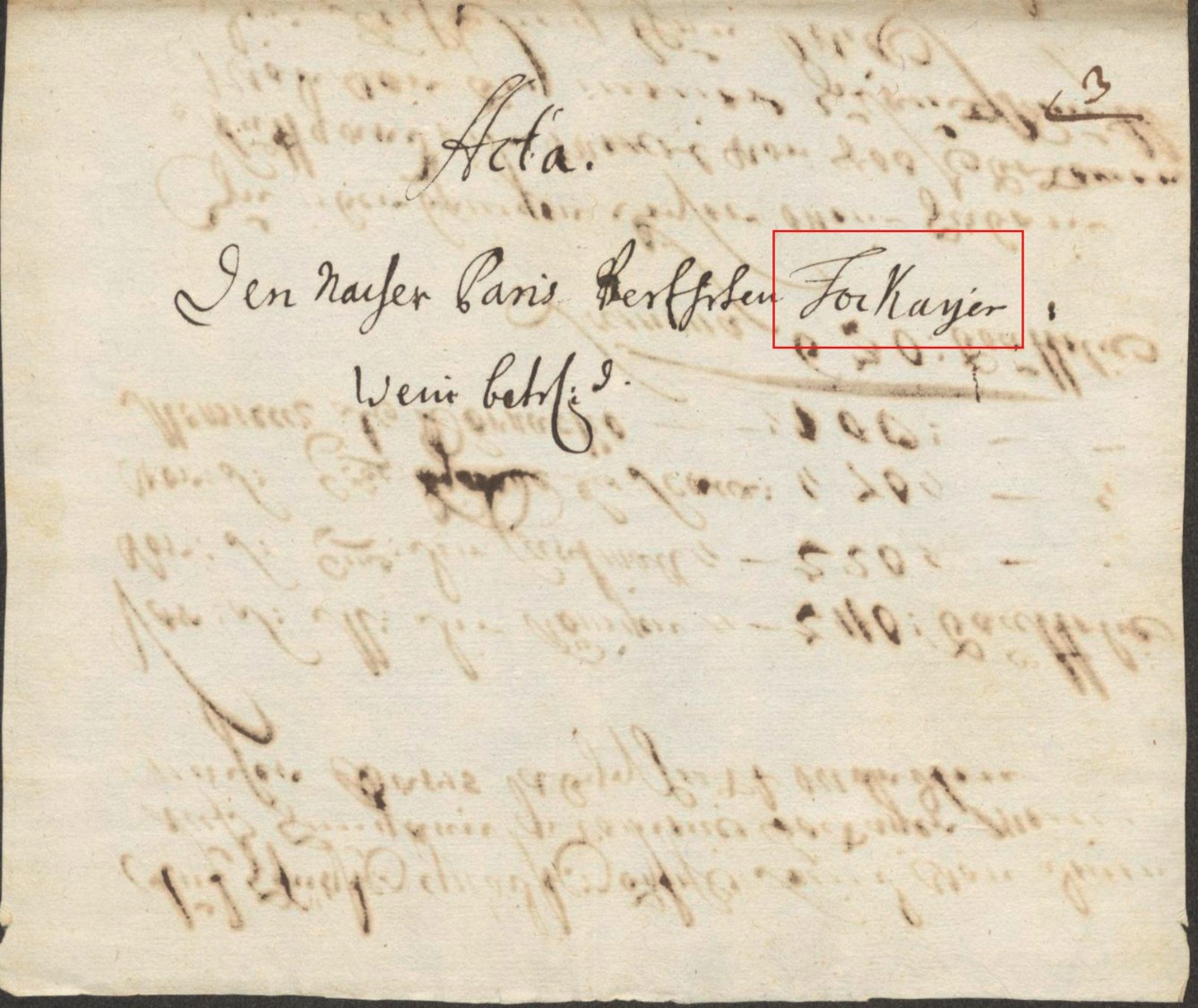
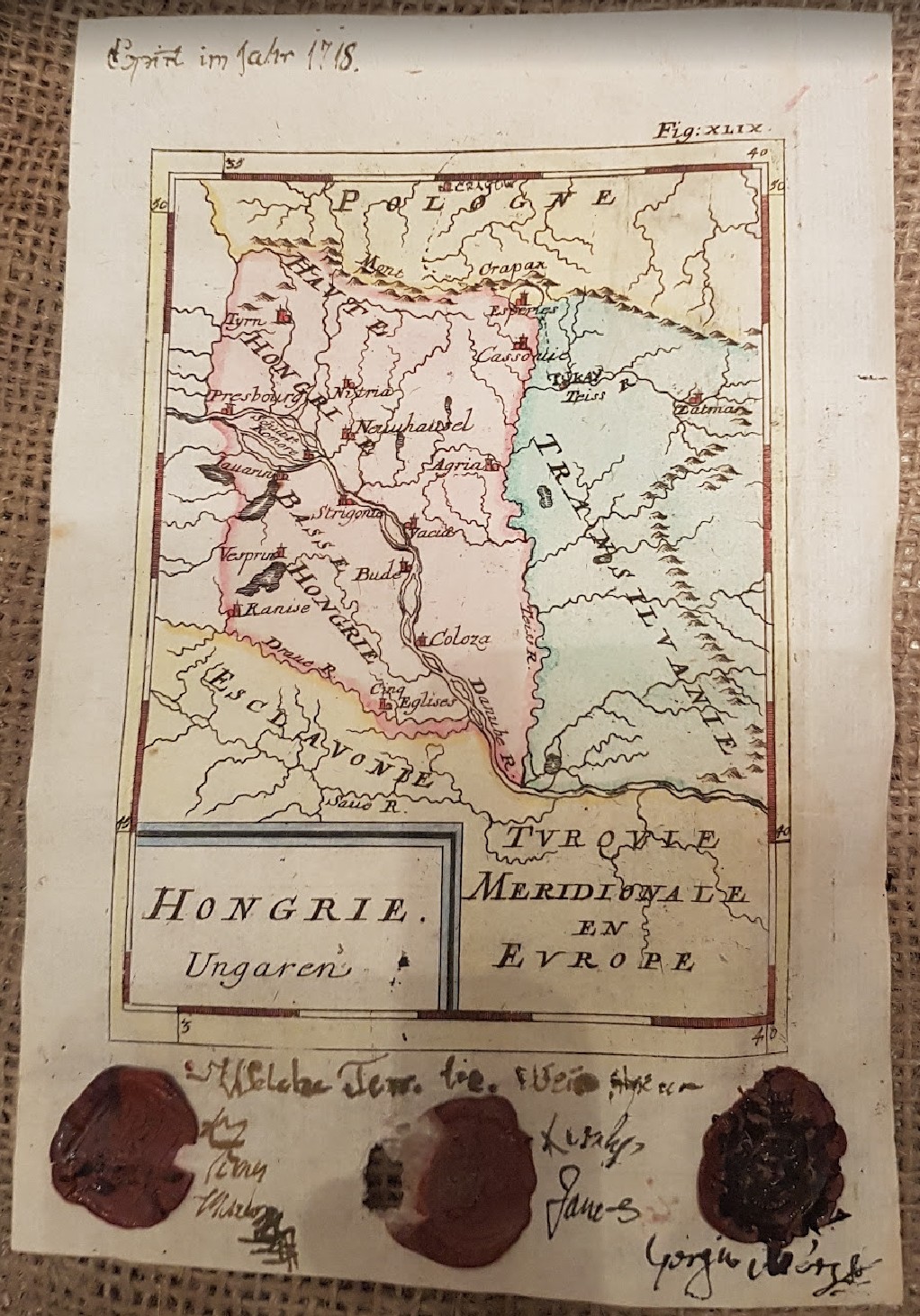
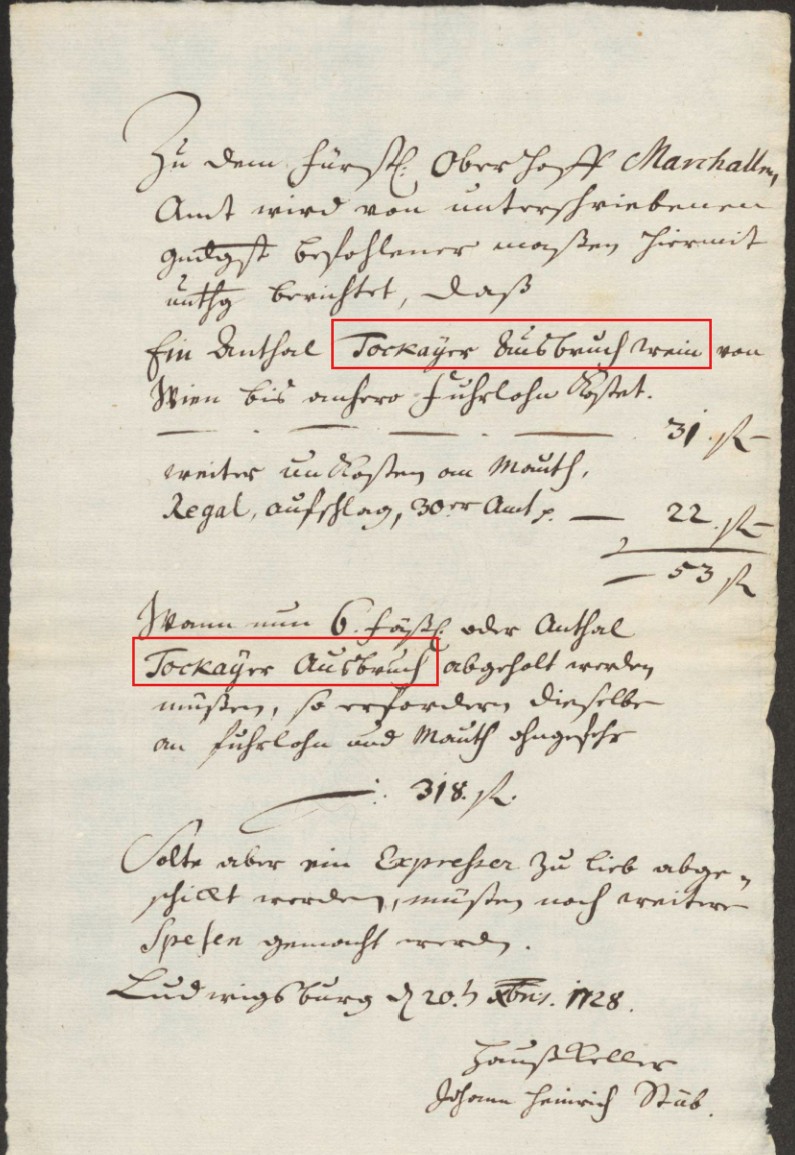
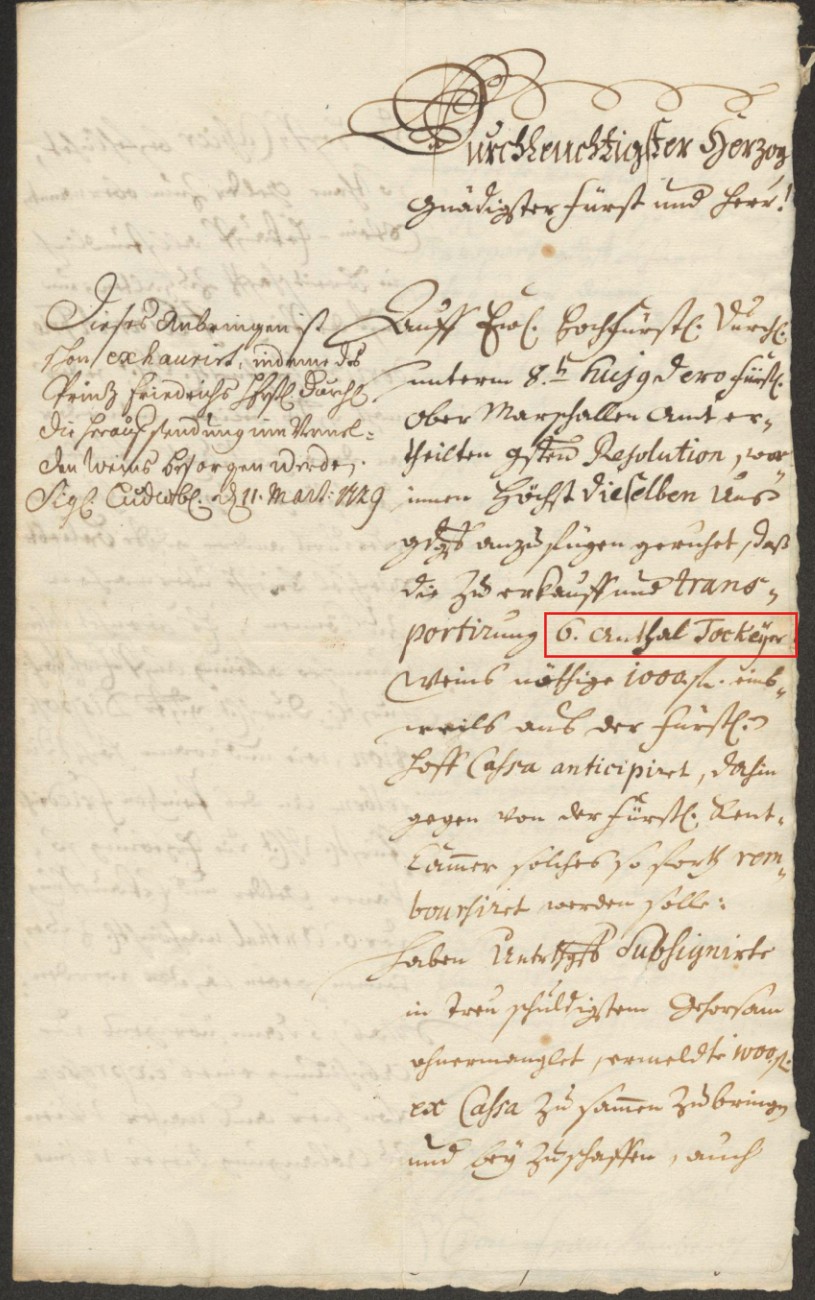
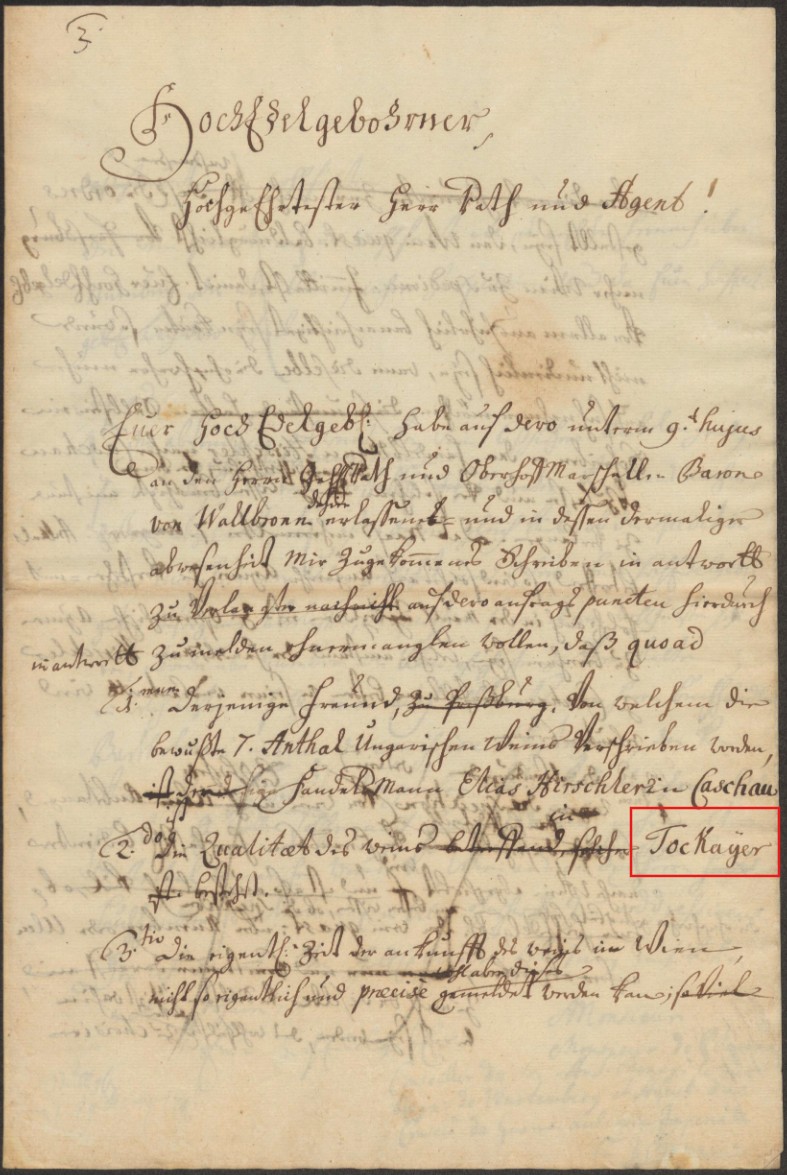
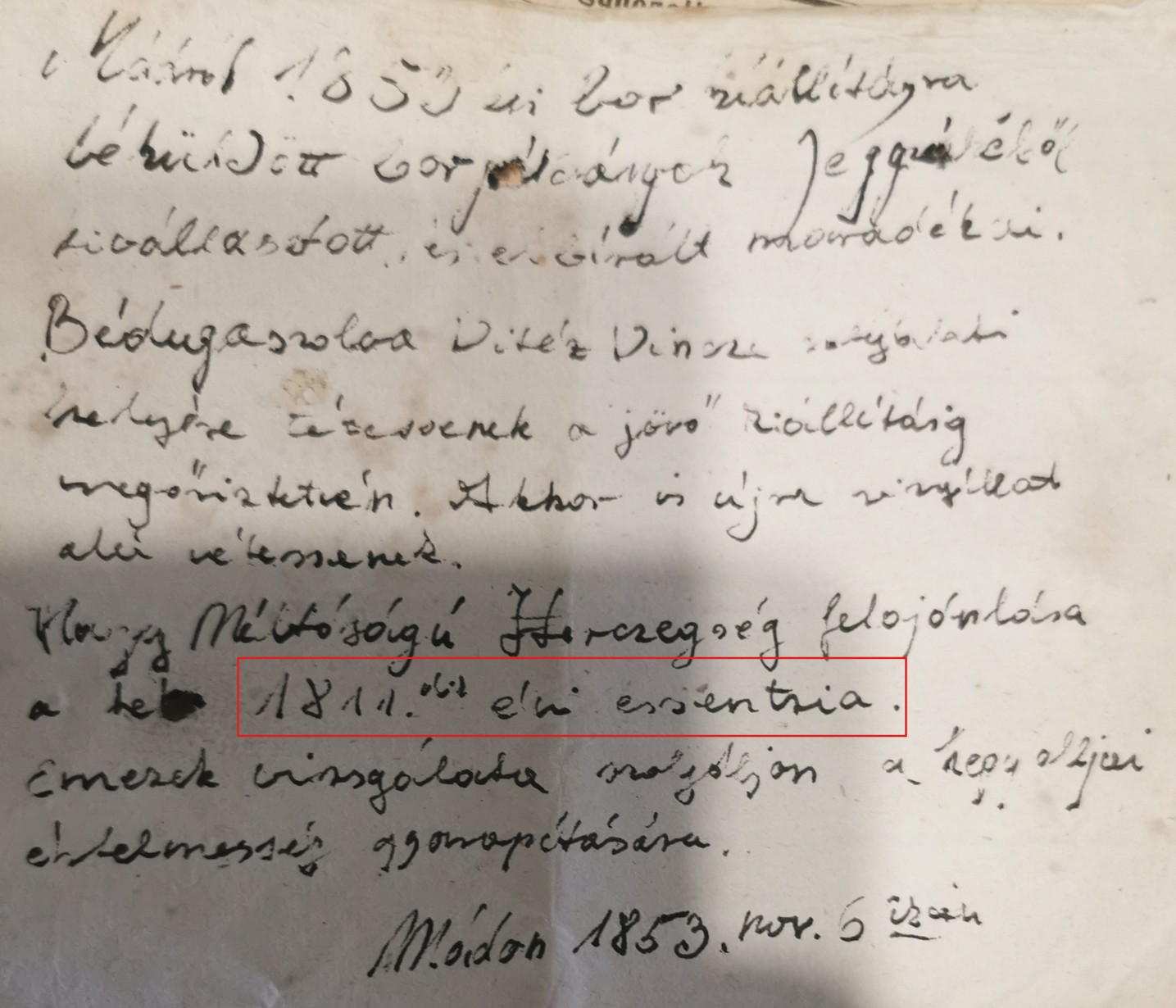
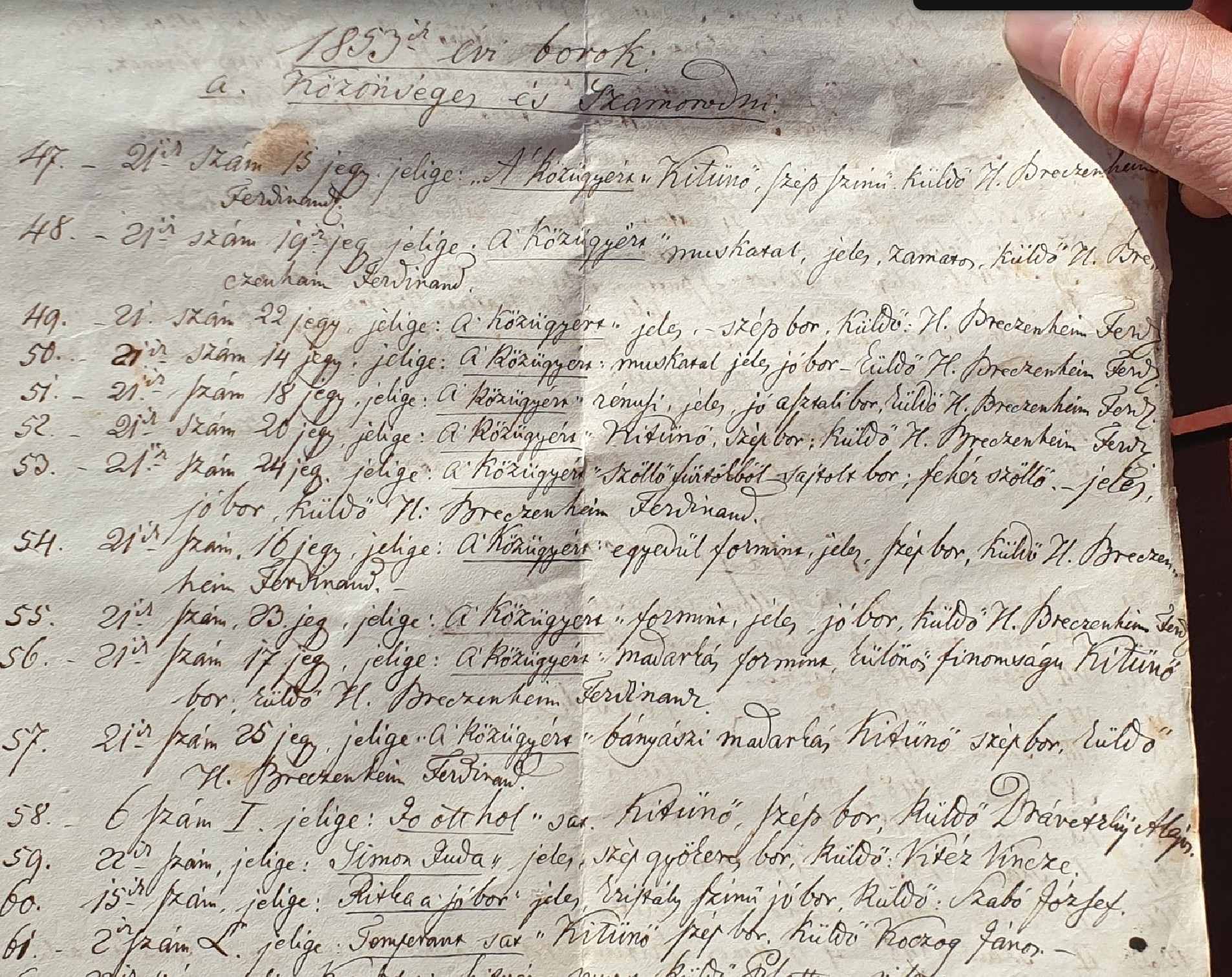
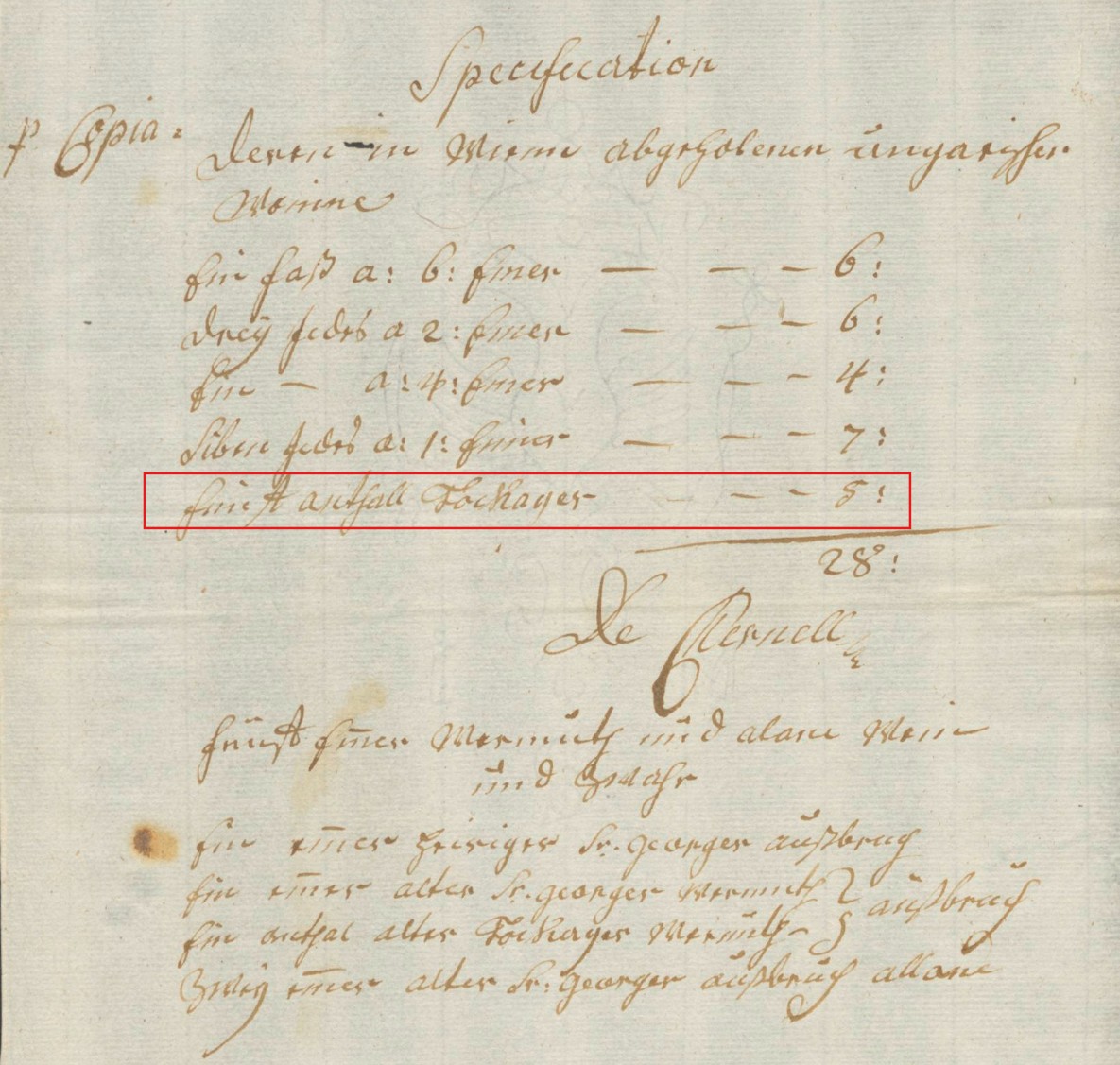
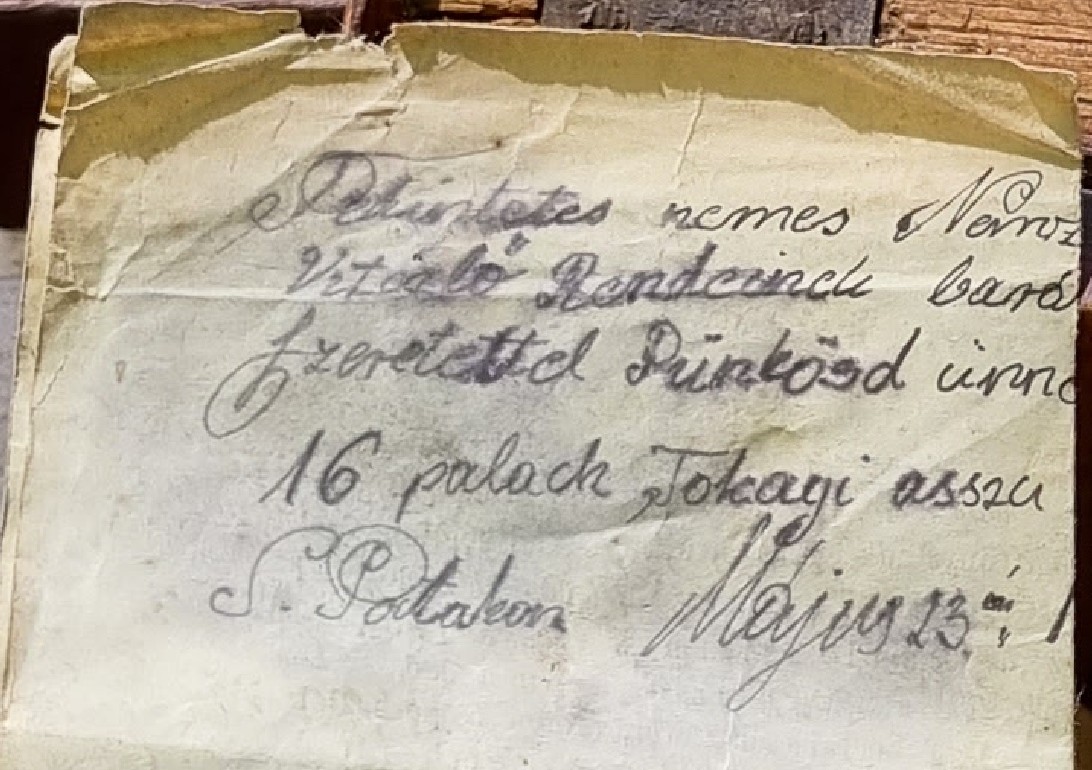
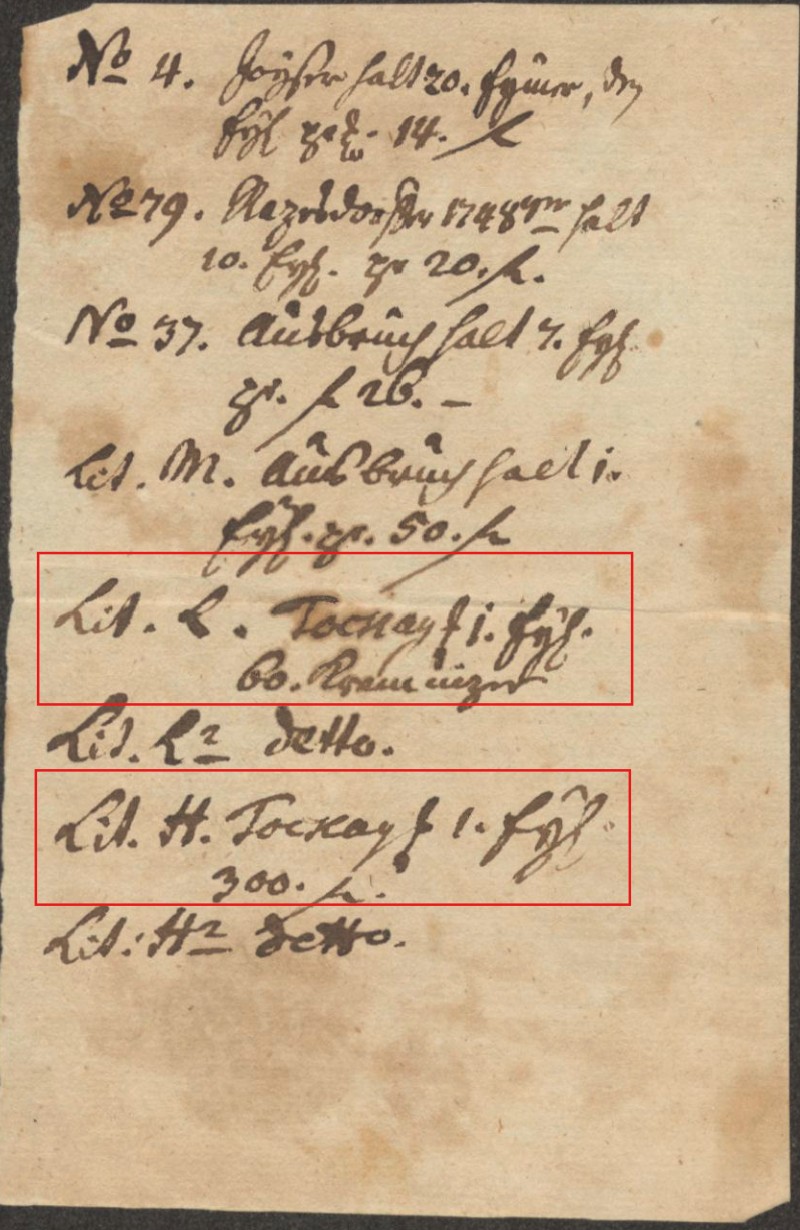
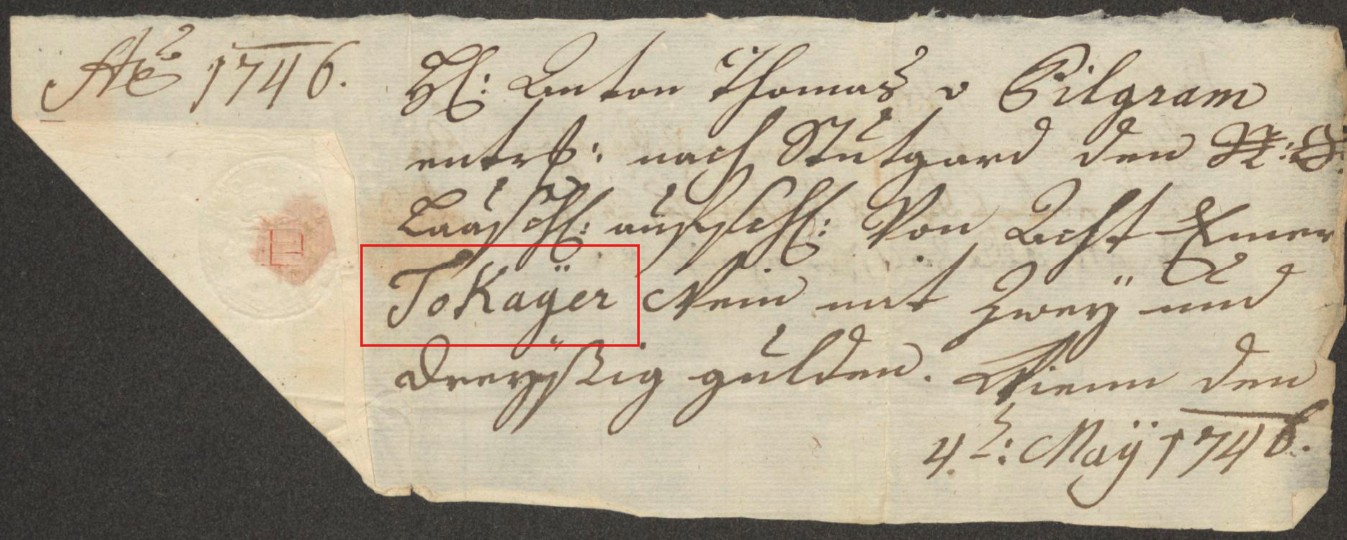
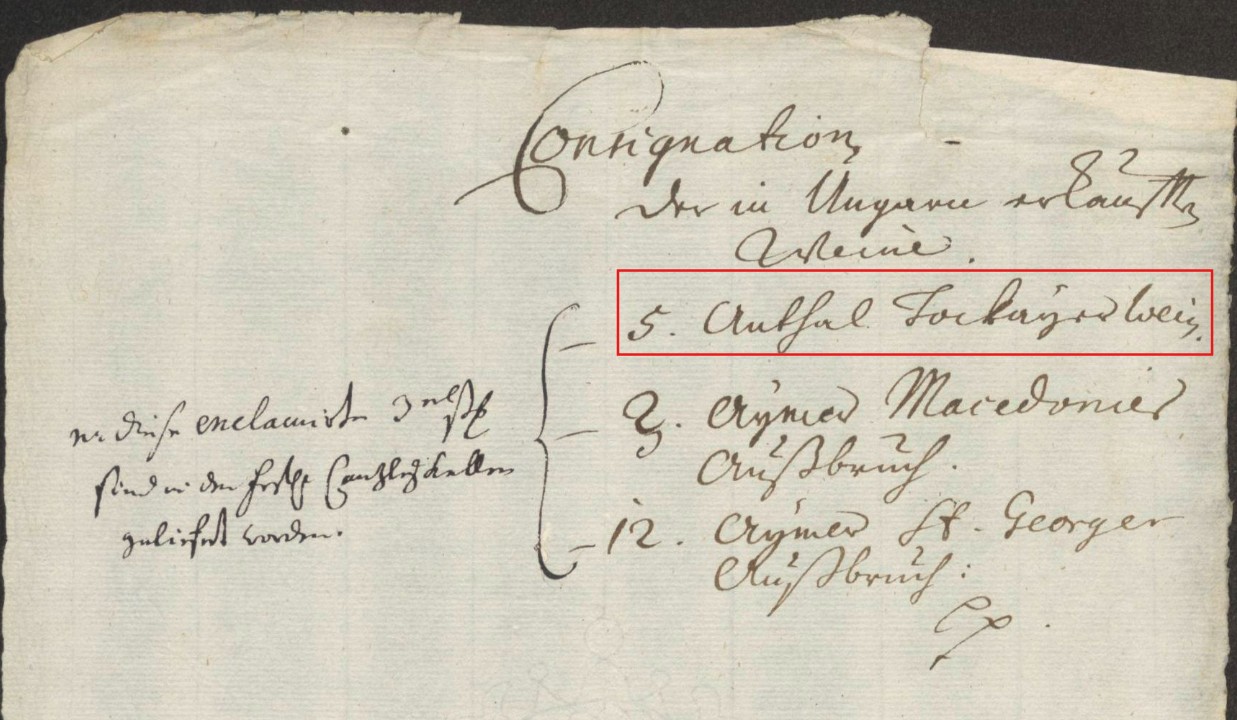
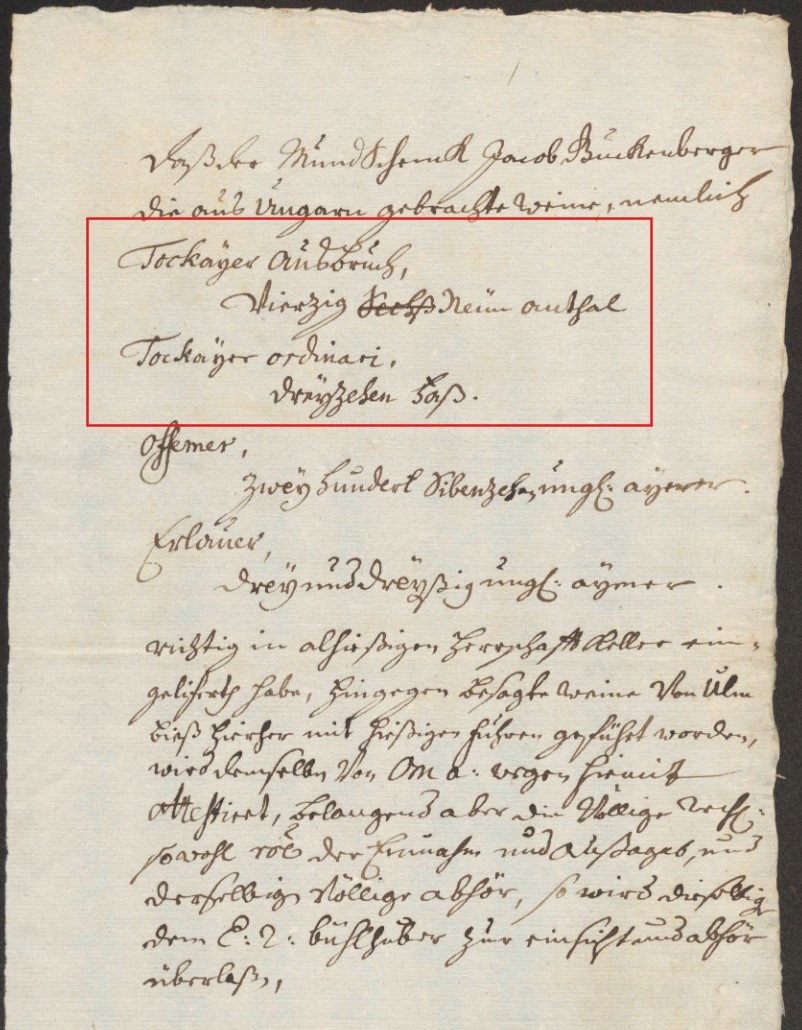
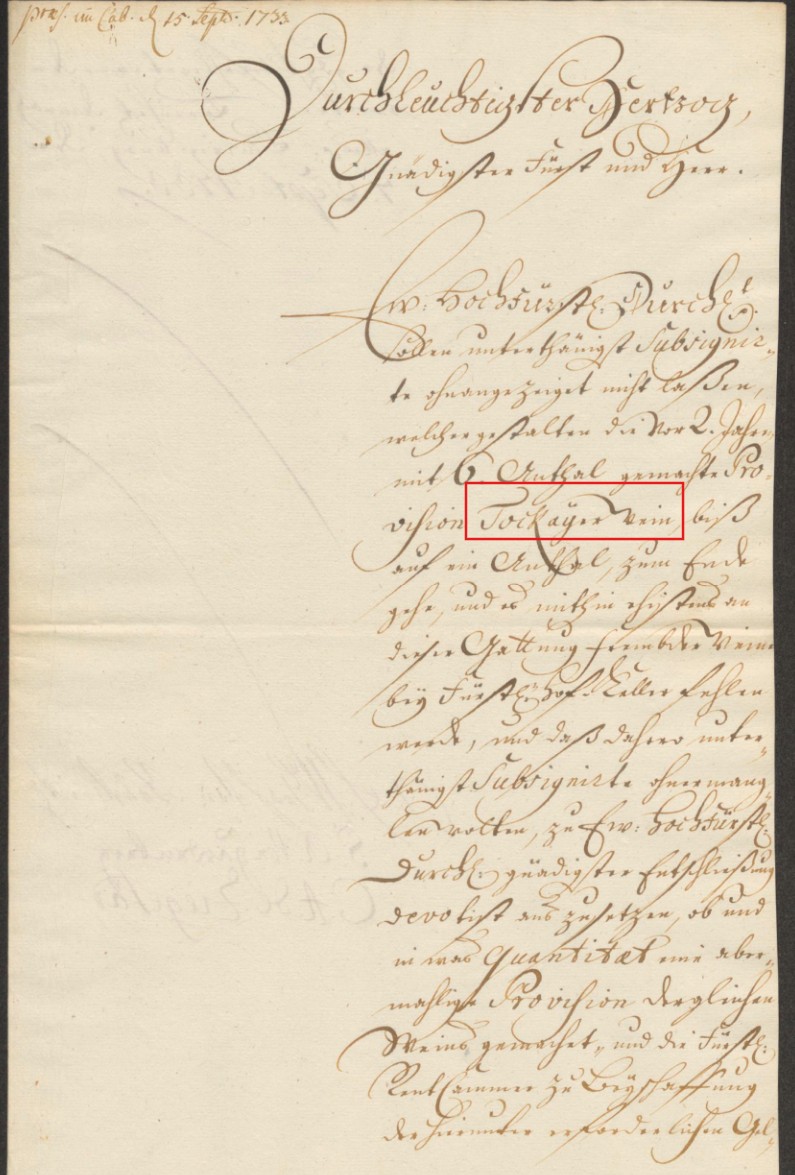
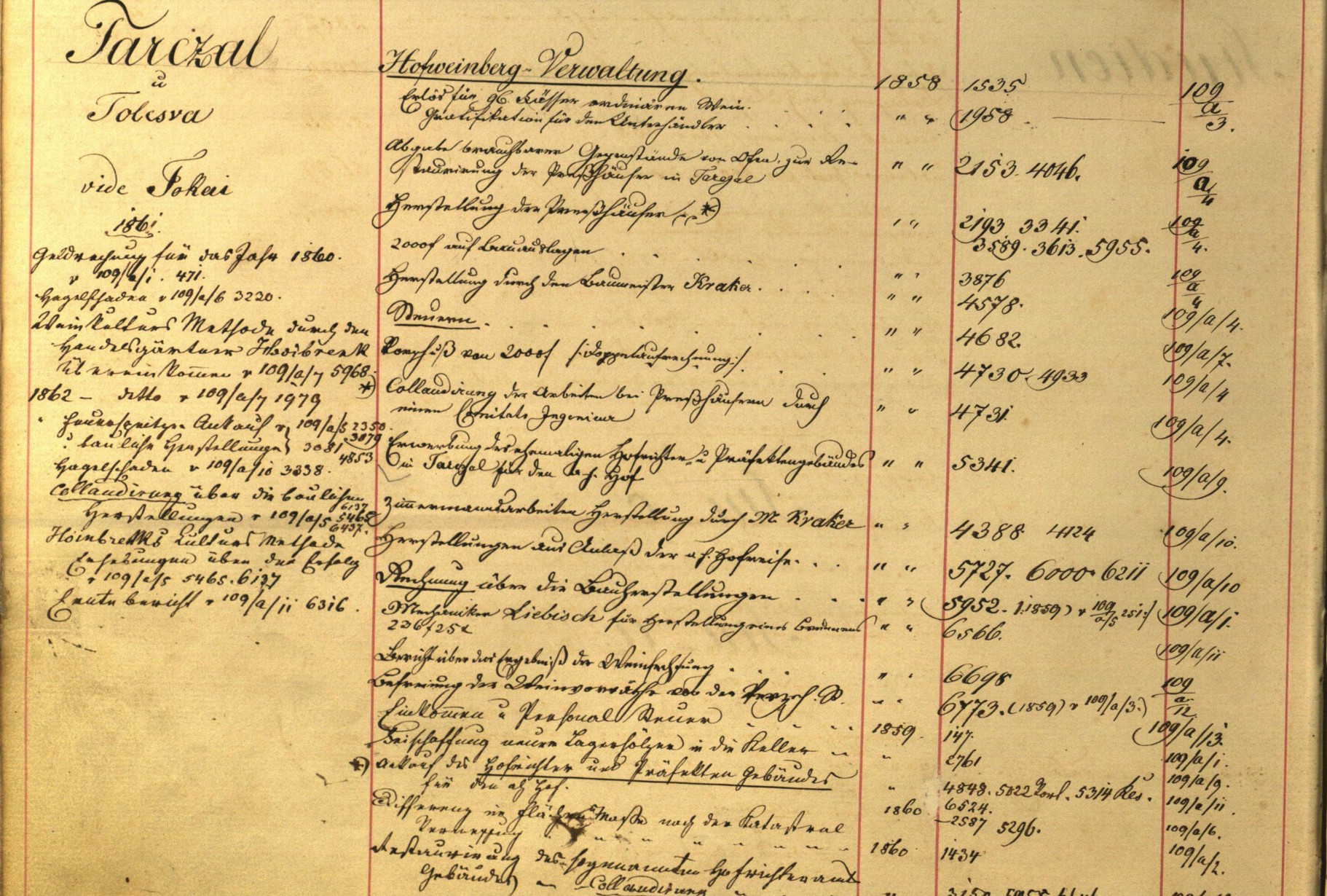
Archive research
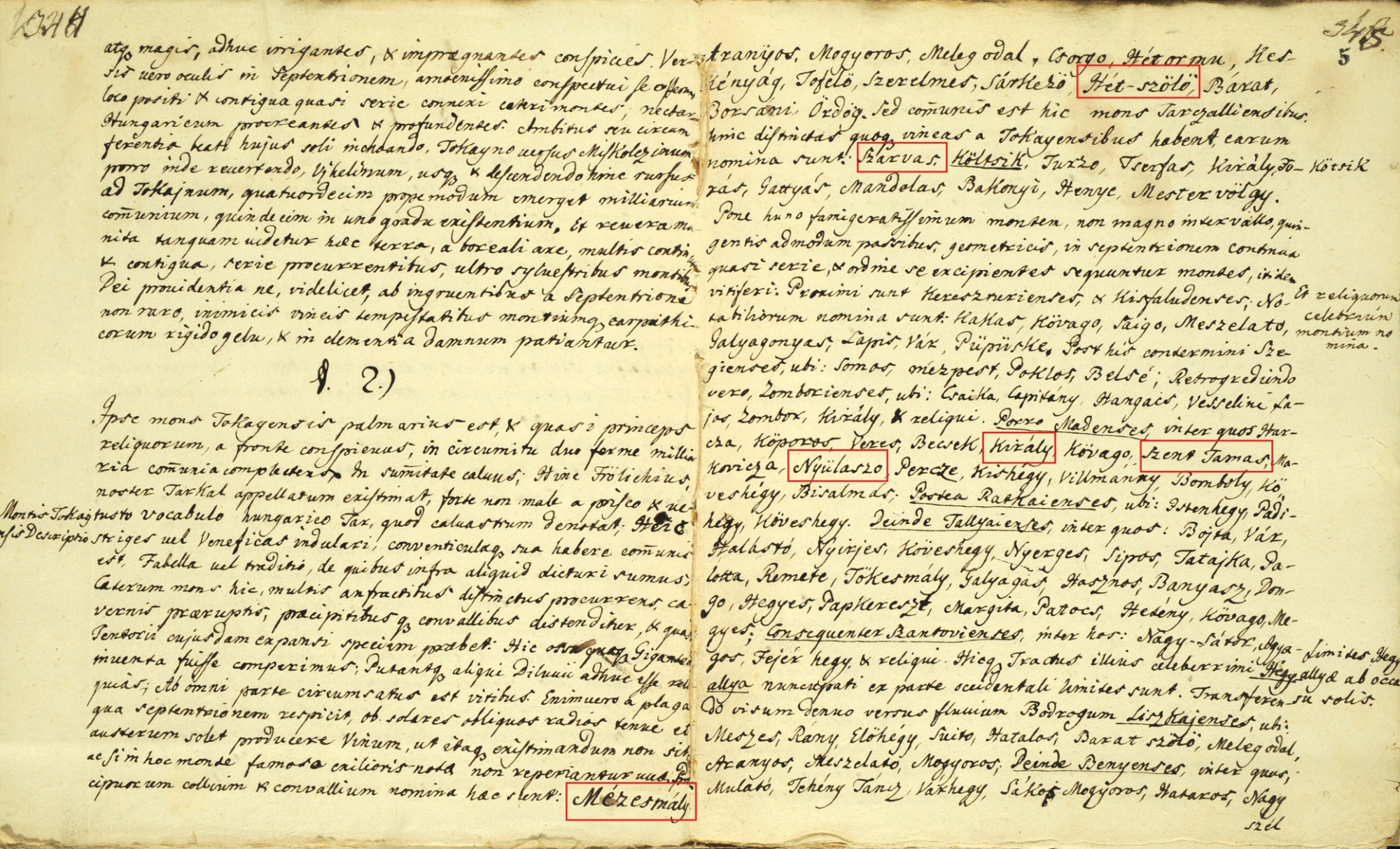
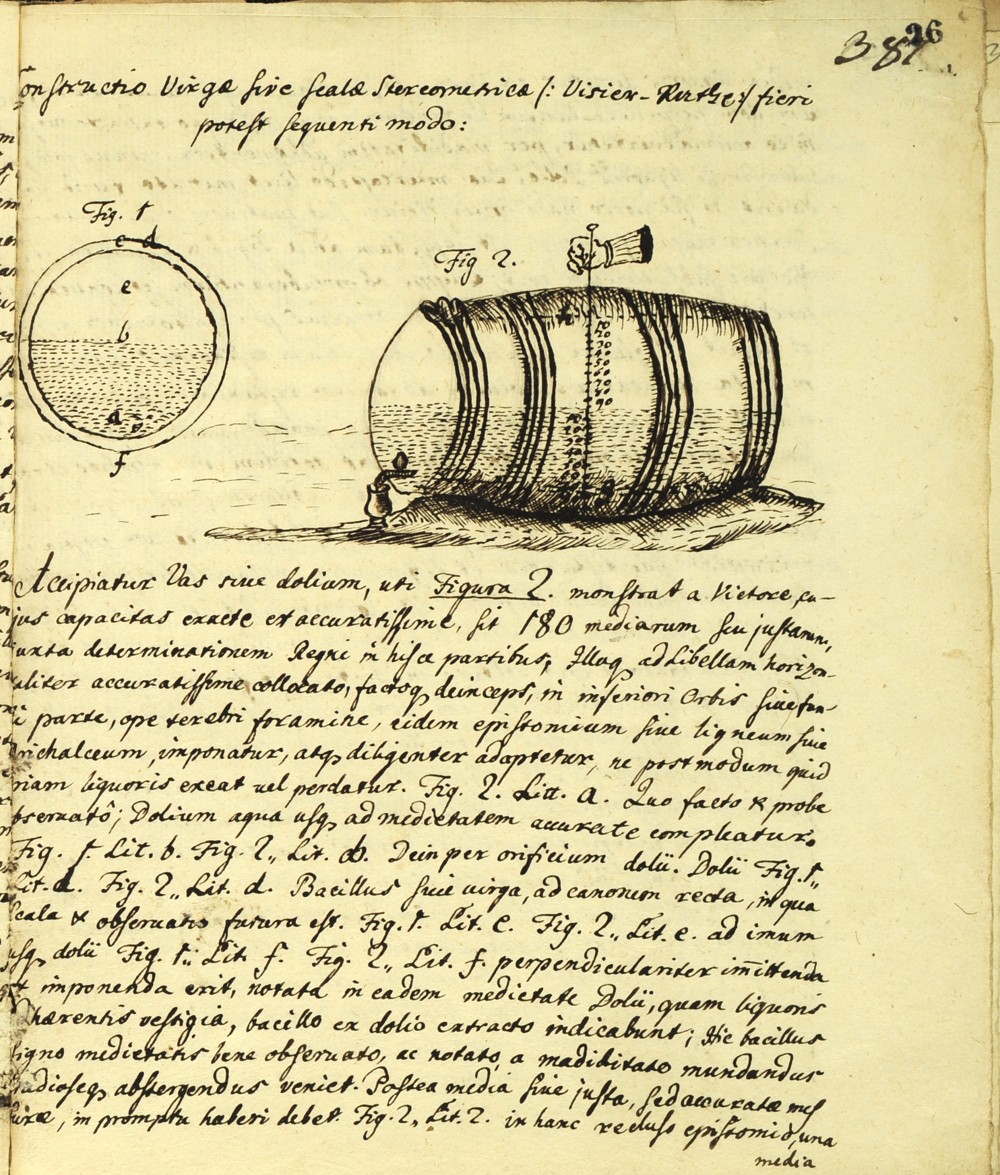
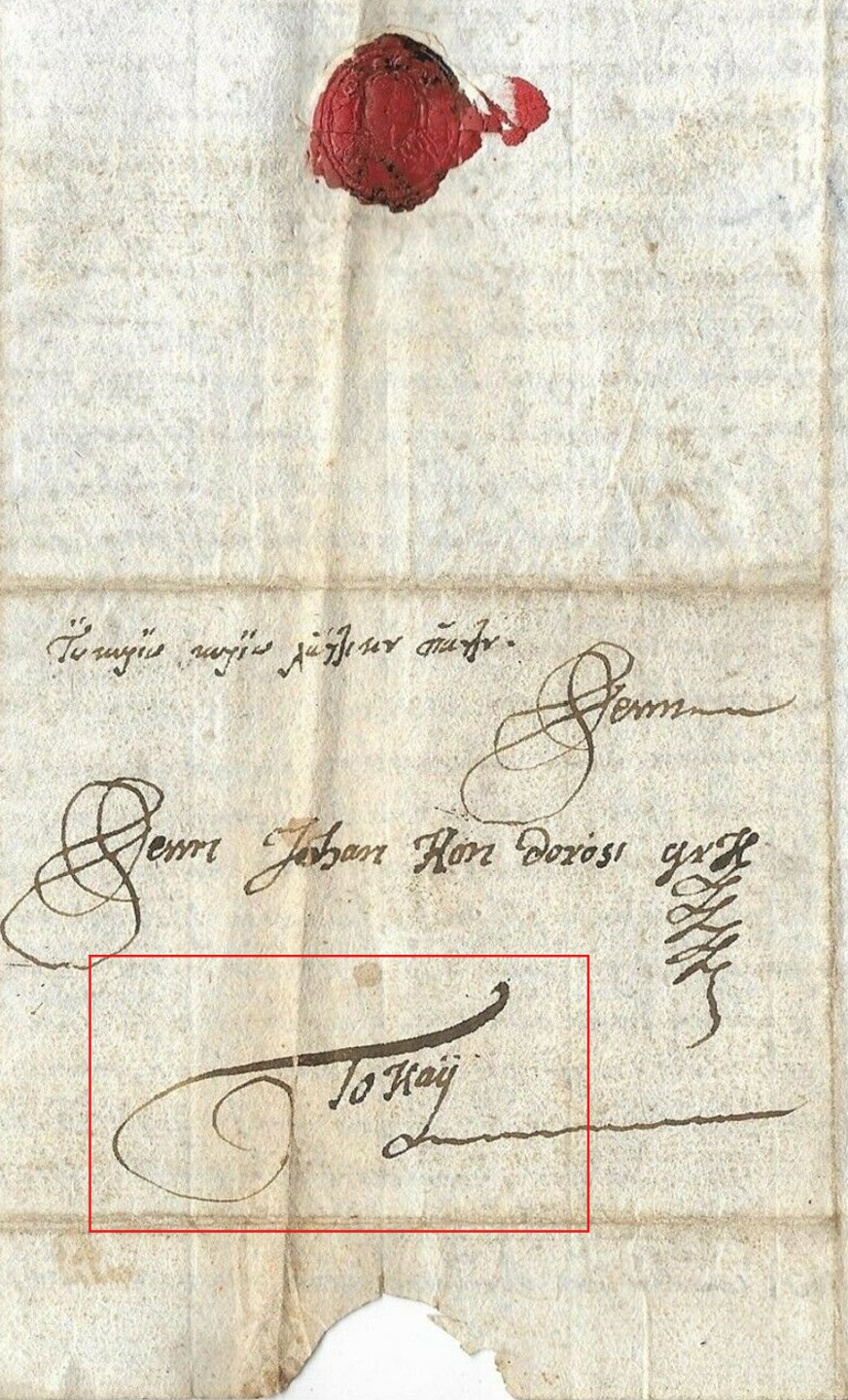
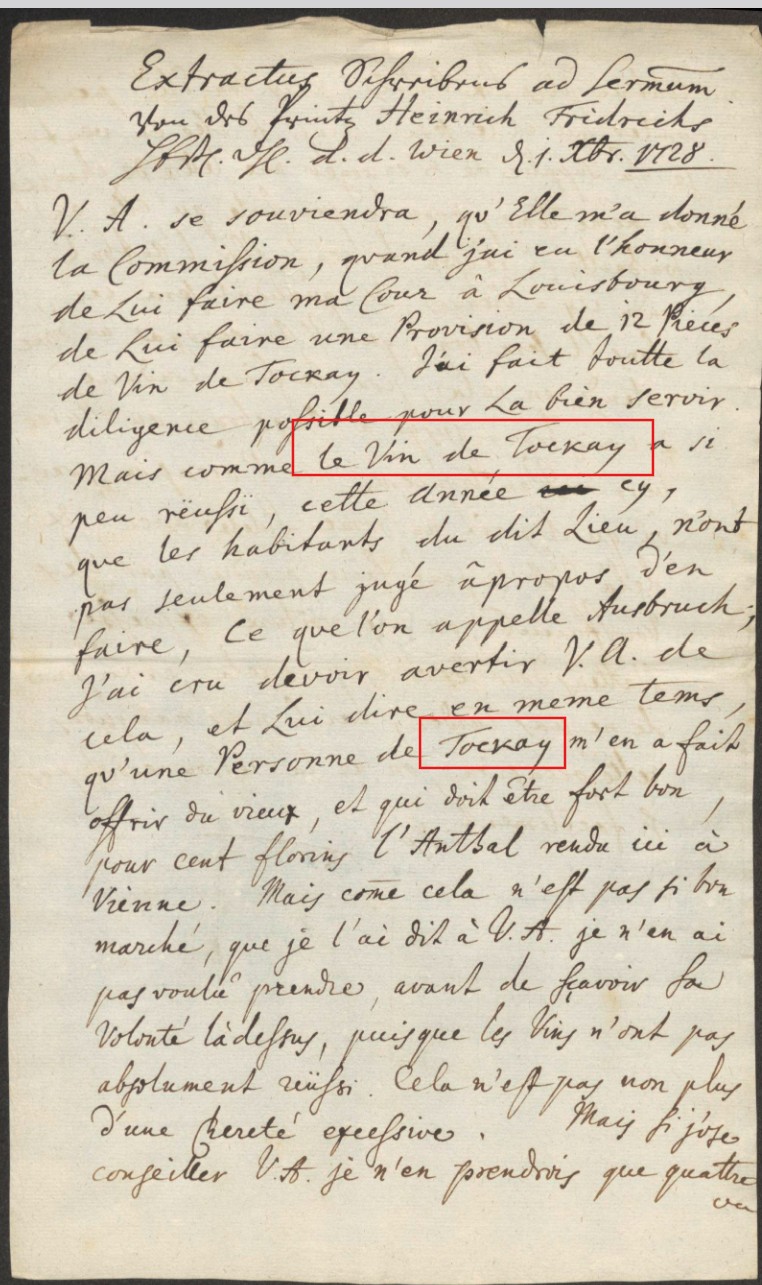
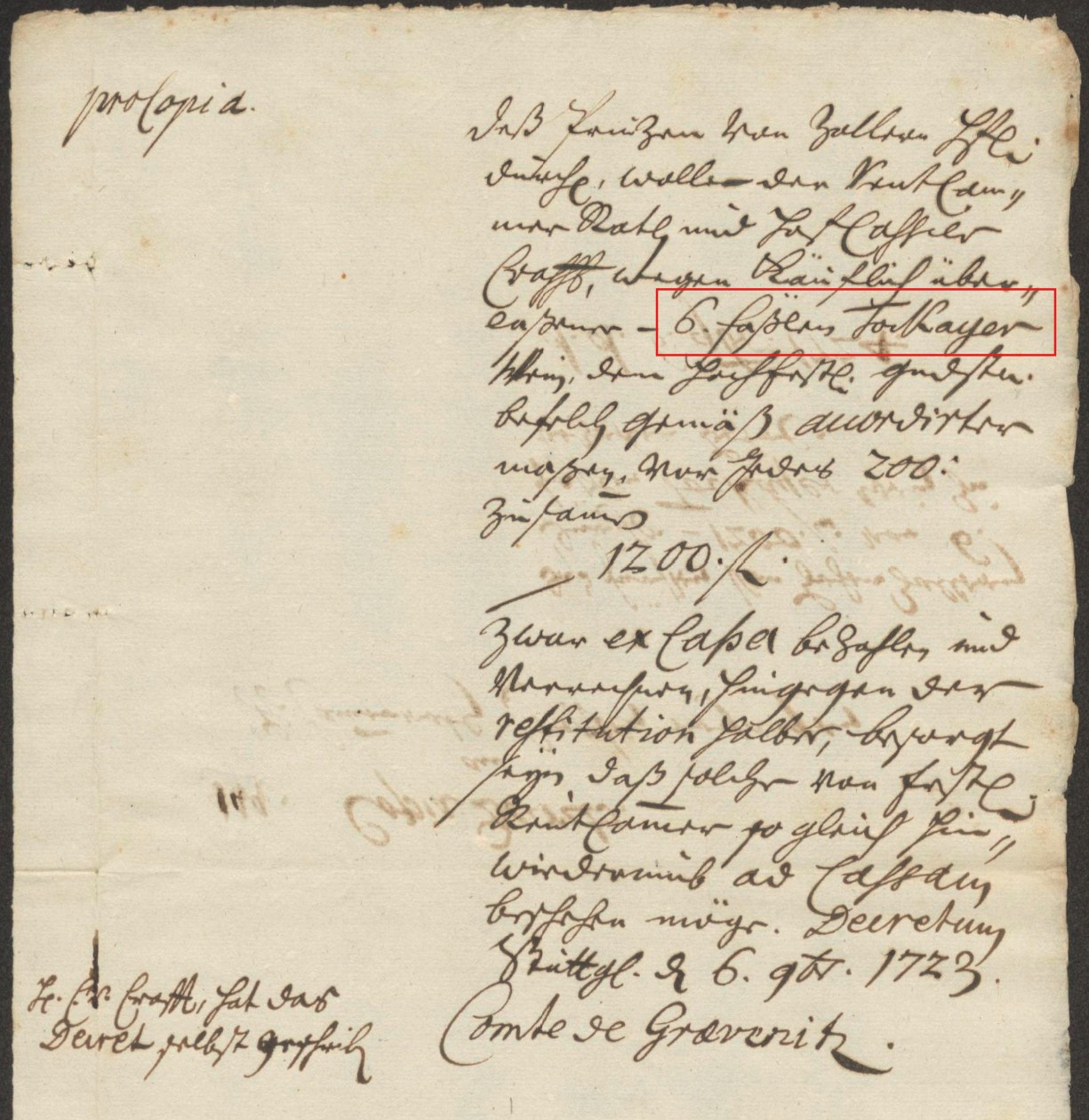
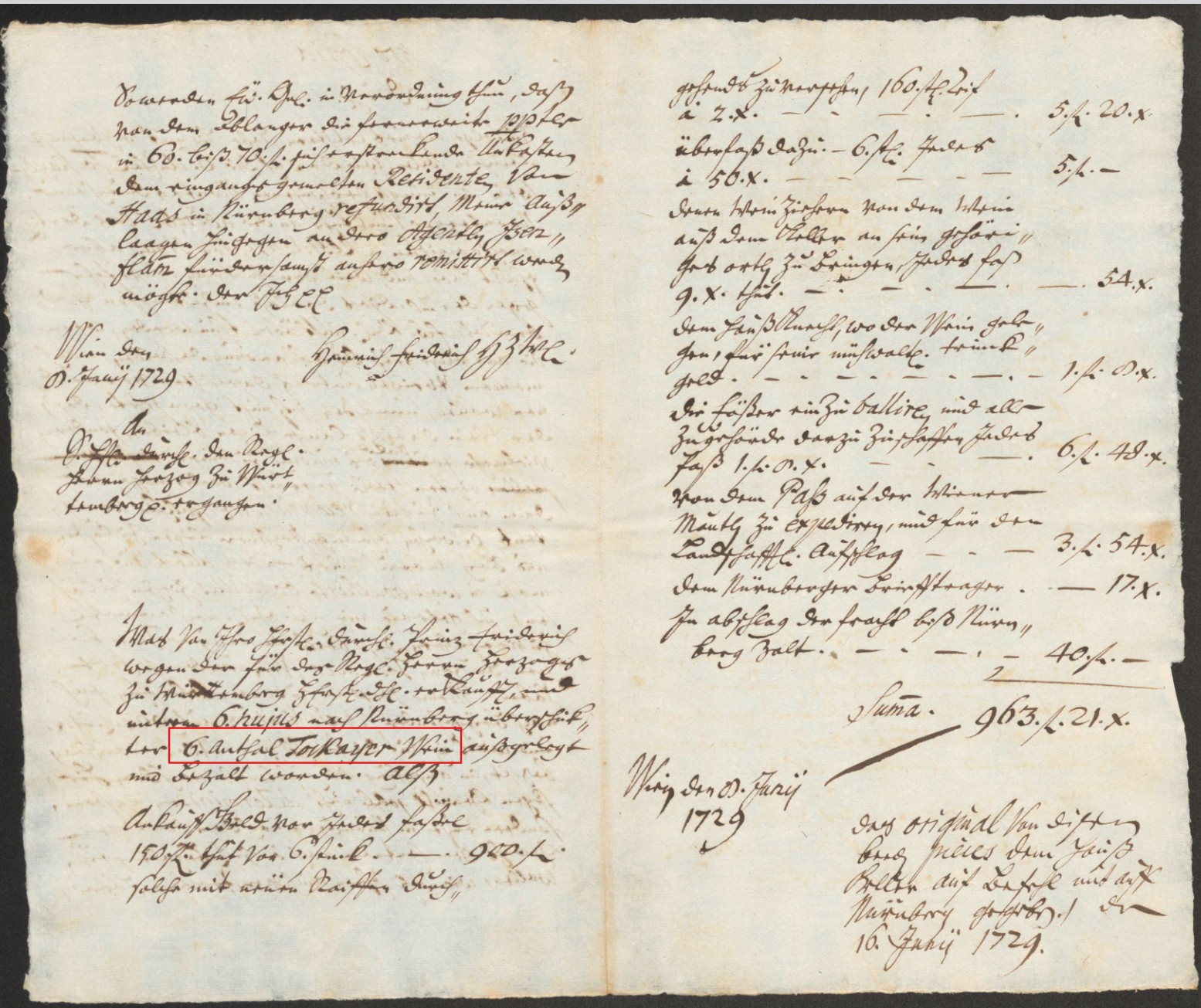
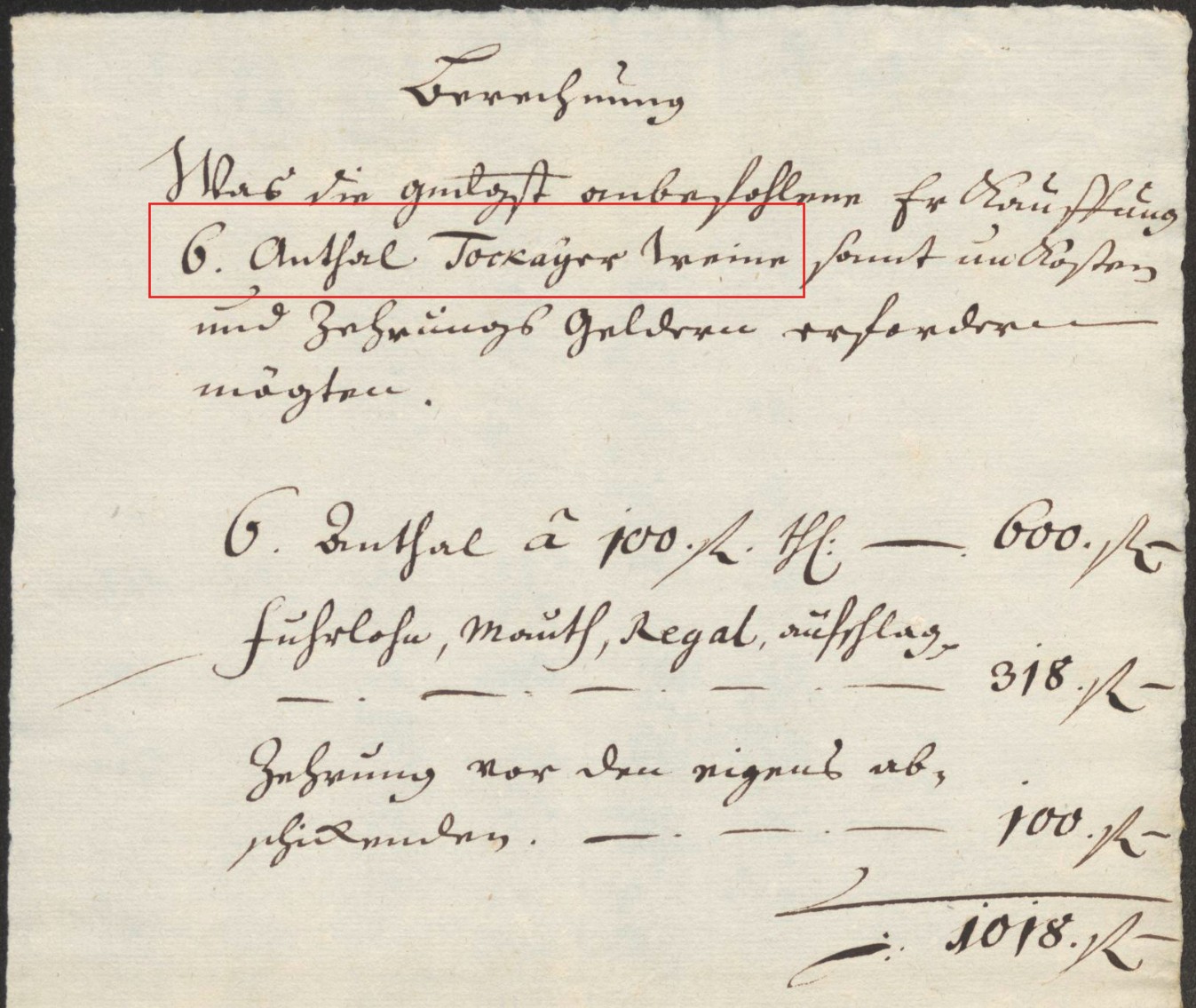
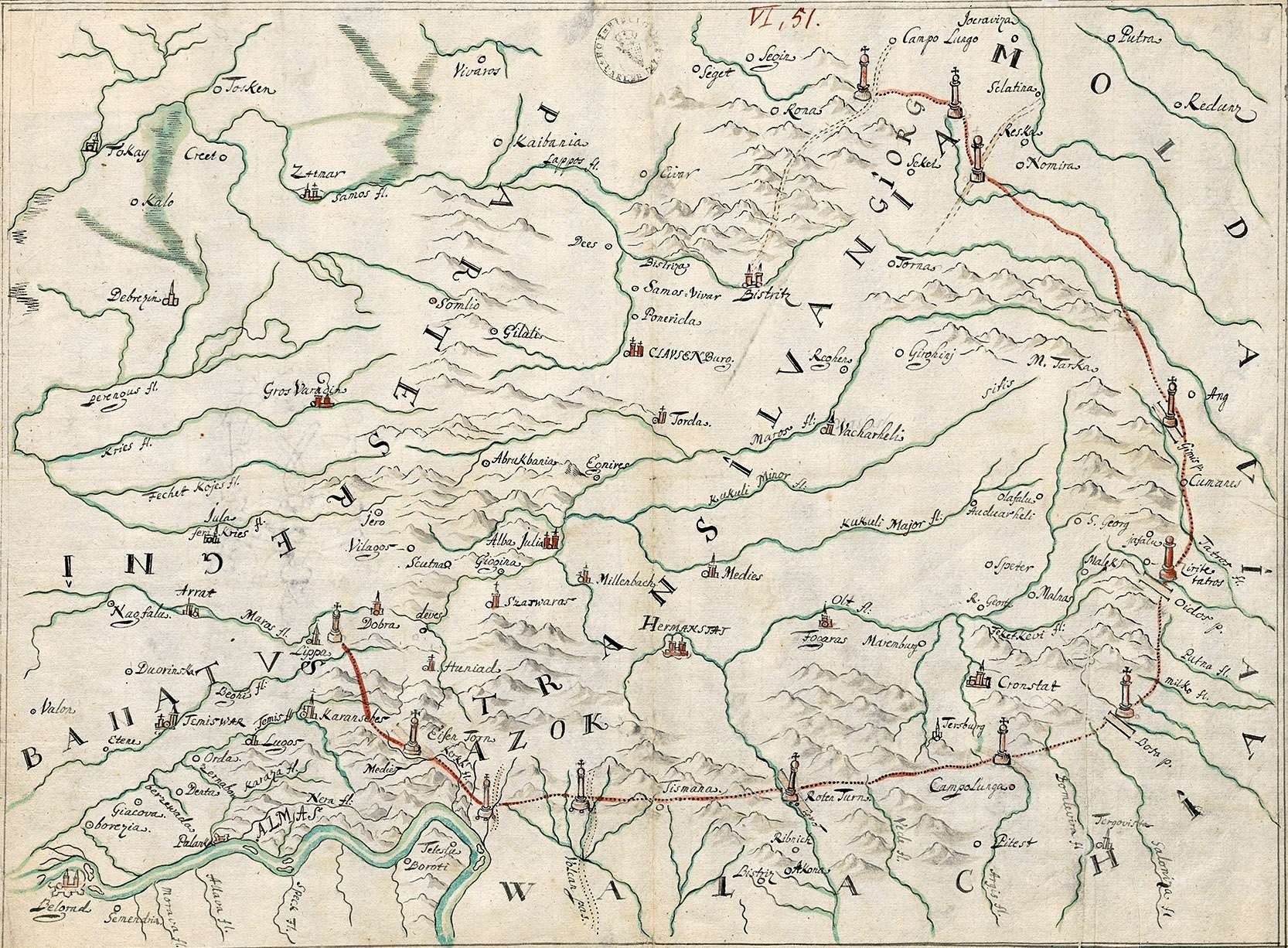
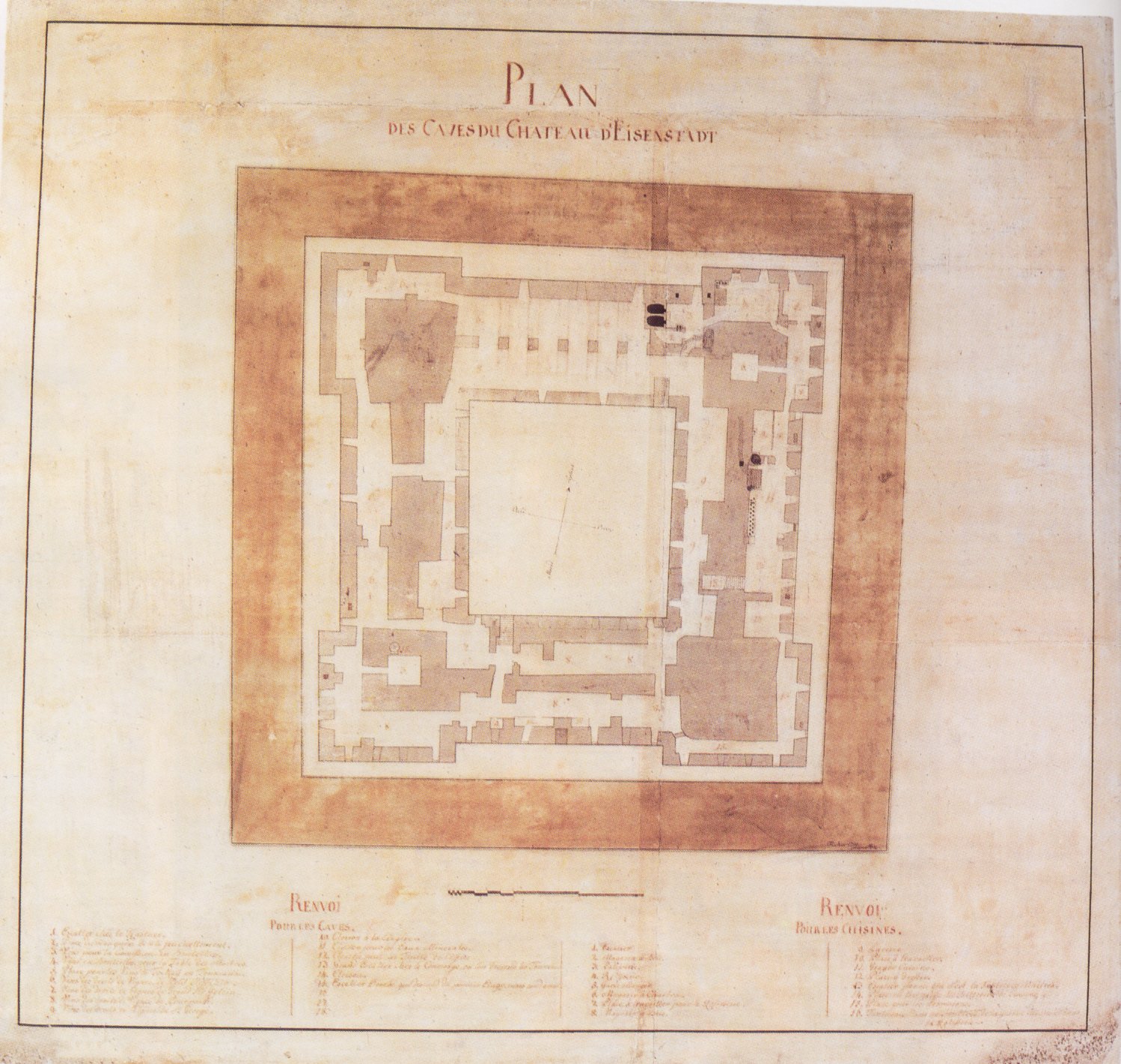
Considerable time is spent in public and private archives looking for information related to
- cellar locations
- wine estate details (vineyards)
- ownership questions
- bottle details
- economics (prices, contracts, export activities, ...)
- legal procedings
- auction results
- correspondence
- validation of facts
- etc.
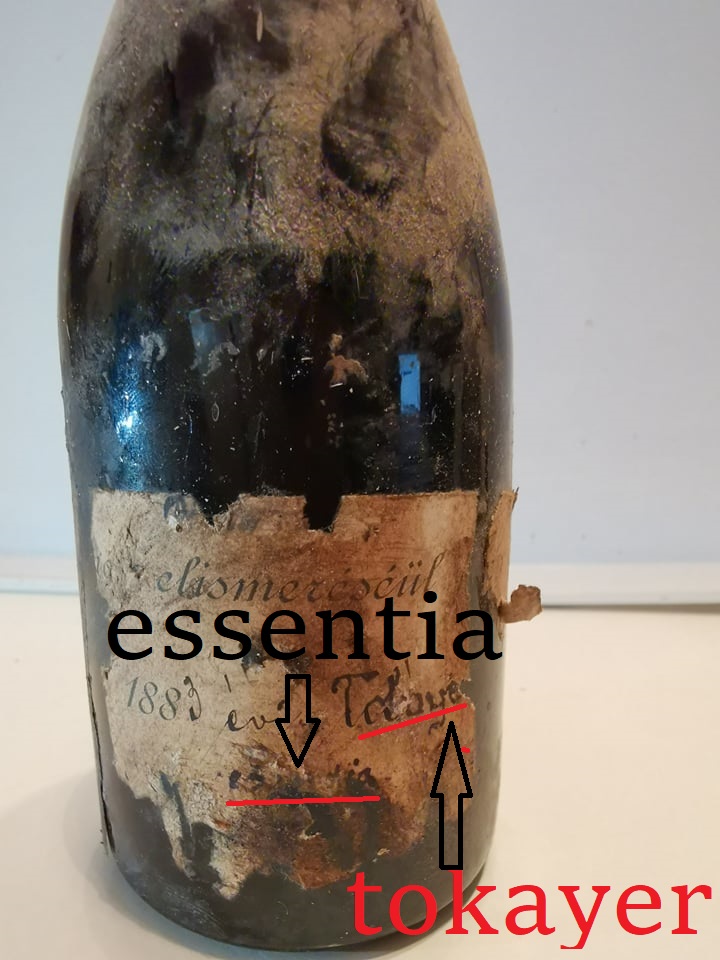
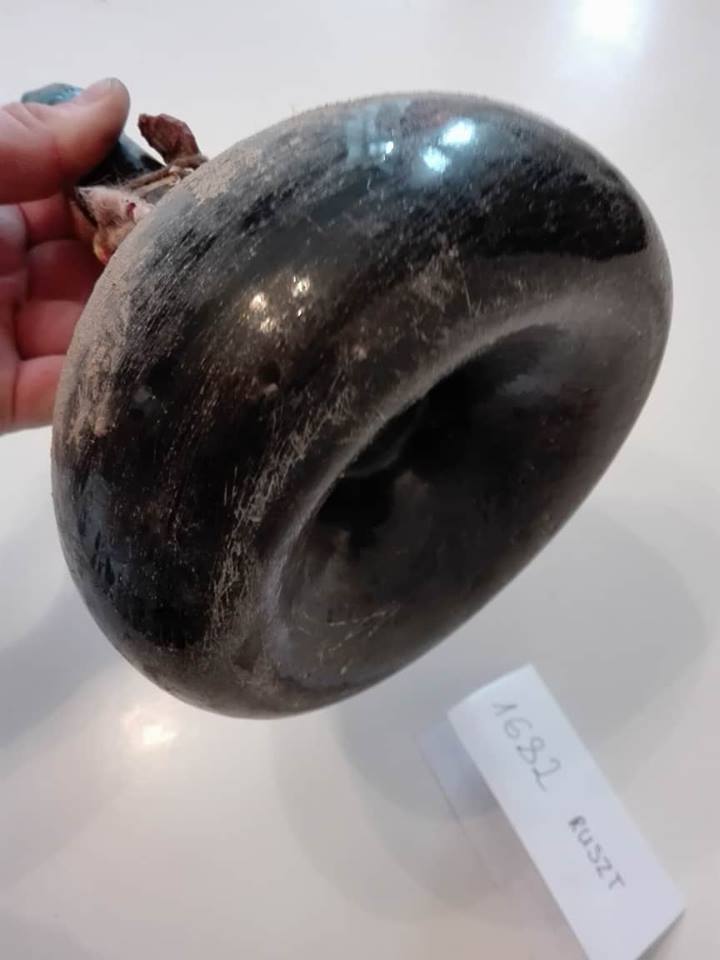
Bottle Authentication
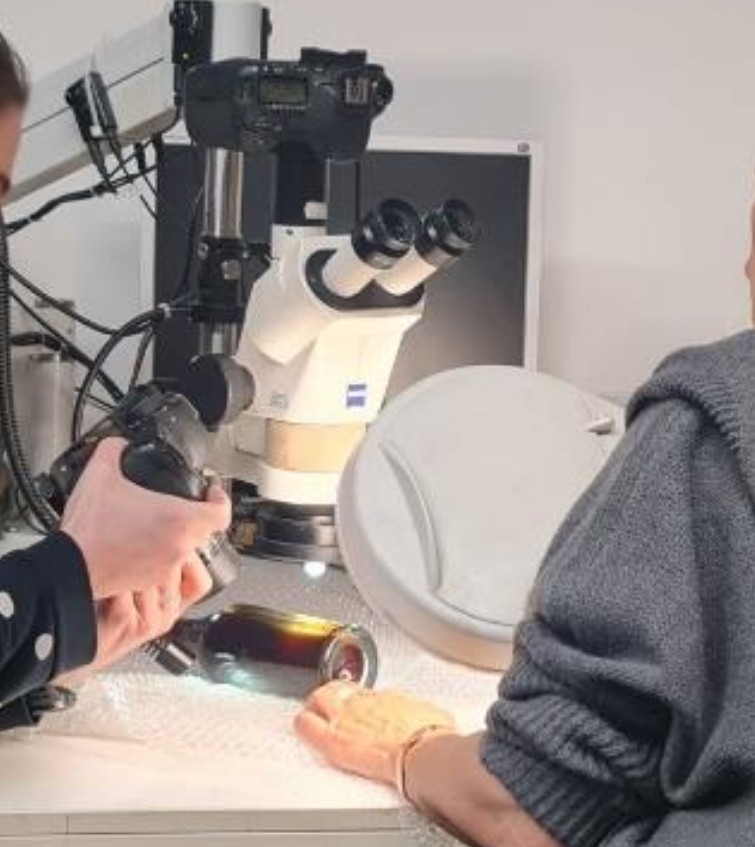
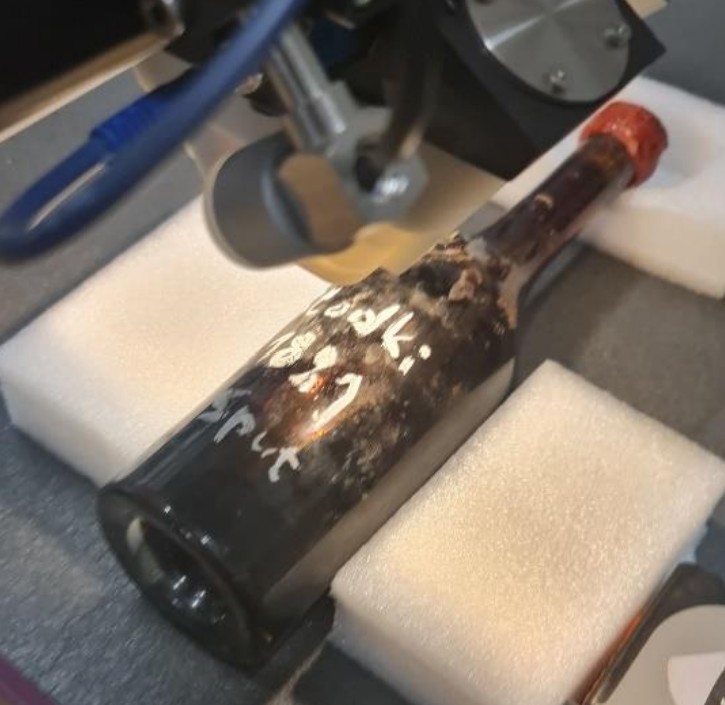
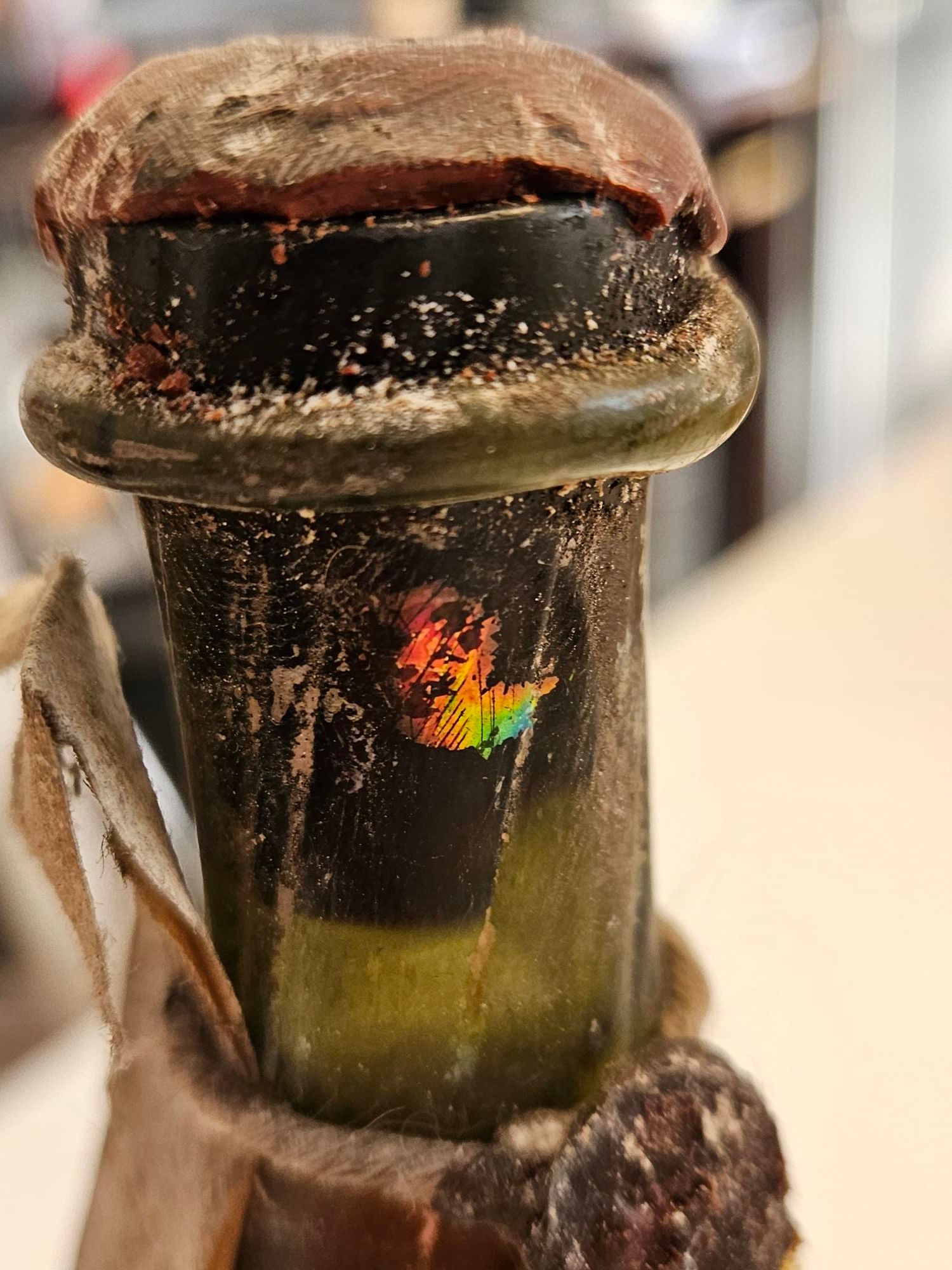
The foundation and cornerstone of any statement I can make about an old tokaji bottle. It is resource-comsuming but necessary and includes various test methods:
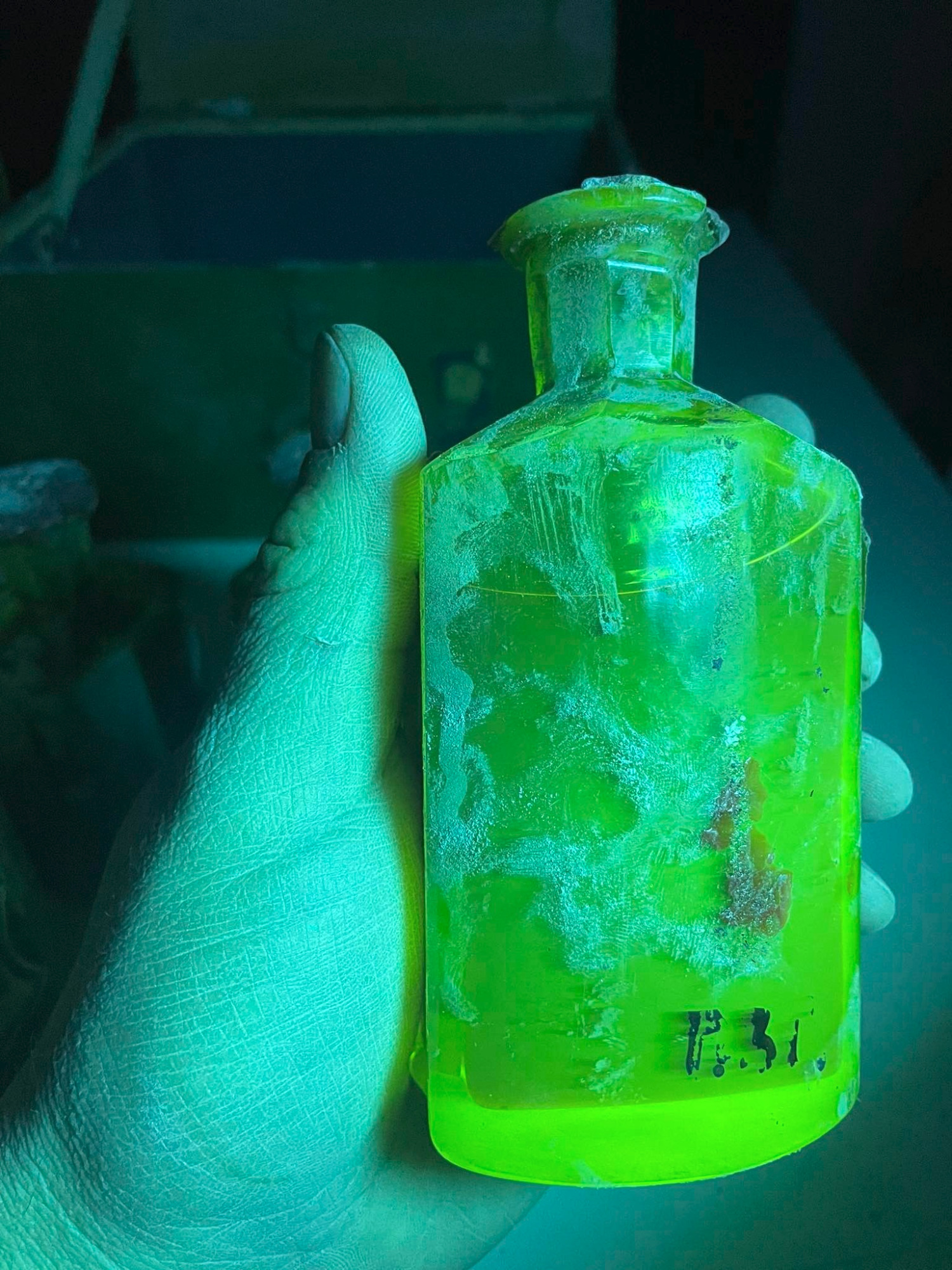
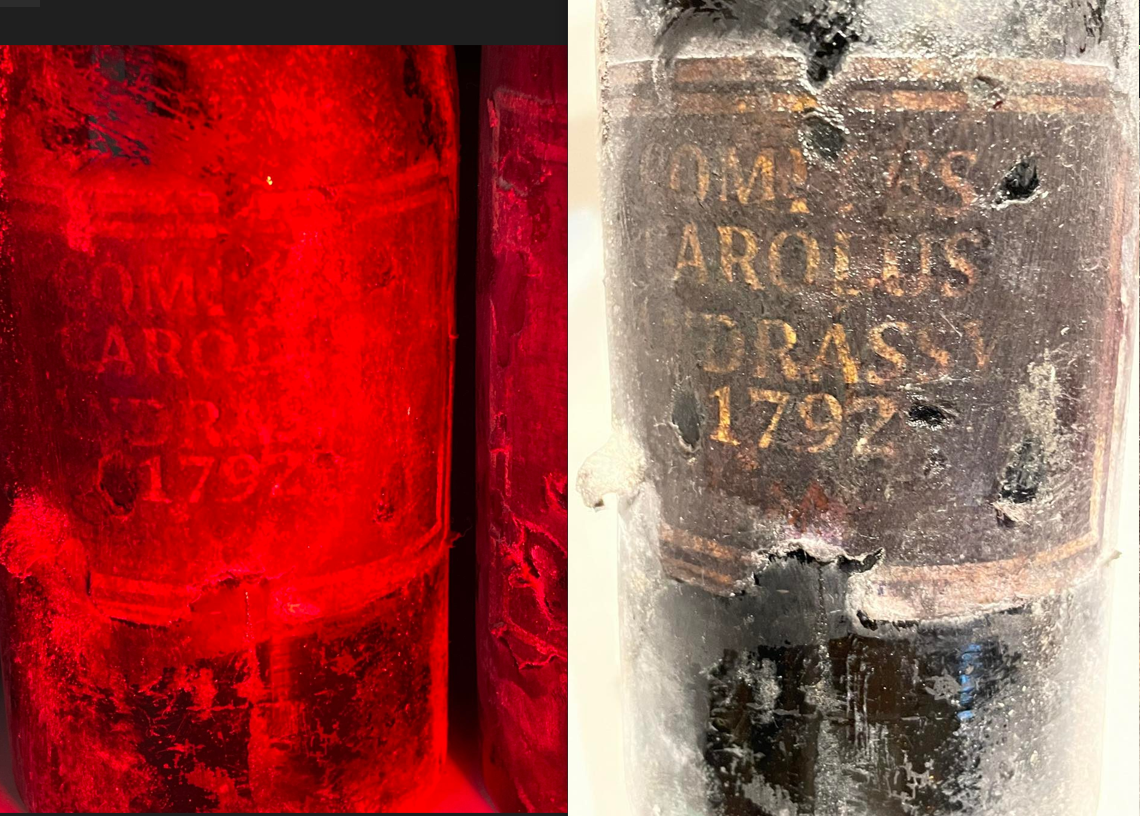
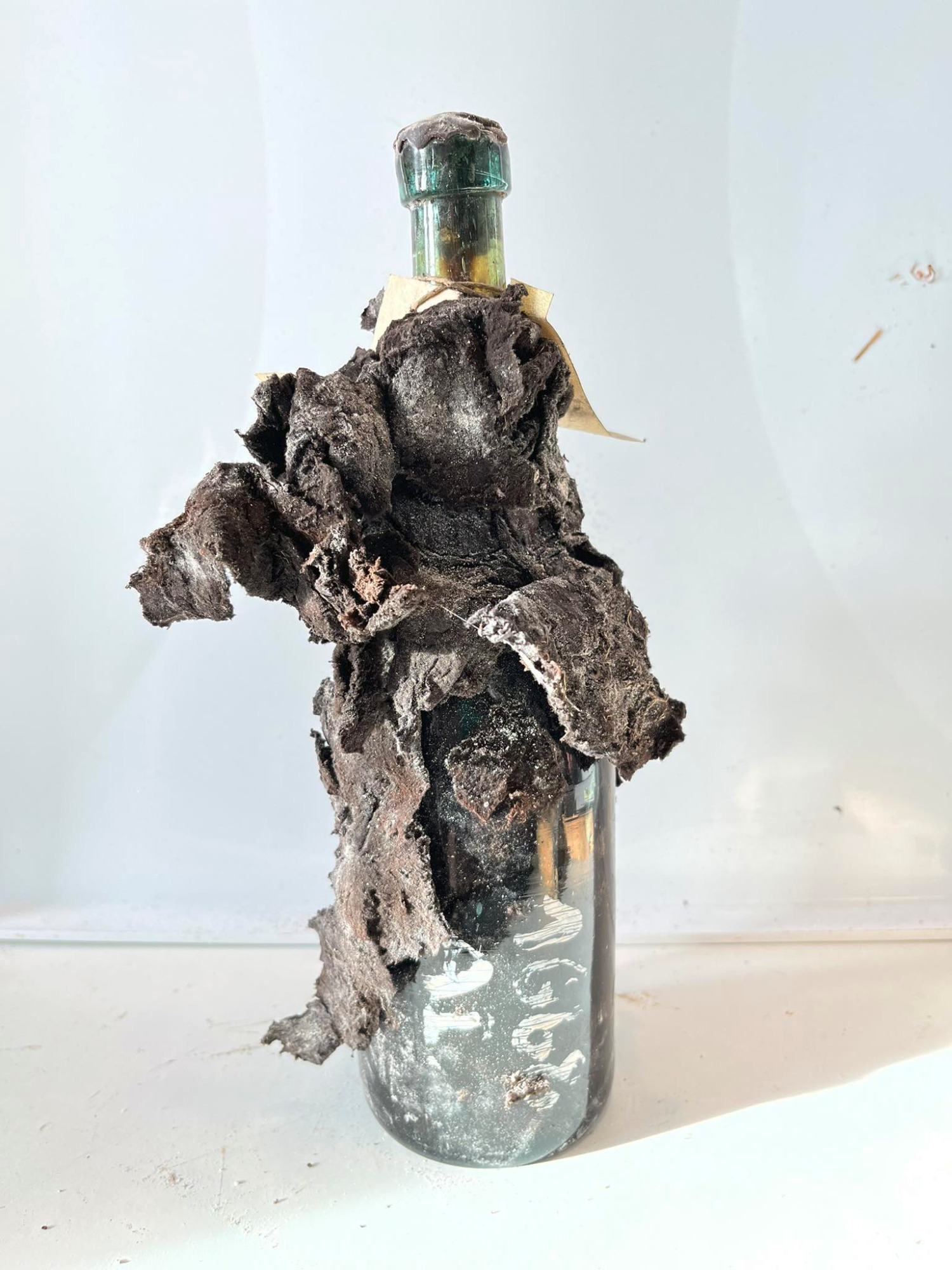
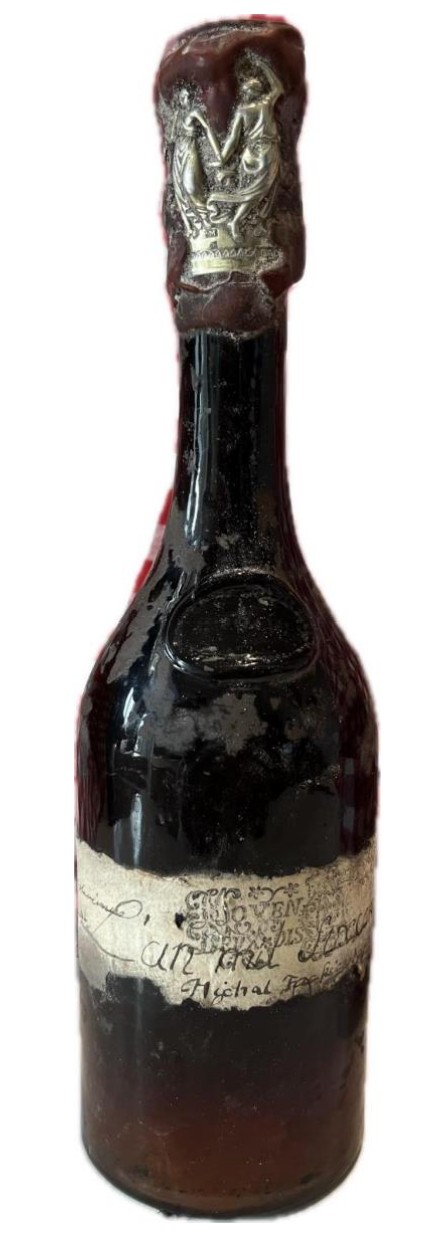
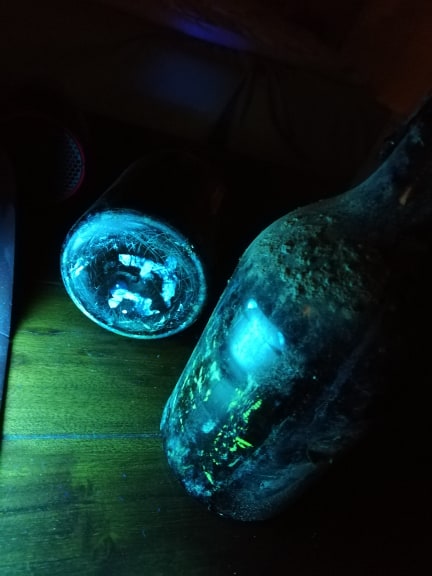
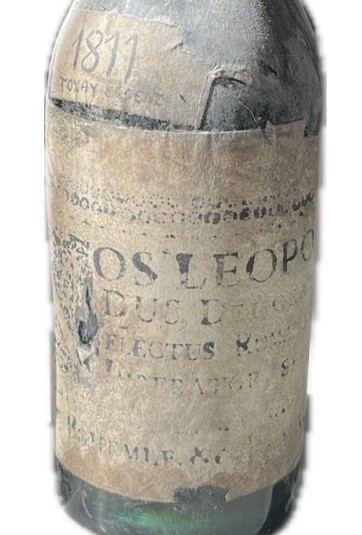
- Analysis of bottle shape, size, production method and material (often involving glass experts)
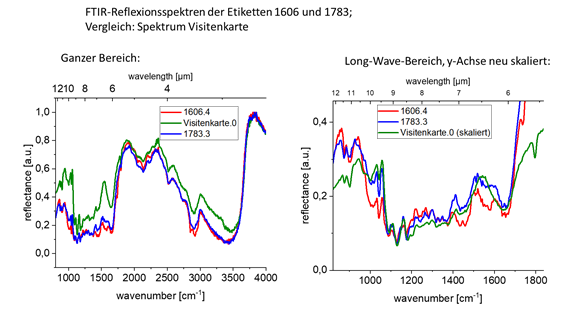
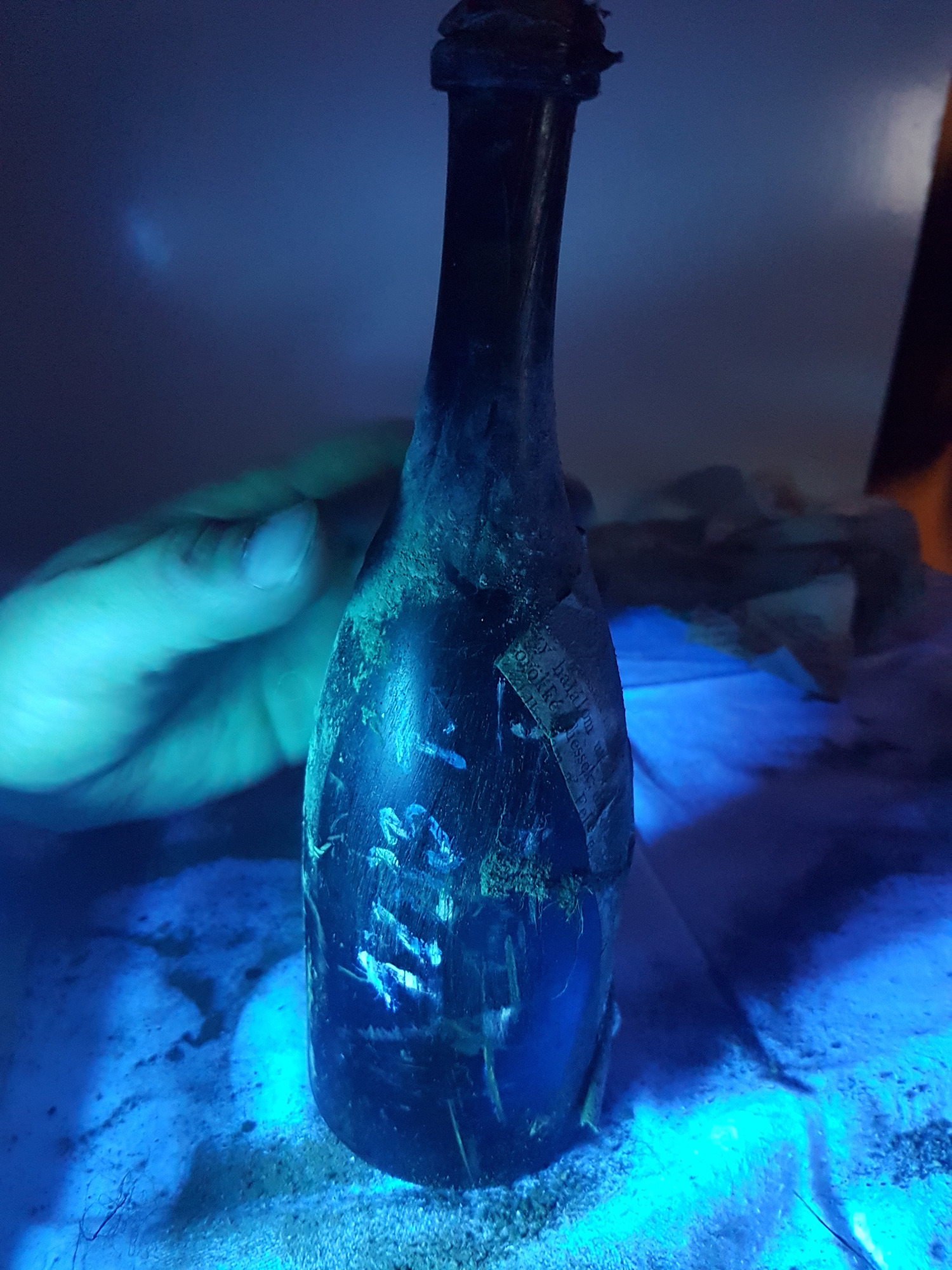
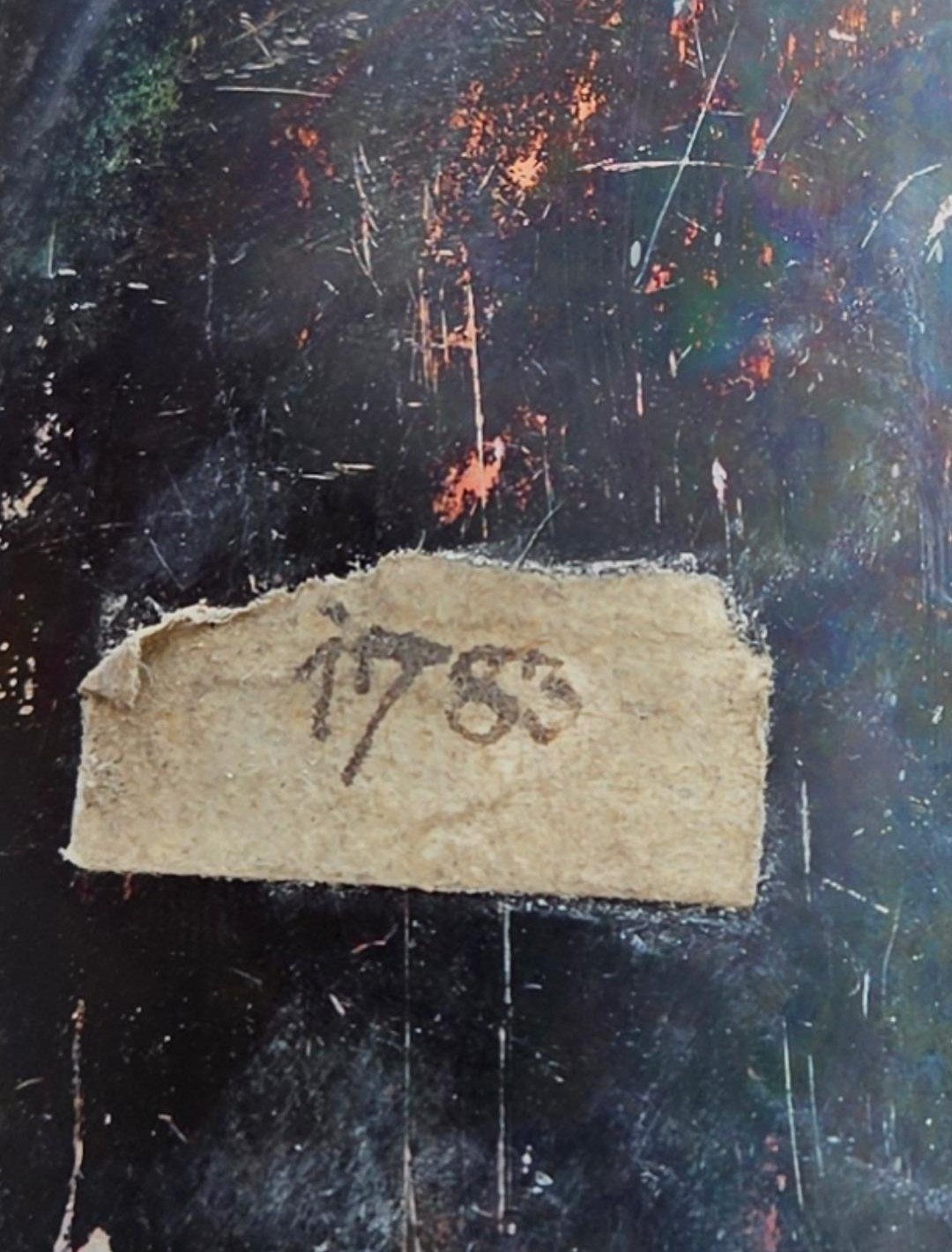
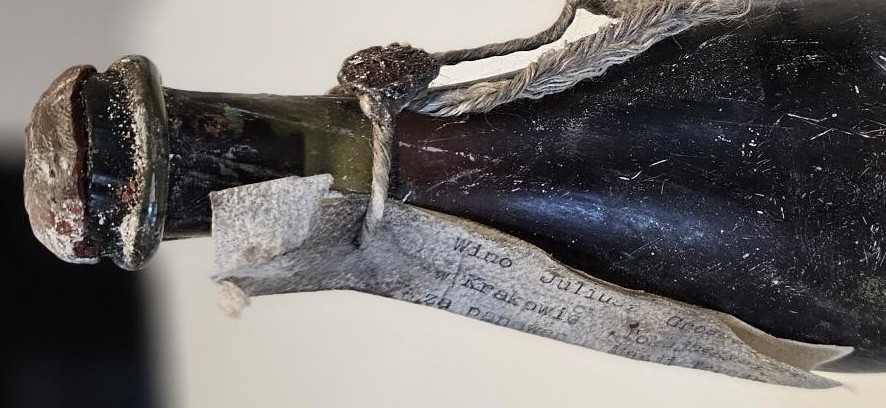
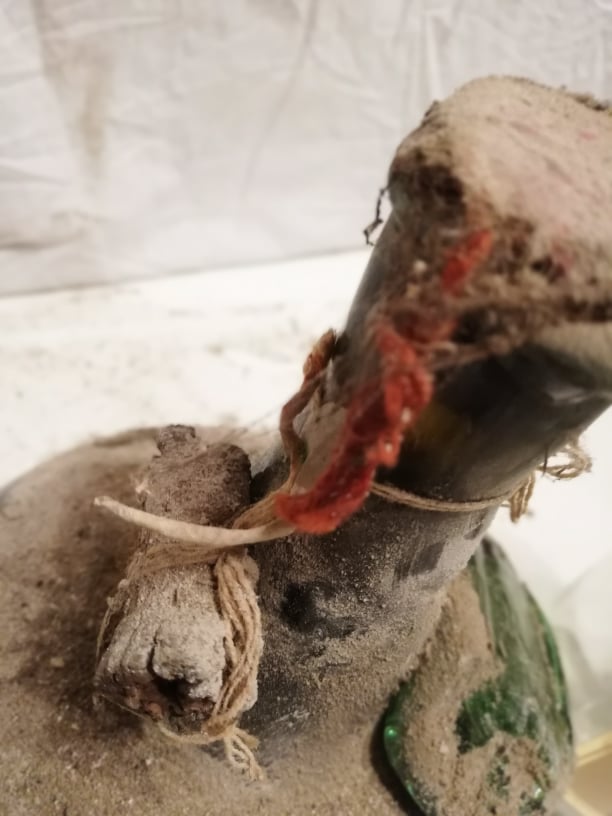
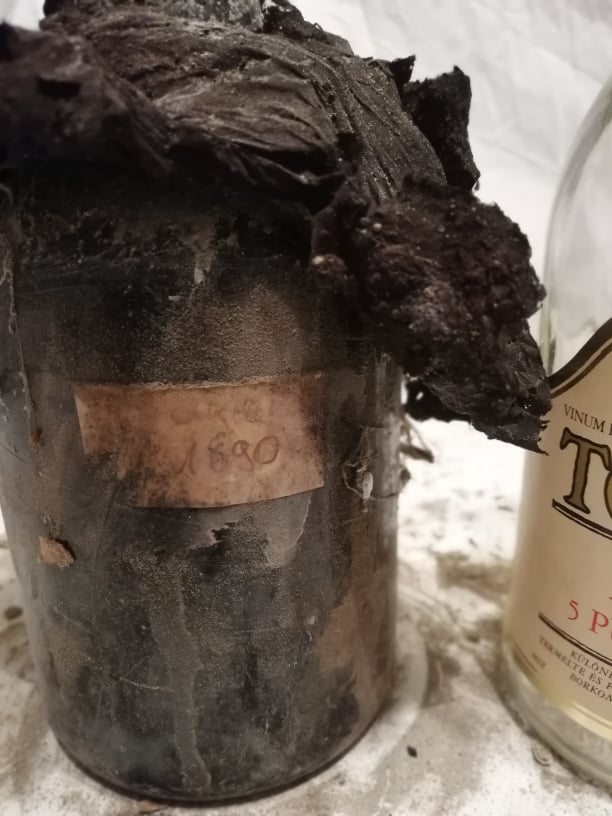
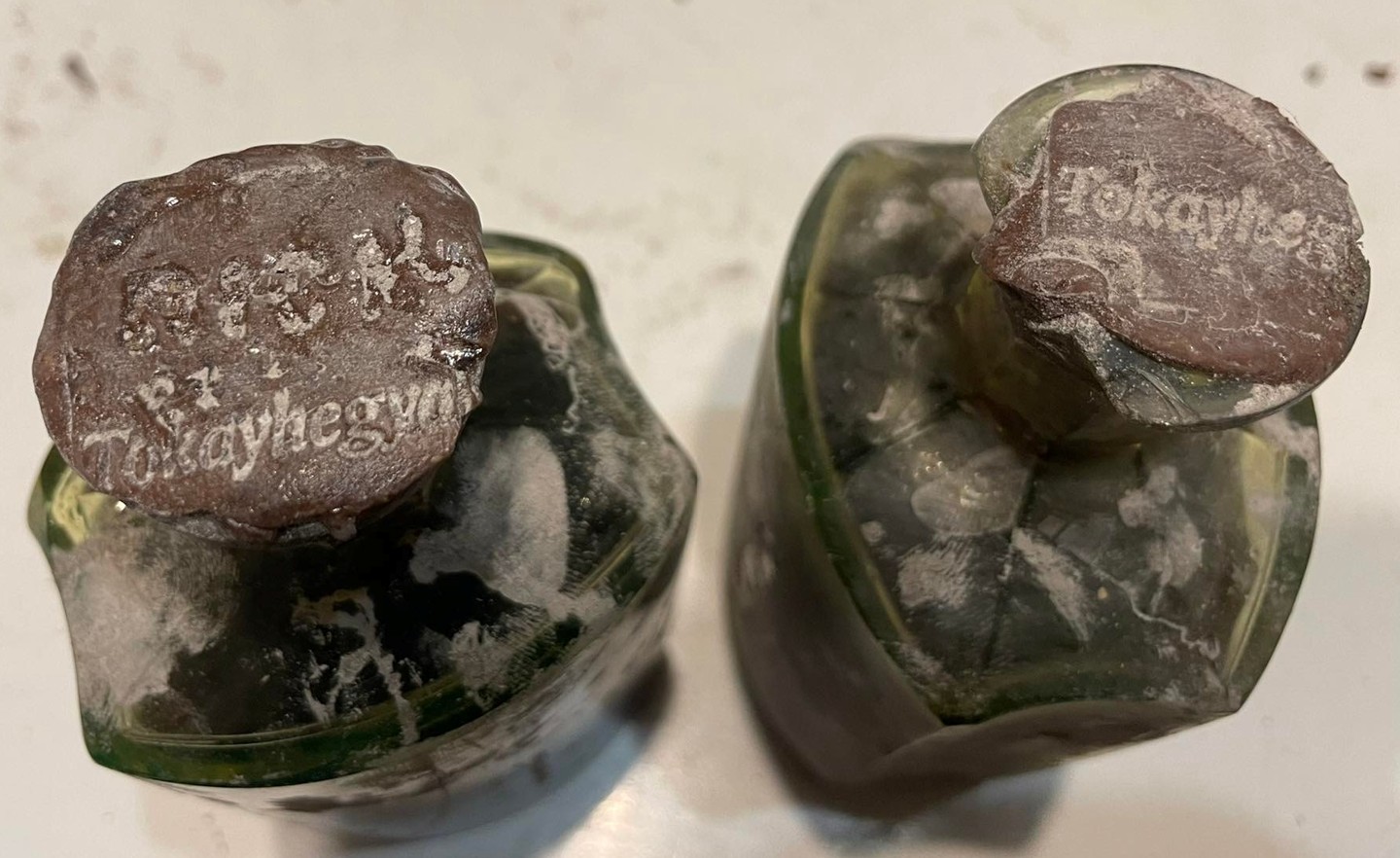
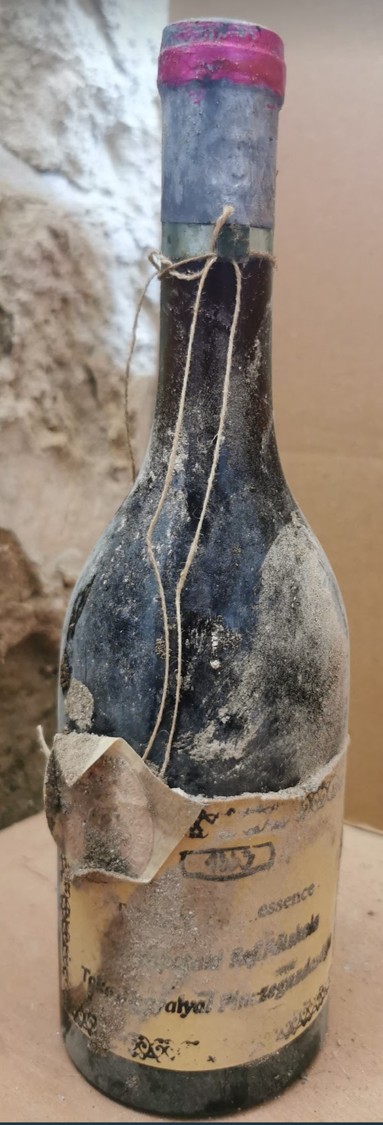
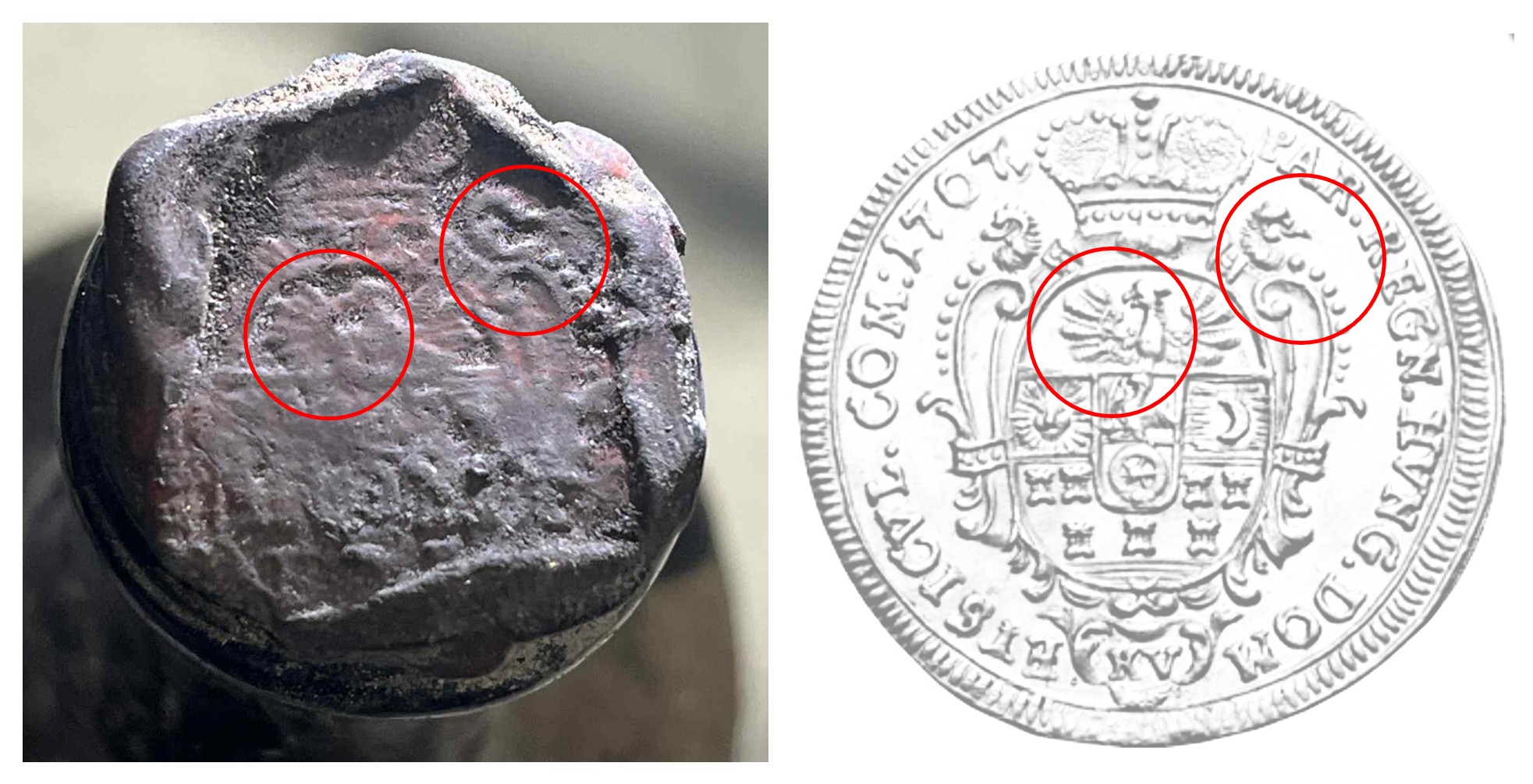
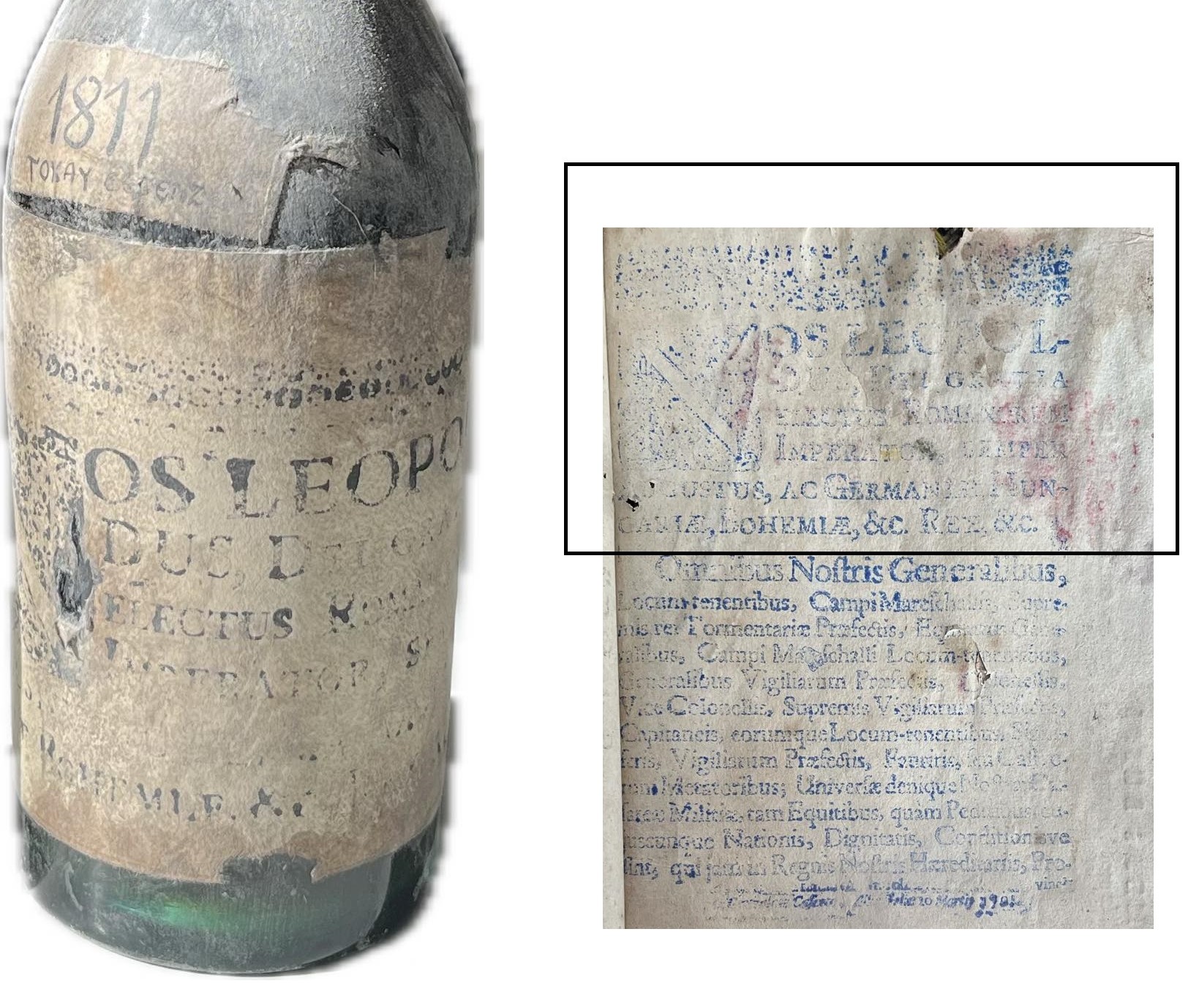
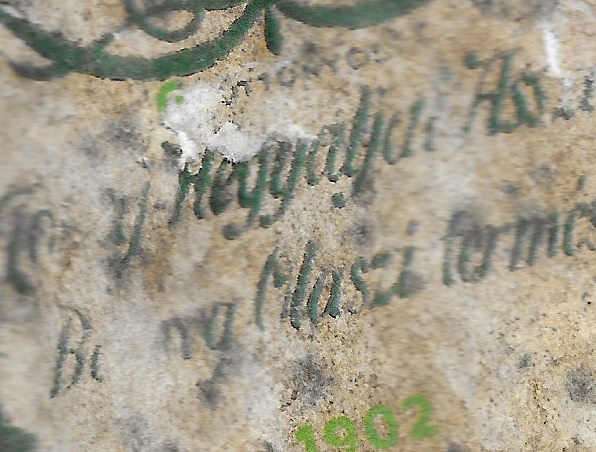
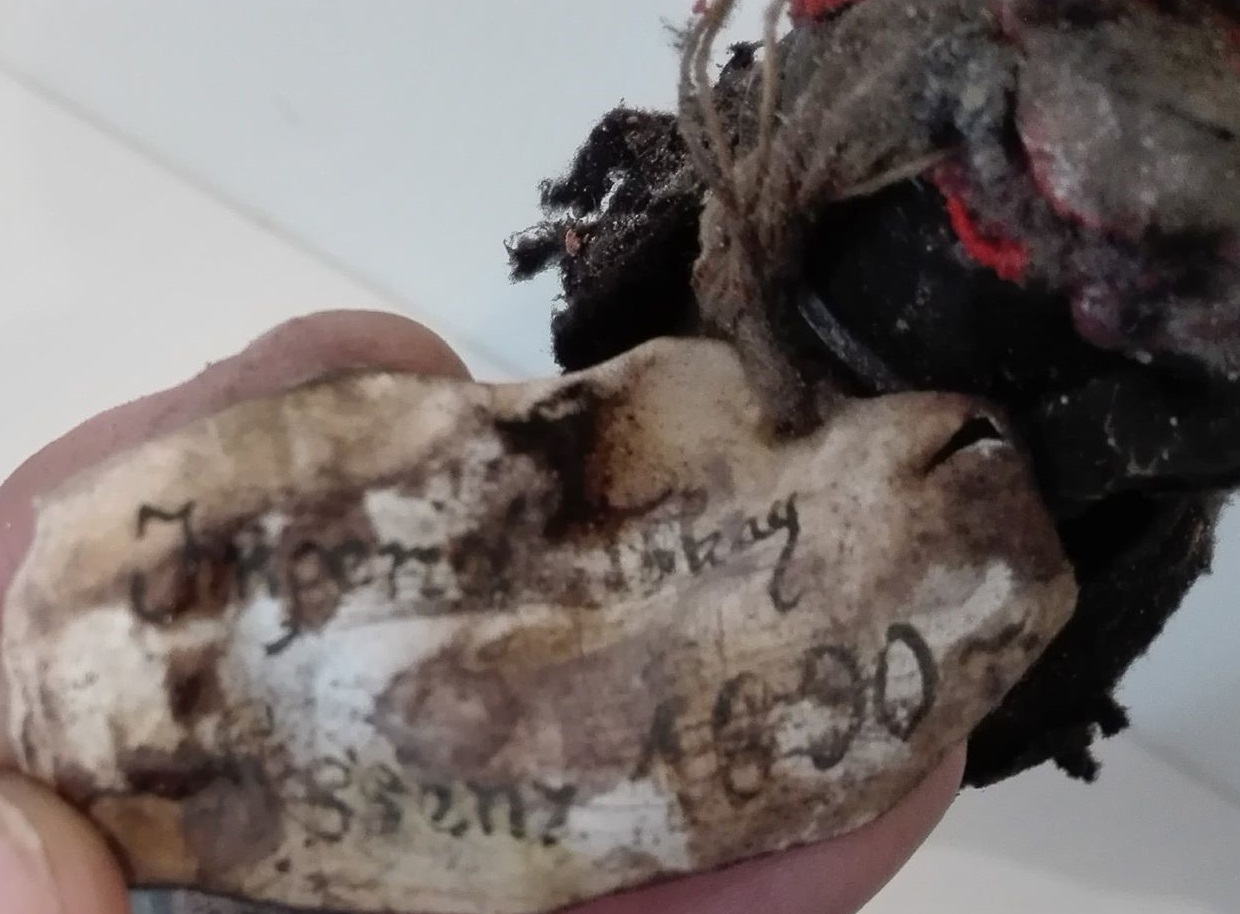
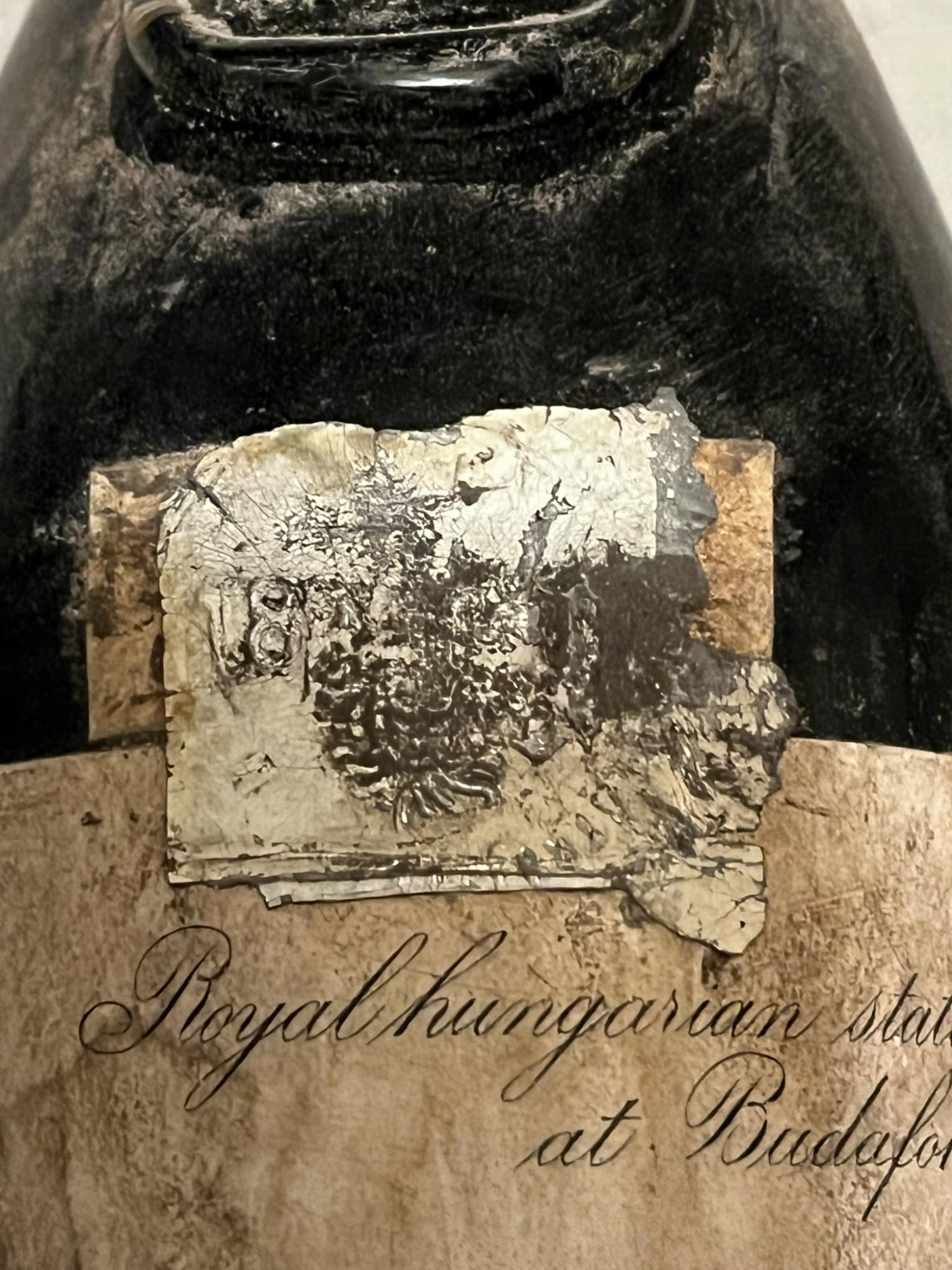
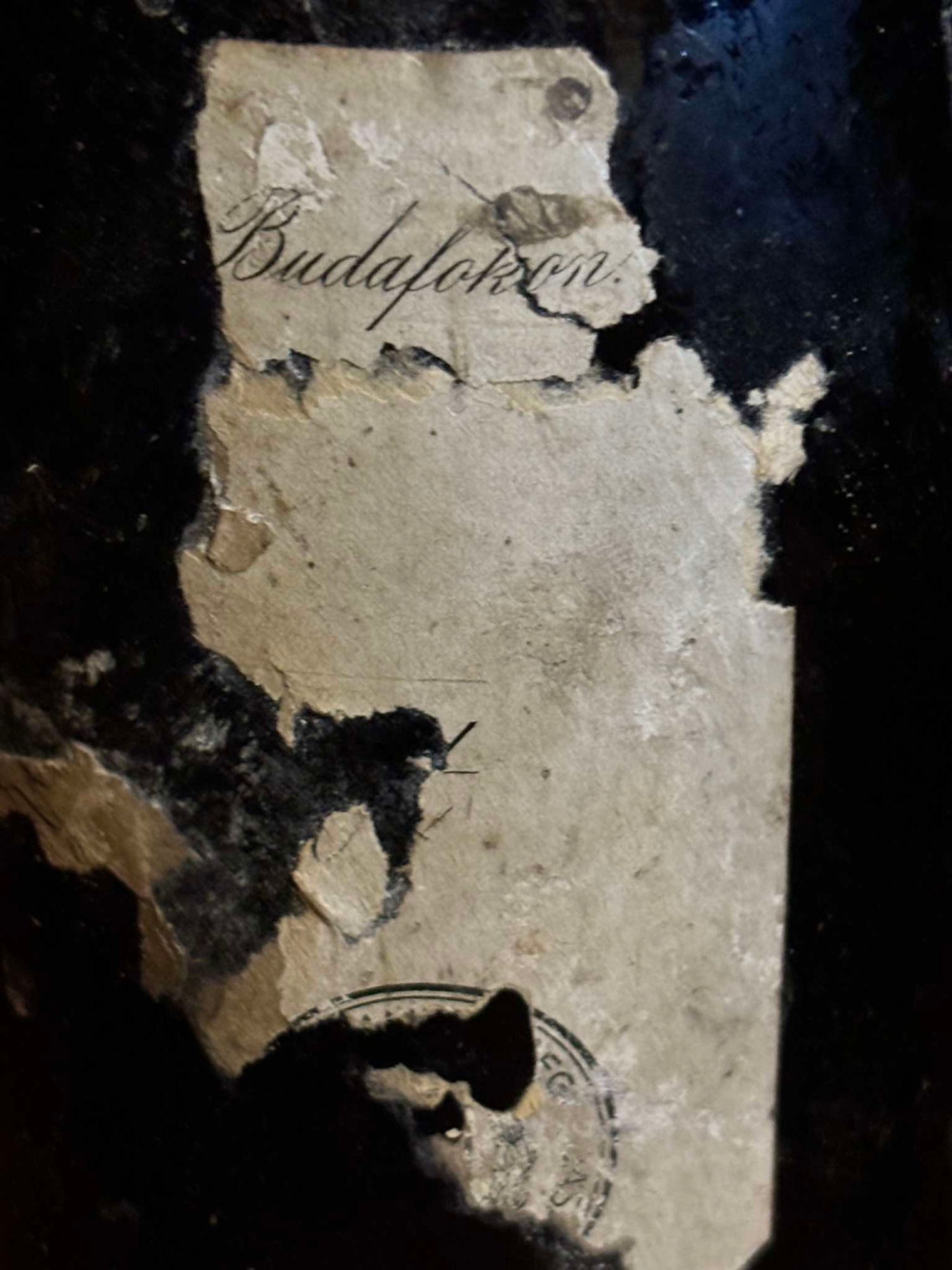
- Analysis of labels, ink, cork, capsule, seals, applications (coins, papers, etc.)
- Consistency and plausibility checks (comparisons with a database of verified bottles)
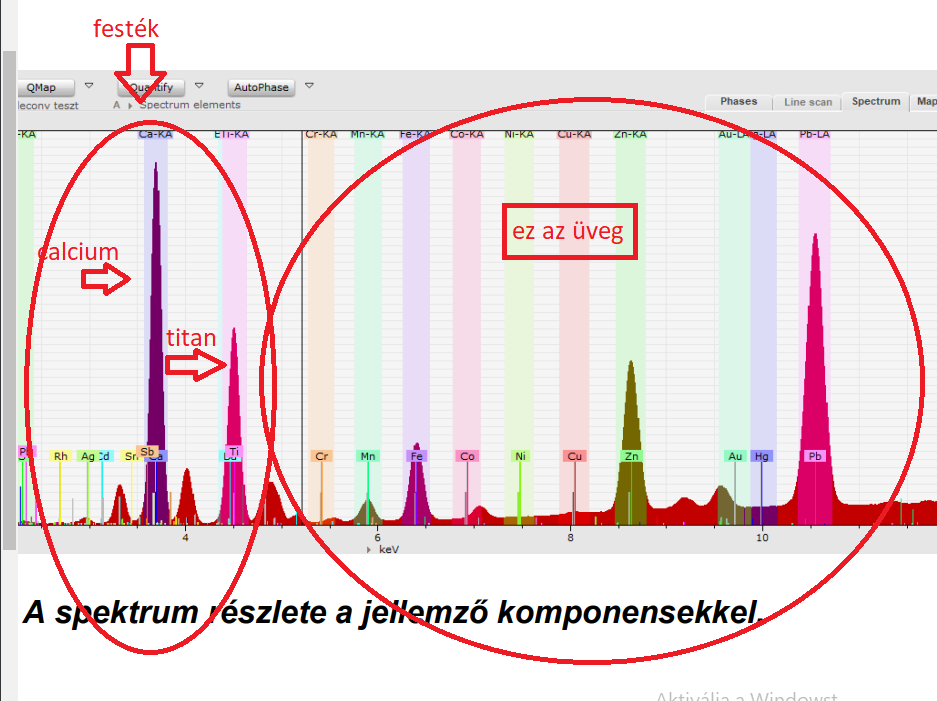
Material analysis methods include
- Combustion analysis
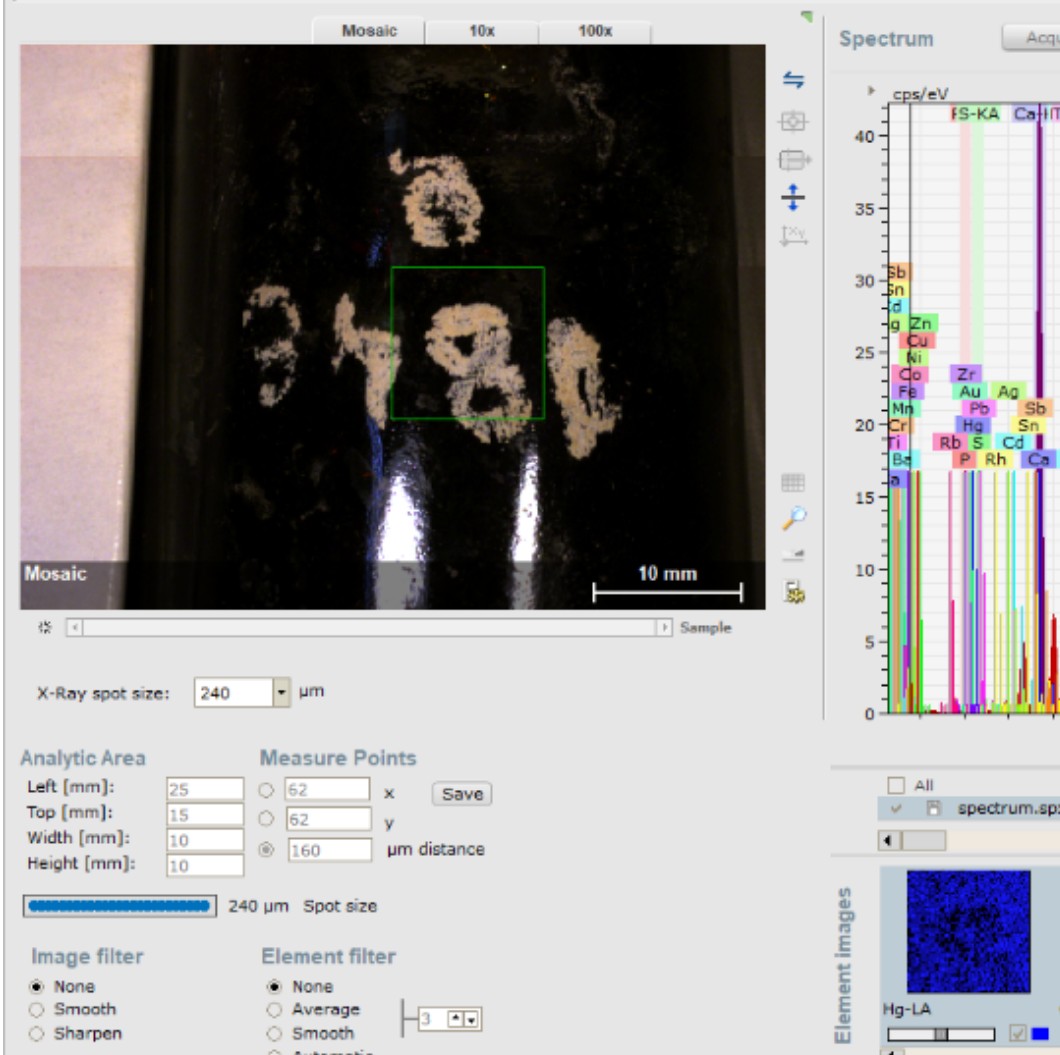
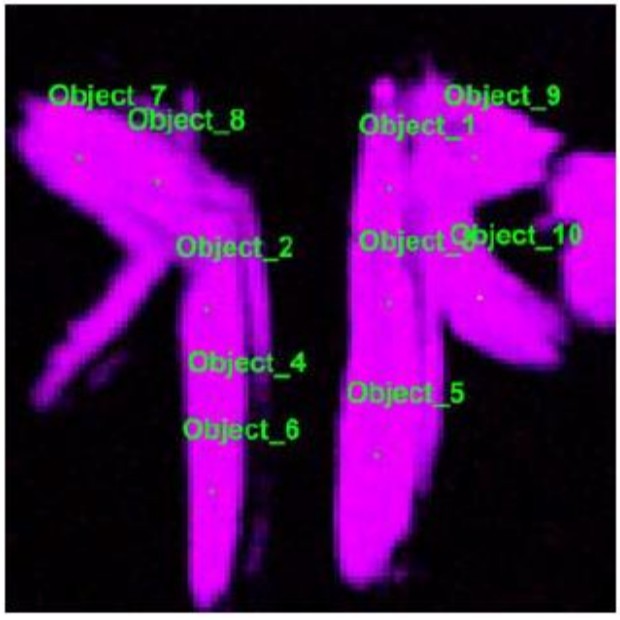
- X-ray fluorescence spectroscopy (XRF)
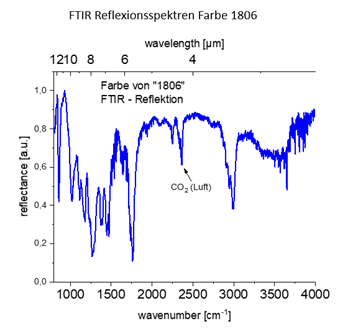
- Infrared Reflection-Absorption Spectroscopy (IRRAS)
- different metal tests for capsules and coins
Using the aforementioned methods I cannot by any means detect fraud by 100%, I minimize the margin for error. I am thankful for any useful piece of information, scientific analysis method or funding that supports this extensive and expensive area of work. Most bottle owners and collectors are quite open to subject their bottles sand documents to scrutiny as long as the bottle is not opened or damaged.
In order to deter fraud I neither publish alls of the analysis methods nor the concrete analysis results. For the same reason I do not even publish details of bottles that have been detected as falsifications.
Many old bottles, presumably tokaji, could not be identified so far, and in the future I may publish details here in order to make progress with the help of my website visitors.
Historian Krisztián Ungvárys talk provides a good overview about th history of bottled Tokaji (Video in Hungarian).
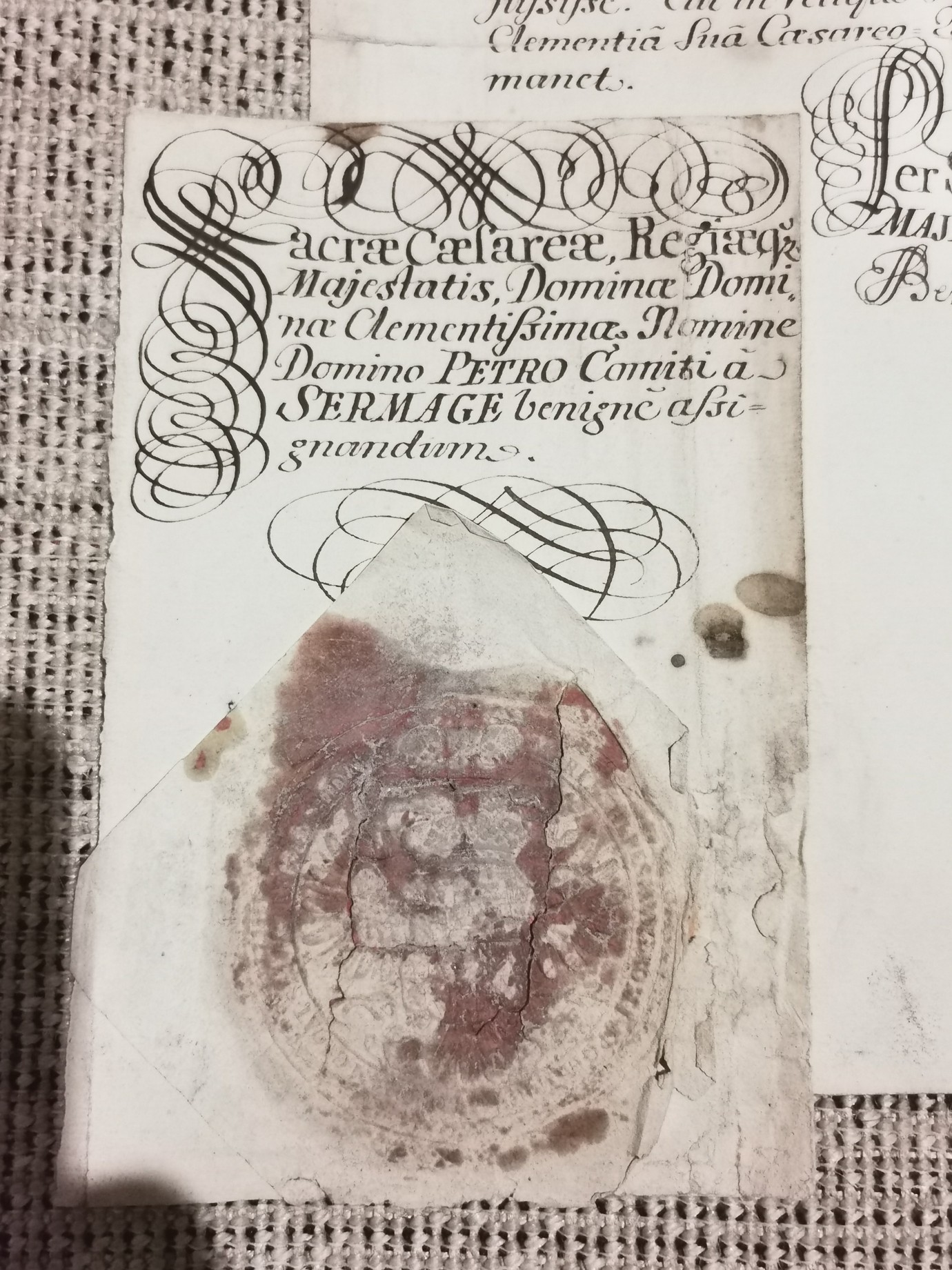
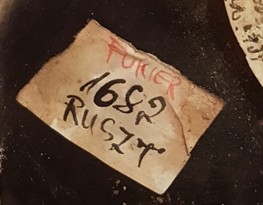
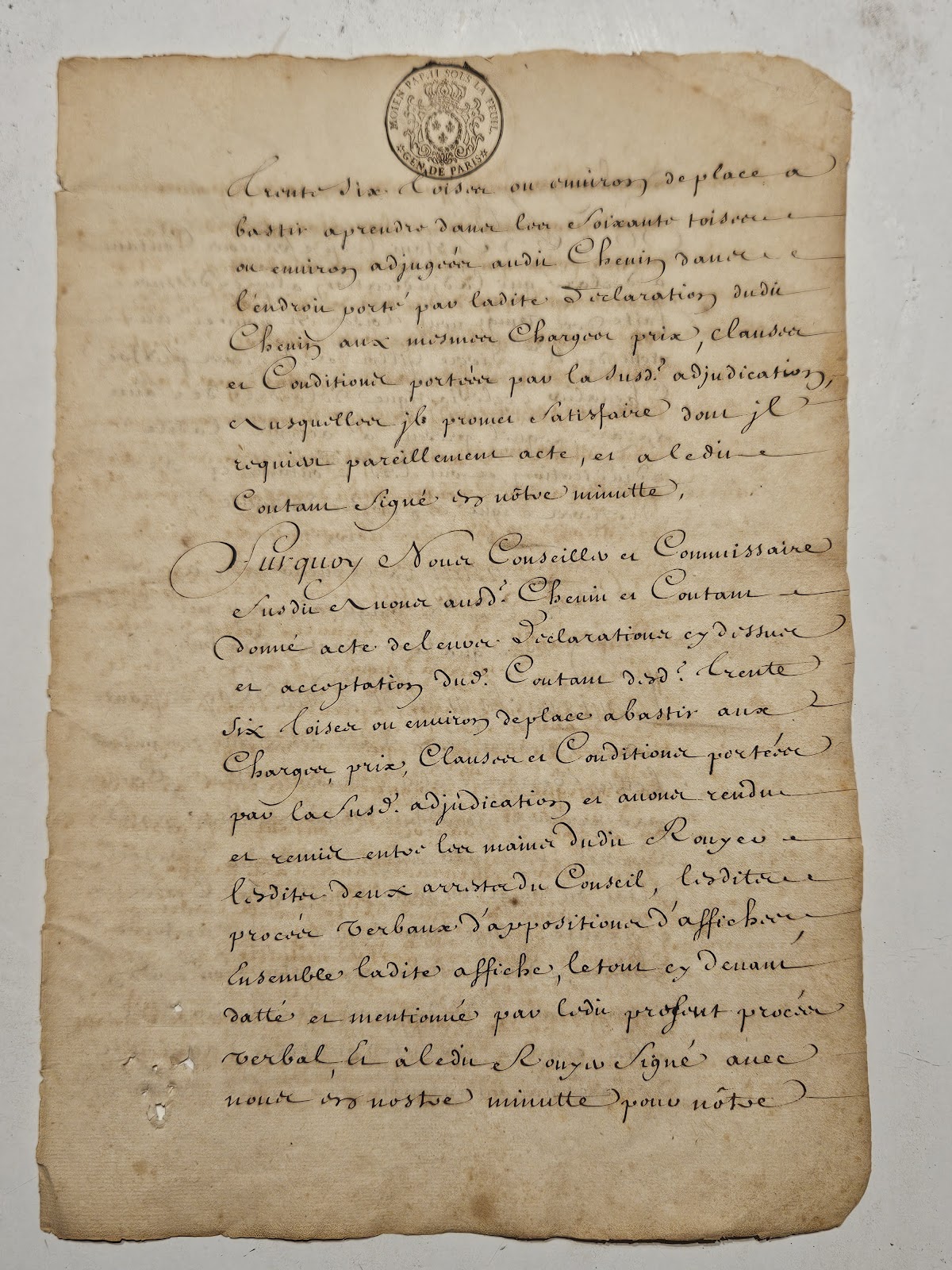
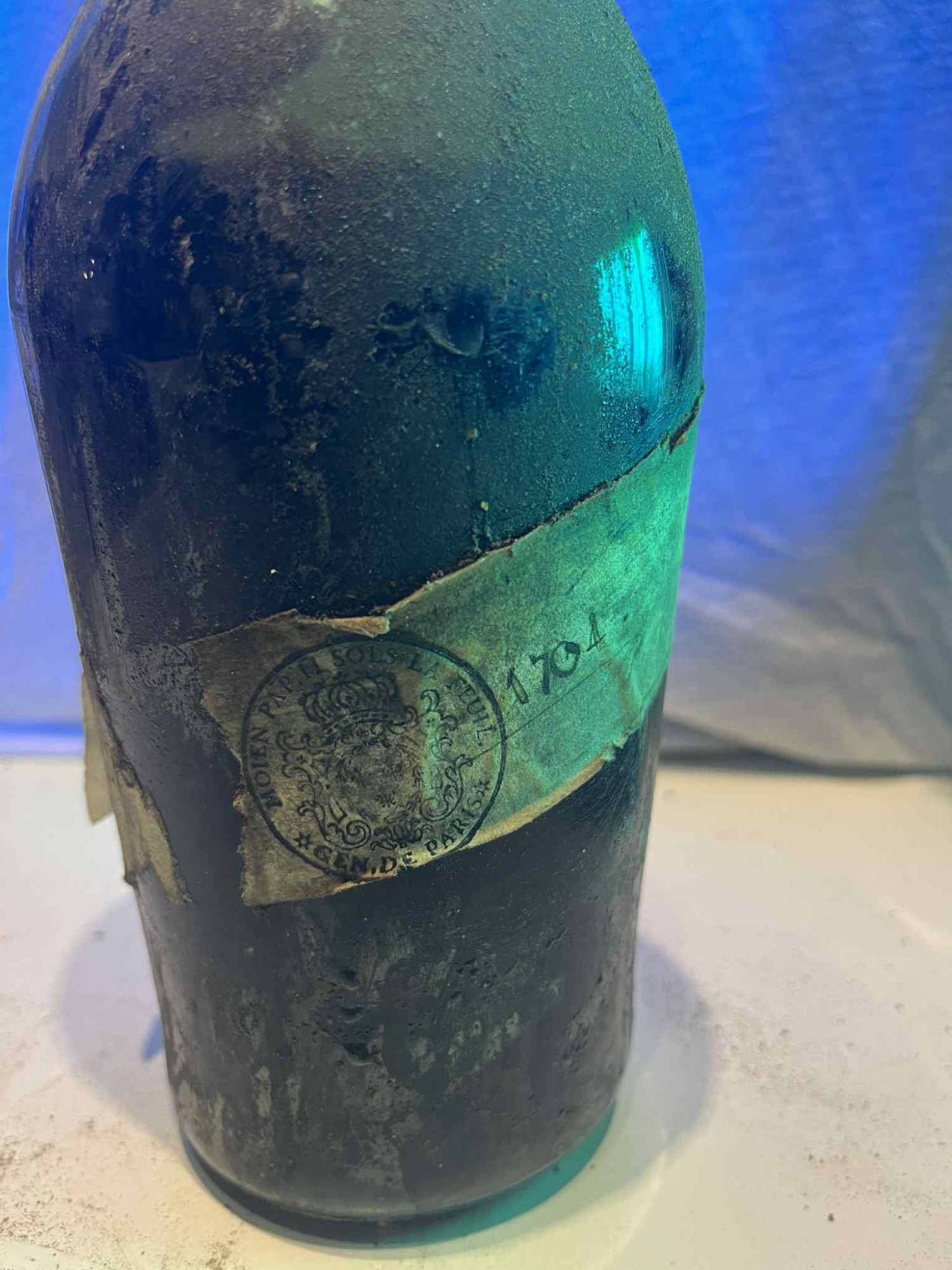
Document Verification and Validation
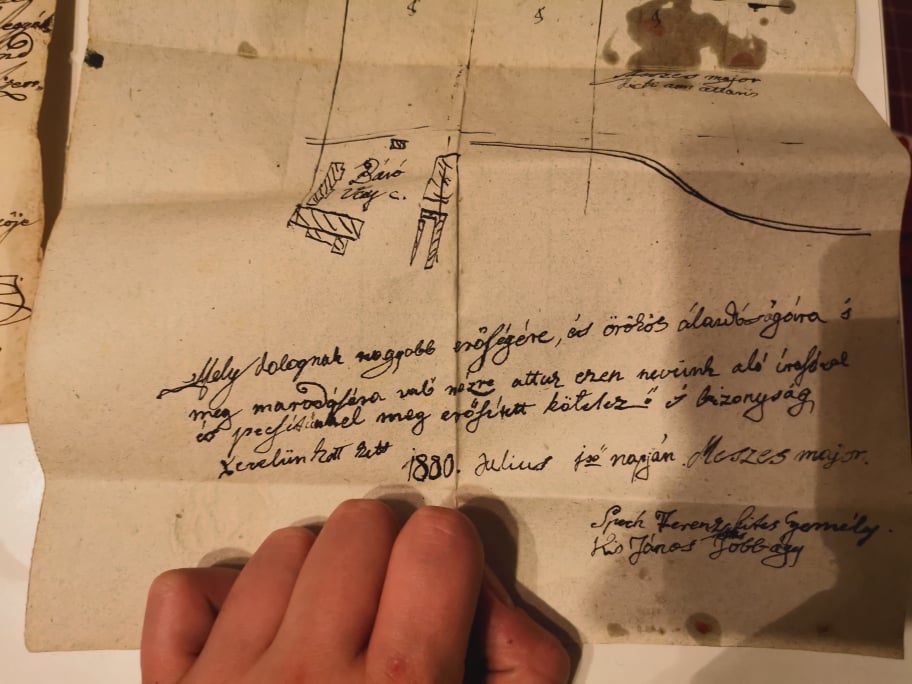
If bottles come with documents those are examined in two dimensions:
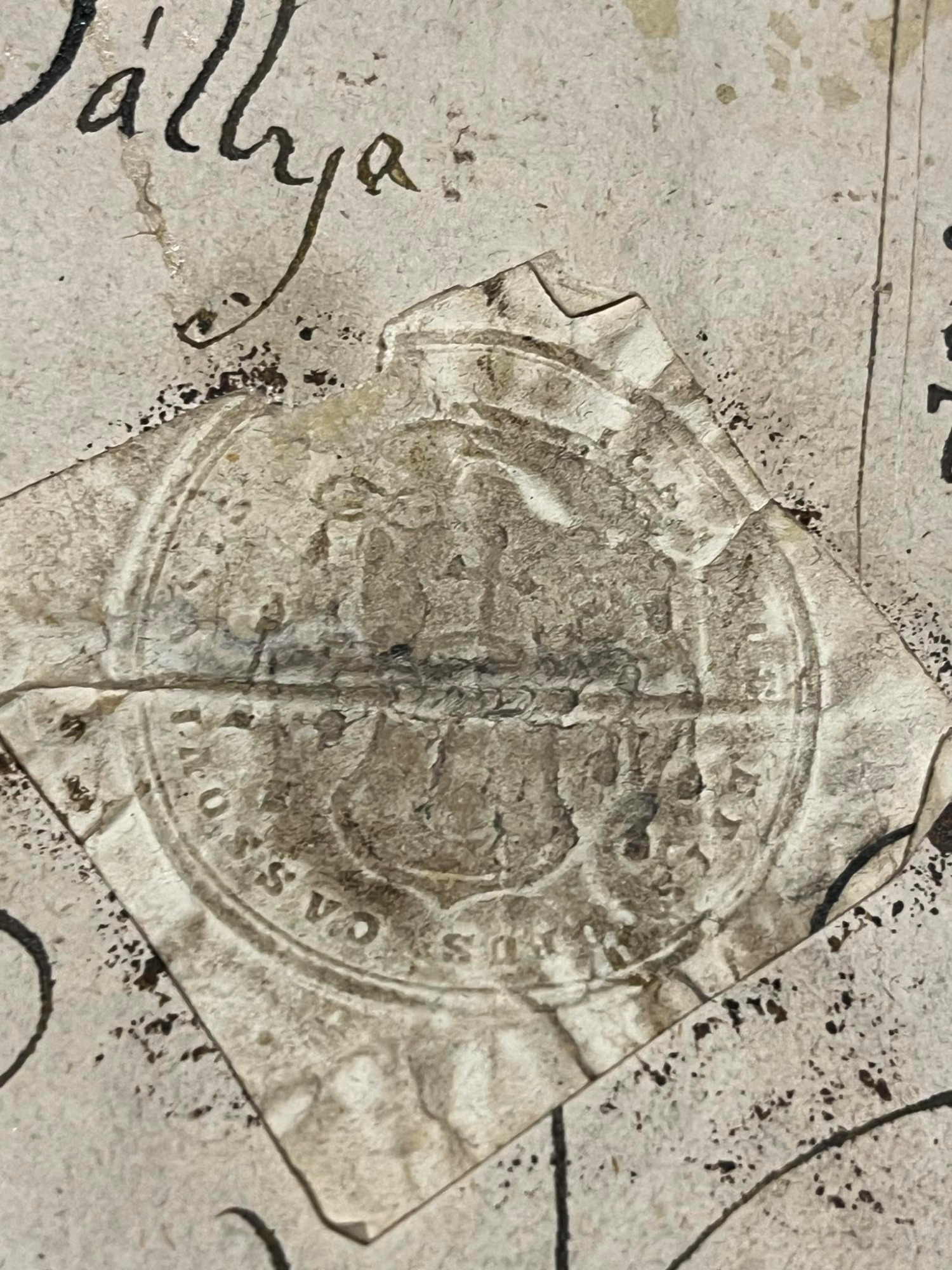
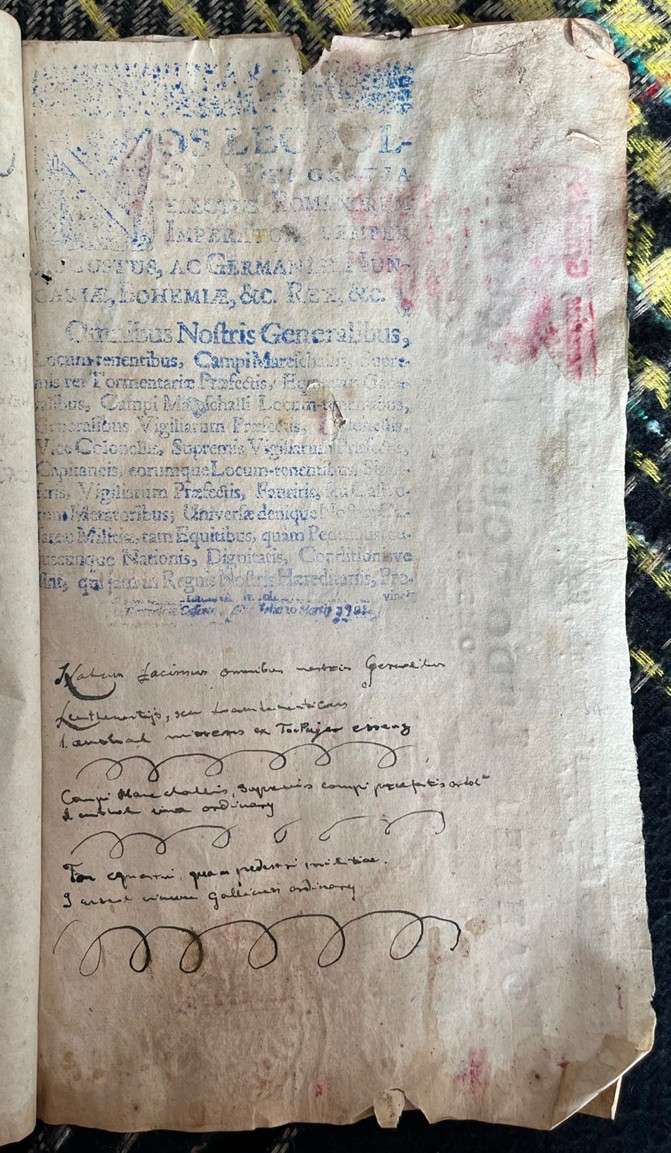
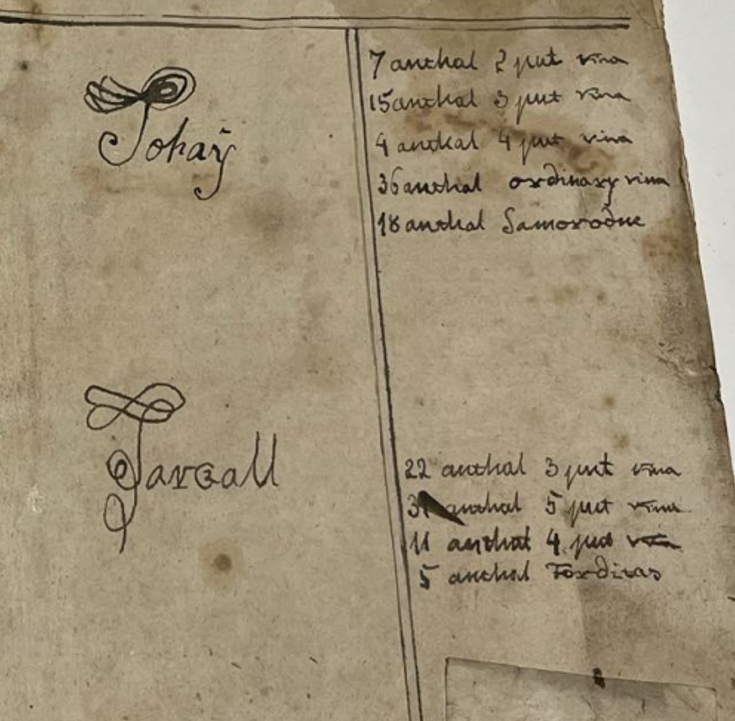
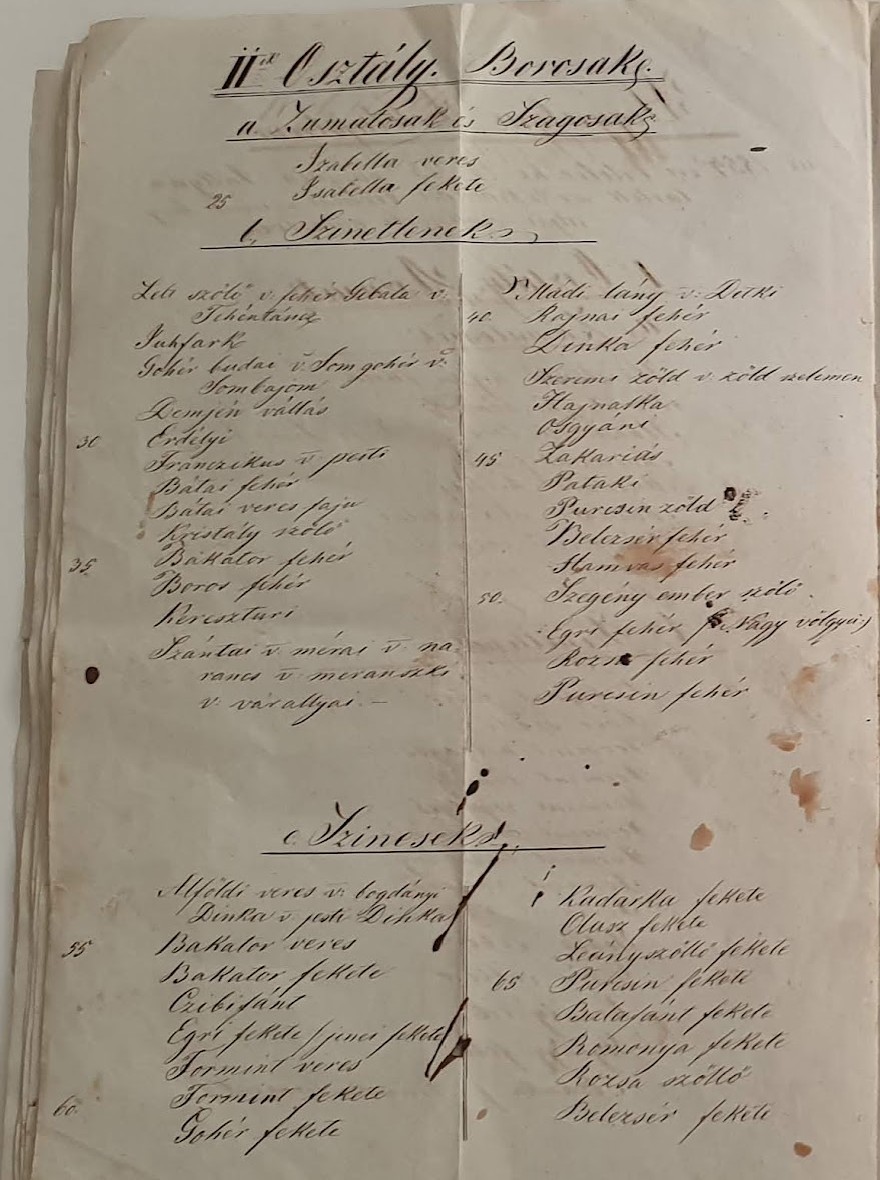
- Content analysis: Establish a logical relationship between the bottle(s) and the document(s). Sometimes it is easy (invoice, sales contract, cellar inventory, gift card, inheritance papers, ...) but often very hard. The work includes verious types of consistency cechecks regarding language, typescript, locations, dates, persons, titles, places, dates, stamps/seals, coat of arms, etc.
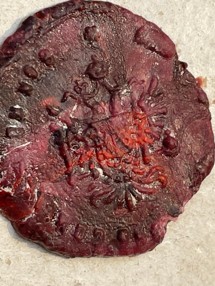
- Material analysis: check of paper, watermarks, ink, seals, seasling wax using the methods mentioned above in order to verify authenticity, age and consistency.
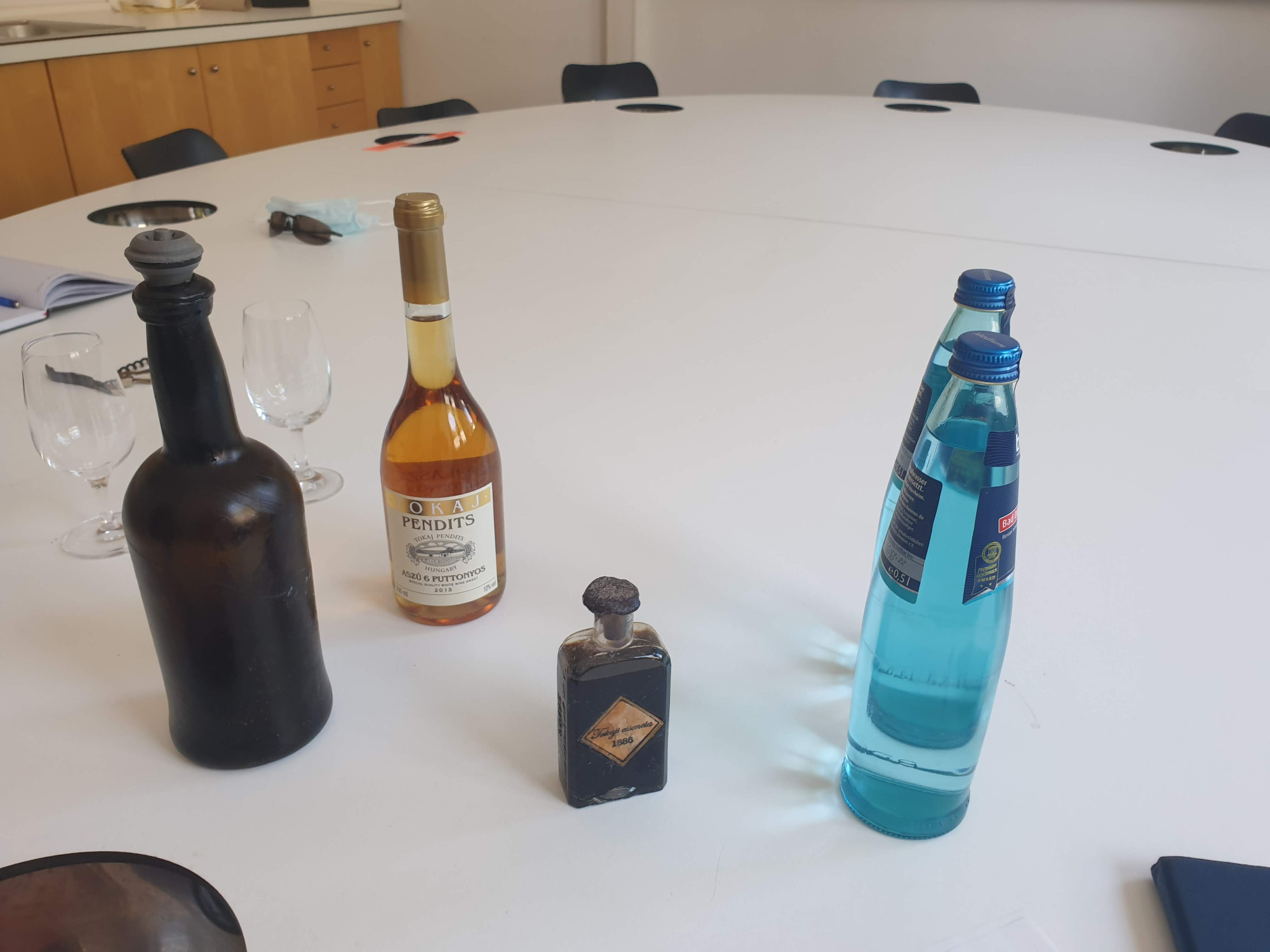
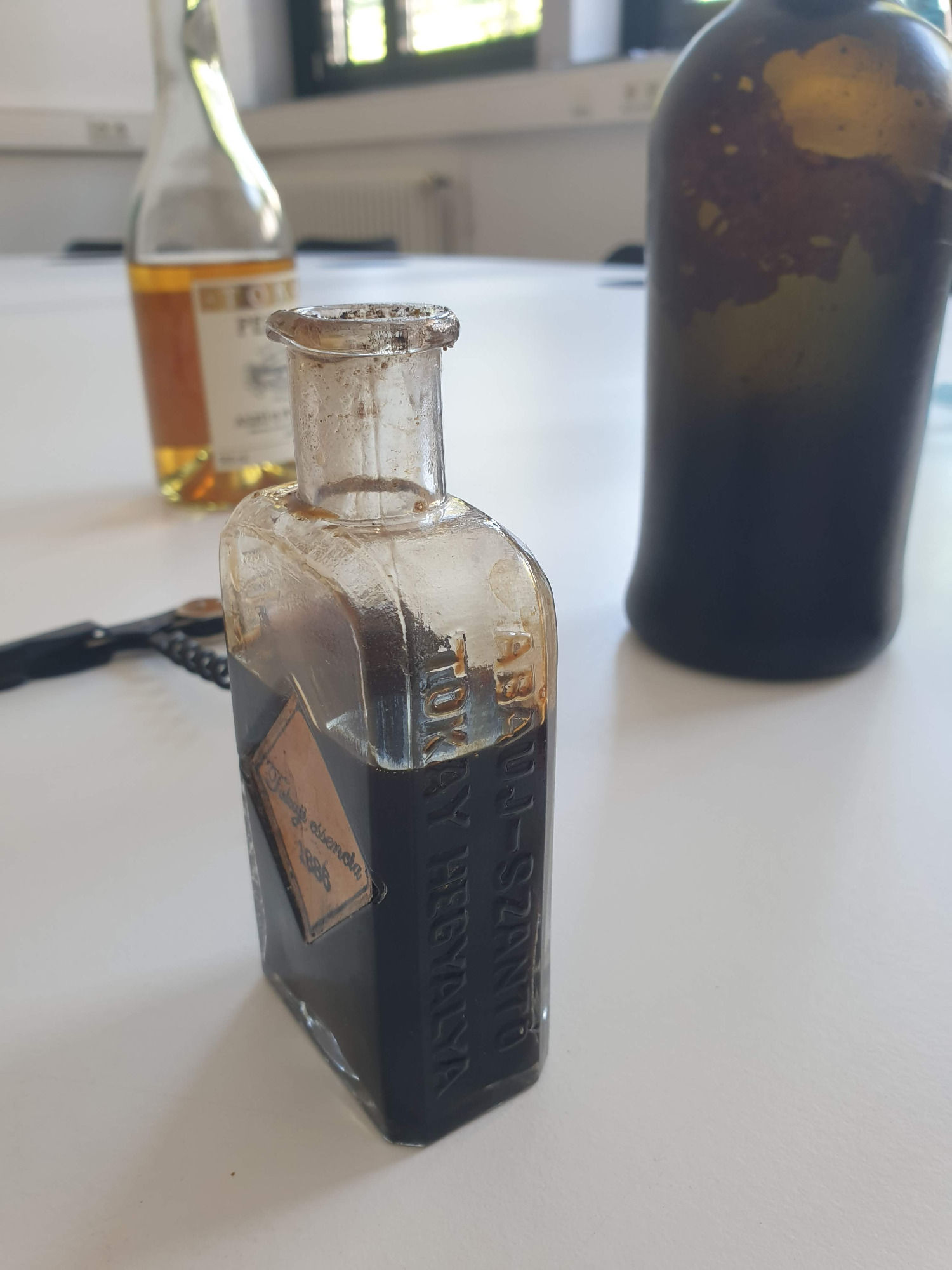
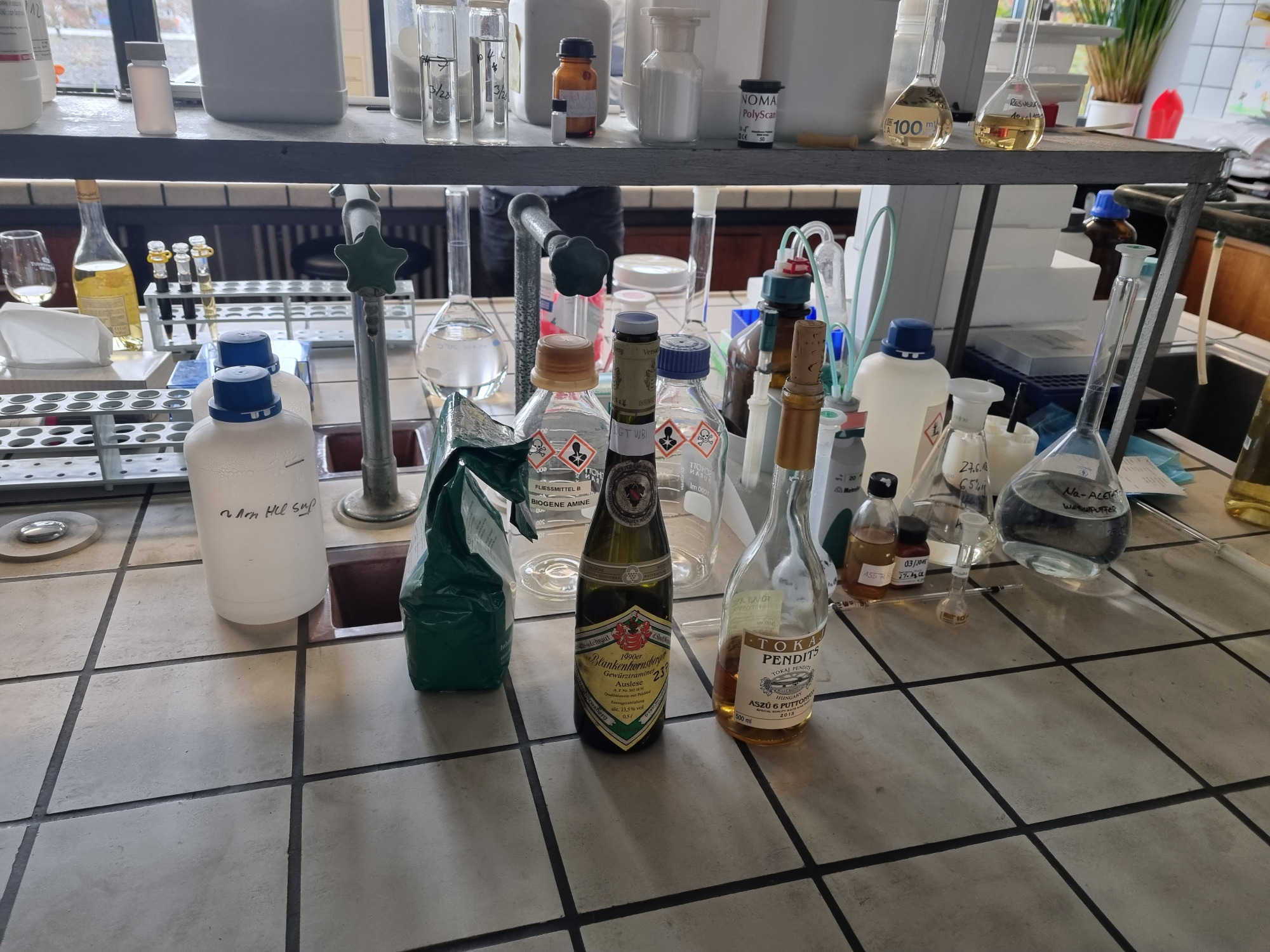
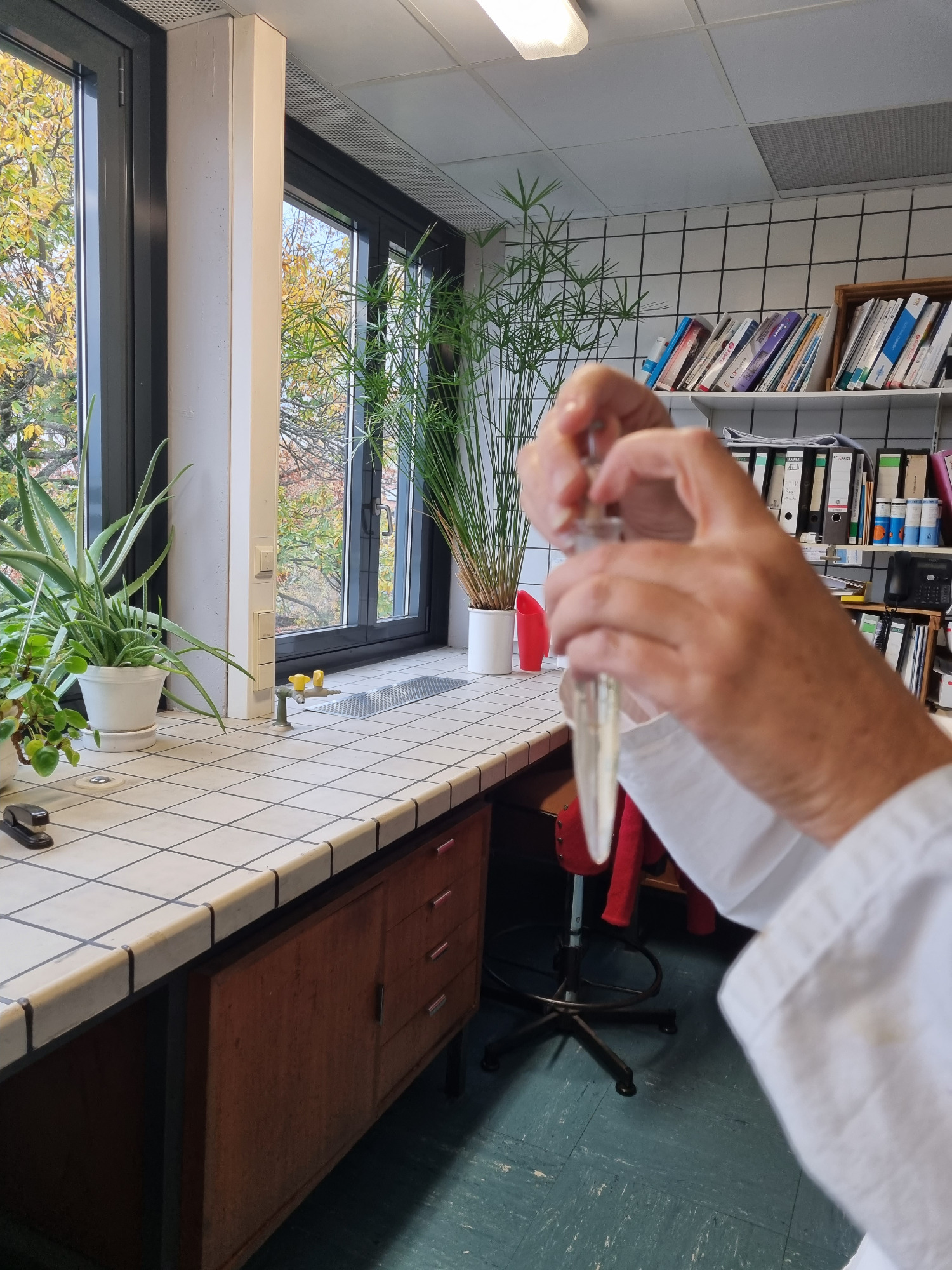
Wine Analysis
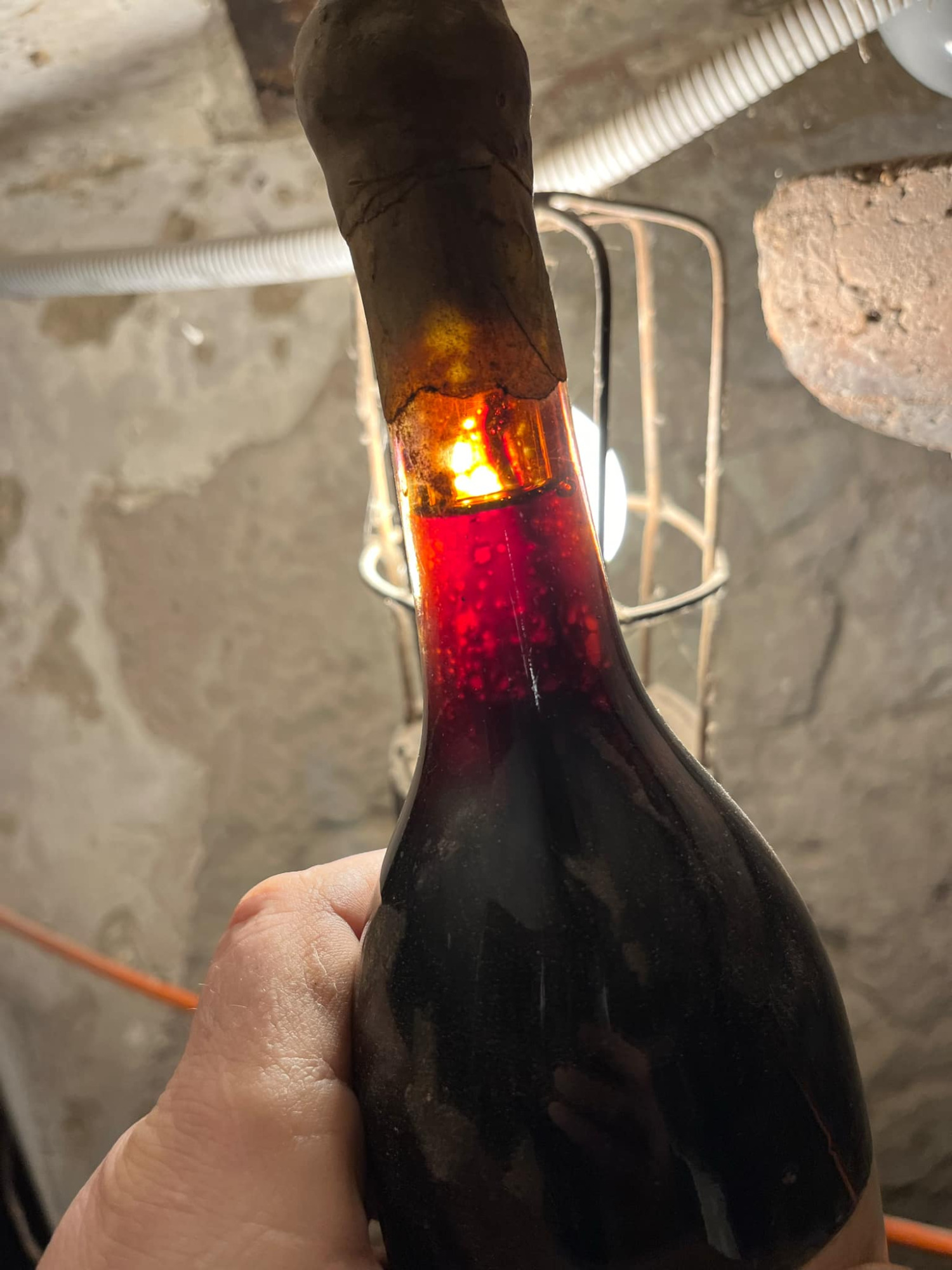
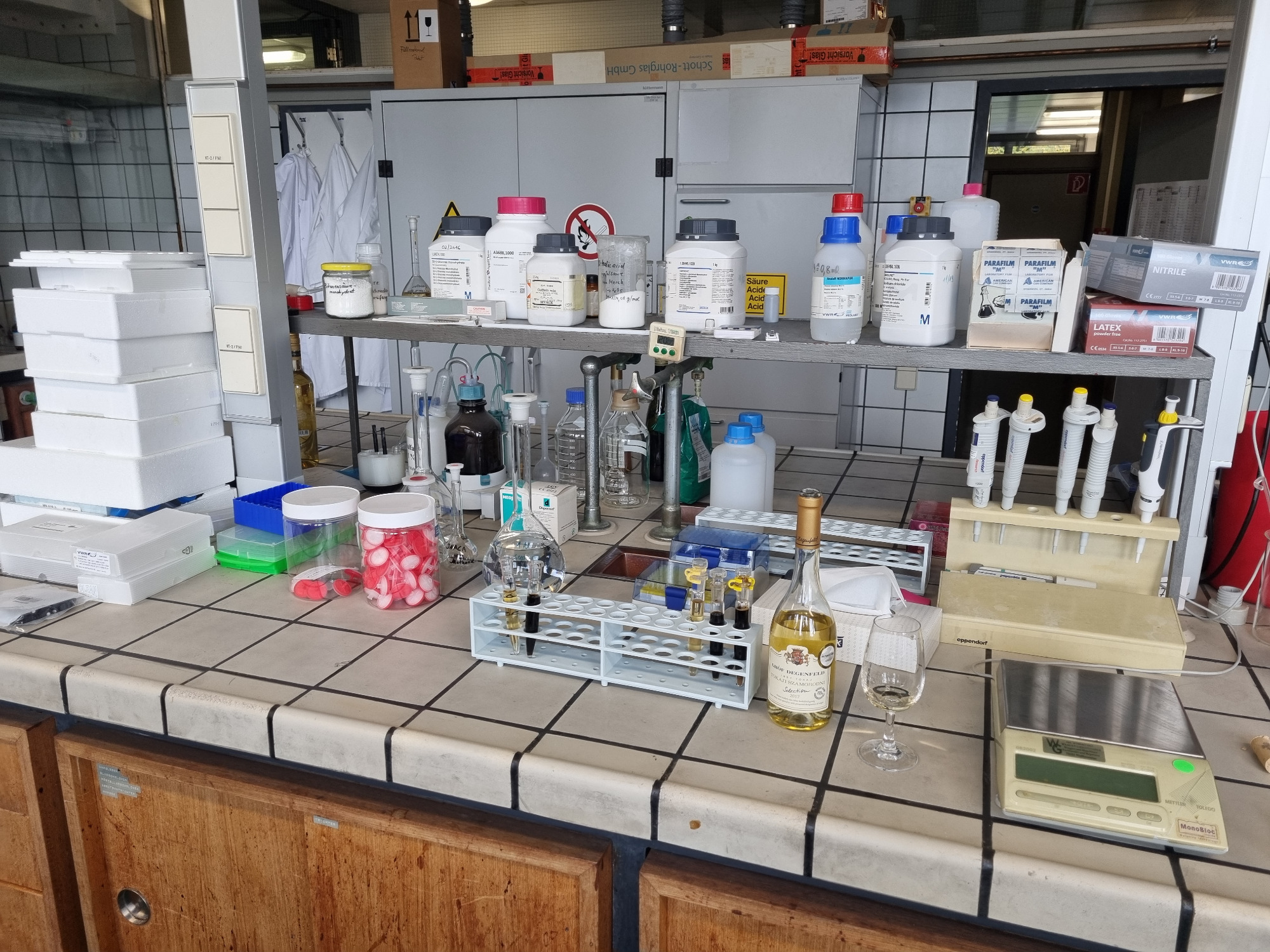
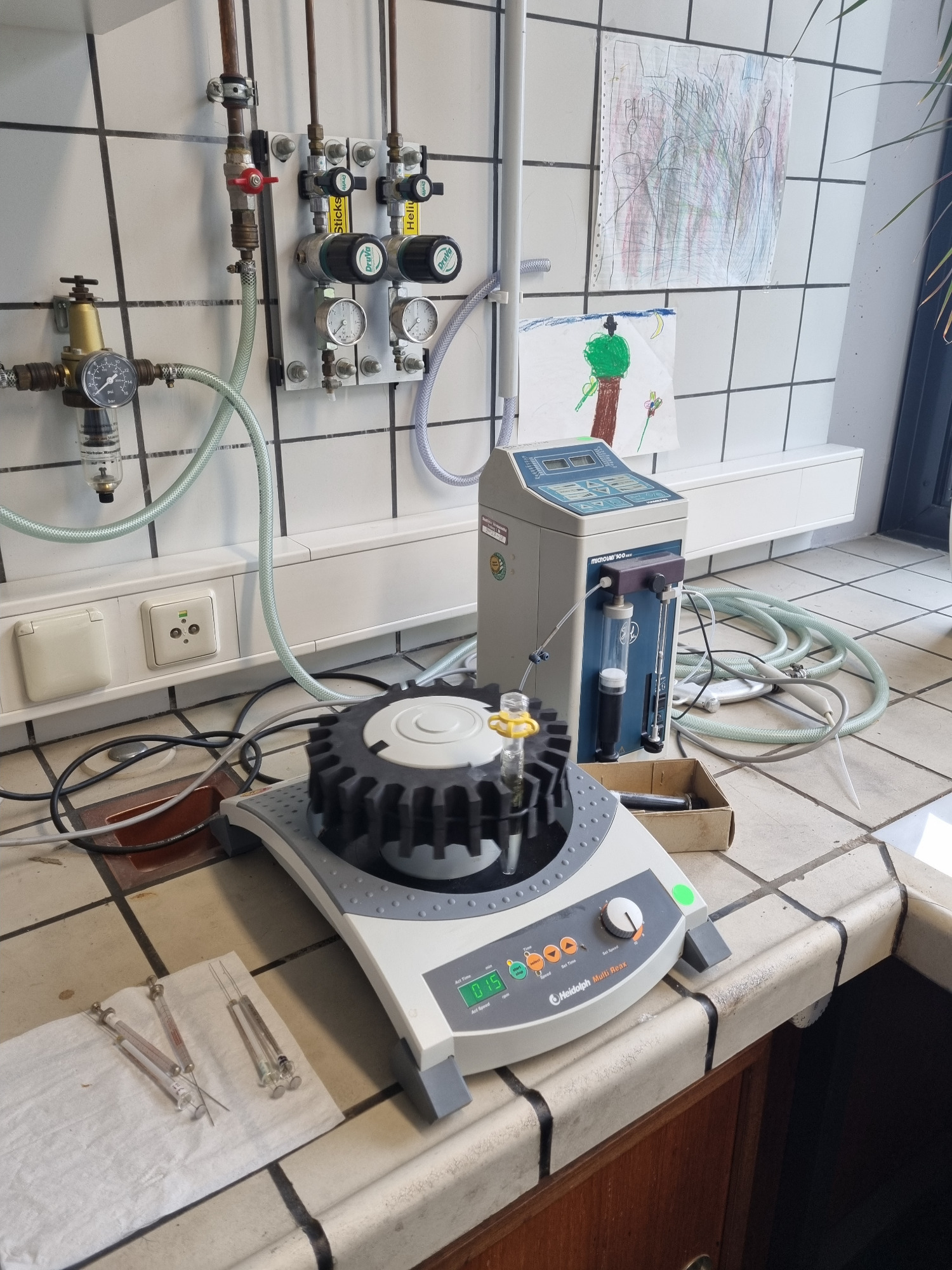
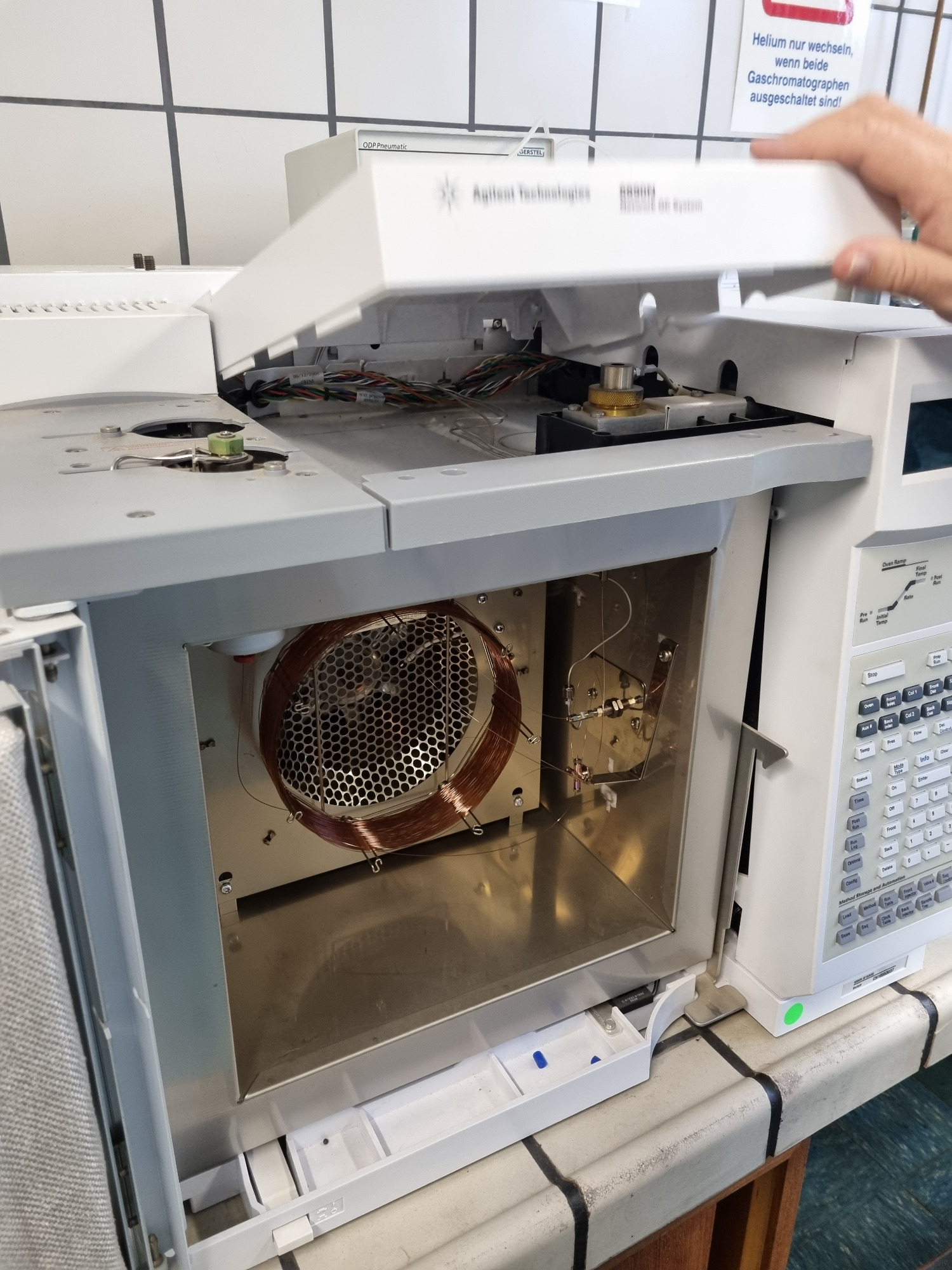
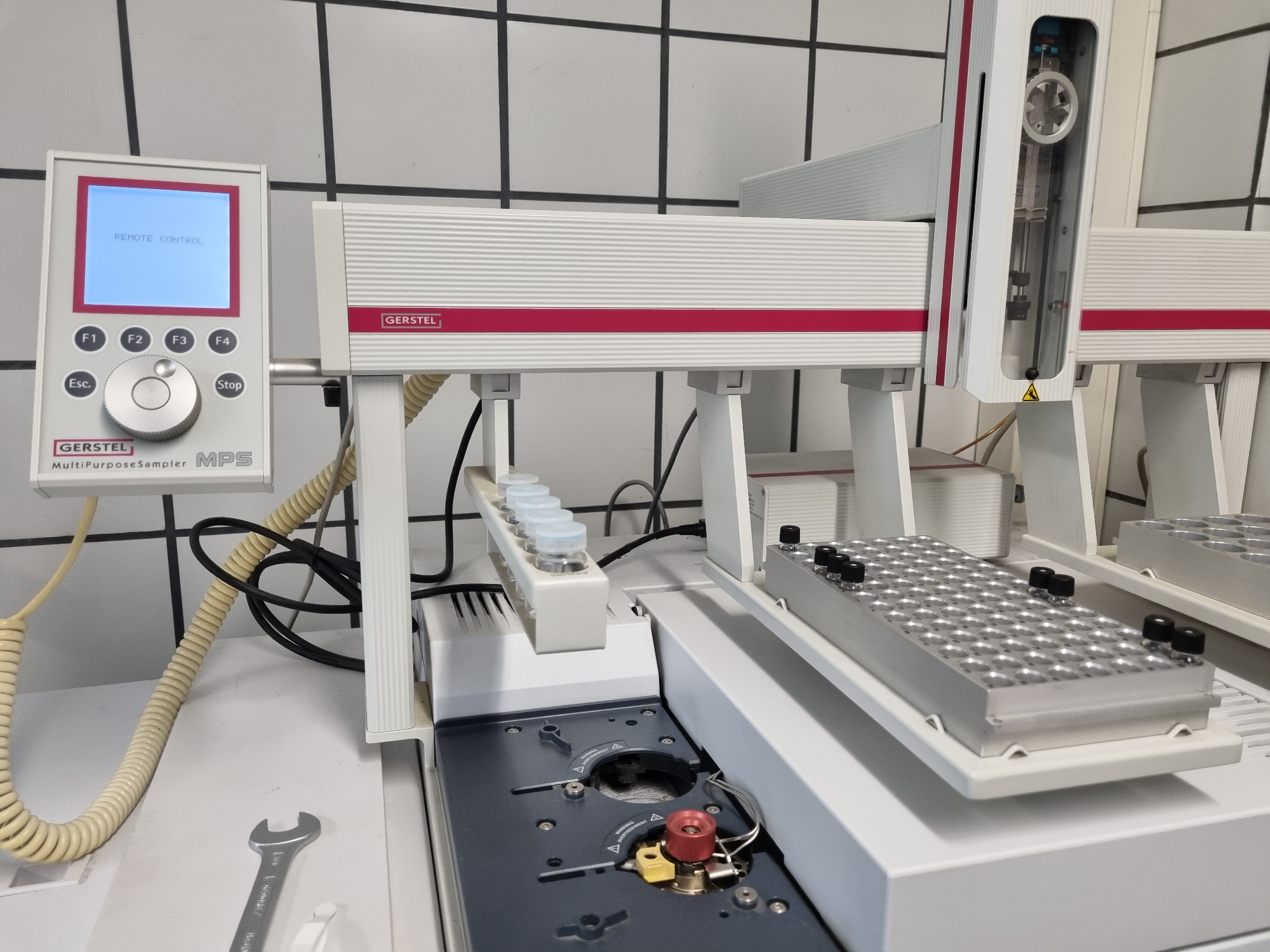
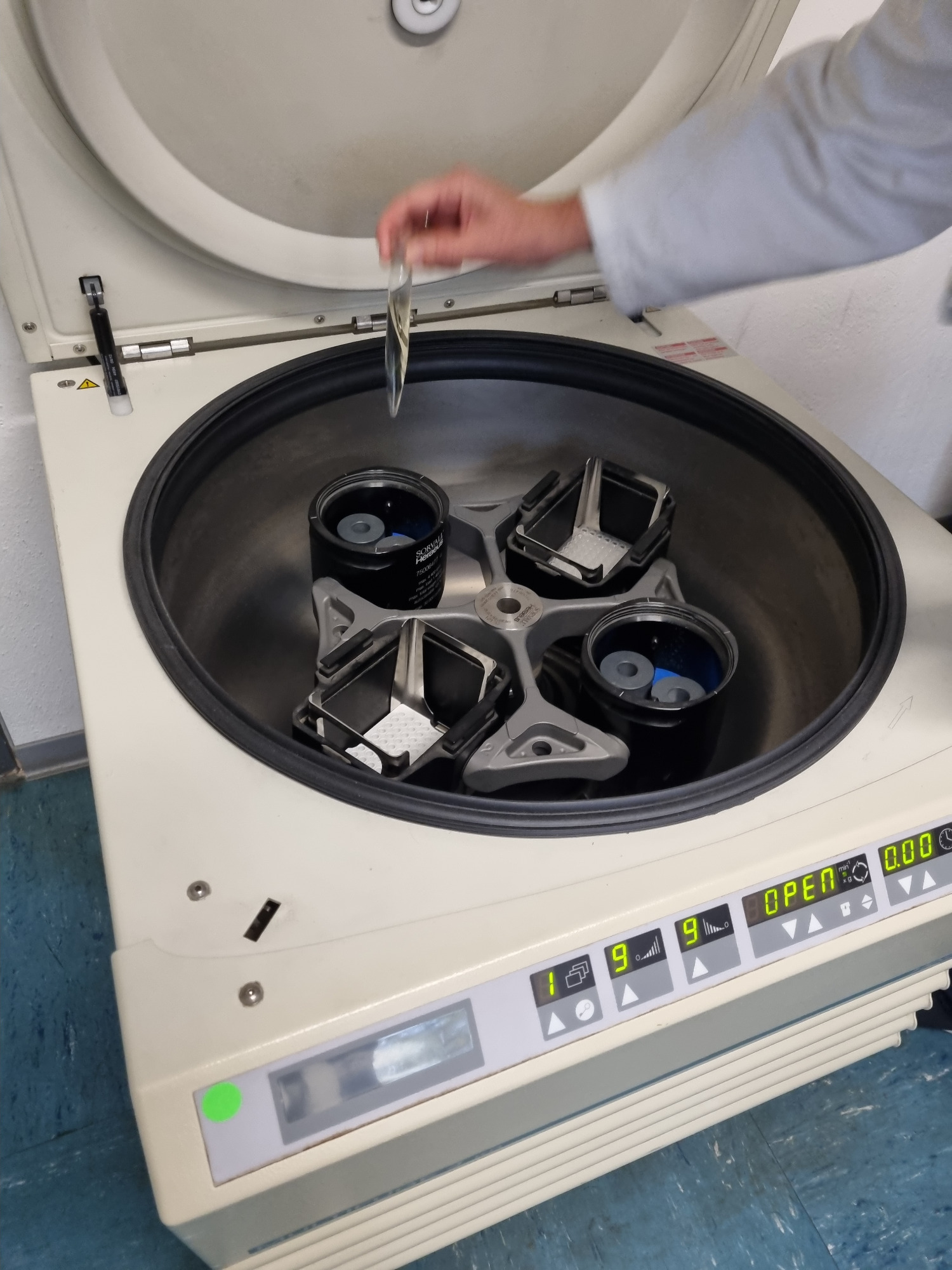
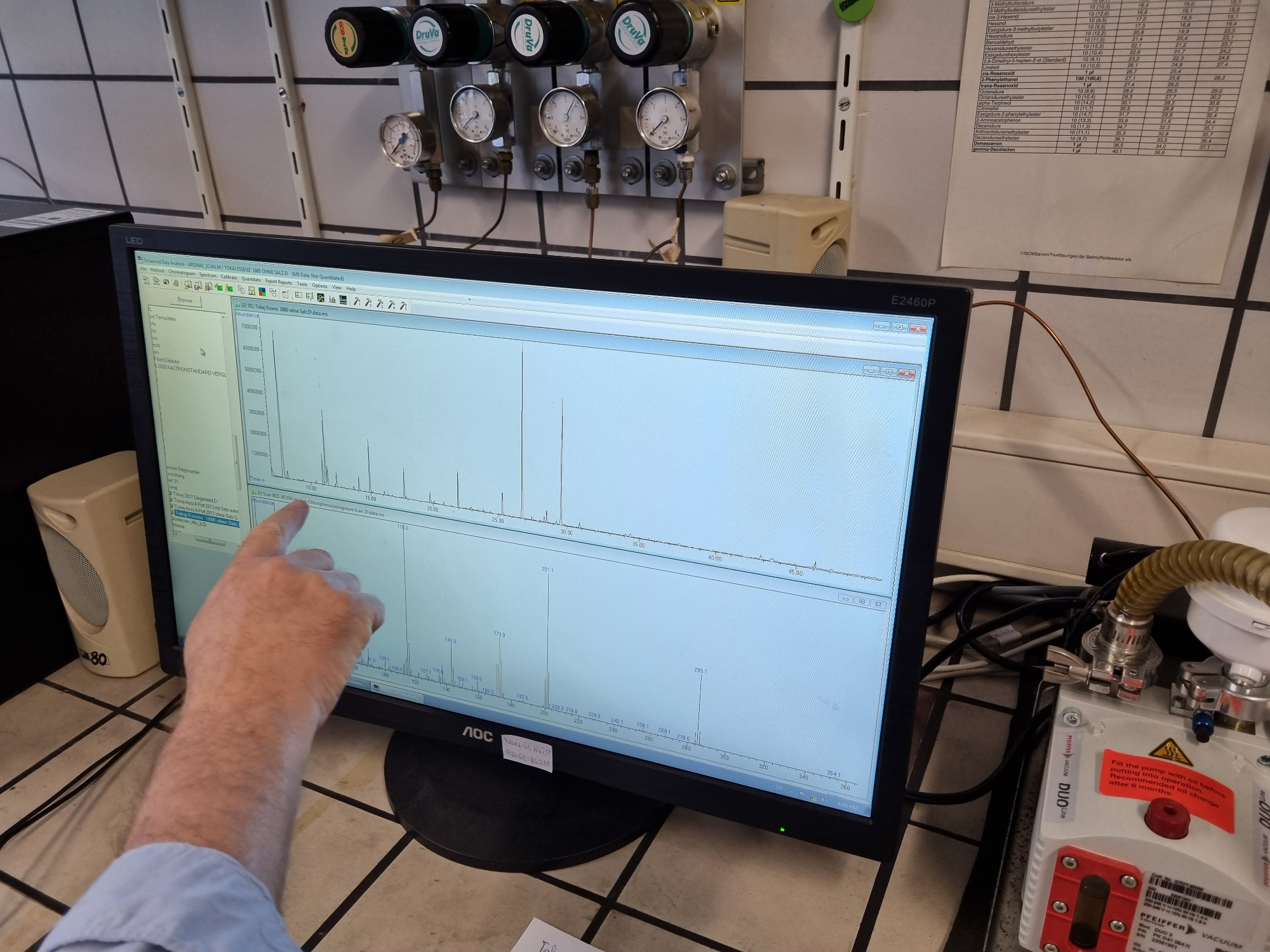
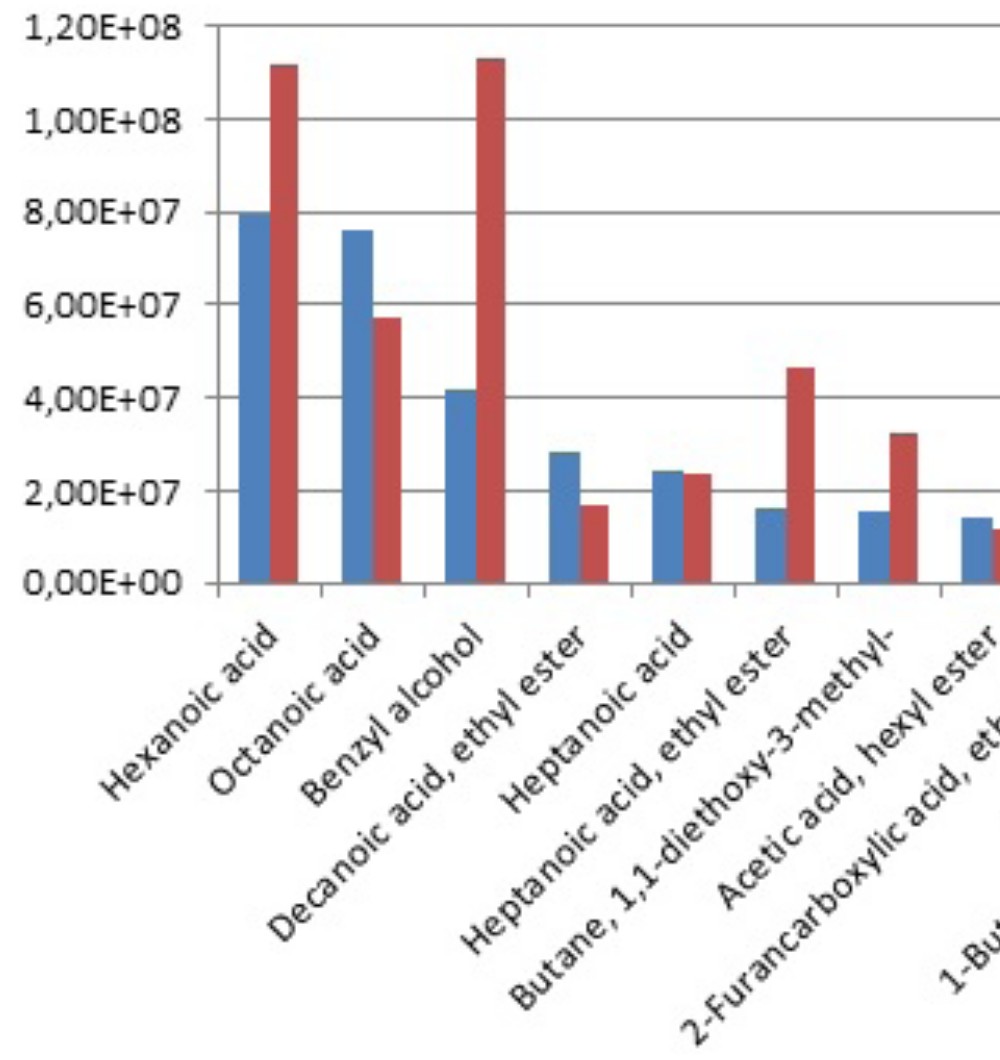
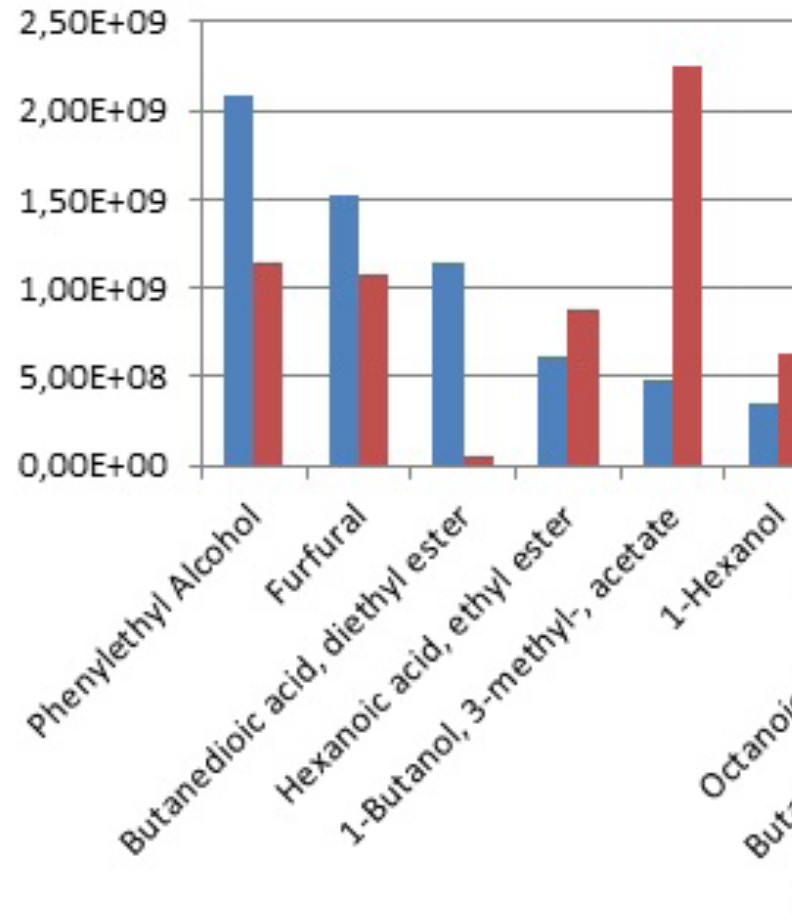
This type of analysis is only possible if the content of the bottle is accessible, typically when the cork leaks, the bottle is broken or opened to be consumed. All three cases are very rare. Analysis merthods include:
- Standard tests for alcohol, sugar content, acidsity levels etc.
- Mass spectrometry (MS)
- Gas chromatography (GC)
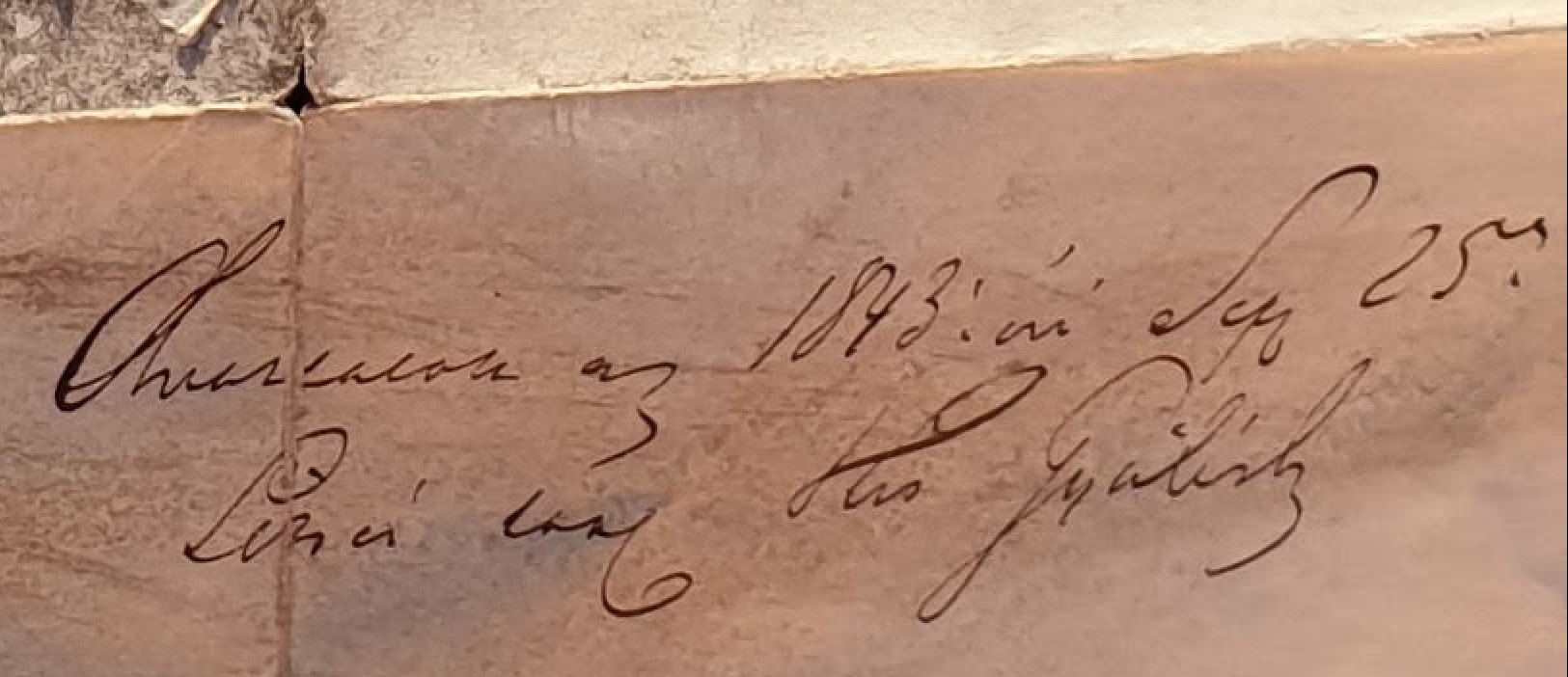
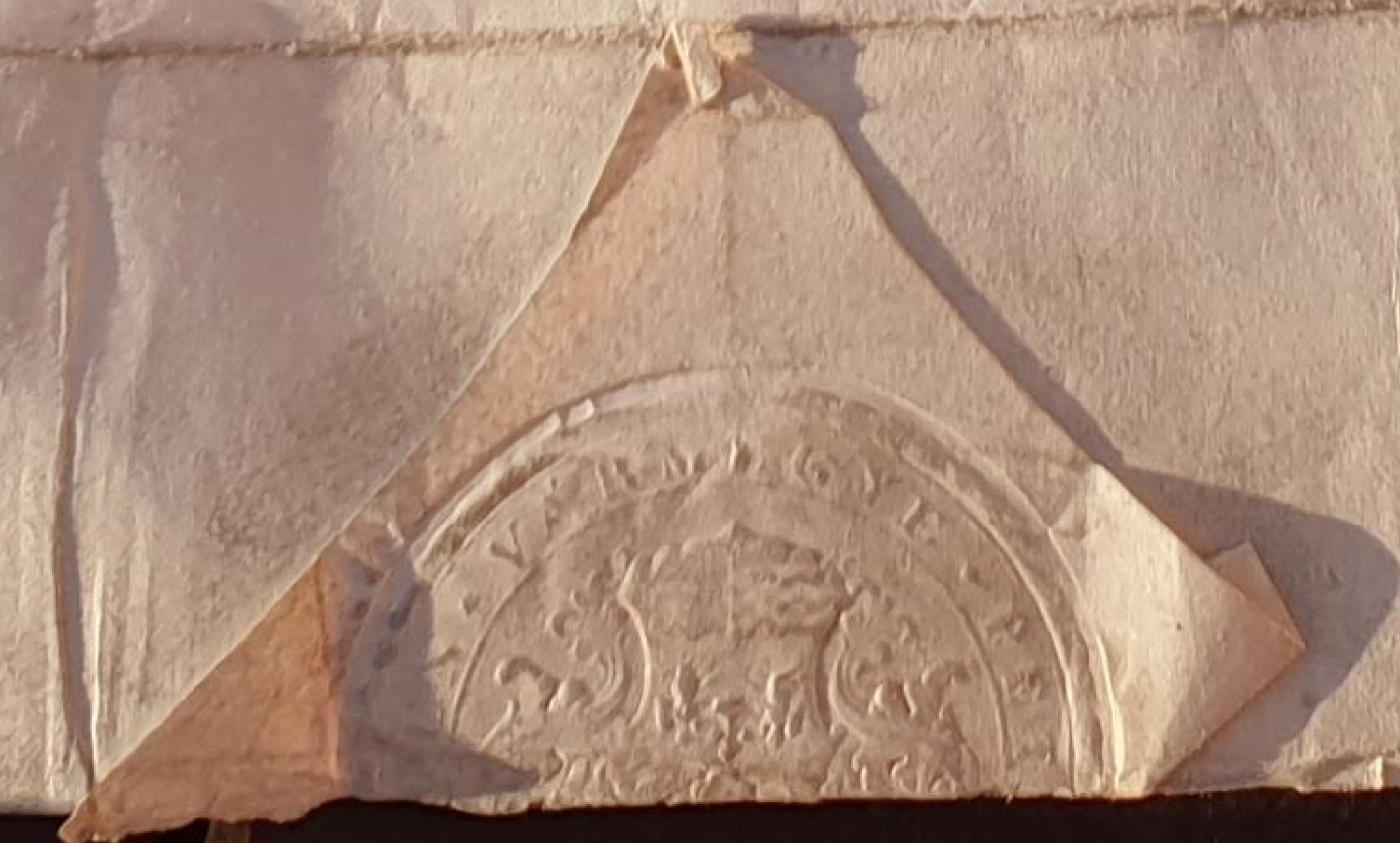
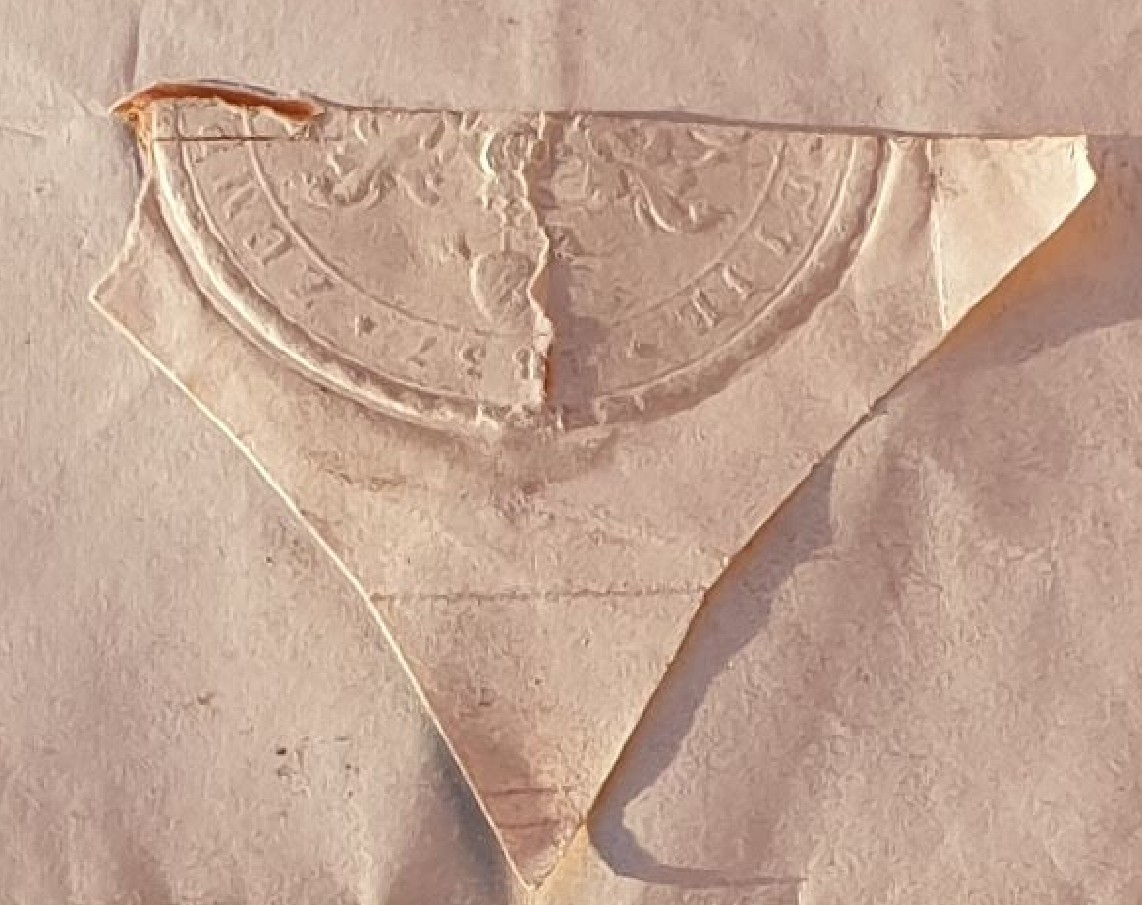
Ongoing Bottle Identification Projects
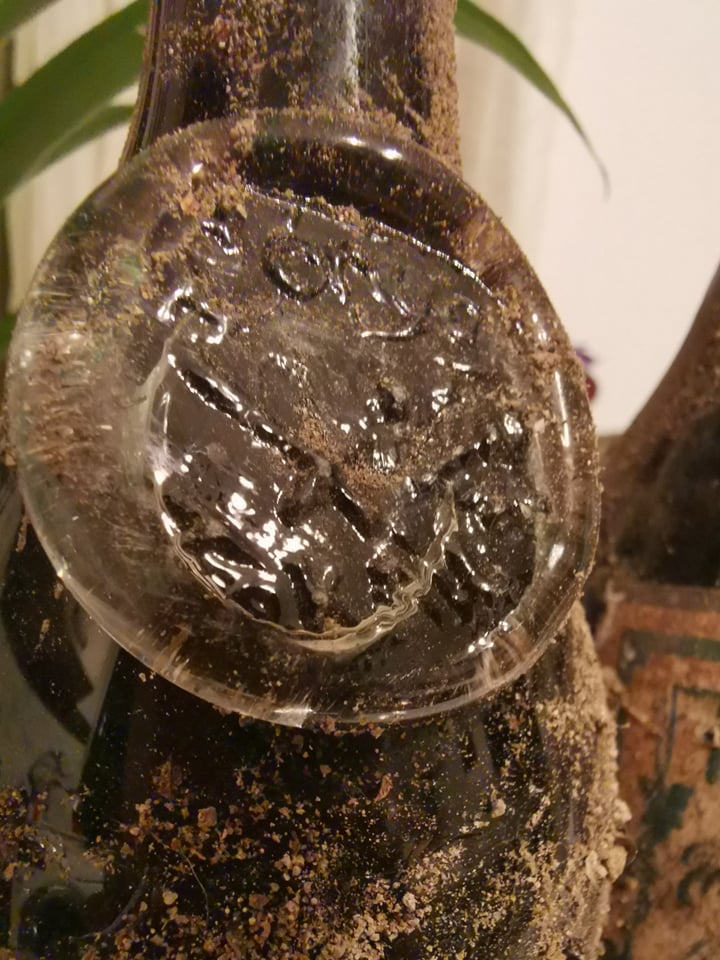
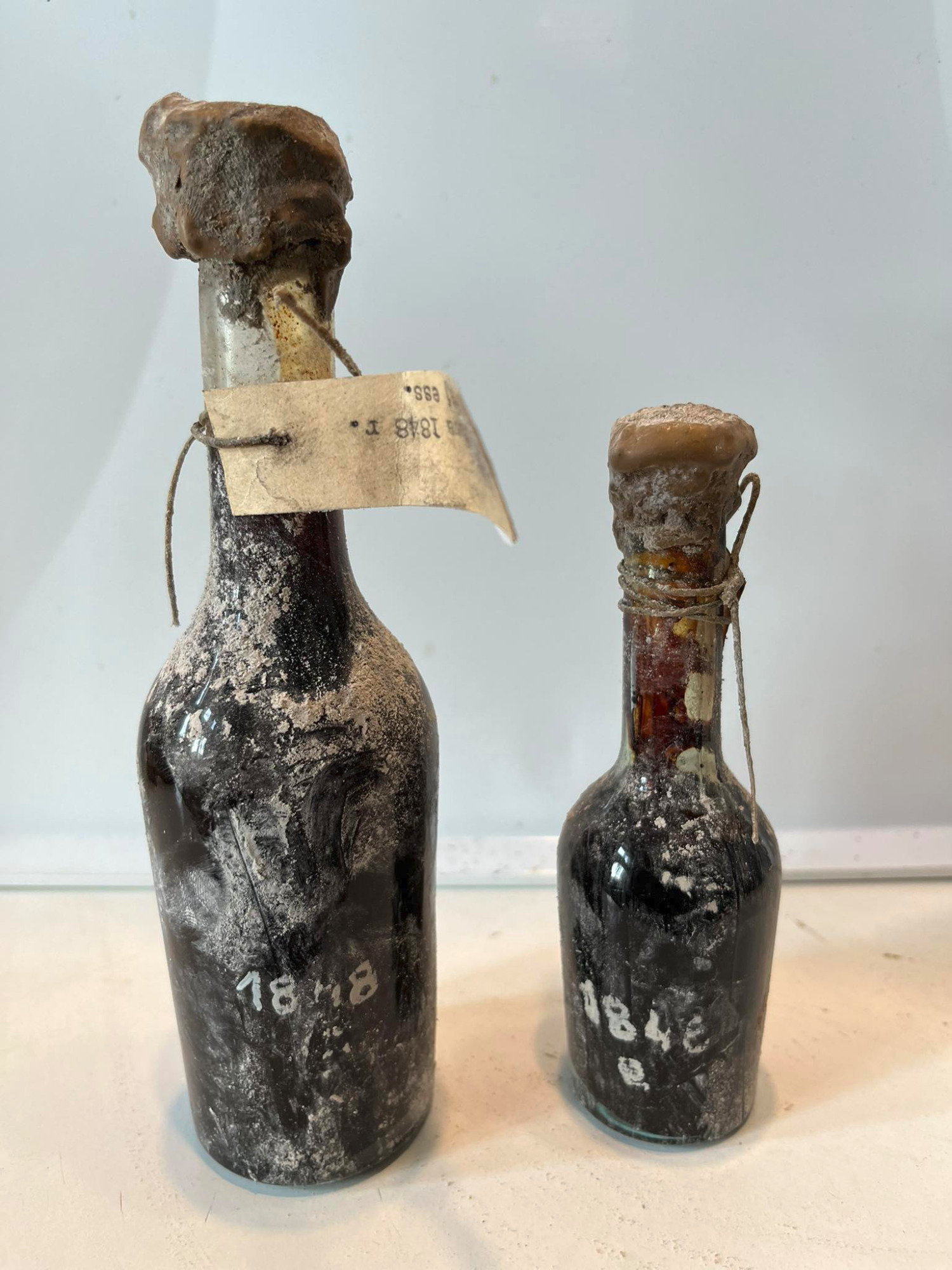
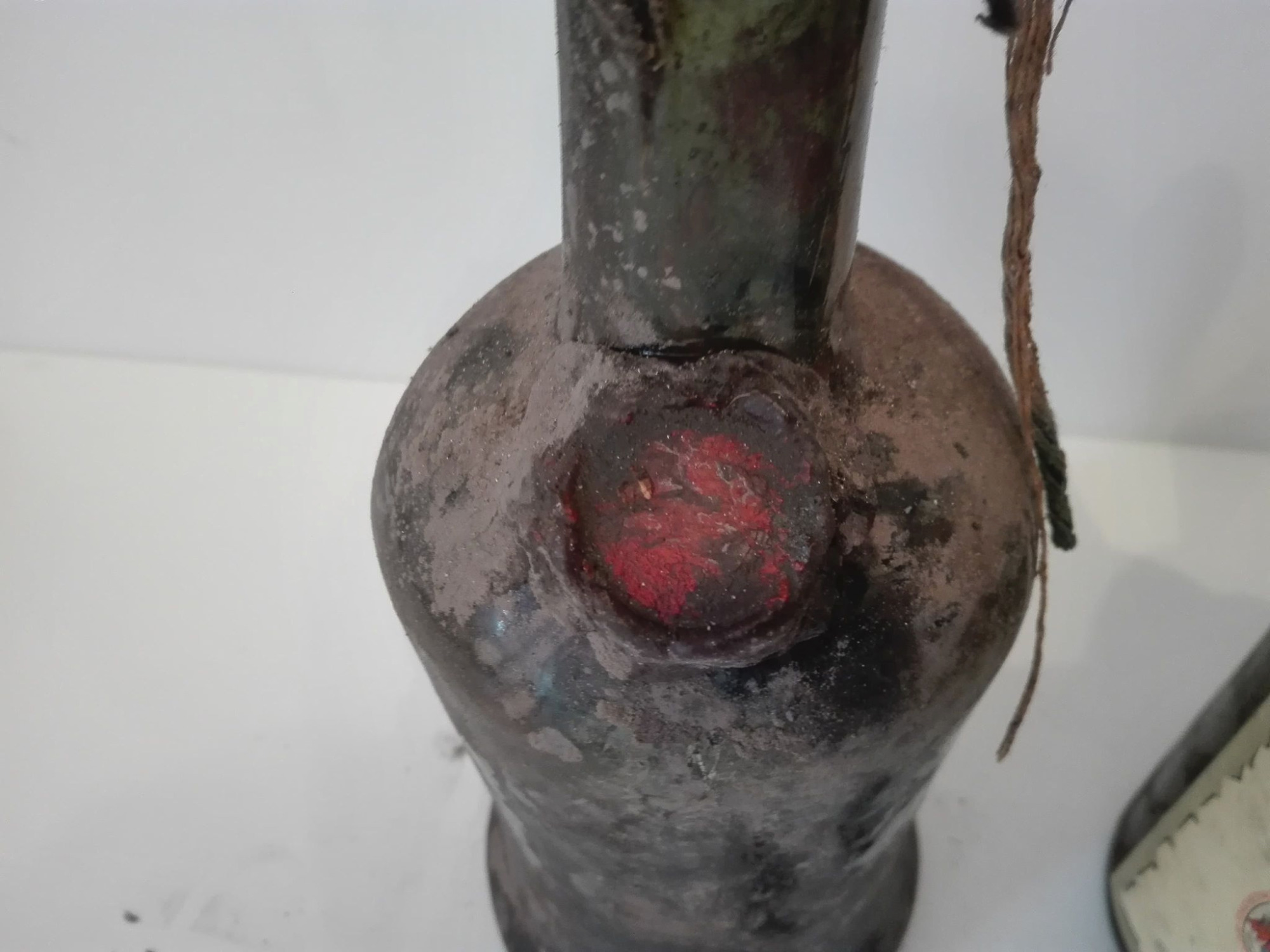
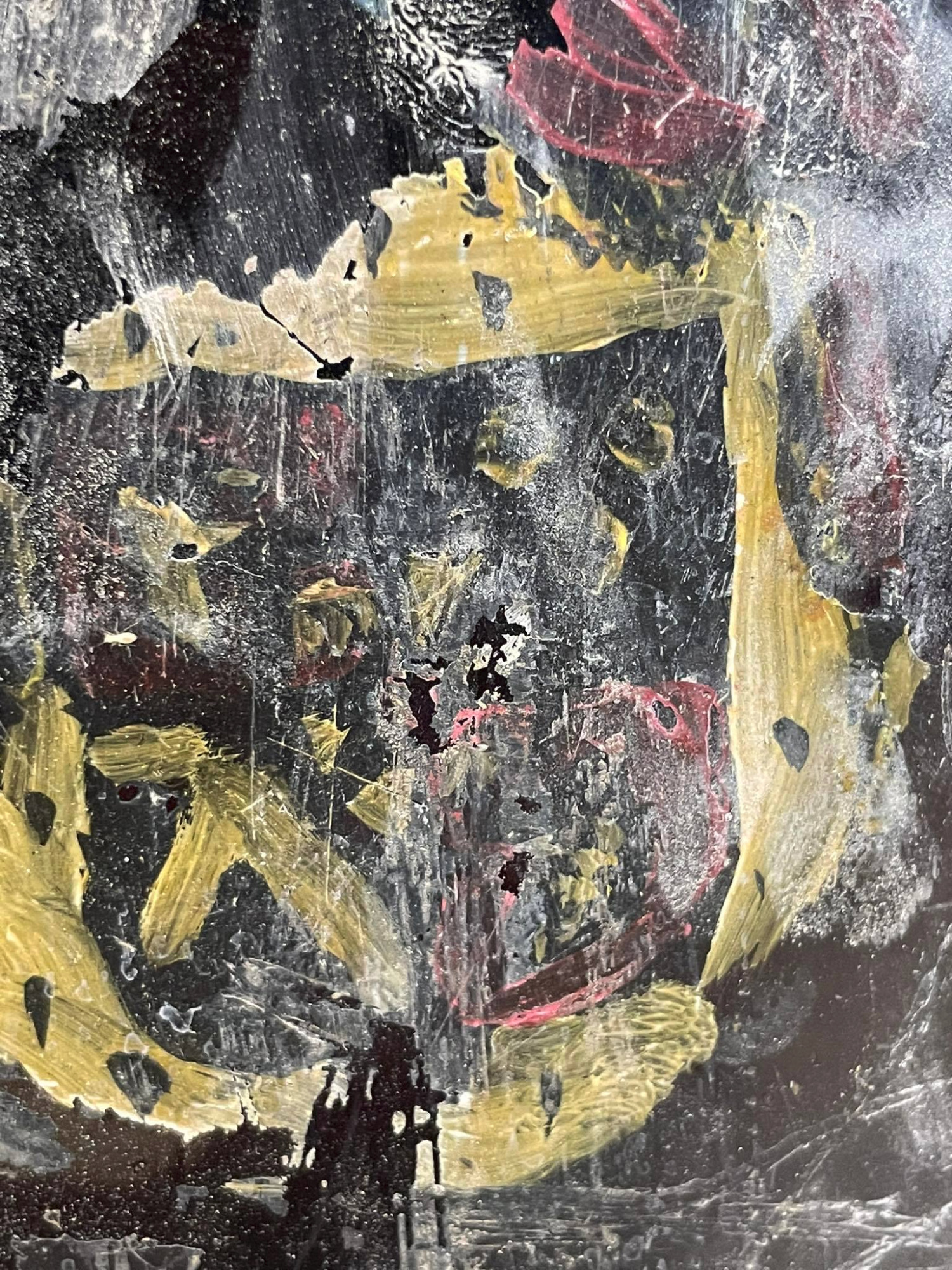
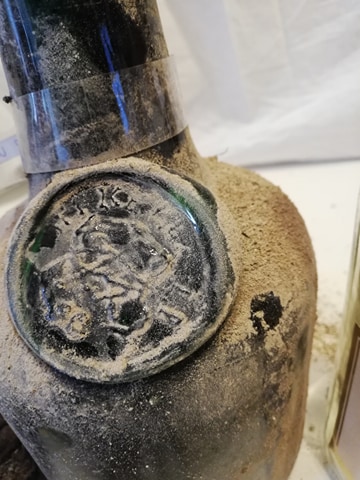
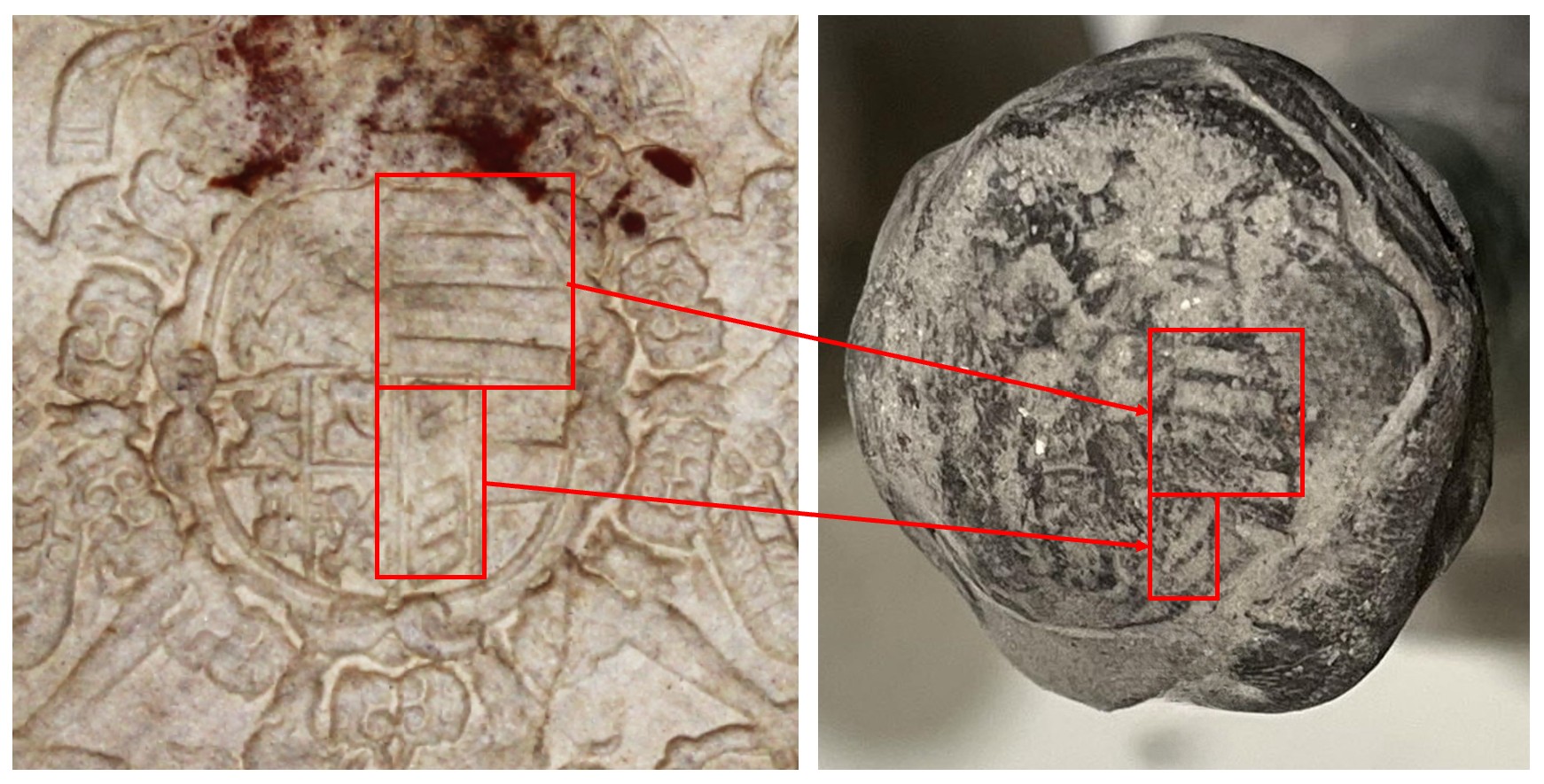
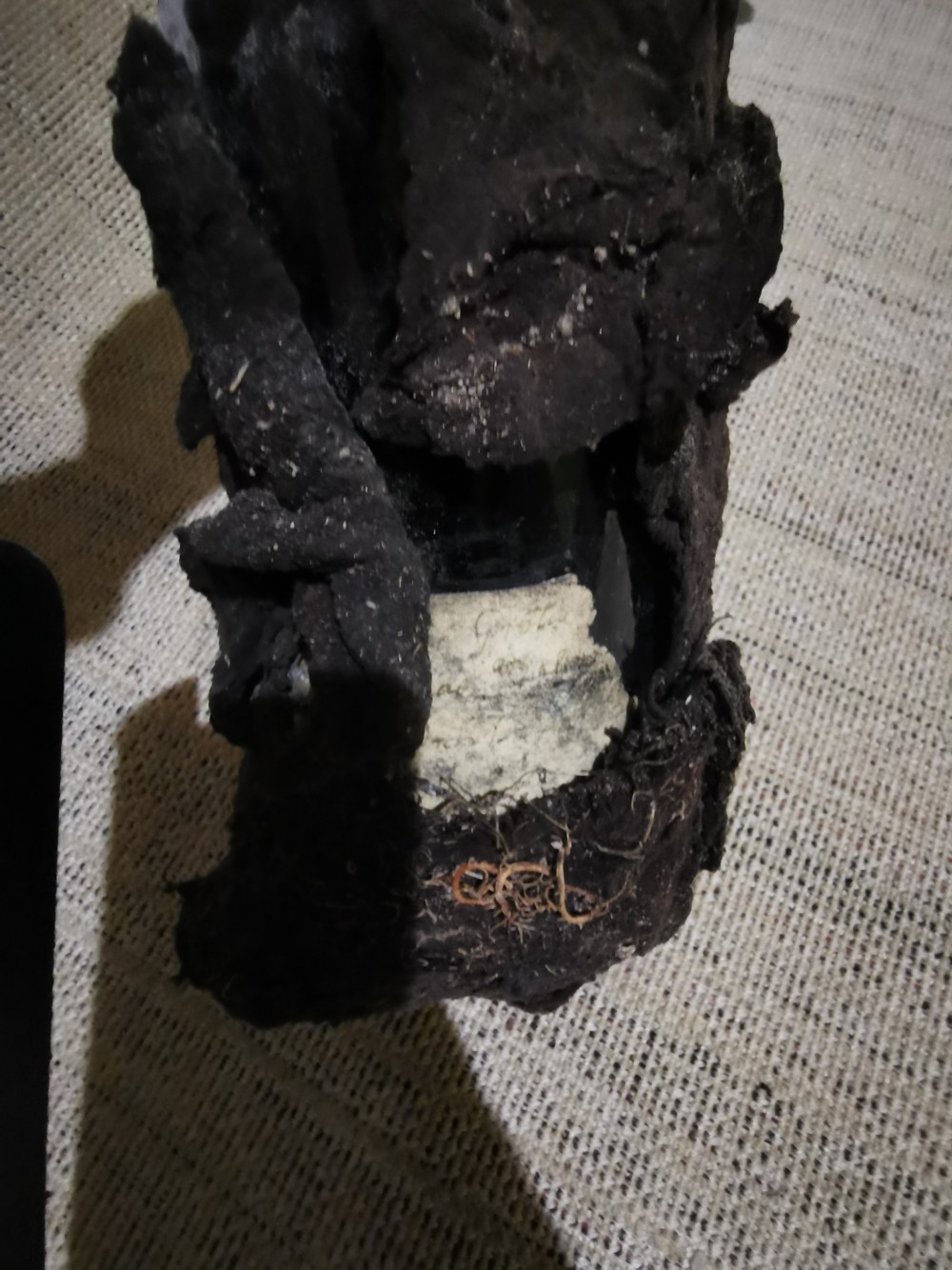
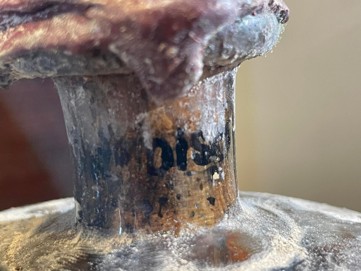
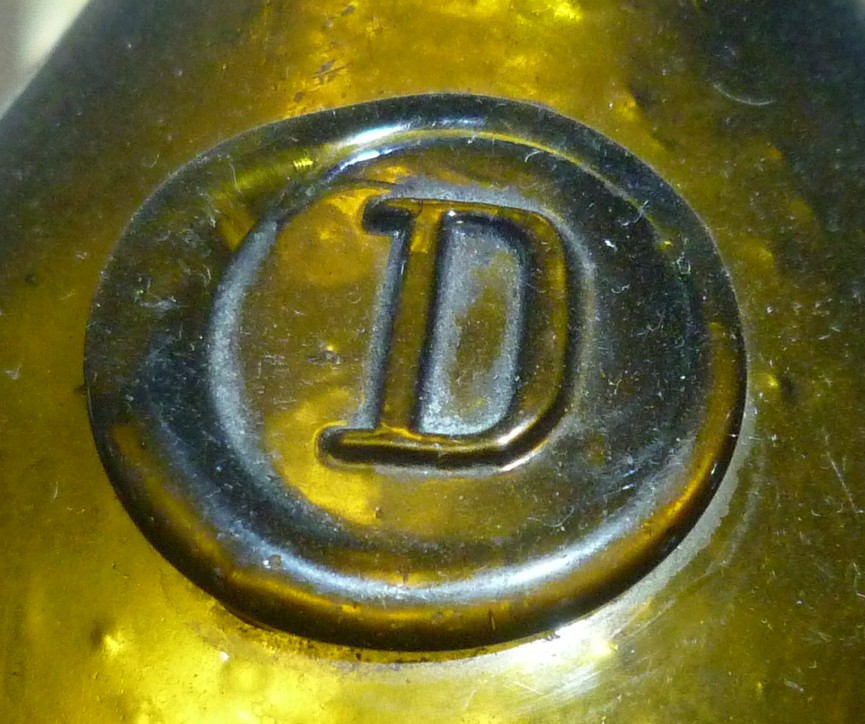
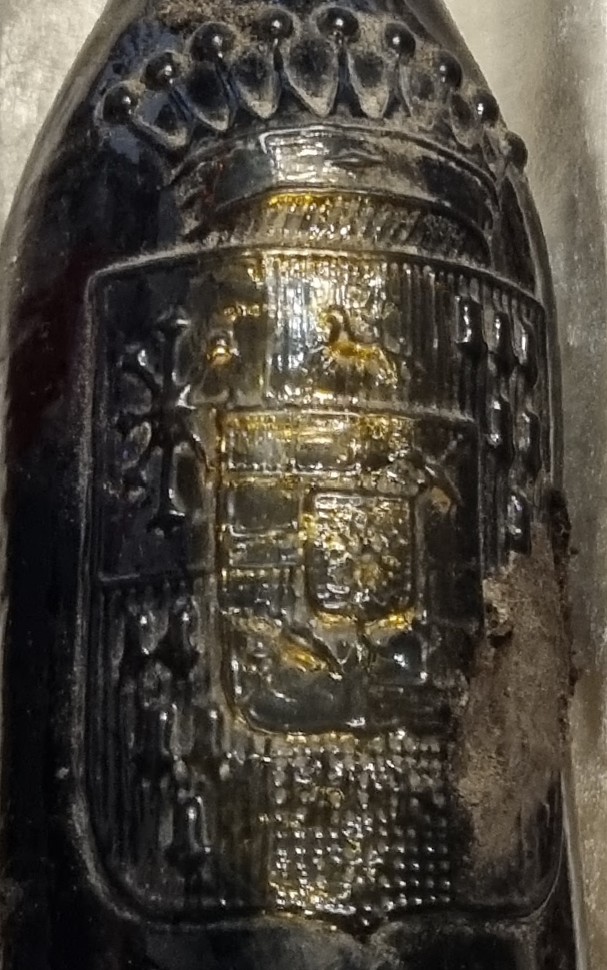
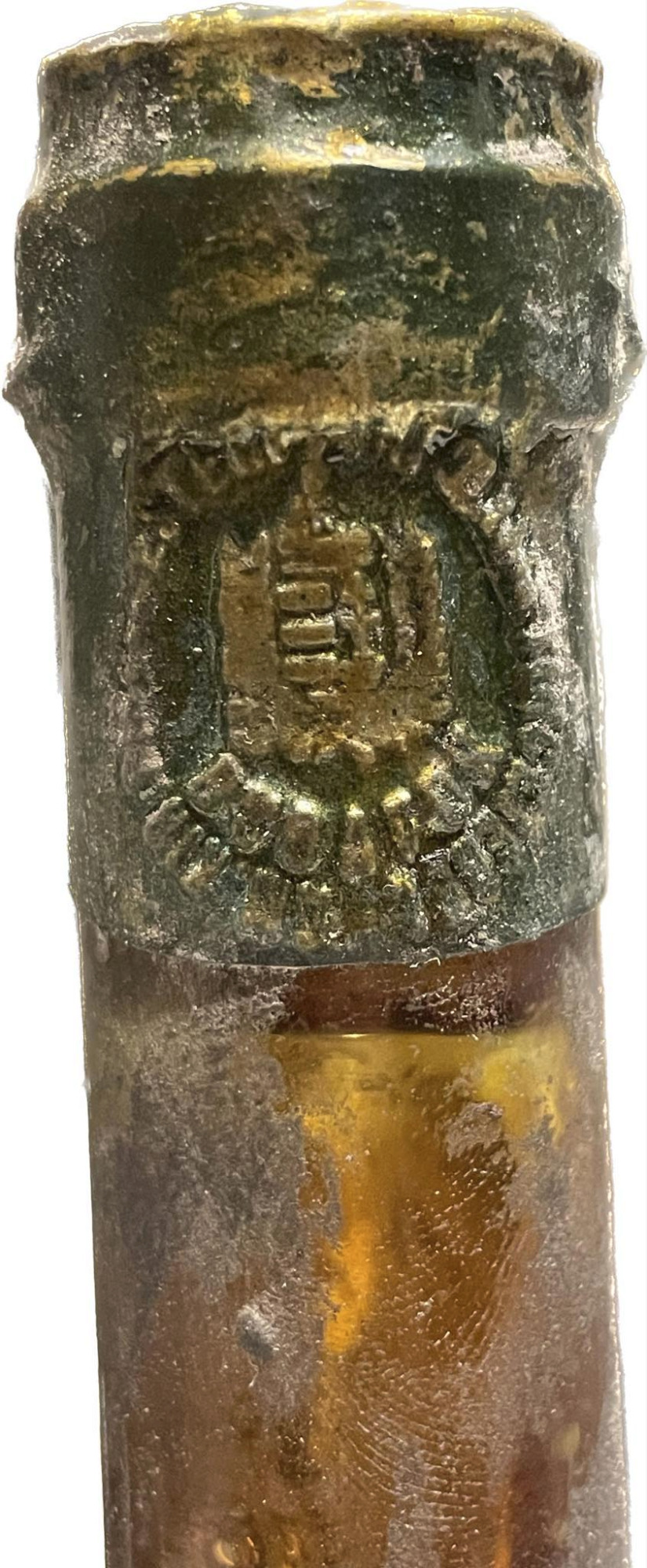
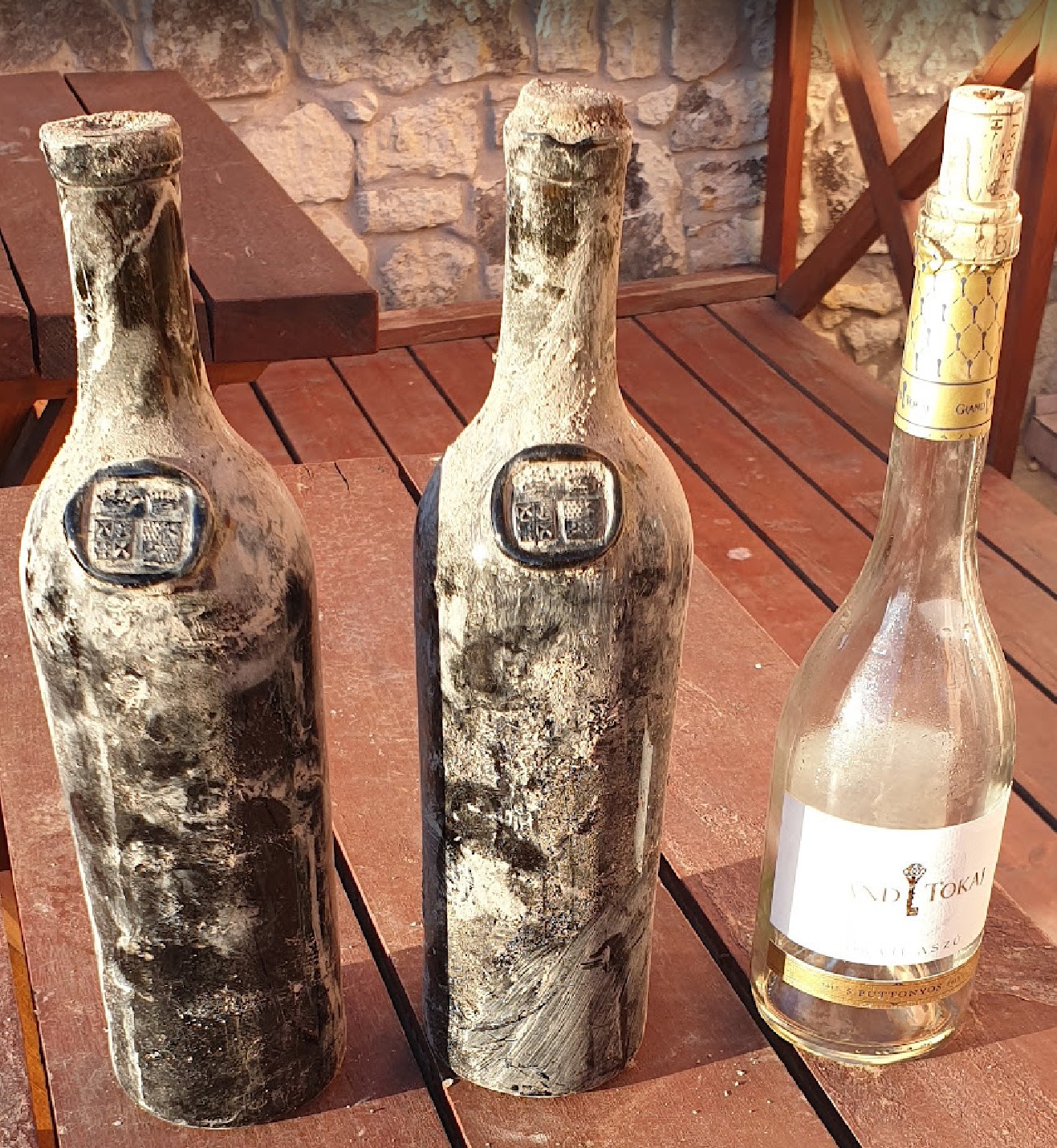
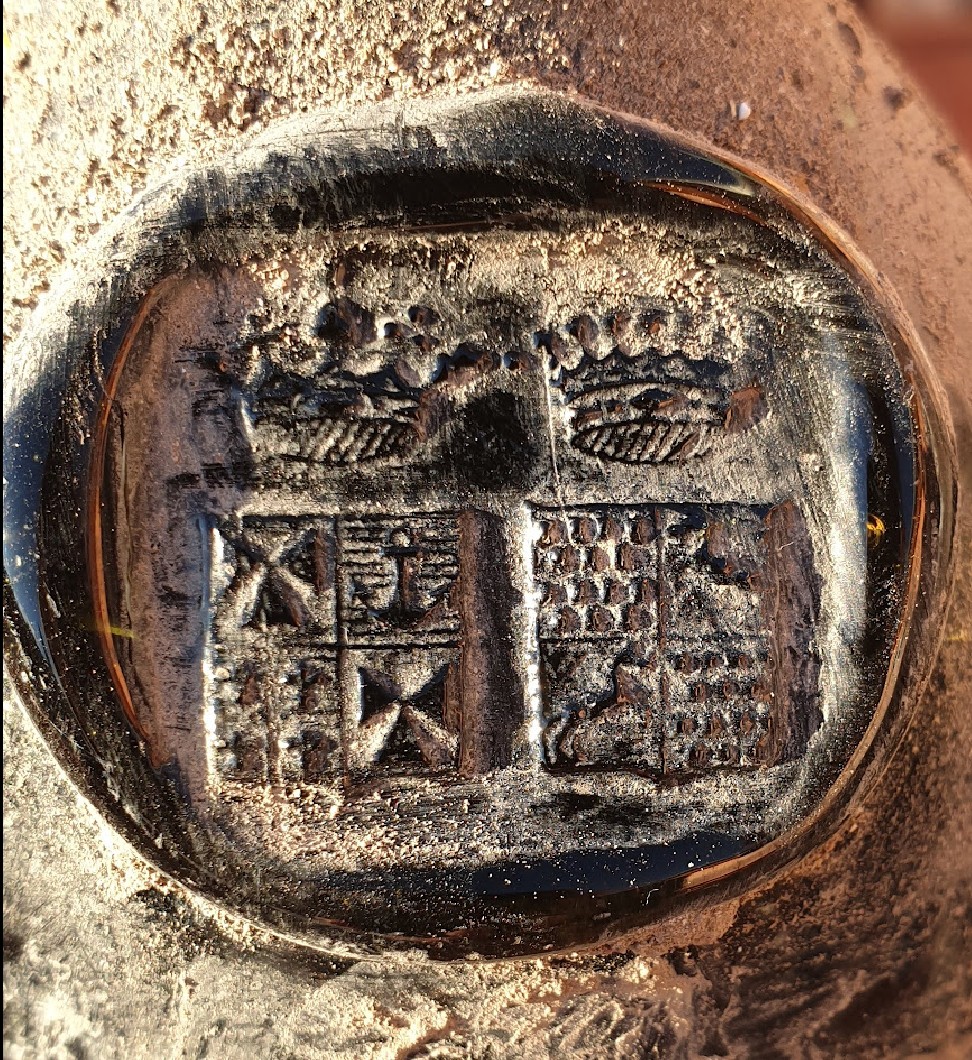
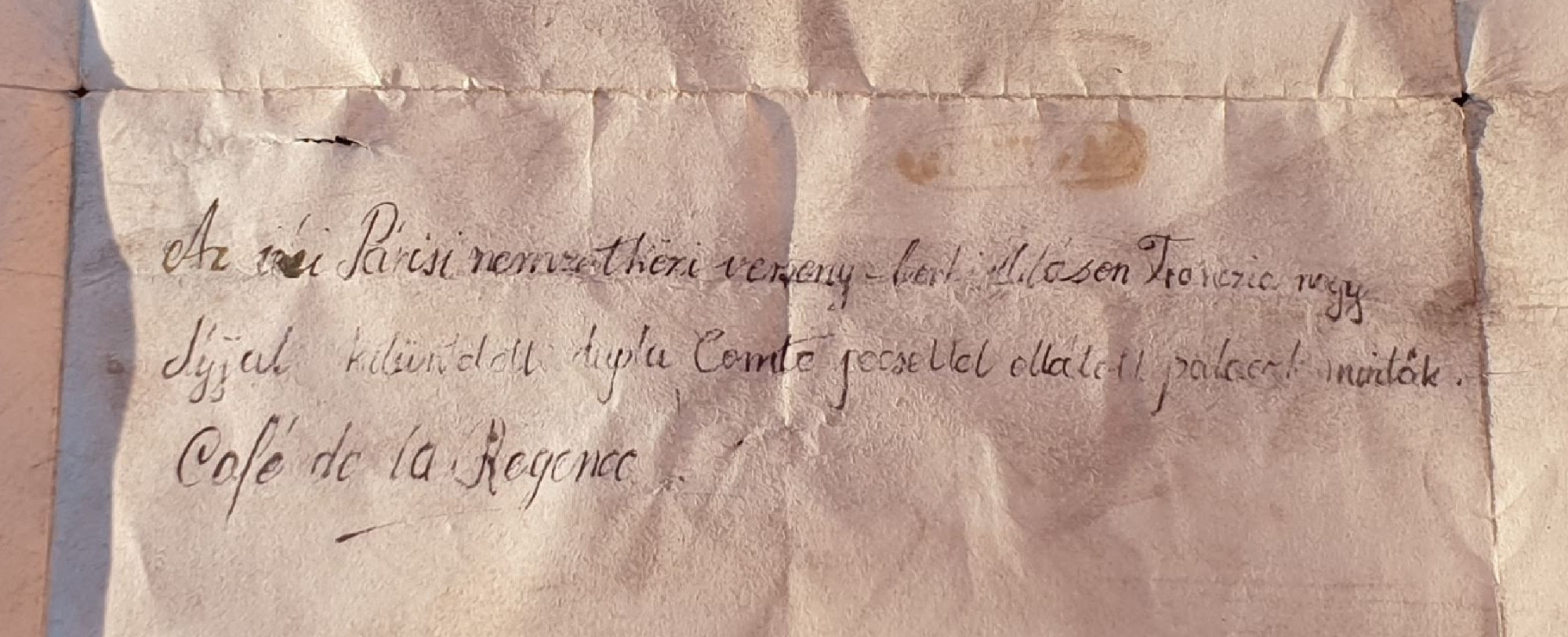
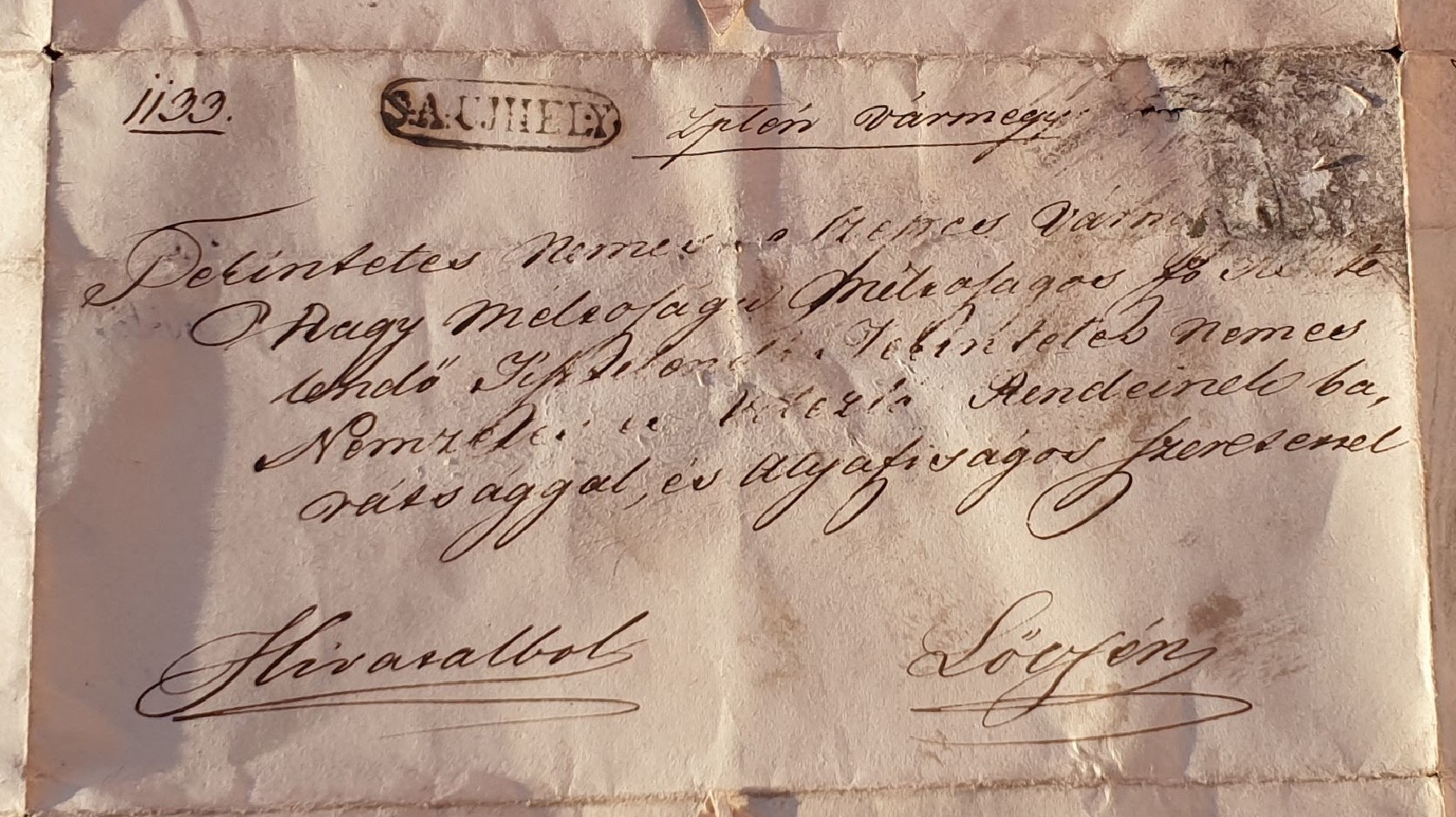
Many old bottles believed to be Tokaji are in the process of identification/authentication. Here is one example - 2 unknown bottles with a unique double coat of arms in the glass mark, which, according to the document are samples of a Hungarian wine presented at wine exhibition in Paris in 1843. The paper mentions the Café de la Régence, a famous place in the history of chess. The bottles come from a cellar discovery in ther Tokaj region where a number of othe bottles were found, all tokaji from some 10 different producers.
The context of the cellar discovery as well as the document with Sátoraljaújhely referenced are suggesting a tokaji wine, but a first quick check didn't provide any meaningful infromation about a wine exhibition in Paris in 1843. The key of authenticating the producer is clearly in the coat of arms, and it shouldn't be too hard to identify it. Interestingly, the coat of arms also are not belonging to the most well-known nobility names in the wine region (Andrássy, Széchenyi, Waldbott, Degenfeld, Maillot, Bretzenheim, Vay etc).