Discovery
.How is it possible to discover so many old Tokaji bottles? In my view it is a combination of four factors:
- Number of bottles: Those very old wines were well known in the past, especially the wines of famous cellars such as the Fukier house in Warsaw, the Imperial cellar in Vienna or the Royal Saxon cellar in Dresden, in total thousands of bottles. If we want to be precise, we should as well call it "rediscovery".
- Evidence of existence: After World Wars I and II those cellars ceased to exist and with them their treasures. The wines were considered lost and despite the fact that occasionally a bottle or two showed up at an auction by and large very old tokaji disappeared from the consciousness ot the wine world. Still, there was mounting evidence that a part of those bottles had survived.
- Number of "bottle hunters": As far as I can tell (state) institutions never explored the option to find those bottles. I do not know if former owners like the Fukier family (Henryk Fukier died in 195?? without a heir), the Saxon Royals or Habsburgs looked into the matter, but I doubt it. In the end only a handful of passionate people like myself were seriously looking for those wines in the context of private investigations. Apparently too few to make progress in the field for over 70 years.
- Persistence and luck: I was always convinced that somewhere and somehow many of those precious bottles must have survived the World Wars. I started researching in many places, and after more than 20 years I was very lucky to locate the first ones of the oldest of the old Tokaji. Today more and more bottles are surfacing and there are, in fact, several good reasons to believe that many more bottles of really old tokaji will be discovered in the future.
The search for very old tokaji bottles is a very-time consuming activity without any guarantee of success. Most time is spent researching potentially interesting locations, mostly cellars and basements of buildings and negotiating access with property owners. Only if we are lucky and access is granted the most exciting part starts: checking for entrances of forgotten cellars and/or looking for unknown cellar sections that have collapsed or have been walled-in. This exploration involves some technology for cavity and object detection, mostly Ground Penetrating Radar (GPR). I have to admit that I am not by any means an expert in cellar statics and structural integrity, so there is naturally some risk involved. A few cellar sections I had explored in the past have since partially or completely collapsed ...
A completely different discovery approach are wine collections of private persons, families, museums or institutions. Those collections sometimes hide tremendous tokaji gems. While it is relatively easy to find collections that include tokaji wines until about 1811 it is very hard to locate older bottles. But luckily they occasionally exist, and sometimes the bottle owners are not even aware of the treasures they own.
Cellar Research
Any wine cellar and even any basement in a building can potentially yield old tokaji bottles. The key part is locating the ones that provide a higher probability of success. For obvious reasons I cannot share the techniques I use but if you own a potentially interesting property I can certainly help in judging the chances of finding old bottles.
As tokaji wine production was significantly larger in the past many cellars in the wine region are not used any longer, or have been completely forgotten while other cellars are only used partially. It is not easy at all to find complete and consistent information about cellars and owners, and I expect that the knowledge about the locations, size, entrance(s) and topology of hundreds of cellars has just vanished over the centuries. Not surpringly, it is non uncommon that formerly unknown cellars or cellar sections are discovered by accident when existing cellars are surveyed, extended or repaired, or even during normal construction works in the wine region.
For an introduction into the fascinating cellar world of Tokaj I recommend the book "Tokaj-Hegyalja alulnézetben" from István Müller (in Hungarian).
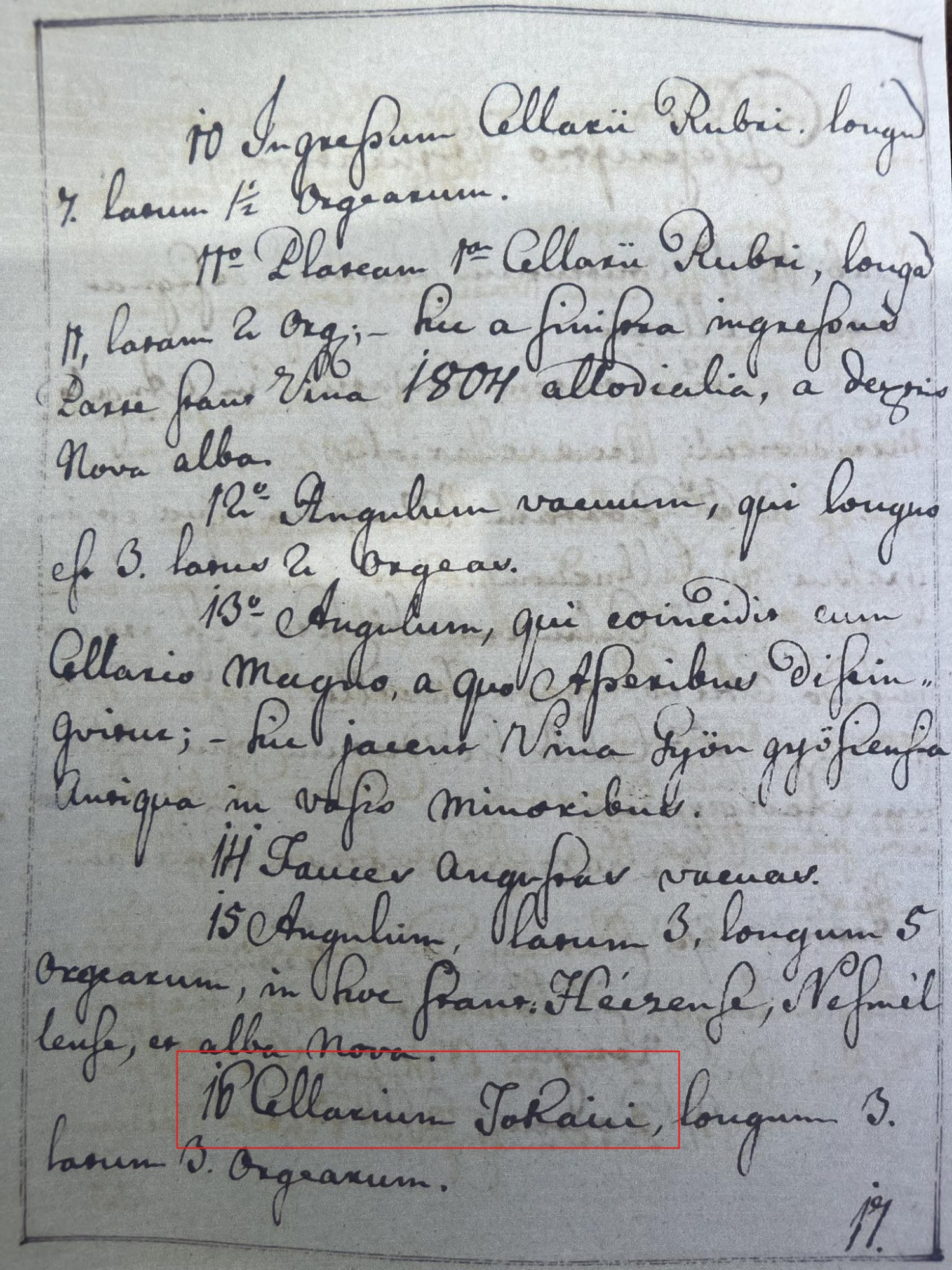
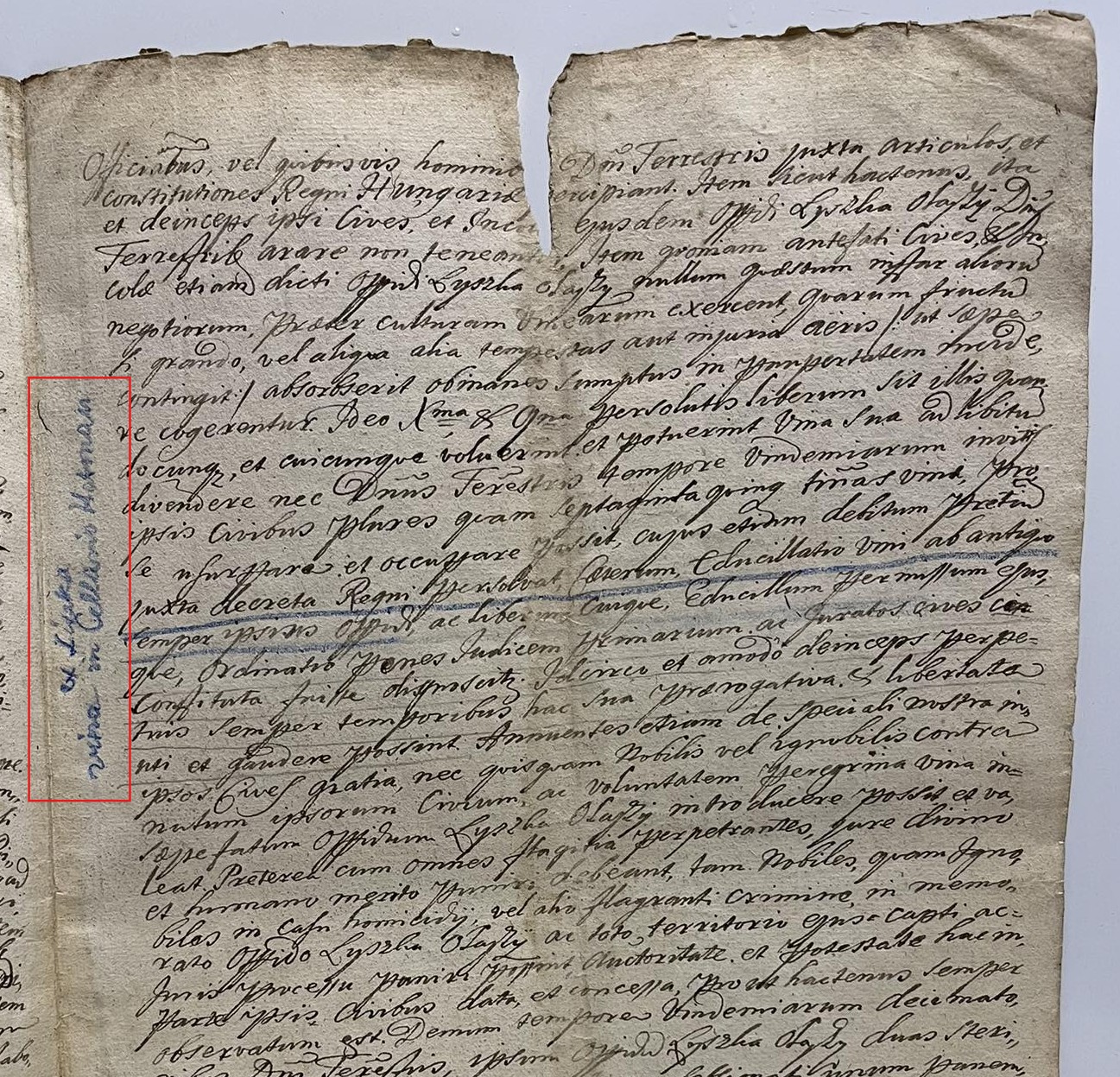
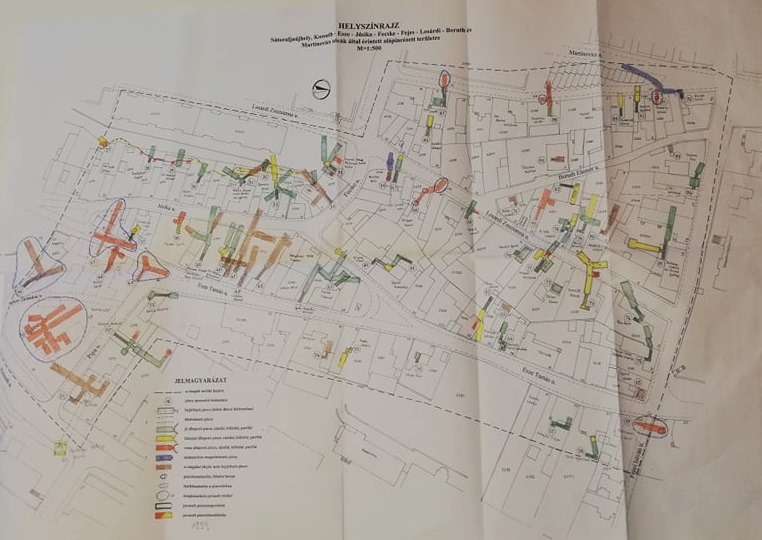
Below are some images of cellar research. The first image shows a 1807 document describing a larger cellar of which section 16 was used to store Tokaji wine. The second one is from a 1596 document suggesting that Tokaji from Olaszliszka was stored in the Hetman Cellar, a legendary wine cellar in Poland which later became part of the Fukier cellar. The third image shows an example of cellar locsations and their topology in the wine region.
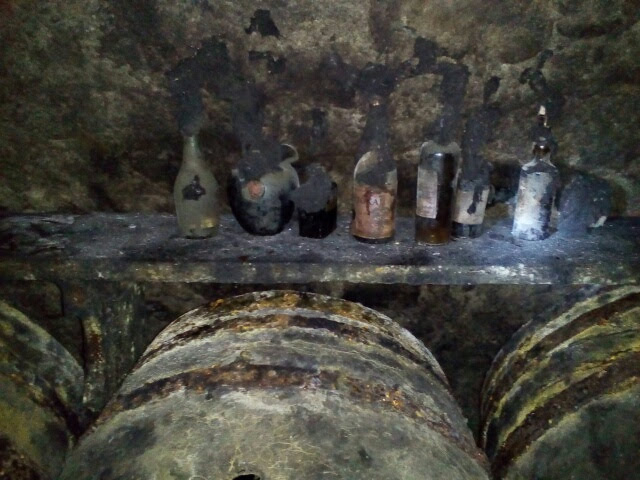
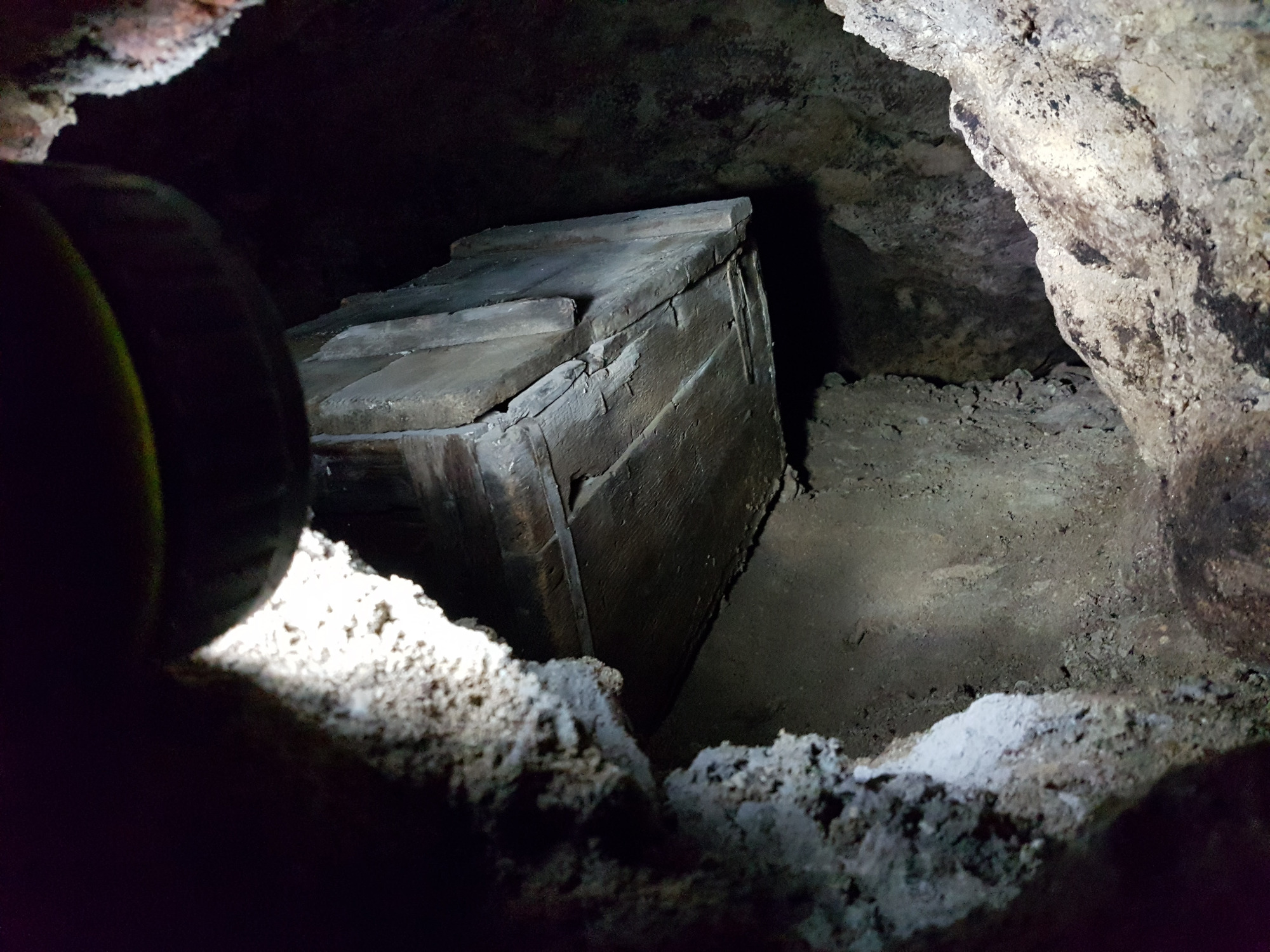
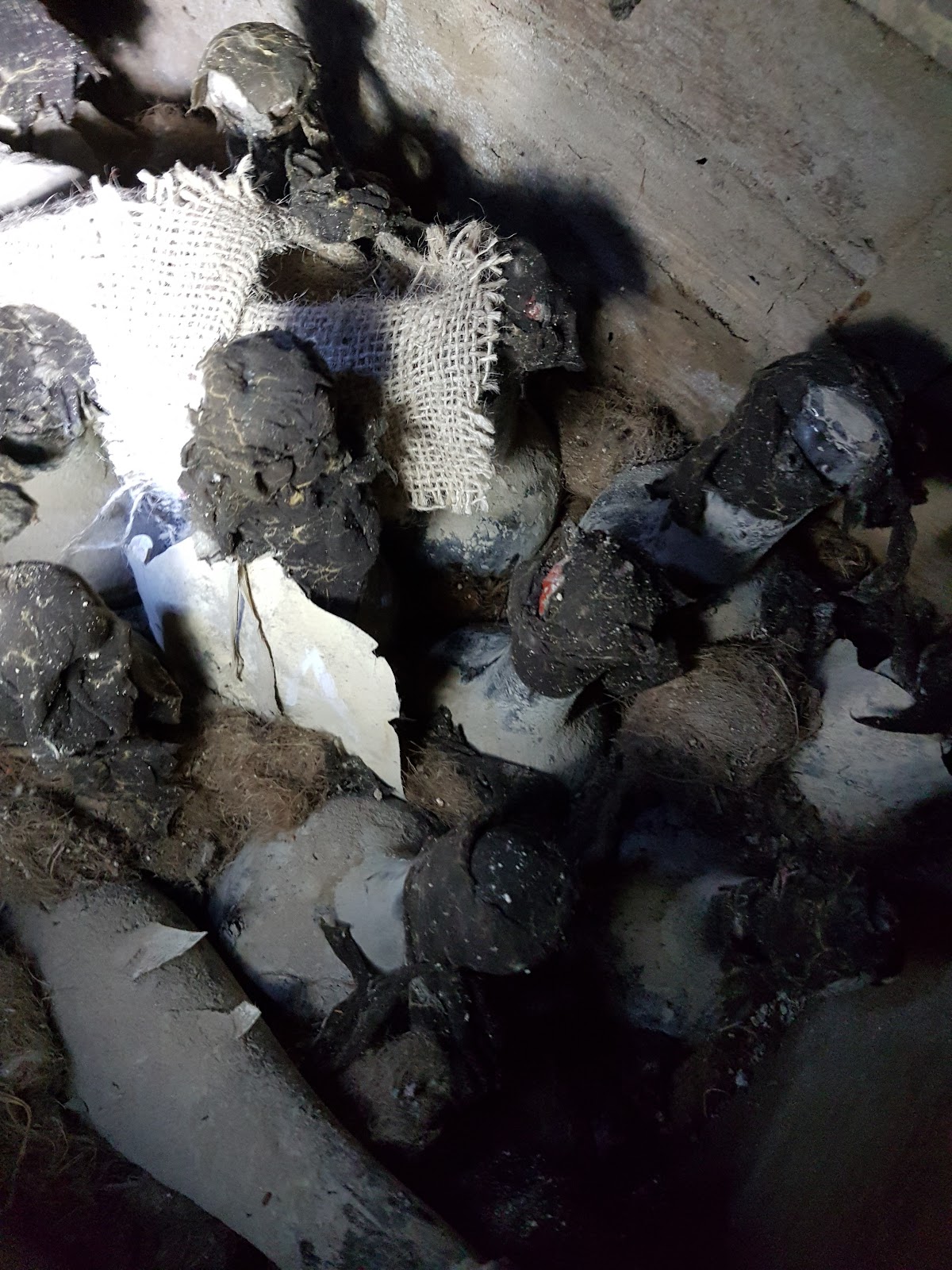
Impressions from Cellar Expeditions
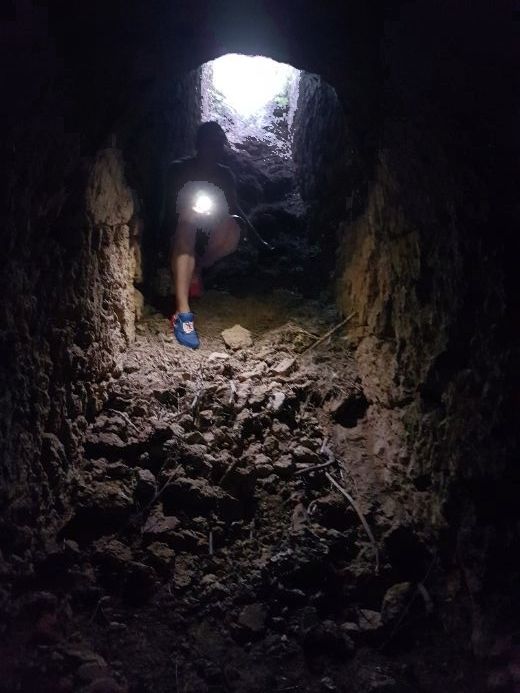
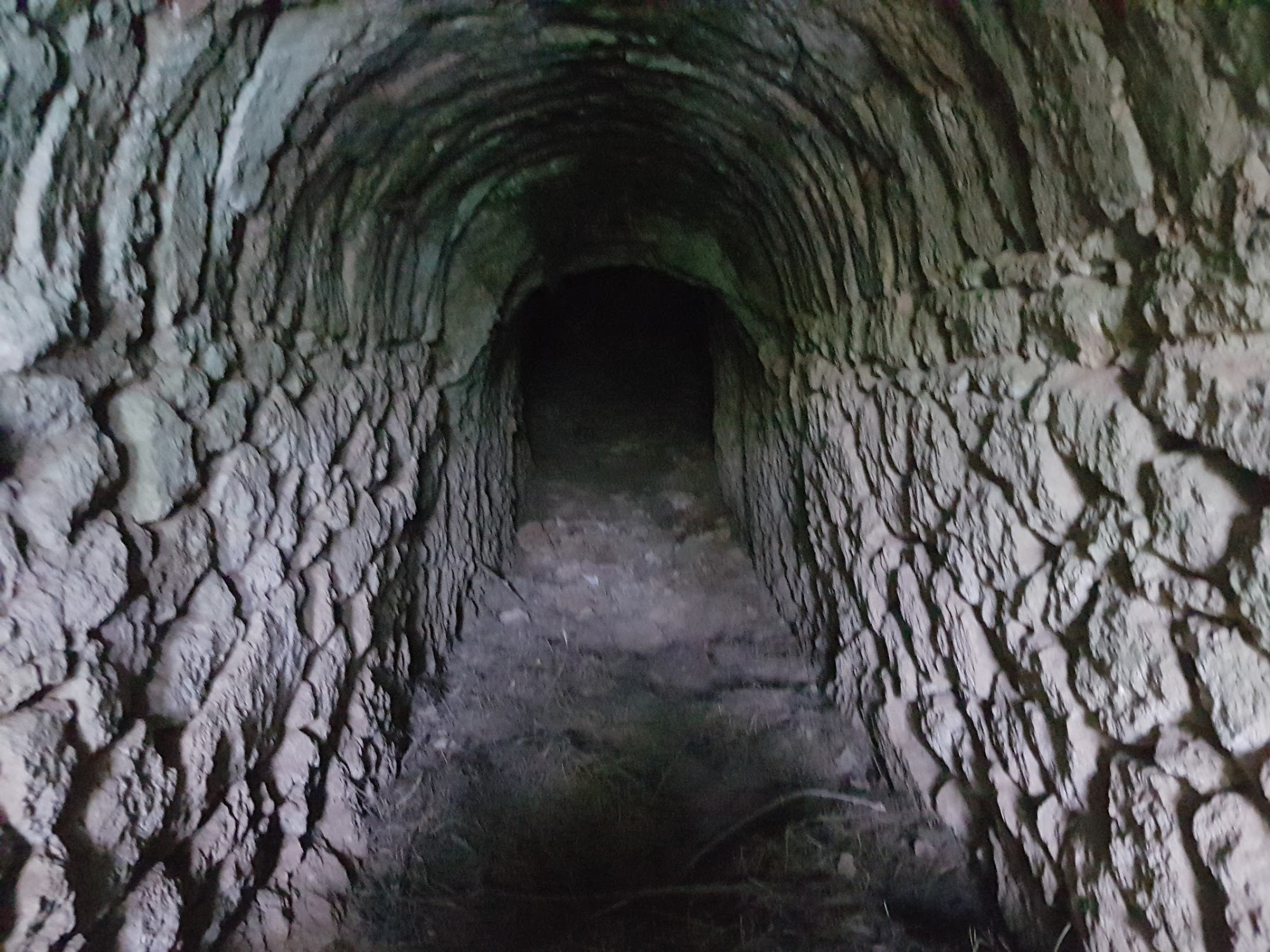
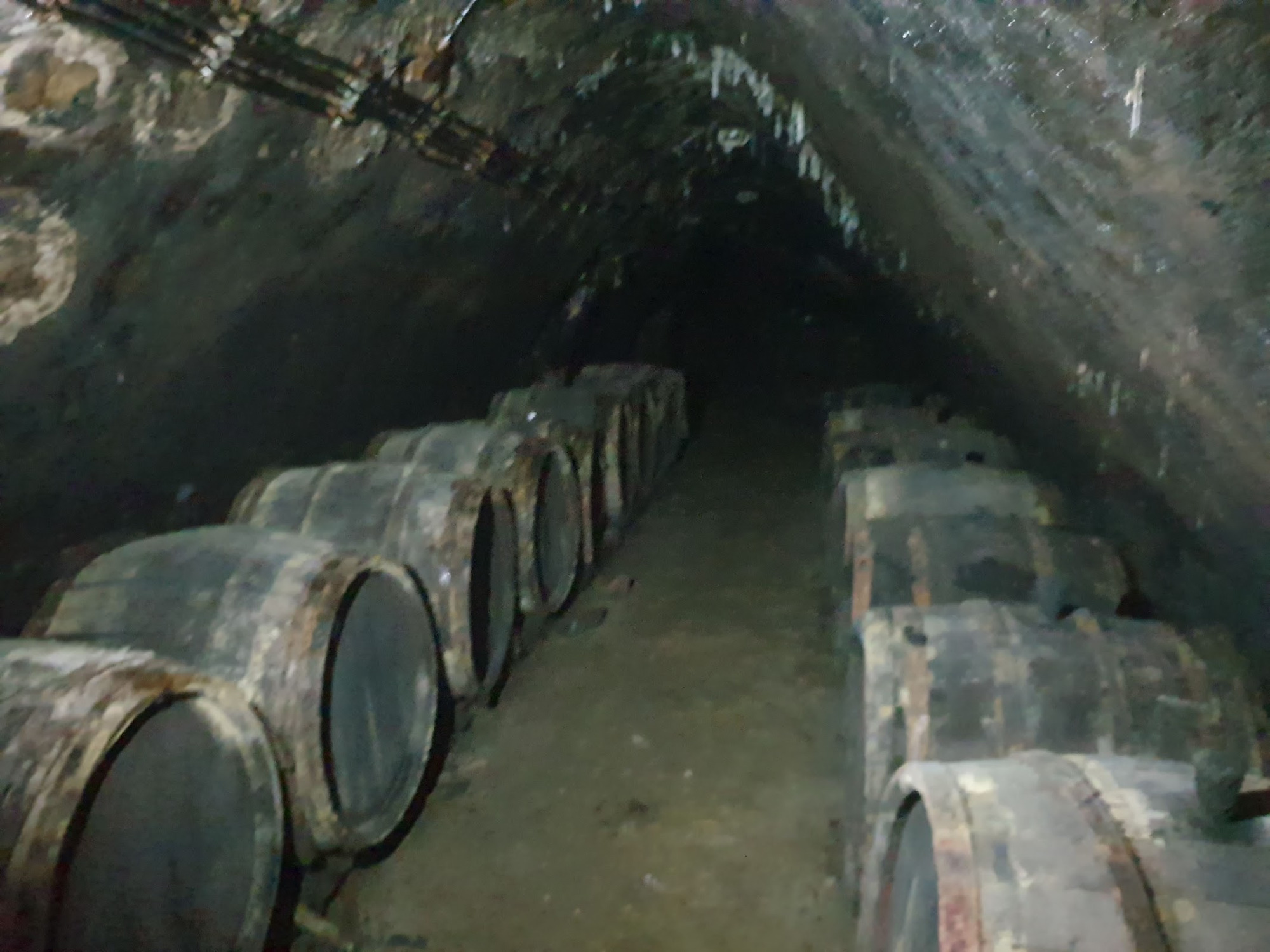
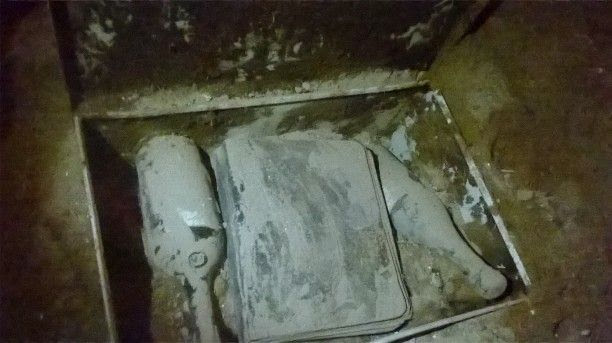
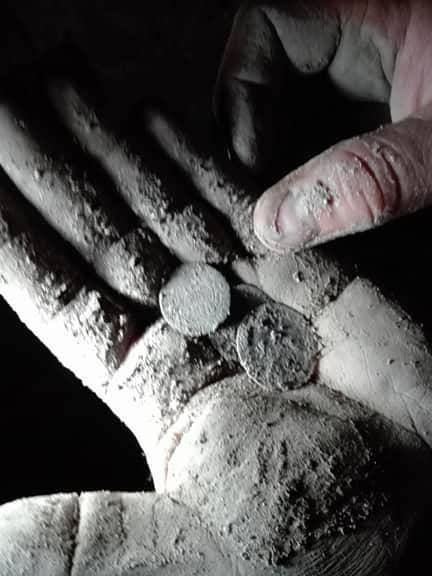
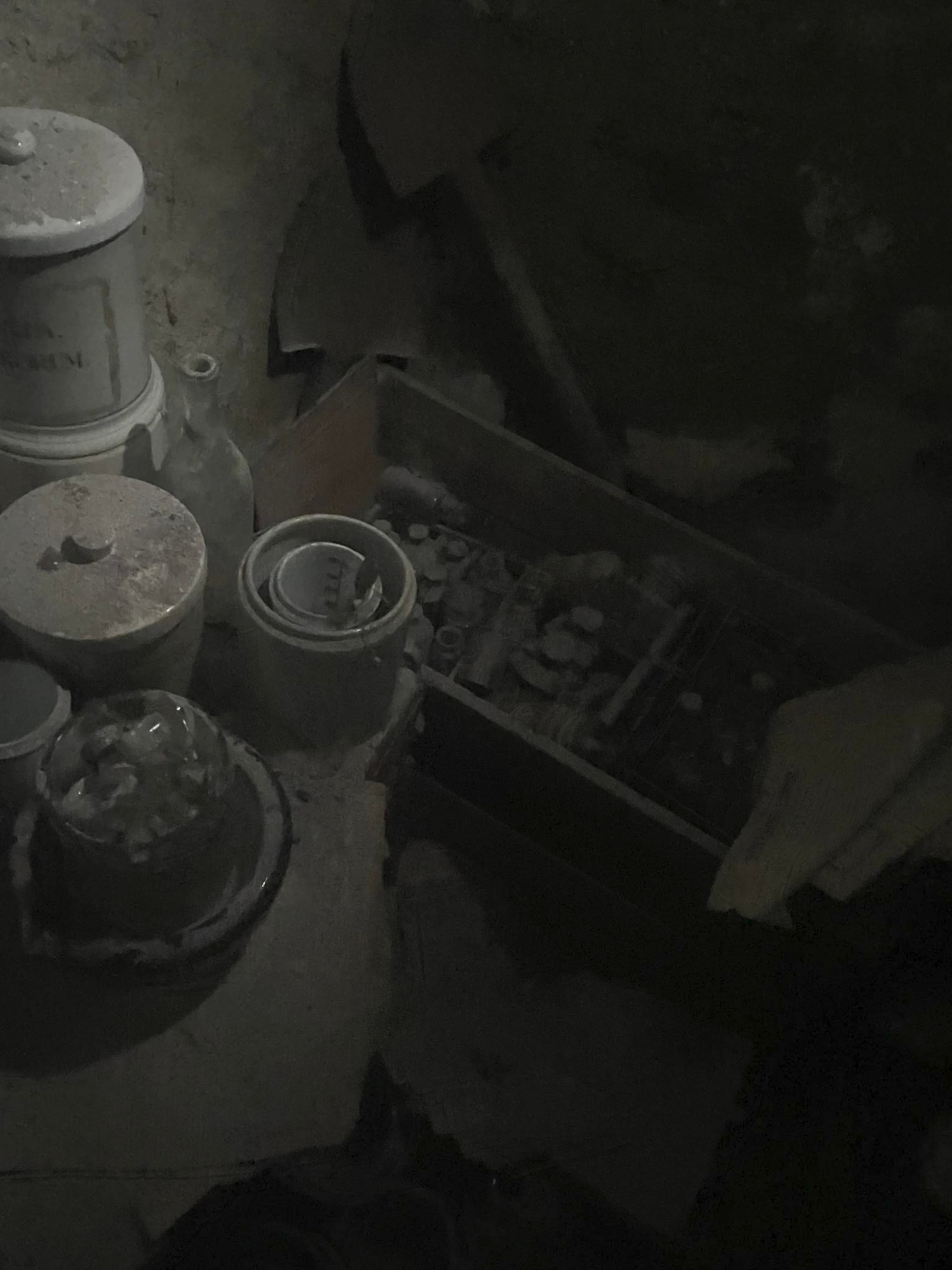
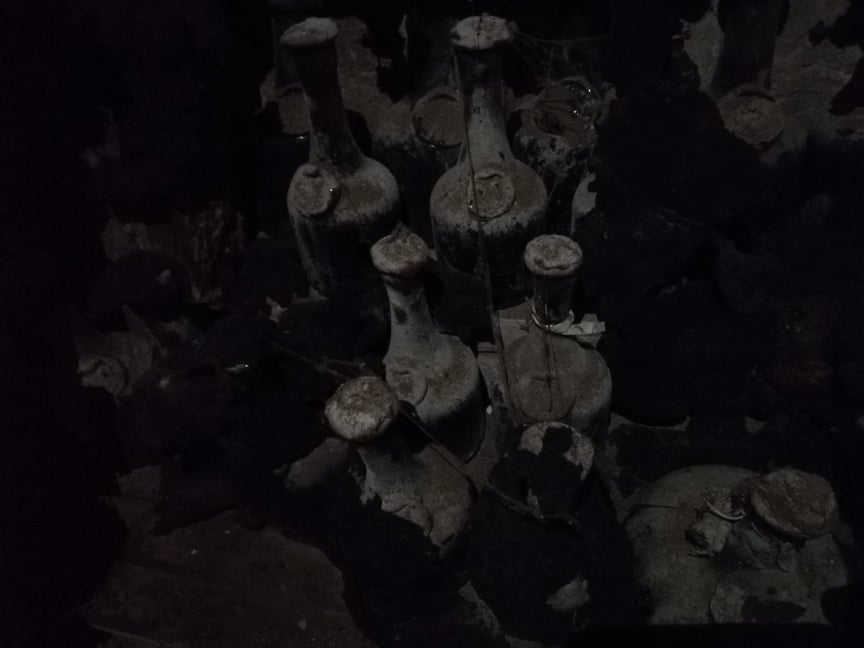
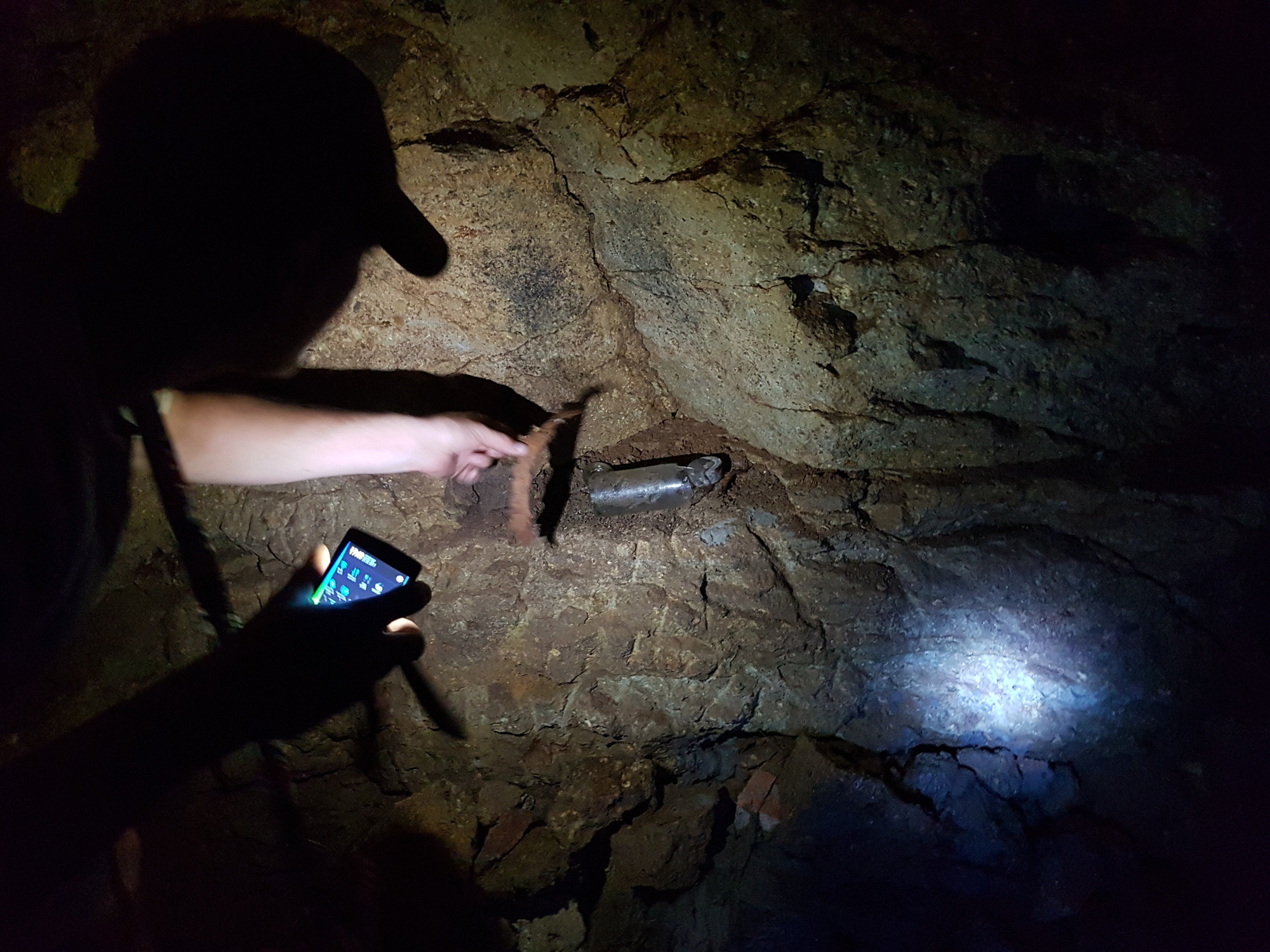
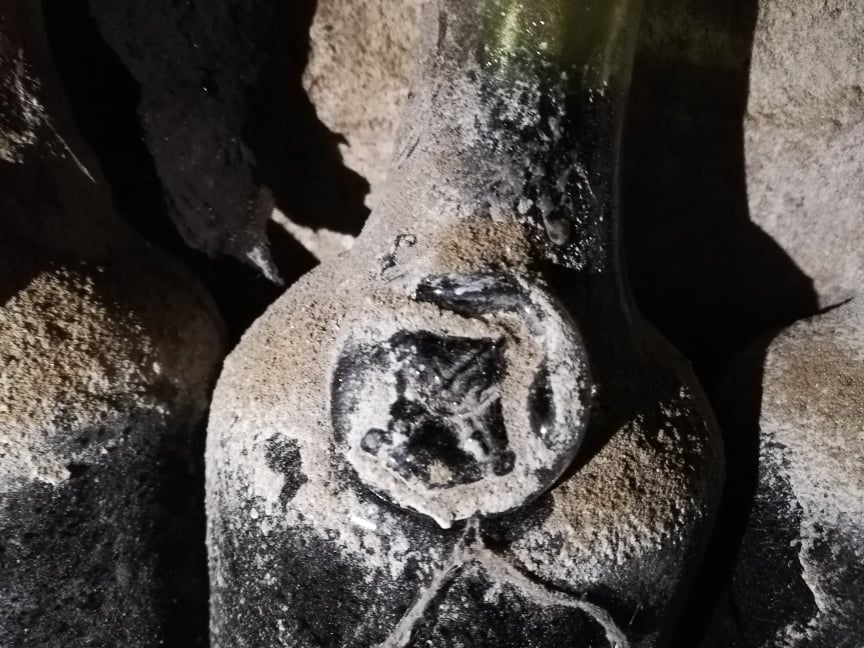
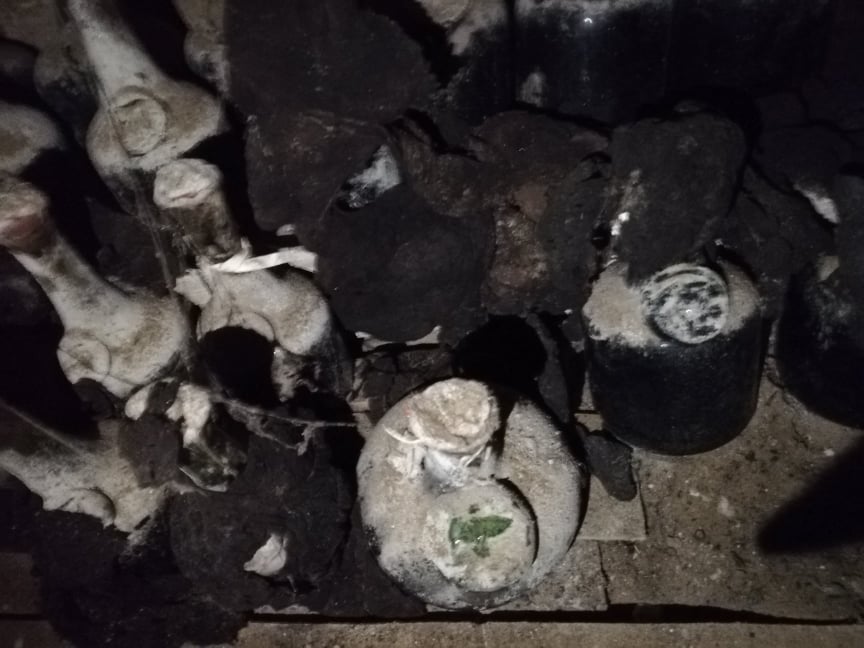
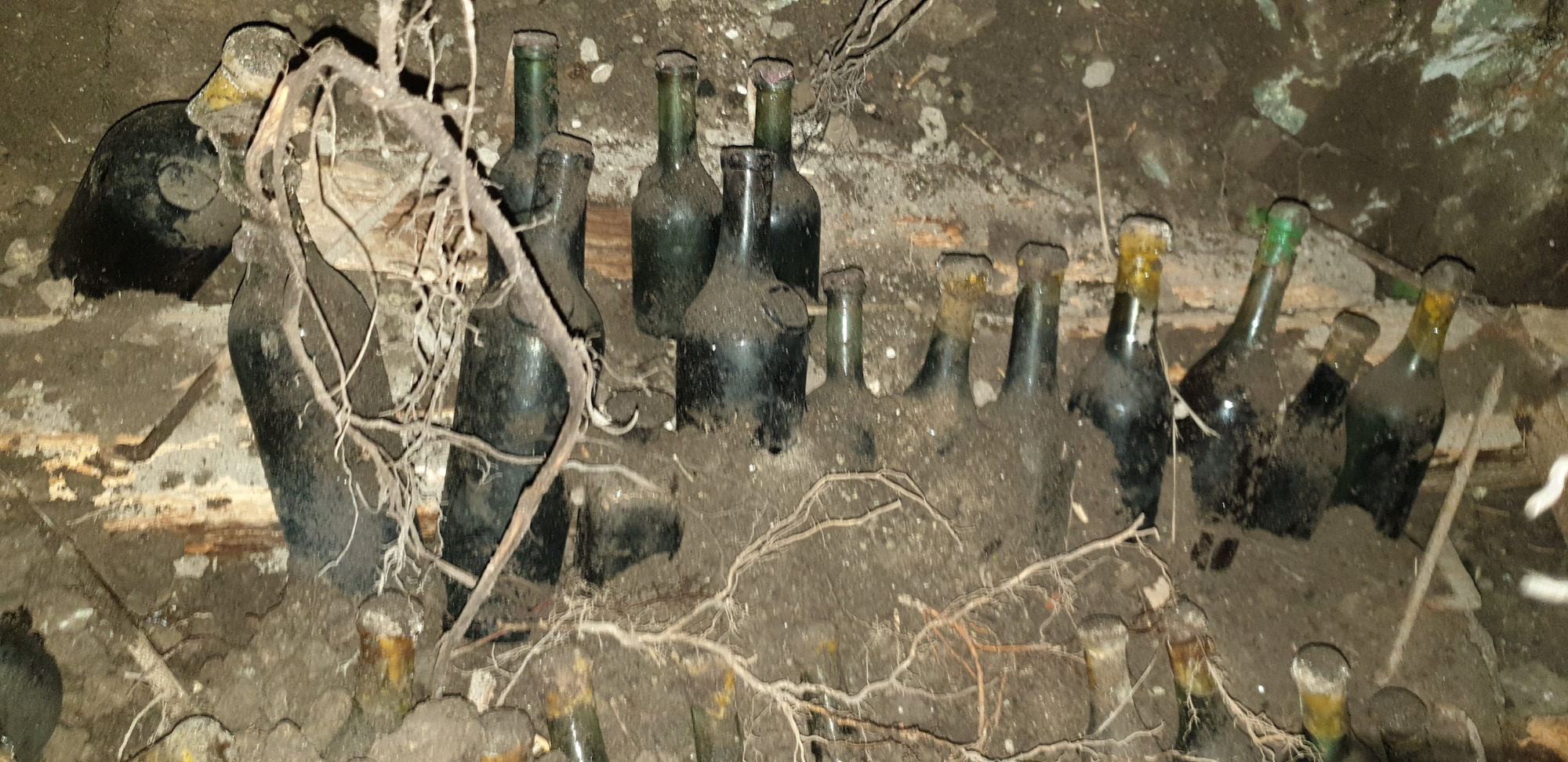
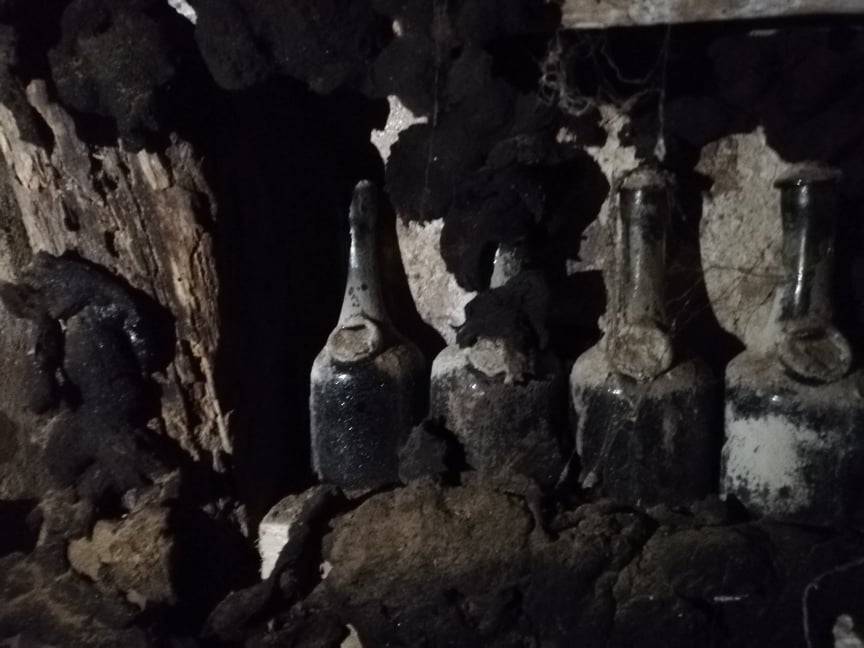
Below are some images from my own cellar expeditions, most of which do not yield any old bottles. Fortunately, I get regularly informed about cellar expeditions by other people interesting in old tokaji, and I often get involved as field expert if old bottles or related artefacts are discovered.